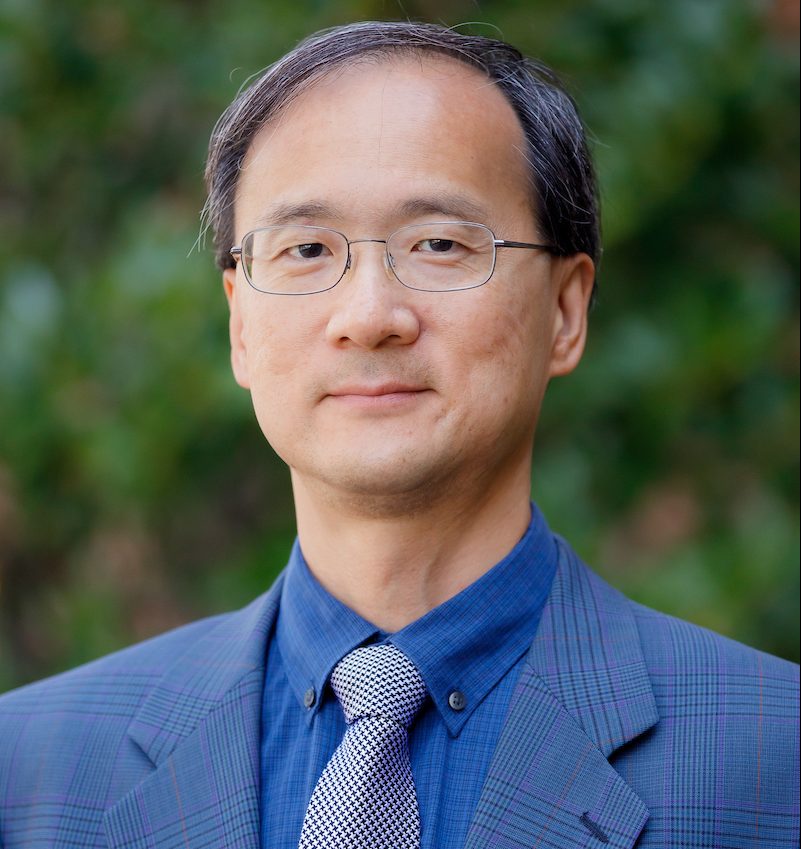
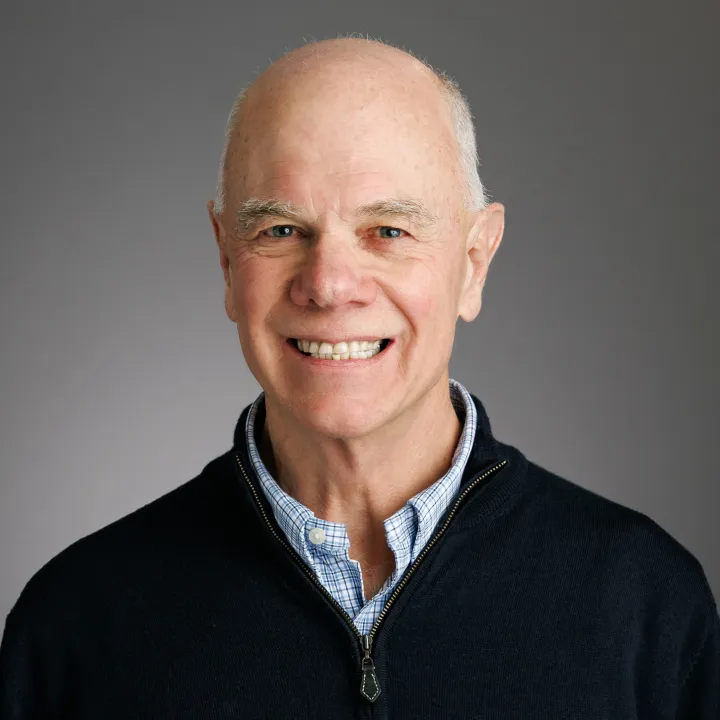
Dag Hanstorp is a Professor at the Department of Physics, University of Gothenburg. His office is located at Fysikgränd 3, Göteborg (Room F8032), and he can be contacted via email or telephone. His research focuses on experimental atomic/molecular physics and laser applications, including: Quantum phenomena in levitated droplets Ultraprecise spectroscopy of radioactive molecules (e.g., radium monofluoride) Laser-induced dynamics in fuels and aerosols Electron affinity measurements of alkali metals Vacuum laser particle acceleration techniques Spin Hall nano-oscillator characterization Recent publications (2023-2025) demonstrate interdisciplinary work combining atomic physics, fluid dynamics, quantum optics, and nanotechnology. Common themes include advanced laser spectroscopy, quantum system control, and novel imaging techniques applied to fundamental physical processes.
Prof. Stefan Eisebitt is a Director at the Max-Born-Institut für Nichtlineare Optik und Kurzzeitspektroskopie and holds a Professorship in Experimental Physics at the Technische Universität Berlin. His research focuses on ultrafast magnetization dynamics, nanoscale structure analysis, and novel imaging techniques using coherent XUV/X-ray spectroscopy. He leads the Transient Electronic Structure and Nanoscience group and is involved in cutting-edge projects involving femtosecond laser-driven X-ray sources and spintronic materials. Education and Career: He obtained his Diplom (1992) and Ph.D. (1996) from Cologne University, followed by postdoctoral research at the University of British Columbia and Forschungszentrum Jülich. He became a Privatdozent at Humboldt-Universität Berlin (2005) and held professorships at TU Berlin (2008–2015) and Lund University (2012–2015) before his current role since 2015. He leads the Functional Nanomaterials joint research group between Helmholtz-Zentrum Berlin and TU Berlin. Research Interests: His work spans transient electronic structure, ultrafast optical manipulation of magnetization, nanoscale material characterization, and advanced coherent imaging methods. Key techniques include XUV/X-ray spectroscopy, laser-driven plasma sources, and femtosecond time-resolved studies. Professional Roles: He chairs the Physikalische Gesellschaft zu Berlin and the Elettra Scientific Advisory Council. He has held leadership roles in the European XFEL Scientific Advisory Committee and the Komitee für Forschung mit Synchrotronstrahlung (KFS). His lab develops state-of-the-art setups for ultrafast X-ray scattering and holography.
Univ.-Prof. Aiko Voigt is a Professor and Head of the Department of Meteorology and Geophysics at the University of Vienna. Her research focuses on climate dynamics, cloud physics, and atmospheric processes. She leads the Environment and Climate Research Hub and teaches advanced courses like 'Climate Modelling Lab' and 'Cloud Physics.' Her work explores cloud-radiative interactions, climate change impacts, and extreme weather dynamics. Recent studies analyze energy imbalances, high-cloud feedbacks, and tropical precipitation patterns. Voigt's contributions bridge climate modeling with observational data, emphasizing high-resolution simulations and interdisciplinary approaches. Teaching includes courses such as 'Climate System of the Earth,' 'Scientific Communication,' and 'Introduction to Computational Meteorology.' Her research spans from present-day climate to Snowball Earth scenarios, addressing both modern and paleoclimatic challenges. Publications highlight advancements in radiative transfer algorithms, cyclone dynamics under warming, and uncertainties in climate model predictions. Her work underscores the critical role of clouds in amplifying climate sensitivity and reshaping atmospheric circulation patterns.
Ulrich Vogt is a Professor in Applied Physics at Kungliga Tekniska Högskolan (KTH) and leads the X-ray Optics and Nanoimaging group within the Bio-Opto-Nano unit. He serves as Vice-head of the Applied Physics department for undergraduate education. His research focuses on developing advanced X-ray microscopy techniques, particularly at synchrotron facilities like MAX IV’s NanoMAX beamline. He specializes in X-ray optics, nanoimaging, and diffractive optical elements for applications in materials science, biology, and medicine. Key contributions include the design of the NanoMAX beamline, optimization of X-ray zone plates via metal-assisted chemical etching, and advancements in multi-beam ptychography. Vogt has pioneered compact X-ray microscopy systems using laser-plasma sources and liquid-jet targets. His work integrates nanofabrication, computational imaging, and synchrotron instrumentation to achieve sub-100 nm resolution in hard and soft X-ray regimes. Teaching responsibilities include courses on experimental physics, photonics, and X-ray applications. His lab collaborates internationally on projects like the European XFEL, emphasizing high-brightness sources and radiation-resistant optics. Recent innovations include adaptive multi-beam ptychography and stereo X-ray imaging for 3D nanoscale visualization. Research highlights span over 100 peer-reviewed articles, with a focus on coherence characterization, beamline instrumentation, and nanostructured materials. Vogt’s grants include a Röntgen-Ångström Cluster award supporting multi-beam ptychography and cryo-microscopy advancements.
Dr. Patrick Kung serves as Associate Professor and Associate Department Head for Undergraduate Programs in the Department of Electrical and Computer Engineering at the University of Alabama's College of Engineering. His research spans nanotechnology, quantum computing, and terahertz photonics with significant contributions to metamaterials and optical systems. Research Focus: Dr. Kung specializes in terahertz spectroscopy, polarization-sensitive imaging, and nanoscale material engineering. His work integrates machine learning with optical systems for applications in underwater imaging, quantum networking, and biodegradable polymers. Recent projects include $1 million Department of Energy funding for quantum networking research (2024) and development of materials for slowing light propagation. Publication Trends: His recent publications (2022-2025) demonstrate a clear trajectory toward multimodal sensing systems combining terahertz technology, polarization control, and AI-driven image processing. Key themes include underwater object recognition using single-photon LiDAR, compact drone-compatible imaging platforms, and cryogenic photonic components for quantum applications. The work consistently bridges fundamental nanophotonics with practical engineering solutions. Department of Energy Funding ($1 Million for Quantum Networking Research, 2024) Dr. Kung actively mentors students in EPA-funded water disinfection projects using UV-LED technology and collaborates with industry partners through the Southeast Executives-on-Roster program. His laboratory work focuses on nanowire-based thin films and metamaterial absorbers, with applications in environmental monitoring and quantum communication hardware.
Robert C. Dunn is a Professor in the Department of Chemistry at the University of Kansas, where he leads an active research group focused on developing novel optical and spectroscopic techniques for chemical and biological analysis. His laboratory specializes in single-molecule detection methods, high-resolution microscopy, and advanced capillary electrophoresis systems. Professor Dunn's research interests span analytical chemistry, biophysics, and nanotechnology. His group develops instrumentation including backscatter interferometry, near-field scanning optical microscopy, and scanning resonator microscopy to study biological systems at the nanoscale. Key research areas include membrane biophysics (investigating lipid domains and protein dynamics), nuclear pore complex function, and the development of ultrasensitive detection methods for clinical diagnostics and biochemical analysis. His recent publications demonstrate strong focus on miniaturized separation and detection platforms, particularly high-speed capillary electrophoresis systems integrated with novel optical detection schemes. Research trends show advancement towards point-of-care diagnostic tools, with innovations in refractive index sensing, femtoliter-volume detection, and label-free biosensing applications. Professor Dunn mentors graduate and undergraduate researchers in his group, with current students including Prabhavie Opallage (graduate student), Stanslaus M Kariuki (undergraduate), and Mei Ling Upp (undergraduate). His laboratory is developing new chemical analysis approaches using optical techniques including whispering gallery mode sensing, scanning resonator microscopy, and single-molecule fluorescence imaging.
James S. Duncan is the Ebenezer K. Hunt Professor of Biomedical Engineering at Yale University, with additional appointments in Electrical & Computer Engineering and Radiology & Biomedical Imaging. His research focuses on biomedical image processing, quantitative image analysis using geometrical models, and applications in cardiac function and neuro-structure analysis. He has pioneered image-guided interventions and developed computational frameworks for medical imaging challenges. He holds a Ph.D. from the University of Southern California. His work integrates AI, deep learning, and statistical decision-making to advance medical imaging technologies. Notable contributions include advancements in 3D image segmentation, deformable models, and MRI-based tumor response assessment. Dr. Duncan has received prestigious awards, including IEEE Fellow (2001) and induction into the American Institute for Medical and Biological Engineering (2000). His recent research spans AI-driven hemodynamics modeling, trustworthy healthcare AI guidelines, and molecular MRI innovations in immunotherapy monitoring. He collaborates across disciplines to address challenges in cardiovascular, neuroimaging, and oncological applications.
Eddie C. Red is an Associate Professor of Mathematics and Computational Sciences at Morehouse College , where he currently serves as the Interim Dean of the Science, Technology, Engineering, and Mathematics (STEM) Division. He earned his B.S. from Morehouse College (class of 2000) , followed by his M.S. and Ph.D. from Florida Agricultural and Mechanical University . Dr. Red also completed post-doctoral education at Lawrence Berkeley National Laboratory . Interim Dean, STEM Division Former Chair, Mathematics and Computational Science Division Former Chair, Physics & Dual-Degree Engineering Department Dr. Red’s research interests bridge atomic physics, quantum mechanics, and computational modeling , with a focus on: Photoionization cross-sections Bound states in the continuum Velocity map imaging techniques Mathematical formulations for quantum operators His work has resulted in publications in Physical Review A, Communications Physics, and the Journal of Physics B , alongside numerous conference presentations. Dr. Red has led the NuMaSS (Nuclear, Materials, and Space Science) Summer Enrichment Program for K-12 students and directed the Research Experience with Diversification Laboratory , emphasizing student training and research. Scientific awards include: Principal Investigator for Department of Energy National Nuclear Security Administration awards Dr. Red has served on multiple faculty governance committees, including the Admissions Committee , Faculty Grievance Committee , and Faculty Research Committee .
Prof. Dr. Christian Mayer is a Professor in Physical Chemistry at the Faculty of Chemistry, University of Duisburg-Essen. He serves as Head of the working group focusing on origin of life research, nanocapsules, and NMR spectroscopy techniques. His research group is located at Universitätsstraße 5, D-45141 Essen, Germany, with contact information including phone number +49 201 183-2570. Prof. Mayer's research interests primarily focus on the origin of life in deep tectonic fault zones of the first continental fragments, where he collaborates with Prof. Dr. Ulrich Schreiber from the Faculty of Biology and Prof. Dr. Oliver Schmitz from Applied Analytical Chemistry. His work investigates how vesicle formation occurs in tectonic fault systems through cyclic phase transitions of carbon dioxide, creating ideal conditions for molecular evolution. He specializes in pulsed field gradient NMR (PFG-NMR), high-resolution NMR, and solid-state NMR techniques to characterize nanoscale systems including nanocapsules, vesicles, and microemulsions. His recent publication trends reveal a strong interdisciplinary focus spanning physical chemistry, prebiotic chemistry, and astrobiology. The articles demonstrate increasing integration of computational methods with experimental approaches, particularly in analyzing molecular structures and dynamics. His research has evolved from fundamental studies of nanocapsule systems to broader investigations of protocell formation mechanisms under early Earth conditions, with recent work extending to astrobiological contexts including potential life formation on Titan. Prof. Mayer has established significant collaborations across multiple disciplines, particularly with geologists and biologists, to investigate the physical chemical processes that could have led to the emergence of life. His work bridges fundamental physical chemistry with practical applications in nanomedicine, particularly in developing artificial oxygen carriers based on nanocapsule technology. His laboratory utilizes high-pressure facilities to simulate early Earth crust conditions, with a particular focus on supercritical CO 2 environments. The working group combines experimental approaches with theoretical modeling to understand vesicle formation processes and their implications for the origin of cellular life.
Juan-Pablo Correa-Baena is an Associate Professor at the Georgia Institute of Technology , holding the Goizueta Early Career Faculty Chair in the School of Materials Science and Engineering. He leads the Materials for Solar Energy Harvesting and Conversion research initiative at the Institute for Materials (IMat) and Strategic Energy Institute, aiming to consolidate Georgia Tech's expertise in photovoltaics and interdisciplinary energy research. Education: PhD in Environmental Engineering, University of Connecticut (2014) MS in Environmental Engineering, University of Connecticut (2011) BS in Management and Engineering for Manufacturing, University of Connecticut (2008) His research focuses on the chemistry-structure-property relationships of low-cost semiconductors for optoelectronic applications. Key areas include halide perovskites , nanoscale control , and advanced deposition/characterization techniques . He develops atomic layer deposition and synchrotron-based imaging to address metastable material behavior. Recent publications highlight innovations in dimensional control , machine learning for thermal stability , and flexible photovoltaic devices . His work integrates materials synthesis , quantum phenomena , and industrial scalability . Scientific recognition: Highly Cited Researcher (Web of Science, 2019–2021) Nature Index Leading Early Career Researcher in Materials Science (2019) NSF, DoE, and industry-funded projects Students and team: He advises 14 graduate students and postdocs, including Sanggyun Kim, Diana LaFollette, and Leonardo Josué Lugo Salas, fostering interdisciplinary collaboration through workshops and symposia.
Wayne Springer is a Professor in the Department of Physics & Astronomy at the University of Utah, with a career spanning over 25 years. He has been actively involved in experimental particle astrophysics, ultra-high-energy cosmic ray (UHECR) physics, and gamma-ray astronomy. Ph.D. in Physics from University of Maryland (1991) B.S. in Physics from University of Maryland (1985) Postdoctoral training at University of Maryland and University of Alberta His research focuses on particle astrophysics, cosmic ray detection, and gamma-ray astronomy. He has made significant contributions to the development of the HiRes and Telescope Array cosmic ray observatories, as well as the HAWC and SWGO gamma-ray observatories. His recent work includes deployment of the Trinity neutrino detector prototype and serving as SWGO project manager for Chile site infrastructure. Article trends show strong emphasis on TeV gamma-ray observations (HAWC, SWGO), cosmic ray diffusion mechanisms, dark matter searches, and high-energy astrophysical source characterization (pulsars, microquasars, supernova remnants). He has secured multiple NSF grants for particle astrophysics research and leads detector working groups in international collaborations. Professor Springer actively participates in astronomy outreach, co-developing observatories and implementing computational physics teaching tools with Gradescope auto-graders for enhanced pedagogy. His work bridges experimental high-energy physics, detector development, and multiwavelength astrophysical studies.
Guido Pintacuda is a CNRS Research Director and Head of the Lyon High-Field NMR Center (CRMN) at École Normale Supérieure de Lyon since 2019. His work centers on advancing solid-state NMR methodologies with ultra-fast magic-angle spinning (MAS) to achieve atomic-level resolution in complex biomolecular and materials systems that are intractable to conventional techniques. Educational background: Undergraduate studies (1992-1997) and PhD in Sciences (1998-2002) at Scuola Normale Superiore in Pisa, Italy; postdoctoral research at Karolinska Institutet (2001-2004) and Australian National University (2004). Research interests focus on pushing NMR frontiers through high-field instrumentation and fast MAS (up to 160 kHz), with dual objectives: (i) biomolecular structure determination for membrane proteins, amyloid fibrils, and viral assemblies; (ii) solid-state NMR of paramagnetic materials like battery cathodes and catalysts. His innovations include proton detection in fully protonated proteins and DNP-enhanced sensitivity. Recent publications (2021-2024) show heavy emphasis on proton-detected NMR under fast MAS for structural biology, alongside growing work in paramagnetic materials. Key trends include method development for μs–ms dynamics, miniature rotor protocols for membrane proteins, and collaborations with Bruker for 150+ kHz probe technology. Scientific awards: ERC Consolidator Grant (P-MEM-MAS, 2015-2021) Sackler Prize (2017) ISMAR Fellow (2020) Mentoring and grants: Principal investigator for major projects including ERC (2.5 M€), ANR CTRbyNMR (384 k€), and EU PANACEA (5 M€, co-coordinator). Actively mentors PhD student Clément Ollier and postdocs (Z. Sun, S. Medina-Gomez) at ENS Lyon and international schools. Labs and teams: Directs CRMN (UMR 5082 CNRS/ENS Lyon/UCBL), a world-class NMR facility with unique high-field equipment. Leads a research group developing 150+ kHz MAS probes in partnership with Bruker Biospin and maintains strong ties to the University of Delaware (T. Polenova) and European networks.
Sandeep Kumar Mishra, PhD, is an Associate Research Scientist in the Department of Radiology & Biomedical Imaging at Yale School of Medicine, where he holds a primary appointment in the Magnetic Resonance Research Center within the Division of Bioimaging Sciences. He completed his doctoral training at Pondicherry University (2017) and finished post-doctoral research at Yale in 2024 before transitioning to his current research-intensive faculty role. Education: PhD, Pondicherry University – 2017 Post-doctoral Associate, Yale University – 2024 Research Focus: Mishra’s work integrates multinuclear magnetic resonance spectroscopy, responsive paramagnetic probes, and nano-constructs to quantify the tumor microenvironment. Major themes include in-vivo mapping of interstitial pH and sodium gradients in gliomas, development of Fe(II)/Co(II)/Ni(II)-DOTA tetraglycinate complexes for simultaneous pH–temperature sensing, and engineering dual-modal nano-agents that couple MR angiography with therapeutic delivery (chemo-photothermal, cryo-ablation, MMP inhibition). Publication Trends: Across 28 peer-reviewed articles (2016-2025) he demonstrates a sustained trajectory in cancer imaging, moving from theranostic nanoparticles toward sophisticated spectroscopic imaging of tumor acid–base and ionic homeostasis, with increasing translational orientation involving rodent glioma and hepatocellular carcinoma models. Collaborations & Affiliations: He is embedded in Yale’s inter-disciplinary MR research ecosystem, collaborating recurrently with faculty in Radiology, Biomedical Engineering, and the Magnetic Resonance Research Center (D. Coman, F. Hyder, P. Herman, J. Verhagen, J. Santana, A. Shewarega). Contact: sandeepkmishra11@gmail.com | Magnetic Resonance Research Center, 300 Cedar Street, New Haven, CT 06519, USA
Maria Pau Ginebra Molins is a Professor in the Department of Materials Science and Engineering at the Barcelona East School of Engineering (EEBE), Polytechnic University of Catalonia (UPC). She leads the BBT Research Group focused on Biomaterials, Biomechanics and Tissue Engineering and is affiliated with the Institute of Research and Innovation in Health. Her educational background, while not explicitly detailed in the provided text, reflects extensive expertise in materials science with a specialization in biomaterials, evidenced by her substantial research portfolio spanning over three decades. Professor Ginebra Molins' research spans biomaterials development, bone tissue engineering, and advanced manufacturing techniques. Her work focuses on calcium phosphate-based materials, 3D printing technologies for bone scaffolds, hydrogel systems, and surface modifications of biomaterials to enhance biological responses. She has pioneered approaches in vat photopolymerization, direct ink writing, and the development of stimuli-responsive biomaterials. Analysis of her recent publications (2024-2025) reveals a strong emphasis on translational research with clinical applications. Her work bridges fundamental materials science with practical medical solutions, particularly in bone regeneration, dental implants, and antimicrobial biomaterials. The publications demonstrate expertise in advanced characterization techniques, including spectroscopy and nanoindentation for biomaterial evaluation. Multiple competitive R&D projects including CEX2023-001300-M Maria Maetzu Centre Ciència i Enginyeria Multiescala 17 documented awards and recognitions Leadership in the Inspiring the next generation of innovators project Patents related to 3D-printed bone grafts Professor Ginebra Molins actively supervises doctoral students, with Johansson, L. completing a thesis on 3D-printed biomimetic bone grafts. Her research group (BBT) collaborates extensively with industry and clinical partners to translate laboratory findings into medical applications. She participates in numerous competitive research projects funded by national and European programs, demonstrating the high impact and relevance of her work in the biomaterials field.
Dr. Fabian Schmid is a Researcher affiliated with the Institute for Quantum Electronics at ETH Zürich, working within the Professorship for Experimental Quantum Information . His research focuses on quantum control, precision spectroscopy, and optical frequency comb technologies. Key applications include molecular ion manipulation, laser cooling techniques, and advanced spectroscopic methods for atomic and molecular systems. His work bridges quantum physics and optics, with contributions to ultra-stable laser systems, low-repetition-rate frequency combs, and high-resolution spectroscopic measurements. Recent efforts target applications in trapped ion systems and new boson constraints via calcium isotope studies. Schmid's experimental setups often involve precision engineering of optical components and cavity-stabilized laser systems. Notable experimental achievements include demonstrating quantum control over single molecular ions (H₂⁺) and developing number-resolved detection methods for Coulomb crystals. His research also explores synergies between dual-species laser cooling and cavity-based technologies. While currently holding no listed academic awards, Schmid's contributions are evident through his prolific publishing record in top-tier physics journals. His lab work integrates cutting-edge quantum optics with atomic physics to advance fundamental understanding and precision measurement capabilities.