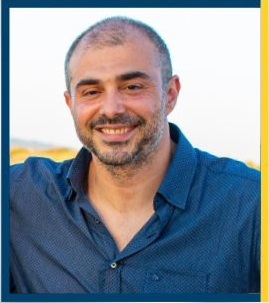
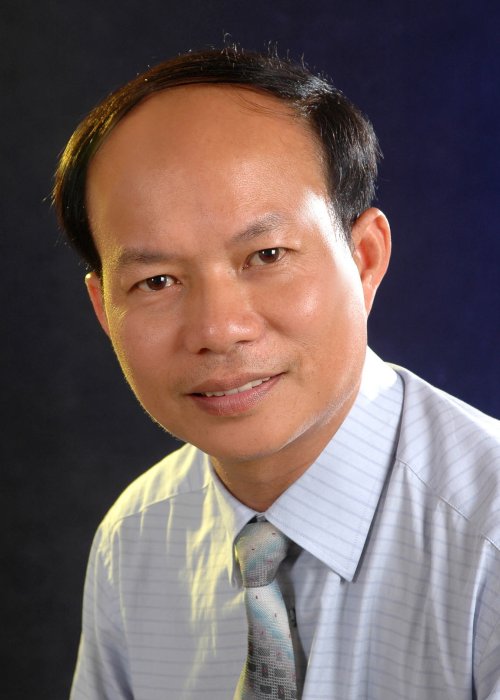
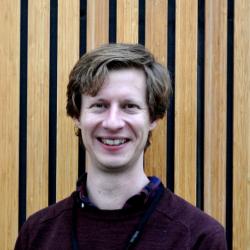
Nikos Giatrakos is an Assistant Professor at the School of Electronic & Computer Engineering, Technical University of Crete, and a core member of the Software Technology and Network Applications Lab (SoftNet) . His work bridges Big Data systems, IoT, and advanced analytics, with a focus on real-time processing and scalable architectures. Previously, he served as a postdoctoral researcher at the same laboratory. Education PhD in Computer Science, University of Piraeus (2012) Postgraduate Diploma in Information Systems, Athens University of Economics and Business (2008) BSc in Computer Science, University of Piraeus (2006) Research Focus : Nikos specializes in software architectures for Big Data streaming, including Distributed Big Data Processing , Federated Machine Learning , Cloud-to-Edge Data Management , and Approximate Query Processing . His work has also advanced Complex Event Processing and Outlier Detection in decentralized environments. Scientific Contributions : His research has led to the DAG* workflow optimizer for IoT, the SuBiTO framework for real-time neural learning, and the INFORE approach for cross-platform analytics. He received the Best System Demonstration Award at ACM CIKM 2020 for INforE. Academic Leadership : Nikos teaches Object-Oriented Programming, Data Science, and Distributed Systems. He has supervised numerous European and national grants as Principal Investigator and served on program committees for top-tier conferences like SIGMOD, VLDB, and DEBS.
Dr. Troy V. Mumford is an Associate Professor in the Department of Management at Colorado State University's College of Business. He holds a Ph.D. in Organizational Behavior and Human Resource Management from Purdue University's Krannert Graduate School of Management. His research focuses on leadership across organizational levels, team roles, and quality culture development, with over a decade of publications in top-tier journals. Ph.D. from Purdue University Teaches Organizational Behavior, HRM, and Compensation Consulted biomedical, financial, and government sectors Editorial board member for Academy of Management Review His work spans high-performance work practices, team dynamics, and leadership mechanisms, including foundational team role research and situational judgment testing. Recent studies examine HRV training applications, cross-country organizational systems, and ethical workplace dynamics. Scientific contributions include methodological advancements in organizational research, leadership strataplex modeling, and team effectiveness frameworks. He has served as reviewer for Harvard Business School Publishing and Personnel Psychology.
Professor Hoang Xuan Phu is a renowned mathematician affiliated with the Institute of Mathematics , Vietnam Academy of Science and Technology , where he has served since 1984 (Researcher), 1992 (Associate Professor), and 1996 (Professor). He is an elected member of multiple prestigious academies: the Heidelberg Academy of Sciences and Humanities (2004), Bavarian Academy of Sciences and Humanities (2010), TWAS - The World Academy of Sciences (2013), and acatech - National Academy of Science and Engineering, Germany (2019). His email contact is hxphu@math.ac.vn and phu@iwr.uni-heidelberg.de . Education : University of Leipzig (Diploma 1979, PhD 1983, Habilitation 1987) Research Areas : Optimization, Optimal Control, Functional Analysis, Numerical Analysis, Rough Analysis Applications : Inventory Problems, Hydroelectric Power Plant Control, Robotics, Open Channel Hydraulics Editorial Roles : Editor-in-Chief of Vietnam Journal of Mathematics (2011-2022), Honorary Editor-in-Chief (2023-present), Associate Editor for multiple journals His recent publications focus on convex hull algorithms, optimal path planning, and function perturbation analysis, reflecting his expertise in mathematical optimization and computational methods. He has organized numerous international conferences on High Performance Scientific Computing in Hanoi (2000-2024) and Optimization & Scientific Computing (2003-2024).
Klajd Zyla is a PhD student and scientific assistant at the Chair of Integrated Systems, TUM School of Computation, Information and Technology, Technical University of Munich. His research focuses on architectures for flexible data packet processing in high-performance network cards, including NoC optimization, priority-aware scheduling, and RDMA acceleration. PhD Student at LIS (Chair of Integrated Systems), Technical University of Munich (since Jan 2022) Teaching: SystemC Laboratory (since SS 2022) His research investigates on-chip interconnects, packet scheduling with multiple priorities, and acceleration of transport protocols like RDMA for FPGA-based SmartNICs. Publications demonstrate expertise in crossbar architectures, deadlock avoidance, and resource management for MPSoCs. Supervised students include: Nour Abouelkheir (2D Mesh NoC design) Aleksa Stojkovic (HiPerNoC enhancement) Antra Pramanik (Packet-processing FPGA implementation) Arathi Anitha (Deadlock-avoidance algorithms) Johannes Ecker (Hardware schedulers comparison)
Dr David Collins serves as the Mike Ashby Associate Professor in Materials Science at the Department of Materials Science and Metallurgy, University of Cambridge, and is a core member of the Rolls-Royce University Technology Centre (UTC) focused on advanced aerospace materials. His research spans superalloys , titanium alloys , and high-entropy alloys , with expertise in phase transformations , high-temperature deformation , and microstructural evolution . He pioneers advanced characterization techniques including in-situ synchrotron X-ray diffraction , electron backscatter diffraction (EBSD) , and three-dimensional X-ray diffraction (3DXRD) to investigate grain-scale stress interactions and failure mechanisms under extreme conditions. Analysis of his 2023-2025 publications reveals dominant trends in additive manufacturing validation , oxidation/corrosion resistance of superalloys , and grain-resolved mechanical behavior using coupled experimental-computational approaches. His work frequently addresses Rolls-Royce-relevant challenges in jet engine materials, particularly nickel-based superalloy performance under cyclic thermal-mechanical loading. No specific scientific awards for Dr Collins are mentioned in available departmental communications, though the Rolls-Royce UTC recently celebrated prizes for other researchers. Details regarding student supervision and grant funding are not publicly specified, but his position within the EPSRC- and Rolls-Royce-funded UTC indicates active involvement in large-scale collaborative research projects. As part of the Rolls-Royce UTC infrastructure, Dr Collins utilizes specialized facilities including electro-thermal mechanical testing rigs, cyclic oxidation test systems, and synchrotron beamline partnerships for real-time microstructural analysis during deformation and phase transformations.
Professor Mark Handley is a Professor of Networked Systems in the Department of Computer Science at University College London. His research focuses on network architecture, protocols, and systems with a particular emphasis on low-latency networking, datacenter networks, and network security. Education: Doctor of Philosophy, University College London (1997) Bachelor of Science (Honours), University College London (1988) Professor Handley's research spans multiple areas of computer networking with a focus on practical, deployable solutions. His work addresses fundamental challenges in network architecture, including low-latency routing, congestion control, network security, and datacenter networking. He has made significant contributions to Multipath TCP, congestion control algorithms, and network security protocols. His research often bridges theoretical foundations with practical implementation, ensuring real-world applicability of his innovations. His recent publications demonstrate a continued focus on cutting-edge networking challenges, particularly in low-latency routing, datacenter networks, and network security. The trend shows increasing attention to space-based networking, in-switch processing, and novel approaches to congestion control. His work consistently addresses the fundamental tension between theoretical network design and practical deployment constraints. Scientific Awards: IEEE Internet Award (2012) Usenix NSDI Best Paper Award (2011) ACM SIGCOMM Test of Time Award (2011) Roger Needham Award (2007) Professor Handley has served on numerous program committees including ACM SIGCOMM and Usenix NSDI. His work has influenced both academic research and industry standards, with contributions to IETF RFCs including Multipath TCP and TCP encryption. He has mentored numerous students and researchers who have gone on to make significant contributions in the networking field. His research group at UCL focuses on next-generation network architectures, with particular expertise in low-latency routing, datacenter networks, and network security. The group maintains strong collaborations with industry partners to ensure practical relevance of their research.
Andrew Wessman is an Assistant Professor in the Department of Materials Science and Engineering at the University of Arizona, where he has served since August 2019. His expertise bridges industrial and academic domains, with a prior 14-year tenure at GE Aviation/GE Additive focused on high-temperature alloys and additive manufacturing (AM) processes. Education: PhD in Materials Science and Engineering, University of Cincinnati MS in Metallurgical Engineering, University of Utah BS in Metallurgical Engineering, University of Utah Wessman’s research centers on physical metallurgy, mechanical behavior of materials, and AM alloy/process design. His work emphasizes high-temperature alloys for aviation, computational modeling, and process optimization in additive manufacturing. Recent publications highlight his focus on AM technologies, including Ti-6Al-4V and Ni-based superalloys, with advancements in microstructural stability, defect mitigation, and machine learning-based process monitoring. His 2023–2025 studies explore fatigue mechanisms, interfacial stability, and thermal treatments. Scientific Awards: Recognized as “Most Supportive Junior Faculty” for MSE Faculty Core Faculty (2019–2020) Wessman’s scholarship includes 1 book chapter, 18 refereed publications, and 8 issued patents. His teaching interests span metal additive manufacturing, solid-state chemistry, and alloy design.
Evgeny Khorov is a Full Professor and Deputy Chair at Moscow Institute of Physics and Technology (MIPT) and Head of the Wireless Networks Lab at the Institute for Information Transmission Problems of the Russian Academy of Sciences (IITP RAS) and the Telecommunication Systems Lab at Higher School of Economics (HSE). His research focuses on 5G/6G systems , next-generation Wi-Fi , Wireless IoT , and QoS-aware optimization. Ph.D. (2012) and D.Sc. (2022) in Telecommunications from IITP RAS and MIPT Visiting Research Fellow at King's College London (2015) His work includes mathematical modeling of networking protocols, Wi-Fi standardization (IEEE 802.11), and contributions to Wi-Fi 6 (802.11ax) and Wi-Fi 7 (802.11be) . He supervises students and has co-authored over 200 papers. Recent articles highlight advancements in Wi-Fi 7/8 , URLLC , 5G multi-connectivity , and machine learning for traffic classification . Scientific Awards: Best Demo Award, ACM Mobihoc (2022) Best Paper Awards: IEEE ISWCS (2012), Elsevier Computer Communications (2018), IEEE PIMRC (2019) Moscow & Russian Government Prizes for Young Scientists (2013, 2016) Scopus Award Russia (2018) Best Cooperation Project Leader (multiple times) He serves as Editor-in-Chief of Problems of Information Transmission (since 2024) and chairs major IEEE conferences (Globecom 2018 Workshop, BlackSeaCom 2019).
Nick Virgilio is a Full Professor in the Department of Chemical Engineering at Polytechnique Montréal . His research focuses on soft matter interfaces, polymer blends, and advanced hydrogel systems for biomedical and catalytic applications. Director, Research Laboratory on Surfaces, Interfaces and Soft Matter Member, Research Center for High-Performance Polymer and Composite Systems (CREPEC) Research interests include interfacial phenomena in multiphase systems, self-assembly of soft materials, nanoparticle-hydrogel composites, Pickering emulsions, and polymer microstructure engineering. Scientific awards include the 2010 Canadian Macromolecular Science Thesis Prize and the 2004 Polytechnique Montréal Master's Thesis Award. Recent publications highlight his work in macroporous hydrogels for cancer cell capture, nanoparticle synthesis in soft matrices, and interfacial control of polymer blends. His studies frequently appear in high-impact journals like ACS Applied Materials & Interfaces , Green Chemistry , and Macromolecules . Students under his supervision have explored topics from biofilm mechanics to lunar environment polymer systems across 4 PhD and 6 Master’s theses completed or ongoing.
Simon Sponberg is the Dunn Family Associate Professor at Georgia Institute of Technology, holding joint appointments in the School of Physics and School of Biological Sciences within the College of Sciences. He directs the Agile Systems Lab and serves as Physics & Biological Sciences Director. His research bridges physics, biology, and engineering to understand the principles of animal locomotion. Dr. Sponberg received his Ph.D. in Integrative Biology from UC, Berkeley and completed postdoctoral research at the University of Washington. His academic journey began with undergraduate studies at Lewis & Clark College, where he first explored biomechanics research focusing on gecko adhesion. Dr. Sponberg's research centers on neuromechanics - an integrative science examining how physics and physiology enable animals to achieve remarkable stability and maneuverability. His work specifically investigates insect flight mechanics, particularly in hawkmoths (Manduca sexta), exploring how nervous systems interact with muscle mechanics to produce locomotion. Key research areas include: Mechanisms of Maneuverability: How animals maintain stable flight during perturbations Sensing in Complex Environments: Multisensory integration of vision and mechanosensation Multiscale Physics of Muscle: How muscle structure relates to function across scales Evolution of Flight: Comparative studies of different insect flight strategies His publication record reveals a strong focus on the intersection of biomechanics, neuroscience, and physics, with recent work emphasizing resonant mechanics in insect flight, precise neural control of movement, and multisensory integration for robust performance across varying environmental conditions. A notable trend is the integration of experimental biology with computational modeling and robotics to extract general principles of movement. Dr. Sponberg's scientific achievements have been recognized with numerous awards and fellowships: Hertz Fellow (since 2002) National Science Foundation Fellowships American Physical Society Awards Society of Integrative and Comparative Biology Awards Woods Hole Marine Biological Institute Fellowships University of California Fellowships International Association of Physics Students Awards As an advisor, Dr. Sponberg mentors a diverse team of graduate students and postdoctoral researchers through the Quantitative Biosciences Graduate Program, Neuroscience and Neurotechnology Graduate Program, and Bioengineering Graduate Program. His lab has received significant funding, including an NSF-funded Biological Integration Institute (the Integrative Movement Sciences Institute) and a FLAP MURI grant. His mentoring philosophy emphasizes interdisciplinary collaboration and hands-on research experience, with over 120 undergraduate students having participated in his lab through Georgia Tech's Vertically Integrated Projects program. The Agile Systems Lab, housed in the Howey Physics Building at Georgia Tech, brings together researchers from physics, biology, engineering, and neuroscience to study the fundamental principles of movement. The lab features state-of-the-art equipment for high-speed videography, electrophysiology, robotic flower tracking systems, and X-ray diffraction studies of living muscle. Current collaborative projects include the NSF-funded Integrative Movement Sciences Institute, which explores movement across scales from molecules to organisms, and the FLAP MURI grant investigating resonant mechanics in flapping flight.
Zhanhao Zhang is a Postdoc researcher at the Department of Applied Mathematics and Computer Science (DTU Compute) of the Technical University of Denmark, affiliated with the Scientific Computing Center for Energy Resources Engineering. His work centers on developing advanced control strategies for industrial processes with emphasis on sustainability and computational efficiency in energy-intensive sectors. His research specializes in Model Predictive Control (MPC) for time-delay systems, numerical discretization methods, and real-time implementation of cyber-physical control systems. Key application domains include zero-emission industrial processes, cement production blending operations, and oil/gas zero-discharge systems, where he bridges theoretical control algorithms with practical industrial constraints through close industry collaboration. Analysis of his 2022-2024 publications reveals consistent innovation in extending MPC methodologies to handle complex industrial realities like time delays and discontinuities while targeting environmental sustainability. His work demonstrates strong integration of computational mathematics with process engineering to solve critical challenges in carbon-intensive industries. Zhang completed his PhD project "Model Predictive Control for Zero Emission Industrial Processes" (2021-2024) under Professor John Bagterp Jørgensen at DTU, resulting in his doctoral thesis and multiple high-impact publications. This industry-collaborative project focused on developing control frameworks for decarbonizing industrial operations. As an active member of DTU's Scientific Computing Center for Energy Resources Engineering, he contributes to interdisciplinary research that applies high-performance computing and mathematical modeling to optimize energy resource extraction, processing, and utilization while reducing environmental impact.
Albert Theuwissen is a Professor in the Faculty of Electrical Engineering, Mathematics and Computer Science, specializing in the Electronic Instrumentation department. His career spans decades of pioneering work in image sensor technology, with over 120 research publications and 27 recorded academic activities including keynote speeches at major international conferences. His research dominates Image Sensor Engineering, focusing on CMOS Image Sensors, Sensor Design, Analog-to-Digital Converters, and Thermal Sensors. He has developed breakthrough techniques for dark current compensation using in-pixel temperature sensors, linearity enhancement in column-parallel SAR ADCs, and global shutter characterization. His work bridges semiconductor physics and circuit design to solve critical challenges in high-speed imaging, dynamic range limitations, and thermal management. Analysis of his 2022-2024 publications reveals a concentrated effort on practical circuit innovations for CMOS image sensors, particularly calibration methods for column-parallel ADCs and thermal compensation systems. These contributions address fundamental bottlenecks in sensor performance, reflecting a strategic shift toward system-level optimization of imaging pipelines for scientific and industrial applications. No specific scientific awards were documented in the source material, though his status as a frequent invited speaker and editorial contributor indicates significant peer recognition within the sensor community. Professor Theuwissen has supervised 11 graduate students according to institutional records. His sustained research output and conference engagements suggest consistent grant funding, though specific awards aren't detailed in the available information. He operates within the Electronic Instrumentation research group, which provides the collaborative framework for his sensor development work. This group specializes in measurement systems and electronic instrumentation, directly enabling his innovations in image sensor architecture and performance characterization.
Prof. Dr.-Ing. Holger Blume serves as Vice President for Research and Transfer at Leibniz University Hannover while maintaining his academic position as Professor in the Architectures and Systems Section within the Faculty of Electrical Engineering and Computer Science. He holds multiple leadership positions including Chairperson of the Research Commission and Central Ethics Committee, Executive Board member of eNIFE (Leibniz Research Initiative for Neurosciences), and membership in both the Laboratory of Nano and Quantum Engineering and L3S Research Centre. His research interests span computer architecture, hardware design, signal processing, AI accelerators, hearing aid technology, and biomedical engineering. His work bridges theoretical computer science with practical applications in automotive systems, medical devices, and quantum engineering. Professor Blume's research demonstrates strong interdisciplinary connections between electrical engineering, computer science, and biomedical applications, with particular emphasis on hardware-oriented solutions for real-world problems. Analysis of his recent publications (2023-2025) reveals a strong focus on hardware acceleration for AI and signal processing applications, particularly in automotive radar/LiDAR systems and hearing aid technology. His work shows consistent innovation in RISC-V processor design, specialized hardware for mathematical functions, and biomedical applications of engineering principles. The research demonstrates a clear trajectory toward energy-efficient, specialized computing architectures for specific application domains. As Vice President for Research and Transfer, Professor Blume oversees significant research initiatives at Leibniz University Hannover, which hosts multiple Clusters of Excellence including PhoenixD (Photonics, Optics, and Engineering), QuantumFrontiers, and Hearing4all. The university participates in numerous collaborative research centers and junior research groups funded by DFG, BMBF, and EU programs. Professor Blume is actively involved in multiple research facilities including the Laboratory of Nano and Quantum Engineering and the L3S Research Centre. His work connects with Leibniz University's research focuses on optical technologies, quantum optics and gravitational physics, and biomedical research and technology. His leadership positions indicate strong involvement in shaping the research strategy and ethical framework of the university's scientific endeavors.
Dr Thamo Sutharssan is a Senior Lecturer at the University of East London within the Department of Engineering & Construction, School of Architecture Computing and Engineering. A Chartered Engineer and Chartered Manager, he leads both the BEng Aeronautical Engineering and BSc Railway Engineering programs, leveraging extensive prior experience at the University of Portsmouth, Havering College, Derby College, and Rolls-Royce Aerospace Academy. His academic qualifications include a BSc in Electrical & Electronic Engineering, an MSc in Aeronautical Engineering, and a PhD in Computing and Mathematics. Dr Sutharssan's research spans Aeronautics, Embedded systems, System integration, Machine learning, and Prognostics and Health Management (PHM). His work addresses critical reliability challenges in engineering systems, with significant contributions to fuel cell monitoring (2017 review cited 261 times) and data-driven PHM approaches (2015 review cited 145 times). Recent publications demonstrate expansion into AI-driven medical imaging and autonomous robotics. His publication trajectory reveals consistent expertise in prognostics evolving toward cutting-edge AI applications, with highly influential reviews establishing foundational methodologies now widely adopted in energy systems and electronics reliability engineering. Scientific recognition includes: Fellow of the Higher Education Academy Research leadership encompasses a £177,500 Knowledge Transfer Partnership project on fuel cell Balance of Plant systems, alongside academic service as Review Manager for the Prognostics and Health Management Society conferences since 2014. His industry collaborations include Scottish and Southern Energy and Sustainable Energy Technologies. Current academic partnerships involve Heriot-Watt University and New Mansoura University (Egypt), focusing on energy systems integration and engineering education development.
Shuyin Jiao is an active Associate Teaching Professor in the Department of Computer Science at North Carolina State University's College of Engineering. She serves as course coordinator for CSC 111 Introduction to Computing: Python and teaches multiple core undergraduate courses including CSC 116 (Java) and CSC 246 (Operating Systems), with extensive teaching experience spanning over 9 years at both NC State and the College of William & Mary. Her educational background includes a Ph.D. from the University of Houston (2015), a Diplôme d'Ingénieur from Ecole Central de Lyon, France, and a B.S. from Beihang University, China. She previously held positions as Assistant Teaching Professor (2020-2025) and Lecturer at NCSU, and taught as Lecturer and Adjunct Lecturer at William & Mary from 2015-2020. Dr. Jiao's research focuses on computing education and program analysis, with particular emphasis on developing tools to enhance student learning in computer science. Her work explores pedagogical methods to address diverse learning styles in increasingly large CS classrooms and investigates code inefficiencies through memory profiling and performance analysis. She leads the CERES lab at NCSU and serves as Publications Co-Chair for SIGCSE TS 2026. Her publication record shows consistent output in top venues including SIGCSE, CGO, MobiCom, and ICSE, with recent work spanning from 2025 back to 2012. Her research trajectory demonstrates a clear evolution from materials science (early career) to software engineering and computer science education, with current work heavily focused on educational technology and program analysis tools. Dr. Jiao has secured significant funding including as PI for NSF Grant DUE-#2417469 (2024-2027), NCSU Data Science Academy Seed Grant (2023-2024) as Co-PI, and NCSU GEARS Grants (2023-2024) as PI. She also serves as Co-PI for NSF Grant OAC-#2411136 (2025-2028) focused on computer system research. She actively involves undergraduate students in research through COE REU and CSC 498/499 projects, recruiting at CSC Undergraduate Research Lightning Talks each semester. Her course redesign projects include enhancing operating systems education through multimedia and redesigning CSC 111 with DELTA funding to address challenges in large-class instruction.