Dr. Julie Donnelly is a Lecturer in Chemistry at the University of Central Florida, recognized for her innovative approaches to STEM education and commitment to affordable curriculum design. Her research spans active learning methodologies, emergency remote teaching strategies, and faculty development in STEM disciplines. She investigates team-based learning efficacy, student perceptions of educational technology, and physical chemistry curriculum design. Additional work includes spectroscopy education and science communication training. Dr. Donnelly received the AIM High Student Nomination Award for advancing accessible course materials and contributes to national projects on digitally mediated team learning.
Elena Gaura is a Professor and Senior Research Leader at Coventry University, serving as Associate Pro Vice-Chancellor (Research) and a member of the Senior Research Leadership Team. She holds adjunct roles at Deakin and Macquarie Universities. Her research focuses on Cyber Physical Systems (CPS), Sustainable Energy, and Ethical AI, addressing humanitarian challenges in energy access across global regions. She leads high-impact projects like HEED (Humanitarian Energy for Displaced Populations) and STAR Energy (Amazon renewable systems). Education: PhD in Intelligent Sensor Systems (Coventry University, 2000), Degree in Applied Electronics (Technical University of Cluj-Napoca, 1991). Research Interests: Sustainable Community Energy Systems, IoT in infrastructure-rich/poor environments, AI ethics in socio-technical systems. She advocates for gender equality in engineering through leadership roles in the Women’s Engineering Society and international capacity-building programs. Key Contributions: Over 140 publications, 20+ projects funded by EPSRC, Innovate UK, and EC. Her work spans 6 continents, prioritizing energy equity and climate resilience. Recognized with awards like Top50 Engineering Heroes (2021) and Coventry University’s International Women’s Day Award (2018). Grants & Leadership: Led £multi-million initiatives including the Energy Revolution Research Consortium. Supervised 20+ PhD students, fostering diverse talent in STEM. Serves on EPSRC Peer Review College and UKRI Future Leaders Fellowships panels. Labs & Teams: Leads Coventry’s Research Centre for Computational Science and Mathematical Modelling. Collaborates internationally on CPS, energy systems, and sensor technologies through networks like the Sensors CDT (Cambridge).
Dr. Vanessa Menadue is an Assistant Professor at Bond University's Faculty of Society & Design, with additional responsibilities as a Senior Teaching Fellow at the Centre for Comparative Construction Research. She holds a PhD from the University of Adelaide focused on environmental performance and user perceptions of green commercial buildings. Her research explores sustainable construction, building environmental performance, urban development patterns, and construction industry innovation. Core interests include occupant-environment interactions, energy efficiency in built environments, and sustainable urban growth strategies. Publications demonstrate a consistent focus on sustainability transitions in construction, with recent work examining digitalization impacts, household energy dynamics, and climate adaptation frameworks. Research employs mixed-methods approaches including case studies, modeling, and policy analysis. She leads projects such as the LiDAR-based assessment of building defects and collaborates internationally on construction innovation research. Current work examines coordination mechanisms between climate adaptation and mitigation strategies.
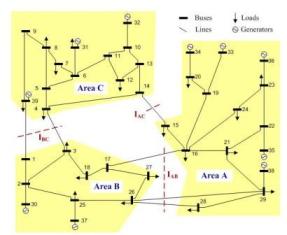
Fernando Mancilla-David is a full Professor of Electrical Engineering at the University of Colorado Denver, affiliated with the College of Engineering, Design and Computing. He specializes in power systems, renewable energy integration, and smart grid technologies. He holds a BS from Universidad Técnica Federico Santa María (Chile), and M.S. and Ph.D. from the University of Wisconsin-Madison. His research focuses on sustainable energy systems, converter dynamics, and grid modernization. Dr. Mancilla-David has held visiting professorships at institutions worldwide, including L’Ecole Supérieure d’Electricité (France), Berlin Institute of Technology (Germany), and the Technical University of Catalonia (Spain). During 2016-2017, he was on sabbatical at PUC-Rio University in Brazil. His honors include the IEEE Industrial Electronics Society Student Best Paper Award (2019), Fulbright Scholar (2016), and the Eduardo Neale-Silva Memorial Scholarship (2000-2001). His work spans energy efficiency, photovoltaic system modeling, and advanced control strategies for power converters. Recent research emphasizes data-driven optimization frameworks, machine learning applications in grid management, and affine policy models for active distribution networks. He has authored over 150 publications in peer-reviewed journals and conferences.
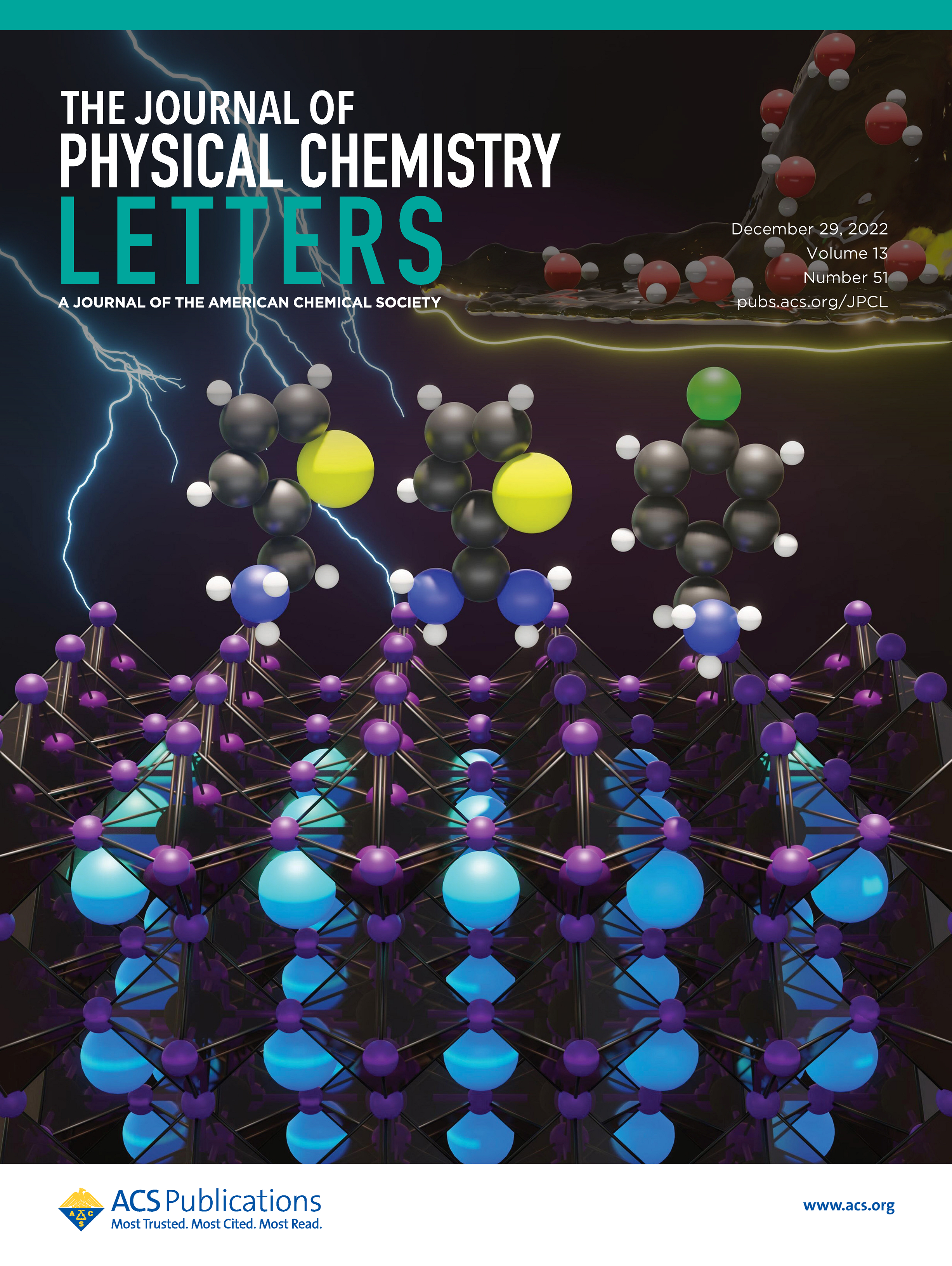
Dhara Trivedi serves as Assistant Professor in Physics at Clarkson University's Coulter School of Engineering & Applied Sciences, leading interdisciplinary research at the intersection of condensed matter physics, materials science, and computational chemistry. Her work focuses on atomistic-level modeling of charge/energy transfer processes in next-generation materials for energy and environmental applications. Her academic foundation includes: Ph.D. in Physics from University of Rochester (2015) M.Sc and B.Sc in Physics from Gujarat University, India Trivedi's research program develops quantum-classical computational frameworks to investigate electronic processes in perovskites, 2D materials, and metal-organic frameworks. Key thrusts include plasmon-enhanced energy transfer, characterization of nanoscale interfaces, and non-adiabatic dynamics in photoexcited systems. This work bridges fundamental physics with practical applications in solar energy harvesting and environmental remediation, leveraging time-domain ab initio methods to simulate real-world material behaviors. Analysis of her recent publications reveals a strategic pivot toward computational materials discovery, with dominant themes in perovskite photovoltaics (35%), MOF-based environmental applications (30%), and quantum dynamics methodology development (25%). Her group increasingly employs high-throughput screening and data mining techniques to accelerate materials design, particularly for solar cells and water purification systems. The Trivedi Research Group maintains active projects on spacer engineering in 2D perovskites, toxic oxoanion capture using functionalized MOFs, strain effects in hybrid perovskites, and plasmonic nanolaser mechanisms. The team operates at the physics-chemistry-engineering nexus, utilizing advanced simulation tools to address critical challenges in renewable energy and environmental sustainability.
Marcella Cannarozzo is an Associate Professor at the University of Palermo, working in the College of Engineering's Department of Hydraulic, Maritime and Hydrology Constructions. Her research focuses on hydrology and hydraulic engineering , with specific expertise in surface water resource modeling , extreme event modeling , dam construction typologies , and water resource management . As the orientation and tutoring representative, she liaises with high schools to promote academic continuity and organizes entrance exams for three-year engineering degree programs. Her office hours are held at the former DIIA building. Research Interests Surface water scarcity modeling Extreme hydrological event analysis Dam design and safety protocols Reservoir sedimentation studies Climate change impact on water resources Coastal dynamics and offshore structures Selected Recent Publications Coastal dynamics of San Leone Beach (2024) Torto Valley hydrogeological risk assessment (2023) Piano del Campo dam hydrology (2022) Milicia River Basin PAI evolution (2021) Disueri reservoir management challenges (2021) Contact Information Email: marcella.cannarozzo@unipa.it Phone: +39 091 23896531
Giovanni Gómez Gras is an Associate Professor at the Department of Industrial Engineering of the IQS School of Engineering, Ramon Llull University. His research focuses on Additive Manufacturing (AM), Applied Mechanics, and advanced material processing techniques. He leads and collaborates on projects such as GRIM (gyroid-type cellular metallic microstructures), GAM (Applied Mechanics and Advanced Manufacturing), and solutions for Selective Laser Sintering (SLS) powder bed technology. His work emphasizes optimizing mechanical performance, surface finishing, and material properties of AM components through methods like ball burnishing and post-processing techniques. Research interests include polymeric and metallic AM materials, fatigue analysis, triply periodic minimal surface (TPMS) structures, and process parameter optimization. He has secured funding from agencies like Agencia Estatal de Investigación and AGAUR, focusing on high-value structural components and biomedical applications. His projects address challenges in mechanical performance, dimensional accuracy, and industrial scalability of AM technologies. Collaborations span material science, mechanical engineering, and biomedical fields. Current research trends highlight the integration of advanced post-processing methods (e.g., burnishing) to enhance surface properties and mechanical durability of components produced via fused filament fabrication (FFF) and other AM processes.
Dr. Jean Duquette is an Associate Professor in the Department of Mechanical and Aerospace Engineering at Carleton University. His research focuses on renewable energy systems, thermal energy storage, and sustainable building technologies. He holds a B.Eng. and M.Eng. in Materials Engineering from McMaster University, an M.Sc. in Renewable Energy from Zaragoza University (Spain), and a Ph.D. in Mechanical Engineering from the University of Victoria. Key research interests include modeling low-energy buildings, solar thermal energy systems, heat pump cycles, thermal energy storage, and energy solutions for remote communities. He is affiliated with the Building Performance Research Centre (BPRC) and supervises graduate students in these areas. Recent work includes solar-driven thermochemical storage systems and district energy networks. Dr. Duquette teaches courses such as Efficient Energy Conversion and Thermofluids and Energy System Design. He actively seeks collaborations on projects addressing energy equity, sustainable infrastructure, and decarbonization strategies. A current PhD opportunity focuses on solar-driven residential heating systems for Canada’s northern regions.
Dr John Ewer is an Associate Professor in Applied Fire Safety Engineering at the University of Greenwich's School of Computing and Mathematical Sciences, part of the Faculty of Engineering and Science. He leads the Fire Research Team for fire modelling and SMARTFIRE software development in the Fire Safety Engineering Group (FSEG). His work focuses on fire dynamics, CFD simulations, BIM integration, and public health risk modelling. He holds a Gold/HEA Fellowship (2021) and has contributed to impactful research in fire safety and maritime safety. Education: PhD (University of Greenwich, 2020) in re-engineering CFD codes; MSc (Scientific and Engineering Software Technology, 1991); BSc (Physics, Reading University, 1989). Research interests include: CFD-based fire and aerosol dispersion modelling Fire safety in maritime and aviation environments BIM standards for fire engineering data sharing Public health risk assessment during disease outbreaks Naval platform survivability and damage control Evacuation simulation for high-risk environments Key activities: Co-ordinator of the annual 'Principles and Practice of Fire Modelling' CPD course Consultancy reviewer for third-party fire strategy submissions Led software engineering module COMP1714 and undergraduate/postgraduate project supervision Contributed to three successful FSEG REF submissions (2008, 2014, 2021) Current projects include: EU Horizon Healthy Sailing Project (2022–ongoing) ISSAC naval survivability tool for Australian DSTG Covid-related indoor aerosol dispersion modelling
Dr. Mershack Opoku Tetteh is a Lecturer in Civil Engineering at Aston University's School of Infrastructure and Sustainable Engineering, UK. He holds a PhD in Real Estate and Construction Economics from The Hong Kong Polytechnic University (2021) and academic qualifications from Kwame Nkrumah University of Science and Technology (KNUST), Ghana. His research focuses on construction project management, green retrofitting, international joint ventures, and digital technologies in construction. He has published 23 articles and secured grants totaling over HK$1.6 million. Education: PhD in Real Estate and Construction Economics (Hong Kong PolyU, 2021) MPhil in Construction Technology (KNUST, 2018) BSc in Construction Technology and Management (KNUST, 2015) Research Interests: Green and sustainable construction practices International construction joint ventures (ICJVs) Building Information Modeling (BIM) and modular construction Energy efficiency retrofitting of existing buildings Decision support systems for infrastructure management Grants & Awards: Postdoc Matching Fund Scholarship (HK$744,000, 2022) PhD Scholarship (2018–2021) Multiple awards for academic excellence (including Best Student awards in Ghana) Teaching: EC2PMP: Construction Project Management & Planning EC4PPC: Project Planning & Control
Dr. Antony Wood serves as Professor of Practice and Director of the Masters in Tall Buildings and Vertical Urbanism (M.TBVU) program at the College of Architecture, Illinois Institute of Technology. He also holds positions as CEO of Antony Wood Consulting and Visiting Professor of Tall Buildings at Tongji University, Shanghai. With over 30 years of international experience spanning professional architecture practice, academic leadership, and research, he is recognized globally for advancing sustainable tall building design and urban vertical development. His research centers on the sustainable design of tall buildings and future cities, with particular expertise in skybridge connections between high-rises as explored in his doctoral work. He has authored numerous scholarly publications and books addressing structural innovations, environmental performance metrics, and urban density solutions in vertical urbanism. His work integrates architectural design with engineering principles to address climate resilience in supertall structures. Dr. Wood previously served as President and Chief Executive Officer (2006-2022) of the Council on Tall Buildings and Urban Habitat (CTBUH), where he expanded global initiatives in research, education, and industry standards. His professional practice included architectural work across Asia (Hong Kong, Bangkok, Kuala Lumpur, Jakarta) and the UK from 1991-2001, establishing foundational expertise in high-rise design. He regularly lectures worldwide and chairs CTBUH conference scientific committees.
Dr. Nefeli Maria Bompoti is an Assistant Professor in the Department of Civil and Environmental Engineering at the University of Massachusetts Dartmouth. Her research focuses on reactive transport modeling, environmental geochemistry, data-driven approaches in environmental systems, and environmental justice policy. She has secured significant federal funding, including $1M in grants from the EPA for projects related to brownfield redevelopment and community-focused environmental justice initiatives. Education PhD in Environmental Engineering, University of Connecticut (2017) MSc in Water Resources Science and Technology, National Technical University of Athens (2014) Diploma in Civil Engineering, National Technical University of Athens (2012) Research Interests Her work integrates geochemical modeling with environmental policy, examining how contaminants interact with natural systems and developing sustainable solutions for urban land reuse. Key research areas include: Reactive transport in polluted environments Data-driven approaches for environmental assessment Environmental justice policy frameworks Sustainable community redevelopment Publication Trends Her recent articles demonstrate a strong focus on interfacial geochemistry, mineral transformation mechanisms, and environmental justice policy analysis. Computational modeling of contaminant behavior and field studies of community-level impacts show consistent application of multi-scale approaches to environmental challenges. Grants & Recognition $500,000 EPA grant for PREPARED: Building Evidence-based Tools to Integrate Community Experiences $500,000 EPA grant for Minimizing Displacement Resulting from Brownfields Assessment Teaching & Service She teaches courses on environmental site assessment, pollution transport, and sustainability while leading technical assistance programs for New England communities dealing with brownfield redevelopment.
Mackenzie Stagg serves as Assistant Research Professor at Auburn University's School of Architecture, Planning and Landscape Architecture, focusing on housing affordability and building technology. Her research examines products, policies, and partnerships enabling high-performance housing development. Through Auburn's Rural Studio Front Porch Initiative, she collaborates with housing providers to increase equitable homeownership in underserved communities. Educational background includes Bachelor of Architecture from Auburn University. Professional engagement includes designing and constructing ten homes and community projects through Rural Studio, with complementary work at organizations in Birmingham, Christiansburg, and New Orleans. Research investigates how high-performance housing reduces total ownership costs while mitigating risks for homeowners, lenders, and insurers. Key areas include efficiency, resilience, health, and community integration, connecting building technology with housing policy and finance. Recent projects include developing nature-based infrastructure for coastal resilience, post-tornado housing recovery in Selma, and rural resilience mapping in Alabama. Grant funding includes USDA awards supporting rural housing innovation. Collaborations extend to Fannie Mae for scalable rural housing solutions. Research group affiliation: Landscape Infrastructure Design Lab (LIDL).
Brian Sweny is a Professor of Interior Design at the Savannah College of Art and Design (SCAD), Atlanta, where he has taught since 2008. He holds three degrees from SCAD: M.Arch. in Architecture, and B.F.A. in Interior Design and Historic Preservation. His professional career spans over three decades in architecture and interior design, including leadership roles at firms like TVS Design and Davis Brody Bond, and his own firm Sweny Design since 2010. Education: SCAD M.Arch. (Architecture), SCAD B.F.A. (Interior Design), SCAD B.F.A. (Historic Preservation) Professional Certifications: NCIDQ Certified Sweny’s research interests focus on the intersection of commercial design, historic preservation, and sustainable practices. He has led projects ranging from restaurants and salons to public infrastructure, emphasizing functional aesthetics and client collaboration. His work often integrates innovative materials and adaptive reuse strategies, as seen in his award-winning Emory Parking Deck (2002) and FCCJ (2000) projects. In academia, he has mentored students through SCAD’s Interior Design program, emphasizing real-world applications through design projects showcased at industry events like Coverings exhibition (2013). His speaking engagements include the Decatur Tiny House Festival (2016), exploring minimalist living solutions. Awards: IIDA GA Service Award (2010–12), GAIDP Trendsetters Award (2010), Gold ASID Award (2000) Sweny’s professional affiliations include leadership roles in IIDA Georgia, serving as VP for Professional Development and Government Affairs. He actively contributes to design education through the Interior Design Educators Council (IDEC) and the American Society of Interior Designers (ASID). His design firm, Sweny Design, specializes in restaurant and commercial spaces, with recent projects including Cuts restaurant (2022) and Rock’s Chicken and Fries (2022). He balances academic and professional roles to bridge theory and practice in interior design.
Dr. D. Brian Larkins is an Associate Professor and Chair of the Computer Science department at Rhodes College in Memphis, Tennessee. He specializes in parallel computing, high-performance computing (HPC), and distributed systems. His research focuses on optimizing runtime systems, work stealing algorithms, and leveraging network offload hardware to enhance parallel application performance. He has been recognized with the Clarence Day Award for Outstanding Teaching in 2021, reflecting his dedication to pedagogical innovation in computer science education. Before joining Rhodes College in 2015, Larkins worked at Bell Laboratories and several startups, focusing on network security, machine learning, and video streaming technologies. He holds a B.S., M.S., and Ph.D. in Computer Science and Engineering from The Ohio State University, with a focus on Parallel and Distributed Computing. As the NSF-funded XSEDE Campus Champion at Rhodes, Larkins supports faculty and students in accessing large-scale HPC resources nationwide. He also leads the installation of a 2,112-node HPC cluster in Briggs Hall for institutional research use. His teaching philosophy emphasizes blending theory with practical problem-solving to cultivate analytical thinkers. Key research contributions include frameworks for distributed data structures (e.g., Global Trees), scalable work stealing mechanisms, and GPU acceleration of scientific systems like the Advanced Regional Prediction System (ARPS). His work has been published at top venues such as the International Conference on Parallel Processing (ICPP) and the ACM/IEEE Supercomputing Conference (SC). Larkins has pioneered FPGA integration into computer science curricula and explored cognitive apprenticeship frameworks in robotics education. His current projects aim to repurpose network hardware for efficient distributed computing and dynamic load balancing.





/prod01/production-cdn-pxl/media/umassdartmouth/profiles/engineering/civil-engineering/231012-NEFELI-BOMPOTI-02-crop.jpg)