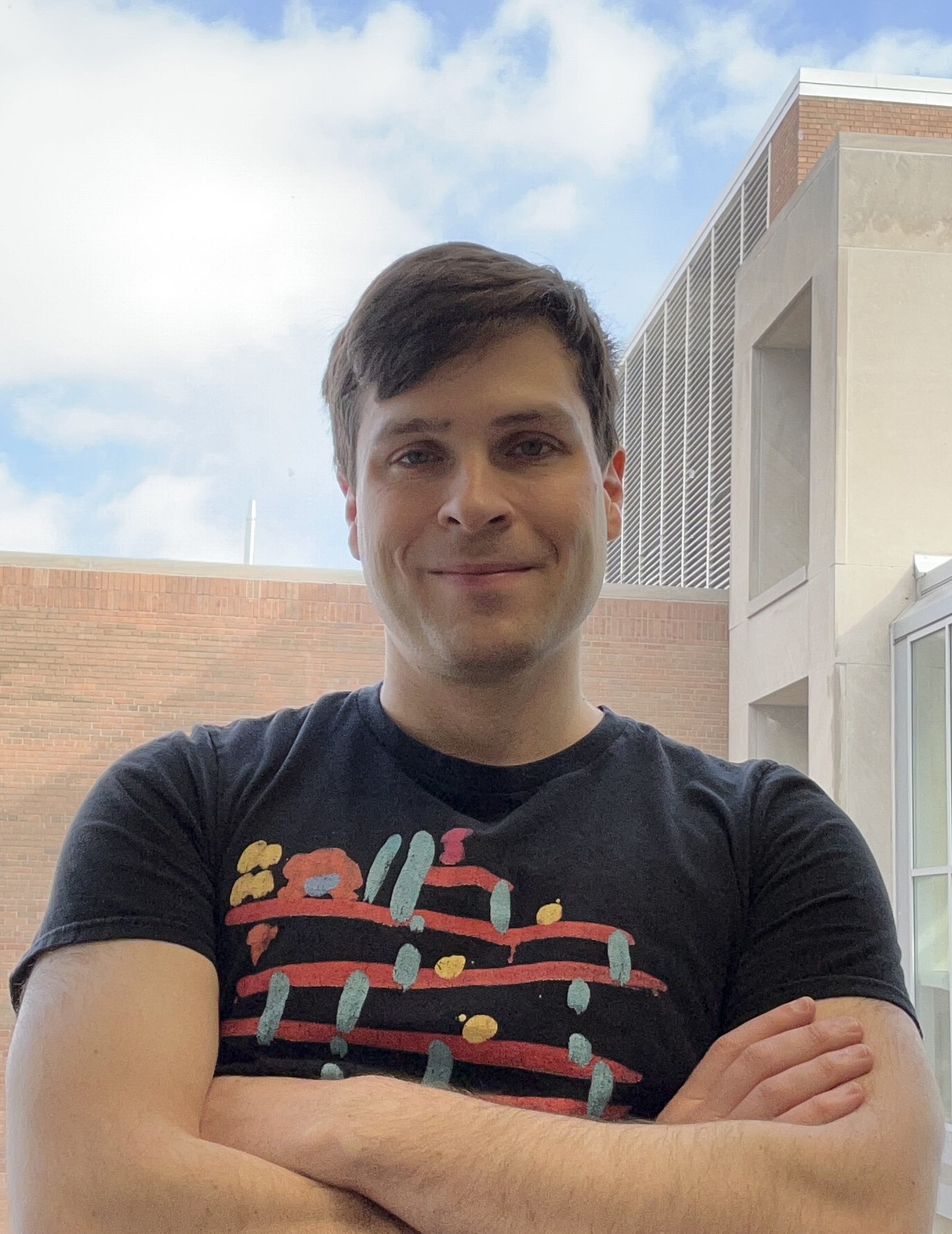
Christopher Lee Baldwin is an Assistant Professor in the Department of Physics & Astronomy at Michigan State University, where he leads a research group focused on theoretical condensed matter physics. He joined MSU in August 2023 after holding postdoctoral positions at the University of Maryland and the National Institute of Standards and Technology (NIST). Education: Ph.D. in Physics, University of Washington (2018) B.Sc. in Physics, Carnegie Mellon University (2013) Research Focus: Baldwin's work centers on non-equilibrium quantum systems, with particular emphasis on disorder effects in quantum dynamics. Primary research domains include quantum annealing for optimization problems, Lieb-Robinson bounds for information propagation in disordered systems, quantum spin glasses, and connections between quantum chaos and many-body localization. His group explores fundamental mechanisms in quantum computing and statistical physics. Scientific Recognition: National Research Council Postdoctoral Fellowship (2018-2021) Academic Advising: Currently mentors graduate students Ian Neuhart and Shahriyar Dadgar, and undergraduate researcher An Le. Teaches undergraduate optics (PHY 431) and graduate statistical mechanics (PHY 831).
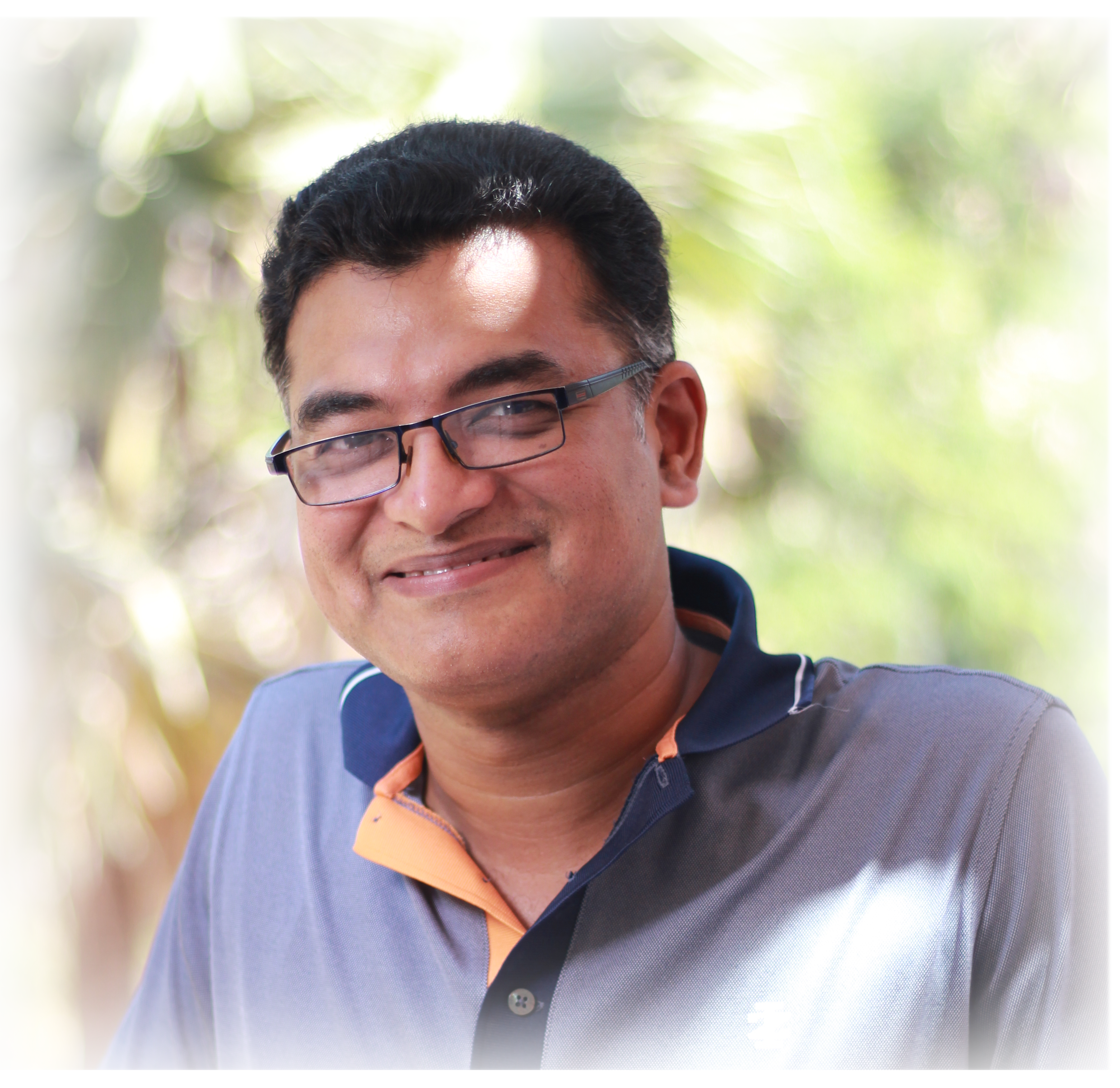
Professor A. Sameen is a faculty member in the Department of Aerospace Engineering at the Indian Institute of Technology Madras (IIT Madras), where he has served as a Professor since 2018. His academic career is centered on theoretical and computational fluid dynamics, with a focus on complex flow phenomena. Education: Ph.D. from Indian Institute of Science, Bangalore (2005) Research Interests: Professor Sameen's research spans several key areas in fluid dynamics. His primary expertise lies in Stability, Transition and Turbulence and Computational Fluid Dynamics . He investigates vorticity dynamics including vortex breakdown and reconnections, vortex rings, and flow past bluff bodies. His work on turbulence encompasses scale space dynamics, compressible and rarefied flows, thermal convection, rotating and stratified flows, and magnetohydrodynamics. A significant portion of his research focuses on simulations of flow regimes beyond continuum, including solutions to the Boltzmann equation, rarefied flows, and quantum fluids. Publication Trends: Professor Sameen's recent publications (2021-2025) demonstrate a strong focus on advanced fluid dynamics phenomena. His work spans theoretical investigations of flow stability, computational modeling of complex vortex structures, and analysis of flow regimes where continuum assumptions break down. Key themes include vortex dynamics across different flow conditions, shock wave interactions at fluid interfaces, and the behavior of flows in rarefied conditions. His research increasingly integrates high-fidelity numerical methods with fundamental fluid mechanics principles to address challenging problems in aerospace engineering. Scientific Contributions: Development of multiple in-house computational codes for fluid dynamics simulations Contributions to understanding continuum breakdown in compressible flows Advancements in modeling vortex dynamics and breakdown phenomena Advising and Research Leadership: Professor Sameen has guided numerous doctoral students through their research, with recent theses focusing on global linear stability analysis, vortex dynamics, and computational fluid mechanics. He leads the Theoretical and Computational Fluid Dynamics Lab and is affiliated with the Institute of Eminence Center of Excellence - Geophysical Flows Lab at IIT Madras. His collaborative work spans multiple institutions and involves developing advanced numerical methods for fluid flow simulation. Research Infrastructure: Professor Sameen's laboratory utilizes several custom-developed computational tools, including the Unstructured 3D Gas Kinetic Method, Structured 2D Unified Gas Kinetic Method, high-order compact difference schemes, and specialized solvers for multiphase and magnetohydrodynamic flows. These tools enable his team to investigate fluid phenomena across a wide range of conditions, from continuum to rarefied regimes.
Malte Braack is a Professor of Applied Mathematics at Christian-Albrechts-University of Kiel (CAU Kiel). He serves as Director of the Mathematical Seminar and Principal Investigator in the Cluster of Excellence 'The Future Ocean'. Additional roles include Editorial Board membership at the Journal of Applied Mathematics and Computing, participation in the SHUG Extended Executive Board, and involvement in DFG Priority Programs (e.g., Optimization with Partial Differential Equations, MetStroem). PhD: University of Heidelberg (1998) Habilitation: University of Heidelberg (2005) Diploma: University of Hamburg (1994) DAAD scholarship: University of Complutense Madrid (1991-1992) Braack's research focuses on computational mathematics and fluid dynamics, particularly stabilized finite element methods for partial differential equations, reactive flows, and ocean modeling. Recent work includes sedimentation models, Nash equilibria for collective choice, and CO2 leakage detection in marine environments. His 15 most recent publications (2019-2025) span fluid dynamics, numerical analysis, oceanography, and optimization. Key subfields include Navier-Stokes stabilization, reactive transport, deep learning for geoscience, and game-theoretic policy modeling. DAAD scholarship during studies at Madrid (1991-1992) Editorial Board: Journal of Applied Mathematics and Computing Membership: Sociedad Española de Matemática Aplicada (SEMA)
Dr Chennakesava Kadapa is a Lecturer in the School of Computing, Engineering and the Built Environment at Edinburgh Napier University. He previously held a Lecturer position at the University of Bolton (2020-2022) and completed his PhD in Mechanical Engineering at Swansea University (2010-2013) with a Zienkiewicz Scholarship. Bachelor of Technology in Mechanical Engineering (2002-2006) Master of Technology in Machine Design (2006-2008) PhD in Mechanical Engineering (2010-2013) His research focuses on computational mechanics , multiphysics modelling , and smart materials , with expertise in finite element methods, computational fluid dynamics, and high-performance computing. Current projects explore magnetoactive polymers, cerebral blood flow dynamics, and energy harvesting systems. Recent publications highlight machine learning integration with fluid-structure interaction and magnetomechanical coupling . Articles span hyperelasticity , biomechanics , and smart composite materials . Scientific recognitions include: Zienkiewicz Scholarship (Swansea University) Software Carpentry Instructor Certification (University of Manchester, 2019) Fellowship of the Higher Education Academy (FHEA) He has supervised students and collaborated on industry-funded projects. His Computational Multiphysics Lab develops open-source simulation tools for complex engineering and biomedical applications.
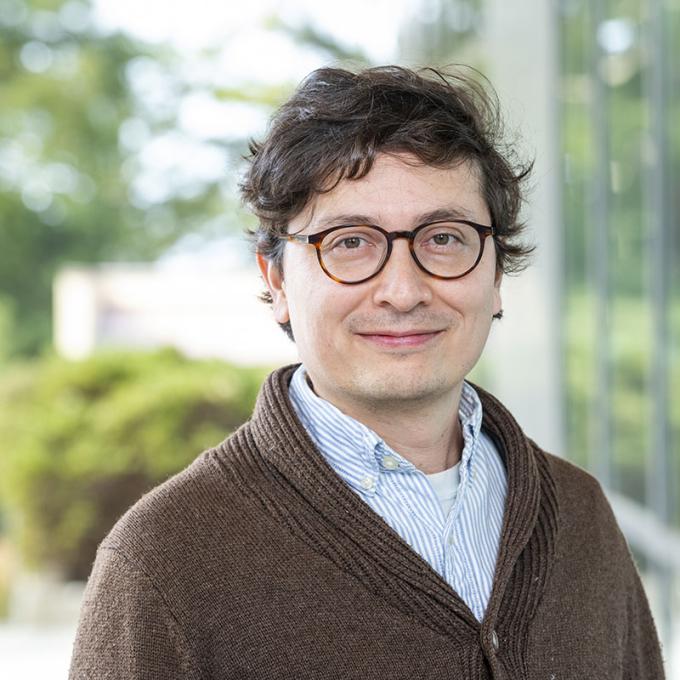
Oscar Vargas is an Associate Professor in the Department of Biological Sciences at Cal Poly Humboldt, specializing in botany with a focus on plant diversity and evolution. Originally from Colombia, he earned his BSc and MSc at the Universidad de los Andes before pursuing his PhD in Plant Biology at The University of Texas at Austin, which he completed in 2016. After postdoctoral fellowships at the University of Michigan and the University of California, Santa Cruz, he joined Humboldt (now Cal Poly Humboldt) in 2020. Dr. Vargas's research integrates traditional botanical methods with modern genomic approaches to investigate plant diversification patterns in biodiversity hotspots, particularly in the Amazon and the Californian Floristic Province. His work combines alpha taxonomy, morphometrics, next-generation sequencing, and comparative phylogenetic methods to understand evolutionary processes in plant groups such as Asteraceae and Lecythidaceae. Notably, his research has contributed to taxonomic revisions of genera like Diplostephium (now partially reclassified as Linochilus) and studies on speciation patterns in Neotropical plant radiations. His laboratory at Cal Poly Humboldt trains graduate students in plant systematics, conservation genetics, and evolutionary biology, with current projects focusing on rare and endemic species in the California Floristic Province. Dr. Vargas has published extensively in top botanical and evolutionary journals, with his most recent work examining phylogenomic patterns, speciation mechanisms, and the evolutionary history of tropical plant families. Dr. Vargas advises multiple graduate students including Ashley Dickinson (working on Lathyrus biflorus), Cameron Jones (mapping plant ranges in the California Floristic Province), Heather Davis (studying the Silene hookeri complex), Anise Dellith-Moser (researching Lupinus constancei), and Zach Kinman (investigating Wyethia longicaulis). His former student Eli Allen completed a Master's in 2024 studying speciation in the Abronia genus and is now a PhD student at UC Santa Cruz.
Vojtěch Patkóš is an Associate Professor in the Department of Chemical Physics and Optics , Faculty of Mathematics and Physics , Charles University , Prague. He is based at Ke Karlovu 3, Prague 2, room M 171, and can be reached at vojtech.patkos@matfyz.cuni.cz . His research focuses on the quantum-electrodynamic corrections to atomic spectra of light atoms, with particular emphasis on high-precision theory encompassing hyperfine splitting, Lamb shift, recoil and nuclear-size effects, and higher-order QED contributions. These studies provide stringent tests of fundamental interactions and contribute to the determination of fundamental constants. Across more than 30 refereed publications since 2012, his work spans Physical Review A & Letters, Physics Letters B, and European Physical Journal D, frequently in collaboration with Krzysztof Pachucki and Vladimir Yerokhin. The consistent publication record reflects a sustained effort to push the precision frontier of atomic structure theory. Teaching: He leads exercise sessions for the introductory quantum mechanics course at Charles University. Labs & Teams: Research is conducted within the quantum electrodynamics and precision spectroscopy group at the Department of Chemical Physics and Optics, Charles University.
Carl Ollivier-Gooch is a Professor and Associate Head of Equity, Diversity, Inclusion, Indigeneity & Engagement at the Department of Mechanical Engineering, Faculty of Applied Science, University of British Columbia (UBC). His research focuses on computational fluid dynamics, particularly algorithm development for computational aerodynamics, high-order accurate methods, unstructured mesh adaptation, and error assessment and control. Dr. Ollivier-Gooch received his B.A. in Russian and B.S.M.E. from Rice University, followed by M.S. and Ph.D. degrees from Stanford University. He is a Member of ASME, Senior Member of AIAA, and Member of the Canadian CFD Society. His educational background combines engineering expertise with strong mathematical foundations. Dr. Ollivier-Gooch's research spans multiple critical areas in computational fluid dynamics. His work on algorithm development aims to combine the geometric flexibility of unstructured mesh methods with the accuracy benefits of high-order methods. He has developed highly efficient, high-order accurate methods for inviscid compressible aerodynamics problems, demonstrating that high-order methods can achieve engineering accuracy more quickly than second-order methods. His research group also studies unstructured mesh generation, developing techniques for mesh improvement and refinement, particularly for anisotropic meshes used in high Reynolds number viscous flows. Additionally, his work on error assessment and control seeks to provide known error bounds for CFD simulations, improving understanding of error for unstructured mesh finite volume methods. His research on stability and convergence addresses problems where aerodynamics simulations don't converge properly to steady-state. Analysis of Dr. Ollivier-Gooch's recent publications reveals a strong focus on numerical stability, mesh optimization, and high-order methods in computational fluid dynamics. His work consistently addresses challenges in unstructured mesh methods, with particular emphasis on improving stability, convergence rates, and error estimation. The research shows a progression toward more sophisticated techniques combining traditional numerical methods with machine learning approaches for mesh optimization and stability improvement. His recent work has increasingly integrated modal analysis and machine learning techniques to identify problematic mesh features and improve solution convergence. Member ASME Senior Member AIAA Member Canadian CFD Society Dr. Ollivier-Gooch leads the ANSLab (tetra.mech.ubc.ca/ANSLab), which has developed a widely used software library for unstructured mesh generation that has been downloaded by over 6000 users in 62 countries since 1998. His research group develops techniques that take advantage of both the geometric flexibility of unstructured mesh methods and the accuracy benefits of high-order methods. They have written and maintain a software library for unstructured mesh generation that has been freely available for non-profit use since January 1998, now in its tenth version, with applications spanning fluid and solid mechanics, cancer research, microbiology, and simulation of star and planet formation.
Charan Ranganath is a Professor in the Department of Psychology at the University of California, Davis, and director of the Dynamic Memory Lab. He is affiliated with the UC Davis Center for Neuroscience and the Center for Mind and Brain, focusing on human memory and executive control using neuroimaging, electrophysiology, and behavioral methods. His research explores the neural basis of memory, including roles of the prefrontal cortex, medial temporal lobes, and hippocampus in working and long-term memory. Education: Ph.D., Clinical Psychology, Northwestern University M.S., Clinical Psychology, Northwestern University B.A., Psychology, University of California, Berkeley Ranganath’s research spans hippocampal-cortical interactions, curiosity-driven memory enhancement, schizophrenia-related memory deficits, and computational models of memory systems. His work reveals overlapping prefrontal and medial temporal lobe activity in memory tasks and investigates how stress, aging, and neuromodulation affect memory dynamics. His research trends emphasize episodic memory , relational memory , neural oscillations , cortico-hippocampal networks , curiosity-driven learning , and clinical applications in mental illness. Scientific Awards: Guggenheim Fellowship Leverhulme Trust Visiting Professorship Laird Cermak Award Samuel Sutton Award Chancellor’s Fellow award Young Investigator Award (Cognitive Neuroscience Society) National Security Science and Engineering Faculty Fellowship (2015) He has secured grants from the Department of Defense, National Institute of Mental Health, and private foundations. His lab collaborates with Andy Yonelinas on recognition memory and with others on field potentials in hippocampal studies. He teaches Human Learning, Cognitive Neuroimaging, and Current Research in Psychology.
James B. Schreiber, Ph.D., serves as Professor in Duquesne University's School of Nursing since August 2016, leveraging his Indiana University Bloomington doctorate in Learning and Cognition (2000) to bridge educational psychology, statistics, and health sciences. With over 65 journal articles across disciplines like the Journal of Educational Psychology and Research in Social and Administrative Pharmacy , plus books with Wiley and Springer, his interdisciplinary impact spans nursing, pharmacy, and public health. His educational foundation includes: PhD in Learning and Cognition, Indiana University Bloomington (2000) MS in Statistics, Indiana University Bloomington (1998) MEd in Secondary Mathematics Education, Arizona State University (1995) BSBA in Marketing, University of Arizona (1991) Dr. Schreiber's research centers on motivation/cognition, Peircean reasoning, and statistical modeling (Fisherian/Bayesian approaches) applied to multi-faceted wellness. His methodological rigor drives innovations in educational assessment and health outcomes, exemplified by his co-authored book Statistics and Data Analysis Literacy for Nurses (Springer, 2022). The integration of semiotic theory with quantitative analysis represents a distinctive scholarly signature. Analysis of his 2022-2025 publications reveals three dominant trajectories: (1) Nursing workforce resilience during/post-pandemic (e.g., moral distress studies), (2) Pharmacy practice innovations (e.g., deprescribing services, herbal supplement knowledge), and (3) Educational equity applications (e.g., mathematics engagement frameworks). Cross-cutting themes include advanced statistical modeling and interdisciplinary collaboration, with 40% of recent work involving medical/nursing contexts. His scientific recognition includes: Dual Kappa Delta Epsilon Teacher of the Year awards (2012, 2014) Duquesne University's Order of Omega Excellence in Faculty Performance (2008-2009) Nomination for CASE Professor of the Year (2007) Multiple early-career teaching honors from Southern Illinois University and Seton High School Grant leadership demonstrates real-world impact: as Sub-award Director for NSF's equity-focused mathematics initiative (2015-2016) and Evaluator for NIH's Early Childhood Mental Health Trauma Treatment Center (2013-2016). His advisory roles extend to the Smithsonian Institution (2011-2012 fellowship), Lemelson Center for Innovation, and US Holocaust Memorial Museum's education group. Editorial influence is profound through former Editor-in-Chief roles at Journal of Educational Research and current service on 12 journal boards. Collaborative networks define his operational framework, notably through the NICHD's Collaborative Pediatric Critical Care Research Network and consultancies addressing complex health-education intersections. These partnerships enable translation of statistical innovations into clinical and educational practice.
Antoine Cerfon is an Associate Professor of Mathematics at the Courant Institute of Mathematical Sciences, New York University. His research focuses on developing advanced numerical methods and asymptotic models for simulating high-temperature, low-density plasmas. Ph.D., Applied Plasma Physics, Massachusetts Institute of Technology, 2010 M.S., Nuclear Science and Engineering, Ecole des Mines de Paris, 2005 B.S., Mathematics and Physics, Ecole des Mines de Paris, 2003 His work addresses computational challenges in plasma physics, with applications to magnetically confined fusion plasmas and particle accelerator beams. The selected publications highlight his contributions to sparse grid algorithms, vortex dynamics in cyclotrons, and high-order solvers for plasma equilibrium problems. Antoine Cerfon is affiliated with the Magneto-Fluid Dynamics Division at the Courant Institute.
Peter Michael Robinson holds the Tooke Professorship of Economic Science and Statistics at the London School of Economics and Political Science (LSE), where he maintains an active research profile in advanced econometric theory. His institutional affiliation centers on LSE's Department of Economics, though the departmental structure is not explicitly detailed in available materials. Robinson's research program focuses on cutting-edge econometric methodologies, particularly long-memory processes, spatial dependence structures, and nonstationary time series analysis. His work bridges theoretical rigor with practical applications in panel data and spatial econometrics, emphasizing semiparametric and nonparametric approaches for complex dependency patterns. Key innovations include refined inference techniques for spatial autocorrelation and fractional integration models. Analysis of his recent publications (2012-2018) reveals a sustained emphasis on spatial econometrics and time-series methodology, with significant contributions to panel data modeling, long-range dependence theory, and nonparametric estimation under cross-sectional dependence. His work consistently advances asymptotic theory while addressing real-world data challenges in economics and statistics. No scientific awards or honors were explicitly documented in the source materials. Available records contain no information regarding doctoral students, grant funding, or academic advising activities. Research infrastructure details such as laboratories or collaborative teams were not specified in the provided documentation.
Bruce Dunn is a Distinguished Professor of Materials Science and Engineering at the University of California, Los Angeles, holding the Nippon Sheet Glass Company Chair in Materials Science. His research focuses on the synthesis of inorganic and hybrid materials with emphasis on sol-gel methods, and characterization of their electrical and optical properties. Key research areas include sol-gel processing, energy storage materials, and bioinspired composites Develops 3D battery architectures and microscale electrochemical devices His work has produced significant advancements in biomaterial integration, nanoscale microstructures, and electrochemical systems. Recent publications highlight applications in bioenergetics, smart surfaces, and hierarchical electrode design. Awarded: Fulbright Research Fellowship (1986) Allied Signal Faculty Award (1997) DOE Awards for Materials Science (1995, 1998) Multiple international professorships
Anand V. Bodapati is an Associate Professor of Marketing at the UCLA Anderson School of Management. His academic appointment places him within the Marketing Department, where he contributes to both research and teaching missions of the school. Dr. Bodapati received his Ph.D. in Business from Stanford University and an M.S. in Statistics from the same institution. His undergraduate education includes dual S.B. degrees from the Massachusetts Institute of Technology in Mathematics and Computer Science, and Management Science and Cognitive Psychology. Bodapati's research operates at the intersection of consumer psychology, decision making, statistics, marketing, and computer science. His scholarly work focuses on developing statistical models, methodologies, and decision support systems to address marketing challenges across value creation, value communication, customer acquisition, development, retention, and response assessment. His domain expertise spans advertising, retailing, direct marketing, digital marketing, and social marketing for health and public policy. His publication record demonstrates consistent impact across top marketing journals including the Journal of Marketing Research, Journal of Business and Economics Statistics, Marketing Letters, and Journal of Interactive Marketing. His work shows evolution from foundational statistical modeling approaches to increasingly sophisticated applications in digital marketing and social networks. American Marketing Association's Paul Green Award (twice) American Marketing Association's Lehmann Award Finalist for the O'Dell Award for work on recommendation systems Winner of the Paul Green 'Best Paper' Award for 'Determining influential users in internet social networks' (2011) Winner of the Paul Green 'Best Paper' Award for 'Recommendation systems with purchase data' (2009) Finalist for the Paul Green 'Best Paper' Award for 'A hybrid choice model that uses actual and ordered attribute value information' (2006) At UCLA Anderson, Bodapati teaches courses in Digital Marketing Analytics, Customer Analytics and Customer Insights, and Market Research. He has developed practical applications of his research through collaborations with marketing technology companies including Experian, Convertro, and Bliss Point Media. Bodapati serves on the editorial board of Marketing Science and was a founding member of the editorial board for the Journal of Interactive Marketing.
B. V. Rathish Kumar is a Professor at the Department of Mathematics and Statistics , Indian Institute of Technology Kanpur, with a PhD from SSSIHL, Prasanthinilayam. His research spans Numerical Analysis , Computational Fluid Dynamics , Finite Element Methods , and Biomedical Image Processing . Education: PhD in Applied Mathematics (SSSIHL, Prasanthinilayam) His research interests include Wavelet Methods for PDEs , Cardiac Electrophysiology Modeling , Convection in Porous Media , and AI/ML for Differential Equations . He has pioneered courses like Finite Element Error Estimation and AI/ML Methods for PDEs . His recent publications focus on convection dynamics , image processing , and singularly perturbed equations , contributing to fields like Biomedical Engineering and Thermal Systems . Scientific Awards: Fellow of Indian Association of Mathematical Modelling and Simulation (2018) Fellow of National Academy of Sciences (2009) Erasmus Mundus Fellowship (2004) University Gold Medal (1987)
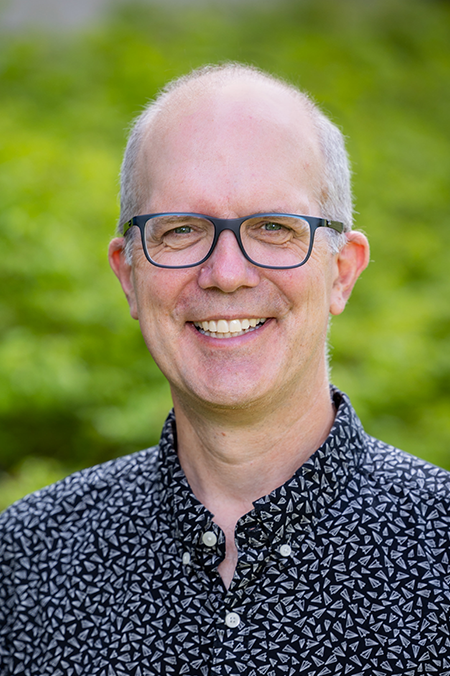
James R. Wilcox is an Assistant Professor of Computer Science at the University of Washington , where he teaches courses like Introduction to Programming , Foundations of Computing , and Operating Systems . His research focuses on programming languages , formal methods , and distributed systems verification . PhD, University of Washington BS, Williams College (2013) Wilcox's research bridges software engineering and formal verification , with applications to distributed systems, concurrent programming, and tools like mypyvy for verification. He has published extensively in top venues such as POPL , PLDI , and CAV , emphasizing compositional techniques and proof assistants like Coq. He has received two Distinguished Paper Awards (PLDI 2015, PLDI 2020) and contributes to frameworks like Verdi for verifying distributed systems. Outside academia, he is a baritone in Seattle's choral ensembles and an avid long-distance cyclist.