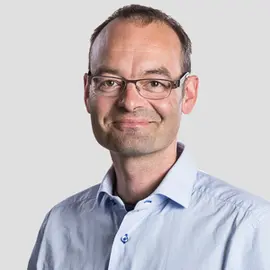
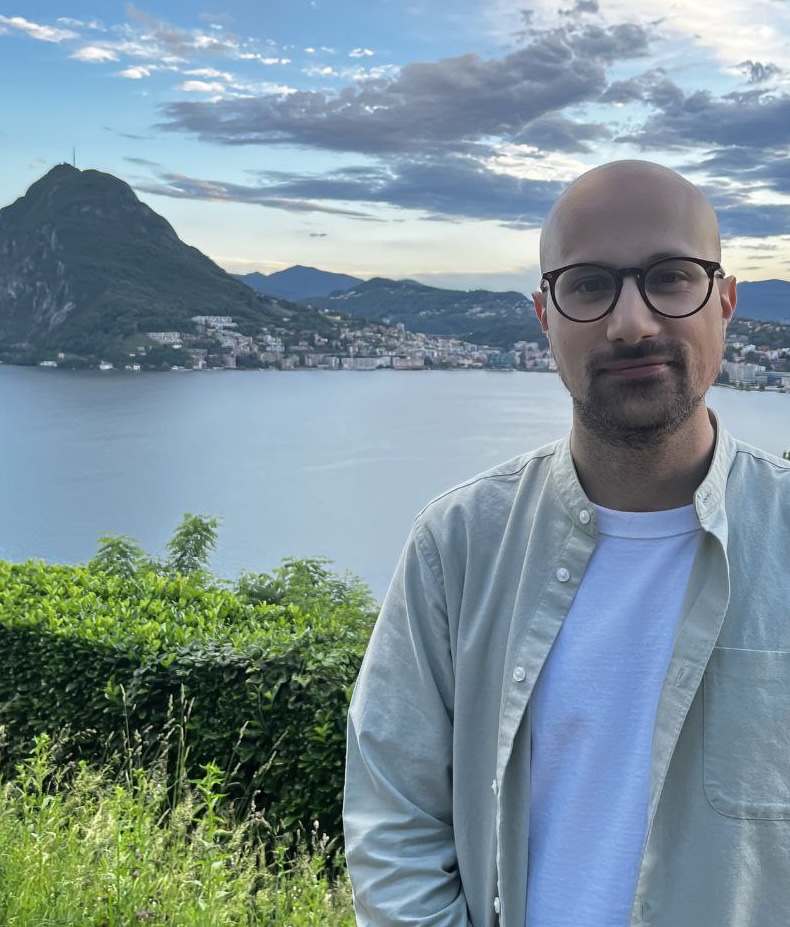
Prof. Gabriela Hug is a Full Professor at ETH Zurich's Department of Information Technology and Electrical Engineering, serving as Deputy Head of the Department and Deputy Head of the Power Systems and High Voltage Lab. She leads the Energy Science Center (ESC) and holds adjunct roles at Carnegie Mellon University. Her research focuses on modeling, control, and optimization of electric power systems for sustainable energy transitions. Education: PhD in Information Technology and Electrical Engineering, ETH Zurich (2004–2008) MSc in Information Technology and Electrical Engineering, ETH Zurich (1999–2004) Research Interests: Her work addresses challenges in smart grid integration, renewable energy systems, and advanced control strategies. Key areas include vehicle-to-grid technologies, distribution network optimization, and energy storage system planning. She emphasizes data-driven approaches and collaborative frameworks for grid resilience and flexibility. Key Achievements: Recipient of the 2019 ALEA Award (ETH Zurich) NSF Career Award (2013) IEEE Outstanding Young Engineer Award (2013) Leadership & Roles: Co-Director, NCCR Automation (Swiss National Centre of Competence in Research) Board Chair, Energy Science Center (ESC) Adjunct Faculty, Carnegie Mellon University Labs & Teams: Power Systems Laboratory (ETH Zurich) Energy Science Center (multi-disciplinary research hub)
Swiss Federal Institute of Technology in LausanneSwitzerland
Paolo Ienne is a Professor at the Swiss Federal Institute of Technology in Lausanne (EPFL), where he leads the Processor Architecture Laboratory (LAP) within the School of Computer and Communication Sciences. His research focuses on advancing reconfigurable computing systems through innovative FPGA architectures and high-level synthesis methodologies. His primary research domains include reconfigurable computing, FPGA architecture design, dynamically scheduled dataflow circuits, and hardware acceleration techniques. Recent work emphasizes memory system optimization for FPGAs, formal verification of circuit transformations, and rapid C-to-hardware compilation flows. He has pioneered approaches for handling thousands of outstanding memory misses in FPGA accelerators and developed novel techniques for switch-block exploration without explicit pattern enumeration. Analysis of his 2023-2025 publications reveals a strong trend toward practical FPGA deployment challenges, with increasing focus on HBM integration, virtual memory systems for PCIe-attached devices, and formally verified circuit transformations. His work consistently targets real-world bottlenecks in high-level synthesis toolchains while maintaining theoretical rigor in dataflow architecture design. Professor Ienne's laboratory receives support from the Swiss National Science Foundation and industry partners including Huawei, enabling cutting-edge research in FPGA-based acceleration. His collaborative network spans major semiconductor companies and academic institutions worldwide, with frequent co-authorship on conference proceedings and journal publications in IEEE and ACM venues.
Swiss Federal Institute of Technology in LausanneSwitzerland
Mirjana Stojilovic is a Researcher at École Polytechnique Fédérale de Lausanne (EPFL) in the School of Computer and Communication Sciences (IC), specifically within the Institute of Computer Engineering (IINFCOM) and the Parallel Systems Architecture Laboratory (PARSA). She also serves as a Lecturer in the SSC - Teaching department at EPFL. Her office is located at INJ 235, Station 14, 1015 Lausanne, Switzerland. Mirjana Stojilović received her Dipl. Ing. and Ph.D. degrees from the School of Electrical Engineering, University of Belgrade, in 2006 and 2013, respectively. Her academic journey includes collaborating with the Processor Architecture Laboratory at EPFL as a Guest Researcher from 2010 to 2013, working at the University of Applied Sciences Western Switzerland as a senior researcher from 2013 to 2016, and joining the Parallel Systems Architecture Lab at EPFL in October 2016. Dr. Stojilovic's research spans field-programmable technology, electronic design automation (EDA), and electrical-level attacks and countermeasures for reconfigurable hardware. Her work bridges the gap between hardware design and security, with a particular focus on vulnerability analysis and protection mechanisms for FPGA-based systems in cloud environments. She has made significant contributions to understanding side-channel attacks, fault injection techniques, and secure multi-tenancy solutions for shared hardware resources. Her extensive publication record reveals a clear research trajectory from traditional FPGA design and EDA topics toward increasingly security-focused investigations. Recent work demonstrates deep expertise in power analysis attacks, hardware trojans, and countermeasures for cloud-based FPGA systems, reflecting the growing importance of hardware security in distributed computing environments. Scientific Awards and Recognitions: Best Paper Award at 2016 International Symposium on Electromagnetic Compatibility (EMC Europe 2016) Young Scientist Award at 33rd International Conference on Lightning Protection (ICLP2016) Young Author Best Paper Award at the 20th Telecommunication Forum in Belgrade (TELFOR 2012) EPFL School of Computer and Communication Sciences (IC) Teaching Award (2015) Nominated for Best Paper Award at the International Conference on Field-Programmable Technology (FPT) (2020) Dr. Stojilovic has advised numerous PhD students including Coulon Louis, Pirayadi Rouzbeh, and Shrivastava Shashwat, along with past EPFL PhD students Glamocanin Ognjen and Mahmoud Dina. She has supervised dozens of semester and diploma projects focusing on hardware security, FPGAs, design automation, side-channel attacks, and cloud computing. Her service to the academic community includes serving on program committees for FPGA, FCCM, FPL, and DATE conferences, reviewing for multiple IEEE and ACM journals, and acting as associate editor for IEEE ESL and ACM TRETS. As a member of the Parallel Systems Architecture Laboratory at EPFL, Dr. Stojilovic leads research projects investigating security aspects of reconfigurable hardware systems. Her team works at the intersection of computer architecture, electronic design automation, and hardware security, with particular emphasis on vulnerabilities and protections for shared FPGA resources in cloud environments.
Swiss Federal Institute of Technology in LausanneSwitzerland
Kumar Varoon Agrawal is an Associate Professor at École Polytechnique Fédérale de Lausanne (EPFL), holding the Gaznat Chair for Advanced Separations. He is affiliated with the School of Basic Sciences (SB), the Institute of Chemical Sciences and Engineering (ISIC), and the Laboratory of Advanced Separations (LAS) in Sion, Switzerland. Additionally, he contributes to the Swiss Doctoral School in Chemical and Bioengineering (SCGC) and serves as Vice President of the Confédération des Chimistes et des Génie Chimique (CCE). Research Focus: Material Chemistry & Engineering at the Ångström scale for high-performance inorganic and hybrid membranes, emphasizing energy-efficient molecular separations. Teaching: Courses include Fundamentals of separation processes , Diffusion and mass transfer , and Chemical engineering product design . Scientific Contributions: His 15 most recent publications (2025-2020) span topics like graphene pore engineering , 2D material synthesis , carbon capture , and gas separation membranes , with keywords such as Nanotechnology , Materials Science , and Molecular Transport . Subfields include Atomic-Scale Pores , Membrane Stability , and Industrial Scalability . Students and Collaborations: He advises 10 current PhD students and has mentored 9 past PhD candidates in areas like graphene membranes , ion separation , and MOF films . He is an Academic Referent for the EPFL Carbon Team and a committee member for the EDCH Doctoral Program in Chemistry and Chemical Engineering.
Professor Sebastian Hiller is a Full Professor at the Biozentrum of the University of Basel, Switzerland, where he leads a research group focused on structural biology and biophysics. His laboratory specializes in using nuclear magnetic resonance (NMR) spectroscopy to elucidate the structures and functions of proteins and their interactions at the atomic level. His research spans several key areas including molecular chaperones and protein folding mechanisms, outer membrane protein biogenesis in bacteria, and kinase signaling pathways. Notably, his group has made significant contributions to understanding how chaperones like trigger factor function, the mechanisms of outer membrane protein assembly through the Bam complex, and dynamic kinase interactions. Their work has direct implications for neurodegenerative diseases and antibiotic development. The Hiller lab's recent publications demonstrate a strong focus on NMR methodology development, protein folding dynamics, and structural mechanisms of antibiotic action. Their research on darobactin's mechanism of action against Gram-negative bacteria represents a significant advance in antibiotic discovery. The group frequently publishes in high-impact journals including Nature, Science, and Nature Communications. ICMRBS Founder's Medal (2018) EMBO Young Investigator (2014) ERC starting grant (2011) SNSF professorship (2010) SNSF scholarship for young researchers (2008) Professor Hiller supervises numerous PhD students and postdoctoral researchers, with many alumni having secured prestigious positions in academia and industry. His laboratory maintains strong collaborations across multiple institutions and has received significant funding through ERC grants and other competitive mechanisms. The Hiller group also operates advanced NMR facilities that serve the broader research community at the University of Basel.
Swiss Federal Institute of Technology in LausanneSwitzerland
David Suter is an Associate Professor at École Polytechnique Fédérale de Lausanne (EPFL), affiliated with the School of Life Sciences (SV) and the Institute of Bioengineering (IBI-SV), leading the UPSUTER research unit focused on Gene Regulation & Cell Identity. He is based in the AI building at Station 19, Lausanne, and holds active teaching and leadership roles across multiple departments, including Life Sciences Engineering. He serves as Director of the Doctoral Program in Molecular Life Sciences (EDMS), and is a member of the Doctoral School Committee and the PhD Program Committee for Computational and Quantitative Biology. His research centers on the quantitative analysis of gene expression dynamics and cell identity, employing cutting-edge techniques such as ultrasensitive bioluminescence imaging, fluorescent protein timers, genome editing, and high-throughput genomics (ChIP-seq, ATAC-seq, CUT&RUN). His lab investigates transcriptional memory, proteostasis, transcription factor search dynamics, and cell fate decisions using embryonic stem cells and cancer cells as model systems. These approaches enable real-time, single-cell resolution studies of transcription factor behavior, mRNA production, and protein turnover across cell divisions. The publication trends in his work emphasize live-cell imaging, quantitative molecular biology, and systems-level understanding of gene regulation. His articles reflect a strong focus on visualizing and quantifying biological processes in living cells, particularly around transcription factors like Sox2 and their role in pluripotency and differentiation. The integration of biophysical tools with molecular biology allows his team to decode the mechanisms underlying cell identity maintenance and fate transitions. He actively supervises PhD students, both current and past, contributing significantly to doctoral education at EPFL. His leadership in the EDMS program underscores his commitment to training the next generation of scientists in molecular and quantitative life sciences. While no specific grants are mentioned in the text, his lab's advanced technological development (e.g., bioluminescence imaging tools) suggests strong funding support. David Suter leads the Suter Lab, a multidisciplinary research group combining molecular and cell biology with computational and biophysical methods. The lab fosters close collaborations and maintains a strong technical core in imaging and genomics, enabling innovative research on the fundamental principles of gene regulation during development and disease.
Swiss Federal Institute of Technology in LausanneSwitzerland
Aurélien Bornet is a Lecturer at École Polytechnique Fédérale de Lausanne (EPFL) in the School of Basic Sciences (SB), specifically within the Institute of Chemical Sciences and Engineering (ISIC). He serves as the Platform Leader for the Nuclear Magnetic Resonance Platform at EPFL, where he oversees advanced NMR facilities and research. Dr. Bornet's research focuses on Nuclear Magnetic Resonance (NMR) and Dynamic Nuclear Polarization (DNP) techniques. His work spans several key areas including hyperpolarization methodologies, development of NMR instrumentation, and applications in both chemistry and biomedical fields. His research has led to significant advancements in dissolution DNP, long-lived nuclear spin states, and hyperpolarized metabolite imaging. His recent publication record demonstrates strong activity in developing new NMR techniques and applications, with particular emphasis on hyperpolarization methods that dramatically enhance NMR sensitivity. His work bridges fundamental physics with practical applications in medical imaging and materials science. The research outputs include numerous high-impact publications in journals like Nature Communications, Journal of the American Chemical Society, and Physical Chemistry Chemical Physics, as well as several patents related to NMR technology. Dr. Bornet has received recognition through multiple patents for his innovations in NMR technology, including patents related to polarizing agents, dissolution DNP methods, and NMR instrumentation. His work has important implications for biomedical imaging, particularly in the development of hyperpolarized metabolic imaging for cancer diagnostics and other medical applications. As an educator, Dr. Bornet teaches courses on Basic and Advanced NMR at multiple levels (Level 1 A, Level 1 B, and Level 2) at EPFL and in Sion. His teaching focuses on both theoretical and experimental aspects of NMR, providing students with hands-on experience with modern NMR spectrometers. His academic journey includes completing his PhD at EPFL in 2015 with a thesis on hyperpolarized protons for enhancing NMR sensitivity, advised by G. Bodenhausen and S. Jannin. Prior to this, he completed earlier research on long-lived states as probes of protein stability in 2010 under the supervision of G. Bodenhausen and P. Vasos.
Western Switzerland University of Applied SciencesSwitzerland
Manfred Zinn serves as a Professor at the University of Applied Sciences and Arts Western Switzerland (HES-SO), specifically within the School of Chemistry and Life Sciences. He leads the Biotechnology and Sustainable Chemistry research group at the Life Science Engineering department in Sion, Switzerland. His academic position includes significant research leadership responsibilities and active contributions to the field of bioplastics and sustainable materials. Professor Zinn's research focuses primarily on biotechnology applications for sustainable materials, with particular expertise in polyhydroxyalkanoates (PHAs) and other bioplastics. His work spans microbial biosynthesis, material characterization, and industrial applications of biodegradable polymers. He investigates the metabolic pathways of PHA-producing microorganisms, develops novel analytical methods for biopolymer characterization, and explores practical applications of bioplastics in medical and industrial contexts. His research integrates microbiology, polymer chemistry, and process engineering to address challenges in sustainable materials development. Analysis of his recent publications (2019-2024) reveals a strong focus on advancing the science and technology of bioplastics, particularly polyhydroxyalkanoates. His work addresses key challenges in monomer composition control, polymer characterization, biosynthesis optimization, and industrial applications. A significant trend in his research involves developing sophisticated analytical methods for biopolymer production monitoring and exploring novel applications for biodegradable materials in medical and industrial contexts. His collaborative work spans multiple countries and institutions, reflecting the international nature of bioplastics research. Professor Zinn has secured significant research funding through multiple competitive grants, including Innosuisse and Swiss National Science Foundation projects. His research portfolio includes projects on biosynthesis of Chlorella, electroplating processes for biodegradable materials, and online flow cytometry analysis for microbial bioplastic production. These projects demonstrate his ability to secure funding for interdisciplinary research at the intersection of biotechnology, materials science, and sustainable chemistry. His collaborations extend to institutions including the Frauenhofer Institute and Chulalongkorn University in Bangkok. The Biotechnology and Sustainable Chemistry research group led by Professor Zinn maintains strong laboratory facilities for microbial cultivation, biopolymer synthesis and characterization. The group utilizes advanced equipment including bioreactors, flow cytometry systems, and polymer analysis instrumentation. Their research bridges fundamental science with practical applications, focusing on developing sustainable alternatives to conventional plastics while addressing technical challenges in production, characterization, and implementation.
Professor Jeffrey W. Bode serves as Full Professor at the Department of Chemistry and Applied Biosciences at ETH Zurich, Switzerland, and maintains a secondary affiliation with the Institute of Transformative Biomolecules at Nagoya University, Japan. His internationally recognized research laboratory develops novel chemical reactions that operate under physiological conditions, bridging synthetic organic chemistry with biological applications. The Bode Research Group specializes in creating chemical methodologies that function in water and biological environments, including proteins, cells, and tissues. Their major research thrusts include acylboronate chemistry (particularly potassium acyltrifluoroborates or KATs), protein synthesis through ketoacid-hydroxylamine (KAHA) ligation, synthetic fermentation for drug discovery, and SnAP chemistry for N-heterocycle synthesis. These innovations enable applications in wound healing, drug delivery, cellular encapsulation, and artificial tissue development. The group's work on chemoselective ligation reactions has fundamentally advanced amide bond formation without traditional coupling reagents. Recent publications demonstrate a strong trajectory toward automated synthesis platforms, protein engineering, advanced bioconjugation techniques, and applications in chemical biology. The group has successfully commercialized SnAP chemistry through Sigma Aldrich and developed KAHA ligation into a robust method for synthesizing large proteins. Their research consistently focuses on creating molecules inaccessible through existing technologies, with particular emphasis on physiological compatibility and biological relevance. Professor Bode leads an international research team of approximately thirty PhD students and postdoctoral researchers from twenty different countries. The Bode Research Group maintains extensive collaborations across disciplines, contributing significantly to chemical biology, medicinal chemistry, and materials science. Their laboratory is equipped with advanced automation platforms for organic synthesis and maintains strong connections with pharmaceutical and biotechnology industries for translational applications of their chemical methodologies.
PD Dr. Ronald Dijkman is Group Leader of the Experimental Virology Research Group within the Institute for Infectious Diseases (IFIK) at the University of Bern Medical Faculty. His laboratory is located at the Multidisciplinary Center for Infectious Diseases (MCID) , underscoring his central role in Swiss infectious-disease research infrastructure. Education & Training: While the supplied pages do not list explicit degrees, the title PD Dr. indicates that he has completed a PhD, post-doctoral training, and the Germanic Habilitation, qualifying him as an Associate Professor-level faculty member. Research Focus: Dr. Dijkman’s team investigates host–pathogen interactions in the respiratory epithelium , concentrating on three pillars: Innate immunity triggered by influenza and coronaviruses in human and animal airway epithelial cells. Viral genetic determinants that modulate immune evasion and cross-species transmission. Host determinants that either restrict or facilitate infection across species barriers. To dissect these questions, the group has pioneered genetically-tractable, well-differentiated primary airway epithelial cell (AEC) cultures derived from humans, pigs, cattle and bats, creating a unique comparative platform for zoonotic-risk assessment. Funding & Collaborative Networks: His research is currently supported by: Swiss National Science Foundation (SNF) – project on Molecular characterization of Influenza D virus–host interactions . EU Marie Skłodowska-Curie ITN “HONOURs” – a multi-partner training network on host-switching pathogens and zoonoses. Federal BLV grant – implementation of nanopore sequencing for rapid identification of OIE-notifiable animal viruses. These grants enable a team of one post-doc and four PhD students, together with technical staff. Scientific Output & Impact: Since 2010, Dr. Dijkman has authored >60 peer-reviewed articles. His work on SARS-CoV-2 reverse genetics (Nature, 2020), MERS-CoV receptor usage (Nature, 2014) and single-cell influenza pathogenesis (bioRxiv, 2020–22) has been highly cited, reflecting broad scientific impact. Laboratory & Team: The Experimental Virology group occupies BSL-2 and BSL-3 laboratories equipped with state-of-the-art live-cell imaging, lentiviral genetic engineering, and nanopore sequencing pipelines. The group presently comprises: Larise Oberholster – Early Post-doc Alina Baltensperger – PhD student Jean-Claude Makangara – PhD student Mike Javan Mwanga – PhD student Karen Stevers – PhD student Cinzia Moscardelli – laboratory technician
Laura Pozzi is a Full Professor at the Faculty of Informatics, Università della Svizzera italiana (USI), Switzerland, since 2015. She previously held positions as Associate Professor (2011–2015) and Assistant Professor (2005–2011) at USI. Prior to joining USI, she was a postdoctoral researcher at EPFL's Processor Architecture Laboratory (2001–2005), a research engineer at STMicroelectronics (2000), and an Industrial Visitor at UC Berkeley (2000). Education: MS and PhD in Computer Engineering from Politecnico di Milano, Italy (1996–2000). Her research focuses on the interaction between compiler and architecture design, particularly in embedded systems , with key areas including approximate computing , coarse-grained reconfigurable arrays (CGRAs) , high-level synthesis (HLS) , and fuzz testing . She has led projects on automated design space exploration, compiler optimizations for reconfigurable architectures, and error estimation in approximate circuits. Recent Publications span topics like SAT-based mapping for CGRAs , grammar-based fuzzing of shell interpreters , and approximate logic synthesis , reflecting her interdisciplinary work bridging hardware/software co-design and software verification. Scientific Awards: Credit Swiss Best Teaching Award IEEE DAC Best Paper Award Leadership Roles: Co-Program Chair, IEEE Symposium on Application Specific Processors (SASP) Editorial Board Member, IEEE Design and Test Students: Current: Rodrigo Otoni (Postdoc), Morteza Rezaalipour (PhD), Riccardo Felici (PhD), Cristian Tirelli (PhD) Alumni: Ilaria Scarabottolo (PhD/Postdoc), Lorenzo Ferretti (PhD/Postdoc), Georgios Zacharopoulos (PhD), Giovanni Ansaloni (PhD/Postdoc), Paolo Bonzini (PhD)
Western Switzerland University of Applied SciencesSwitzerland
Dr. Andrea Guerrieri is an Associate Professor at the University of Applied Sciences and Arts Valais-Wallis - School of Engineering , specializing in Reconfigurable Computing, Electronics Design Automation (EDA), and Post-Quantum Cryptography . His work focuses on accelerating FPGA compilation through tools like DynaRapid and optimizing security protocols via Dynamatic , with technologies adopted by industry leaders including Intel, AMD-Xilinx, and CERN . He holds a BSc in Industrial Systems and a MSc in Engineering from HES-SO, and teaches courses in Digital Design and Embedded Hardware. BSc HES-SO in Industrial Systems (2019) BSc HES-SO in Computer and Communication Systems (2017) MSc HES-SO in Engineering (2021) Guerrieri’s research bridges High-Level Synthesis (HLS) and Reconfigurable Architectures to enhance FPGA performance for both terrestrial and space applications . His 2025 publications highlight advancements in heterogeneous computing , energy-efficient PQC , and rapid compilation frameworks . Notably, his 2024 work on DynaRapid achieved 20× speedup in C-to-FPGA implementation. Key scientific contributions span dataflow circuit optimization , dynamic scheduling , and automated code transformations . His 2023 book Applications Enabled by FPGA-Based Technology and 2021 textbook System-on-Chip Design with Arm established foundational references in embedded systems. Awards include Best Paper at FPL 2024 , Outstanding TPC Member at DAC 2024 , and IEEE Senior Membership (2021) . 2024: Best Paper Award (FPL), Outstanding Short Paper Award (HPEC) 2023: H-Saber publication on PQC optimization 2021: IEEE Senior Member recognition As Chair of Onboard Computing for the CHEESE-NASA SSERVI consortium, he leads international collaborations with ETH Zurich, University of Geneva, California State University , and companies like NVIDIA, Arm, and NASA . His projects include the Innosuisse-funded DyReCte initiative (2019–2021) for reconfigurable cryptoengines in nanosatellites.
Western Switzerland University of Applied SciencesSwitzerland
Andrea Guerrieri serves as an Associate Professor at the School of Engineering, University of Applied Sciences and Arts Western Switzerland Valais (HES-SO Valais-Wallis), specializing in reconfigurable computing and electronics design automation. His research has established significant industry impact through tools like DynaRapid and Dynamatic, with technology adopted by major semiconductor companies including MIPS, Intel, and AMD-Xilinx. BSc HES-SO in Industrial Systems - System-on-Chip specialization BSC HES-SO in Computer and Communication Systems - Digital Design specialization MSc HES-SO in Engineering - Embedded Hardware and Firmware specialization Professor Guerrieri's research focuses on reconfigurable computing, electronics design automation (EDA), and security, with particular emphasis on FPGA design, high-level synthesis, and post-quantum cryptography implementations. His work bridges the gap between theoretical computer architecture and practical hardware implementations, with strong applications in space technology and embedded security systems. His recent publications demonstrate increasing focus on energy-efficient implementations for space applications and quantum-resistant cryptographic systems. Analysis of his 15 most recent publications reveals a clear research trajectory toward optimizing FPGA implementations for post-quantum cryptography and space applications. His work consistently addresses the performance bottlenecks in high-level synthesis while maintaining practical applicability for industry partners like NASA, CERN, and major semiconductor companies. The recent surge in best paper awards (three in 2024 alone) reflects growing recognition of his contributions to efficient FPGA compilation techniques and cryptographic implementations. Scientific Awards: Best Paper Award at FPL 2024 Best Paper Award at HPEC 2024 Best Paper Award at ISFPGA 2020 Outstanding Short Paper Award at IEEE HPEC 2024 Outstanding TPC Member Award at DAC 2024 IEEE Senior Member (2021) Multiple Best Paper nominations (FCCM 2022, FPL 2022, HiPEAC 2022) Professor Guerrieri actively participates in international research projects including the DyReCte project (2019-2021) on dynamically reconfigurable cryptoengines for nano-satellites. He currently chairs the Onboard Computing topic for the Swiss consortium CHEESE affiliated with NASA SSERVI and collaborates extensively with industry partners including AMD-Xilinx, NVIDIA, Arm, NASA, and CERN, as well as academic institutions like ETH Zurich and University of Geneva. His current research focuses on developing next-generation EDA tools and reconfigurable computing platforms for both terrestrial and space applications. His laboratory work centers around FPGA-based prototyping and validation, with specialized facilities for space applications testing. Professor Guerrieri leads a research team that includes Andres Upegui, Quentin Berthet, Laurent Gantel, and Gabriel Da Silva Marques, focusing on practical implementations of reconfigurable architectures for security and space applications.
Zurich University of Applied Sciences (ZHAW)Switzerland
Prof. Dr. Jürgen Schumacher is Professor at the ZHAW School of Engineering and heads the research focus Electrochemical Cells & Energy Systems . Stationed in Winterthur, Switzerland, he spearheads numerous national and European projects aimed at advancing electrochemical energy conversion and storage technologies. Research Interests His work integrates multiscale modeling with experimental validation to address critical challenges in: Redox flow batteries – organic and hydrogen–bromine chemistries, membrane optimization, and system-level performance models. Proton exchange membrane fuel cells (PEMFC) – two-phase transport, water management, durability under heavy-duty cycles, and degradation coupling. Photoelectrochemical devices – band-structure engineering, optical and carrier-transport modeling for solar water splitting and dye-sensitized solar cells. Porous electrode theory – upscaling from pore-scale to macroscopic descriptions, Monte-Carlo and continuum approaches. Publication Trends Since 2014, his peer-reviewed output has concentrated on physics-based modeling frameworks that bridge electrochemical kinetics, transport phenomena, and material microstructure. Journal of Power Sources and Electrochimica Acta host the majority of his recent articles, reflecting a clear focus on flow batteries and PEMFC durability . A noticeable trend is the coupling of performance and degradation models , enabling predictive lifetime assessment. Ongoing Projects High-throughput screening & synthesis of active materials for flow batteries – Project leader. Robust PEMFC MEAs for heavy-duty applications – Project leader. Doctoral network on micro-process engineering for electrosynthesis – Project leader. Labs & Teams At ZHAW, Prof. Schumacher directs an interdisciplinary team combining electrochemical engineers , numerical modelers , and material scientists . The group operates state-of-the-art facilities for in-situ diagnostics , micro-computed tomography , and high-performance computing clusters dedicated to large-scale simulations of complete cells and stacks.
Andrea Cini is a postdoc researcher affiliated with the Graph Machine Learning Group and the Dalle Molle Institute for Artificial Intelligence (IDSIA USI-SUPSI) at the University of Lugano (USI). He also holds a position as a SNSF postdoc fellow at the University of Oxford under Prof. Michael Bronstein, focusing on machine learning for time series forecasting and graph processing. His research integrates graph deep learning methodologies with spatiotemporal dynamics, emphasizing applications in healthcare, energy systems, and intelligent systems. Education: PhD in Computer Science and Engineering (USI, 2020), supervised by Prof. Cesare Alippi MSc and BSc in Computer Science and Engineering (Politecnico di Milano) Visiting researcher at Imperial College London (Prof. Danilo Mandic) Research interests span graph neural networks , time series forecasting , and spatiotemporal data processing . His work has introduced influential methods such as the Torch Spatiotemporal library, and has been recognized with a best paper award. Recent publications emphasize applications in relational conformal prediction, hierarchical forecasting, and energy grid optimization. Awards include the Best Paper Award for contributions to graph-based forecasting methodologies. Current projects are funded by the Swiss National Science Foundation, exploring graph-based reinforcement learning and spatiotemporal modeling at the University of Oxford. Collaborations include affiliations with the Northernmost Graph Machine Learning group at UiT the Arctic University of Norway. His research bridges theoretical advancements and industrial applications in fields like healthcare dynamics prediction and smart grid optimization.