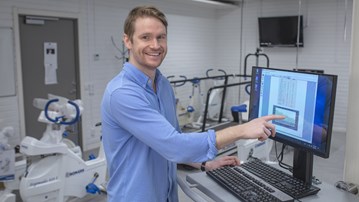
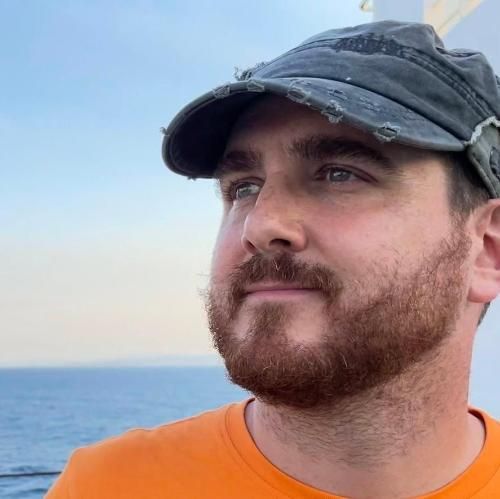
Kerry Stephen Seiler is a Professor at the University of Agder in Norway, specifically within the Department of Sport Science and Physical Education under the Faculty of Health and Sport. He has been actively involved in research and consultation since the late 1990s, including roles as a research consultant for the Sorlandet Regional Hospital and the Norwegian Olympic Federation. Masters in Exercise Science (1987), University of Arkansas PhD in Kinesiology (Exercise Physiology and Biochemistry, 1995), University of Texas His research focuses on Exercise Physiology , particularly the interaction between brain and body during physical exertion and how cardiovascular systems adapt to training . He developed the SPADE research group (Sports Performance and Athlete Development Environments) and is a leading voice in 80/20 endurance training principles. Recent publications emphasize training intensity distribution , low-intensity endurance strategies , and polarized training models . His work often intersects with practical applications in professional cycling and endurance sports. Fellow, European College of Sport Science Fellow, American College of Sports Medicine He has contributed extensively to media platforms like Fast Talk Laboratories , The Roadman Cycling Podcast , and Podcast Feel Better Live More , discussing topics ranging from Zone 2 training to exercise as a longevity tool .
Professor Rob Newton is a leading academic at Edith Cowan University (ECU) as the Professor of Exercise Medicine and founder of the Exercise Medicine Research Institute . He holds concurrent appointments as Vice-Chancellor Professorial Research Fellow in 2020 and has dedicated his career to integrating exercise as neoadjuvant, adjuvant, and rehabilitative therapy for cancer patients. His research spans exercise oncology, tumor biology, body composition, and quality of life in cancer care. He earned a Doctor of Science (DSc, 2021) PhD in Human Movement Studies (1998) Master of Human Movement Studies (1986) Bachelor of Human Movement Studies (Hons, 1986) from the University of Queensland and Southern Cross University. His recent work focuses on exercise-induced myokines , resistance training modalities , and exercise’s impact on cancer progression , with trends observed in breast, prostate, and ovarian cancers . Many studies employ systematic reviews, meta-analyses, and randomized controlled trials to evaluate exercise prescriptions. Scientific Awards : Career Achievement Award (2018) - Cancer Council WA Western Australia Premier’s Scientist of the Year (2019) With a Scopus h-index of 90 and over $45M in research funding , Newton leads interdisciplinary collaborations across oncology, sports science, and clinical exercise physiology . His lab has pioneered exercise medicine protocols for cancer patients, including the ERADICATE trial for prostate cancer and EXPAN trial for pancreatic cancer.
Susan Bock is a researcher affiliated with the Department of Sport and Exercise Sciences at Durham University , within the Faculty of Social Sciences . Her work bridges physical activity measurement in youth populations and pedagogical strategies in higher education. Her research focuses on motivational climates in youth sport , high-intensity interval training (HIIT) interventions in school settings, and energy expenditure modeling in children and young adults. She has contributed to studies like Project FFAB and The MOVE Project , which explore health promotion and educational outcomes . Using hybrid methodologies like accelerometry and heart rate synchronization , her work addresses public health challenges related to adolescent inactivity. She has presented at major conferences including the American College of Sports Medicine Annual Conference , with outputs spanning journal articles and conference contributions .
Andre Nyberg is a Professor at the Department of Community Medicine and Rehabilitation, Section of Physiotherapy, Umeå University, Faculty of Medicine. He serves as Group leader of Umeå Translational Respiratory EXercise group (U-TREX), a multidisciplinary research group dedicated to patient-centered research for individuals with respiratory diseases. His educational background includes: Associate Professor, Physiotherapy (2019) Ph.D. in Physiotherapy, Umeå University (2014) Master's degree in sports medicine, Umeå University (2013) Master's degree in physiotherapy, Umeå University (2013) Bachelor's degree in sports medicine, Umeå University (2011) Bachelor's degree in physiotherapy, Umeå University (2009) Bachelor's degree in health sciences, Umeå University (2007) Dr. Nyberg's primary research focuses on developing new strategies for the assessment and management of extrapulmonary manifestations among people with COPD. His work examines the effects and explanatory mechanisms of different forms of physical exercise on extrapulmonary manifestations such as impaired muscle, cardiovascular, and cognitive function. He investigates the reliability, validity, and feasibility of different strategies for assessing thigh muscle function in COPD and develops new treatment strategies optimizing physical exercise in COPD through both in-vivo and in-vitro experiments using quantitative and qualitative research methods. His recent publications (2023-2024) demonstrate a strong emphasis on high-intensity interval training for COPD patients, muscle function assessment, and digital health interventions. The research spans from physiological mechanisms to clinical implementation and patient-centered outcomes, reflecting a comprehensive translational approach that bridges laboratory findings with practical clinical applications. Scientific awards and recognitions: Erik K Fernströms Pris for young promising researchers (2023) European Research Council Starting Grant (2022) Heart and Lung Foundations Mentor Program for promising young scientists (2022) Prince Daniel's Research Grant for Promising Young Researchers (2021) Best Abstract at CR-IUCPQ, Quebec, Canada (2020) Best Poster presentation at Nordic Lung Congress (2017) Best abstract in COPD at European Respiratory Society, Munich (2014) Dr. Nyberg serves as a supervisor for bachelor's and master's level projects and has been teaching undergraduate and master's training for physiotherapists and occupational therapists since 2011. He became a Senior Lecturer in 2016 and was recognized as a distinguished university teacher in 2021. He is responsible for the course 'Physiotherapy - clinical evaluation and measurement methodology' and delivers lectures at Master and Research levels. He leads multiple research projects including 'Countering stigma in self-management in people with chronic obstructive pulmonary disease' (2024-2026) and 'COPD-HIIT' (2021-2028), and serves in various leadership roles including Chair of the European Respiratory Society - Physiotherapy Subgroup (2024-2027).
Erik Frykholm is a postdoctoral researcher and staff scientist at Umeå University's Department of Community Medicine and Rehabilitation, specializing in Physiotherapy. He actively teaches at both undergraduate and advanced levels in the Physiotherapy program while conducting research focused on exercise interventions for older adults and individuals with chronic obstructive pulmonary disease (COPD). His work emphasizes measurement methods for muscle function and exercise evaluation. Current affiliation: Umeå University Department: Community Medicine and Rehabilitation Section: Physiotherapy Academic role: Researcher Frykholm's research primarily investigates exercise physiology in aging populations and COPD patients, with publications covering high-intensity interval training (HIIT) feasibility, muscle function assessment techniques, and resistance training protocols. He contributes to the Umeå Translational Respiratory EXercise group (U-TREX) and participates in projects like the Umeå HIT Study (2019-2024) and ENDURE/PREDQUAD (2016-2023). His recent publications demonstrate a consistent focus on clinical exercise physiology, particularly analyzing quadriceps endurance measurement reliability and developing exercise programs for special populations. The work integrates both geriatric and pulmonary rehabilitation perspectives, emphasizing valid and feasible assessment methods.
Dr. Lee S. Berk is the Associate Dean of Research at the School of Allied Health Professions and an Associate Research Professor in the Department of Pathology and Human Anatomy at the School of Medicine , Loma Linda University . His research spans psychoneuroimmunology , focusing on the physiological effects of mirthful laughter , humor , and neuroendocrine responses on stress, immune function, and brain health. Dr. Berk has served on numerous committees, including the Loma Linda University Health Research Oversight Committee and Board of Directors of the American College of Lifestyle Medicine . He has been an Editorial Board Member for the Journal of Physical Therapy and Rehabilitation and Advances in Mind-Body Medicine . His advisory roles include mentoring doctoral candidates Olivia Moses and Micheline Vargas . Over his career, Dr. Berk has been extensively featured in media outlets (e.g., CNN , NPR , Newsweek ) and has contributed to over 150 peer-reviewed publications. His work explores EEG gamma wave modulation , anti-oxidant effects on autism , and exercise interventions for inflammation and metabolic health . Current projects include studies on brain health , type 2 diabetes , and religious cognitive-behavioral therapy outcomes.
Dr. Öğr. Üyesi Aydın Karabulak , currently lecturing at the Department of Physical Education and Sports within Süleyman Demirel University's Faculty of Sports Sciences , combines academic rigor with practical football coaching expertise. Holding a PhD in Physical Education and Sports Teaching from Burdur Mehmet Akif Ersoy University (2022), he has authored research on football-specific training, physical performance metrics, and health-sports intersections. Education: Pre-Degree: Akdeniz University - Machine Drawing and Construction (1993) BSc: Akdeniz University - Physical Education and Sports Teaching (1997) MSc: Süleyman Demirel University - Sports Sciences (2013) PhD: Burdur Mehmet Akif Ersoy University - Physical Education and Sports Teaching (2022) Research Focus: Specializing in football performance analysis, Aydın investigates training methodologies (core stability, functional drills), environmental factors (playing surfaces), and health outcomes (nutrition-exercise interactions, pandemic-related activity patterns). His work bridges theoretical sports science with applied coaching practices. Publication Trends: Recent studies emphasize technology integration in sports, injury prevention, and evidence-based training frameworks. Conference presentations explore player psychology, surface adaptation, and recovery protocols, while co-authored books address contemporary issues in sports pedagogy. Professional Engagement: Head of Department, Süleyman Demirel University (2018-2022) Football Coach, Türkiye Futbol Federasyonu (2011-present) Member, TÜFAD (Türkiye Futbol Antrenörler Derneği) (1995-present)
William Lunn is a Professor and Program Coordinator for Exercise and Sport Science at Southern Connecticut State University within the College of Health & Human Services. His teaching interests include exercise physiology, exercise metabolism, nutrition, and research methods. His research focuses on protein metabolism, high-intensity interval training (HIIT), nutritional ketosis, and performance testing validation. Research & Grants Grant: "Effects of a Whole-Food Nutritional Supplement on Glycemic Response in Euglycemic Adults" sponsored by Soquel, Inc. (2019–Present). Key Presentations 2022: "Lipid-Protein Co-Ingestion Before High-Glycemic Challenge Attenuates Glycemic Response in Normoglycemic Adults" at the American College of Sports Medicine Annual Meeting. 2018: "Where Chocolate Milk Has Brought Me: Postexercise Recovery, HIIT, Low-Carb Diets, and Protein Metabolism" at the New England American College of Sports Medicine/National Strength & Conditioning Association meeting. 2023: "Cannabidiol Supplementation Alleviates Anxiety, Mitigates Pain, Extends Endurance, and Facilitates Greater Exercise Exertion" at the American College of Sports Medicine Annual Meeting. Scientific Contributions Collaborated on studies about chocolate milk for recovery, CBD supplementation, and insole technology for athletic performance. Developed validation protocols for exercise testing equipment and body composition analysis.
Professor David Lubans, a renowned expert at the University of Newcastle's School of Education , leads groundbreaking research on school-based physical activity interventions. With over $30 million in competitive grants and recognition as a Clarivate Highly Cited Researcher for five consecutive years, he focuses on combating youth physical inactivity through behavioral science and socio-ecological models. His work includes large-scale programs like iPLAY (135 NSW schools) and Burn 2 Learn, utilizing MRI to study brain-body connections. Co-Director, Centre for Active Living and Learning Visiting Professor, University of Jyväskylä Research interests span physical activity promotion , mental health impacts , and teacher training programs . His team develops evidence-based interventions using SAAFE teaching principles (Supportive, Active, Autonomous, Fair, Enjoyable) and investigates neurobiological mechanisms linking fitness to cognitive outcomes. Key publications reveal associations between childhood lifestyle behaviors and adolescent mental health, HIIT implementation strategies, and mediators of school-based interventions. Awards include College Excellence Awards, NHMRC Fellowships, and multiple best paper honors. Supervised 40+ interventions Published >350 peer-reviewed articles Trained teachers globally through programs like iPLAY Collaborations extend to institutions in Australia , Canada , Hong Kong , and Finland , with current studies examining stress-reactivity and cognitive outcomes via MRI.
Dr. Helene Rundqvist is a Senior Researcher at the Department of Laboratory Medicine, Karolinska Institutet, where she combines basic science research in Exercise Oncology with patient intervention studies. She serves as co-PI of two H2020-funded exercise oncology clinical trials, PREFERABLE EFFECT and PREFERABLE LION, leading multinational research efforts to understand how structured exercise affects outcomes for patients with metastatic breast cancer. Dr. Rundqvist earned her PhD in Physiology from Karolinska Institutet in 2008, building on her foundational degree in Molecular Biology. Her postdoctoral training included significant work at the University of California, San Diego, studying immune contributions to metastasis, and at Karolinska Institutet's Department of Oncology and Pathology, investigating exercise interventions in cancer models. Her research demonstrates that exercise interventions reduce symptom burden, enhance physical functioning, and improve health-related quality of life for cancer patients. A significant portion of her work focuses on immune surveillance mechanisms, particularly how exercise mobilizes cytotoxic T-cells and NK-cells to control solid tumor progression. Her current efforts involve detailed characterization of immune cell metabolism, homing capabilities, and antitumoral effects in both animal models and patients with advanced breast cancer. Analysis of Dr. Rundqvist's recent publications (2024-2025) reveals a comprehensive research program spanning clinical trials (particularly the PREFERABLE series), immune mechanisms, cardiovascular effects of cancer treatment, and quality of life outcomes. A consistent theme is the investigation of exercise-induced immune cell mobilization and function, with growing attention to health economic analyses evaluating the cost-effectiveness of exercise interventions in cancer care. Dr. Rundqvist has extensive teaching experience across all academic levels, delivering instruction in Statistics, Physiology, Immunology, Cell Biology, Tumor Microenvironment, and Metabolism. She leads a 5-week course in Scientific Theory and Statistics at Karolinska Institutet and supervises graduate students and postdoctoral fellows. Her research is supported by significant Horizon 2020 funding for the PREFERABLE EFFECT and PREFERABLE LION trials, which investigate structured exercise programs for metastatic breast cancer patients. Dr. Rundqvist's laboratory work combines basic science approaches with clinical applications, focusing on immune cell characterization following exercise interventions using both animal models and patient samples. Her research bridges molecular mechanisms with practical clinical applications, requiring close collaboration across oncology, immunology, and exercise physiology disciplines to investigate how exercise affects cancer progression and patient outcomes.
Dr. Maureen J Macdonald is a Full Professor in the Department of Kinesiology and currently serves as Provost and Vice-President, Academic at McMaster University . She previously held the position of Dean of Science and leads the Exercise Metabolism Research Group . BSc in Chemistry from Acadia University MSc and PhD in Kinesiology from University of Waterloo Post-doctoral research at Western University and University of British Columbia Her research expertise spans cardiovascular health, exercise physiology, spinal cord injury rehabilitation, and aging. Recent work focuses on high-intensity interval training (HIIT) for stroke survivors, hormonal contraceptive effects on vascular function, and sleep restriction impacts on vascular health. She investigates how exercise modulates cardiovascular disease risk factors across biological sex, gender identity, and age groups. She has contributed extensively to journals like Medicine & Science in Sports & Exercise , Applied Physiology, Nutrition and Metabolism , and Journal of Applied Physiology . Her 2024-2025 publications reveal trends in applying thermal interventions , hormonal regulation , and gender-inclusive cardiovascular research . As an educator, she has taught graduate-level courses including Directed Readings in Kinesiology and Individual Research Studies since 2006, with recent mentorship activities in 2023.
Alejandro Laguna Sanz is an Assistant Professor in the Department of Electronic Engineering at the School of Engineering, Universitat de València. His work bridges biomedical engineering and clinical diabetes care, focusing on technological solutions for glucose regulation. His research interests include diabetes technology, artificial pancreas systems, glucose monitoring accuracy, and the impact of exercise on glycemic control. He is particularly active in developing and evaluating predictive algorithms for glycemic management, especially in dynamic conditions such as physical activity and post-bariatric hypoglycemia. His work often combines control theory with clinical validation. The recent publications reveal a strong focus on real-world performance of continuous glucose monitors (CGMs), sex-specific responses in women with type 1 diabetes, and innovative interventions like elastic band resistance training and dual-hormone closed-loop systems. His research increasingly integrates population modeling, in silico studies, and virtual education platforms for artificial pancreas training. He is a member of the CLIDET research group (Clinimetry and Technological Development in Therapeutic Exercise), where he contributes to the design and clinical evaluation of advanced monitoring and control systems for metabolic diseases. Alejandro Laguna Sanz earned his PhD from Universitat Politècnica de València with a thesis on uncertainty in postprandial glucose modeling in type 1 diabetes, supervised by Dr. Paolo Rosseti and Dr. Jorge Bondía Company. He has not received any explicitly listed scientific awards in the provided text. He advises students within his research group, though no specific names are listed. His work is supported by collaborative projects in diabetes technology and engineering, particularly in the development of adaptive control systems and clinical validation of glucose monitoring devices. He is involved in both experimental and simulation-based studies.
Dr Natasha Matthews is a Senior Lecturer at the School of Psychology , The University of Queensland, and an affiliate of the Centre for Perception and Cognitive Neuroscience . Her research explores the intersection of cognitive neuroscience, developmental psychology, and clinical applications. Education: Doctor of Philosophy, University of Newcastle Research Interests: Dr Matthews investigates cognitive control mechanisms, metacognition, and neurodevelopmental disorders like ADHD and schizophrenia. She examines how private speech aids self-regulation in children, the long-term effects of mild traumatic brain injury on working memory, and mindfulness-based interventions for pain management. Her work bridges neuroscience and educational psychology to improve academic wellbeing in adolescents. Recent Article Trends: Recent publications focus on adolescent metacognition and academic wellbeing, neurophysiological alterations in ADHD, preschool children's self-regulatory strategies, and media multitasking across the lifespan. Methodologies include behavioral experiments, electrophysiological analysis, and dataset validation for metacognitive assessments. Supervision & Funding: Dr Matthews supervises PhD projects on mind wandering, social cognition, and metacognition in adolescence. Current funding includes an ARC Discovery Project (2025-2028) and an Education Horizon Grant (2024-2025).
Ismael Martínez Guardado is a faculty member at the School of Life and Nature Sciences, Universidad Nebrija, specializing in Physical Education and Sport. His research focuses on neuromuscular adaptations, hypoxia training, nutritional interventions, and cognitive-motor interactions. Education: PhD in Physical Education and Sport, Universidad de Extremadura (2019). His work bridges exercise physiology with metabolic health, examining: Muscle performance under hypoxic conditions Nutritional modulation of the gut-brain axis Acute fatigue effects on cognitive-motor function Technology impacts on childhood neurodevelopment Article trends emphasize hypoxia training, neuromuscular interventions, and dietary strategies for chronic disease management. He leads the BRABE Research Group (BRAIN & BEHAVIOUR) , integrating interdisciplinary approaches to athlete health and cognitive performance.
Rashelle Hoffman is an Assistant Professor at Creighton University's School of Pharmacy and Health Professions, affiliated with the Department of Physical Therapy. She holds a PT, DPT, PhD, and is a Board-Certified Geriatric Clinical Specialist. Dr. Hoffman completed her doctoral training at the University of Nebraska Medical Center and a postdoctoral fellowship at the University of Colorado Anschutz Medical Campus. Her clinical expertise spans skilled nursing, outpatient, long-term care, and home health settings. Her research focuses on improving dementia care in rural communities through lifestyle interventions like physical activity, understanding the effects of behavioral therapies (e.g., HIIT) on mobility and cognition, and elucidating neural mechanisms underlying cognitive-motor performance in aging and neurological conditions such as cerebral palsy and multiple sclerosis. She has published extensively on topics including gait analysis in osteoarthritis, cortical oscillations in cerebral palsy, and post-hospitalization care for individuals with dementia. Dr. Hoffman’s academic roles include teaching in geriatric physical therapy and leading the Rehabilitation Science Research Laboratory. Her work emphasizes health equity, technology access for older adults, and interdisciplinary care strategies. Presentations at international conferences highlight her contributions to clinical neuroscience and rehabilitation outcomes.