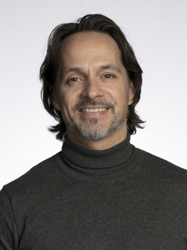
Magni Mohr is a Professor and Dean of the Faculty of Health Sciences at the University of the Faroe Islands. He has served as Pro-rector for Research and Enterprise since 2020 and founded the iNOVA Human Performance Laboratory in 2014. PhD in Exercise Physiology, University of Copenhagen (2008) Master of Science in Human Physiology (2001) Bachelor of Science in Exercise Physiology (1998) His research focuses on skeletal muscle fatigue during high-intensity intermittent exercise, exercise adaptation in team sports, and health effects of physical activity as preventive medicine. Recent work includes interplay between statins and exercise, and physical activity’s impact on quality of life. Scandinavian Journal of Medicine and Science in Sports Award (2004) National Presenter of Science Award (2018) Incredible Impact Award (2022) He has supervised 54 Bachelor, 35 Master, and 10 PhD students to graduation, with 8 ongoing PhD candidates. His lab collaborates internationally on projects like "Football is Medicine" and "FIT FIRST" interventions.
Lecturer Ensar Köktaş is affiliated with Karabük University , where he has worked since 2013. His academic background includes a Doctorate in Sports Sciences (2019) and a Master’s in Coach Education (2013) from Ankara University and Selçuk University , respectively. His primary research areas focus on Physical Activity and Health , Physical Fitness , and Training Methods . His publications often explore interdisciplinary topics spanning functional training, strength development, and health outcomes in sports contexts. Between 2023 and 2024, he co-authored five peer-reviewed conference papers and one journal article, with recurring themes in speed training , agility , vertical jump analysis , and body composition studies . Collaborations with researchers like Musa Şahin and Alirıza Han Civan highlight his contributions to sports performance research. He has not received any scientific awards or recognitions listed in public records. His work remains centered on advancing physical fitness metrics and health-oriented exercise interventions.
Dr. James Bray is a Senior Lecturer in Sport Nutrition & Physiology at the University of Hull's Faculty of Health Sciences, within the School of Sport Exercise and Rehabilitation Sciences. He joined the university in 2009 as a laboratory technician and pursued a part-time PhD, completing it in 2018 on the topic of training load and neuromuscular fatigue in cricket fast bowlers. His academic career began as a lecturer in 2018, and he was promoted to Senior Lecturer in 2024. Education: PhD (University of Hull, 2018), specializing in the relationship between training load and neuromuscular fatigue in cricket fast bowlers. He also holds qualifications such as Senior Fellow of AdvanceHE (2020) and is a UKAD Clean Sport Advisor (2019). Research focuses include GPS monitoring in team sports, fatigue and recovery (physiological and nutritional), and the application of technology in sports performance. His work bridges academic research and practical applications, such as optimizing athletic performance and recovery strategies. Awards and Recognition: Senior Fellow of AdvanceHE (2020), Sport and Exercise Nutrition Register (SENR) Academic Associate (2019–2024), and UKAD Clean Sport Advisor (2019). Teaching and Supervision: Leads courses like 'Nutrition in Sport and Exercise' and 'Sport Physiology.' Supervises PhD students, including A Healy and Witter, W. His research has been published in journals like PLoS ONE and Nutrients, with a focus on sports science, nutrition, and health outcomes. Professional Roles: Active in sports nutrition advocacy, clean sport initiatives, and interdisciplinary research in health sciences.
Vera Abeln is a researcher at the German Sport University Cologne, affiliated with the Institute of Movement and Neurosciences. Her work focuses on neurophysiological correlates of physical activity, particularly its impact on brain function and cognitive performance. She investigates how exercise interventions, gravitational conditions (e.g., space analogs), and isolation affect psychophysical processes. Her research contributes to improving health outcomes for populations such as astronauts, elderly individuals, and those with cognitive impairments. Education: PhD in Neurophysiological correlates of exercise (German Sport University Cologne, 2011), Diploma in Exercise Sciences (2006). Her research interests include neurocognitive performance under microgravity, effects of physical inactivity during space missions, and exercise-based countermeasures for mental and physical health. Key projects include NEUROANALOGUE (assessing artificial gravity and isolation effects) and HI-Brain (studying high-intensity exercise impacts on ADHD). Notable awards include the NASA poster prize (2022) and NeuroNRW Travel Grant (2006). She has published over 130 articles and actively engages in academic activities like conferences and workshops on sport science and mental health. Her work emphasizes interdisciplinary approaches to understanding brain-body interactions, with applications in both space research and terrestrial populations.
Dr. Mark Hayes is a Senior Lecturer in Sport and Exercise Science at the University of Brighton's School of Education, Sport and Health. With over 17 years of teaching experience in higher and further education, he specializes in exercise and environmental physiology, focusing on thermal and hypoxic stress from performance, occupational, and health perspectives. His research explores human adaptation to extreme environments, including heat acclimation, cold exposure, and hypoxia. Key projects include physiological monitoring of firefighters and optimizing heat illness prevention strategies for the elderly. He supervises undergraduate and MSc dissertations, emphasizing active learning through problem-based and technology-enhanced methods. Scientific awards include the University of Brighton's Excellence in Facilitating and Empowering Learning Award (2013). His work frequently appears in journals like European Journal of Applied Physiology and European Journal of Sport Science , addressing topics such as neuromuscular fatigue, sleep hygiene interventions, and thermal adaptation mechanisms.
Dr. Irene-Chrysovalanto Themistocleous is a Lecturer at the Department of Health Sciences, School of Life and Health Sciences, University of Nicosia. She holds a BSc in Physiotherapy from European University Cyprus (2013), an MSc in Cardiovascular Health and Rehabilitation from the University of Chester (2015), and a PhD in Physiotherapy from the University of Nicosia (2022). Her research focuses on physiotherapy interventions for chronic diseases, virtual reality rehabilitation, and cardiovascular/respiratory disease prevention. Her clinical experience spans 10 years across hospital and private settings in the UK, Greece, and Cyprus, specializing in cardiorespiratory health and rehabilitation. She actively teaches undergraduate and postgraduate courses in cardiovascular physiotherapy, exercise physiology, and kinesiology. Dr. Themistocleous supervises student dissertations and contributes to research projects involving cardiac, pulmonary, musculoskeletal, and obese patient populations. Her work has led to numerous publications and conference presentations. She serves on the Physiotherapy Subcommittee on Cardiovascular Diseases at the Health Insurance Organisation (HIO) and the Diabetic Foot Capacity Planning committee at the Ministry of Health. Her publications emphasize exercise interventions for chronic conditions, tendon biology, and HIIT applications in clinical populations.
Dr. Daniel Muniz is a Senior Lecturer in Exercise Physiology at the University of Hertfordshire, affiliated with the Department of Psychology, Sport and Geography and the School of Life and Medical Sciences. He joined the university in 2016 and specializes in endurance exercise physiology, focusing on physiological thresholds as markers of performance and health. His research explores exercise tolerance, critical power models, and applications in marathon performance. Research interests include the role of anaerobic energy production during high-intensity exercise and the implications of physiological thresholds on endurance capacity. Current projects involve exercise intensity prescription using physiological markers, critical power models for intermittent exercise, and big data analysis in marathon performance. External roles include serving as an Affiliate Member and Rep for The Physiological Society and an External Examiner for the MSc Exercise Physiology at the University of East London. His work bridges theoretical physiology with practical applications in sports performance and health.
Gurinder S. Bains is a Professor at the School of Allied Health Professions , Loma Linda University , specializing in Allied Health Studies. He holds a PhD (2014) and MD (2006) and has been actively contributing to research since 2008. Education: PhD (Loma Linda University), MD (Ross University School of Medicine) His research spans Physical Therapy , Nutrition , Neuroscience , and Biomedical Engineering , focusing on: Exercise physiology and aging EEG brainwave modulation through diet and laughter Prosthetic device innovation Impact of digital technology on health Stress and inflammation biomarkers Recent publications (2020-2023) analyze: High-intensity interval training's effect on transcriptomic age Smartphone addiction's impact on pediatric lung function 3D-printed prosthetics versus traditional designs Cacao/nut effects on brainwave activity Thermal therapy for musculoskeletal recovery He serves as Principal Investigator (PI) for projects related to: Intermittent fasting (2025-2026) EEG modulation through humor Prosthetic socket design Online student engagement and has completed 20+ industry-funded research projects with pharmaceutical companies like Pfizer and Wyeth.
Dr Barry Drust is an Industrial Professorial Fellow and Director of the Graduate School of Sport & Professional Practice at the University of Birmingham's School of Sport, Exercise and Rehabilitation Sciences. He is a leading applied exercise physiologist internationally recognized for his research in football performance, player preparation, and intermittent exercise. He also serves as the programme leader for the Doctorate in Sport and Exercise Science and is the Business Engagement Champion, reflecting his strong industry links. BSc (Hons) Sport Science PhD Exercise Physiology Barry's research focuses on training planning and monitoring, effectiveness of preparation strategies for elite players, understanding intermittent/football-specific exercise, movement patterns in exercise response, barriers to sport science implementation in elite organizations, and professional competency development in applied practitioners. His work bridges academic research and real-world application in high-performance sport. His recent publications highlight trends in football science, including performance analysis, training load monitoring, environmental impacts on performance, interdisciplinary collaboration, and professional development in sport science. The research consistently emphasizes evidence-based practice, athlete-centered approaches, and the integration of science into elite football contexts. Fellow of The British Association of Sport and Exercise Scientists Barry has supervised over 40 PhD students and has been instrumental in developing novel doctoral education models, particularly professional doctorates. He has secured and contributed to numerous research and development initiatives with elite football clubs and international organizations. His consultancy work includes advising Liverpool FC, Rangers FC, West Bromwich Albion FC, Middlesbrough FC, and the England Senior Men’s Football team, as well as industry partners like Nike and Catapult. He is actively involved in directing continuing professional development for sport science staff across the Premier League and Football League. He serves on the editorial board of the Journal of Science and Medicine in Football and regularly reviews for leading journals such as the Journal of Sports Sciences and International Journal of Sports Physiology and Performance. His professional network spans national and international football organizations, where he provides expert advice on sport science support, research and development programs, and staff mentoring.
Daniel Wundersitz is a Post Doctoral Research Fellow at La Trobe University's La Trobe Rural Health School, specializing in Exercise Physiology. He has held this position since February 2016 and also previously served as a Lecturer in Biomechanics at Deakin University from 2015 to 2015. As the Human Performance theme co-leader in the Holsworth Research Initiative, he bridges academic research with practical applications in sports and health. Dr. Wundersitz's research interests span cardiac arrhythmia after endurance exercise, cardiovascular health, physical health outcomes, and advanced monitoring techniques including accelerometry and GPS. His work particularly focuses on recreational athletes, examining how exercise intensity and frequency influence blood glucose regulation, workplace occupational demands of Australian Postal workers, and community sport's impact on health and well-being. His expertise encompasses biomechanics, cardiology, cardiovascular disease, exercise physiology, and performance evaluation. Analysis of his publication record reveals a strong emphasis on cardiac health in endurance athletes, with systematic reviews and meta-analyses forming a significant portion of his output. His work frequently examines the intersection of sports science and cardiology, particularly how high-volume endurance exercise affects cardiac function. Recent research has expanded into sports analytics, using machine learning to predict athletic performance and draft outcomes in Australian Rules football, while maintaining his core focus on cardiovascular responses to exercise. Holsworth Post-Doctoral Research Fellow Dr. Wundersitz currently supervises four PhD students whose research focuses on basketball performance analysis, NAB League training adaptations for AFL demands, resistance training prescription for strength development, and wearable technology for quantifying bowling ground reaction forces. His funded research includes the "Lower Limb Loads During Postal Delivery Simulated Cycling Tasks" project with Australia Post (2017-2021). He has taught various Exercise & Sport Science subjects including Advanced Exercise Physiology, Exercise and Sports Physiology, Sports Biomechanics, and Clinical and Sports Biomechanics. As Human Performance theme co-leader in the Holsworth Research Initiative within the La Trobe Rural Health School, Dr. Wundersitz leads research efforts that integrate exercise physiology with practical health applications, particularly in rural settings. His work bridges the gap between academic research and real-world implementation in sports performance and cardiovascular health.
Dr. Jennifer A. Kurtz serves as Assistant Professor in the Department of Kinesiology within Appalachian State University's Beaver College of Health Sciences, where she directs both the Sports Nutrition & Performance Laboratory (SNAP) and the Departmental Honors program in Kinesiology. Certified as a Sports Nutritionist (CISSN), Exercise Physiologist (ACSM CEP), and Strength and Conditioning Specialist (NSCA CSCS), she bridges academic research with practical athletic application. Her educational foundation includes: Ph.D. in Kinesiology-Exercise Physiology (Nutrition Concentration) from Georgia State University M.S. in Health and Human Performance from Georgia College and State University B.S. in Exercise Science from Georgia College and State University Dr. Kurtz's research program investigates the physiological mechanisms linking nutritional interventions to athletic performance outcomes. Her laboratory specializes in metabolic exercise testing to evaluate nutrient timing strategies, ergogenic aids, and hormonal responses during training and competition. With particular focus on women's health across the athletic spectrum, her work develops preventative nutrition approaches that enhance both immediate performance and long-term metabolic health through precise physiological assessment. Analysis of her 2021-2024 publications reveals consistent investigation into evidence-based sports nutrition, with prominent themes including supplement efficacy (quercetin, citrulline, taurine), Ramadan fasting impacts in team sports, and validation of commercial nutrition products. Her research spans diverse athletic contexts from cycling time trials to basketball and soccer performance, always connecting biochemical mechanisms to practical field applications. Dr. Kurtz actively mentors 12 current student researchers across graduate and undergraduate levels, with projects including: Quercetin supplementation effects on oxidative stress in menopausal women Beetroot juice impacts on female athlete performance Muscle damage and recovery mechanisms Climbing performance optimization The SNAP Laboratory operates within Appalachian State's Leon Levine Hall of Health Science, providing state-of-the-art facilities for metabolic testing and physiological assessment. Dr. Kurtz cultivates a collaborative research environment that integrates exercise science, nutrition biochemistry, and performance analytics to address real-world challenges facing athletes and active individuals.
Stinna Skaaby serves as a Clinical Associate Professor in the Section of Environmental Health within the Department of Public Health at the University of Copenhagen. Her research bridges environmental exposures and human health outcomes, with particular emphasis on occupational risk factors and metabolic conditions. Her primary research domains include: Occupational inhalant exposures and respiratory disease epidemiology Diabetes pathophysiology and metabolic interventions Exercise physiology impacts on mitochondrial function Population-based studies of environmental health risks Analysis of her 2014-2021 publications reveals consistent focus on occupational respiratory health, with three major 2021 studies examining cough, asthma/COPD exacerbations, and lung function decline in general populations. Concurrently, her metabolic research explores interventions like intermittent fasting and bariatric surgery for diabetes management, alongside exercise physiology investigations. This dual-track approach demonstrates significant translational work connecting environmental exposures to clinical outcomes. No scientific awards were documented in the source materials.
Bryanne Bellovary serves as an Associate Professor in the Department of Kinesiology at SUNY Cortland's College of Arts and Sciences. Her academic foundation includes a PhD in Exercise Physiology from the University of New Mexico (2016-2020), an MS in Exercise Science from Northern Michigan University (2012-2014), and a BS in Sport Science from the same institution (2008-2012). Her research spans sport physiology, environmental physiology, and strength & conditioning pedagogy with emphasis on: High-altitude physiology and acute mountain sickness mechanisms Respiratory restriction devices (e.g., Elevation Training Mask) Facemask impacts on exercise performance Bone health and menopausal physiology Exercise cognition interactions Recent work demonstrates particular focus on hypobaric hypoxia responses and practical applications for athletic training. Her publication portfolio shows strong trends in environmental exercise physiology (68% of recent articles), with significant contributions to: Altitude training methodologies (23%) Respiratory restriction effects (19%) Thermoregulatory challenges (13%) Bone and metabolic health (11%) Key collaborations include Christine M. Mermier's lab at University of New Mexico and international researchers in high-altitude medicine. Scientific recognition includes: Two American College of Sport Medicine Hernández Scholarships (2018, 2020) University of New Mexico Graduate Student Excellence Award (2019) Northern Michigan University Rumble Fellowship (2015) Her work bridges laboratory research with practical applications in athletic training and rehabilitation, particularly through lower-body positive pressure treadmill studies and facemask exercise protocols. Current projects continue exploring physiological adaptations to environmental stressors while maintaining active mentorship within SUNY Cortland's kinesiology program.
Jan Sommer Jeppesen is a Postdoctoral Researcher at the Department of Nutrition, Exercise and Sports (NEXS) within the Faculty of Science at the University of Copenhagen. He works specifically in The August Krogh Section for Molecular Physiology, focusing on exercise physiology and sports science research. His research interests span exercise physiology, sports science, nutrition, molecular physiology, and athletic performance. Dr. Jeppesen specializes in energy availability in athletes, cardiovascular function during sports activities, and the physiological impacts of various training modalities. His work frequently examines female athletes and the interplay between nutrition and performance outcomes. Analysis of his recent publications reveals a strong focus on energy availability in athletes, particularly examining how low energy states impact physiological function and performance. His research combines molecular physiology with practical sports applications, often investigating cardiovascular responses, blood parameters, and performance metrics in elite and youth athletes across various sports including cycling, ice hockey, and endurance activities. His work has been disseminated through numerous peer-reviewed journal articles and has received attention across academic and social media platforms, with multiple publications being picked up by news outlets and shared across X (Twitter) and other platforms. Dr. Jeppesen collaborates extensively with leading researchers in the field, including prominent names like Bangsbo, Hellsten, and Hostrup, indicating his integration into a strong research network within sports science at the University of Copenhagen.