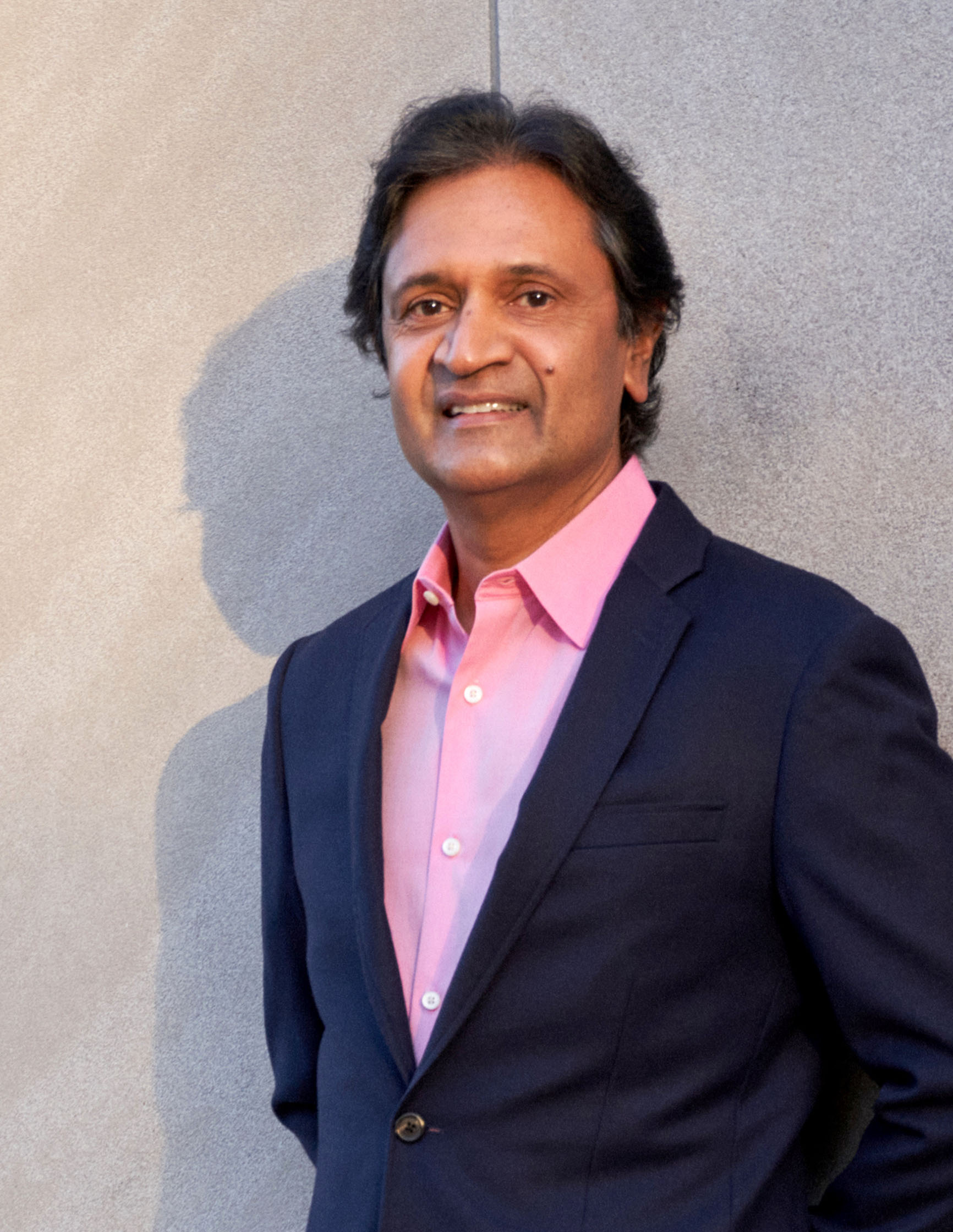
Andreas Kelzمشاهده پروفایل
پژوهشگر
Dr. Andreas Kelz serves as Section Head of the 3D and Multi Object Spectroscopy programme at the Leibniz Institute for Astrophysics Potsdam (AIP), where he has led instrumental development since joining in 2000. His work focuses on advancing astronomical instrumentation for major international observatories including ESO, HET, LBT, and CAHA. His academic background includes: Physics degree from Technische Universität Darmstadt PhD in Astrophysics from University of Sydney (1999) Dr. Kelz specializes in the research and development of 3D integral-field spectrographs and multi-object spectrographs, with particular expertise in optical fibre technologies. His instrumentation enables large-scale spectroscopic surveys that investigate cosmic evolution from stellar populations to galaxy formation. His contributions bridge engineering innovation with astrophysical discovery, facilitating breakthroughs in observational capabilities. Analysis of his publication record reveals dominant themes in integral-field spectroscopy development and application. His work consistently advances data processing pipelines, calibration techniques, and survey methodologies for flagship projects like HETDEX, MUSE, and CALIFA. These efforts support diverse scientific investigations ranging from low-metallicity galaxy evolution to stellar archaeology in the Milky Way. Dr. Kelz secures substantial research funding through international collaborations including the Hobby-Eberly Telescope Dark Energy Experiment (HETDEX), Multi Unit Spectroscopic Explorer (MUSE), and Calar Alto Legacy Integral Field Area survey (CALIFA). His leadership in these consortia drives technological innovation while fostering global scientific partnerships across Europe and Australia. He heads the 3D and Multi Object Spectroscopy section within AIP's Development of Research Technology division, overseeing a multidisciplinary team that integrates mechanical engineering, astrophotonics, and computational expertise. This section serves as a critical hub for next-generation instrumentation development, directly supporting AIP's research infrastructure for extragalactic astrophysics and stellar physics.