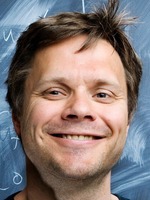
Dr. Uros Puc is a researcher at the ZHAW Zurich University of Applied Sciences , affiliated with the School of Engineering . His work focuses on terahertz (THz) photonics , organic electronics , and photovoltaics , particularly in developing and characterizing organic crystals for THz wave generation and sensing applications. Research Interests : Puc's research spans terahertz technology , nonlinear optics , and molecular phonon engineering , with applications in materials testing, biomedical sensing, and sustainable technologies. He investigates how substituent groups and crystal structures influence THz phonon vibrations and nonlinear optical properties, aiming to enhance THz emission efficiency and stability. Publications highlight his contributions to broadband THz spectroscopy , organic crystal design , and analytical gas sensing . His work also extends to terahertz applications in circular economy and construction materials characterization .
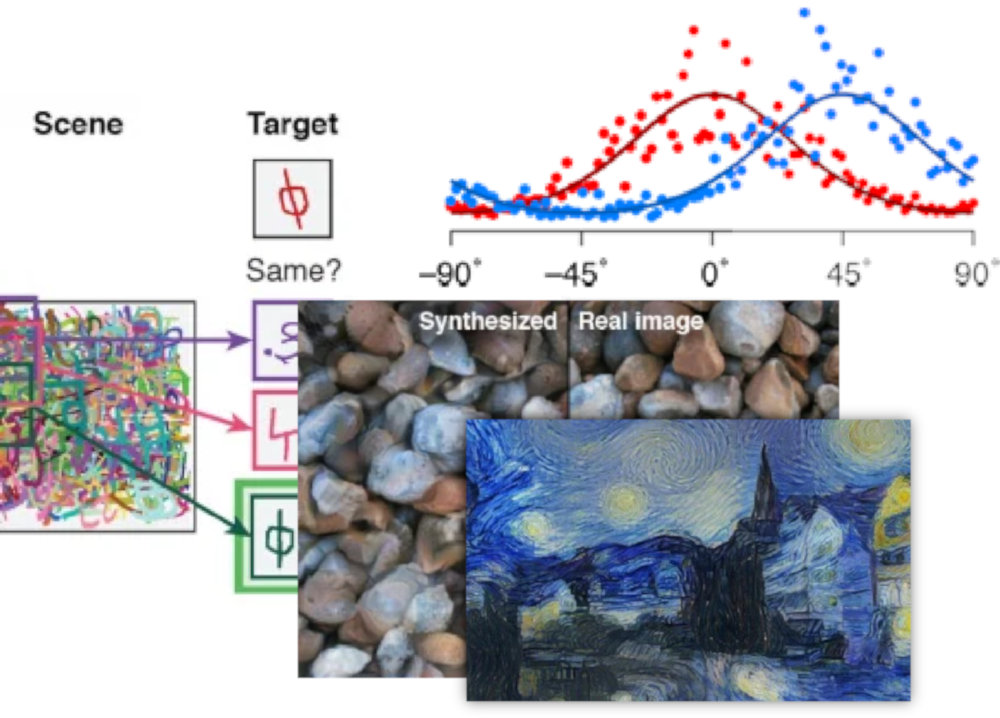
Prof. Dr. Alexander Ecker is Professor of Data Science at the Institute of Computer Science, University of Göttingen, and concurrently holds the prestigious Max Planck Fellow position at the Max Planck Institute for Dynamics and Self-Organization. Since 2020 he also serves on the Executive Board of the Campus Institute Data Science in Göttingen. He leads the Neural Data Science research group, comprising 14 PhD students and 2 postdoctoral researchers, focusing on the interface of machine learning and computational neuroscience. His educational background includes a Dr. rer. nat. in Neuroscience (2014) from the Graduate School of Neural and Behavioral Sciences/IMPRS, University of Tübingen, followed by post-doctoral and group-leader positions at the University of Tübingen and the Max Planck Institute for Biological Cybernetics. Research Interests Machine Learning & Deep Learning: developing novel algorithms for representation learning and generative modeling. Computational Neuroscience: large-scale data-driven modeling of visual cortical circuits. Visual Perception: bridging biological vision and computer vision via biologically inspired architectures. His work has produced a steady stream of influential publications (2019-2025) in leading journals such as Nature Communications , Nature , Nature Methods , PLOS Computational Biology , ICLR , NeurIPS , and CVPR . The publications trend toward integrating high-resolution neural recordings with state-of-the-art machine-learning models to uncover principles of sensory processing, neuron-type classification, and behavior. Scientific Awards & Honors Max Planck Fellow, Max Planck Institute for Dynamics and Self-Organization (ongoing) Executive Board Member, Campus Institute Data Science, Göttingen (since 2020) Teaching, Advising & Grants Regularly teaches advanced courses: “Deep Learning for Image Synthesis”, “Current Topics in Deep Learning”, and “Graph Machine Learning”. Supervises 14 current PhD students and 2 postdocs within the Neural Data Science Group. Offers numerous Bachelor’s and Master’s thesis projects, with topics ranging from neuronal morphology clustering to primate vocalization analysis. Leads or co-leads large collaborative consortia with labs in Göttingen, Tübingen, Baylor College of Medicine, and other institutions across the US and Germany. Labs & Teams The Neural Data Science Group operates at the Institute of Computer Science, University of Göttingen, and is tightly integrated with the Max Planck Institute for Dynamics and Self-Organization. The group maintains active collaborations with over a dozen partner laboratories, including groups led by Fabian Sinz, Andreas Tolias, Thomas Euler, Tim Gollisch, and Viola Priesemann, fostering an interdisciplinary environment that spans computer science, physics, biology, and psychology.
Associate Professor Binghao Li leads the MIoT & IPIN Lab at the School of Minerals and Energy Resources Engineering, University of New South Wales, Sydney. He holds a PhD in Spatial Information Systems from UNSW and advanced degrees in Civil and Electrical/Mechanical Engineering from Tsinghua University and Beijing Jiaotong University. Expertise in indoor/outdoor positioning systems Pioneering mine IoT applications Leader in pedestrian navigation research His research spans indoor positioning technologies, satellite navigation, and mining IoT solutions. Key grant projects include: 2021 CRC-P grant ($2m) for underground mine LoRa networks 2020 ARC Research Hub ($5m) for connected sensors 2018 Digital Grid Seed Funding for indoor navigation 2015-2019 ARC Linkage grants for positioning systems Award highlights: 2019 Best Paper & Presentation Awards 2010 VC's Post-Doctoral Fellowship 2004-2005 student research awards He supervises research in indoor positioning and mine IoT, and teaches courses including ENGG1000 Engineering Design and MINE8710 Mine Slope Stability.
Joseph DiStefano III, Ph.D., is a Distinguished Professor of Computer Science and also holds a professorship in Medicine (Endocrinology, Diabetes and Hypertension) at the University of California, Los Angeles (UCLA). He is a member of the Bioinformatics GPB Home Area, Brain Research Institute, and the Molecular, Cellular & Integrative Physiology GPB Home Area. He directs the Biocybernetics Research Laboratory and chairs the Cybernetics Interdepartmental Program (IDP) and the Computational Systems Biology graduate program in Computer Science. Education: Ph.D. in Biocybernetics, Computer Methodology and Applied Mathematics (1966) – UCLA M.S. in Control Systems (1964) – UCLA B.E.E. in Electrical Engineering (1961) – City College of New York Stuyvesant High School (1956) – New York Research Interests: Professor DiStefano's research spans a wide range of interdisciplinary areas including systems biology , biocybernetics , PK/PD modeling , and multicompartmental dynamic systems . He focuses on modeling and optimization methodologies applied to life sciences, particularly in endocrine system physiology , thyroid hormone regulation , and therapeutic strategies for cancer, hepatitis C, and diabetes . His work integrates computational approaches with physiological experimentation to understand complex biological systems and optimize therapeutic interventions. A key theme is the development of expert systems and simulation tools to support clinical decision-making and biological discovery. Scientific Awards: UCLA Distinguished Teaching Award in Engineering (1971) Senior Fulbright-Hays Scholar in Italy (1979) UCLA Distinguished Teaching Award (2003) Lockheed-Martin Award for Teaching Excellence (2004) Leadership & Labs: He currently serves as Chair of the Cybernetics Interdepartmental Program (IDP), Chair of the Computational Systems Biology graduate program in Computer Science, Co-Chair of the Biocybernetics Subfield in the Biomedical Engineering IDP, and Director of the Biocybernetics Research Laboratory at UCLA.
Professor Oh Jin Kwon is a faculty member in the Department of Electronic Engineering at Sejong University since 1999. His research focuses on image/video analysis, compression algorithms, image quality enhancement, fusion techniques, watermarking, and steganography. He has developed patented algorithms for region adaptive image coding, image watermarking, backward compatible HDR image coding, and progressive image coding. Education: Ph.D. in Electrical and Computer Engineering from University of Maryland, College Park (1994) M.S. in Electrical Engineering from University of Southern California, Los Angeles (1991) B.S. in Electronic Engineering from Hanyang University, Seoul (1984) His extensive research includes image processing , watermarking , and cyber resilience . Recent publications explore deep learning applications in cybersecurity , image coding standards , and 360-degree imaging . His work has been published in Electronics (Switzerland) , Applied Sciences (Switzerland) , Drones , and other journals. Scientific Awards & Grants NSF Grant 91-00655 DACA 76-92-C-0079 DACA 76-89-C-0019 DACA 76-92-C-0009 Professor Kwon has advised numerous PhD and MS students in areas like Point Cloud Coding , JPEG Privacy & Security , and AI-based image coding . He leads research projects funded by institutions including the Korea Aerospace Research Institute and Electronics and Telecommunications Research Institute . His laboratory, the Video Communication Research Lab , focuses on JPEG systems standards , image security , and smart store technologies . Current research includes operator-friendly interface technology for unmanned vehicles and composite material cultural heritage data encryption.
Natalia Sergeevna Belova is an active Associate Professor at the Department of Software Engineering within the Faculty of Computer Science at the National Research University Higher School of Economics (HSE University). She has been with HSE since 2012, accumulating 13 years of scientific and teaching experience. Her academic journey began with engineering education and progressed through postgraduate studies to earning her Candidate of Technical Sciences degree. Her educational background includes: 2010: Candidate of Technical Sciences from Moscow State University of Instrument Engineering and Computer Science, specializing in Mathematical and Software Support for Computing Machines 2009: Postgraduate studies at the same institution 2005: Engineering degree from Moscow State Academy of Instrument Engineering and Computer Science Belova's research interests span automatic text analysis, information search, IT project management, embedded databases, and project-based learning in engineering education. Her work demonstrates a strong focus on practical applications of computer science, particularly in face recognition, pattern recognition, and educational methodologies for software engineering. She has made significant contributions to the fields of embedded database systems and computer vision. Her publication record shows a clear evolution from foundational work on embedded databases (2009) to advanced research in computer vision and deep learning (2015-2025). The most recent publications focus on artificial intelligence applications in transport design and affect recognition in video, demonstrating her ability to adapt to emerging technologies while maintaining expertise in her core areas. Among her notable achievements: Gratitude from HSE University leadership (2023, 2025) Multiple publication bonuses for high-impact research Recognition as Best Teacher (2016-2017) Membership in the High Professional Potential Group (HSE personnel reserve) Belova has supervised numerous bachelor's theses, guiding students through projects ranging from mobile applications to complex software systems. She has also secured significant research funding, including a Presidential Grant for young doctors of science (2017-2018) for developing pattern recognition methods. Her teaching portfolio includes courses on Group Dynamics and Communication in Software Engineering Professional Practice and Software Engineering Economics, reflecting her dual expertise in technical and soft skills development for future software engineers.
Professional Overview Pascale Aouad, MD, is an Assistant Professor in the Department of Radiology at Northwestern University's Feinberg School of Medicine, specializing in Pediatric Radiology. She maintains active clinical and research roles with no indication of part-time or retired status. Education & Training Residency: Radiology, Lebanese University (2017) Fellowships: Cardiovascular Imaging (2018), Neuroradiology (2019), MRI Clinical & Research (2020), Pediatric Neuroradiology (2021) at McGaw Medical Center of Northwestern University Research Focus Dr. Aouad's work centers on pioneering MRI methodologies, including vascular imaging (MRA techniques), pediatric neuroimaging, radiomics, and non-contrast angiography. She develops clinical protocols for conditions ranging from lung cancer to rare pediatric syndromes, with emphasis on technical innovations in 2D/3D imaging and AI-driven diagnostics. Key Publications Recent articles demonstrate her focus on pediatric radiology (ocular pathologies, ventriculomegaly), contrast agent optimization, and computational methods like radiomics for cancer prediction. Multinational studies on COVID-19 neuroimaging and technical advances in 4D flow MRI represent major contributions. Awards Best Educational Exhibit, American Society of Pediatric Neuroradiology (2022)
Vivek Kumar is an Associate Professor in the Department of Biomedical Engineering at the New Jersey Institute of Technology (NJIT), where he leads research at the intersection of biomolecular engineering, materials science, and synthetic peptide chemistry. His work focuses on developing self-assembling peptide hydrogels for therapeutic applications including drug delivery, tissue regeneration, and disease treatment. His educational foundation includes: B.S. in Biomedical Engineering from Northwestern University (2006) Ph.D. in Bioengineering from Georgia Institute of Technology (2011) Post-doctoral fellowship in Surgery at BIDMC and Wyss Institute, Harvard Medical School (2012) NIH-NRSA Post-doctoral fellowship in Supramolecular Chemistry at Rice University (2016) Dr. Kumar's research specializes in creating tunable peptide-based biomaterials that modulate biological processes like angiogenesis and inflammation. His laboratory develops hierarchically assembled scaffolds for applications ranging from dental pulp regeneration to antiviral therapies and ocular disease treatment. This work bridges fundamental science with translational impact, evidenced by over 50 publications, 70 conference abstracts, and numerous patents. Analysis of his recent publications reveals a strong emphasis on peptide hydrogel platforms for spatiotemporal drug delivery, with significant contributions in ocular therapeutics, cardiovascular repair, and pandemic response. His work demonstrates consistent innovation in tailoring nano-architectured materials for specific biological challenges, particularly in translating bench discoveries to preclinical applications. His scientific recognition includes: American Heart Association Pre-doctoral Fellowship NIDCR NRSA F32 Post-doctoral Fellowship Dr. Kumar maintains robust funding from NIH (NEI R15, NIDCR R01), NSF (STTR, SBIR, I-Corps), New Jersey Health Foundation, and Rutgers TechAdvance. He mentors 5 current PhD students, 1 post-doc, and over 15 undergraduates through NJIT's URI program. As founder and Chairman of biotech startups NangioTx, Inc. and SAPHTx, Inc., he actively translates technologies toward clinical trials. His laboratory operates as an integrated translational hub with equipment for peptide synthesis, biomaterial characterization, and in vivo testing across multiple animal models. Through the Center for Science, Medicine, and Engineering Outreach (CSMEO), he extends impact to high school STEM education across half a dozen schools.
Kent-Andre Mardal is a Professor at the Department of Mathematics , University of Oslo . He specializes in computational mechanics with a strong focus on biomechanical applications in medicine , particularly in modeling brain clearance mechanisms during sleep. His work integrates multi-physics modeling , fluid-structure interaction , and poroelastic couplings to advance understanding of the glymphatic system and cerebrospinal fluid dynamics. Education: PhD (2002) – Simula Research Laboratory Research Interests: Mardal's research spans a wide range of disciplines including: Computational Mechanics – developing robust numerical algorithms for complex physical systems Biomechanical Applications – particularly in neuroscience and medical imaging Brain Clearance During Sleep – modeling the glymphatic system and CSF flow dynamics Multi-Physics Modeling – integrating fluid dynamics, elasticity, and neural networks Finite Element Methods – for accurate and efficient simulations Neural Networks in Scientific Computing – exploring physics-informed neural networks Research Trends from Publications: Mardal's recent publications (2022–2025) demonstrate a clear focus on brain fluid dynamics , particularly the glymphatic system , CSF circulation , and neurodegenerative disease modeling . He employs advanced numerical techniques such as isogeometric analysis , physics-informed neural networks , and parameter-robust preconditioning to solve complex multi-physics problems. His work bridges medical imaging (MRI) with computational modeling to provide insights into brain clearance mechanisms and their impairment in diseases like Alzheimer's. Scientific Awards: No specific awards are mentioned in the provided text. Grants and Projects: Currently, Mardal is the Principal Investigator (PI) of three active research projects: Alzheimer's Physics – exploring the role of fluid dynamics in neurodegeneration Scientific Machine Learning – advancing numerical methods with AI Computational Hydrology – modeling subsurface fluid flow Affiliations and Teams: Mardal was previously a group leader at the Centre of Excellence “Biomedical Computing” at the Simula Research Laboratory. He has authored over 100 papers and several books, and his research homepage is available at https://kent-and.github.io/ .
Taro Ueda is a Professor at the Faculty of Science and Engineering, School of Advanced Science and Engineering , specializing in Biophysics and Cell Biology . With a D.Sc. from the University of Tokyo , his research focuses on actin filament regulation, molecular motor proteins, and cytoskeletal mechanics across eukaryotic systems. Major research themes include: actin-myosin interactions, cofilin dynamics, and plant-specific cytoskeletal mechanisms Key techniques employed: high-speed atomic force microscopy, fluorescence microscopy, and X-ray crystallography Research Trends from his 145+ publications (5645 citations, h-index 37) reveal consistent exploration of: Cooperative conformational changes in actin filaments Cytoskeletal specialization in plant cells (ACT2/ACT7 isoforms) Mechanical regulation of protein binding in contractile ring formation Evolution of motility systems across the Tree of Life His work has advanced understanding of Directional allostery in actin regulation Plant-specific actin nucleators like CHUP1 Nonmuscle myosin isoform differentiation Mechanisms of congenital myopathy mutations Ueda's laboratory maintains active collaborations across institutions, with notable contributions to: Development of novel actin visualization techniques (Actin Painting) Elucidating structural equilibria in G protein-coupled receptors Nanoparticle-based cancer cell destruction methods
Felix Heide is a Professor of Computer Science at Princeton University , where he leads the Princeton Computational Imaging Lab . He also serves as Head of AI at Torc Robotics , focusing on full autonomy stacks for self-driving trucks. His research sits at the intersection of optics , machine learning , and computer vision , addressing imaging challenges in harsh environments like dense fog, ultra-low/high illumination, and scattering media. Ph.D. in Computer Science from the University of British Columbia Postdoctoral research at Stanford University His work on computational imaging spans physics-based vision, non-line-of-sight imaging , end-to-end camera design , and robust sensor fusion . He has pioneered techniques for inverse neural rendering , nanophotonic optics , and light-speed AI through optical computing. His recent papers in Nature Machine Intelligence , Science Advances , and top conferences ( SIGGRAPH , CVPR , ICCV ) focus on: Adverse weather imaging (fog, snow, rain) Multi-sensor fusion (LiDAR, radar, gated cameras) Light transport through scattering media Optical metasurfaces and diffractive optics End-to-end optimization of imaging pipelines Event-based vision and polarization cues He has received prestigious awards including the SIGGRAPH Significant New Researcher Award , Sloan Research Fellowship , and Packard Fellowship . His lab's open-source code and datasets enable real-world applications in autonomous driving, microscopy, and augmented reality.
Dr. Yong Wang is an Associate Professor in the Department of Physics within the College of Arts & Sciences at the University of Arkansas. His research bridges physics, nanotechnology, and biology, focusing on single-molecule and single-cell biophysics. He leads an active research laboratory that develops cutting-edge biophysical tools to advance biological understanding and applies physical principles to solve biological problems. Dr. Wang's educational background includes: Ph.D. in Physics from University of California Los Angeles (UCLA) - 2011 M.S. in Physics from University of California Los Angeles (UCLA) - 2007 B.S. in Physics from University of Science and Technology of China (USTC) - 2005 Dr. Wang's research program focuses on the intersection of physics, nanotechnology, and biology. His laboratory develops and applies advanced biophysical techniques to investigate fundamental questions in biological systems. Current research directions include studying antibiotic mechanisms of metal nanostructures (nanoparticles, nanowires, and 2D materials), examining dynamics of biological molecules in living systems (bacteria and animal cells), investigating mechanical properties of biological systems (proteins, DNA and bacteria), and developing nano-bio sensors and devices for various applications. His work often involves single-molecule and single-cell measurements, combining experimental and computational approaches to uncover physical principles governing biological phenomena. Analysis of Dr. Wang's recent publications reveals a strong focus on bacterial response to nanomaterials, particularly silver-based nanostructures, and their antimicrobial mechanisms. His research also explores DNA mechanics and its applications in biosensing, as well as microfluidic systems for manipulating and studying microorganisms. The interdisciplinary nature of his work is evident in the diverse range of journals where his papers appear, spanning physics, microbiology, materials science, and engineering disciplines. Dr. Wang has received several significant research awards and grants, including: Tenure and promotion to Associate Professor (2022) Arkansas Biosciences Institute equipment grants for ddPCR and high-performance computing (2022) UA Chancellor's Gap Fund for Commercialization for bent DNA constructs development (2022) Arkansas Biosciences Institute grant for applying bent DNA to RNA research (2021) National Science Foundation I-Corps Program grant (2021) USDA/NIFA grant for studying antibiotic resistance genes in agricultural water (2020) His students have also received prestigious awards including the Ray Hughes Graduate Fellowship and the Chan and Chen Endowed Research Scholarship. Dr. Wang actively mentors numerous graduate and undergraduate students, with recent PhD graduates including Dr. Venkata Krishnamurthi, Dr. Ariel Rogers, and Dr. Diksha Shrestha. His laboratory has successfully guided multiple students through honors theses and research projects. He has secured substantial external funding from agencies including NSF, USDA, and the Arkansas Biosciences Institute, demonstrating the significance and impact of his research program. The Wang Lab at the University of Arkansas maintains a vibrant research environment with multiple PhD students, master's students, and undergraduates working collaboratively on cutting-edge biophysics projects. The lab utilizes advanced instrumentation for single-molecule imaging, nanofabrication, and bacterial studies, supported by recent equipment grants. Current research directions continue to expand the understanding of nano-bio interactions while developing novel biophysical tools with potential applications in medicine and environmental science.
Evaggelos Kaselouris is an Assistant Professor at the Hellenic Mediterranean University's Department of Music Technology and Acoustics and a Researcher at the Institute of Plasma Physics and Lasers (IPPL). His affiliations include prior roles as a PostDoc at IPPL (2016–2023) and a Scientific Collaborator at the Technological Educational Institute of Crete (2011–2016). He holds a PhD from the Technical University of Crete and a degree in Applied Physics and Mathematics from the National Technical University of Athens. Dr. Kaselouris's research integrates multiphysics simulations across applied physics, plasma dynamics, and vibro-acoustics. Key areas include: Laser-generated acoustic waves and their applications in material characterization and musical instrument analysis. Finite element modeling of thermo-mechanical processes in laser machining and plasma instabilities. Development of crystalline undulators for narrowband gamma-ray radiation and optically shaped gas targets for ion acceleration. His computational work employs FEM/BEM to simulate phenomena ranging from nanostructured surface modifications to violin bridge dynamics. Recent studies emphasize laser-based interferometry for instrument diagnostics and ultrafast photoacoustic transduction in thin films. He actively collaborates on European projects (e.g., TECHNO-CLS) and contributes to the ESFRI infrastructure HiPER. No awards or supervised students are documented, but his lab leverages IPPL's high-power laser systems and advanced simulation tools for experimental validation.
Dr. Patricia A. Loomis is a Research Assistant Professor in the Department of Cellular and Molecular Pharmacology at Rosalind Franklin University's Chicago Medical School and School of Graduate and Postdoctoral Studies. She also serves as Director of the Confocal Microscopy Laboratory and Co-director of the Live Cell Imaging Facility, providing critical research infrastructure for cellular imaging studies. Dr. Loomis's research focuses on the molecular mechanisms controlling auditory hair cell stereocilia assembly and maintenance, with particular emphasis on the Espin family of proteins. Her work investigates how alternative splicing of Espin pre-mRNA regulates isoform selection and how these isoforms affect actin cytoskeletal organization in the inner ear. She employs both mouse and zebrafish model systems to study these processes. Analysis of Dr. Loomis's publication record from 1990-2007 reveals a consistent research trajectory focused on cytoskeletal proteins, particularly in neuronal and sensory cells. Her early work examined neurofilaments and tau proteins, while her more recent research has centered on Espin proteins and their role in hearing. Her publications span high-impact journals in cell biology, neuroscience, and molecular biology. Dr. Loomis has made significant contributions to understanding how Espin proteins function as multifunctional actin cytoskeletal regulatory proteins, with implications for deafness and vestibular dysfunction. Her research provides foundational knowledge for potential gene therapy applications in hearing restoration. As Director of the Confocal Microscopy Laboratory and Co-director of the Live Cell Imaging Facility, Dr. Loomis supports a wide range of research activities at Rosalind Franklin University, providing expertise in advanced cellular imaging techniques that are essential for modern cell biological investigations.
Professor Kristina Kelber is a faculty member at HTW Dresden (Hochschule für Technik und Wirtschaft Dresden), holding the Chair of Communications Engineering within the Faculty of Electrical Engineering. She is also a member of the Faculty Council, contributing to academic governance at the institution. Her research focuses on signal processing , digital image processing , and the analysis and design of nonlinear dynamic systems . Her work spans theoretical aspects of communications engineering and practical applications in diverse fields including music technology for accessibility applications, bird song identification, film restoration, and visitor center information systems. Her publication record demonstrates consistent expertise from the 1990s to present, with evolving applications from foundational work in chaos-based encryption systems to more recent applied research with social impact. Professor Kelber has secured research funding for projects such as "sprechAktiv," a child-friendly interactive language learning media initiative developed in cooperation with Linguwerk GmbH, Dresden, and funded by the BMBF's SME innovative program from 2013-2015. Her research methodology combines theoretical analysis with practical implementation, as evidenced by publications ranging from mathematical analysis of chaotic systems to applied projects in music technology and image processing. Member of the Faculty Council at HTW Dresden Associated with the Communication Technology laboratory Active researcher with publications spanning over two decades Professor Kelber teaches courses in systems theory, signals and systems, audio and video technology, signal coding, and digital image processing across multiple degree programs. She offers both traditional classroom instruction and distance learning options through the Bildungsportal Sachsen (OPAL) platform, demonstrating adaptability to different educational delivery methods and commitment to accessible education.