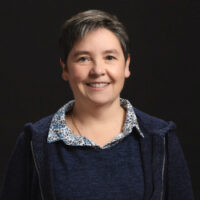
Sophie Lanone is a researcher and team leader of the Genetic-environment Interactions in COPD, Cystic Fibrosis, and Respiratory Pathologies (GEIC2O) team at the Mondor Institute of Biomedical Research (IMRB), affiliated with Université Paris-Est Créteil. Her work focuses on understanding the interplay between genetic and environmental factors in respiratory diseases, particularly COPD, cystic fibrosis, and surfactant-related pathologies. She leads a multidisciplinary team of clinicians and scientists investigating molecular mechanisms, inflammation resolution, and environmental impacts on pulmonary health. Key research themes include the molecular basis of cigarette smoke-induced COPD, genetic and cellular aspects of cystic fibrosis, and the role of specialized pro-resolving mediators in disease. Funding sources include EU programs (e.g., H2020 REMEDIA), ANR, and patient associations like Vaincre la Mucoviscidose. Recent advances include identifying lipid mediator defects in CF patients and demonstrating resolvin E1’s efficacy in correcting ciliary dysfunction. Team members have received awards, such as Khadeeja Adam Sy’s 2024 prize for active participation in CF research. Collaborations span in vitro/ex vivo models, patient cohort studies, and translational approaches toward personalized therapies. The team also explores environmental exposures (e.g., asbestos, nanoparticles) and their long-term respiratory health impacts.
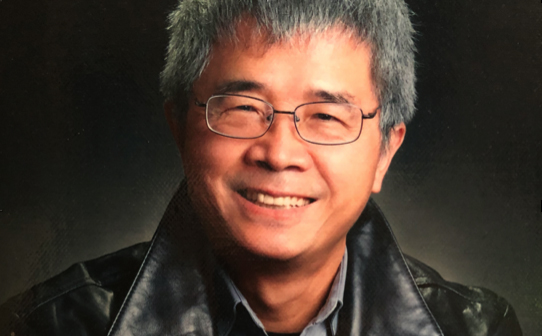
Xiaotie Deng is a distinguished academic and Chair Professor at Peking University (since 2018), with prior roles at Shanghai Jiao Tong University (2013–2017), the University of Liverpool (2010–2013), and City University of Hong Kong (1997–2013). His research focuses on algorithmic game theory, internet economics, and parallel computing. He holds prestigious fellowships including ACM Fellow (2008) and IEEE Fellow (2019). Deng has led significant grants, including a RMB 5M project on algorithmic game theory at Peking University (2018–2020) and NNSFC-funded research on market competitiveness and fairness (2018–2020). Education: PhD in Computer Science from Stanford University (1989), MSc from Chinese Academy of Sciences (1984), BSc from Tsinghua University (1982). Research interests span computational game theory, equilibrium analysis, and blockchain applications. Notable contributions include foundational work on Nash equilibrium complexity and mechanism design for resource allocation. He has advised numerous PhD students and serves on editorial boards of top journals like SIAM Journal on Computing and IEEE Transactions on Cloud Computing. Key awards: ACM and IEEE Fellowships, JSPS Invitation Fellowships (2005, 1996), and NSERC International Fellowship (1991). Active in conference organizing, including PC chairs for WINE 2020 and SAGT 2018. Consultancy includes work with Cryptape, Ant Financial, and Microsoft Research Asia, reflecting his industry engagement in algorithmic solutions and blockchain technologies.
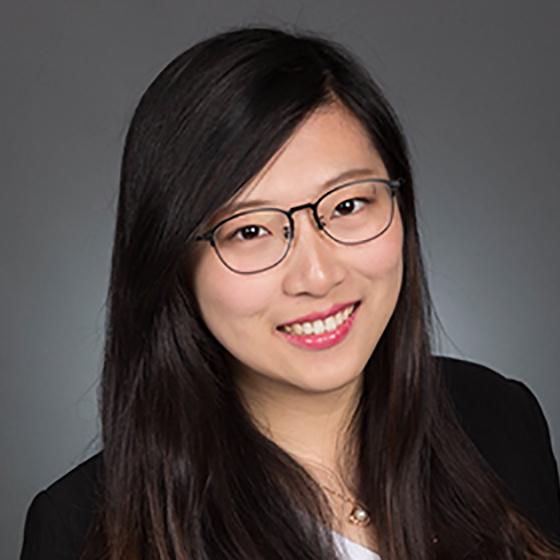
Manxi Wu is an Assistant Professor in Cornell University's School of Operations Research and Information Engineering, specializing in societal networks and game-theoretic approaches to system design. Her research develops computational models for strategic learning and incentive mechanisms in socio-technical systems, with applications to transportation networks and digital platforms. Education: B.S. Applied Mathematics, Peking University (2015) M.S. Transportation, Massachusetts Institute of Technology (2017) Ph.D. Social and Engineering Systems, Massachusetts Institute of Technology (2021) Her research integrates game theory, optimization, and machine learning to address challenges in autonomous services, traffic management, and decentralized decision-making. Current investigations focus on adaptive incentive structures, spatial resource allocation, and equilibrium analysis in complex networked environments. Publication analysis reveals consistent emphasis on game-theoretic frameworks applied to urban mobility systems, with recent work exploring multi-agent reinforcement learning, congestion pricing equity, and electric fleet management. Methodological innovations include novel convergence proofs for decentralized algorithms and computational approaches to fairness constraints. Awards and Honors: Hammer Fellowship UTC Milton Pikarsky Memorial Award Siebel Scholarship EECS Rising Star recognition No information is currently available regarding student advising, research grants, or laboratory affiliations.
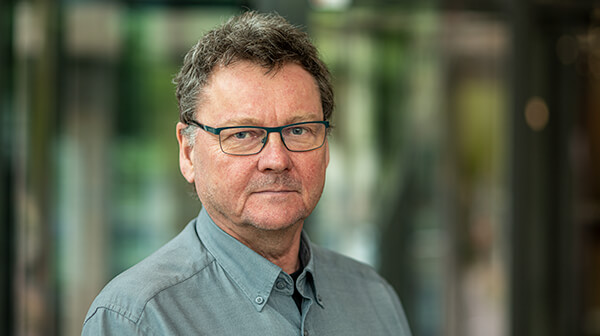
Prof. Dr. Hans-Jörg Vogel is the Head of the Department of Soil System Science at the Helmholtz Centre for Environmental Research (UFZ) in Halle, Germany. His research focuses on understanding soils as complex systems, emphasizing their porous structure and its role in facilitating water, gas, and matter fluxes, as well as biological processes. He leads interdisciplinary projects integrating experimental and computational approaches to model soil functions under climate and land-use changes. He holds the Emil-Ramann-Medaille 2022 and the Don and Betty Kirkham Soil Physics Award 2022 for contributions to soil science. His work spans soil structure dynamics, denitrification processes, nanoparticle transport, and systemic modeling of soil functions via frameworks like BODIUM. Collaborations include TERENO observatories and the Soil Structure Library (open-access CT data repository). Key affiliations include the UFZ’s Ecosystems of the Future research community and the Soil System Science Team. His research addresses sustainable agriculture, environmental monitoring, and climate change impacts, with over 150 peer-reviewed publications since 2000.
Yulong Wei is a Researcher in the Department of Microbial Pathogenesis at Yale School of Medicine. His work focuses on understanding viral persistence mechanisms, particularly in HIV-1 and SARS-CoV-2, using cutting-edge genomic and immunological approaches. He explores how host cellular environments influence viral integration, reservoir formation, and immune evasion. Research interests include: HIV reservoir dynamics and latency mechanisms Host-pathogen interactions in viral persistence Single-cell multiomics analysis of viral infections Antiviral drug discovery and repurposing Ribosomal adaptation and translation mechanisms in bacteria Recent work highlights his contributions to understanding how interferon signaling and chromatin structure affect HIV integration sites, as well as computational studies of griseofulvin's potential in combating SARS-CoV-2. He has also investigated evolutionary genomic signatures in microbes related to translation efficiency and environmental adaptation. His lab is part of the Yale School of Medicine's broader efforts in microbial pathogenesis and infectious disease research, with a focus on translational applications for persistent viral infections.
Liuping Wang is a Professor in the School of Electrical and Computer Engineering at RMIT University, Australia, since 2007. He serves as Head of Discipline for Electrical Energy and Control Systems since 2005 and teaches Advanced Control Systems (EEET 2100) and Real Time Estimation and Control (EEET 2221). Current academic rank: Professor Location: City Campus, Australia Industry collaborators: ANCA, Australian Power Academy, Advanced Manufacturing CRC His research interests span: Control Theory with applications to UAVs and industrial processes Development of Model Predictive Control systems System Identification using neural networks Robust Control for constrained systems Control of AC motors and power electronics Applications in biomedical research and food process monitoring The 15 most recent publications (2015-2025) demonstrate expertise in: UAV control systems with segmented surfaces Battery condition monitoring for electric vehicles Mult-agent robotics with coordination algorithms Smart grid security and electricity dispatch GPS-denied localization for mobile robots Disturbance observer control with input constraints As a supervisor, he oversees Masters Research and PhD projects but no specific student names are listed. His email is liuping.wang@rmit.edu.au for collaboration or supervision inquiries.
Abani Patra is a Professor of Computer Science, Mathematics, Mechanical Engineering, and Civil and Environmental Engineering at Tufts University. He also serves as the Center Director for Data Science at the Tufts Institute for Artificial Intelligence (TIAI). His research focuses on computational sciences and data-driven modeling, with applications spanning environmental systems, biomedical imaging, and geophysical hazards. He has directed major initiatives at the National Science Foundation (NSF) and U.S. Department of Energy (DOE), and previously founded the Institute for Computational and Data Sciences at the University at Buffalo. Education: PhD in Mathematics, University of Texas, 1995 MS in Mechanical Engineering, University of Missouri, 1990 BSc in Engineering, Birla Institute of Technology & Science, India Research Interests: Large-scale computational modeling and uncertainty quantification Data-driven approaches for geophysical hazards (e.g., debris flows, volcanic eruptions) Biomedical imaging and metabolic analysis Open science platforms for glaciology and volcanology Key Projects: Developed the Ghub platform for open cryosphere research Launched VICTOR, a cyberinfrastructure for volcanology Advanced AI-driven techniques for postfire debris flow prediction Grants & Leadership: Directed NSF and DOE programs in computational science PI for NSF Cyberinfrastructure grants Former director of the Institute for Computational and Data Sciences
Professor Klaus McDonald-Maier is a full Professor in the School of Computer Science and Electronic Engineering (CSEE) at the University of Essex , where he leads the Embedded and Intelligent Systems (EIS) Research Laboratory and heads the Intelligent Embedded Systems and Environments Research Group . He is also Director of Impact , Visiting Professor at the University of Kent, and Visiting Research Affiliate at NASA Jet Propulsion Laboratory, California Institute of Technology. Education PhD in High-Performance Parallel Neural Network Architectures, Friedrich-Schiller-University Jena (Germany, 1999) Electronic Engineering studies, University of Ulm (Germany) Electronic Engineering studies, Cardiff University (Wales) Electronic Engineering studies, École Supérieur de Chimie Physique Électronique de Lyon (CPE-Lyon) (France) Research Interests Professor McDonald-Maier’s research integrates embedded systems , System-on-Chip (SoC) architectures , and AI-driven robotics . He pioneers visual place recognition techniques that remain robust under severe appearance and viewpoint changes, develops cybersecurity frameworks based on ICMetrics for autonomous vehicles and IoT, and designs approximate real-time computing solutions for energy-constrained multicore and FPGA platforms. His work on radiation-tolerant systems supports space and nuclear applications, while his bio-inspired algorithms enable lightweight, neuromorphic perception on resource-limited robots. Publication Trends Between 2022 and 2025 his output converges on FPGA-accelerated AI , secure edge intelligence , visual navigation for autonomous systems , and healthcare analytics . He repeatedly couples rigorous algorithmic innovation with practical hardware deployment, yielding energy-efficient, real-time systems validated in domains ranging from autonomous driving to post-stroke rehabilitation. Scientific Awards & Recognition Best Paper Award – IEEE Transactions on Sustainable Computing (2024) Best Paper Award – IEEE/ACM DATE (2024) Best Paper Award – IEEE Systems Journal (2022) Best Paper Award – IEEE Sensors Journal (2021) Best Paper Award – IEEE Access (2020) Research Grants & Industrial Collaboration He has secured major funding from EPSRC , EU Horizon 2020 , Innovate UK , and industry partners. Current projects span trustworthy autonomy, radiation-hardened edge AI, and AI-enhanced rehabilitation technologies. He is Chief Scientist of UltraSoC Technologies Ltd and CEO of Metrarc Ltd , commercialising University research in semiconductor debug and cybersecurity respectively. Laboratory & Team Leadership As Director of the Embedded and Intelligent Systems Laboratory (EIS Lab) , he oversees a multidisciplinary team of researchers and PhD students, providing state-of-the-art FPGA, robotics, and embedded-systems facilities. The lab collaborates closely with NASA JPL, UK Atomic Energy Authority, and leading semiconductor firms to translate fundamental research into high-impact industrial solutions.
Rainer Böckmann is a Professor of Computational Biology in the Department of Biology at Friedrich-Alexander-University Erlangen-Nürnberg (FAU), Germany, where he leads the Group for Theoretical and Computational Membrane Biophysics. His research integrates molecular dynamics simulations with biophysical analysis to study membrane structure, dynamics, and function. Research Interests: His work focuses on computational biophysics, particularly lipid bilayers, membrane proteins, molecular dynamics, and structural bioinformatics. He investigates how lipid composition, cholesterol, and embedded peptides influence membrane organization, curvature, and permeability, with applications in antimicrobial strategies and mRNA vaccine delivery systems. Recent Research Trends: His recent publications reflect a strong emphasis on lipid nanoparticles (LNPs), particularly their phase behavior, pH-dependent protonation, and structural transitions relevant to mRNA vaccines. He also explores antimicrobial peptides, membrane domain formation, and the role of cholesterol in modulating membrane properties. His group develops and applies advanced simulation techniques, including constant-pH MD and coarse-grained modeling. Member of Editorial Board, Biophysical Journal (2024–present) Elected Member, DFG Review Board for Biophysics (2020–present) Chairman, Molecular Biophysics Section, German Biophysical Society (2011–2012) Leadership and Service: Böckmann is actively involved in academic governance, serving on editorial boards, DFG committees, and as a guest editor for special issues in Frontiers journals. He contributes to graduate education and high-performance computing initiatives at FAU, including the NHR@FAU and Life@FAU Graduate School. He has organized major conferences and workshops in biophysics and membrane modeling. Laboratory and Collaboration: He leads a research group focused on biomembrane physics, collaborating with experimentalists and theorists. His lab develops and applies simulation tools to study membrane systems, bridging computational insights with biological function.
Prof. Ahmed Al-Dubai is a Professor at the School of Computing, Engineering and the Built Environment, Edinburgh Napier University, where he leads the IoT and Networked Systems Research Group and serves as Cybersecurity and Cyber Physical Systems Research Lead. His interdisciplinary research spans Multi-access Edge Computing, High-Performance Networks, Cognitive IoT Systems, VANETs, AI, E-Health, Smart Cities, and Security . He earned his PhD in Computing Science from the University of Glasgow in 2004. His recent publications focus on edge computing architectures, digital twin security, Arabic NLP, wireless energy harvesting, and vehicular communication . His work has been recognized with IEEE Outstanding Service Award, Best Paper Awards at IEEE IUCC 2015 and ACM MoMM 2013 , and fellowships like Senior IEEE Member and British Higher Education Academy Fellow . He supervises 20+ PhD students and has served on 60+ IEEE/ACM conference committees. Current projects include AI-driven fish identification (Innovate UK £265K) , secure IoT protocols (Royal Society £12K) , and COG-MHEAR (EPSRC £3.26M) . He has held visiting professorships at Universite de Valenciennes, University of Sydney, and University of Shenyang.
Riikka Puurunen is an Associate Professor at Aalto University's Department of Chemical and Metallurgical Engineering, leading the Catalysis group since 2017. Her work focuses on developing solid heterogeneous catalysts using atomic layer deposition (ALD), microreactors, and in situ testing methods to advance sustainable biomass-based solutions.
Kevin John Grimm is a Professor in the Department of Psychology at Arizona State University (ASU), serving as Director of Operations and Research within the College of Health Solutions. He holds a B.A. in Mathematics and Psychology from Gettysburg College (2000), and M.A. (2003) and Ph.D. (2006) in Psychology from the University of Virginia. Previously, he served as faculty at UC Davis before joining ASU in 2014. His research focuses on multivariate methods for analyzing developmental change, including nonlinear growth modeling, latent class analysis, and integrating machine learning with psychological data. Notable contributions include co-authoring the textbook *Growth Modeling: Structural Equation and Multilevel Modeling Approaches* (Guilford Press, 2017). Teaches courses like Structural Equation Modeling, Longitudinal Growth Modeling, and Machine Learning in Psychology at ASU. Active in professional service: Associate Editor of *Structural Equation Modeling: A Multidisciplinary Journal* since 2012. Recipient of NIH/NIDA grants for drug abuse/HIV prevention research and NICHD-funded studies on sleep health in children. His methodological work bridges quantitative innovation with substantive developmental research, emphasizing rigorous model specification and cross-disciplinary applications.
David Baqaee is a Professor of Economics at the University of California, Los Angeles (UCLA), affiliated with the Department of Economics in the College of Letters and Science. His research focuses on aggregation and heterogeneity in macroeconomics, particularly examining how resource misallocation from market power, nominal rigidities, and increasing returns to scale impacts aggregate productivity. He has contributed to prestigious journals such as Econometrica and the American Economic Review. Education: Ph.D. Economics, Harvard University; B.Sc. Mathematics and Economics, University of Canterbury His research interests span applied economic theory, industrial organization, macroeconomics, and network economics. Recent work explores trade wars, sanctions' long-term effects, energy import dependencies, and the interplay between monetary policy and supply-side dynamics. He has served as an associate editor for Econometrica and the Quarterly Journal of Economics. His publications reflect a focus on policy-relevant macroeconomic questions, including the consequences of geopolitical events, trade restrictions, and pandemic impacts on global supply chains. His methodologies emphasize disaggregated models and input-output networks to capture microeconomic foundations of aggregate phenomena.
Luis A. Ricardez-Sandoval is an Associate Professor in the Department of Chemical Engineering at the University of Waterloo and holds a Tier II Canada Research Chair in Multiscale Modelling and Process Systems. His research group develops advanced computational tools for optimizing chemical processes across multiple scales. Doctorate: Chemical Engineering, University of Waterloo (2008) MASc: Chemical Engineering, Instituto Tecnologico de Celaya (2000) BASc: Chemical Engineering, Instituto Tecnologico de Orizaba (1997) The research group focuses on multiscale modelling and process systems engineering , particularly for CO2 capture , energy systems , and heterogeneous catalysis . Their work combines advanced mathematics, machine learning , and uncertainty analysis to optimize chemical processes before physical implementation. Recent publications emphasize dynamic system optimization under uncertainty, multiscale simulation , and CO2 conversion technologies . Key methodologies include probabilistic uncertainty quantification and economic predictive control . Scientific Awards : 1997: First Place, XII National Creativity Contest 1998: Best Student Award, Instituto Tecnologico de Orizaba 1999: Third Place, XIV National Creativity Contest 2000: J.M. Smith Award for Best MASc Student He has collaborated with international institutions like CONACyT-Mexico, China Scholarship Council, and Universidad de Los Andes. His teaching includes graduate courses in process control, optimization, and computer-aided design.
Yan Huang is an Associate Professor in the Department of Software Engineering and Game Development at Kennesaw State University (KSU). His work bridges Federated Learning (FL) and Cybersecurity Education , with a focus on personalization and privacy in distributed systems. Research spans Machine Learning , Extended Reality (XR) , and Data Privacy . He has served as Editor of WCMC and Program Co-Chair for CyberSciTech 2020-2024. Research Trends: Recent publications emphasize Federated Learning for non-IID data, VR-based Cybersecurity Education , and Privacy-Preserving Algorithms in IoT and social media analytics. Key subfields include personalized learning architectures, graph learning, and game-theoretic privacy frameworks. Scientific Awards: Excellent Paper Award (Tsinghua Science and Technology, 2021) Best Paper Award (Future Generation Computer Systems, 2019) Best Paper Awards at IEEE SmartWorld 2021, COCOA 2019, and WASA 2019 Grants: Led over $600,000 in NSF and NSA-funded projects, including VR cybersecurity education for K-12 and XR engineering curricula. His lab recruits VR/AR Research Assistants via industry partnerships.