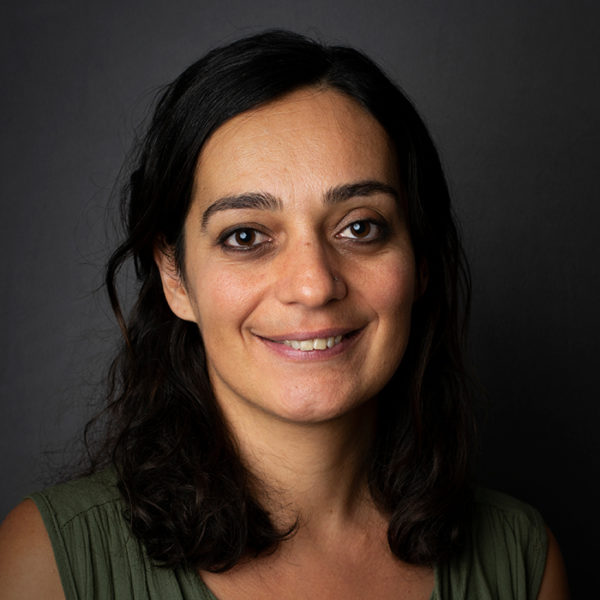
Ayse Ercumen is an Associate Professor in the Department of Forestry and Environmental Resources at North Carolina State University. Her research focuses on improving child health through water, sanitation, and hygiene (WASH) interventions, antimicrobial resistance mitigation, and environmental health equity. She leads large-scale randomized controlled trials in low-resource settings such as Bangladesh and Malawi. Her work emphasizes understanding how household environments (e.g., flooring materials, animal husbandry practices) influence disease transmission. Key areas include soil-transmitted helminths, enteric infections, and antibiotic resistance. She collaborates with global partners, including Bangladeshi institutions, to design evidence-based policies. Grants include a NIH-funded trial assessing concrete floors' impact on child health (2022–2027) and an NSF-funded program providing student research experiences in Malawi (2023–2026). Her research bridges environmental science, public health, and social justice. Recent publications highlight interventions reducing antibiotic use in children, pathogen contamination pathways, and climate change impacts on WASH effectiveness. She advocates for interdisciplinary approaches to address systemic health inequities in resource-constrained regions.
Dr. Michael Rajnik is a Clinical Professor of Pediatrics at the Uniformed Services University of the Health Sciences in Bethesda, MD. He serves as Division Director for Infectious Disease within the School of Medicine, with academic and clinical expertise focusing on pediatric infectious diseases, epidemiology, and global health initiatives. B.S. Chemistry, King's College (1991) M.D., University of Virginia School of Medicine (1995) Pediatrics Residency, Wilford Hall USAF Medical Center (1998) Pediatric Infectious Diseases Fellowship, National Capital Consortium/USUHS (2001) Dr. Rajnik's research spans pediatric infectious diseases with emphasis on respiratory tract infections, epidemiology, and global health. He has led studies on rotavirus immunization effectiveness, tuberculosis treatment innovations, and pandemic-related healthcare impacts across military populations. His work combines clinical research with public health surveillance and has shaped vaccination and infection control practices within military healthcare systems. Pediatric infectious diseases during wartime, vaccine-preventable illnesses, and multidrug-resistant infections form recurring themes in his research. Recent work focuses on COVID-19 pandemic effects across military pediatric and adult populations, including rotavirus hospitalization trends, cardiac complications, and sexually transmitted infection management. Scientific contributions and recognitions include: Chair, Infectious Diseases Institutional Review Board (2009-2016) Chair, American Academy of Pediatrics Executive Committee (2009-2014) President, Armed Forces Infectious Diseases Society (2007-2008) USAF Master Educator (2007, 2012) Educator of the Year, San Antonio Uniformed Services (2006) As a mentor and Fellowship Director (2006-2016), Dr. Rajnik has guided numerous military physicians in pediatric infectious diseases while leading research administration and advocating for military families within the American Academy of Pediatrics. His clinical and administrative roles demonstrate sustained commitment to advancing military pediatric medicine through education, research, and policy engagement.
Lisa Pfadenhauer ist Senior Scientist in der Arbeitsgruppe Evidenzbasierte Public Health am Institut für medizinische Informationsverarbeitung, Biometrie und Epidemiologie (IBE) der Ludwig-Maximilians-Universität München. Gleichzeitig ist sie Adjunct Assistant Professor am Gangarosa Department of Environmental Health der Rollins School of Public Health bei Emory University. Ihre Forschung konzentriert sich auf Methoden zur Entwicklung und Bewertung komplexer Public-Health-Maßnahmen, Wissenstranslation und Implementierungswissenschaften, mit besonderem Fokus auf schulische Settings, globale Gesundheit sowie Prävention übertragbarer und nicht-übertragbarer Krankheiten. Schwerpunkte : Entwicklung von Leitlinien zur Pandemiebewältigung (z.B. SARS-CoV-2 in Schulen) Integration von Stakeholdern in Forschungsprozesse Wasser-, Sanitär- und Hygieneprogramme (WASH) Multimorbidity-Management in ressourcenarmen Kontexten Theoretische Modelle zur Analyse von Implementierungskontexten Ausgewählte Projekte : Implementation Science for Non-Communicable Diseases (IS4NCDs, 2025–2028, EU-Erasmus+-Förderung) PEN-CONNECT (2025–2030, EU-Horizon-Förderung) CEBHA+ (seit 2017, Bundesministerium für Bildung und Forschung) Auszeichnungen : Else-Kröner Fresenius Award (2012). Lehre : Modulverantwortliche für Qualitative Methoden , Systematische Reviews und Wissenstranslation im Master of Public Health an der LMU. Betreuung : Über 10 Abschlussarbeiten zu Themen wie Implementierung digitaler Gesundheitslösungen, Cinemeducation und HIV-Prävention betreut. Peer Review : Aktiv für F1000, Implementation Science, BMJ Open u.a. sowie für Forschungsförderungen wie Schweizer Nationalfonds und BMBF.
Gordon Luikart serves as Professor in Conservation Ecology & Genetics at the University of Montana, conducting research at the Flathead Lake Biological Station (FLBS) and Montana Conservation Genomics Laboratory (MCGL). His work applies population genetics and genomics to conservation challenges across fish, wildlife, and invasive species, with international collaborations spanning Portugal's University of Porto and South Africa's National Biodiversity Institute. His academic credentials include: Ph.D. in Organismal Biology and Ecology, University of Montana, 1997 M.S. in Zoology, University of Montana, 1992 B.S. in General Biology with minor in Animal Ecology, Iowa State University, 1988 Luikart's research integrates conservation biology, population genetics, and ecology to address landscape connectivity, climate adaptation, invasive species control, and inbreeding depression. His team develops novel genomic methodologies to assess population viability and adaptive potential in threatened ecosystems, with particular focus on trout conservation and parasite-pathogen dynamics. Recent publication trends reveal intensive work in conservation genomics, emphasizing big data integration for genetic monitoring, environmental DNA applications in invasive species management, and evaluation of genetic rescue strategies. His scholarship bridges theoretical population genetics with practical conservation interventions across multiple continents. No scientific awards are explicitly documented in the source material. Luikart mentors students including S.R. Smith, J. Strait, B.A. Garner, A. Beja-Pereira, T. Dhendup, and B. Trethewey. His research program is sustained through major institutional partnerships: Montana Fish Wildlife and Parks (Matt Boyer) US Geological Survey (Clint Muhlfeld, Adam Sepulveda) National Marine Fisheries Service (Robin Waples) US Forest Service (Mike Schwartz, Beth Gardner) He leads the Montana Conservation Genomics Laboratory while maintaining active international exchange programs with Portuguese and South African institutions, fostering cross-border training in genomic conservation techniques.
Professor Valerie O'Donnell is a distinguished academic at Cardiff University's School of Medicine, where she serves as Professor of Biochemistry and Co-Director of the Systems Immunity Research Institute (SIURI), established in 2016 with £4.5M funding. She leads the internationally recognized LIPID MAPS project (www.lipidmaps.org) and Cardiff Lipidomic Facility, positioning her at the forefront of lipidomics research. With over two decades of academic leadership, she previously served as Director of the Division of Infection and Immunity (2017-2020) and Dean of Research for the School of Medicine (2012-2014). Professor O'Donnell earned her Ph.D. in Biochemistry from the University of Bristol (1990-1993) working with Prof. OTG Jones and Dr. PJ England of SmithKline Beecham Pharmaceuticals, following her B.Sc. in Human Nutrition & Dietetics (Hons. 2.1) from University of Dublin, Trinity College, Ireland (1985-1989). Her academic journey includes prestigious fellowships at the University of Alabama at Birmingham and University of Bern, Switzerland, before establishing her career at Cardiff University. Her research focuses on using mass spectrometry to discover and characterize bioactive lipids made by circulating vascular cells that regulate immune defense and blood clotting. Over the past 20 years, her lab discovered large families of enzymatically-oxidized phospholipids (eoxPL) and has worked extensively on their structures, signaling actions in thrombosis and innate immunity. Current research examines the role of bioactive lipids in vascular inflammation including abdominal aortic aneurysm, cardiovascular disease, dementia and wound healing. Analysis of her recent publications reveals a strong emphasis on lipidomics methodology development, clinical applications of lipid research, and the role of specific lipids in disease mechanisms. Her work spans analytical chemistry, cardiovascular biology, immunology, and clinical translation, with particular focus on procoagulant lipids, oxylipins, and specialized pro-resolving mediators. The research demonstrates increasing interdisciplinary collaboration and methodological standardization efforts in the lipidomics field. Professor O'Donnell's scientific achievements have been recognized with numerous prestigious awards: 2023: Honorary Officer of the Order of the British Empire (OBE) for services to biochemical research 2020: Fellow of the Academy of Medical Sciences 2019: Journal of Lipid Research Lectureship Award 2016: Wolfson Research Merit Award, Royal Society 2015: Fellow of the Learned Society of Wales 2013: Fellow of the Royal Society of Biology She currently serves as Principal Investigator for British Heart Foundation and Wellcome Trust funding, while also participating as co-Investigator for Medical Research Council (MRC), EU (Marie Curie ITN), and Welsh Government projects. Her panel memberships include Population Systems Medicine Board (MRC) and Biomedical Resources Committee (Wellcome Trust). With a Google Scholar H-index of 52, she has been included in UK national research assessments RAE2002, RAE2008, and REF2014. Professor O'Donnell leads the Systems Immunity Research Institute, a strategic research institute at Cardiff University, and directs the Cardiff Lipidomic Facility as part of the LIPID MAPS consortium. Her laboratory continues to make significant contributions to understanding how bioactive lipids regulate vascular inflammation and coagulation, with recent work focusing on the role of specific phospholipids in conditions ranging from cardiovascular disease to SARS-CoV-2 infection. In 2024, LIPID MAPS became an ELIXIR Core Data Resource and a member of the Global Biodata Coalition, with an MRC Partnership Grant commencing funding.
Dr. Mark Robinson is a Reader (equivalent to Associate Professor) at Queen's University Belfast's School of Biological Sciences and the Institute for Global Food Security. He holds a BSc (Hons) in Zoology and PhD in Molecular Parasitology from Queen's University, followed by postdoctoral research on shellfish toxins and nematode proteomics. Awarded prestigious fellowships including the BBSRC Wain International Fellowship and UTS Chancellor's Postdoctoral Fellowship, he joined Queen's as faculty in 2012. Research Focus: Specializes in host-parasite interactions using proteomics and molecular biology tools. Core interests include: Secreted pathogen molecules at host-pathogen interface Helminth extracellular vesicles Biochemistry of parasite proteases Immunomodulatory peptides in trematodes Molecular mechanisms of Fasciola and Calicophoron infections Awards & Honors: Fellow of Royal Society of Biology (2023) Fellow of Higher Education Academy (2013) BBSRC Wain International Fellowship (2007) Trailblazer Research Commercialisation Award (2010) QUB PGR supervisory excellence nomination (2017) Academic Service: Leads PhD projects on helminth infections, serves as journal editor (Pathogens, Tropical Medicine), and conducts extensive peer review (26+ activities). External examiner for University of Edinburgh and organizer for international parasitology conferences.
Lee Rafuse Haines is an Associate Research Professor in the Department of Biological Sciences at the University of Notre Dame, where she leads research in medical and veterinary entomology, focusing on insect-borne diseases and vector-parasite-symbiont interactions. She previously held senior research and program management roles at the Liverpool School of Tropical Medicine, UK. Education: PhD in Tropical Medicine, University of Liverpool, UK MSc in Biochemistry and Molecular Parasitology, University of Victoria, Canada BSc in Biology, Trinity Western University, Canada Her research interests span insect microbiota, symbiosis, neglected tropical diseases, malaria control, and science communication . She investigates how gut bacteria influence vector immunity and transmission capacity, develops assays for measuring insect bite exposure, and studies tsetse breeding behavior. Her work integrates field studies in Kenya, Uganda, and Saudi Arabia with laboratory models. Her recent publications reveal a strong focus on vector biology, parasitology, and microbiome interactions , particularly in tsetse flies and sand flies. Themes include reproductive physiology, host-seeking behavior, symbiont isolation, and drug repurposing for disease control. Her research bridges basic science with translational applications for global health. Scientific Awards and Recognition: Award-winning mentor Dr. Haines is a dedicated mentor and science communicator, actively engaged in public outreach through science festivals, youth workshops, blogs, and radio. She champions mental health in STEM and promotes equity for underrepresented researchers. She collaborates with the Acosta-Serrano group on repurposing herbicidal compounds for vector control and has developed innovative insect-rearing modules for student education. Her lab maintains colonies of tsetse, mosquitoes, triatomines, and sand flies, supporting both research and teaching.
Professor Danica Bogunović is an academic at the Faculty of Veterinary Medicine of the University of Belgrade, specializing in parasitology with a focus on zoonotic diseases and public health implications of animal parasites. Her work bridges clinical parasitology with environmental contamination studies. Affiliation: Department of Parasitology, Faculty of Veterinary Medicine, University of Belgate Research Interests: Parasitology, Zoonotic Diseases, Veterinary Medicine, Public Health, Clinical Parasitology, Infectious Diseases Her recent publications highlight interdisciplinary approaches to parasite epidemiology, including molecular diagnostics, environmental risk assessments, and evaluation of natural antiparasitic compounds. She investigates both domestic and wild carnivores as reservoirs for zoonotic agents. Email: danicab@vet.bg.ac.rs
Prof. dr Radmila Resanović is a Full Professor at the Faculty of Veterinary Medicine , University of Belgrade, Serbia. She specializes in poultry diseases, toxicology, and animal nutrition, with a focus on mycotoxins and feed additive efficacy. Academic Rank: Full Professor Department: Diseases of Poultry, Carnivores, and Wildlife Her research explores T-2 toxin mitigation , mycotoxin impacts on livestock, and novel diagnostics for avian viral infections. Key publications include studies on: Comparative adsorbent efficacy against OTA in broilers (2015) PBFD virus nucleotide analysis in psittacines (2017) Molecular sexing techniques for endangered birds (2013) She has co-authored works on parasitology , clinoptilolite supplementation , and salmonellosis prevention through vaccination. Her work bridges veterinary pathology, feed safety, and conservation biology.
Richard K. Grencis is Professor of Immunology at the University of Manchester, Faculty of Life Sciences, where he has held the Chair in Immunology since 1998. He currently serves as Academic Head of the BSU and is affiliated with the Division of Immunology, Immunity to Infection and Respiratory Medicine. His research focuses on understanding immune responses to parasitic infections, particularly gastrointestinal nematodes. His educational background includes a BSc Hons in Zoology from the University of Nottingham (1976) and a PhD in Immunoparasitology from the University of Glasgow (1982). Professor Grencis's research interests center on immunity to parasitic infections, with particular emphasis on gastrointestinal nematodes that infect over one billion people worldwide. His work investigates how the immune system responds to these parasites through T lymphocyte populations and cytokine secretion, identifying novel mechanisms of parasite control and host immune modulation. His research has implications for vaccine development and immunotherapy for infectious and non-infectious mucosal diseases. Analysis of his recent publications reveals a continued focus on host-parasite interactions, particularly Trichuris muris infection, with increasing integration of multi-omics approaches, metabolic modeling, and investigation of dietary influences on immune responses to helminths. His work spans fundamental immunology, parasite biology, and translational applications. His notable scientific recognition includes: 2001 Wright Medal from the British Society for Parasitology (the Society's highest award) Professor Grencis has supervised 19 PhD students to completion and currently mentors 4 students. His editorial roles include Co-Editor in Chief of Parasite Immunology and Associate Editor of Mucosal Immunology. He has served on numerous prestigious committees including the Medical Research Council Grants committees and the Wellcome Trust Infections and Immunity Panel. His laboratory maintains active research programs investigating the molecular mechanisms of host immunity to parasitic worms, with recent work exploring connections between gut microflora, parasite infections, and immune responses. The team is also involved in the mouse whipworm genome project in collaboration with the Sanger Centre.
Katja Polman is an epidemiologist and Unit Head of Medical Helminthology at the Department of Biomedical Sciences, Institute of Tropical Medicine (ITM) in Antwerp, Belgium. She holds an associate professor position at VU University Amsterdam. Her expertise spans epidemiology of helminth infections, neglected tropical diseases, and co-infections. She leads projects addressing schistosomiasis, malnutrition, and climate change impacts on health. Polman teaches in tropical medicine and global health programs, including modules on vector-borne diseases and neglected tropical diseases. Education: PhD in schistosomiasis epidemiology from Leiden University. Research Interests: Parasite epidemiology, helminth (co)infections, disease transmission dynamics, and global health interventions. She focuses on eco-epidemiology of neglected tropical diseases and their interactions with malnutrition and climate change. Projects: Active collaborations include studies in South Sudan, Senegal, Vietnam, and Guatemala. Recent work addresses fascioliasis in Southeast Asia, HIV syndemic frameworks, and diabetes prevention in DR Congo. Teaching: Involvement in ITM's MPH programs, tropical medicine postgraduates, and epidemiology courses. Supervises MSc/PhD students in parasitology and global health.
Assoc. Prof. Dr. Harun Kaya Kesik is an Associate Professor at Bingöl University's Faculty of Veterinary Medicine, Department of Parasitology. He holds a PhD in Veterinary Parasitology from Fırat University (2018) and has been actively involved in academic roles since 2018. His administrative roles include Deputy Dean of the Faculty of Veterinary Medicine (2020-2024), and coordinator roles in regional development projects. Education: Bachelor's (2009–2014): Fırat University Faculty of Veterinary Medicine Master's (2009–2014): Fırat University Faculty of Veterinary Medicine Doctorate (2014–2018): Fırat University Health Sciences Institute (Veterinary Parasitology) Research Interests: Molecular parasitology, genetic diversity of parasites (Echinococcus, Fasciola, Taenia, Varroa), zoonotic diseases, and diagnostic tools development. His work focuses on molecular characterization of helminths and their genetic variability in livestock and wildlife. Recent Publications: Focused on hydatidosis, coenurosis, and fasciolosis. Key themes include molecular epidemiology of Echinococcus species, genetic analysis of Fasciola hepatica, and development of serodiagnostic tools using recombinant antigens. Grants & Projects: Led and contributed to projects on Varroa destructor in bees, Fasciola spp. genetics, and Echinococcus molecular characterization. Current projects include developing diagnostic kits for coenurosis. Administration: Currently Deputy Dean (2020–present), member of Bingöl University Senate, and former director of bee research centers.
Dr. Annalisa Quattrocchi is an Assistant Professor of Epidemiology and Associate Head of the Department of Primary Care and Population Health at the University of Nicosia Medical School. She also serves as Programme Coordinator for the Erasmus Mundus Joint Master in Public Health (MPH) in Disasters (EMJM PHID). Her academic career includes a BSc, MSc, and PhD in Biological Sciences and Translational Biomedicine from the University of Catania, Italy, and an EPIET diploma from the ECDC in Sweden. Dr. Quattrocchi's research focuses on cancer epidemiology, social determinants of health, nutritional epidemiology, and infectious disease surveillance. Her work emphasizes chronic disease development, environmental health risks, and pandemic response strategies. She has contributed to studies on antibiotic resistance patterns, post-COVID-19 mortality trends, and public health surveillance systems. Her recent articles (2022–2025) highlight themes such as: Antimicrobial resistance in bacterial pathogens Global excess mortality during the COVID-19 pandemic Cancer survival trends and diagnostic delays Environmental exposure impacts on health outcomes Dr. Quattrocchi collaborates internationally on projects like the C-MOR consortium, analyzing pandemic mortality in 20+ countries. She advocates for improved healthcare preparedness and equitable public health policies. Her educational background and training in intervention epidemiology underpin her interdisciplinary approach to addressing global health challenges.
Jessica Runting is a Research Fellow in the Department of Biochemistry and Molecular Biology at Monash University. Her research is focused on the molecular and epigenetic regulation of immune cells, particularly CD4+ T cells, innate lymphoid cells (ILC2s), and follicular helper T cells (Tfh), with implications for inflammatory and infectious diseases. Her research interests span immunology, molecular biology, and epigenetics, with a strong emphasis on understanding how key regulators such as DOT1L and c-Rel control immune cell function and lineage integrity. Her work investigates cytokine signaling pathways including IL-33 and IL-37, and their roles in type 2 immunity, allergic responses, and kidney disease. The recent publication trends highlight a consistent focus on immune regulation through epigenetic and transcriptional mechanisms, particularly in the context of infection, inflammation, and autoimmune conditions. Her articles frequently appear in high-impact immunology journals such as Frontiers in Immunology , Kidney International , and Cell Reports , indicating strong recognition in the field. Jessica Runting actively collaborates with prominent immunologists including C. Zaph, S. Scheer, and D. Thiele. Her work contributes to UN Sustainable Development Goal 3: Good Health and Well-being. She has co-authored multiple peer-reviewed research articles and a review, with several picked up by news outlets and widely shared on academic and social platforms. She is involved in advising and collaborative research, as evidenced by her frequent co-authorship in leading roles. While no specific grants are listed, her publication record suggests active funding support. She is part of a dynamic research network studying immune regulation in disease models.
Alan L. Scott, PhD, MS is a Professor in the Department of Molecular Microbiology and Immunology at Johns Hopkins University's Bloomberg School of Public Health. He holds joint appointments in Biochemistry and Molecular Biology, International Health, and Environmental Health and Engineering, and is affiliated with the Center for Human Nutrition and the Johns Hopkins Malaria Research Institute. Dr. Scott earned his PhD from Johns Hopkins University in 1984, MS from Auburn University in 1977, and BS from the University of Michigan in 1972. His research focuses on the immunobiology of host-parasite interactions, with particular emphasis on how helminth parasites modify host immunity and control the Th1-Th2 axis of the immune response. His laboratory investigates two main areas: 1) using murine models of human asthma and allergy to identify genetic and molecular determinants of immune dysregulation, and 2) studying filarial nematode infections to identify parasite-derived molecules that modify host immune responsiveness. His research employs genomic, proteomic, and molecular approaches to understand pulmonary inflammation, repair, and remodeling. Analysis of Dr. Scott's recent publications reveals a continued focus on innate immunity, host-pathogen interactions, and immunomodulation. His work spans from fundamental immunological mechanisms to translational applications, with recent studies examining complement in breast milk, hemozoin-induced immune protection, lung immunity in neonatal models, and microbial agents in inflammatory eye disease. His fingerprint shows strong expertise in Brugia malayi, nematode immunology, mouse models, immune responses, and macrophage biology. Dr. Scott directs a microarray/proteomics core facility and has served as PI on NIH-funded research, particularly from NHBLI, investigating pulmonary inflammation and remodeling. His work has implications for understanding asthma, allergy, autoimmunity, and transplantation biology.