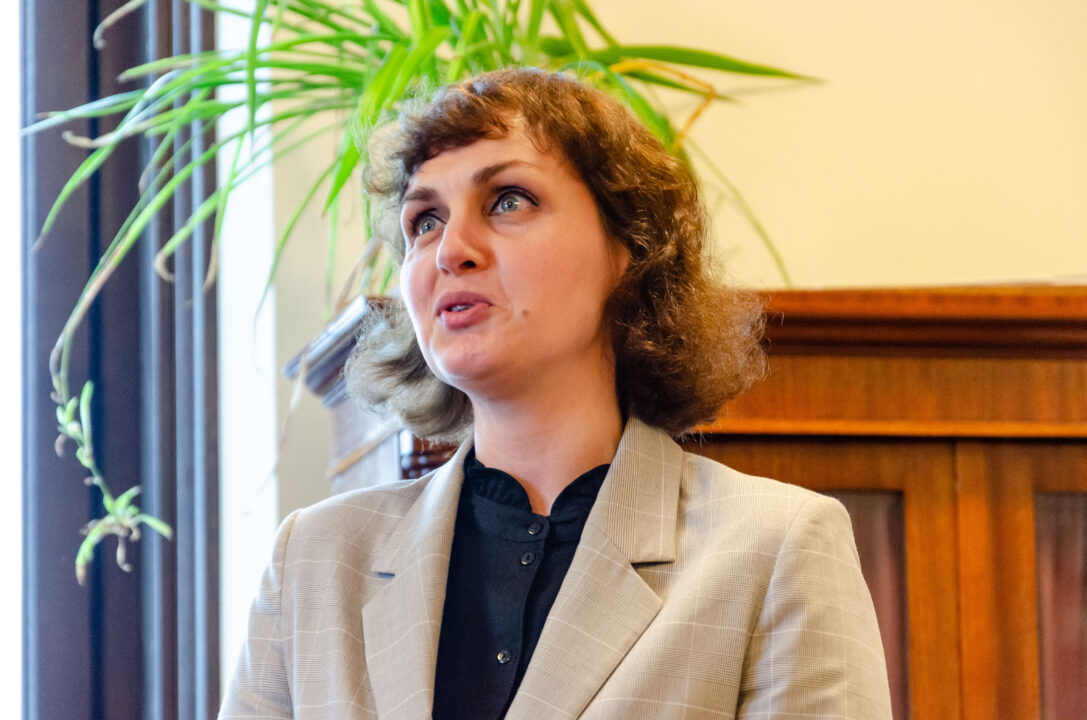
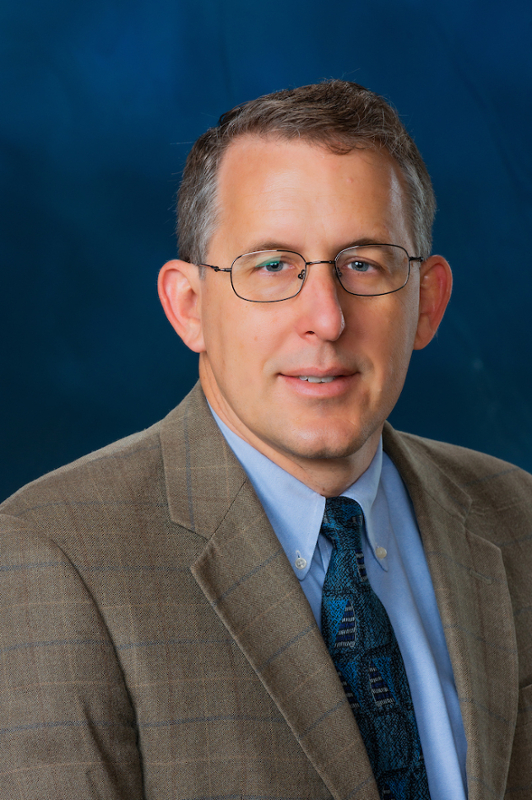
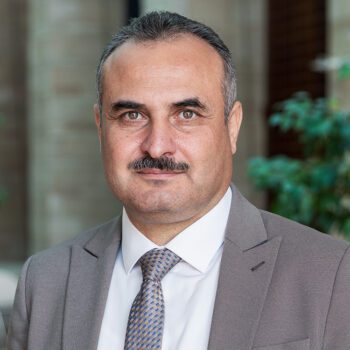
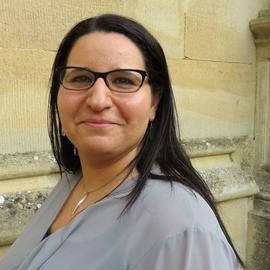
Agnieszka Jędrzejewska is a researcher at the Department of Structural Engineering , Faculty of Civil Engineering , Silesian University of Technology , Poland. She specializes in the analysis of cracking in concrete structures due to thermal, shrinkage, and imposed strains, with a focus on sustainability and robustness of cement-based materials. Research Interests : Thermal cracking, early-age concrete behavior, sustainable materials (e.g., self-healing concrete, 3D-printed mortar), numerical modeling, crack prevention techniques. Awards : Recipient of the Scientific Award of the 4th Division of the Polish Academy of Sciences (2024) for her series of works on 'Cracking of Special Structures Under the Action of Imposed Deformations.' Her recent publications highlight interdisciplinary approaches to improving concrete sustainability (e.g., alccofine 1203, GGBS, kaolin) and advancing computational models for crack prediction. She contributes to standardization efforts (e.g., prEN 1992-1-1) and collaborates on international projects (e.g., RILEM TC 287-CCS, COST TU1404).
Luigi Preziosi is a Full Professor in the Department of Mathematical Sciences "GL Lagrange" (DISMA) at Politecnico di Torino , where he conducts interdisciplinary research at the intersection of mathematics, biology, and engineering. He is a member of the Interdepartmental Center PolitoBIOMed Lab and actively contributes to doctoral programs in Complex Systems for Quantitative Biomedicine at both Politecnico di Torino and the University of Turin. Research Interests: Mathematical modeling of cancer, focusing on tumor growth, cell invasion, and vascular network formation. Mechanics of cell aggregates, tissue growth, and multiphase modeling incorporating adhesion and stress relaxation. Biomechanics of cellular systems, including cell motility, durotaxis, and response to mechanical stretch. Engineering applications such as windblown sand mitigation, avalanche dynamics, soil mechanics, and composite materials manufacturing. His recent publications highlight a strong trend in multiscale and multiphase modeling , particularly in simulating tumor spheroids, cellular reorientation under mechanical stimuli, and the role of the extracellular matrix in cancer progression. These works integrate biomechanics with kinetic and continuum models to understand complex biological behaviors. Scientific Recognition: Fellow, Accademia dei Lincei (2016–present) Corresponding Member, Interuniversity Center for Mathematics Applied to Biology (CIMAB) (2010–present) Editorial and Academic Service: He holds editorial positions in several leading journals, including Mathematics in Engineering (President of Editorial Committee), PLOS ONE , Journal of Theoretical Biology , and Mathematical Medicine and Biology . He has led major research projects funded by the Italian PRIN and EU H2020 programs, such as SMaRT and DERMA. Advising and Research Leadership: He has supervised PhD students including Gabriele Fioretto and Claire Claude Yvonne Alamichel , and leads research groups focused on mathematical physics and biomedical modeling. His work bridges theoretical development with practical applications in oncology and environmental engineering. Laboratories and Research Networks: He is affiliated with the PolitoBIOMed Lab and has participated in international research networks such as M3CS-TU TH, SMaRT, and mcrtn, fostering collaboration in mathematical biosciences.
Stefanie Elgeti is Associate Professor and Private Lecturer at the Chair for Computational Analysis of Technical Systems (CATS), Faculty of Mechanical Engineering, RWTH Aachen University. She previously held a professorship in lightweight design at TU Vienna starting in 2019. Her research integrates computational mechanics with manufacturing process optimization, focusing on plastics extrusion, injection molding, and high-pressure die casting. Diploma in Mechanical Engineering, majoring in 'Manufacturing Techniques for Microsystems' PhD (2011): 'Free-Surface Flows in Shape Optimization of Extrusion Dies' Habilitation (2016): 'CAD-Conforming Finite Element Methods in Engineering Design' Her research centers on solving inverse problems in manufacturing through numerical simulation. She employs advanced techniques such as free-surface flow modeling, non-Newtonian material models, spline-based finite elements, and PDE-constrained shape optimization. Her group simulates entire process chains from filling to solidification and warpage prediction, enabling design optimization of cavities and cooling systems. The recent publications (2022–2024) reveal a strong trend toward integrating artificial intelligence—particularly physics-informed neural networks and Bayesian optimization—into traditional simulation workflows. There is increasing emphasis on warpage compensation, shape optimization of extrusion dies, and modeling of biomedical and environmental systems, showcasing a broadening scope from industrial manufacturing to interdisciplinary applications. She is actively involved in academic service, having served as vice-spokesperson of GAMM-Juniors (2013–2014) and currently co-chairing the ECCOMAS Young Investigator Group. While no formal awards are listed, her leadership roles and editorial contributions reflect significant recognition in the computational mechanics community. Prof. Elgeti advises students and leads multiple research initiatives at CATS, including work groups focused on production engineering, fluid-structure interaction, and INTERESST. Her team develops model hierarchies and digital twins for industrial processes, aiming to bridge simulation and real-world manufacturing through intelligent, adaptive systems.
Robert L. Jackson is a Professor in the Department of Mechanical Engineering at Auburn University, College of Engineering. He serves as Editor-in-Chief of the ASME Journal of Tribology, highlighting his leadership in the field. His research focuses on tribology, contact mechanics, friction, wear, lubrication, and electrical contacts, with applications in machine design and electrified systems. His research interests include: Nano, Micro, and Macro Scale Contact Friction, Wear, and Lubrication (Tribology) Electrically Induced Bearing Damage Electrical Contacts and Lubricant Additives Surface Texturing and Nano-lubricants Multiscale/Multiphysics Modeling Design of Machine Components His recent publications reveal a strong trend in the performance of electric vehicle motor greases, electro-pitting, electrical discharge modeling, and mixed lubrication in rolling and sliding contacts. He investigates the role of nanoparticles, surface roughness, and thermal effects in tribological systems. His work spans experimental, analytical, and computational approaches, with a focus on real-world engineering applications such as EVs, connectors, and bearings. He actively mentors graduate students, including current advisees Loren Baugh, Jack Janik, and Sudip Saha. His past students have gone on to careers in industry and academia at organizations like Intel, Amazon, Tesla, and universities in China and India. He has collaborated extensively with researchers on topics ranging from articular cartilage biomechanics to nanocomposite lubricants and electrical connector reliability.
Prof. Jin-Song von Storch is Deputy Director of the Department of Climate Variability at the Max Planck Institute for Meteorology and a §17 Professor at the University of Hamburg. She leads the Energetics of Climate working group, focusing on ocean dynamics, climate energetics, and probabilistic climate prediction. Her research bridges oceanography and statistical physics to understand the inherent randomness in deterministic climate systems. PhD in Meteorology, University of Hamburg (1990) Diploma in Meteorology, University of Hamburg (1987) Vordiplom in Physics, University of Hamburg (1987) Her research interests include climate physics, ocean dynamics, climate energetics, statistical physics of climate, internal climate variability, and Earth system modeling. She investigates how mechanical energy from wind and tides supports diapycnal mixing and maintains overturning circulations, and how concepts from statistical physics can enhance probabilistic climate predictions. Her systems-oriented approach explores the randomness and irreversibility in deterministic climate models. Her recent publications span high-resolution climate modeling (ICON), ocean tides, Lorenz energy cycles, and wind-driven ocean dynamics. She contributes to advancing Earth system models and understanding energy transfers in the climate system. Heisenberg Program of the DFG (1999–2004) Scholarship from the Chinese government (1981–1987) She has advised PhD students such as Ssebandeke, J., and is involved in major modeling initiatives like ICON and MPI-ESM. She leads research on ocean energetics and contributes to international climate model intercomparisons. Her work integrates theoretical and modeling approaches to improve climate predictability. She is affiliated with the Max Planck Institute for Meteorology and the University of Hamburg, contributing to climate research through leadership, mentorship, and innovative modeling.
Ean Hin Ooi is an Associate Professor in the School of Engineering at Monash University Malaysia, where he leads the Computational Modelling team. He holds a PhD in Mechanical Engineering from Nanyang Technological University, Singapore, and a Bachelor's degree in Mechanical Engineering from the University of Technology, Malaysia. His research spans biomedical engineering, computational modeling, and numerical methods, with applications in cancer therapy and medical diagnostics. Doctor of Philosophy, Mechanical Engineering, Nanyang Technological University (NTU), 2009 Bachelor's Degree, Mechanical Engineering, University of Technology, Malaysia Dr. Ooi’s research focuses on the application of mathematical and computational modeling to understand biophysical phenomena in healthcare. His work targets improving cancer treatments such as thermal ablation (radiofrequency, cryoablation, photothermal), developing diagnostic tools like shear wave elastography for kidney disease, and advancing numerical techniques including meshless and boundary element methods. He is a pioneer in the radial basis integral equation method, contributing significantly to computational mechanics. The recent publications reflect a strong trend in interdisciplinary research combining engineering, medicine, and materials science. Key themes include thermal therapy optimization, nanomedicine (gold nanorods, graphene), microfluidics, and machine learning integration in sensor systems. His modeling expertise extends from organ-level simulations (liver, kidney) to nanoscale heat transfer, demonstrating versatility across scales and applications. Dr. Ooi serves as an Associate Editor for Computer Methods and Programs in Biomedicine and Journal of Mechanics in Medicine and Biology , highlighting his scholarly impact. He has received research funding for projects such as photothermal therapy for liver cancer and thermochemical ablation, indicating sustained grant support. He mentors students and is currently accepting PhD candidates in areas related to wound healing mechanics and computational prediction tools for thermal therapy. He is actively involved in professional service, including participation in the Asia-Pacific Society for Artificial Organs and visiting researcher roles at institutions like the University of Nottingham Malaysia. His lab, the Computational Modelling team, focuses on developing predictive frameworks for medical interventions, aiming to bridge computational science with clinical applications.
Professor Mark Thompson is a distinguished academic in the Department of Mechanical & Aerospace Engineering at Monash University, Faculty of Engineering. He holds the rank of Professor and has been a key figure in fluid dynamics research and academic leadership since joining Monash in 1995. He previously worked at CSIRO for ten years and earned his PhD from Monash in 1985. He has served as Associate Dean of Research Training (2003–2007) and Head of Department (2008–2011). Research interests include theoretical, computational, and experimental fluid dynamics, with focus on flow stability, transition to turbulence, bluff body flows, wake dynamics, flow-induced vibration, aeroacoustics, and applications in bioengineering, turbomachinery, vehicle aerodynamics, and sports. His work contributes to sustainable engineering and aligns with UN Sustainable Development Goals. The recent publications highlight a consistent focus on complex fluid-structure interactions, bluff body aerodynamics, and computational/experimental modeling. Key themes include wake transitions, vortex instabilities, flow control via afterbody design, and environmental and industrial applications such as wind comfort and heat transfer. His research combines high-fidelity simulations with wind tunnel and water channel experiments. Scientific awards: Faculty Research Award (2015) Fellow of the Australasian Fluid Mechanics Society (2018) Advising and grants: Professor Thompson is currently accepting PhD students and has supervised numerous research projects. He has led multiple externally funded research initiatives, including ARC-funded projects on flapping aerodynamics and fluid-structure interactions. His consulting experience includes collaborations with AMIRA, CRA, and Ford Europe. He has also contributed to editorial boards of the International Journal of Fluid Dynamics and an Elsevier journal. Labs and teams: He is a core member of a multidisciplinary research group at Monash focusing on fluid dynamics, collaborating closely with Professors Hourigan, Sheridan, and Lo Jacono. The team operates advanced experimental facilities including wind tunnels and water channels, and develops custom CFD codes for simulating complex flows.
Nimer Murshid is an Assistant Teaching Professor in the Department of Chemistry at Carnegie Mellon University in Qatar. His research focuses on nanomaterials, environmental science, and computational chemistry, with a particular emphasis on aerogels, nanofluids, and machine learning applications in material characterization. He has contributed to studies on oil and dye removal using advanced materials, thermal radiation analysis, and sustainable energy solutions. His work frequently employs principal component analysis (PCA) and other computational tools to optimize material performance and environmental remediation strategies. Research Interests include: Development and application of nanomaterials for biomedical and environmental uses Thermal and fluid dynamics analysis in nanofluid systems Machine learning-driven material optimization Sustainable energy integration in desalination and wastewater treatment Environmental remediation using advanced composites Recent articles highlight innovations in aerogel efficiency evaluation, nanotube functionalization for cancer diagnosis, and wind energy applications for desalination. Collaborative efforts emphasize sustainable technologies and interdisciplinary approaches to global environmental challenges. Grants and advising activities are not explicitly detailed in the provided information, though his role as a teaching professor suggests active involvement in academic mentorship within the Department of Chemistry.
Po-Ya Abel Chuang is a Professor and Vice Chair of Mechanical Engineering at the University of California, Merced. He leads the Thermal and Electrochemical Energy Laboratory (TEEL), focusing on advanced energy systems, transportation, and thermal management. Education: Executive MBA (2009, Rochester Institute of Technology), Ph.D. (2003, Pennsylvania State University), M.S. (1997, National Cheng Kung University), B.S. (1995, National Cheng Kung University) His research spans PEM fuel cells , thermal management , and electrochemical energy storage , with recent studies on lithium-ion batteries, anion exchange membranes, and CO2 electrolysis. Collaborations include KIT (Germany), University of the Philippines Diliman, and OCOchem. Key article trends reveal expertise in two-phase transport phenomena , catalyst layer optimization , and neutron radiography diagnostics . His work addresses fuel cell durability , electrolyzer design , and sustainable hydrogen production . Awards: KIT International Excellence Grant Professor Chuang advises Ph.D. students like Joy Marie Mora and Nitul Kakati, while managing the TEEL lab (SRE 316, 360). His DOE-funded projects and industry partnerships emphasize scalable energy solutions.
Krzysztof Czajka is a researcher affiliated with the Department of Energy Conversion Engineering at Wrocław University of Science and Technology. His work focuses on thermal processes, solid fuel conversion, and energy systems. Research interests include kinetics of thermal processes thermal analysis (TGA, DSC) pyrolysis, gasification, and combustion of solid fuels design of gasifiers and pyrolysis reactors steam and gas turbines life cycle assessment Recent publications analyze biomass torrefaction, coal gasification, and waste pyrolysis, emphasizing kinetic modeling and environmental sustainability. Key trends involve optimizing energy conversion efficiency and assessing emissions.
Nigar Kantarci Çarşibasi is an Assistant Professor at Üsküdar University, Faculty of Engineering and Natural Sciences, Department of Chemical Engineering . Her research focuses on bioinformatics, protein modeling, protein-protein interactions, computer-aided drug design , and molecular dynamics simulations . B.Sc. (2001), M.Sc. (2003), and Ph.D. (2009) in Chemical Engineering from Boğaziçi University. Academic career: Assistant Professor at Üsküdar University (2019–present), Research Assistant at Boğaziçi University (2003–2009). Her work integrates computational biology and chemical engineering , targeting Alzheimer's disease and cancer therapeutics . She employs molecular dynamics simulations , elastic network models , and pharmacophore modeling to study protein conformational changes and drug interactions. Recent publications analyze heat transfer in electrolyte solutions , multi-target drugs for Alzheimer's , and MDM2 protein inhibition for cancer. Her 14 peer-reviewed articles (Scopus and other indices) explore interdisciplinary themes linking chemistry, biology, and engineering . She supervises research projects on Alzheimer's and cancer funded by BAP and TÜBİTAK . Current projects include in silico formulation optimization for nutraceuticals and neuroprotective agent development .
Hossein Ramezani is an Associate Professor at SDU Mechatronics, University of Southern Denmark. His research focuses on control systems, refrigeration technologies, wind power security, and energy efficiency, with applications in industrial and marine systems. Current affiliations: Institute of Mechanical and Electrical Engineering, SDU Mechatronics Academic rank: Associate Professor His recent work includes: Anti-windup control algorithms for constrained systems Cybersecurity in wind power generation Optimization of CO2 refrigeration systems with ice storage Roll stabilization using canting keels Research trends emphasize: Integration of reinforcement learning in secure control Energy efficiency improvements in commercial refrigeration Resilient control strategies under cyber threats Marine actuator design for stability Scientific awards: Recipient of 'Teacher of the Year' award (2019) Teaching and supervision activities include: Co-supervision of PhD projects like DREAMS (2024-2027) Development of control systems for CNC machines and marine stabilization
Prof. Dr.-Ing. Wolfgang Schröder is a full professor at RWTH Aachen University and currently serves as Dean of the Faculty of Mechanical Engineering . In addition, he is Director of the Institute of Fluid Mechanics and Aerodynamics , a member of the Steering Committee of the Profile Area Modeling & Simulation Sciences , and RWTH’s representative in the Scientific and Technical Council (WTR) of the Forschungszentrum Jülich. His professional addresses are Wüllnerstraße 5a, 52062 Aachen and Eilfschornsteinstraße 18, 52062 Aachen , reachable at office@aia.rwth-aachen.de and dekan@fb4.rwth-aachen.de . His research portfolio spans computational fluid dynamics , large-eddy simulation , aero-acoustics , turbulent boundary-layer control , drag-reduction technologies , high-performance computing for multi-phase flows, and biomedical flow modeling . Recent work emphasizes: Multi-fidelity and surrogate modeling for active flow control and drag reduction. Advanced LES and hybrid RANS/LES methods for complex internal and external flows. Coupled CFD/CAA approaches to predict and mitigate aero-acoustic noise from airframes, landing gears, and distributed propellers. High-resolution simulations of gas-liquid and electrochemical flows in engineering and biomedical contexts. Across more than 80 peer-reviewed contributions since 2021, a clear trend emerges toward physics-based machine learning , real-time optimization , and exascale-ready algorithms that integrate experimental data (PIV, DLS) with massively parallel simulations. Scientific Awards & Honors : No specific awards are enumerated in the supplied text; however, his continuous leadership roles (Dean, Institute Director, WTR representative) indicate sustained recognition within the academic community. Advising & Funding : While individual student names are not listed, Prof. Schröder heads a large research group responsible for numerous doctoral and master’s theses. Projects are supported by German federal programs, EU Horizon initiatives, and industrial partnerships with aerospace and automotive sectors. Laboratories & Teams : He directs the Institute of Fluid Mechanics and Aerodynamics (AIA), operates within the Center for Computational Engineering Science (CCES), and leverages RWTH’s high-performance computing clusters for large-scale simulations.
Shi-Di Huang is a Tenured Associate Professor at the Department of Mechanics and Aerospace Engineering under the College of Engineering at Southern University of Science and Technology (SUSTech) , Shenzhen, China. He joined SUSTech in 2017 as Assistant Professor and was promoted to Associate Professor in 2018, with tenure since 2023. 2005–2009 : Bachelor of Science (Physics) at Fudan University 2009–2014 : Doctorate (Physics) at The Chinese University of Hong Kong Research Directions : Turbulence : Boundary layer dynamics, turbulent coherent structures, small-scale statistical characteristics, and applications in heat transfer and pollutant dispersion. Physical Oceanography : Laboratory and numerical modeling of diapycnal mixing, river plumes, water-sediment interface interactions, and wave-vortex coupling. Active Matter : Swimming dynamics of plankton/micro-robots, collective motion, hydrodynamic interactions, and environmental responses. Nonlinear Dynamics & Complex Networks : Chaos theory, pattern formation, and network analysis in fluid systems. Scientific Trends : His recent work focuses on turbulence scaling laws, centrifugal force effects in convection, Prandtl number dependencies, and aerodynamic phenomena in urban/transport systems. Collaborative studies with Ke-Qing Xia and others explore coherent structures, transport enhancement, and geophysical/environmental applications. Scientific Awards : 2019 Guangdong Province Pearl River Talent Program 2017 Shenzhen Peacock Program 2016 Hong Kong Young Scientist Award 2014 Chinese University of Hong Kong Young Scholars Thesis Award 2009 Shanghai Outstanding Graduate Research Leadership : He has directed four National Natural Science Foundation of China (NSFC) projects and actively recruits students/postdocs for turbulence, ocean dynamics, and active matter research. He contributes to academic service as a reviewer for journals like Physical Review Letters and Journal of Fluid Mechanics , and served as guest editor and session chair.
Laure Zanna is the Joseph B. Keller and Herbert B. Keller Professor in Applied Mathematics at New York University, with joint appointments in the Department of Mathematics at the Courant Institute and the Center for Data Science. Her research bridges physical oceanography, climate physics, and machine learning. PhD (2009), Harvard University MSc (2003), Weizmann Institute of Science BSc (2001), Tel Aviv University Her work focuses on understanding the ocean's role in climate systems, combining numerical simulations , turbulence modeling , machine learning , and data-driven approaches to study processes like ocean heat uptake , carbon cycling , and sea level rise . She leads M²LInES, an international collaboration applying scientific machine learning to improve climate models. The 15 most recent publications highlight trends in deep learning for climate emulation , stochastic parameterization , and causal inference in spatiotemporal climate fields . Key areas include mesoscale eddy modeling , air-sea flux uncertainty , and multi-scale climate interactions . Nicholas P. Fofonoff Award (2020), American Meteorological Society Zanna’s leadership in M²LInES and her interdisciplinary approach to climate modeling emphasize the integration of data science and geophysical fluid dynamics . She collaborates with institutions like GFDL and WHOI, advancing methodologies for climate prediction and ocean reanalysis .