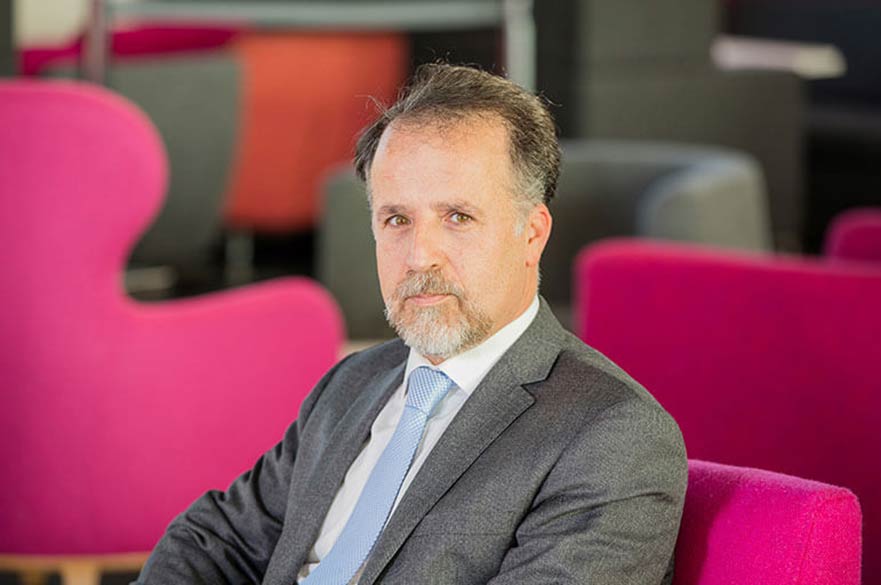
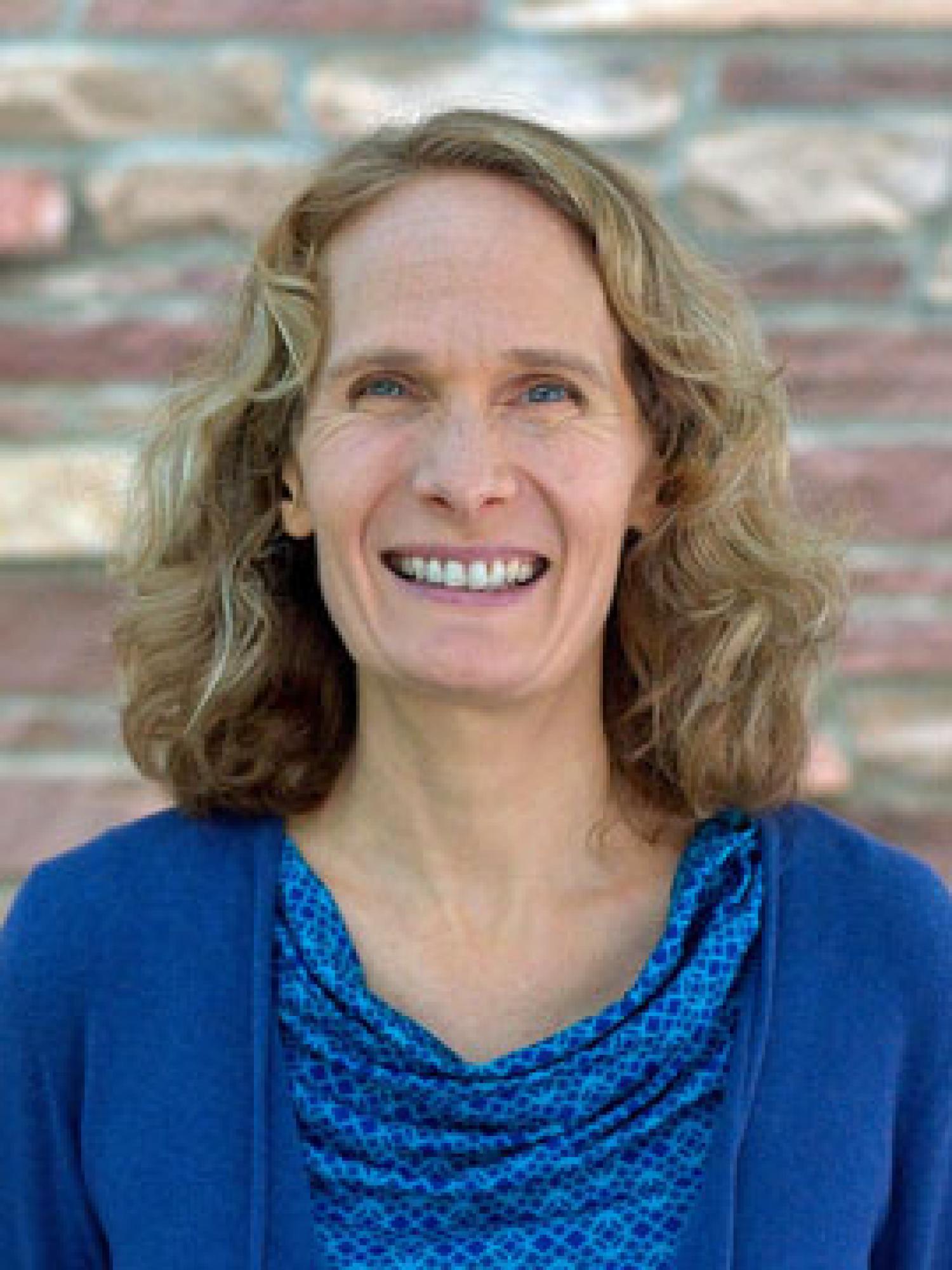
Ahmad Lotfi is a Professor of Computational Intelligence and Head of Department of Computer Science at Nottingham Trent University , with a Visiting Professor role at Tokyo Metropolitan University . He leads the Computational Intelligence and Applications (CIA) research group and has supervised over 30 PhD students to completion. PhD in Learning Fuzzy Systems (University of Queensland, 1995) MTech in Control Systems (Indian Institute of Technology, India) BSc in Control Systems (Isfahan University of Technology, Iran) His research spans computational intelligence , ambient intelligence , robotics , and machine learning , with applications in dementia monitoring , smart environments , and healthcare technology . Recent work focuses on using thermal sensor arrays for privacy-preserving human activity analysis. He has secured funding from Innovate UK , EPSRC , The Royal Society , and Horizon 2020 , with projects like iCarer (assistive living), SmartBerry (agricultural AI), and BigSpark (financial data augmentation). His 15 most recent articles demonstrate expertise in Wi-Fi-based activity recognition , EEG fall detection , and thermal sensor fusion . Senior Member IEEE Member of British Computer Society (MBCS) Editorial roles in Soft Computing and Journal of Ambient Intelligence and Smart Environments He has served as Program Chair for conferences like PETRA and ICCRT , and as Keynote Speaker at PETRA 2023 . His 28+ years of academic leadership include organizing UKCI and UKRAS conferences.
Louise Pilote, MD, MPH, PhD is Professor of Medicine in the Department of Medicine, Division of Internal Medicine , McGill University , and Senior Scientist in the Cardiovascular Health Across the Lifespan Program at the Research Institute of the McGill University Health Centre (RI-MUHC) , Montréal, Canada. Education: Louise Pilote holds the combined degrees of MD, MPH, and PhD, reflecting advanced clinical, public-health and research training that underpins her translational work. Research Focus: Internationally recognized pioneer in sex- and gender-based cardiovascular epidemiology , developing novel gender indices to disentangle biological (sex) and sociocultural (gender) determinants of cardiovascular outcomes. Leads the multinational GOING-FWD consortium (Gender Outcomes International Group to Further Well-being Development), integrating sex/gender analytics across 30 cohorts totaling 30 million patients with chronic diseases. Authority on comparative effectiveness and pharmacoepidemiology leveraging administrative “Big Data”, clinical registries, and advanced biostatistical/machine-learning methodologies. Current clinical-translational projects include imaging-based diagnosis of coronary microvascular dysfunction , a condition disproportionately affecting women. Scientific Impact & Awards: While formal awards are not enumerated in the supplied text, Dr Pilote’s sustained leadership as senior author on major Canadian and international cardiovascular guidelines, her role in founding the GOING-FWD network, and her extensive publication record (398 PubMed-indexed articles, 1988-2025) collectively constitute significant peer recognition. Students & Mentoring: Specific trainee names are not provided in the text; however, as Professor at McGill and Senior Scientist at RI-MUHC she supervises graduate students, clinical research fellows, and post-doctoral researchers in cardiovascular epidemiology, data science, and gender medicine. Laboratories & Teams: Dr Pilote heads the cardiovascular epidemiology research group within the Centre for Outcomes Research and Evaluation (CORE) at RI-MUHC, coordinating a multi-disciplinary team of biostatisticians, data scientists, clinician-scientists, and trainees.
Dr. Roza Gunes Bayrak is a Senior Research Engineer and Research Assistant Professor in the Department of Electrical and Computer Engineering at Vanderbilt University, with secondary appointments in the Department of Computer Science. She leads the Neuroimaging & Brain Dynamics Lab (NEURDY Lab) and is affiliated with multiple interdisciplinary institutes including the Vanderbilt Institute for Surgery and Engineering (VISE) and the Vanderbilt University Institute of Imaging Science (VUIIS). PhD in Computer Science from Vanderbilt University (2023) MS in Electrical Engineering from Tufts University BS in Electronic and Communication Engineering from Çankaya University, Turkey Her research focuses on advancing neuroimaging methodology for studying brain dynamics and brain-body interactions. Key areas include: Temporal modeling of neuroimaging data Development of open-source tools like PRAGMA and PhysioPy Graph-based machine learning for brain connectomics Reconstruction of physiological signals from fMRI data Interactive visualization techniques for functional brain parcellation Her recent publications emphasize: Graph neural networks for analyzing brain connectivity networks (Neurograph 2023) Deep learning approaches to decode respiration and heart rate from fMRI (DeepPhysioRecon 2023) Subject-specific functional brain mapping techniques (2022-2024) Reproducibility studies in white matter tractography (2021-2022) Roza actively promotes open science through leadership roles in initiatives like BrainHack Vanderbilt and the Organization for Human Brain Mapping's Open Science Special Interest Group.
Amy S. Fuller serves as a Research Fellow in the Cardiovascular and Lifestyle Medicine Research Theme within Coventry University's Faculty of Health and Life Sciences, a position she assumed in August 2023. Her academic journey includes a BSc in Biological Sciences from the University of Reading (2018), a multidisciplinary PhD from Newcastle University's Faculty of Medical Sciences (2018-2022) focusing on exercise tolerance in ageing and hypertrophic cardiomyopathy, and a Post Doctorate investigating nutrient sensing dysregulation in anorexia of ageing. Her research interests span cardiovascular disease pathophysiology in ageing populations , with specific emphasis on lifestyle interventions for disease management, exercise stress testing methodologies, and molecular pathways including mitochondrial function. She integrates clinical assessments of heart rate variability, hemodynamics, and health psychology to address cardiovascular conditions at national and international scales. Analysis of her 14 most recent publications reveals a strong thematic focus on hypertrophic cardiomyopathy (appearing in 90% of works), ageing-related cardiovascular changes (85%), and lifestyle intervention efficacy (75%). Her research consistently bridges molecular mechanisms with clinical applications, particularly in autonomic function assessment and exercise physiology. Scientific awards: Rank Prize Fund Dr. Fuller maintains active collaborations with National Health Trust partners and university networks, though specific grant details are not documented. Her current work includes developing AI-driven diagnostic tools for heart failure and planning future research on cardiac fatigue in endurance athletes. She operates within Coventry University's Cardiovascular and Lifestyle Medicine Research Theme, contributing to UN Sustainable Development Goals related to health and wellbeing.
Joanna Arch is a Professor in the Department of Psychology and Neuroscience at the University of Colorado Boulder. Her research focuses on developing and evaluating behavioral interventions for anxiety disorders and cancer survivorship, with a particular emphasis on mindfulness, acceptance-based therapies (e.g., Acceptance and Commitment Therapy), and exposure-based approaches. She holds a PhD from the University of California, Los Angeles (2009) and leads the Arch Lab, which collaborates with community cancer clinics to improve mental health outcomes for cancer survivors. Her work integrates clinical trials, psychophysiological assessments (e.g., measuring cortisol, heart rate variability), and telehealth interventions to address anxiety-related challenges in diverse populations. Her key research areas include: (1) mindfulness and acceptance-based interventions for anxiety and stress; (2) adapting ACT for cancer survivors, funded by a 4-year clinical trial in Colorado; (3) studying public perceptions of exposure therapy; and (4) investigating the impact of self-compassion on stress and well-being. She has published extensively on anxiety in cancer survivors, telemedicine applications, and barriers to evidence-based therapies in community mental health settings. Education: PhD in Psychology, UCLA, 2009 Labs: Arch Lab (CU Boulder) Funded Projects: Randomized trials of ACT for cancer anxiety, telehealth interventions for medication adherence Collaborations: Community cancer centers, oncology social workers Her lab’s work emphasizes translating research into practical tools, such as mobile apps for medication adherence and online ACT modules. Future directions include exploring biopsychological stress responses and expanding interventions to underserved populations.
Margaret Izabella Chustecki is an Associate Clinical Professor at the Yale School of Medicine's Department of Internal Medicine. She obtained her MD from Warsaw Medical School (1988) and an MBA from the Yale School of Management (2009). Her clinical practice focuses on improving healthcare efficiency through quality programs achieving NCQA accreditation and implementing initiatives like Meaningful Use and PQRS. She coordinates medical education for trainees while maintaining an active clinical practice. Education: MD - Warsaw Medical School (1988), MBA - Yale School of Management (2009) Clinical Experience: Extensive inpatient/outpatient internal medicine, hospitalist service leadership Practice Management: Founded Internal Medicine of Greater New Haven in 2003 Her research interests center on cardiovascular disease management, diabetes therapies, and healthcare quality improvement. She has led over 30 clinical trials evaluating treatments for cardiovascular conditions, diabetes, COPD, migraines, and osteoarthritis. Key areas of investigation include statin efficacy, anticoagulant therapies, and novel diabetes medications. Dr. Chustecki's clinical trials portfolio demonstrates expertise in cardiology, endocrinology, and gastroenterology. Recent studies focus on residual cardiovascular risk reduction, type 2 diabetes combination therapies, and migraine treatment innovations. Her work bridges clinical practice improvements with rigorous evidence-based research. Teaching contributions include supervising Yale medical students, PA trainees, and residents in both hospital and ambulatory settings. She actively participates in medical education program development and interprofessional team coordination. Labs/Teams: Collaborates with Yale New Haven Hospital teams in clinical trial execution and quality improvement initiatives.
Reinder Haakma is a University Researcher at Eindhoven University of Technology in the Signal Processing Systems department. His work bridges biomedical engineering and machine learning , focusing on advanced signal processing techniques for healthcare applications. Research interests include: Photoplethysmography (PPG) signal decomposition Cardiovascular monitoring via wearable sensors Anomaly detection in physiological signals Improving pulse arrival time estimation Smartwatch-based cardiac arrest detection systems His contributions to rapid eye movement sleep analysis and heart rate variability align with UN Sustainable Development Goals for health innovation. Notable recognition includes the Best paper full paper award at IE 2018 for his work with Tax, van der Aalst, and Sidorova. Recent publications (2024-2025) demonstrate expertise in predictive coding algorithms, Gaussian modeling, and real-time physiological monitoring. Collaborations span cardiology (Dekker, Vullings) and human-computer interaction (Markopoulos) domains.
Sofi Oskarsson is a Senior Lecturer in Criminology at Örebro University, affiliated with the School of Behavioural, Social and Legal Sciences (BSR) and the Department of Behavioral, Social and Legal Sciences. She holds a PhD (2022) and master's/bachelor's degrees in Criminology from Örebro University, Malmö University, and Mid Sweden University. Education: PhD in Criminology, Örebro University (2022) MSc in Criminology, Malmö University (2015) BSc in Criminology, Mid Sweden University (2014) Research Interests: Biopsychosocial criminology, focusing on biological risk factors (e.g., adverse perinatal events, resting heart rate) for criminal behavior. Active projects include the Swedish Research Council-funded study on intergenerational crime prevention. Also investigates violence in same-sex relationships and applies behavioral genetics methods to criminological questions. Teaching: Leads the international course 'Biopsychosocial Criminology' and teaches quantitative methods at all levels. Supervises theses and co-supervises PhD student Anna-Karin Ångström. Grants & Projects: Principal Investigator: 'Protective Factors Against Intergenerational Crime' (2025–2027, Swedish Research Council) Active projects: PoP-study on personality/psychophysiology, long-term consequences of youth convictions Labs/Groups: Member of research groups on biopsychosocial criminology (CVS Center for Violence Studies), stalking/intimate partner violence (SToP), and developmental crime patterns.
Kerry Stephen Seiler is a Professor at the University of Agder in Norway, specifically within the Department of Sport Science and Physical Education under the Faculty of Health and Sport. He has been actively involved in research and consultation since the late 1990s, including roles as a research consultant for the Sorlandet Regional Hospital and the Norwegian Olympic Federation. Masters in Exercise Science (1987), University of Arkansas PhD in Kinesiology (Exercise Physiology and Biochemistry, 1995), University of Texas His research focuses on Exercise Physiology , particularly the interaction between brain and body during physical exertion and how cardiovascular systems adapt to training . He developed the SPADE research group (Sports Performance and Athlete Development Environments) and is a leading voice in 80/20 endurance training principles. Recent publications emphasize training intensity distribution , low-intensity endurance strategies , and polarized training models . His work often intersects with practical applications in professional cycling and endurance sports. Fellow, European College of Sport Science Fellow, American College of Sports Medicine He has contributed extensively to media platforms like Fast Talk Laboratories , The Roadman Cycling Podcast , and Podcast Feel Better Live More , discussing topics ranging from Zone 2 training to exercise as a longevity tool .
Liang Niestemski is an Associate Professor of Physics at Western New England University's College of Physical & Biological Sciences. He previously held academic positions at Rice University (Weiss Instructor) and Colgate University (Visiting Assistant Professor). Education: Ph.D., Boston College Research Focus: Dr. Niestemski develops theoretical and computational frameworks to analyze complex systems across physics and biology. His work spans: Electronic disorder in high-temperature superconductors (pseudogap state, valence bond theory). Physics-based modeling of biological networks, including bacterial-phage co-evolution and CRISPR-Cas immunity. Statistical theory applications in personalized critical care (heart rate prediction) and social network dynamics. Computational simulations of time series and modularity evolution in natural systems. Courses Taught: Physics of the Life Sciences, Mechanics, Electricity and Magnetism, Solid State Physics, Electronics, Sound and Music, Physics of the Human Body, Physical Geology.
Massimo Poncino is a Full Professor at the Department of Control and Computer Science (DAUIN) within the Faculty of Engineering at Politecnico di Torino. He serves as Scientific Advisor for the STMicroelectronics partnership and coordinates basic engineering subjects. A Senior Member of IEEE since 2012 and Fellow since 2012, he has served on editorial boards for IEEE Transactions on Computer-Aided Design, IEEE Design & Test of Computers, and ACM Transactions on Design Automation. Education: Laurea in Electronic Engineering (1989) and PhD in Computer and Systems Engineering (1993) from Politecnico di Torino Academic Career: Visiting Scientist University of Colorado (1993-1994), Researcher at Politecnico di Torino (1995-2001), Associate Professor at University of Verona (2001-2004), Full Professor at Politecnico di Torino (2006-present) His research focuses on energy-efficient digital systems , including design automation of SoCs, hardware-aware AI, battery management, cyber-physical systems, and embedded systems. Recent publications highlight advancements in digital twins for batteries , low-power neural network deployment , and IoT privacy . Scientific Awards: Recognition of Service Award - ACM (2013) Certificate of Appreciation - IEEE Circuits and Systems Society (2006, 2008, 2009) IEEE Fellow (2012-) Research Involvement: EU H2020, VI/VII Framework Programs evaluator Scientific Director for projects: Approxim@ction, EMBAI, DISLO-MAN, DAMASCO Member of EDA research group Teaching: Course director for Energy Management for IoT (2019-2025) Lecturer for Computer Science courses (2003-2025)
Kaylena Ehgoetz Martens serves as an Associate Professor in the Department of Kinesiology and Health Sciences at the University of Waterloo, where she directs the Neurocognition and Mobility Lab. Her research program integrates movement kinematics, functional neuroimaging, psychophysiology, and cognitive neuroscience to investigate the neural basis of gait control and its disruption in neurodegenerative conditions, with particular emphasis on Parkinson's disease, dementia with Lewy bodies, and isolated REM sleep behavior disorder. She focuses on the complex interplay between cognition, emotion, and motor function to develop translational approaches for early diagnosis and intervention in mobility disorders. Dr. Martens' academic training includes a BSc in Kinesiology & Physical Education from Wilfrid Laurier University, an MA in Psychology from the University of Waterloo, a PhD in Cognitive Neuroscience from the University of Waterloo, and postdoctoral training at the Medicine, Brain and Mind Centre, University of Sydney, Australia. Her educational background established the foundation for her multidisciplinary approach to movement neuroscience. Her research program centers on three interconnected aims: (1) investigating cognitive-emotional interactions in gait and balance control; (2) leveraging gait complexity to identify subclinical predictors of neurodegeneration; and (3) developing technology-enhanced diagnostic and intervention tools using virtual reality and mobile recording devices. This work addresses critical gaps in understanding how anxiety, threat processing, and autonomic dysfunction contribute to movement impairments in aging and neurodegenerative diseases. Analysis of her recent publications (2023-2025) reveals a strong trajectory in subtype-specific characterization of freezing of gait, identification of sex-specific neurodegeneration patterns, and development of AI-driven detection methods. Her work increasingly incorporates machine learning for gait analysis while maintaining clinical relevance through biomarker discovery and therapeutic innovation, particularly in the prodromal phases of synucleinopathies. Scientific Awards: No specific awards were documented in the provided source material. Dr. Martens actively supervises graduate students across all levels including undergraduate theses, MSc, PhD, and postdoctoral fellows within her Neurocognition and Mobility Lab. She provides research opportunities for volunteers, coursework interns, and research coordinators, with a focus on translating laboratory findings to clinical applications. While specific grant details weren't provided, her extensive use of advanced neuroimaging, wearable sensors, and virtual reality technologies indicates substantial research funding supporting her program. The Neurocognition and Mobility Lab operates as a collaborative hub bridging basic neuroscience with clinical practice, working closely with healthcare providers to develop practical tools for early mobility impairment detection. Current projects emphasize translating gait complexity metrics into clinical biomarkers and developing anxiety-targeted interventions to prevent falls in neurodegenerative populations, with particular attention to preserving functional independence throughout the lifespan.
Michael Thompson is an Assistant Professor at the University of Michigan with multidisciplinary appointments in the Department of Cardiac Surgery at the Medical School, and Departments of Health Management and Policy and Epidemiology at the School of Public Health. He serves as Co-Director of the Michigan Value Collaborative and Director of Analytic Strategy at the Center for Healthcare Outcomes and Policy. PhD in Epidemiology (Michigan State University, 2015) MPH in Public Health (University of Michigan, 2011) BS in Biomedical Sciences (Michigan State University, 2009) Dr. Thompson's research focuses on health services evaluation, particularly examining: Provider performance measurement and quality improvement in cardiac surgery Telemedicine implementation and impact Cardiac rehabilitation programs and outcomes Health policy effects on Medicare populations Health disparities in cardiovascular care Payment system reforms and financial incentives His work combines rigorous quantitative analysis with policy translation, leading AHRQ-funded projects on cardiac rehabilitation determinants and telehealth impact analysis. Recent publications demonstrate his leadership in evaluating: Value-based payment models in healthcare Statewide quality improvement collaboratives Device-related surgical outcomes Post-discharge care pathways Health equity interventions Telemedicine utilization trends Scientific Honors: Young Investigator Research Grant, American Heart Association (2014) AHRQ/HCUP Outstanding Article of the Year Award (2017) Dr. Thompson contributes to major professional organizations including the Institute for Healthcare Policy and Innovation, American Heart Association/American Stroke Association Council on Quality of Care, AcademyHealth, and The Society of Thoracic Surgeons. His research spans clinical and policy journals such as Circulation: Cardiovascular Quality and Outcomes , Health Affairs , and Critical Care Medicine .
Dr. Jessica Chiang is an Assistant Professor in the Department of Psychology at Georgetown University. She holds a BA in Psychology and Economics from Smith College, an MA and PhD in Psychology from UCLA, and completed a postdoctoral fellowship at Northwestern University. Her research focuses on how stress experiences, particularly during early development, influence health across the lifespan, emphasizing links between socioeconomic status, inflammation, and physiological resilience. Key areas include the interplay of stress, sleep, and mental/physical health outcomes in adolescents and young adults. Her work employs longitudinal designs and integrates psychosocial, behavioral, and biological data to understand how adversity and social environments shape health trajectories. She has explored topics such as family socioeconomic status, inflammatory biomarkers, and the moderating roles of sleep and emotional regulation in health disparities. Her research bridges developmental psychology, psychoneuroimmunology, and public health, with implications for interventions targeting vulnerable populations. Dr. Chiang’s studies frequently involve large-scale datasets and collaborations, including pooled analyses of multiple cohorts to examine lifecourse health patterns. She has published extensively on topics such as how early adversity influences immune function, the bidirectional relationships between stress and sleep, and the role of cultural factors in health behaviors. Her findings highlight the need for early interventions to mitigate the long-term impacts of psychosocial stressors.
Professor Stuart Johnstone is a prominent researcher and educator in the School of Psychology at the University of Wollongong. He has held academic positions at UOW since 1999, progressing from Lecturer to his current role as Professor since 2018. He previously served as Deputy Head of School (Teaching and Learning) from 2020-2023 and Acting Head of School in 2024. He also maintains a Visiting Professor position at Zhejiang Normal University's Faculty of Special Education since 2018. His educational background includes a PhD and Bachelor of Science (Honours Class I) from the University of Wollongong, followed by post-doctoral work at the University of Sydney's Department of Psychological Medicine. He is a Registered Psychologist with the Australian Health Practitioner Regulation Agency (2001-2022). Johnstone's research focuses on neurophysiological approaches to understanding and treating ADHD, particularly using brain electrical activity measures to improve assessment and diagnosis. His work spans biological psychology, psychophysiology, and developmental psychology, with emphasis on neurocognitive training interventions for children with ADHD. He has developed innovative approaches to ADHD assessment that incorporate EEG measurements alongside traditional clinical evaluations. His publication record demonstrates consistent focus on ADHD neurophysiology, with recent work expanding into cross-cultural applications, portable EEG technology for educational settings, and animal-assisted interventions. His research shows growing emphasis on practical applications of neurocognitive assessment and training, with increasing attention to remote delivery methods and cross-cultural validity of interventions. UOW Vice-Chancellors Award for Outstanding Achievement in Research Commercialisation (2013) UOW Vice-Chancellors Award for Global Strategy (2018) Johnstone actively supervises numerous PhD students, with current projects examining sleep patterns in ADHD, human-dog interactions for wellbeing, and test anxiety in school children. His research is supported by multiple grants including external funding from the Prevention Research Support Program and internal University of Wollongong grants focused on neurocognitive assessment and training. His work has strong international collaboration, particularly with Chinese institutions. He coordinates courses in Biological Psychology and Psychophysiology and has developed international educational programs in Singapore. His research group focuses on translating neurophysiological findings into practical assessment tools and interventions for ADHD, with recent work emphasizing portable technology and cross-cultural applications.