Yunxiang Yan is a Professor in the Department of Anthropology at the University of California, Los Angeles (UCLA). His work focuses on China and Cultural Anthropology , with specific expertise in Economic Anthropology , Family and Kinship , and Individualization . Education: Ph.D. in Social Anthropology from Harvard University (1993). Yan’s research explores the intersection of social change , moral theory , and family dynamics in modern China. His ethnographic studies in rural villages provide foundational insights into exchange theory and cultural globalization . Recent publications analyze food safety , medical ethics , and moral crises in China, reflecting his interdisciplinary approach combining anthropology, sociology, and philosophy. Articles span themes like intergenerational intimacy , political oppression , and networked social structures . Scientific Awards: Guggenheim Fellowship Levenson Prize-winning Research Yan’s work bridges local Chinese studies with global anthropological discourse. He has held positions at the Chinese University of Hong Kong, Johns Hopkins University, and UCLA since 1996. His career reflects a commitment to documenting the lives of ordinary people, rooted in his early experiences as an expelled villager during Maoist China. Contact: yan@anthro.ucla.edu
Mark Liberman is a Trustee Professor at the University of Pennsylvania , holding appointments in the Department of Linguistics and Department of Computer and Information Science . He serves as Director of the Linguistic Data Consortium and Faculty Director of Ware College House . His career spans linguistics, speech technology, and computational methods. Education: Harvard University (1965-1969), MIT (M.S. 1972, Ph.D. 1975) Professional Experience: AT&T Bell Laboratories (1975-1990), University of Pennsylvania (1990-present) His research interests include: Corpus-based Phonetics : Analyzing speech patterns via large-scale datasets. Clinical Applications : Developing speech biomarkers for neurodegenerative diseases. Tonal Phonology : Studying lexical tone and intonation in languages like Yoruba and Mandarin. Formal Annotation Models : Creating frameworks for linguistic data standardization. Recent publications highlight automated speech analysis, cross-linguistic prosody, and digital biomarkers for conditions like ALS-FTD and Alzheimer’s. His collaborations span computational linguistics , neurology , and cognitive science . Scientific awards include the IEEE James L. Flanagan Award (2017), Antonio Zampolli Prize (2010), and fellowships from the AAAS and Linguistic Society of America . He advises PhD students May Chan and Jonathan Him Nok Lee and contributes to editorial boards for journals like Cognition and Annual Review of Linguistics . His work bridges speech science , language technology , and neurocognitive research .
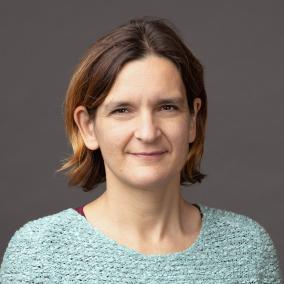
Esther Duflo is the Abdul Latif Jameel Professor of Poverty Alleviation and Development Economics in the Department of Economics at the Massachusetts Institute of Technology (MIT). She is also co-founder and co-director of the Abdul Latif Jameel Poverty Action Lab (J-PAL), holds the Chaire, Pauvreté et politiques publiques at the Collège de France, and serves as President of the Paris School of Economics. Her research focuses on understanding the economic lives of people living in poverty to help design and evaluate social policies. Her work spans multiple domains including: Development Economics Poverty Alleviation strategies Health interventions Educational programs Financial inclusion initiatives Environmental policy Governance improvements Duflo revolutionized developmental economics by pioneering the use of randomized controlled trials to test poverty reduction measures. Her empirical approach has challenged conventional opinions about development and has helped improve the efficient use of resources in poverty alleviation programs worldwide. She co-authored the influential books "Poor Economics" and "Good Economics for Hard Times" with Abhijit Banerjee, demonstrating through field experiments how specific interventions (like providing lentils to mothers for child immunization) can dramatically improve social outcomes. Her notable scientific achievements include: Sveriges Riksbank Prize in Economic Sciences in Memory of Alfred Nobel (2019) Princess of Asturias Award for Social Sciences (2015) Infosys Prize (2014) John Bates Clark Medal (2010) MacArthur "Genius Grant" Fellowship (2009) A.SK Social Science Award (2015) Duflo has established J-PAL as a global network of over a hundred affiliated professors who use scientific evidence to inform policy decisions in the fight against poverty. J-PAL has offices across Africa, Europe, Latin America and the Caribbean, North America, and South and Southeast Asia. Her work has demonstrated the crucial importance of information in policymaking, with numerous field experiments showing how carefully designed interventions can have significant impacts on social outcomes across multiple domains including health, education, and economic opportunity.
Gierad Laput is a Senior Engineering Manager at Apple, leading the Perception and Interaction Engineering organization under Machine Intelligence Neural Design (MIND) at Apple AI/ML (AIML). He is also an Adjunct Professor at Carnegie Mellon University's School of Computer Science and Human-Computer Interaction Institute. His research sits at the intersection of sensing systems, interactive technologies, and machine learning, with applications in ambient intelligence, wearables, and AI-driven interactive experiences. Ph.D. in Computer Science from Carnegie Mellon University Founding member of CMU's Future Interfaces Group Former Google Ph.D. Fellow, Disney Imagineer, and recipient of 10 Best Paper Awards/Nominations His research agenda at Apple leverages cutting-edge hardware to develop multimodal ML systems for vision, audio, and motion sensors, enabling features like head gesture detection for AirPods, Apple Intelligence integrations, and health monitoring tools. Recent collaborative projects include Vision Pro hand interaction systems and WatchOS updates for cycling/fall detection. Key research areas include human-computer interaction , machine learning for sensor fusion , and smart environment sensing . Over 35 publications cover transformative technologies like ViBand (bio-acoustic sensing), EM-Sense (touch recognition), SkinTrack (arm as touchpad), and ElectroDermis (stretchable electronics). Scientific honors include: Fast Company Innovation by Design Award (2017) Google PhD Fellowship (2018) Swartz Entrepreneurial Fellowship (2018) Best Paper Awards at ACM UIST (2016) and ACM CHI (2015) As an educator, he has taught courses at CMU and the University of Michigan on on-device machine learning , signal processing , and human-centered design . His lab has mentored numerous researchers now pursuing PhDs at MIT, UW, CMU, and Northwestern.
Adam Hollowell is an Adjunct Assistant Professor in the Program in Education at Duke University, where he also serves as Senior Research Associate at the Samuel DuBois Cook Center on Social Equity and Director of the Inequality Studies Minor. His teaching spans ethics, inequality studies, and history across Duke’s Kenan Institute for Ethics, Sanford School of Public Policy, and Department of History. Hollowell holds a Ph.D. from the University of Edinburgh (2009). His research focuses on inequality, higher education, public policy, and ethics, with notable work on pandemic impacts, telemedicine in education, and reproductive health access during crises. In Inequality Studies , Hollowell emphasizes understanding policies to drive social change, as highlighted in recent media coverage. His publications explore topics like student behavior shifts during the pandemic, telemedicine adoption in universities, and James Baldwin’s ethical challenges. He is a finalist for the Judith Deckers Prize (2024). Professionally, Hollowell leads projects such as Bass Connections on college contraception access and Story+ initiatives. His work bridges academia and public engagement, addressing systemic inequities through interdisciplinary approaches.
Wei Xu is an Associate Professor at Georgia Institute of Technology's College of Computing and School of Interactive Computing, with affiliations to the Machine Learning Center. Their research bridges machine learning, natural language processing, and social media with focus areas in large language models, cultural bias mitigation, multilingual capabilities, and human-AI collaboration in text evaluation. NSF CAREER and Google Academic Research Award recipient Director of NLP X Lab PhD from New York University, BSMS from Tsinghua University Research interests span: Multilingual Multicultural LLMs addressing representational gaps and cultural adaptation in language models (NAACL 2025, ACL 2024); Robustness and Reasoning through dynamic AGI evaluations (ACL 2024, EMNLP 2024); Interdisciplinary NLP applications in security, healthcare, and law (EMNLP 2024, ACL 2024). Recent publications focus on multilingual alignment (NAACL 2025), privacy risk estimation (arXiv 2025), cultural bias analysis (ACL 2024), and medical text simplification (EMNLP 2024). Key themes include bias mitigation, multimodal processing, and practical LLM evaluation. Scientific Awards : NSF CAREER, Google/Sony/Criteo research awards, ACL'24 Best Social Impact Award, COLING'18 Best Paper Advising 15 PhD/MS/BSMS students including Yao Dou (human-centered LLM evaluation), Tarek Naous (multilingual LLMs), and alumni like Chao Jiang (Apple AI/ML) and Yang Chen (NVIDIA research scientist). Teaches graduate courses on NLP and LLMs.
Prof. Christian Holz is an Associate Professor at the Department of Computer Science and Deputy Head of the Institute of Intelligent Interactive Systems at ETH Zürich. His work focuses on advancing human-computer interaction through innovations in wearable technologies, mixed reality systems, and sensor-driven applications. Key research areas include motion capture, physiological signal processing, and adaptive user interfaces. Holz leads the SIPLab (siplab.ethz.ch), producing influential work at the intersection of computer science and biomedical engineering. His research explores cutting-edge topics such as egocentric vision systems, wearable health monitoring devices, and VR/AR applications. Recent studies investigate cybersickness detection via EEG, heart rate estimation from eye-tracking cameras, and scalable motion capture using inertial/UWB sensors. Holz's work emphasizes practical applications in healthcare, education, and human-centered computing. Publications reflect a strong focus on interdisciplinary solutions, combining machine learning with sensor data analysis. Notable contributions include the EgoSim multi-view simulator, WildPPG biomedical dataset, and MiBOT cardiovascular modulation device. His research bridges theoretical advancements with real-world usability in domains like emergency response training, chronic disease monitoring, and immersive education.
Professor Hutan Ashrafian is a clinician-scientist and surgeon at the University of Leeds Business School, holding dual roles as Professor of Research Impact and Senior Research Fellow at Imperial College London. His expertise spans AI in healthcare, metabolic surgery, and ancient history. He pioneered STARD-AI and QUADAS-AI guidelines for AI diagnostics, collaborated on AI-driven breast cancer screening with Google and NHS, and led global health policy initiatives. Ashrafian’s work bridges medicine, history, and philosophy, including his contributions to understanding historical figures’ medical conditions, such as King Tutankhamun’s epilepsy. He has authored over 550 publications, 12 books, and holds a PhD in computational physiology and an MBA with distinction. Awards include the Hunterian Prize and Wellcome Trust Fellowship. His research also explores AI ethics, quantum physics paradoxes, and art-based medical diagnostics. Education: PhD in Computational Physiology (Imperial College London) MBA (Warwick Business School) MD (University College London) Bachelor of Science in Immunology (University College London) Research Interests: Ashrafian’s work spans: AI in Medicine: Diagnostic algorithms, guideline development (STARD-AI/QUADAS-AI), and ethical frameworks. Metabolic Surgery: Bariatric interventions, gut microbiome, and obesity treatments. Ancient History: Medical analyses of historical figures (e.g., Tutankhamun, Julius Caesar) and art-based pathology identification. Philosophy: AI rights (AIONAI law), temporal paradoxes, and the Simulation Argument. Awards: Royal College of Surgeons Arris and Gale Lectureship Hunterian Prize Wellcome Trust Research Fellowship Advising & Innovation: Supervised >50 PhD students, co-founded Oxford Medical Products (weight loss tech), and serves as CSO at Flagship Pioneering’s Preemptive Health division. He advises on NHS digital transformation and global health policy. Labs/Teams: Leads AI initiatives at Imperial’s Institute of Global Health Innovation and collaborates with Google, NICE, and international institutions on health tech solutions.
Russell Cropanzano is a Professor at the Leeds School of Business , University of Colorado, holding the Ted G. Anderson Professorship of Free Enterprise and Dean’s Faculty Fellow titles. His research focuses on organizational behavior , particularly workplace emotion, employee mental health, and perceptions of organizational justice with an emphasis on evolving employment relationships. PhD in Industrial-Organizational Psychology, Purdue University MA in Social-Organizational Psychology, Southern Methodist University He has received multiple scholarly awards, including best paper recognitions from journals like Consulting Psychology Journal and Journal of Management . A Fellow in multiple academic associations, he previously served as Editor of the Journal of Management . His career spans faculty roles at Colorado State University (1988-2002) and University of Arizona (2002-2012). 1998 Book Award - International Association of Conflict Management 2000 Outstanding Paper Award - Consulting Psychology Journal 2007 Best Paper Award - Academy of Management Perspectives 2010 Best Paper Award - Journal of Management
Dr. Carolyn Emery is a Professor in the Faculty of Kinesiology at the University of Calgary, with joint appointments in Pediatrics and Community Health Sciences at the Cumming School of Medicine. She holds leadership roles as Chair of the Sport Injury Prevention Research Centre (an International Olympic Committee Research Centre) and the Alberta Children’s Hospital Research Institute. Her affiliations include the McCaig Institute for Bone and Joint Health, Hotchkiss Brain Institute, and O’Brien Institute for Public Health. Dr. Emery’s education includes a BScPT from Queen’s University (1988), MSc in Epidemiology from the University of Calgary (1999), and PhD in Epidemiology from the University of Alberta (2004). Her research focuses on injury prevention in youth sports, concussion, and pediatric rehabilitation, aiming to reduce long-term health consequences such as osteoarthritis and post-concussion syndrome. She leads major grants including CIHR’s “SHRed Injuries” and NFL-funded concussion surveillance programs. Her research interests emphasize practical interventions for injury prevention, including neuromuscular training and policy changes. Recent work explores concussion outcomes in adolescents, biomechanical injury mechanisms, and global sport safety initiatives. She has published extensively on topics like sport-related musculoskeletal injuries, concussion management, and the epidemiology of youth sports. Dr. Emery has received over 20 awards, including the Royal Society of Canada Fellowship, Killam Professorship, and CIHR Canada Research Chair. Her work bridges clinical practice, policy, and community engagement to enhance public health outcomes in sports and youth recreation. Her lab, the Sport Injury Prevention Research Centre, collaborates internationally to develop evidence-based strategies for injury prevention. Current projects include evaluating the impact of tackle laws in rugby, head acceleration in wrestling, and long-term consequences of pediatric concussions.
Daniel Epstein is an Associate Professor in the Department of Informatics at the University of California, Irvine (UCI), where he leads the Personal Informatics Everyday (PIE) Lab. He holds a courtesy appointment in the Department of Computer Science and is affiliated with the Connected Learning Lab, Institute for Future Health, and Accessibility Research Collective. Epstein earned his Ph.D. in Computer Science & Engineering from the University of Washington and a B.S. in Computer Science from the University of Virginia. His research focuses on how personal tracking technology can better serve diverse users' needs, emphasizing ethical design, health equity, and long-term user engagement. Notable areas include pregnancy tracking, wearable technology for children and ADHD management, and AI-driven health chatbots. Epstein has received grants from NSF, Snap Inc., and UCI programs, totaling over $650k in funding. Epstein's work bridges HCI and health informatics, with over 60 peer-reviewed publications. He advises six Ph.D. students and has mentored numerous undergraduates. Awards include the ACM Senior Member distinction (2025), CHI Best Paper (2023), and NSF CAREER Award (2023). Professional service includes program committees for CHI, CSCW, and UbiComp, plus leadership roles in workshops like the Workgroup on Interactive Systems in Healthcare (WISH). Beyond academia, Epstein enjoys hiking, collecting turtle figures, and advocating for accessible technology.
Maja J Matarić is the Chan Soon-Shiong Chaired and Distinguished Professor of Computer Science at the University of Southern California's Viterbi School of Engineering, with courtesy appointments in Neuroscience and Pediatrics. She serves as founding director of the USC Robotics and Autonomous Systems Center, co-director of the USC Robotics Research Lab, and Principal Scientist at Google DeepMind. Previously, she held leadership roles as USC's interim Vice President of Research (2020-2021) and Vice Dean for Research (2006-2019). Her educational background includes: PhD in Computer Science and Artificial Intelligence from MIT (1994) MS in Computer Science from MIT (1990) BS in Computer Science from University of Kansas (1987) Matarić pioneers Socially Assistive Robotics (SAR) , a field her lab named, focusing on human-robot interaction that provides assistance through social rather than physical support. Her research targets critical health and wellness challenges including post-stroke rehabilitation, autism spectrum disorder therapy, cognitive exercises for Alzheimer's patients, ADHD academic support, and mental health interventions. She develops systems modeling user engagement, personality, and motivation, with extensive real-world deployments in schools, rehabilitation centers, and homes. Analysis of her recent publications reveals dominant themes in cognitive health robotics (2025 CHI paper on LLM-powered elder care), pediatric assistive technology (2025 IDC speech therapy review), and adaptive preference modeling (2025 HRI contrastive learning work). Her research consistently bridges machine learning with human-centered design for vulnerable populations. Major scientific recognition includes: ACM Athena Lecturer Award (2024) ACM Eugene L. Lawler Humanitarian Award (2024) ACM Fellow (2020) Presidential Mentoring Award (2011) Multiple society fellowships (AAAS, IEEE, AAAI) As a dedicated mentor, Matarić has championed underrepresented groups through CRA-W, placing numerous women in faculty positions. She leads USC Viterbi's K-12 STEM Outreach Program serving low-income Los Angeles schools and authored The Robotics Prime for student education. Her research has secured significant funding enabling real-world technology transfer, with documented impact in rehabilitation centers and homes through deployable SAR systems. Her Robotics Research Lab at USC drives innovation in embodied AI, with current projects spanning LLM-integrated elder care robots, ADHD academic companions, and autism therapy systems. The lab emphasizes co-design with end-users and rigorous real-world validation across diverse populations.
Dimitrios Skalkos serves as a Professor at the Department of Chemistry, University of Ioannina, holding the specific title of Professor of Innovation Management in Food Businesses. His office is located in building X2, room X2-206c on the Ioannina Campus (45110 Ioannina), and he leads the Food Chemistry Laboratory. He earned his Basic Degree in Chemistry from the University of Ioannina (1980-1985) followed by a Doctoral Degree from the University of Toledo, USA (1986-1989) with dissertation research on "Di- and Tetrahydroporphyrins: Syntheses and Antitumor Activities". Skalkos's research spans Food Business Management, Food Innovation, and Innovation Management, with specialized focus on Innovation & Entrepreneurship, Aromatic Plants, Innovative Foods, and Strategic Marketing. His work bridges academic research with industry applications in food systems, emphasizing Greek agricultural products and pandemic-era consumer behavior. His 36 publications (2020-2024) reveal strong trends in post-pandemic food innovation, consumer perception of traditional Greek foods, functional food development (particularly olive oil, cheese, and grape by-products), and sustainable agri-food supply chains. Key thematic clusters include traceability systems, bioactive properties of novel foods, and economic impacts on food choices. He has actively supervised Master's and PhD students through departmental presentations, directed 23 research programs, and organized 15 seminars and conferences. His laboratory website ( https://foods.chem.uoi.gr ) showcases ongoing food chemistry innovations.
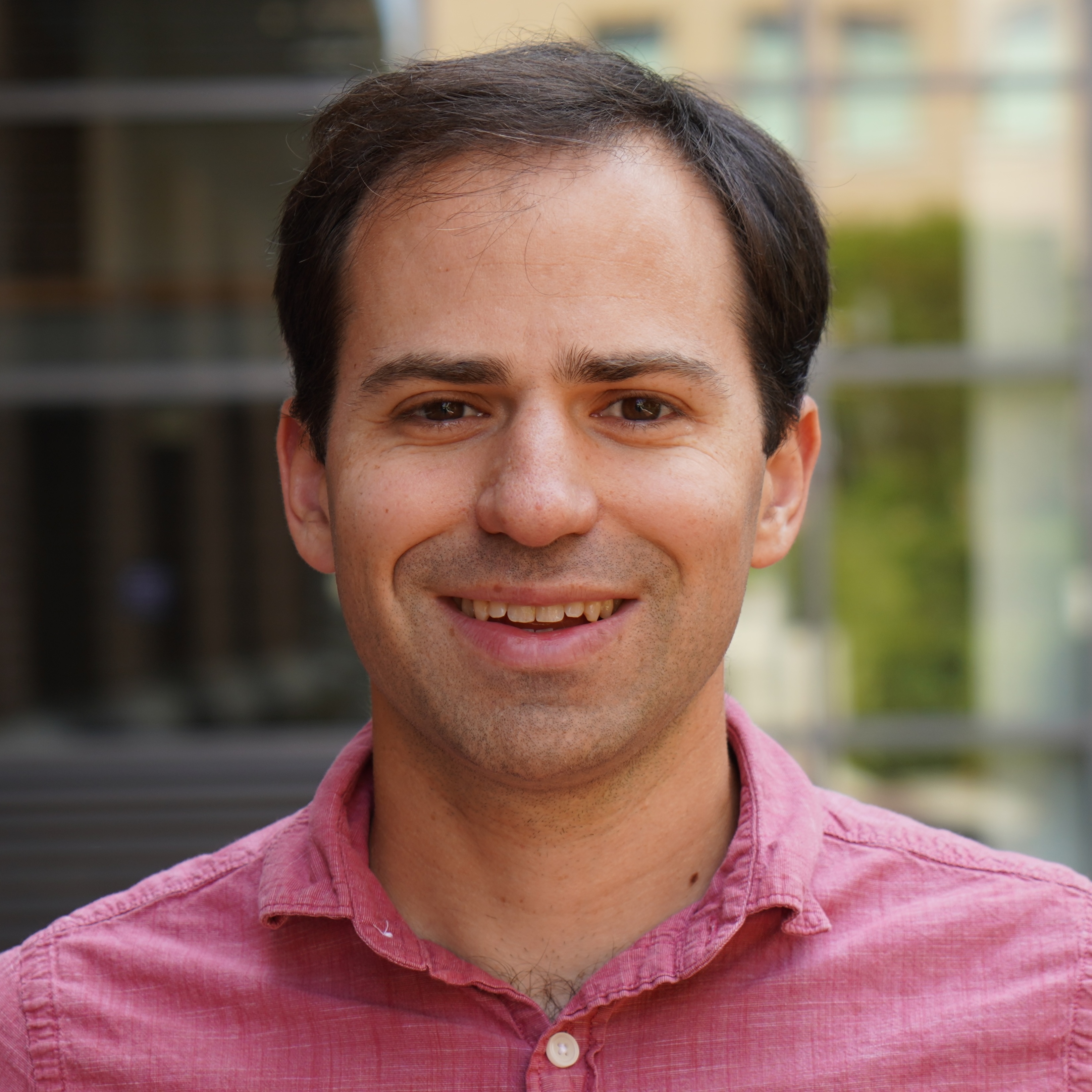
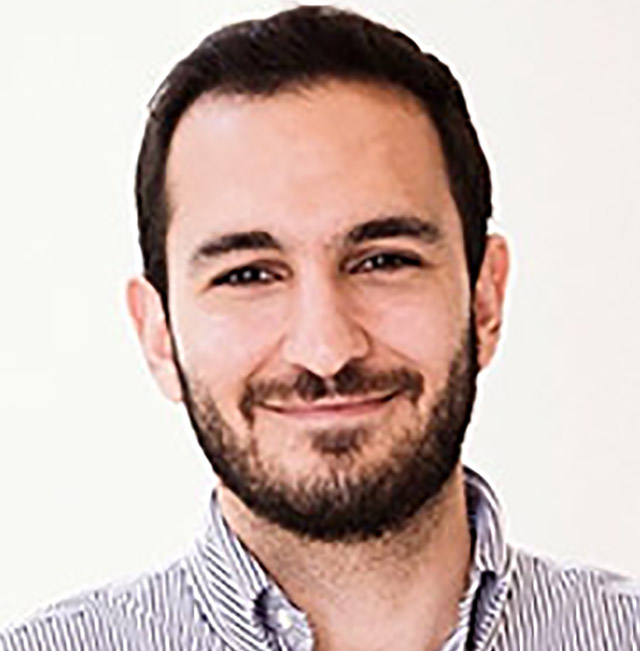
Fadel Adib is an Associate Professor with Tenure at MIT, holding a joint appointment in the MIT Media Lab and the Department of Electrical Engineering and Computer Science (EECS). He leads the Signal Kinetics research group at the Media Lab and is the founder and CEO of Cartesian Systems. His work focuses on novel wireless technologies for sensing and connectivity in challenging environments, including underwater communication, health monitoring, and robotics. Education: B.Sc. from American University of Beirut (2011), M.Sc. and Ph.D. in Computer Science from MIT (2013 and 2016), where he won best thesis awards. His research has led to startups such as Cartesian Systems and Emerald Innovations, addressing applications in climate monitoring, healthcare, and logistics. Research Interests: Underwater backscatter networking, batteryless systems, non-line-of-sight perception, RFID localization, and wireless health monitoring. His innovations include the first battery-free underwater camera and systems for contactless vital signs monitoring. Awards: Sloan Research Fellowship (2021), NSF CAREER Award (2019), ACM SIGMOBILE Rockstar Award (2022), and Technology Review 35 Under 35 (2014). Grants: ONR Young Investigator Award, Google Faculty Research Award. Teams: Signal Kinetics research group at MIT Media Lab. Labs and Projects: Focus on cross-disciplinary initiatives such as wireless mapping (Cartesian Systems), underwater-to-air communication, and implantable medical devices.
Anamaria Crisan is an Assistant Professor at the University of Waterloo, affiliated with the Insight Lab. Her research focuses on interdisciplinary work at the intersection of Human-Computer Interaction (HCI), Data Visualization, and Applied AI/ML. She explores human-centered approaches to AI/ML systems, visualization design for decision-making, and healthcare data science applications. Dr. Crisan holds a PhD in Computer Science from the University of British Columbia (2019), an MSc in Bioinformatics (2010), and a BComp in Biomedical Computing from Queen’s University (2008). Her educational background bridges computer science, biology, and healthcare informatics. Her research interests include responsible AI/ML systems, interactive visualization for data-driven decisions, and leveraging visualization in healthcare to improve outcomes. She emphasizes transparency, trustworthiness, and human alignment in AI technologies. Her work spans diverse applications such as genomic epidemiology, dashboard design, and ethical AI evaluation. Notable contributions include studies on human-AI collaboration, visualization linters, and scalable dashboard census methodologies. She has published widely in top-tier venues like IEEE VIS and ACM CHI. Dr. Crisan’s lab (UW Insight Lab) focuses on human-centered approaches to automating data science and improving visualization practices in critical domains like healthcare and public health.