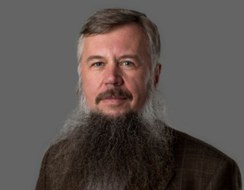
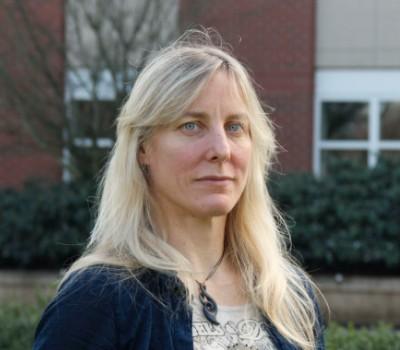
Professor Lucie Cluver is a leading academic in child and family social work at the University of Oxford (Department of Social Policy and Intervention) and an Honorary Professor at the University of Cape Town (Psychiatry and Mental Health). She directs the UKRI GCRF Accelerating Achievement for Africa's Adolescents Hub and co-leads the Global Parenting Initiative , focusing on scalable interventions to prevent violence and improve outcomes for vulnerable youth. Academic Affiliation: Department of Social Policy and Intervention, University of Oxford Key Collaborations: WHO, UNICEF, USAID-PEPFAR, African Union Development Agency Her research spans child protection , adolescent health , violence prevention , and HIV-related social policy . With over 200 peer-reviewed publications, her work combines longitudinal studies and randomized controlled trials (RCTs) across sub-Saharan Africa, Asia, and Europe. Current projects include cash-plus-care models for HIV-positive adolescents, Parenting for Lifelong Health (PLH) program adaptations, and COVID-19 emergency parenting resources reaching over 210 million families globally. Scientific Awards: ERC Public Engagement with Research Award (2024) Fellow of the Academy of Social Sciences (2023) Oxford VC’s Innovation Award (2022) International AIDS Society Excellence in Research with Children Award (2022) UKRI International Impact Award (2021) European Union Horizon 2020 Impact Award Appointed OBE in the King’s Birthday Honours (2025) Professor Cluver supervises a team of current DPhil and MPhil students , including Yvonne Agengo and Diana Mwala, while her previous students like Caroline Kuo and Jamie Lachman hold prominent roles in academia and policy. Her work has secured funding from UKRI , European Research Council , World Health Organization , and Bill & Melinda Gates Foundation .
Natalie Starling is an Associate Professor in the Department of Mental Health Sciences at Southern Connecticut State University, holding dual expertise as a Nationally Certified School Psychologist (NCSP) and Board Certified Behavior Analyst (BCBA) with Connecticut licensure as a Licensed Psychologist (LP) and Licensed Behavior Analyst (LBA). Her academic credentials include a Master’s degree and Sixth Year in School Psychology from Southern Connecticut State University, complemented by a doctoral degree in Educational Psychology from the University of Connecticut. Dr. Starling’s research drives innovation in educational systems through three interconnected pillars: developing data infrastructure for multi-tiered support frameworks, implementing applied behavior analysis for organizational consultation, and advancing leadership models for data-driven decision-making. Her work specifically targets empowerment of educational teams through video-self modeling, positive behavior supports, and cross-disciplinary collaboration to address systemic inequities. Her distinguished service includes: Distinguished Service Award from the Connecticut Association of School Psychologists (CASP) Outstanding Academic Advisor Award from Southern Connecticut State University She was also recognized as a 2012 nominee for Connecticut School Psychologist of the Year and nominee for the J. Philip Smith Outstanding Teaching Award. Current grant leadership includes a 2021-2022 Southern Connecticut State University-funded initiative on curriculum modernization for school psychology programs, emphasizing social justice integration and accreditation compliance. Her advising philosophy cultivates research-practitioners committed to empirical approaches for community advocacy. While institutional lab affiliations aren't specified, her operational framework centers on systems consultation within PreK-12 networks and clinical day treatment programs.
Prof. Dr. Roland A. Müller serves as Department Head of Systemic Environmental Biotechnology at the Helmholtz Centre for Environmental Research - UFZ in Leipzig, Germany, and holds an Honorary Professorship for Integrated Wastewater Resource Management at Leipzig University of Applied Sciences (HTWK) since 2016. With over three decades of experience at UFZ, he has held progressively senior positions including Head of Department SUBT since 2013, Speaker of the Department from 2010-2012, and Head of Infrastructure Unit from 1996-2010. His educational foundation includes university studies in Technical Microbiology at the Carolo-Wilhelmina Technical University of Braunschweig (1984-1990). This technical microbiology background has informed his interdisciplinary approach to environmental biotechnology. Prof. Müller's research pioneers the integration of ecological principles into urban water management systems, particularly focusing on Multifunctional BlueGreen Water Infrastructures for Water Sensitive Cities. His work spans Decentralized Rainwater & Wastewater Treatment, Ecological Engineering, and Resource-efficient Wastewater Treatment systems, with special attention to applications in water-scarce regions like Jordan. He has developed innovative approaches for implementing nature-based solutions that simultaneously address urban flooding, water scarcity, and climate adaptation challenges. His research combines engineering, ecology, and urban planning to create resilient water systems that enhance urban sustainability. Analysis of his recent publications reveals a consistent focus on implementing the 'Leipziger Modell Blau-Grün' - a comprehensive approach to integrated blue-green infrastructure in urban settings. His work demonstrates how nature-based solutions can simultaneously address stormwater management, irrigation needs, and urban greening. A significant portion of his research examines decentralized wastewater treatment systems, with particular attention to their application in arid and semi-arid regions where water resources are constrained. His publications increasingly emphasize participatory planning approaches involving municipal authorities, housing associations, and research institutions to co-design water-sensitive urban developments. 2018: German Environmental Award for solving a central water problem in a decentralized manner in Jordan 2016: Winner of UFZ Knowledge Transfer Award for contributions to Jordanian wastewater policy framework 2014: UFZ Technology Transfer Award for development of vertical filter systems for groundwater purification 2014: Finalist for Hugo Junkers Prize for innovative groundwater purification research Prof. Müller has been instrumental in advising on water policy frameworks, particularly in Jordan where he served as the German representative in the National Implementation Committee for decentralized Wastewater treatment. His work directly influenced the development of national certification standards for wastewater treatment systems with capacities up to 5,000 PE in Jordan. He leads the 'Leipziger BlauGrün' project, a German model city initiative for resource-efficient urban districts that demonstrates practical implementation of his research concepts. His department collaborates with international partners on projects addressing water challenges across diverse climatic conditions. As head of the Systemic Environmental Biotechnology department at UFZ, Prof. Müller oversees research at the intersection of environmental engineering, microbiology, and urban planning. His department is actively involved in the Technical Biogeochemistry Integration Platform, which focuses on 'Tapping Nature's Potential' for sustainable water management solutions. The department maintains strong international partnerships, particularly with institutions in water-stressed regions, to develop and implement decentralized wastewater management concepts that are both scientifically sound and practically implementable in resource-constrained settings.
Christopher Raymond is a Professor of Sustainability Science at the University of Helsinki, where he is based at the Ecosystems and Environment Research Program within the Helsinki Institute of Sustainability Science (HELSUS). He is also affiliated with the Department of Economics at the University of Helsinki and leads the transdisciplinary Human-Nature Transformations Research Group. Raymond serves as Executive Director of the International Association of Society and Natural Resources and Director of the Enabling Multispecies Transitions of Cities and Regions (MUST) Strategic Research Council Project. His research group hosts over 15 researchers committed to "Transforming human-nature relationships for a just, healthy and sustainable future." PhD in Philosophy, University of South Australia (2012) BAppSc (Honours) in Environmental Management, University of South Australia (2005) Guest Professor, Swedish University of Agricultural Sciences (2019-2021) Professor Raymond's research focuses on conceptualizing and assessing the diverse values of nature and finding new ways to embed them into sustainability transformations. His work examines innovative approaches to represent and engage diverse communities (including other species) in nature-based solutions planning in urban areas. He has authored seminal works on Senses of place, socio-cultural valuation of Ecosystem services, and served as Coordinating Lead Author of the IPBES Values Assessment, where his team co-created "an inclusive typology of values for navigating Transformations towards a just and sustainable future." His research contributes significantly to urban and regional planning, biodiversity conservation, restoration planning, Sustainability science, and human geography. Raymond's recent publications demonstrate a strong focus on multispecies justice, urban nature-based solutions, and the integration of diverse values into sustainability governance. His work increasingly examines the temporal dimensions of urban green infrastructure, the role of listening in interdisciplinary scholarship, and the application of role-playing for justice awareness in educational contexts. A consistent theme across his recent work is the exploration of how to better incorporate relational values and justice considerations into environmental policy and planning, particularly in urban contexts where climate, biodiversity, and human health intersect. World's Most Cited Scholar (2019) World's Most Cited Scholar (2020) Professor Raymond serves as Supervisor in the Doctoral Programme in Interdisciplinary Environmental Sciences and has supervised Master's theses for students including Juulia Lehtinen and Anna Ahdekivi. His research is supported by numerous grants including GREEN TALENT (2025-2029), GoGreenNext (2024-2028), MUST (2023-2026), and CO CARBON (2023-2026) projects. These projects focus on urban sustainability transitions, carbon sequestration in urban green infrastructure, and multispecies justice in nature-based solutions. Raymond leads the Human-Nature Transformations Research Group, which actively engages in the Helsinki Institute of Sustainability Science (HELSUS) and carries out research through collaborative projects including MUST, Transformative Cities, RECONNECT, GO GREEN NEXT, GREEN TALENT and SusTra Doctoral Pilot. The group utilizes acoustic recorders for long-term socio-ecological monitoring across Finland as part of their research infrastructure.
Katrina Ortblad serves as Assistant Professor in the Cancer Prevention Program within the Public Health Sciences Division at Fred Hutchinson Cancer Research Center. She also holds an Affiliate Assistant Professor appointment in the Department of Global Health at the University of Washington. Her educational background includes a ScD in Global Health and Population from Harvard T.H. Chan School of Public Health (2018), an MPH in Global Health Metrics and Evaluation from the University of Washington (2013), and a BA in Human Biology with Environmental Studies from Dartmouth College (2010). She completed postdoctoral research at the University of Washington Department of Global Health in 2020. Dr. Ortblad specializes in implementation science focused on improving health access equity through differentiated models of HIV service delivery in high-prevalence settings. Her research integrates epidemiology, economics, public policy, psychology, and implementation science methodologies. She primarily investigates innovative models for HIV pre-exposure prophylaxis (PrEP) delivery in Africa, applying qualitative research and stakeholder engagement to refine these models before testing them in pilot studies and implementation trials. Her recent publications demonstrate a consistent focus on optimizing PrEP delivery through HIV self-testing, with studies showing that six-month PrEP dispensing supported by interim HIV self-testing can halve clinic visits while maintaining equivalent HIV testing, PrEP refilling, and adherence compared to standard quarterly clinic visits. Her work particularly emphasizes improving access for young women in Kenya. Dr. Ortblad's research program includes several ongoing projects in Kenya: a randomized trial exploring HIV self-testing to decrease PrEP clinic visits; a study designing and testing pharmacy-based PrEP delivery; and research on peer PrEP referral with HIV self-testing to increase PrEP uptake among young women. Her work has significant implications for public health policy in resource-limited settings.
Stephan A. Jansen serves as Professor of Management, Innovation & Finance and Director of the Center for Philanthropy & Civil Society (PhiCS) at Karlshochschule in Karlsruhe, alongside holding a professorship in Urban Innovation – Health, Mobility, Digitization at the College of Fine Arts Berlin. He concurrently acts as founding coordinator of the Digital Urban Center for Aging & Health (DUCAH) and associated researcher at the Alexander von Humboldt Institute for Internet & Society (HIIG). His academic foundation was established at the University of Witten/Herdecke where he completed studies in 1997 and earned his doctorate in 2003 under Prof. Dr. Dirk Baecker, Prof. Dr. Birger Priddat, and Prof. Dr. Rudolf Wimmer. This institution also hosted his founding of the Institute for Mergers & Acquisitions (IMA), recognized as University Innovation of the Year. Operating through sociological systems theory and behavioral organization theory frameworks, Jansen's research critically examines organizational networks, digital transformation, and urban innovation systems. His current work pioneers intersections between health infrastructure, sustainable mobility solutions, and digital citizenship in aging societies, emphasizing practical applications for resilient city design and post-digital humanism. This manifests in initiatives like DUCAH's technology-integrated aging environments and analyses of mobility-as-a-service ecosystems. His recent publications reveal a concentrated exploration of post-pandemic urban restructuring, particularly examining how digital tools reshape aging experiences and mobility patterns. Key thematic clusters include human-centered digital evolution (Humanism 5.0), health-oriented urban mobility systems, and resilient supply chain reconfiguration - all demonstrating his commitment to translating theoretical frameworks into tangible urban solutions. Notable recognitions include: University Innovation of the Year award from Federal Minister Edelgard Buhlmann German Bicycle Award 2020 for corporate mobility innovation Inclusion in Thinkers 50 global ranking since 2016 His advisory ecosystem spans federal policy (Federal Chancellor's Innovationsdialog, Federal Ministry of Education and Research's Forschungsunion), corporate strategy (AUDI, BASF, Bayer), and nonprofit leadership (Caritas, GIZ). Supported by two decades of scholarship funding from Herbert Quandt-Foundation, Fullbright, and German Academic Exchange Service, he mentors emerging scholars through institutional frameworks while directing PhiCS's philanthropic research agenda. Jansen anchors his operational infrastructure through DUCAH's interdisciplinary aging-tech research hub and co-founded "Das 18te Kamel & Komplizen GmbH" (The 18th Camel & Accomplices), which implements digital-social transformation projects across Berlin, Hamburg, and Vienna for major clients including Lufthansa and Otto Group. His BICICLI Holding GmbH venture operationalizes urban mobility concepts through award-winning corporate bike-sharing systems.
Despina Kontos, PhD is the Herbert and Florence Irving Professor of Radiological Sciences at Columbia University Irving Medical Center (CUIMC), with appointments in the Department of Radiology and the Herbert Irving Comprehensive Cancer Center. She serves as the Chief Research Information Officer for CUIMC, Vice Chair of Artificial Intelligence and Data Science Research in the Department of Radiology, and Director of Biomarker Imaging at NewYork-Presbyterian Hospital. Additionally, she holds appointments in the Departments of Biomedical Informatics and Biomedical Engineering. Dr. Kontos received her educational training from prestigious institutions: BS in Engineering from the University of Patras, Greece MSc and PhD in Computer and Information Sciences from Temple University Postdoctoral training in Radiology at the University of Pennsylvania Certificates in Biostatistics and Epidemiology from UPenn, Cancer Biology from Harvard, and AI for Decision Making from Wharton As a computer scientist with expertise in artificial intelligence and machine learning, Dr. Kontos focuses on developing computational methodologies to leverage imaging as quantitative biomarkers for personalized disease prediction, particularly in cancer. Her research program investigates how imaging data can be mined to extract sophisticated phenotypic signatures with diagnostic, prognostic, and predictive value. While her primary focus has been on breast cancer, her lab also pursues related research in lung cancers, evaluating the integration of CT radiomic features with liquid biopsy data to characterize tumor heterogeneity. Dr. Kontos founded and directs Columbia University's Center for Innovation in Imaging Biomarkers and Integrated Diagnostics (CIMBID), a multidisciplinary center dedicated to developing and integrating quantitative imaging and non-imaging biomarkers for personalized disease prediction. Through CIMBID, she has built a vibrant scientific ecosystem that brings together expertise across Columbia's campuses, linking basic science, engineering, clinical medicine, public health, and health services research. Analysis of Dr. Kontos's publication record reveals a strong focus on applying AI and machine learning to biomedical imaging, particularly for cancer risk prediction and personalized treatment. Her work demonstrates a progression from foundational methodological development to clinical translation, with increasing emphasis on multi-modal biomarker integration. Recent publications show expansion into new disease areas including Alzheimer's disease prediction, while maintaining her strong focus on breast and lung cancer applications. Dr. Kontos has received significant recognition for her contributions to the field: Academy for Radiology and Biomedical Imaging Research Distinguished Investigator Award (2020) Eastern Cooperative Oncology Group - American College of Radiology Imaging Network ECOG-ACRIN Young Investigator Award of Distinction for Translational Research (2014) Dr. Kontos has been highly successful in securing research funding, with numerous grants from federal agencies including the National Institutes of Health (NIH) and the Department of Defense (DOD), as well as private foundations such as the American Cancer Society (ACS) and the Radiological Society of North America (RSNA). Her leadership extends to mentoring students and postdoctoral researchers through her roles at CIMBID and the Department of Radiology. As the founding director of CIMBID, Dr. Kontos leads a multidisciplinary team that includes the Computational Imaging Biomarker Group (CBIG), the Laboratory of AI and Biomedical Science (LABS), and several other affiliated research labs. The center leverages Columbia's institutional strengths in engineering, data science, and clinical medicine to advance personalized healthcare through AI and imaging technologies.
Siddhartha Roy is an Assistant Professor in the Department of Environmental Sciences within the School of Environmental and Biological Sciences at Rutgers University. His research focuses on water quality and treatment, public health, environmental epidemiology, and international development, with particular emphasis on lead contamination issues and the Flint Water Crisis. Dr. Roy earned his PhD from Virginia Tech and has established himself as a leading expert in drinking water safety and environmental justice. His research interests center on understanding water infrastructure failures, developing solutions for lead contamination, and examining the public health implications of water quality issues. Roy employs a transdisciplinary approach that combines laboratory research, field studies, citizen science, and policy analysis to address complex water quality challenges, particularly in underserved communities and low-resource settings. His work bridges engineering, public health, and social sciences to create practical solutions for water safety issues. Dr. Roy's publication record demonstrates consistent contributions to understanding lead contamination, corrosion mechanisms in water systems, and the public health impacts of water quality issues. His research shows a clear trajectory from technical investigations of water infrastructure failures to broader examinations of policy implications, ethical considerations in environmental engineering, and the psychological impacts of environmental crises. His work on the Flint Water Crisis has been particularly influential in shaping national conversations about drinking water safety. Virginia Tech 2017 Graduate Student of the Year Top 100 'Sustainability' papers of 2023 Featured in Physics Magazine for highly cited work Featured in Mayo Clinic Press' 2024 Book 'The Nocebo Effect' Recognized as 'Rising Star of the Water Industry' Authored paper that became 'Most Read' in Environmental Engineering Science journal's history (250,000+ downloads) Dr. Roy actively mentors students through research opportunities and has developed a 'Public Inspired Science' graduate training program. His laboratory receives funding from multiple sources including NIEHS, Rutgers SEBS, and USGS. He has been instrumental in connecting research findings to policy recommendations and public awareness through extensive media engagement, congressional testimony, and community outreach. His TEDxVirginiaTech talk 'Science in service to the public good' has garnered over 1.1 million views and exemplifies his commitment to applying scientific knowledge for societal benefit.
Lauri Wessel serves as a Full Professor at the European University Viadrina in the European New School of Digital Studies located in Frankfurt (Oder), Germany. Previously, he held a position as Assistant Professor of Information Systems and Organization at Freie Universität Berlin from December 2014 to November 2016. His research and teaching activities are centered in the domain of digital transformation, with particular emphasis on practical implementation challenges faced by organizations across various sectors including healthcare, public administration, and business enterprises. Professor Wessel's research interests span multiple interconnected domains including digital transformation theory and practice, information systems development, organizational theory, innovation management, and data governance. His work demonstrates particular strength in bridging theoretical frameworks with practical applications, especially in healthcare settings where digital transformation presents unique challenges. He has developed expertise in understanding how organizations navigate the complex process of digital change, with recent focus on resilience during geopolitical disruptions and the secondary use of health data for value creation. Analysis of his publication record reveals consistent scholarly output with a clear evolution toward practical applications of digital transformation concepts. His recent work shows increasing attention to healthcare contexts, data quality challenges in repurposed data systems, and organizational responses to major disruptions. Notably, he has contributed multiple minitrack introductions to the HICSS conference series on 'Making Digital Transformation Real,' indicating his leadership in framing practical approaches to digital transformation challenges. His research often employs practice-based and processual perspectives to understand how digital transformation unfolds in real organizational settings. Professor Wessel actively collaborates through Martin Gersch's Lab and maintains an extensive network of co-authors across European institutions. His publication record of 52 works with over 36,000 reads and 1,382 citations demonstrates significant impact in the information systems and digital transformation research communities. His work frequently addresses how professional practices mediate digital transformation processes, with particular attention to healthcare contexts where transformation faces unique institutional and professional challenges.
Dr. Alison Clune Berg is an Associate Professor and Extension Nutrition and Health Specialist at the University of Georgia's College of Family and Consumer Sciences. She holds a PhD, MS, and BS in Foods and Nutrition from UGA, graduating in 2015, 2009, and 2007 respectively. Her research evaluates community nutrition education programs to prevent chronic diseases like obesity, cardiovascular disease, diabetes, and cancer, with a focus on implementing evidence-based interventions through the Cooperative Extension model. Education: PhD, MS, BS in Foods and Nutrition from University of Georgia Current Role: Associate Professor and Extension Nutrition and Health Specialist Dr. Berg specializes in chronic disease prevention through community nutrition education, implementation science, and translational research. Her work includes the National Diabetes Prevention Program (DPP) and Cancer Prevention initiatives. She bridges academic research with real-world health promotion, particularly in rural Georgia. Recent projects analyze dietary behavior change, program feasibility, and health equity in underserved populations. Her recent publications (2023-2025) span implementation science, diabetes prevention, rural community health, and adolescent nutrition education. Awards include the 2024 Chris Todd Outstanding Outreach Award, multiple 2024 Georgia Extension Association first-place awards for curriculum development, and the 2023 D.W. Brooks Excellence in Extension. She has authored or co-authored 20+ peer-reviewed articles and extension publications, including peer-reviewed guides on nutrition labels, diabetes management, and cancer prevention. Scientific honors include: 2024 Chris Todd Outstanding Outreach Award 2024 Georgia Extension Association Team Awards 2023 D.W. Brooks Excellence in Extension 2022 NEAFCS National Educational Awards 2019 Educational Curriculum Package Awards Dr. Berg collaborates with county extension agents, leads state-wide nutrition programs like Cooking for a Lifetime of Cancer Prevention, and mentors graduate students. She supervises research through courses like NUTR 7000/9000 and guest lectures on nutrition-disease relationships.
Prof. Gerhard Weber holds the Chair in Human-Computer Interaction at Technische Universität Dresden, Germany. Previously, he served as Chair for Human-Centered Interfaces at Christian-Albrechts-Universität zu Kiel (2000–2007) and Professor for Operating Systems and Graphical User Interfaces at Harz University of Applied Sciences (1996–2000). His research focuses on accessible computing, assistive technologies, haptics, and multimodal interaction. Key projects include development of tactile charts (SVGPlott), robotic guidance systems (HapticRein), and indoor navigation solutions for visually impaired users. Current work explores voice interfaces for social robots, autism-inclusive technologies, and accessibility maturity models for higher education institutions. Over 70 publications span conferences like CHI, IEEE, and ACM, emphasizing practical applications in assistive tech. Education & Professional Journey: 2007–Present: Chair in Human-Computer Interaction, TU Dresden 2000–2007: Chair for Human-Centered Interfaces, Kiel University 1996–2000: Professor of Operating Systems and GUIs, Harz University Research Interests: Prof. Weber's work bridges theory and practice in accessibility, emphasizing tactile interfaces, inclusive design, and assistive robotics. Recent projects include: Mosaik : Enabling blind users to create and share graphics via audio-tactile tools Cloud4All : Personalized web accessibility solutions Range-IT : Real-time object detection for navigation aids Advising & Grants: Managed €3.2M in EU and national grants (2011–2020) Supervised 12+ graduate projects on assistive tech Labs & Teams: Leads TU Dresden's Human-Computer Interaction Lab, collaborating with industry partners like Siemens and rehabilitation centers to deploy assistive systems in real-world settings.
Dr. Richard Duncombe is a Senior Lecturer at the Global Development Institute, University of Manchester. He specializes in Information and Communication Technologies for Development (ICT4D), focusing on mobile technologies, agricultural development, and ICT innovation systems in developing countries. His work contributes to the UN Sustainable Development Goals, particularly in poverty alleviation and sustainable development. Education: B.Sc (Hons) in Society and Technology, Middlesex Polytechnic M.Sc in Science Policy, University of Sussex PhD in ICT4D, University of Manchester (DFID-sponsored) Research Interests: Mobile phones and rural development (M-development) ICT innovation systems and university-industry links E-commerce in Africa and South Asia Impact of ICT on small enterprises Consultancy & Roles: Consultant for DFID, UNIDO, UNCTAD, and World Bank External PhD examiner in UK, Africa, and Australia Coordinator of international research projects in India and Uganda Labs & Teams: Member of the Development Informatics Group, the UK's largest ICT4D research group.
Teo Hock Hai is Provost's Chair Professor of Information Systems at the National University of Singapore's School of Computing, serving as Director for Humanities & Social Sciences Research in the NUS Office of the Deputy President. He previously headed the Department of Information Systems (2008-2015) and served as Vice-Dean for Corporate Communications. He holds PhD, MSc, and BSc degrees in Computer and Information Sciences from NUS. His research integrates Health Informatics , Digital Transformation , and Open Innovation , with current projects including multilingual dementia detection tools, AI-powered smoking cessation platforms, diabetes management apps, and crew fatigue prediction systems. His work emphasizes the design of IT artifacts to improve health outcomes, decision-making, and educational systems. His publications focus on AI applications in healthcare decision-making, behavioral responses to environmental data, digital platform architectures, and gamification strategies. Recent work examines AI's role in diagnostic workflows, pollution impact on exercise behavior, and emotion-driven information diffusion during health crises. Awards include the Information Management Research Award MIS Quarterly Reviewer of the Year (2004) Multiple best paper awards at international conferences He leads projects funded by national agencies and industry partners including Singapore Airlines, focusing on healthcare AI and digital resilience. He teaches doctoral courses on contemporary IS theories and mentors graduate researchers in health informatics and digital innovation.
Karin Ingold is a Full Professor at the University of Bern’s Institute of Political Science and leads the Policy Analysis and Environmental Governance (PEGO) research group, affiliated with EAWAG’s Social Science Department. She holds concurrent roles as Vice-President of the Oeschger Centre for Climate Change Research and President of Proclim (Swiss Climate Science Forum). Her expertise spans public policy, climate resilience, and environmental governance, with a focus on policy process theories like the Advocacy Coalition Framework and social network analysis. She has held academic positions since 2011, advancing from Assistant to Full Professor, and previously worked at ETH Zurich and UC Davis. Ingold’s research emphasizes policy design, climate policy instruments, and interdisciplinary collaboration. She co-leads the FarmCoSwiss health cohort and serves on editorial boards for journals like Policy Studies Journal and Journal of Public Policy . Her honors include the 2018 Theodore Lowi Award and the 2013 Swiss Academies Award for transdisciplinary research. Ingold’s work bridges academia and policy, addressing climate change adaptation, energy transitions, and water governance. She collaborates internationally on projects like the Mountland CCES initiative and contributes to Swiss federal climate policy through Proclim.
Cindy Grimm is a Professor and Graduate Program Director in the School of Mechanical, Industrial, and Manufacturing Engineering at Oregon State University (OSU), part of the College of Engineering. She is affiliated with the Robotics group, Human-Centered Computing, and Graphics and Visualization. Her research focuses on robotic grasping and manipulation for agricultural applications, ethics in robotics, and interdisciplinary projects such as 3D modeling, medical imaging segmentation, and bio-inspired sensor design. Education: Ph.D. in Computer Science, Brown University, 1996 M.S. in Computer Science, Brown University, 1992 B.A. in Computer Science and Art, University of California, Berkeley, 1990 Research Interests: Dr. Grimm’s work bridges computer science and robotics, emphasizing practical applications in agriculture and ethics. Key areas include robotic fruit harvesting systems, human-robot interaction, and the development of perception-driven algorithms for complex tasks like tree pruning and object manipulation. Her earlier projects explored surface modeling, bat sonar patterns, and 3D sketching interfaces. Publications: Her recent work addresses challenges in autonomous orchard management, robotic gripper design, and public understanding of service robots. Themes include precision agriculture, grasp planning, and sociotechnical aspects of robotics adoption. Awards: Recipient of the NSF CAREER Award, recognizing her contributions to robotics and interdisciplinary research. Service: Leads the Robotics graduate program at OSU, emphasizing ethical and technical training. Collaborates with the Collaborative Robotics and Intelligent Systems Institute (CoRIS) to advance robotics applications. Labs/Teams: Active in the CoRIS Institute, focusing on collaborative robotics and real-world robotic systems. Her lab develops hardware-software solutions for agricultural robotics and human-centered robotic interfaces.