Professor Aideen Sullivan is Head of the Department of Anatomy and Neuroscience at University College Cork (UCC). With a career spanning over two decades at UCC, she leads research on neuroprotective therapies for Parkinson's disease, focusing on growth factors, stem cell applications, and epigenetic mechanisms. She established Ireland's first BSc in Neuroscience and co-developed the cross-College BSc in Medical and Health Sciences (CK707). BSc (First Class Honours) in Pharmacology, University College Dublin (1992) PhD in Neuropharmacology, University of Cambridge (1995) Her research program investigates Parkinson's disease through five key themes: viral vector delivery of neurotrophic factors, molecular mechanisms of neuroprotection, biomarker discovery, neuronal degeneration models, and stem cell-based treatments. She has secured significant grants from Health Research Board, Enterprise Ireland, and the Wellcome Trust. Recent publications (2022-2020) emphasize epigenetic regulation (HDAC inhibitors), microbiome-gut-brain axis interactions, and novel neurotrophic strategies. Articles highlight GDF5's neuroprotective effects, miRNA modulation, and molecular pathways like BMP-Smad and p38-MAPK. Scientific awards include: Postgraduate Certificate in Teaching and Learning (UCC, 2006) FETAC Certificate in Peer-Mentoring (2010) Leadership Foundation Aurora Programme Scholarship (2015) Over €2 million in research grants She mentors undergraduate and postgraduate students, chairs UCC's Athena SWAN 'Flexible Working' group, and serves as Editor-in-Chief of Neuronal Signaling . Her work spans laboratory research, public engagement, and educational innovation.
Dr. Benjamin Evans is an Assistant Professor in Computer Science & AI (Informatics) at the University of Sussex , affiliated with the School of Engineering and Informatics . His research integrates computational neuroscience and artificial intelligence, focusing on biologically inspired neural networks. Current Position: Assistant Professor, Department of Informatics, University of Sussex Previous Roles: Research Associate at University of Bristol, University of Exeter, Imperial College London, and University of Oxford Education: DPhil in Computational Neuroscience (University of Oxford), MSc in Intelligent Systems (UCL), BA in Experimental Psychology (Oxford) His research centers on how neural systems self-organize to produce intelligent behavior, studied through both biological and computational modeling. He investigates spiking neural networks , convolutional neural networks , and the role of biological constraints in enhancing AI robustness and human-like perception. He is particularly interested in how spike-based information processing contributes to adaptive cognition in noisy environments. His recent publications reveal a strong trend in evaluating deep neural networks as models of human vision, questioning their biological plausibility while proposing bio-inspired improvements. He also works on optogenetics simulation (e.g., PyRhO platform), developmental biology modeling , and reproducible data science through containerization tools like Docker. His scientific contributions have been recognized through publications in high-impact journals such as Nature Communications , PLoS Computational Biology , and Behavioral and Brain Sciences . EPSRC Grant: "Exploring the multiple loci of learning and computation in simple artificial neural networks" (2023–2024) EPSRC Grant: "Using ant biology and natural environments to enhance models of vision and robot navigation" (2022–2026) Dr. Evans actively contributes to open science through GitHub repositories (e.g., PyRhO, DPE, BioNet) and promotes reproducible research. He has no listed advisees in the provided data, but leads funded research projects involving junior researchers. He is a core member of the Informatics research group at Sussex, contributing to both AI and neuroscience domains.
Dr. Faisal Mohd-Yasin is a Senior Lecturer in the School of Engineering and Built Environment at Griffith University, specializing in Electrical and Electronic Engineering. He has been with Griffith University since 2010, initially as a Lecturer (2010-2016) and promoted to Senior Lecturer in 2017. He is also a member of the Queensland Quantum and Advanced Technologies Research Institute (QUATRI) since 2025. His research spans microelectronics, MEMS technology, compound semiconductors, and electronic sensors/instrumentation, with particular expertise in silicon carbide-based devices for harsh environments. Dr. Mohd-Yasin holds dual PhD qualifications: a Doctor of Philosophy (Engineering) from Multimedia University, Cyberjaya, Malaysia (2014) and a PhD in Engineering from Ibaraki University, Hitachi, Japan (2009). His educational background provides a strong foundation for his interdisciplinary research that bridges semiconductor physics, sensor technology, and electronic circuit design. His research interests focus on Microelectromechanical systems (MEMS), compound semiconductors (particularly $$ ext{SiC}$$), electronic sensors, and electronic instrumentation. He has made significant contributions to the development of silicon carbide MEMS devices for harsh environments, piezoelectric energy harvesters, and noise analysis in microelectronic systems. His work has important applications in sustainable cities (SDG 11), health and well-being (SDG 3), and clean energy (SDG 7). Analysis of his recent publications reveals a strong trend toward MEMS sensor technology, particularly silicon carbide-based devices for harsh environments, and noise analysis in piezoelectric sensors. His research also demonstrates a growing interest in engineering education, with several publications on practical electronics teaching methods. The publications span electrical engineering, sensor technology, energy harvesting, and engineering education, reflecting his interdisciplinary approach to research and teaching. Dr. Mohd-Yasin has successfully supervised multiple doctoral and masters students through completion, including Utkarsh Jadli (PhD on Parasitic Capacitances of Power Transistors), Siti Aisyah Zawawi (PhD on MEMS capacitive microphone), Mei Kum Khaw (PhD on magnetically actuated droplets), Abid Iqbal (PhD on AlN thin films), Noraini Marsi (PhD on MEMS pressure sensors), and Kai Meng Mui (Masters on Power management IC). He has also secured numerous research grants totaling over $1.5 million from various sources including Griffith University, Innovative Manufacturing CRC, IRU, and Malaysian research councils. He is actively involved in professional service as a peer reviewer for the IEEE Sensors Conference series (2015-2025), Micro and Nano Engineering Conference series (2009-2018), and the International Conference on Solid-State Sensors, Actuators and Microsystems (2018-2019). He is also a member of IEEE (Institute of Electrical and Electronics Engineers) since 1997. Dr. Mohd-Yasin's research is primarily conducted through the Queensland Quantum and Advanced Technologies Research Institute (QUATRI), where he collaborates with researchers working on advanced semiconductor technologies and quantum applications. His laboratory work focuses on MEMS fabrication, sensor characterization, and circuit design for harsh environment applications.
Professor Jane Hanrahan is a leading academic in the School of Pharmacy at the University of Sydney, where she holds the rank of Professor in Pharmaceutical Sciences. She has served on the University of Sydney Academic Board since 2002 and chairs the Undergraduate Studies Committee, with prior roles in the Therapeutic Goods Administration Advisory Committee on Prescription Medicines (2013). Her career spans postdoctoral research at Cardiff (1996-97), lectureships in Pharmacology (1997-2002), and progressive promotions to Professor (2014). Education: BSc (Hons), University of Sydney PhD, University of Warwick (UK) Graduate Diploma in Educational Studies (Higher Education) Her research focuses on GABA receptors in anxiety, sleep disorders, schizophrenia, epilepsy, and learning/memory, with an emphasis on synthesizing conformationally restrained GABA analogues and exploring natural products from traditional herbal medicines. Key themes include neuropharmacology, medicinal chemistry, and mental health. Recent publications highlight trends in GABA receptor modulation (11/15 articles), traditional medicine analysis (4/15), and clinical pharmacy applications (4/15). Notable collaborations include work with Chebib, Johnston, and Collins on receptor-specific drug design. Grants and Committees: NHMRC Project Grants (2005-2014) on GABA receptors and neuroprotection Chair of Academic Board Undergraduate Studies Committee Member of Therapeutic Goods Administration Advisory Committee
Rodney C. Austin is a Professor in the Department of Chemistry and Biochemistry at Geneva College, part of the College of Arts and Sciences. He teaches a range of courses including General Chemistry, Organic Chemistry, and Biochemistry, and has developed innovative interdisciplinary curricula focused on global water issues. His educational background includes a Ph.D. in Chemistry from the University of Cincinnati (2000) and a B.S. from Mount Vernon Nazarene College (1992). Dr. Austin's research spans environmental chemistry, biochemistry, and chemical education. He actively involves students in projects such as water quality analysis, phytochrome protein characterization, and pharmaceutical testing. His work emphasizes hands-on, inquiry-based learning through frameworks like POGIL (Process Oriented Guided Inquiry Learning). The recent publications reflect a strong trend in interdisciplinary and student-centered research, combining analytical chemistry with environmental monitoring and pedagogical innovation. Topics include glyphosate impact on bacteria, metal contamination in river sediments, and methods for teaching global water issues. Dr. Austin is active in professional societies including the Protein Society and the Society of Analytical Chemistry of Pittsburgh. He also holds a leadership role in the POGIL movement as chair of the Video Workshop Group and has presented at national conferences such as the Biennial Conference on Chemical Education and the American Chemical Society meetings. He mentors numerous undergraduate students, supervising research on water quality, environmental contaminants, and biochemical methods. His collaborations include the Beaver Falls Municipal Authority and Notre Dame on analytical projects. He has led initiatives integrating biology, chemistry, and mathematics in education and continues to develop pedagogical tools for active learning. Dr. Austin's current research includes isolating and characterizing a unique phytochrome from Pedobacter heparinus , analyzing TTHMs in drinking water, and examining industrial metal levels in local river sediments. He works closely with students in field and laboratory settings, promoting experiential learning and community engagement.
Filipa Sofia Dinis Reis is a prominent researcher at the Instituto Politécnico de Bragança (IPB), specifically within the Department of Agricultural and Food Engineering at the School of Technology and Management. With over 114 publications in the last decade, she has established herself as a leading expert in food science, natural products chemistry, and sustainable food technologies. Her research spans multiple domains including functional foods, mushroom biochemistry, and food waste valorization. Dr. Dinis Reis completed her Master of Biotechnology at the Instituto Politécnico de Bragança, where she was recognized as the best student of her cohort (2008-2010). She later earned her PhD from the Universidad Complutense de Madrid, receiving the Extraordinary Doctoral Prize for her outstanding work. Her educational background provided the foundation for her current research in food science and natural product chemistry. Her research interests focus on identifying and characterizing bioactive compounds in natural sources, particularly mushrooms and plant byproducts. She investigates the antioxidant, antimicrobial, and antiproliferative properties of these compounds, with special emphasis on food waste valorization through circular economy approaches. Her work on apple pomace, walnut biostimulants, and mushroom extracts has significant implications for sustainable food production and health-promoting ingredients. Analysis of her recent publications reveals a clear trajectory toward sustainable food systems, with increasing focus on circular economy applications, food waste valorization, and natural alternatives to synthetic additives. Her research bridges fundamental chemistry with practical food industry applications, particularly in the areas of natural preservatives and functional ingredients derived from agricultural byproducts. Iacobus Program - Stays (2023) Erasmus+ Programme (STT Staff Mobility) (2023) Ideas with potential for innovative pilot projects (2023) Iacobus Program - Scientific papers (2022) CEECIND - Concurso Estímulo ao Emprego Científico Individual (2022) Extraordinary Doctoral Prize from Universidad Complutense de Madrid (2018) PhD Grant from FCT (2015) As Principal Investigator of the CYPonins project (2022-2028), funded by the Fundação para a Ciência e Tecnologia, Dr. Dinis Reis leads research on cypress saponins as bio-based alternatives for high-mortality rate tumors. Her work attracts significant research funding and has practical applications in both the food and pharmaceutical industries, demonstrating the translational potential of her research. She actively collaborates with international researchers, as evidenced by numerous co-authored publications with scientists from various countries. Her laboratory focuses on advanced analytical techniques for characterizing bioactive compounds in natural sources, with particular expertise in chromatographic methods, antioxidant assays, and antimicrobial testing. The research group works at the intersection of food science, pharmacology, and sustainable technology, developing innovative solutions for food waste reduction and natural product utilization.
Catia Pesquita is an Associate Professor in Computer Science at the Faculty of Sciences of the University of Lisbon , where she is also a Senior Researcher at LASIGE and leads the Health and Biomedical Informatics Research Line . With a multidisciplinary background in Biology and Computer Science, she focuses on Artificial Intelligence and Data Science applications in life and health sciences . Her research spans Semantic Web , Biomedical Ontologies , Knowledge Graphs , and Explainable AI , with significant contributions to ontology matching and semantic similarity . Education: PhD in Computer Science - Bioinformatics (2012) MSc in Bioinformatics (2008) Degree in Cell Biology and Biotechnology (2005) Current Projects: KATY (2021-2024): AI-Empowered Personalized Medicine for cancer treatments. BRAINTEASER (2021-2024): AI for ALS and MS disease progression models. Research Outputs: Developed tools like AgreementMakerLight (AML) , KGsim-benchmark , and the Epidemiology Ontology . Over 133 publications with significant citations (32,909 reads, 3,889 citations). Teaching: Lectures advanced topics in Databases , Data Integration , Bioinformatics , and Big Data . Advocacy: Vice-president of Biodata.pt , promoting biological data valorization in Portugal. Actively involved in initiatives to promote computer science careers to young women .
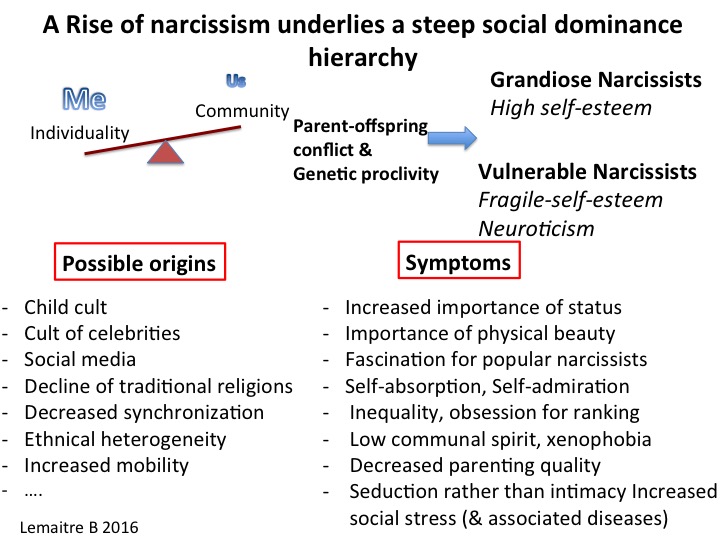
Bruno Lemaitre is a Full Professor at École Polytechnique Fédérale de Lausanne (EPFL), affiliated with the School of Life Sciences and the Global Health Institute (UPLEM). He also contributes to teaching in the Doctoral Program in Molecular and Cellular Life Sciences (EDMS), the School of Humanities (SHS), and the School of Basic Sciences (SV-SSV). He leads the Lemaitre Lab, focusing on immunology and host-pathogen interactions. Full Professor, EPFL – Global Health Institute (UPLEM) Full Professor, EPFL – School of Life Sciences (SV-SSV) Full Professor, EPFL – Doctoral Program (EDMS) Full Professor, EPFL – School of Humanities (SHS) Member, EPFL Committee of Academic Evaluation (CEAE) His research spans immunology, evolutionary psychology, and the sociology of science. Key areas include innate immunity, Toll-like receptors, Drosophila host defense, and the influence of narcissism on scientific success. He has published extensively on how personality traits shape research culture and ethics. The most recent 15 articles reflect a strong interdisciplinary trend, combining molecular immunology with psychological and sociological themes. While early works focus on TLRs and Drosophila immunity, recent publications explore narcissism, obesity, scientific discovery myths, and the cultural impact of personality. This indicates a broadening research scope from molecular biology to the human dimensions of science. Scientific awards and recognitions include: EMBO Member (2007) Bruno Lemaitre supervises a dynamic group of PhD students, both current and past, and is involved in significant educational initiatives, including MOOCs on immunology and authored textbooks. He has also contributed to public discourse through interviews and media appearances. His laboratory, the Lemaitre Lab, is a hub for research on infection and immunity, and he plays a role in academic governance through committee memberships.
Dr. Christoph Müller is a leading scientist at the Potsdam Institute for Climate Impact Research (PIK), Germany, where he has served as working-group leader of the Land Biosphere Dynamics group since 2012. He also co-leads the Global Biosphere and Water Modeling team and acts as the scientist-in-charge for the internationally renowned LPJmL global vegetation and crop model. Additionally, he is Co-lead of the Ag-GRID initiative within the Agricultural Model Intercomparison and Improvement Project (AgMIP) and serves as Topical Editor for Geoscientific Model Development . Education Diploma in Geoecology, University of Potsdam (2002) PhD in Geoecology, University of Potsdam & International Max Planck Research School (IMPRS) (2007) Research Interests Dr. Müller’s research centres on understanding and modelling the interactions between climate, land use, and the biosphere to support sustainable food-system transformations. His work integrates global-scale vegetation and crop models with climate projections, socio-economic scenarios, and observational data to assess: Impacts of climate change and extreme events on crop yields and food security Carbon, nitrogen, and water cycles in managed and natural ecosystems Land-based climate-mitigation strategies and their co-benefits or trade-offs Adaptation options for agriculture under global change He promotes open science and reproducible modelling workflows, exemplified by the LPJmL open-source ecosystem model and associated toolkits. Publication Profile & Trends Since 2014 he has authored or co-authored more than 200 peer-reviewed articles. Recent work (2024-2025) highlights three dominant themes: (1) quantifying underestimated negative impacts of climate extremes on crop yields, (2) assessing the sustainability of large-scale land-based mitigation measures, and (3) advancing model intercomparison frameworks (e.g., AgMIP, ISIMIP) to reduce uncertainty in global yield projections. His studies increasingly integrate economic and health perspectives, examining how dietary shifts and food-system transformations can achieve climate, environmental, and social co-benefits. Scientific Awards & Recognition While no formal awards are explicitly listed, several publications have received notable recognition: “Soil quality both increases crop production and improves resilience to climate change” (Nature Climate Change, 2022) – listed among China’s top ten major advances in agricultural science in 2023. “Large potential for crop production adaptation depends on available future varieties” (Global Change Biology, 2021) – top-downloaded article. “Climate change impacts on global agriculture emerge earlier in new generation of climate and crop models” (Nature Food, 2021) – widely cited in IPCC AR6. Leadership, Grants & Collaboration Dr. Müller leads or co-leads multiple international projects and working groups: Working Group Leader – Land Biosphere Dynamics, PIK Research Department 2 Co-Lead – Ag-GRID, Agricultural Model Intercomparison and Improvement Project (AgMIP) Scientist-in-Charge – LPJmL model development and application Topical Editor – Geoscientific Model Development journal These roles involve coordinating multi-institutional consortia, securing competitive grants, and mentoring early-career researchers. Laboratory & Data Resources Dr. Müller’s “team” is essentially the LPJmL modelling group at PIK, comprising post-docs, doctoral researchers, and software engineers who maintain and extend the LPJmL code-base, develop satellite-data fusion products, and provide model-driven policy support to governments and international organisations such as the IPCC, FAO, and World Bank.
Per Erik Saris is a Professor at the Department of Microbiology, Faculty of Agriculture and Forestry, University of Helsinki. His research spans microbiology, food biotechnology, and functional food development. Research focuses on microbial applications in food systems including probiotic and postbiotic development, fermentation processes, bioactive compound production, and food safety innovations. Key areas include bacteriocin applications, microbial genomics, and sustainable food processing. Recent publications demonstrate advancements in functional foods, novel fermentation techniques, and microbiome interactions with human health. Research integrates microbiology with food science and biotechnology principles. Ongoing projects include Parkinson's microbiome interactions, cereal-based fermented foods for nutrition enhancement, and spray-drying stabilization techniques for probiotics.
Adam Okorski is a Full Professor at the University of Warmia and Mazury in Olsztyn, affiliated with the Department of Entomology, Phytopathology and Molecular Diagnostics within the Faculty of Agriculture and Forestry. He holds a D.Sc. (dr hab.) and is an active researcher in plant pathology and molecular diagnostics. University: University of Warmia and Mazury in Olsztyn Faculty: Faculty of Agriculture and Forestry Department: Department of Entomology, Phytopathology and Molecular Diagnostics Email: adam.okorski@uwm.edu.pl ORCID: 0000-0002-9545-4771 ResearchGate: Profile His research focuses on plant-pathogen interactions, particularly Fusarium species and their mycotoxins in cereal and legume crops. He investigates biological control methods using plant extracts, nanoparticles, and beneficial microbes. His work integrates molecular techniques like qPCR and genomic analysis with field and laboratory studies to improve plant health and food safety. The recent publications highlight a strong trend in developing rapid, non-destructive detection methods for fungal contamination using electronic noses and GC-MS, alongside exploring sustainable alternatives to chemical pesticides. His work also extends to biofertilizers, seed priming, and the impact of agricultural practices on crop health. Adam Okorski has supervised two doctoral students as a co-promoter and is accepting new PhD candidates. He has a robust publication record with over 100 articles, significant citations, and an h-index of 11 on Google Scholar. He is actively involved in research projects related to: Biological plant protection in nurseries Use of plant extracts and nanoparticles in disease control Molecular identification of fungal pathogens Impact of fertilization and agricultural practices on crop health Development of diagnostic tools for mycotoxin-producing fungi
Ana Bastos is a Professor of Land-Atmosphere Interactions at the Institute of Earth System Science and Remote Sensing, University of Leipzig, since May 2024. She has previously held positions as a Research Group Leader at the Max Planck Institute for Biogeochemistry (2020–2024), Research Assistant at Ludwig Maximilian University of Munich (2018–2020), and PostDoc at the Laboratoire des Sciences du Climat et de l'Environnement in France (2015–2018). Her academic journey began with a PhD in Geophysics and Geoinformation Sciences from the University of Lisbon (2015) and an MSc in Energy and Environmental Engineering (2011). Her research focuses on understanding interannual to long-term variability in the global carbon cycle, integrating atmospheric science, ecology, and biogeochemistry from both observational and modeling perspectives. She investigates the links between internal climate variability and ocean-atmosphere-land teleconnections, as well as the impacts of climate extremes on ecosystem functioning and disturbance regimes. Her work often employs Earth observation data and multi-scale modeling to reconcile carbon budgets and improve climate projections. Recent publications highlight her expertise in carbon cycle dynamics, climate extremes, and ecosystem resilience. Key topics include compensatory effects in climate models, deforestation impacts on drought vulnerability, and regional greenhouse gas budget assessments. Her projects, such as ForExD and NextGenCarbon, address forest vulnerability and Earth's carbon balance under climate change. Early Career Scientist Award, Biogeosciences Division, European Geosciences Union (2022) ERC Starting Grant (2022) Elected President of EGU's Biogeosciences Division (2024) Prof. Bastos teaches courses like "Climate and Water" (BSc), "Earth System Components" (MSc), and "Earth System Modeling" (MSc). She is actively involved in initiatives promoting diversity, inclusion, work-life balance, and mental health in academia.
Prof. Dr. Fatma Gulen Iskender is a Professor at the Department of Environmental Engineering of Istanbul Technical University (ITU) , within the Faculty of Civil Engineering . She has held this position since 2007, following promotions from Associate Professor (2001–2007) and Research Assistant (1986–2001). Her work focuses on Biotechnology , Water and Wastewater Treatment , and Sustainability . She has extensive experience in Life Cycle Assessment (LCA) , Advanced Oxidation Processes , and environmental toxicity reduction . Her research includes evaluating water treatment plants' environmental impacts, textile industry wastewater management, and occupational health and safety in manufacturing. She contributes to UN Sustainable Development Goals related to clean water (SDG 6) and responsible consumption (SDG 12). Her research outputs span 37+ publications , with notable works on water treatment plant LCA, ozonation of textile auxiliaries, and toxicity assessment of pharmaceutical effluents. She is affiliated with organizations like TÜBİTAK-ARBIS, Istanbul University Community Medicine, and the Istanbul Women Entrepreneurs Council. Her work emphasizes practical solutions for industrial pollution and sustainable infrastructure.
Dr. Tamar Kohn is a Full Professor at EPFL, leading the Laboratory of Environmental Virology (LEV) within the Institute of Environmental Engineering (IIE), School of Architecture, Civil and Environmental Engineering (ENAC). She holds additional roles as Director of the IIE-GE unit and serves on the ENAC School Direction. Her expertise focuses on environmental virology, waterborne pathogens, and disinfection mechanisms. Education: 2000–2004: PhD in Environmental Engineering, Johns Hopkins University 1999: Diploma in Environmental Sciences, ETH Zurich 2004–2006: Postdoc at UC Berkeley Research Interests: Her work investigates viral behavior outside hosts, particularly in water and air. Key areas include viral inactivation mechanisms, environmental stability of pathogens, and applications in wastewater surveillance. She explores how factors like pH, salinity, organic compounds, and microbial interactions influence virus survival and transmission. Key Contributions: Recent studies highlight aerosol pH's role in influenza stability, bacterial promotion of viral inactivation in lakes, and mpox monitoring via wastewater. Her lab also models virus transport in Lake Geneva under climate change scenarios. Advising & Grants: Supervised over 20 PhD students, including Chaojie Li (2023), Aline Schaub (2024), and Margot Olive (2022). Her research leverages advanced techniques like mass spectrometry and metagenomics for pathogen detection. Labs/Teams: Leads the LEV lab, collaborating on projects combining virology, environmental chemistry, and engineering to combat waterborne and airborne diseases.
João Miguel Rocha is an academic with diverse roles in Food Science and Engineering. He holds a PhD from the University of Lisbon (2011) and a B.Sc. in Biological Engineering from the University of Minho (1991-1996). His career includes positions such as Assistant Professor at the University of Minho (2017-2018), Lecturer at the Instituto Superior de Engenharia do Porto (2023-2024), and Researcher roles at institutions like the University of Helsinki (2000) and Universidade Nova de Lisboa (2011). Currently, he serves as a Technology Valorization Technician at INESC TEC (2024-2025). His research focuses on food microbiology, fermentation processes, and sustainable food systems, with emphasis on sourdough biotechnology, functional foods, and valorization of industry by-products. He has led and contributed to projects such as SOURDOMICS (COST Action CA18101) and NUTRALLERPHEN , exploring dietary polyphenols and microbial metabolites. His work bridges academia and industry, addressing food safety, nutrition, and environmental sustainability. Key collaborations include studies on colostrum, probiotics, and plant extracts for health applications. Education PhD in Food Science and Engineering, University of Lisbon (2011) B.Sc. (5-year) in Biological Engineering, University of Minho (1991–1996) Research Interests Dr. Rocha’s work spans food microbiology , fermentation technology , and nutraceutical development . He investigates microbial communities in sourdough, biopreservation strategies, and the application of food by-products for functional ingredients. His studies on gamma-aminobutyric acid (GABA) formation in legumes and phytochemicals in plants highlight his focus on health-promoting compounds. He also explores life cycle assessment (LCA) for sustainable food systems. Grants & Projects EU-funded SOURDOMICS (2019–2023): Network for sourdough biotechnology innovation NUTRALLERPHEN (2019–present): Dietary polyphenols as allergy prophylactics SAVAGE : Wild fruit nutritional characterization in Morocco Labs & Teams He leads the Food Polyphenol Lab , focusing on extraction and application of bioactive compounds from agri-food by-products. Collaborates with institutions like the University of Helsinki , INESC TEC , and the International Society for Microbial Ecology (ISME) .