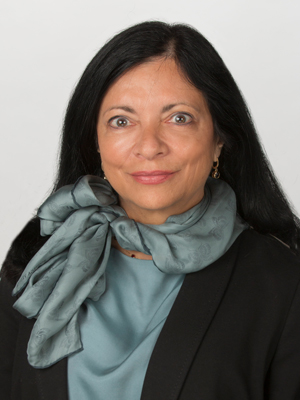
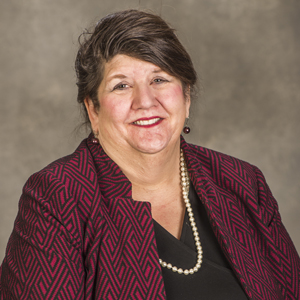
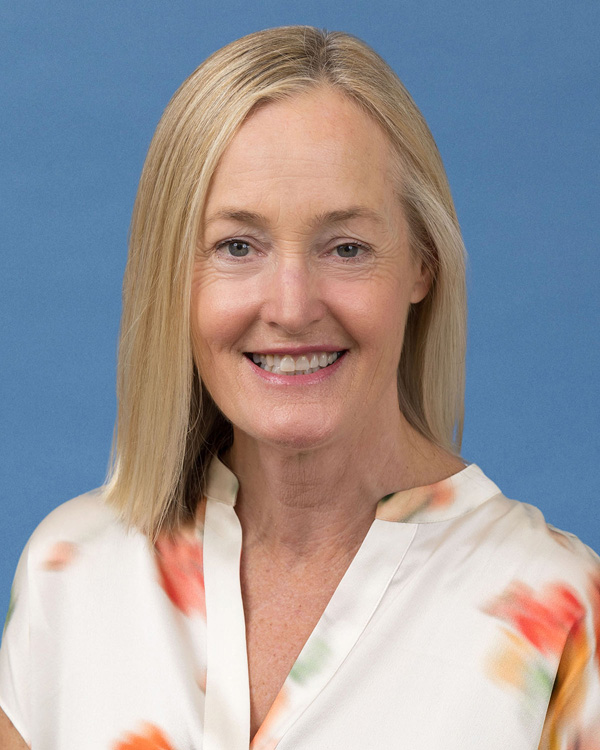
Lori Escallier, PhD, RN, CPNP-PC, FAAN is a Professor and Dean at the College of Nursing, Downstate Health Sciences University. With over 36 years of experience in nursing education, she is recognized nationally for developing innovative mentorship models and educational engagement strategies that have significantly impacted underrepresented and minority nursing students. Academic Qualifications BSN from Salve Regina College (1980) MSN from SUNY Stony Brook (1988) PhD from Adelphi University (1995) Her research focuses on diversifying the nursing workforce, addressing healthcare disparities, and leveraging veteran experiences in academic settings. She pioneered the Veteran to BS Program, translating military experience into academic credit, and co-authored the award-winning RWJF/AACN Transition to Practice Toolkit. Scientific Awards RWJF Innovation Award Above and Beyond Award (2015) Fellow of the American Academy of Nursing (FAAN) Her publications emphasize nurse mentorship, veteran healthcare transitions, and digital tools for reducing disparities. She has secured over $9M in grants from RWJF and HRSA to support these initiatives.
Sarah Billington is the UPS Foundation Professor of Civil and Environmental Engineering at Stanford University and a Senior Fellow at the Woods Institute for the Environment. Her research program focuses on sustainable building design, human wellbeing, and ethical supply chain practices. Education: PhD, University of Texas at Austin, Structural Engineering (1997) MSE, University of Texas at Austin, Structural Engineering (1994) BSE, Princeton University, Civil Engineering & Operations Research (1990) Her lab employs interdisciplinary methods to study how built environments impact human physical, psychological, and social wellbeing. Current projects include developing tools to quantify nature exposure in buildings, exploring affordable housing's role in wellbeing, and using AI to assess forced labor risks in material supply chains. While no longer active in this area, her group previously pioneered research on sustainable construction materials like bio-based composites and ductile cement-based composites. Her recent publications address topics such as nature integration in architecture, workplace design optimization, and health impacts of building materials. The Billington Lab at Stanford fosters collaborative team science, welcoming partnerships to advance occupant-centric engineering solutions.
Dr. Gavin Morris is a Lecturer in Education at Charles Darwin University's College of Education, with over two decades of teaching experience in Australian schools. His academic qualifications include a PhD from Charles Darwin University (2019), Master of Education from University of Sydney (2016), and Bachelor of Education from James Cook University (2000). Morris specializes in Indigenous research methodologies, Health & Physical Education, and Sport Science. His qualitative work focuses on trauma healing, truth-telling, and decolonization practices in Aboriginal communities, particularly using Dadirri (deep listening) methodologies. Recent research explores digital platforms for cultural preservation and community resilience. As a registered postgraduate research supervisor, Morris contributes to undergraduate and postgraduate programs while maintaining active fieldwork in remote Northern Territory communities like Nauiyu at Daly River.
Dr. Elaine T. Jurkowski serves as Professor in Social Work at Southern Illinois University's College of Health and Human Sciences, holding multiple leadership roles including Graduate Program Director (2021-present) and Program Director for Gerontology Programs (2020-present). She maintains cross-appointments as Adjunct Professor in the School of Medicine's Family Practice Residency Program and Professor in the Department of Health Education, demonstrating her interdisciplinary impact. B.S.W. (Industrial Social Work), University of Manitoba, Canada M.S.W. (Policy and Administration), University of Manitoba, Canada Ph.D., Public Health, University of Illinois at Chicago M.B.A., Southern Illinois University Carbondale (2022) Dr. Jurkowski's research program centers on health disparities, access to mental health services, aging, and disability issues, with particular focus on rural populations. Her work bridges public health, social work, and gerontology through innovative approaches to program evaluation, technology-enhanced teaching, and culture change in long-term care settings. She has developed expertise in international health planning and inter-professional collaboration across diverse cultural contexts. Her publication portfolio shows consistent thematic development across decades, with recent work focusing on medical tourism during the pandemic, rural-urban health disparities, and technology applications in gerontology education. These publications reflect her commitment to addressing healthcare access challenges for vulnerable populations through both scholarly inquiry and practical interventions. Great Cities Research Fellow in Health Provost Faculty Fellow (2018) Provost Assessment Fellow (2016) Student Hotspotting certification (2018-present) A.P.M. Assessment Academy certification (2016, 2017) Dr. Jurkowski has successfully secured over $1 million in research funding from agencies including Health Resources and Services Administration, The Hartford Foundation, and Administration on Aging. Her grant portfolio demonstrates sustained commitment to improving services for older adults and people with disabilities, particularly in rural settings. She has served as Graduate Program Director twice (2003-2014, 2021-present), mentoring numerous social work students through their academic and professional development. Her professional activities extend beyond campus through international consulting in West Africa, Hong Kong, India, China, Russia, and Egypt, and community engagement via the "Dare to Care" radio show and board service with Caring Counseling Ministries, Supporting People in Need, and UNA/USA Southern Illinois Chapter.
Zaw Myo TUN is a Research Fellow (Adjunct) at the Saw Swee Hock School of Public Health, National University of Singapore, and serves as Senior Manager (Research and Evaluation) at IRD Global Singapore. His academic career includes roles such as Postdoctoral Fellow (2022) and Research Associate (2013–2021) at the same school. He holds a PhD from NUS (2016–2021), an MSc in Epidemiology from the London School of Hygiene & Tropical Medicine (2011–2012), and an MBBS from the University of Medicine, Mandalay, Myanmar (2003–2008). His research focuses on epidemiology, global health, tuberculosis vaccines, and public health policy. Key interests include maternal vaccination coverage in low-resource settings, hospital-acquired infections (e.g., MRSA), antibiotic resistance, and the ethical implications of pandemic control measures. He has contributed to studies on SARS-CoV-2 transmission dynamics, road traffic injury patterns in Bhutan, and malaria drug policy compliance in India. His publications analyze public perceptions of health policies, such as during the COVID-19 pandemic, and explore factors influencing healthcare behaviors in diverse populations. His work bridges clinical data (e.g., electronic medical records) and population-level health surveillance to inform evidence-based interventions. While no awards are explicitly mentioned, his research has addressed critical global health challenges like tuberculosis control in Myanmar and antimicrobial stewardship in Singapore primary care settings. Zaw Myo TUN’s career emphasizes translational research, linking academic findings to real-world health system improvements. His roles span academia and non-profit sectors, reflecting a commitment to addressing public health disparities through collaborative, policy-driven solutions.
Julienne Bower is a Professor at the University of California, Los Angeles (UCLA) with joint appointments in the Department of Psychology and the Department of Psychiatry/Biobehavioral Sciences. She serves as Director of the Mind-Body Research Lab, Associate Director of the Cousins Center for Psychoneuroimmunology, and as a Member of the Jonsson Comprehensive Cancer Center. Her research explores mind-body interactions in individuals facing stressful life events, particularly cancer patients and survivors, focusing on biological pathways linking psychological states to health outcomes and the effects of mind-body interventions. Ph.D. from UCLA Area Chair: Health Psychology Primary Area: Health Psychology Secondary Area: Clinical Psychology Location: 6538 Pritzker Hall, UCLA Dr. Bower's research examines how positive psychological factors (e.g., benefit finding, positive affect) influence physical health through immune and neuroendocrine pathways, while also investigating mind-body interventions like yoga and mindfulness meditation. Her work spans observational, experimental, and intervention studies, emphasizing the immune system as a central mechanism. The Mind-Body Research Lab, under Dr. Bower's leadership, has published extensively on topics including cancer-related fatigue, stress-induced inflammation, and the physiological impacts of psychosocial interventions. Key publications address NF-κB signaling, glucocorticoid resistance, and cortisol dysregulation in cancer survivors. Dr. Bower's lab is actively recruiting graduate students for 2024 through the UCLA Health Psychology Program, offering training in psychoneuroimmunology, cancer prevention, and mind-body research methodologies.
Abhijit Banerjee is the Ford Foundation International Professor of Economics at MIT and Director of the Abdul Latif Jameel Poverty Action Lab (J-PAL). A 2019 Nobel laureate in Economic Sciences, his research focuses on development economics, political economy, and poverty alleviation. He co-authored influential books like Poor Economics and Good Economics for Hard Times , emphasizing evidence-based policies and randomized controlled trials. Banerjee’s work addresses global challenges such as education, health, and social welfare, with notable contributions to microfinance, public health interventions, and anti-poverty programs. He holds leadership roles in global initiatives like the Global Education Evidence Advisory Panel and has advised governments worldwide. His research spans topics from police resource allocation in India to the impact of information during crises like demonetization and the pandemic. Education: Bachelor’s in Statistics, Presidency College, Kolkata M.A. in Economics, Jawaharlal Nehru University PhD in Economics, Harvard University Key Contributions: Co-founder of J-PAL, promoting evidence-based poverty reduction strategies. Pioneer in using randomized controlled trials (RCTs) for policy evaluation. Research on microfinance, education reforms, and health interventions in developing countries. Awards: Nobel Prize in Economics (2019), Infosys Prize in Social Sciences (2009), Member of the National Academy of Sciences (2020). Grants/Advisory Roles: Collaborations with institutions like the World Bank, UN, and governments on poverty, health, and education policies. Labs/Teams: J-PAL global network, Abdul Latif Jameel Poverty Action Lab.
Vincent Quagliarello, MD, is Professor of Medicine in the Department of Infectious Diseases at Yale School of Medicine, where he also serves as Clinical Chief of Infectious Diseases and Vice Chair for Education and Academic Affairs in the Department of Internal Medicine. His research focuses on infections among older adults, with particular expertise in endocarditis, meningitis, and antimicrobial stewardship in geriatric populations. Dr. Quagliarello has been an NIH R01-funded principal investigator studying infections in older adults and received an NIH K07 Academic Leadership Award to mentor postdoctoral trainees and junior faculty. His publication record demonstrates consistent focus on antimicrobial use in elderly patients, particularly those with advanced cancer, nursing home residents, and end-of-life care scenarios. His research has significantly contributed to understanding appropriate antimicrobial therapy in geriatric populations and the management of infections in complex elderly patients. Scientific Awards: Clinical Teacher Award (2011) from Infectious Diseases Society of America Leah Lowenstein Award (2007) from Yale School of Medicine Department of Internal Medicine Teacher of the Year (1998, 1990) Laureate Award (1997) from American College of Physicians (CT Chapter) Bohmfalk Teaching Prize (1997) from Yale School of Medicine Dr. Quagliarello has served as an educational leader at Yale, directing the Internal Medicine Clerkship, the Yale Infectious Diseases Fellowship program, and creating the Department of Medicine Research in Residency Program. His clinical work spans the spectrum of infectious diseases with a special focus on public health impact.
Jon Singletary serves as Dean and holds the Diana R. Garland Endowed Chair of Child and Family Studies at Baylor University's Diana R. Garland School of Social Work. He joined Baylor in 2003 after earning his PhD in Social Work from Virginia Commonwealth University (VCU), alongside an MSW from VCU and MDiv from Baptist Theological Seminary. His career includes prior roles as Associate Dean (2010–2015) before becoming Dean in 2015. Before academia, Singletary worked as a pastor, community organizer, and social service administrator. His research focuses on strengthening congregational ministries, community development, and advocacy for vulnerable populations. Notable projects include launching the Texas Hunger Initiative and directing the Strengthening Congregational Community Ministries Project. He co-founded the Faith and Service Technical Education Network (FASTENnetwork.org) to bridge faith-based organizations and social service sectors. His publications explore spirituality's role in social work, faith-based program development, and community organizing strategies. Recent work examines career resilience among professionals in aging care and leadership development through Enneagram frameworks. Earlier research addressed child food security, orphan care in Kenya, and rural community capacity building. Singletary's leadership emphasizes integrating faith and practice, evidenced by his edited volumes on Christianity and social work, and his advocacy for competency-based education models. He holds leadership roles in national organizations like the North American Association of Christians in Social Work and has advised global initiatives in Africa.
Dr. Andrew Owusu is a Professor in the Department of Health and Human Performance (HHP) within the College of Behavioral and Health Sciences at Middle Tennessee State University (MTSU), serving as graduate program director for public health. His academic appointments include teaching Foundations in Health Education, Community and Public Health, Epidemiology, and Data Management in Public Health since joining MTSU. His educational credentials include: Ph.D. in Health and Human Performance, Middle Tennessee State University (2004) M.S. in Sports Administration and Management, Wayne State College (1998) B.S. in Biology, University of Alabama (1996) Dr. Owusu's research centers on adolescent health risk behaviors including bullying, sexual risk-taking, and substance use, with specialized expertise in school health policy implementation. His 15-year leadership (2007-2020) of Ghana's Global School-based Student Health Survey (GSHS) and Global School Health Policies and Practices Survey (G-SHPPS) established critical surveillance systems for adolescent health behaviors through collaborations with WHO and CDC. His methodological innovations include classroom response systems for health education and childhood lead poisoning research. Analysis of his 15 most recent publications reveals consistent focus on Ghanaian adolescent health through school-based surveillance, examining sexting, skin-lightening practices, violence victimization, and condom use barriers. His work demonstrates interdisciplinary integration of public health surveillance, policy analysis, and behavioral science to address global adolescent health challenges. Scientific recognition includes: MTSU President Recognition (2008) for significant international research/partnership Feature in 2006-2008 MTSU President’s Biennial Report (pg.11) Dr. Owusu has secured major international collaborations as Ghana's country coordinator for WHO/CDC school health initiatives (2007-2020), directing multi-institutional teams across MTSU, Ghana Education Service, WHO, and CDC. His mentorship extends through graduate program leadership and track coaching, developing 16 NCAA All-American athletes at MTSU while serving as Ghana's Olympic track coach for three consecutive games (2012-2020). The Ghana School-based Student Health Surveillance System (GSSHSS), established under his coordination, represents a sustained partnership model integrating academic research with national public health infrastructure, producing actionable data for school health policy development across Ghanaian educational institutions.
Christopher M EARLS is a Professor in the Department of Psychology at Université de Montréal's Faculty of Arts and Sciences. He specializes in forensic psychology, psychopathology, and behavioral studies with a focus on sexual delinquency and juvenile prostitution. His research explores the intersections of psychopathy, criminal behavior, and mental health comorbidities. He teaches courses including Psychopathology: Introduction across undergraduate programs in psychology, social sciences, and cognitive neuroscience. His academic contributions span over two decades, with notable work on psychopathy assessment, parenting practices in non-criminal populations, and sexual behavior conditioning. Education Affiliations: Université de Montréal (primary) Teaching Programs: Baccalauréat en psychologie, Neuroscience cognitive, Social Work programs Dr. EARLS has directed 10+ theses and mémoires since 1998, focusing on forensic psychology topics like sexual delinquency correlates and psychopathy measurement validity. His work bridges clinical psychology with sociocultural factors, particularly in marginalized populations like sex workers and juvenile offenders. Research Highlights: Clinical assessment tools comparison (paper vs. digital psychopathy scales) Gender differences in psychopathy expression Impact of childhood trauma on sexual interest development Though no formal awards are listed, his extensive publication record reflects sustained contributions to forensic and clinical psychology research.
Elena Agapie is an Assistant Professor in the Department of Informatics at the Donald Bren School of Information & Computer Sciences, University of California, Irvine. Her research lies at the intersection of human-computer interaction (HCI), health, and behavior change, focusing on designing technologies that support individuals in adopting and maintaining healthy behaviors through human-centered approaches. She is affiliated with the Connected Learning Lab and the Institute for Future Health at UCI. Her educational background includes a PhD in Human Centered Design and Engineering from the University of Washington, an MS in Computer Science from Harvard University, and a BS in Computer Science from Jacobs University Bremen in Germany. She has also conducted research at Microsoft Research, FXPAL, Intel Labs, and NASA Jet Propulsion Lab. Elena's research focuses on designing tools that integrate evidence-based behavioral interventions with user needs, particularly in mental health, chronic disease management, and social support systems. She explores how technology can support therapist-client collaboration, enable tailored health interventions, and leverage crowd expertise for personalized behavior change plans. Her work often involves participatory design, qualitative studies, and prototyping of interactive systems for diverse populations, including youth, hospitalized patients, and underserved communities. Her recent publications, primarily in top-tier venues like CHI and CSCW, reflect a strong trend toward social computing in health, longitudinal behavior support, and the design of inclusive digital health tools. Key themes include goal setting, conversational agents, social sharing in health tracking, and cross-disciplinary collaboration in health technology development. Best Paper Award (top 1%) at CHI 2017 Honorable Mention Best Paper Award (top 5%) at CHI 2016 Best Paper Award (top 1%) at HCOMP 2015 Honorable Mention Best Paper Award (top 5%) at CHI 2013 Elena has been funded by the National Science Foundation, National Institutes of Health, and UCI internal grants. She actively mentors PhD students including Bruna Oewel, Meeshu Agnihotri, and Mehreen Masood, and is currently recruiting students interested in HCI, health, and behavior change. She previously led the outreach program in the HCDE department at the University of Washington, creating workshops that introduced K–12 students to engineering and human-centered design, reaching over 2,000 students across public schools and community events. She runs initiatives to broaden participation in computing and advises undergraduate students in outreach and curriculum development. Her lab collaborates with clinical partners and interdisciplinary teams to ensure real-world impact of her research.
Maria José Lisboa Brites de Azeredo is an Associate Professor with Habilitation at Lusófona University, Portugal. She serves as Vice-President of the Centre for Research in Applied Communication, Culture and New Technologies (CICANT) and coordinates the Media Literacy and Civic Cultures Lab (MeLCi Lab). She holds leadership roles in the Portuguese Association for Communication (SOPCOM) and the European Communication Research and Education Association (ECREA). Her academic career spans over two decades, including roles at institutions like Universidade Lusófona do Porto and Universidade Nova de Lisboa. Her education includes a PhD and Habilitation in Communication Sciences from Universidade Nova de Lisboa. She has completed specialized courses in digital education, intercultural dialogue, and pedagogical training from institutions like the University of Edinburgh and the Knight Center for Journalism in the Americas. Brites’ research focuses on youth journalism, audience studies, digital citizenship, and participatory methodologies. She has led projects such as the YouNDigital study (PTDC/COM-OUT/0243/2021) and the SMaRT-EU initiative. Her work has been recognized with awards including the Research Prize (2017, 2020, 2023) and the Gold Medal of Academic Value (2019). She coordinates the Master's Degree in Media and Information Literacy and Digital Citizenship at Lusófona University and has trained educators through initiatives like the Media in Action (MIA) project. Her publications span peer-reviewed journals, edited books, and conference proceedings addressing media literacy, generational media practices, and civic engagement.
Melissa Coyle is a Senior Lecturer at the School of Sport, Exercise and Rehabilitation, Marjon University. She specializes in sport and exercise psychology, focusing on applications in sport science, coaching, physical education, outdoor education, and health and well-being. Her qualifications include HCPC registration as a sport and exercise psychologist, BASES chartered scientist, and BASES-accredited sport scientist (Psychology), alongside a PGCert, MSc, and BSc. Her research explores psychological factors in high-stakes environments, including military training, cancer patient exercise programs, and aging populations. Notable studies include a qualitative evaluation of an 8-week exercise referral program for cancer patients and an investigation into psychological factors in Royal Artillery Army Commando training. She has also examined motivations and barriers to indoor bowls participation among over-65s and mental health transitions in university students. Dr. Coyle has been awarded grants for studies like 'Psychological factors in Army Commando training' and 'Exercise adherence for cancer recovery.' Her publications span journals like Psychology of Sport and Exercise and conferences such as the Association of Applied Sport Psychology. She actively contributes to professional bodies like HCPC and BASES. Her teaching emphasizes practical applications of psychology in sports and health, complemented by research-driven insights. Beyond academia, she is an avid golfer and hill walker.
Daniela Iorio is an Associate Professor at the Department of Economics, University of Bologna, and holds a part-time professorship at the European University Institute’s School of Transnational Governance. She specializes in Political Economy, Health Economics, and Public Economics. Her work addresses topics like voting behavior, eating disorders, reproductive health, and parental investments. She earned a Ph.D. in Economics from the University of Pennsylvania and has held positions at institutions including USC, Universitat Autònoma de Barcelona, and the Barcelona Graduate School of Economics. Her research focuses on health policy, behavioral economics, and political institutions. Notable contributions include analyzing the link between eating disorders and addictive behaviors, evaluating IVF success disparities, and developing parenting measurement tools through digital interventions. She has been awarded the 2016 Oliver E. Williamson Prize and the Rita Levi Montalcini grant. Iorio teaches advanced courses on political economy and health economics at the PhD and master’s levels. She directs the Health Economics, Management and Policy master’s program at Bologna and has advised over a dozen graduate students. Her grants include a €758k MIUR project on child development and parental engagement. She serves as an Associate Editor for the European Economic Review and referees for top journals like the American Economic Review .