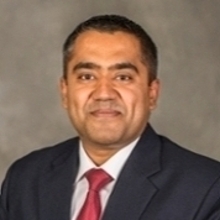
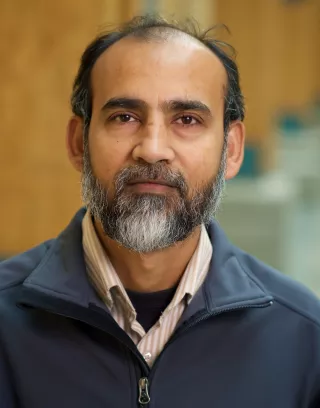
Ajay Kalra serves as an Associate Professor of Water Resources Engineering in the Civil Engineering Department at Southern Illinois University Carbondale's College of Engineering. His office is located in Engineering Building, Room 114, where he teaches undergraduate and graduate courses including Fluid Mechanics, Open Channel Hydraulics, Water Resources Engineering, and Advanced Hydraulic Design. Dr. Kalra's research spans hydro-climatology, urban sustainability, artificial intelligence applications in water resources, drought frequency analysis, and probabilistic forecasting. His interdisciplinary work connects climate science with practical water management solutions, focusing on how large-scale climate patterns influence regional hydrology. He has developed innovative approaches using machine learning to improve streamflow forecasting and drought prediction, particularly in western U.S. river basins. His scholarly output shows consistent productivity with research trends indicating increasing focus on machine learning applications for hydrological prediction, climate change impacts on water resources, and urban flood management. Recent publications demonstrate strong integration of remote sensing data with traditional hydrological models to address water challenges in both gauged and ungauged basins. Outstanding dissertation award 2011 (UNLV) Outstanding dissertation award 2011 (UNLV-College of Engineering) Best poster award (2nd Place, UNLV-College of Engineering) GPSA merit award 2010-2011 Member Tau Beta Pi (Engineering Honor Society) Dr. Kalra actively mentors graduate students and collaborates with researchers across institutions. His professional service includes membership in the American Geophysical Union and American Society of Civil Engineers. His current research program continues to explore the connections between oceanic-atmospheric oscillations and regional hydrology while expanding into urban water sustainability challenges under changing climate conditions.
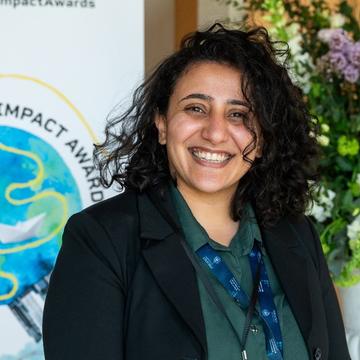
Dr Mona Ibrahim is a Research Fellow at the University of Oxford's Department of Social Policy and Intervention and an Associate Fellow of Nuffield College, serving as Strategic Policy Lead for high-impact collaborations with UN agencies, governments, and civil society in fragile and conflict-affected contexts. Her work focuses on evidence-based policy to strengthen social protection and public health systems across sub-Saharan Africa, with recent leadership in re-imagining humanitarian-development-peace nexus programming. Her educational foundation includes a medical degree from Sudan, providing frontline clinical experience in conflict zones that directly informs her research approach. This background enables unique integration of clinical insights with policy design for vulnerable populations. Dr Ibrahim's research centers on building age-sensitive, gender-transformative social protection systems in crises, with six core pillars: Community-led mutual aid models for social assistance Adolescent-friendly health services integration Cash 'plus' interventions for HIV and food security Violence prevention in welfare systems Gender-responsive programming in conflict settings Health system resilience during political transitions Her Sudan-focused portfolio navigates fragmented governance to develop ground-up protection mechanisms. Analysis of her 15 most recent publications reveals consistent emphasis on social protection as a cross-cutting enabler for health and development goals in conflict zones, particularly highlighting how food security interventions reduce HIV vulnerability among adolescents and how community-based surveillance systems function amid health system collapse. Key geographic focus remains Sudan and sub-Saharan Africa with strong methodological diversity including capture-recapture mortality studies and systematic reviews of HIV responses. Recognition for her contributions includes: Two departmental awards for excellence (2024) Highly commended for the 2025 Social Science Impact Awards She leads a major funded portfolio on Sudanese social protection systems through the Centre for Evidence-Based Intervention, convening high-level dialogues with the African Union and WHO to reframe social assistance in conflict zones. Her partnerships with WFP, WHO, and UNDP translate research into regional frameworks for adolescent health and cash programming. Based at Oxford's Centre for Evidence-Based Intervention, Dr Ibrahim co-leads the CEBI research groups on Child and Family Welfare, Public Health, Social Inequality, and Violence Prevention. She actively shapes global policy through advisory roles in the WHO Partnership for Maternal, Newborn and Child Health, Inter-agency Task Team on HIV in Emergencies, and African Union’s Calestous Juma Executive Dialogues.
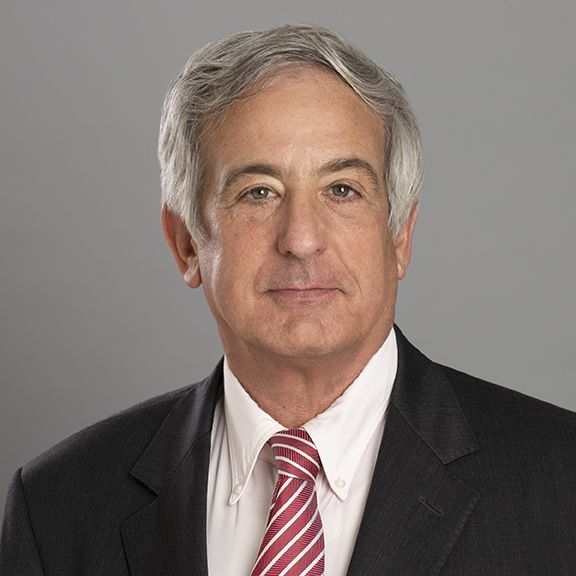
Associate Professor Bryan Boruff is affiliated with the University of Western Australia (UWA), specifically within the School of Agriculture and Environment. His roles include Specialisation Coordinator for Sensing and Spatial Data Science in the Master of Environmental Science program. He holds a PhD from the University of South Carolina and has expertise in Geographic Information Systems (GIS), Remote Sensing, and environmental hazard analysis. Education: BA, MA Flor.At. PhD from University of South Carolina His research focuses on applying GIS and Remote Sensing to environmental hazards, agriculture, renewable energy, population health, and urban planning. Recent work includes studies on the impact of green spaces on children’s health and the development of spatial tools for environmental management. Recent articles explore topics such as the association between coastal proximity and child development, land use mapping in Fiji, and the role of urban vegetation in mitigating heat. These studies highlight his interdisciplinary approach, blending geospatial technologies with public health and environmental sustainability. He has secured significant funding, including over $1.6 million from ACIAR for climate-smart landscapes research and a $1.7 million National Environmental Science Program grant. Collaborations span international projects in Fiji, Cambodia, and Pakistan, addressing disaster recovery and climate resilience. Boruff is involved in initiatives like the UWA Oceans Institute and the Institute of Agriculture. His teaching includes advanced GIS and remote sensing courses, contributing to the next generation of spatial data scientists.
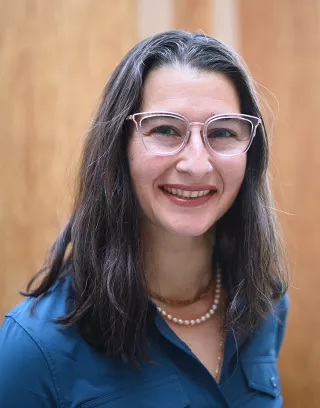
Miriam Halle Stern is an Adjunct Professor at Northwestern University’s McCormick School of Engineering, specializing in sustainability and regenerative design. She serves as President of The Green Facilitator and founding partner of UpFront Regenerative Design, focusing on strategic planning for environmental imperatives. Her professional affiliations include 12 years as USGBC Faculty, 2 years as WELL Faculty, and leadership roles in green building certifications like LEED and WELL. Education: She holds three degrees from the University of Illinois: BS in Architectural Studies, BS in Civil Engineering, and MS in Environmental and Occupational Health Sciences. Research & Expertise: Her work spans integrative design processes for organizations, energy benchmarking, and green building policy development. She has managed sustainability projects for Fortune 500 companies, institutions, and governments over 25 years, emphasizing decarbonization and community resilience. Awards: Recognized with the Emerald Award for Intent to Matter (Illinois Green), LEED Fellow distinction, and Chapter Leader Award. Her contributions bridge academic instruction and industry practice through executive education programs. Teaching Role: Since 2015, she has contributed to Northwestern’s Executive Management for Design and Construction (EMDC) program, delivering practical case studies in leadership and organizational dynamics.
Becky Rawson is a Senior Lecturer in Sustainability & Environment Management at the University of Derby's College of Science and Engineering. Her research focuses on sustainability policies, climate change impacts, environmental education, and healthcare sustainability. She explores how policies and design can promote sustainable practices while addressing climate anxiety in families and communities. Research Interests: Her work spans environmental policy analysis, biophilic design, urban ecology, and innovative online learning strategies. She investigates the intersection of climate change and mental health, particularly among parents and children. Education & Grants: No specific grants or educational background details are provided. She advises no listed students. Advising & Grants: No formal grants or student advisement details are recorded. Her contributions include interdisciplinary projects like an online student conference case study. Labs/Teams: Not explicitly mentioned, though her collaborations suggest involvement in sustainability education and healthcare waste reduction initiatives.
Zhe Yin is an Assistant Professor of Instruction in the Department of Civil Engineering at The University of Texas at Arlington (UTA). He holds a PhD in Civil Engineering from The University of Texas at Austin (2022), specializing in Construction Engineering and Project Management. His professional credentials include LEED AP BD+C, PMP, and Texas Professional Engineer licensure. Prior to academia, he worked in heavy industrial construction and consulting in the UAE and Texas. Yin’s research focuses on capital efficiency improvement, cross-functional collaboration in construction projects, and benchmarking methodologies. He is a faculty advisor for UTA's Construction Drone Club and leads the FAA-approved UAS-CTI program course CE/AREN 4334. His teaching spans courses such as Construction Contracts, Drones in Construction Technology, and Introduction to Civil Engineering. Recent grants include a Department of Labor-funded project on post-disaster debris removal safety training (2024-2025). He has published extensively on construction safety, capital efficiency, and mechanization in petrochemical facilities. Awards include the Construction Law Foundation Fellowship (2021). Active service roles include advising Chi Epsilon and the National Society of Professional Engineers, and mentoring through ACE Mentor Program.
Brian Smith is a Chair and Professor of Integrated Marketing Communications at the University of Mississippi , where he focuses on the intersection of public relations, social media, and strategic communication. His work emphasizes crisis communication, digital engagement, and the evolving role of practitioners in integrated environments. Education B.A. in Humanities, Brigham Young University (2001) M.A. in International Relations, Brigham Young University (2001) Ph.D. in Communications, University of Maryland-College Park (2009) Brian’s research spans social media dynamics, influencer marketing, and communication integration. He investigates how organizations navigate crises through digital interactivity, develops frameworks for empowering marginalized populations, and explores AI’s impact on communication practices. His recent publications highlight trends in digital advocacy , strategic empowerment , and technology-driven communication . Articles from 2025 examine citizen science approaches, AI ethics, and interviewer protocols for vulnerable groups, while earlier works establish theoretical foundations for integrated communication and PR’s expanding role. As a faculty member, Brian contributes to advancing public relations education and practice through empirical studies on relationship management, brand ambassador dynamics, and social media’s transformative potential.
Dr. Sheila Long is a Lecturer in the Department of Humanities at SETU Carlow, Ireland. Her work focuses on Children's Rights, Early Childhood Education, and Global South Development. She holds a PhD (EdD) from Queen's University Belfast and multiple postgraduate qualifications including a Postgraduate Diploma in Children's Rights from the University of Geneva. Dr. Long has led two major projects: 'Pathway Moz: Pathway 12: Catalyst Fund' (2024) and 'Pathways Mozambique - Potential for Agripreneurship & Technology for Women & Youth in Niassa' (2023-2024), both addressing development challenges in Mozambique through participatory design approaches. Her research explores child rights integration in early education curricula, with notable contributions to pedagogical frameworks emphasizing UN Convention principles. Recent work includes studies on protein-enriched food acceptability in Mozambique and digital education initiatives like the Global Citizen Education Podcast. Dr. Long actively organizes academic events such as the EC/SC Community of Practice conference and participates in global research ethics dialogues. Her work aligns with UN Sustainable Development Goals, particularly in education and reducing inequalities.
Melanie Clarkson is a Senior Lecturer at the School of Health and Social Care, Sheffield Hallam University (SHU), and a leading figure in advancing practice education across Radiography specialties. She holds roles as Programme Director for the accredited MSc Advanced Clinical Practice (Radiotherapy and Oncology) and PgC Enhanced Level Practice programmes. Her academic leadership includes steering transformative initiatives such as the NHS England-funded e-portfolio pathway for advanced practice recognition and the CHEERs project, enhancing Radiography education. Educationally qualified with a BSc (Hons), PgCE, MSc, and SFHEA status, she actively contributes to the College of Radiographers (CoR), Association of Advanced Practice Educators (AAPE), and Advanced Practice Research Academy UK (APRA-UK). Nationally, she developed the non-surgical oncology advanced practice credential and serves as Deputy Director of APRA-UK, driving innovation in healthcare education. Her research focuses on advanced practice frameworks, curriculum development, and oncology education, with recent projects including the WE-SEARCH workforce scoping initiative. Melanie’s work emphasizes collaborative leadership, evidenced by her contributions to the NHS Centre for Advancing Practice, the Council of Deans for Health, and international groups like iCoP APRT. She also chairs the Advancing Practice in Radiography Special Interest Group (APRADSIG). Grants and funding include leadership roles in projects supported by NHSE/SCoR, focusing on workforce needs and curriculum innovation. Her advisory roles span external examining at Teesside University and journal reviewing for Radiography and TIPSRO. Melanie’s presentations and publications widely disseminate her work on advanced practice, oncology education, and healthcare workforce development.
Edward Zelinsky is a Professor at Yeshiva University, teaching Pensions and Trusts & Estates courses. His contact details include email zelinsky@yu.edu, phone 646-592-6476, and office Room 941 in New York. He holds a B.A. (1972), M.A. and J.D. (1975), and M.Phil. (1978) from Yale University, where he served as a teaching fellow in Economics and editor of the Yale Law Journal . B.A. (1972) M.A., J.D. (1975) M.Phil. (1978) His primary research spans tax law—including pensions, trusts & estates, and church taxation—as evidenced by books The Origins of the Ownership Society (Oxford, 2007) and Taxing the Church (Oxford, 2017), plus articles in Harvard Law Review and Yale Law Journal . Concurrently, he maintains an extensive psychology research profile focused on humanistic traditions, particularly Maslow’s peak experiences and Adlerian social interest, with cross-cultural applications across 20+ countries. His recent psychology publications analyze loneliness epidemics, Daoist influences on self-actualization, and travel-induced transformative experiences among global youth populations. His scholarly output reveals a dual trajectory: legal scholarship emphasizes congressional testimony and policy impact (e.g., remote worker taxation), while psychology work demonstrates methodological diversity through cross-national peak-experience studies. Recent publications (2021–2024) show intensified focus on cultural intersections—comparing Filipino, Chinese, and Brazilian youth responses to existential triggers—and theoretical syntheses like Maslow-Adler-Daoist frameworks. Public service includes seven terms on New Haven’s Board of Alderman, 3.5 years on its Board of Finance, and current directorship at Connecticut Retirement Security Authority. He frequently lectures before professional groups and has testified before House Judiciary subcommittees. Though no formal labs or teams are documented, his cross-cultural psychology research implies international collaborations across Asia and Latin America. His teaching fellowship at Yale and ongoing course instruction suggest active mentorship in legal education, though specific advisees aren’t listed.
Ellie Graeden, Ph.D., is a Research Professor at Georgetown University's Center for Global Health Science and Security, leading health intelligence research and data architecture for global health response systems. She previously founded Talus Analytics, specializing in data-driven policy solutions at the intersection of science and strategy. Her work focuses on global health security, including pandemic preparedness, data standardization for wildlife diseases, and financing mechanisms for health resilience. Dr. Graeden holds a B.S. in Microbiology from Oregon State University and a Ph.D. in Biology from MIT. Her research emphasizes quantitative approaches to global health challenges, such as designing data platforms for vaccination coverage and emergency response during influenza and COVID-19. She has collaborated with the CDC, G20, and United Nations to develop tools for health security policy analysis, including the Global Health Security Index and investment tracking systems. Her team’s work is featured in resources like ghsidea.org and the Outbreak Activity Library. Dr. Graeden’s expertise spans interdisciplinary data systems, policy implementation frameworks, and emergency decision-making paradigms. She has pioneered methodologies for linking health data to actionable policies, particularly in high-risk contexts like pandemic response and biological event preparedness.
Diana Robins, PhD is a Professor and Director of the AJ Drexel Autism Institute at Drexel University, with secondary appointments in the Department of Community Health & Prevention within the Dornsife School of Public Health and the Department of Psychological and Brain Sciences in the College of Arts and Sciences. She founded the Research Program in Early Detection and Intervention for autism at the Institute in 2014, establishing Drexel as a leader in public health approaches to autism research. Her leadership extends to mentoring students from diverse disciplines including public health, psychology, and medicine who work collaboratively on autism-related research initiatives. Dr. Robins received her educational training through a rigorous academic pathway: BA in Psychology and Neuroscience from Oberlin College (1996), MA in Clinical Psychology from the University of Connecticut (1999), and PhD in Clinical Psychology with Concentration in Clinical Neuropsychology from the University of Connecticut (2002). Her postdoctoral development included an APA-approved internship at the University of Florida Health Sciences Center followed by a 2-year postdoctoral fellowship at the Yale University School of Medicine Child Study Center. Before joining Drexel, she spent a decade on the faculty at Georgia State University with joint appointments in the Department of Psychology and the Neuroscience Institute. Her research program centers on autism early detection, particularly through the development and validation of screening tools. The Modified Checklist for Autism in Toddlers (M-CHAT), which she developed, has become a globally recognized screening instrument with the original paper cited over 2,400 times. Her work on the M-CHAT-R/F revision demonstrated that children could be diagnosed approximately two years earlier than the national median, significantly improving access to early intervention. Current research examines how early detection strategies in primary care settings impact long-term outcomes for autistic children, representing a public health approach to improving autism services. Analysis of Dr. Robins' recent publications reveals a strong emphasis on refining autism screening methodologies across diverse populations, examining sex differences in symptom presentation, validating screening tools in multiple languages and cultural contexts, and implementing tiered diagnostic approaches to address systemic barriers to diagnosis. Her work increasingly focuses on translating research into community practice, with attention to implementation science, healthcare access disparities, and the integration of screening into routine primary care. Research funded by Eunice Kennedy Shriver National Institute of Child Health and Human Development Research funded by Autism Speaks Research funded by National Institute of Mental Health Treasurer, Board of Directors of the International Society for Autism Research Panel member, Child Psychology and Developmental Disorders study section at NIH Dr. Robins has built a productive research program that draws students and professionals from multiple disciplines to work on public health approaches to autism. Her lab has conducted numerous validation studies of the M-CHAT across different cultural contexts and populations, including work in Northern Mexico to build autism research capacity. Current grants focus on examining how primary care implementation of autism screening affects diagnostic pathways and outcomes, with particular attention to disparities in access and diagnosis. Her team collaborates with community providers to develop practical solutions for identifying autism earlier in diverse clinical settings. The Early Detection and Intervention research program at the AJ Drexel Autism Institute operates as an interdisciplinary hub where public health researchers, psychologists, and medical professionals collaborate on innovative approaches to improving early autism detection. The team works closely with community pediatric practices to implement and refine screening protocols, while also conducting rigorous validation studies of assessment tools. This collaborative model enables the translation of research findings into practical clinical applications that can be implemented in real-world settings.
Dr. Indrani Margolin is a Professor in Social Work at the University of Northern British Columbia, with dual appointments in the Women's and Gender Studies graduate program and as a graduate supervisor in Health Sciences. Her work integrates ancient meditative practices with contemporary trauma recovery frameworks to advance holistic social work interventions. Her academic credentials include: PhD in Curriculum, Teaching, and Learning with specialization in Holistic & Aesthetic Education (Ontario Institute for Studies of Education, University of Toronto) Master of Social Work (Wilfrid Laurier University) BA Honours (University of Guelph) Registered Social Worker (RSW) designation Dr. Margolin's research centers on spirituality as a catalyst for post-traumatic growth, particularly through Mahavakyam Meditation and arts-based methodologies. She investigates women's recovery from gender-based violence using creative dance and collage techniques, while developing trauma-informed classroom practices that cultivate resilience among social work students. Her feminist approach emphasizes intergenerational mentorship and the reclamation of spiritual wisdom in therapeutic contexts. Analysis of her 2022-2025 publications reveals three dominant trajectories: (1) meditation protocols for pandemic-era student wellness, (2) arts-based interventions for dating violence recovery, and (3) eco-spiritual frameworks for sustainable social work practice. These works consistently bridge ancient wisdom traditions with contemporary clinical challenges, particularly regarding women's mental health and systemic inequities. Dr. Margolin has not listed any scientific awards in her current profile. As a graduate supervisor in Health Sciences and Women's and Gender Studies, she has mentored students through UNBC's Northern FIRE initiative, though she currently indicates she is not accepting new graduate students. Her leadership extends to co-chairing the 12th International Conference on Spirituality & Social Work (Calgary, 2025), demonstrating institutional investment in her research vision without specific grant disclosures in the profile. She actively contributes to the Northern Feminist Institute for Research and Evaluation (Northern FIRE) leadership team, which addresses gendered realities in Northern British Columbia through community-engaged research and advocacy.
Dr. Asif Iqbal is an Associate Professor in the Integrated Wood Design program at the University of Northern British Columbia (UNBC), part of the Faculty of Engineering. He holds a PhD in Civil Engineering from the University of Canterbury, New Zealand, and has over ten years of consulting experience in structural engineering across Canada, the U.S., and New Zealand. His research focuses on disaster-resilient construction, particularly seismic protection for wood and hybrid structures, soil-structure interaction, and innovative structural systems for tall buildings. Education: PhD in Civil Engineering (University of Canterbury, New Zealand), Professional Engineer (PEng) designation. His expertise spans seismic design, timber engineering, and structural dynamics. Key research themes include post-tensioned CLT shear walls, energy dissipators, and sustainable tall wood structures. He actively contributes to professional organizations and advises graduate students in Civil and Structural Engineering. Research interests emphasize practical applications of seismic resilience, combining experimental testing with numerical modeling. His work integrates smart materials like shape memory alloys and explores hybrid systems to enhance building performance under earthquakes. Recent projects include structural health monitoring for bridges and optimizing timber cores for high-rise construction. Dr. Iqbal’s publications (2020–2025) highlight advancements in post-tensioned timber systems, seismic isolation for lightweight buildings, and computational modeling of timber connections. He advocates for Indigenous housing practices as inspiration for modern green building designs, merging traditional wisdom with contemporary engineering solutions. He supervises MSc and PhD students in Civil and Structural Engineering and is available for media inquiries as a subject matter expert on timber structures and disaster mitigation. His office is located in WIDC-364 at UNBC’s Prince George campus.
Kristin Peterson is an Associate Professor in the Department of Communication at Boston College, specializing in the intersection of media and religion. Her research examines digital activism within Muslim and Christian communities, focusing on topics like feminist movements, social media influencers, and representation. She is the author of *Unruly Souls: The Digital Activism of Muslim and Christian Feminists* (2022), exploring how digital spaces enable intersectional advocacy. Peterson holds a Ph.D. from the University of Colorado Boulder, where she researched self-representation through digital media among Muslim Americans. She currently serves on the board of the International Society for Media, Religion, and Culture and the Boston Consortium for Gender Studies. Her teaching includes courses on media ethics, social media culture, and feminist theories. Notable research areas include Muslim Instagram influencers, digital mourning practices following the Chapel Hill tragedy, and the role of podcasts in grief support. She has also studied religious marketing strategies in urban churches and the cultural significance of Ms. Marvel’s costume design in addressing misrepresentations. Her work bridges media studies, religious studies, and feminist theory, emphasizing marginalized voices in digital spaces. Peterson’s articles often analyze visual and textual narratives to highlight underrepresented identities. For instance, her studies on hijab tutorial videos and the Mipsterz art collective reveal how aesthetics shape religious and cultural expression. Her engagement with #MosqueMeToo and #ChurchToo movements underscores her focus on gender-based activism within religious contexts. She frequently critiques conventional marketing tactics used by religious institutions to appeal to modern audiences while maintaining doctrinal integrity. As a scholar, Peterson emphasizes the transformative potential of digital media in fostering empathy and challenging stereotypes. Her work has been published in journals such as *Communication and Critical/Cultural Studies* and *Journal of Media and Religion*, reflecting her interdisciplinary approach to contemporary media landscapes.