معرفی
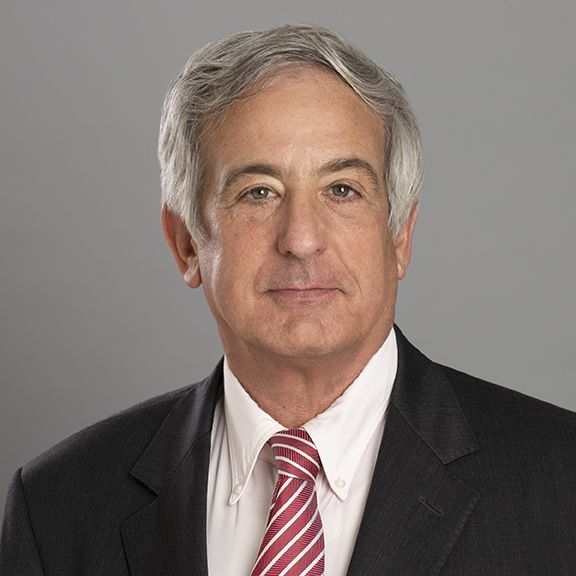
Edward Zelinsky is a Professor at Yeshiva University, teaching Pensions and Trusts & Estates courses. His contact details include email zelinsky@yu.edu, phone 646-592-6476, and office Room 941 in New York. He holds a B.A. (1972), M.A. and J.D. (1975), and M.Phil. (1978) from Yale University, where he served as a teaching fellow in Economics and editor of the Yale Law Journal.
- B.A. (1972)
- M.A., J.D. (1975)
- M.Phil. (1978)
His primary research spans tax law—including pensions, trusts & estates, and church taxation—as evidenced by books The Origins of the Ownership Society (Oxford, 2007) and Taxing the Church (Oxford, 2017), plus articles in Harvard Law Review and Yale Law Journal. Concurrently, he maintains an extensive psychology research profile focused on humanistic traditions, particularly Maslow’s peak experiences and Adlerian social interest, with cross-cultural applications across 20+ countries. His recent psychology publications analyze loneliness epidemics, Daoist influences on self-actualization, and travel-induced transformative experiences among global youth populations.
His scholarly output reveals a dual trajectory: legal scholarship emphasizes congressional testimony and policy impact (e.g., remote worker taxation), while psychology work demonstrates methodological diversity through cross-national peak-experience studies. Recent publications (2021–2024) show intensified focus on cultural intersections—comparing Filipino, Chinese, and Brazilian youth responses to existential triggers—and theoretical syntheses like Maslow-Adler-Daoist frameworks.
Public service includes seven terms on New Haven’s Board of Alderman, 3.5 years on its Board of Finance, and current directorship at Connecticut Retirement Security Authority. He frequently lectures before professional groups and has testified before House Judiciary subcommittees.
Though no formal labs or teams are documented, his cross-cultural psychology research implies international collaborations across Asia and Latin America. His teaching fellowship at Yale and ongoing course instruction suggest active mentorship in legal education, though specific advisees aren’t listed.