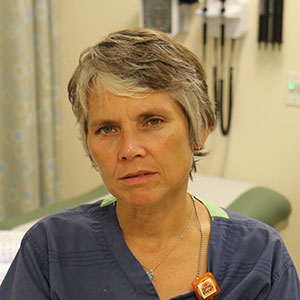
Lydia Pearl Buki is a Professor at the Department of Education & Psychological Studies within the School of Education and Human Development at the University of Miami. Her research focuses on psychosocial oncology, health disparities, and culturally adapted interventions for medically underserved populations, particularly Latina women and Navajo communities. Her work examines breast cancer survivorship, lymphedema management, cancer literacy, and barriers to screening programs. Key methodologies include qualitative analysis, grounded theory, and community-based participatory research. She advocates for culturally sensitive behavioral health promotion, interdisciplinary collaboration, and policy changes to reduce health disparities. Recent publications highlight her contributions to colorectal cancer prevention in Uruguay, mammography access for Navajo women, and community-building psychosocial programs for Latinas. Her approach integrates ecological systems theory, health literacy models, and informed decision-making frameworks to address systemic challenges in healthcare access and psychological well-being.
Saw Pui San is a Lecturer in the Malaysia School of Pharmacy at Monash University, specializing in public health and pharmacy practice. She focuses on healthcare systems, person-centered care strategies, and workforce dynamics in Malaysia. Her research is funded by grants from the Ministry of Health Malaysia and WHO. She actively reviews for the National Institute of Health Malaysia. Research interests include healthcare access, primary care strengthening, and pharmacy integration into healthcare systems. Her work addresses avoidable hospitalizations, dementia care, and pharmacist roles in vaccination programs. Recent articles highlight digitalization of pharmaceutical supply chains, mental health screening in pharmacies, and person-centered care strategies. She has received multiple teaching awards, including PVC Commendations for Innovations in Education (2020–2022), and led projects on medication management and burnout in pharmacists. She serves on the Malaysian Pharmacists Society Executive and Ministry of Health advisory boards, and organized workshops on safe medication disposal. Her work contributes to UN Sustainable Development Goals related to health equity and planetary wellbeing.
Tyler Lennon, MD is an Assistant Professor of Pediatrics at the Medical College of Wisconsin, specializing in Pediatric Emergency Medicine. His research focuses on community health, firearm safety, public health interventions, and violence prevention. Dr. Lennon’s work bridges clinical practice with population-level health challenges, particularly in urban environments. Research interests include firearm-related injury prevention, mental health impacts of violence exposure, and improving healthcare protocols for at-risk pediatric populations. He also explores barriers to preventive health measures like swimming lessons and HPV immunization. His interdisciplinary approach addresses both clinical and policy dimensions of child health. Recent publications highlight trends in caregiver firearm safety practices, pediatric residents' screening behaviors, and the mental health consequences of firearm violence. His work underscores the need for systemic changes in healthcare documentation, mentorship programs for youth, and workplace lactation support policies. Dr. Lennon contributes to community-based participatory research (CBPR) initiatives and has authored studies on topics ranging from rare medical cases (e.g., gonococcal infections in neurosurgical patients) to large-scale public health interventions. His research is published in journals like Pediatrics , Academic Pediatrics , and Sexually Transmitted Diseases .
Associate Professor Megan Smith is an epidemiologist and simulation modeller at the Sydney School of Public Health, University of Sydney. She specializes in policy evaluations for cervical cancer prevention, including screening and HPV vaccination, with findings influencing over 10 national/state policy decisions. Member of five national/state advisory groups Author of >140 publications Principal investigator for NHMRC and NIH grants International collaborations across 8 countries Research Focus: Translational research to optimize cervical cancer prevention policies with emphasis on equity and efficiency. Key areas include HPV vaccination impact modeling, self-collection screening implementation, and addressing disparities in Indigenous and migrant populations. Recent Publications (2023-2025): Examined pandemic disruptions to screening programs, developed HPV knowledge assessment tools for Indigenous communities, and modeled global cervical cancer elimination timelines. Collaborative work spans Australia, USA, NZ, and low-income countries. NHMRC Fellowship (2019-2022) Cancer Institute NSW Top-Up Fellowship (2019-2021) NHMRC Centre of Research Excellence in Cervical Cancer Control (C4) Teaching & Supervision: Lecturer in Cancer Prevention and Control (2019-2021), online moderator (2011-2016). Supervises PhD students Susan Yuill and Chloe Jennett.
Dr. Jessica Addison is an Assistant Professor of Pediatrics at Harvard Medical School and serves as Program Director for the Adolescent/Young Adult Medical Fellowship and Co-Medical Director of the Boston HAPPENS Program . She practices at Boston Children's Hospital's Division of Adolescent/Young Adult Medicine , focusing on adolescent primary care, reproductive health, and HIV/STI prevention. Education: MD from Virginia Commonwealth University School of Medicine MS and MPH in Public Health Training: Internship, Residency, and Fellowship at Virginia Commonwealth University Her research spans adolescent health disparities, HIV prevention strategies, media effects on youth, and clinical quality improvement. Recent publications analyze: STI screening protocols in primary care Socioeconomic impacts on BMI outcomes Electronic decision support for HIV prophylaxis Digital health literacy and vulvovaginal care She contributes to programs like: Boston HAPPENS (HIV services) STEP weight management LEAH training grant Digital Wellness Lab initiatives
Kevin A. Henry is a Professor and Department Chair in the Department of Geography, Environment, and Urban Studies at Temple University's College of Liberal Arts. He is also an affiliated faculty member with the Global Studies program and the Center for Sustainable Communities. Additionally, he is a member of the Cancer Prevention and Control program at Fox Chase Cancer Center. His educational background includes a Ph.D. in Geography from McGill University (2005) and a postdoctoral fellowship in biostatistics and epidemiology at the same institution. Dr. Henry's research is centered on health geography, with a focus on geospatial analysis methods to study cancer prevention, patient outcomes, and health disparities. His expertise includes spatial statistics, disease mapping, GIS, epidemiology, and life-course perspectives on health. He investigates geographic access to healthcare, particularly cancer screening and treatment, and integrates residential histories into cancer research. His work employs advanced geospatial methods to understand how place influences health outcomes. The recent publications reflect a strong trend in spatial epidemiology, cancer disparities, and geospatial modeling. Key themes include HPV vaccination disparities across rural-urban gradients, socioeconomic and geographic determinants of cancer incidence and stage at diagnosis, and the application of GIS to public health and environmental health. The articles demonstrate interdisciplinary collaboration and a consistent focus on using spatial analytics for health policy and cancer control. Dr. Henry has received research funding from major national agencies including the National Science Foundation (NSF), National Institutes of Health (NIH), Department of Defense (DOD), and American Cancer Society (ACS). He serves on advisory committees and collaborates with the National Cancer Institute (NCI), Centers for Disease Control and Prevention (CDC), and North American Association of Central Cancer Registries (NAACCR). He mentors students through the Medical Geography and Population Health Spatial Analytics Laboratory (MAPS Lab), where he supervises graduate and undergraduate research in medical geography. He has taught courses such as Fundamentals of GIS, Health and Medical Geography, GIS for Public Health, Spatial Epidemiology, and Environmental GIS. He is actively recruiting PhD students (starting Fall 2026) and postdoctoral researchers for NIH- and DOD-funded projects. The MAPS Lab conducts applied research using spatial analysis and statistical methods to examine geographic accessibility and place-based health disparities. The lab emphasizes the role of geographic factors in health outcomes, particularly in cancer prevention and care, and engages in interdisciplinary collaborations and national data initiatives.
Chad Brenner, Ph.D. serves as Associate Professor of Otolaryngology-Head and Neck Surgery and Pharmacology at the University of Michigan Medical School, where he also directs the CMB Program. His research focuses on genomic biomarker discovery and therapeutic resistance mechanisms in head and neck cancers, utilizing next-generation sequencing and high-throughput functional screening approaches. Dr. Brenner's primary research interests span Cancer Biology, Genomics, Precision Medicine, and Molecular Biology, with specific emphasis on HPV-related cancers, liquid biopsy development, and therapeutic resistance. His laboratory employs genomics-driven clinical trials and patient-derived xenograft models to advance targeted therapies and understand resistance mechanisms in head and neck squamous cell carcinoma. Analysis of his 15 most recent publications (2023-2025) reveals dominant themes in HPV-positive oropharyngeal cancer research, circulating tumor DNA (ctDNA) applications, tumor microenvironment characterization, and health disparities. Key methodologies include next-generation sequencing, liquid biopsy validation, and integration of imaging biomarkers with molecular data for treatment response prediction. Scientific Awards No scientific awards were documented in the provided source material. Advising and grant activities are not explicitly detailed in available information, though his CMB Program Director role suggests mentorship responsibilities. The source indicates student involvement through the CMB program but provides no specific advisee names or grant funding details. Laboratory operations focus on genomic analysis of head and neck cancers, with specialized expertise in HPV ctDNA assay development, tumor hypoxia studies, and functional screening for therapeutic target identification. The lab maintains strong clinical translation focus through ongoing participation in phase II immuno-chemoradiation trials and biomarker validation studies.
Christine Markham, PhD, serves as Professor and Department Chair of Health Promotion & Behavioral Sciences at the University of Texas Health Science Center at Houston School of Public Health. With over 30 years of experience in adolescent health promotion, her work focuses on technology-driven multilevel interventions in sexual health education, obesity prevention, and chronic disease management. Her research spans diverse populations including Hispanic, African-American, and HIV-positive youth, with significant contributions like the 'It’s Your Game…Keep It Real' curriculum recognized by the USDHHS Office of Population Affairs. Education: Not explicitly detailed in provided texts. Research: Specializes in Intervention Mapping framework, HPV vaccination promotion, trauma-informed care, and technology-enhanced health education programs. Recent publications highlight her expertise in HPV vaccination disparities, digital health interventions, and school-based implementation strategies. Dr. Markham co-authored works on maternal HPV perceptions, regional vaccine recommendations, and cross-sector coalition efforts for community health programs. Her leadership in the Center for Health Promotion and Prevention Research underscores her commitment to public health innovation.
Kine Pedersen is an Associate Professor at the Department of Health Management and Health Economics within the Faculty of Medicine at the University of Oslo. Her academic career focuses on health economic analysis, disease simulation modeling, and evaluation of healthcare interventions with particular expertise in cervical cancer prevention, HPV-related disease control, and primary care services. She has established herself as a leading researcher in cost-effectiveness analysis of preventive healthcare strategies within the Norwegian healthcare system. Education: PhD in Health Economics and Health Policy, University of Oslo (2018) M.Phil. in Health Economics, Policy and Management, University of Oslo (2014) BA in Economics, University of Oslo (2012) BA in Health Management and Health Economics, University of Oslo (2011) Dr. Pedersen's research program centers on developing and applying sophisticated mathematical models to evaluate preventive healthcare interventions, with a strong emphasis on cervical cancer screening programs and HPV vaccination strategies. Her work bridges health economics, epidemiology, and clinical practice to inform evidence-based healthcare policy. She has made significant contributions to understanding how to optimize screening protocols for vaccinated versus unvaccinated populations and has extensively studied the cost-effectiveness of various approaches to accelerate cervical cancer elimination in Norway. Her recent publications (2022-2024) reveal an expanding research portfolio that now includes telemedicine applications for chronic disease management and team-based primary care models, while maintaining her core focus on cancer prevention. The consistent thread through her work is the application of rigorous health economic methodologies to evaluate preventive interventions, with particular attention to structural uncertainty in modeling and real-world implementation challenges. Scientific Awards: The Society for Medical Decision Making's Lee B. Lusted Student Prize in Health Services and Policy Research Dr. Pedersen teaches HEVAL5120: Modelling in Economic Evaluation I and HMET4210: Research Design. Her research is supported through collaborations with the Cancer Registry of Norway, Center for Health Decision Science at Harvard T.H. Chan School of Public Health, Norwegian Institute of Public Health, and Department of Biostatistics at Aarhus University. She leads or participates in several significant research projects including ASCERTAIN, Optimal Cervical Cancer Prevention Policies (CC-PREVENT), and EXCEED – Network for economic evaluation in Norway. Her work directly informs Norwegian healthcare policy and contributes to international efforts to eliminate cervical cancer through evidence-based preventive strategies.
Kathryn Laughon, PhD, RN, FAAN is an Associate Professor at the University of Virginia School of Nursing. She holds dual advanced degrees from UVA (BSN and MSN) and a PhD from Johns Hopkins University. Her primary roles include forensic nursing examination, research on intimate partner violence (IPV), and teaching research methods/evidence-based practice. Affiliations: Director of UVA Health's Emergency Forensic Center, Board Member of the Nursing Network on Violence Against Women International Research focuses on IPV's impact on women/children, disability-related health disparities, and perinatal health inequities. Key areas include forensic nursing innovations, trauma-informed care, and policy advocacy around gun violence prevention. Publications emphasize IPV screening improvements, disability/perinatal intersections, and intervention technologies like the myPlan app for college survivors. Recent work addresses asylum seeker health in migrant camps and brain injury mechanisms in IPV cases. Awards: Shannon Award (clinical/academic excellence), Historical Nursing Research Award, multiple grant recognitions Grants supported by NIH/NINR, CDC, and nursing foundations. Active in policy initiatives through professional organizations and academic leadership. Led development of strangulation assessment tools and trauma-informed clinical pathways. Current projects explore HPV self-testing for immigrant women and racial disparities in postpartum depression.
Dr. Johnathan Sataloff is an Assistant Professor of Psychiatry at the University of California, San Francisco (UCSF) School of Medicine, with a clinical and research focus bridging psychiatry, otolaryngology, and occupational medicine. He completed his medical training at Harvard Medical School and psychiatry residency at Beth Israel Deaconess Medical Center. Education: B.A. in Chemistry & English, Amherst College (2015) M.D., Harvard Medical School (2020) Psychiatry Residency, Beth Israel Deaconess Medical Center (2024) His research interests span vocal fold imaging , laryngeal diseases , and occupational hearing loss , with recent publications analyzing post-thyroid surgery readmissions and diagnostic challenges in voice disorders. He has received multiple teaching awards , including the Leonard Tow Humanism in Medicine Award and multiple Resident Teaching Awards at Beth Israel Deaconess Medical Center.
Karen Anderson, PhD, is a Professor of Pharmacology and Molecular Biophysics and Biochemistry at Yale School of Medicine. She serves as Co-Leader of the Developmental Therapeutics Program at Yale Cancer Center and Co-Director of the Therapeutics/Chemotherapy Program. Her research focuses on mechanistic enzymology and structure-based drug design to develop therapies for cancer, infectious diseases (e.g., HIV/AIDS), and antimicrobial targets. She has trained over 50 students across undergraduate, graduate, and postdoctoral levels. Educational Background: PhD from Ohio State University (1982), Senior Research Specialist at Monsanto Co. (1989). Research Interests: HIV reverse transcriptase mechanisms, antiviral agents, drug resistance, enzyme inhibitors for cancer and infectious diseases, and translational drug development. Key targets include KDO8P synthase (antibacterial), TS-DHFR (antiparasitic), and tyrosine kinase inhibitors (cancer). Awards & Honors: Dean's Young Faculty Award (1991), Yale Cancer Breast Cancer Initiative Award (1996), Gordon Research Conference leadership (2000-2001), and multiple Monsanto Research Achievement Awards (1985-1989). Grants & Collaborations: Leads interdisciplinary teams at Yale Cancer Center and collaborates with researchers like William Jorgensen on drug design. Her lab's work includes developing synergistic therapies for bladder cancer and alternatives to Paxlovid for SARS-CoV-2. Labs & Teams: Anderson Lab at Yale, part of the Structural Biology and Virology Laboratories programs. Active in initiatives like the Yale-UPR HIV Research Collaboration.
Dr. Adetola O. Olatunji is a distinguished Professor in the Department of Obstetrics and Gynecology at Olabisi Onabanjo University, affiliated with the Obafemi Awolowo College of Health Sciences. His career spans over two decades of impactful research and clinical contributions in maternal and reproductive health, particularly within the Nigerian healthcare context. His research interests center on maternal health, obstetric emergencies, labor management, and reproductive outcomes . Key areas include eclampsia, maternal mortality, perinatal outcomes in malaria, pelvic organ prolapse, and clinical tools such as the partograph. His work bridges clinical practice and public health, aiming to improve maternal safety and reduce preventable deaths in low-resource settings. The recent publications reflect a strong focus on clinical obstetrics and gynecological surgery , with trends emphasizing evidence-based interventions in labor, management of high-risk pregnancies, and surgical innovations. His studies often employ observational and randomized trial designs, contributing robust data from Nigerian tertiary hospitals. Dr. Olatunji has received research support from prestigious international sponsors including: Department for International Development (UK Government) Fundação de Amparo à Pesquisa do Estado de São Paulo King Khalid University Water Research Foundation These collaborations highlight the global relevance of his research in maternal and reproductive health. He has advised numerous trainees and junior researchers, though specific names are not listed. His leadership in research grants and publications underscores his role as a mentor and academic leader in obstetrics and gynecology in Nigeria. While no formal lab or research team is explicitly mentioned, his work appears to be conducted within the academic and clinical environment of a Nigerian teaching hospital, likely involving multidisciplinary teams in obstetrics, gynecology, and public health research.
Lau Caspar Thygesen is a Professor in Public Health Epidemiology at the National Institute of Public Health, University of Southern Denmark. He leads the Public Health Epidemiology research group and serves as Head of Studies for the BA and MA programs in Public Health Science. His work is centered on register-based epidemiology, utilizing large-scale surveys and national health registers to investigate both preventive and clinical health issues. Degree: MSc Public Health, PhD Institution: University of Southern Denmark Role: Professor and Research Group Leader Email: lct@sdu.dk ORCID: 0000-0001-8375-5211 His research interests include socio-economic health disparities, pharmacoepidemiology, clinical epidemiology, and advanced statistical methods. He has extensive experience in cohort studies and register-based research, with a focus on vulnerable populations such as those with intellectual disabilities and high-risk occupational groups. His work also addresses vaccination uptake, environmental health, and mental health during public health crises like the COVID-19 pandemic. The trends in his recent articles reflect a strong emphasis on large-scale, data-driven public health research. His publications frequently employ nationwide Danish register data to explore risk factors for disease, evaluate healthcare interventions, and assess health inequities. Common themes include cancer screening disparities, environmental exposures, mental health outcomes, and methodological rigor in epidemiological design. His collaborative network is extensive, involving multi-center and international studies. While no specific scientific awards are listed in the provided text, his research has been widely disseminated through 409 research outputs and featured in 63 media contributions, indicating significant public and academic impact. Lau Caspar Thygesen actively supervises bachelor’s, master’s, and PhD students and serves as principal or co-supervisor on multiple research projects. He is involved in key grants such as Danmarks mentale status (as PI) and Declining Response Proportions in the Danish National Health Survey (as co-supervisor), reflecting his leadership in national public health research initiatives. His teaching includes courses in epidemiology and theory of science. He is a central figure in several research teams and projects focused on health equity, including studies on people with developmental disabilities ( Sundhed og sygelighed blandt personer med udviklingshandicap ) and digital mental health interventions ( Mindhelper ). His work often involves interdisciplinary collaboration across public health, clinical medicine, and social science, leveraging register data for impactful policy-relevant findings.
Jeff Goad is a tenured Professor of Pharmacy Practice at Chapman University School of Pharmacy . He holds dual degrees: a Doctor of Pharmacy (PharmD) from the University of Southern California School of Pharmacy and a Master of Public Health (MPH) from USC's Keck School of Medicine . With over 25 years of clinical experience in travel health clinics and immunization services, he coordinates courses in travel medicine, epidemiology, and parasitology. Chair and Developer of APhA's Travel Medicine Advanced Competency Training Course National Faculty & Advisory Board Member, APhA Pharmacy-Based Immunization Training Program Presented at 350+ pharmacy/medical conferences Published 90+ articles/book chapters His research focuses on social and behavioral aspects of healthcare decision-making related to immunizations and travel medicine. He employs focus groups , modified Delphi technique , and online conditional logic surveys to identify healthcare delivery gaps and optimize vaccination strategies using public health models like the Health Belief Model and KABP . Retrospective database mining validates findings and evaluates patient care outcomes. Recent scholarly works address counterfeit medicine risks , influenza vaccine effectiveness , HPV immunization barriers , travel clinic implementation , and adult immunization adherence . His studies emphasize pharmacist roles in increasing vaccine access , overcoming legal restrictions , and improving healthcare resource utilization . President , National Foundation for Infectious Diseases Past Chair , International Society of Travel Medicine Pharmacist Group Past President , California Immunization Coalition Past President , California Pharmacists Association 2013 Certificate of Knowledge in Travel Health, International Society of Travel Medicine