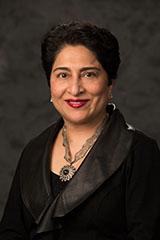
Alice Rose Richman is a Professor in the Department of Health Education and Promotion within the College of Health and Human Performance at East Carolina University. She maintains an active research program focused on public health interventions, particularly in rural settings. Her research interests span multiple critical public health areas including HPV vaccination, cancer prevention, maternal and child health, health literacy, and addressing health disparities in rural communities. She has developed innovative approaches using digital health interventions, community-based participatory research methods, and interprofessional collaboration to improve health outcomes. Dr. Richman's publication record demonstrates a strong focus on translating research into practice, with numerous studies examining implementation strategies for evidence-based interventions in real-world settings. Her work particularly emphasizes reaching underserved populations and addressing systemic barriers to healthcare access. She has received recognition for her mentorship, including the College of Health and Human Performance Outstanding Undergraduate Research and Creative Activity Mentor Award (2022-2023), highlighting her commitment to developing the next generation of public health professionals. Dr. Richman serves as Principal Investigator on multiple federally and foundation-funded research projects, including the Maternal and Child Health Scholars, Training, and Enrichment Program (MCH-STEP) funded by HRSA, and various Merck-funded studies focused on vaccine equity and HPV prevention. She also serves as co-PI on projects addressing digital equity and transportation barriers in rural Eastern North Carolina. Her professional service includes leadership roles in the Association of Teachers of Maternal and Child Health (serving as President from 2017-2018 and Past-President in 2019), reviewer for the American Public Health Association, and providing tenure reviews for other institutions.
Dr. Cheryl Kovar is an Associate Professor in the Department of Nursing Science at East Carolina University College of Nursing, where she transferred in summer 2023. Previously, she was in the Advanced Nursing Practice & Education Department (2015-2023). She joined ECU in February 2015 as the Concentration Director for the MSN Leadership Concentration and in December 2015 added the role of Concentration Director for the Post Masters DNP Leadership program. She stepped down from these directorship roles on July 1, 2018 to return to her academic teaching position. Prior to ECU, she served as the state nurse consultant for the Title X Family Planning program with the North Carolina Division of Public Health from 2007 to 2015. Dr. Kovar holds a B.S.N. in Nursing from the University of Toledo, an MSN in Maternal-Child Clinical Nurse Specialist from the Medical College of Ohio, and a Ph.D. in Nursing from The Ohio State University. In August 2023, she obtained her Certification in Public Health (CPH), making her the only faculty member in the ECU College of Nursing with this certification. Her research focuses on reproductive and sexual health issues, particularly adolescent high-risk behaviors and reproductive coercion. As of 2024, she is conducting research on reproductive coercion among pregnant and/or parenting adolescent females in three North Carolina counties, which will inform the development of a gamification intervention in 2025. Her publication record spans from 2006 to 2025, with recent work focusing on HPV vaccine promotion during the pandemic, transgender youth healthcare, STD services, and reproductive coercion. Her research has been funded by significant grants including a $800,000 CDC-funded BILCORE-PRO project (2015-2017) and current studies supported by Sigma Global Nursing Excellence and ECU internal funding. Notable awards include: Fellow Cohort of the American Academy of Nursing (2025) DAISY Honoree award from the DAISY Foundation (2024) Multiple Health Sciences Author Recognition Awards from ECU 100 Distinguished Public Health Nurses in North Carolina Award (2021) State of North Carolina 15 year Service Award (2022) Dr. Kovar is an active contributor to her field, serving as the SE Regional Forum Organizer for the Alliance of Nurses for Healthy Environments (2024-2025), frequently reviewing manuscripts for prominent nursing journals, and serving on review panels for federal grant programs. Her expertise in reproductive health, adolescent health, and public health nursing has made her a national speaker on these topics, with presentations at major conferences including APHA Annual Meetings and NCPHA conferences.
Dr. Madeline Fernandez serves as Assistant Professor in the Department of Nursing Science at East Carolina University's College of Nursing, where she conducts impactful research at the intersection of reproductive health, mental health, and health disparities. Her primary appointment is complemented by active affiliations with the Pregnancy Loss and Infant Death Alliance (PLIDA), National Association of Hispanic Nurses, and American Association of Colleges of Nursing's Access, Connection, and Engagement Leadership Network. Her educational background includes: PhD in Nursing from University of Miami School of Nursing and Health Studies MSN as Women's Health Nurse Practitioner from Frontier Nursing University BSN from University of Miami School of Nursing and Health Studies Dr. Fernandez's research program centers on three interconnected domains: psychological impacts of reproductive loss (particularly miscarriage during the pandemic), culturally responsive interventions for Hispanic populations regarding HPV/HIV prevention, and nursing education innovations. Her work consistently employs mixed-methods approaches to examine how social determinants of health, cultural factors, and systemic barriers affect women's reproductive experiences. She emphasizes community-engaged methodologies that translate research into practical clinical and public health applications. Analysis of her 11 recent publications (2020-2025) reveals strong thematic continuity in reproductive mental health, with increasing focus on pandemic-related impacts and Hispanic health equity. Her work spans clinical psychology, public health intervention design, and nursing education, characterized by methodological diversity including qualitative analysis, cross-sectional studies, and community-based participatory research. Her scholarly recognition includes: 2025 Faculty Book Author and Affordable Textbooks Award (ECU Academic Library Services) 2023 Beta Nu Excellence in Research Award (STTI Beta Nu Chapter) Dr. Fernandez maintains an active grant portfolio with four current principal investigator roles and two co-investigator positions. Her ECU-funded projects focus on miscarriage bereavement training, perinatal care gaps for Latino families, and psychological distress management, while external funding includes Sigma Global Nursing Excellence and NSF support. She actively mentors through research collaborations and has developed community-facing educational resources including radio programs and culturally tailored health interventions. Her research program operates through community partnerships rather than a formal laboratory, with emphasis on the Access, Connection, and Engagement Leadership Network and Pregnancy Loss and Infant Death Alliance for translational impact. Current projects examine silence around miscarriage and telehealth-based nursing education innovations.
Dr. Terry K. Morgan is a Professor of Pathology and Obstetrics & Gynecology at Oregon Health & Science University (OHSU), where he leads the Morgan Research Lab. His primary research investigates uteroplacental vascular remodeling during pregnancy and its impact on maternal complications like preeclampsia, fetal growth restriction, and preterm labor. The lab employs mouse models and human clinical studies to examine extracellular vesicles' role in fetal programming of adult diseases. Dr. Morgan's educational background includes: B.S., Ph.D., and M.D. degrees from the University of Utah Residency in Anatomic Pathology at Stanford University (2000-2002) Fellowships in Surgical Pathology and Cytopathology at Stanford University (2002-2005) He holds board certifications in Anatomic Pathology and Cytopathology. Research at the Morgan Lab focuses on: Placental pathology and vascular biology Extracellular vesicle signaling in pregnancy Fetal programming of adult-onset diseases Transgenerational health impacts Nanotherapeutic approaches for ectopic pregnancy The lab's current work emphasizes cell-specific extracellular vesicles for diagnostic and therapeutic applications. Dr. Morgan advises graduate students, including Nicole Marek (MPH candidate), and collaborates extensively across disciplines. While no awards are mentioned in available documents, his publication record demonstrates consistent contributions to placental pathology and oncology research.
Ritu Nayar, MD, is Professor of Pathology (Cytopathology) and Medical Education at Northwestern University's Feinberg School of Medicine. She serves as Vice Chair of Education and Faculty Development and Director of Cytopathology. Dr. Nayar oversees the pathology residency program, 13 subspecialty fellowships, and medical student education, while chairing the department's Promotions Committee. Her research focuses on translational cytopathology with emphasis on thyroid and gynecologic pathology. She co-edited the globally adopted Bethesda System for Reporting Cervical Cytology , which became the prototype for standardized terminology in cytopathology. She actively develops national clinical guidelines for cervical cancer prevention through collaborations with NIH, CDC, and ACS. Honors include: Gary Mecklenburg Distinguished Physician Award (2025) Lifetime Achievement Awards from Papanicolaou Society (2023), CAP (2019) Papanicolaou Award (2018) Maurice Goldblatt Award (2019) Dr. Nayar holds leadership roles as Trustee of the American Board of Pathology, member of the ACGME Pathology Review Committee, and former President of the American Society of Cytopathology. She serves on editorial boards for 6 pathology journals.
Dr. Kirk A. Ludwig is a distinguished Professor of Surgery and Chief of the Division of Colorectal Surgery at the Medical College of Wisconsin, where he also serves as Cancer Liaison Physician and holds the Vernon O. Underwood Professorship in Colon Cancer Research. With over three decades of experience in academic medicine, Dr. Ludwig has established himself as a leader in colorectal surgery, surgical oncology, and gastrointestinal motility research. His career spans significant contributions to both clinical practice and academic scholarship, with particular expertise in rectal cancer management, minimally invasive techniques, and quality improvement initiatives. B.S. in Biology, John Carroll University (1984) M.D., University of Cincinnati College of Medicine (1988) General Surgery Residency, Medical College of Wisconsin (1988-1994) Laparoscopic Colorectal Fellowship, Cleveland Clinic Foundation (1994-1995) Board Certified in General Surgery (1995) and Colon and Rectal Surgery (1998) Dr. Ludwig's research program focuses on advancing the understanding and treatment of colorectal diseases, with particular emphasis on rectal cancer management strategies, surgical outcomes, and innovative approaches to patient care. His early work investigated gastrointestinal motility and neural regulation, establishing foundational knowledge in this field. More recently, his research has expanded to include health services research examining geographic disparities in cancer care, predictive modeling for treatment response using machine learning, and quality improvement initiatives to standardize surgical care. Dr. Ludwig has been instrumental in developing clinical guidelines through his participation in national organizations including the National Comprehensive Cancer Network. Analysis of Dr. Ludwig's recent publications reveals a strong commitment to addressing practical challenges in colorectal surgery. His work spans clinical outcomes research, surgical technique refinement, patient-centered care innovations, and health policy issues affecting surgical practice. Notably, he has pioneered research on organ preservation strategies for rectal cancer, innovative pain management approaches, and the impact of socioeconomic factors on surgical training and practice. His collaborative approach is evident in numerous multinational studies aimed at establishing quality benchmarks in colorectal surgery. America's Top Doctors for Cancer, Castle Connolly (2007-2020) Best Doctors in America (2007-2014) William Donegan Oncology Research Award (2008) Research in Progress Award, American Society of Colon and Rectal Surgeons (2009) Outstanding Medical Student Teacher, Medical College of Wisconsin (2010-2011) Top Surgeon, International Association of Healthcare Professionals (2014) As an educator and mentor, Dr. Ludwig has made significant contributions to surgical training programs at both Duke University and Medical College of Wisconsin. His leadership as Chief of Colorectal Surgery involves overseeing clinical programs, research initiatives, and educational activities within the division. Dr. Ludwig has been actively involved in developing clinical care pathways and quality improvement initiatives, with a particular focus on standardizing practices to improve patient outcomes. His work on establishing quality benchmarks through multinational collaborations demonstrates his commitment to advancing the field of colorectal surgery globally. Dr. Ludwig maintains active involvement in multiple research initiatives through his leadership roles in the Cancer Center and participation in national collaborative groups. His laboratory work has evolved from basic science investigations of gastrointestinal motility to clinically applied research addressing real-world challenges in surgical practice. Current projects focus on predictive modeling for treatment response, innovative approaches to pain management, and health services research examining access to high-quality cancer care.
Dr. Neli Ragina serves as Associate Professor and Assistant Dean for Undergraduate Medical Education (UME) and Graduate Medical Education (GME) Research at Central Michigan University's College of Medicine. In this leadership role, she oversees all student and resident research activities across clinical sites and the CMU Global Campus, providing strategic direction for clinical, biomedical, and translational investigations while ensuring regulatory compliance. Her academic foundation includes: Ph.D. from Michigan State University M.S. from University of Southern California M.S. from Sofia University Postdoctoral Fellowship at University of Southern California Dr. Ragina's research program bridges molecular biology and population health. Her translational work investigates epigenetic mechanisms underlying disease processes, while her population health research examines behavioral factors and social determinants affecting people with disabilities. Since establishing the student population health research lab in 2016, she has created a training ground for medical trainees to engage in meaningful health disparities research. Her scholarly output demonstrates consistent productivity across diverse domains including cardiology, oncology, emergency medicine, and medical education. Dr. Ragina's scientific contributions have been recognized with multiple awards: Young Researcher's Award Genetic Program Travelling Fellowship Graduate School Travelling Award International Studies Travelling Fellowship REU Graduate Mentor Fellowship First award for oral Presentation As an educator, Dr. Ragina teaches epidemiology, research compliance, reproduction, genetics, and cancer throughout the medical curriculum for students (Years 1-4) and residents. Her mentorship extends beyond the classroom through the student population health research lab, where she guides medical students and residents in developing research projects focused on health disparities. She maintains active collaborations across multiple departments as evidenced by her diverse publication record. Dr. Ragina leads the student population health research lab, which serves as both a research hub and training platform. The lab's work addresses critical gaps in understanding how social determinants impact health outcomes for vulnerable populations, particularly people with disabilities. Through this lab, she cultivates the next generation of physician-scientists equipped to address complex health disparities through both clinical practice and research.
Kiersten Simmons serves as a Medical Doctoral Fellow (Research Fellow) at Brighton and Sussex Medical School (BSMS), where she bridges clinical practice as an HIV/sexual health physician with research leadership. She concurrently chairs two major research networks: the Kent, Surrey, and Sussex Women’s Health Research Network Group and the Coastal Communities Research Network Group (Sussex), driving community-engaged health equity initiatives across Southeast England. Her research portfolio centers on healthcare inequity with specific focus areas including: Women's health access for midlife women (40-65 years) HIV care across diverse populations Coastal community health disparities Implementation science through co-production methodologies Her current PhD investigates sexual health service barriers in underserved East Sussex communities using mixed-methods approaches with active Patient Participant Involvement. Recent publications (2024-2025) demonstrate a clear trajectory toward qualitative studies of women's health access, complemented by systematic reviews of international evidence. Her HIV-related work maintains clinical relevance through studies on vaccination impacts, pregnancy management, and departmental wellbeing. Scientific recognition includes: British HIV Association Research Award (2024, £7,755) for midlife women's HIV research British HIV Association Implementation Science Scholarship (2019, £2,700) for frailty studies in aging HIV populations Dr. Simmons secures targeted research funding while maintaining active NHS clinical practice. Her teaching spans undergraduate medical education to the BSMS Global Health Masters program, consistently integrating social determinants of health frameworks. She champions interdisciplinary collaboration through her research networks, which serve as platforms for community-driven health equity solutions. Her leadership of the Kent, Surrey, and Sussex Women’s Health Research Network Group enables large-scale co-produced projects like The POWER: East Sussex and The POWER: Coastal Communities, directly translating research into community health interventions through structured patient-professional partnerships.
Joanne Stagg serves as a Lecturer at Griffith Law School, Griffith University, and participates in the Arts Education and Law Group. Previously affiliated with the Law Futures Centre (2013-2024), her interdisciplinary scholarship bridges legal theory, education, and social philosophy to examine power structures in institutional frameworks. Her research portfolio includes: Curriculum Theory and Higher Education pedagogy Gender construction through legal-health systems (e.g., Pap smear registers) Queer perspectives in international adjudication Women's roles in peace and security frameworks Social and political philosophy applications to civil law Recent publications reveal a trajectory toward increasingly influential work in international legal spaces, with forthcoming Oxford University Press chapters on women/peace issues (2026) and established contributions to queer legal theory. Her scholarship consistently challenges normative assumptions about identity, consent, and institutional power through critical interdisciplinary analysis. Dr. Stagg maintains active research engagement through international collaborations and institutional affiliations. Her 2017 study on flipped classrooms demonstrates commitment to educational innovation, while ongoing work with the Arts Education and Law Group suggests continued focus on pedagogical reform. The alignment of her research with Sustainable Development Goal 16 underscores its practical relevance to global justice initiatives.
Prof. Daiva Vaitkienė is a Professor at the Lithuanian University of Health Sciences (LSMU), Faculty of Medicine, Department of Obstetrics and Gynecology, with pedagogical activities dating back to 1994. She specializes in residency programs for Obstetrics & Gynecology, Radiation Oncology, and Chemotherapy Oncology. Her research centers on gynecologic oncology , with emphases on: Cervical cancer pathogenesis (HPV, inflammatory markers like IL-6) Endometrial cancer diagnostics (sentinel lymph node biopsy) Ovarian cancer genetics (BRCA mutations) Patient quality-of-life assessment tools Cancer prevention and public awareness She actively mentors graduate researchers, with recent theses covering: HPV awareness and cervical screening adherence Validation of oncology quality-of-life questionnaires Long-term outcomes of cervical dysplasia treatments Prof. Vaitkienė maintains clinical affiliations with LSMU Hospital Kaunas Clinics, enhancing translational research in women's oncology.
Mie Sara Hestbech is a Postdoctoral Researcher at the Research Unit for General Practice within the Faculty of Health and Medical Sciences at the University of Copenhagen. Her work focuses on cancer screening programs and their psychosocial implications for patients. Her research interests center on cancer screening, particularly examining the psychosocial consequences of colorectal, cervical, and lung cancer screening programs. She investigates how information is communicated to patients, the impact of HPV vaccination on screening behaviors, and whether screening invitations provide sufficient information for informed decision making. Her work bridges public health, behavioral science, and clinical practice to improve cancer prevention strategies. Analysis of her publication record shows a consistent focus on patient-centered outcomes in cancer screening. Her research demonstrates how screening invitations affect patient decision-making, the psychological impact of being invited to screening programs, and how HPV vaccination status influences women's perceptions of cancer risk and screening participation. Much of her work employs robust methodologies including randomized controlled trials, cohort studies, and simulation modeling. Her research has been referenced in policy sources, picked up by news outlets, and shared across academic platforms including Mendeley, with substantial readership indicating impact in her field. Dr. Hestbech frequently collaborates with researchers including Brodersen, Siersma, and Bang, suggesting strong research networks within the University of Copenhagen's public health community. Her work contributes significantly to understanding how to optimize cancer screening programs from the patient perspective.
Dr. Thomas Hayman is an Assistant Professor of Therapeutic Radiology at Yale School of Medicine and an active physician-scientist at Yale Cancer Center. His primary affiliations include leadership roles in the Center for Thoracic Cancers, Head and Neck Cancers Program, and DNA Damage and Genome Integrity Program. He directs the Hayman Laboratory, which investigates mechanisms of DNA damage resistance with translational applications in radiation oncology. His research focuses on: Molecular determinants of tumor radiosensitivity DNA damage response pathways STING-mediated cell death mechanisms Novel radiosensitization strategies (e.g., PLK4 inhibition) Translational approaches for lung, head/neck, and gastrointestinal cancers Recent publications demonstrate his work spans from basic science (CRISPR screens identifying STING as a radiosensitivity determinant) to clinical research (optimizing radiotherapy protocols for lung metastases). His 2025 publications focus on targeting PLK4 to overcome radiation resistance in NSCLC. Awards & Honors: Holman Research Pathway Fellowship As a clinician, he specializes in advanced radiation techniques including stereotactic radiosurgery and SBRT for thoracic, head/neck, and genitourinary malignancies. He completed his MD/PhD at University of South Florida and residency at Yale New Haven Hospital.
Linda Niccolai is a Professor in the Department of Epidemiology of Microbial Diseases at Yale School of Public Health and serves as Senior Associate Dean for Education at Yale School of Medicine. She holds multiple leadership roles including Associate Dean for Academic Affairs at Yale School of Public Health, Director of the CT Emerging Infections Program at Yale, and Director of the HPV Working Group at Yale. Dr. Niccolai is also an Affiliated Faculty member of the Yale Institute for Global Health and contributes to the Cancer Prevention and Control Program at Yale Cancer Center. Dr. Niccolai received her Sc.M. in Epidemiology from Harvard School of Public Health and her Ph.D. in Epidemiology from Tulane University. She has been teaching epidemiology methods courses to MPH, MS, and PhD students for over 20 years at Yale. As an internationally recognized scholar in infectious disease epidemiology, Dr. Niccolai's research focuses on vaccine-preventable diseases and sexually transmitted infections. Her work includes: Understanding uptake, impact, and effectiveness of HPV and other adolescent vaccines Addressing health disparities in vaccine coverage Studying social and behavioral aspects of STI transmission and prevention Conducting public health surveillance on respiratory viruses (including SARS-CoV-2) Monitoring foodborne illness and healthcare-associated infections Dr. Niccolai's research program is interdisciplinary by design and includes behavioral and clinical epidemiology, surveillance, and qualitative approaches. Her work is funded by a diverse portfolio from NIH, CDC, and private foundations. Dr. Niccolai has received numerous honors including: Fellow in the Hedwig van Ameringen Executive Leadership in Academic Medicine Program (2023-2024) Immunization Champion for State of Connecticut from the CDC Population Science Research Prize from Yale Cancer Center Award for Excellence in Teaching at Yale School of Public Health Election to the Connecticut Academy of Science and Engineering Through her leadership of the HPV Working Group, Dr. Niccolai brings together researchers and stakeholders committed to addressing low HPV vaccine uptake. The group develops and implements evidence-based strategies to improve HPV vaccination coverage and decrease the burden of HPV-related diseases in Connecticut.
Elijah Paintsil is a Professor at Yale University with appointments across multiple departments including Pediatrics (Infectious Diseases), Epidemiology of Microbial Diseases, Pharmacology, and the School of Management. He serves as Affiliated Faculty at the Yale Institute for Global Health and is actively involved with the Yale Cancer Center and Yale-UPR Integrated HIV Basic and Clinical Sciences Initiative. His research focuses on understanding host determinants of individual differences in response to antiretroviral therapy (ART), particularly examining virologic suppression, resistance evolution, and clinical toxicities. He has challenged existing paradigms regarding mitochondrial dysfunction in HIV treatment, developing the novel hypothesis that ART causes mitochondrial dysfunction through both pol-γ-dependent and pol-γ-independent mechanisms. Primary research locations: Yale University and Ghana (particularly Accra) Key research areas: HIV treatment response variability, metabolic complications in HIV patients, pediatric HIV, co-infections International focus: Strong research presence in Ghana with multiple collaborative studies His recent publication trend shows consistent output with 7 publications in 2025 and 9 in 2024, primarily focused on HIV-related metabolic disorders, co-infections, and treatment outcomes in Ghanaian populations. His work spans clinical research, epidemiology, and molecular mechanisms of HIV treatment. American Academy of Pediatrics, Fellow (2003) Infectious Diseases Society of America (IDSA), Member (2003) Pediatric Infectious Diseases Society, Member (2002) Professor Paintsil maintains an active research laboratory studying host determinants of HIV treatment response. His work bridges basic science mechanisms with clinical outcomes, particularly in resource-limited settings. He has established strong collaborative networks between Yale and Ghanaian institutions, creating a sustainable research infrastructure for studying HIV in diverse populations. His recent work on lipid profiles, oxidative stress, and metabolic complications in HIV patients represents an important contribution to understanding long-term outcomes in the antiretroviral therapy era.
Dr. Haddon Pantel is an Assistant Professor of Surgery at Yale School of Medicine, specializing in colorectal surgery. He holds dual board certifications and serves as Associate Program Director for the General Surgery Residency. His clinical practice focuses on minimally invasive treatments for colon/rectal cancers, IBD, and diverticulitis, with strong advocacy for early cancer screening initiatives. Education: MD: University of Vermont Larner College of Medicine Residency: General Surgery, Lahey Clinic Fellowship: Colon and Rectal Surgery, Lahey Clinic Research Interests: Dr. Pantel investigates surgical outcomes in colorectal cancer, health disparities in gastrointestinal care, cost-effectiveness of treatment approaches, and screening program efficacy. His recent work emphasizes patient-reported outcomes and social determinants of health in surgical recovery. Awards/Honors: Fellow, American College of Surgeons (FACS) Affiliations: Active in Yale Cancer Center, Center for Gastrointestinal Cancers, and multiple specialty programs including HIPEC and anal cancer screening initiatives.