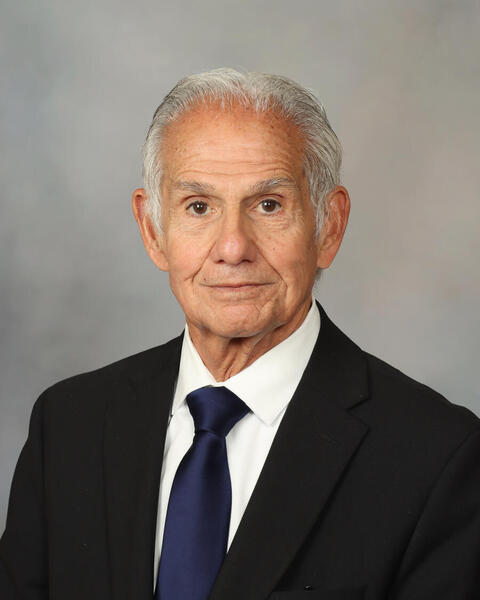
Eduardo E. Benarroch, M.D., is a Professor of Neurology and Consultant in the Department of Neurology at Mayo Clinic in Rochester, Minnesota. His research focuses on neurochemical mechanisms underlying neurodegenerative disorders such as multiple system atrophy (MSA) and Lewy body diseases, with emphasis on brainstem and hypothalamic neuronal groups controlling homeostasis. His work is supported by the MSA Coalition and has contributed to understanding autonomic, respiratory, and sleep symptom mechanisms in Parkinson's disease. Dr. Benarroch holds a D.Sci. in Physiology from Buenos Aires University and completed multiple fellowships including NIH Fogarty International Fellowship at Cornell University. He has held leadership roles including President of the American Autonomic Society and Co-Director of Mayo's Neuroscience Laboratory. His 286+ publications span neurochemical pathology, autonomic disorders, and clinical neurology. Awarded the AB Baker Lifetime Achievement Award in Neurologic Education, he has received repeated teaching honors including Mayo's Distinguished Educator Award. His professional memberships include American Academy of Neurology, Society for Neuroscience, and Sigma Xi. He has advised numerous trainees and contributed to consensus guidelines on dysphagia in neurodegenerative diseases.
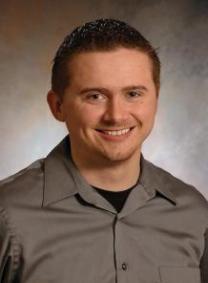
Greg J. Norman is Associate Professor, Associate Chair, and Director of Graduate Studies in the Department of Psychology at the University of Chicago, with a secondary appointment in Psychiatry and Behavioral Neuroscience. He joined the faculty in 2012 after completing his Ph.D. and postdoctoral research at the same institution. Education: Bachelor's in Psychology and Philosophy, The Ohio State University Ph.D. in Psychology (Behavioral Neuroscience), The Ohio State University, 2010 Postdoctoral Research Scholar, University of Chicago, Laboratory of John T. Cacioppo Dr. Norman's research lies at the intersection of social neuroscience, psychophysiology, behavioral endocrinology, and behavioral genetics. He investigates how social interactions modulate physiological systems—including the autonomic nervous system, neuroendocrine axes, and inflammatory responses—to influence health outcomes. His work employs both human and animal models, with a particular focus on oxytocin signaling, stress reactivity, and neural mechanisms of social evaluation. He uses multilevel assessment techniques to bridge behavior, biology, and social context. His recent publications reveal a strong thematic focus on the neurobiological underpinnings of social behavior and health. Key areas include oxytocin's role in autonomic regulation and social buffering, the impact of loneliness and social isolation on neuroinflammatory and cardiovascular responses, and the neural basis of evaluative processing in social contexts. His work frequently appears in high-impact journals such as PNAS , Psychosomatic Medicine , and Hormones and Behavior , reflecting interdisciplinary rigor and clinical relevance. Scientific Awards: No awards listed in the provided text. As Director of Graduate Studies, Dr. Norman plays a central role in mentoring and shaping the training of graduate students in psychology. While specific students are not named, his extensive publication record with multidisciplinary teams suggests active supervision and collaboration. He has contributed to major handbooks and has been involved in research supported by institutional and federal funding, though specific grants are not detailed in the text. Labs and Research Teams: His research is conducted in laboratories associated with the Department of Psychology and the former Center for Cognitive and Social Neuroscience at the University of Chicago. He has collaborated extensively with prominent researchers including John T. Cacioppo, Gary G. Berntson, A. Courtney DeVries, and Louise Hawkley, indicating membership in a large, interdisciplinary social neuroscience research group.
Judith E Carroll, PhD, is an Adjunct Associate Professor in the Department of Psychiatry and Biobehavioral Sciences at UCLA's School of Medicine, where she holds the George F. Solomon Professorship of Psychobiology. She directs the Aging Biology & Behavior Lab and co-leads the Infrastructure for Research in Equity, Aging, Cancer and Health initiative. Her research bridges psychoneuroimmunology, geroscience, and oncology, with continuous NIH funding since 2013. Education: PhD in Biological & Health Psychology, University of Pittsburgh (2010) MA in Biopsychology & Aging, Sonoma State University (2003) BA in Psychology, Sonoma State University (2002) Her research examines biological mechanisms linking stress, sleep, and aging in cancer populations. Primary interests include: Accelerated aging biomarkers in breast cancer survivors Sleep health interventions to reverse cellular aging Impact of early-life adversity on lifelong health trajectories Social determinants of cognitive decline in oncology Recent publications (2023-2025) demonstrate: Dominant focus on epigenetic aging and inflammation in oncology Longitudinal studies of cancer-related cognitive decline Methodological innovation in transcriptomic biomarker discovery Health disparities framework across 80% of publications Awards: American Psychosomatic Society Young Scholar Award (2012) American Sleep Medicine Foundation Bridge to K Award (2013) American Cancer Society Research Scholar Award (2015) STOP CANCER Career Development Award (2016) PNIRS Robert Ader New Investigator Award (2019) Active Grants (NIH): R01AG082348: Patterns of Biological Aging in Cancer Survivors (MPI, 2023-2028) R56AG068086: Heterogeneity in Aging Among Breast Cancer Survivors (PI, 2021-2022) R01CA237535: Accelerated Aging in Breast Cancer (PI, 2020-2023) She mentors through the TLC (Thinking and Living with Cancer) Study consortium involving 15+ institutions. Leads the Aging Biology & Behavior Lab researching stress-sleep-aging mechanisms and co-directs the Infrastructure for Research in Equity, Aging, Cancer and Health (REACH) initiative, fostering multi-institutional collaborations on health disparities.
Dr. Yvonne M. Ulrich-Lai is a Professor in the Department of Pharmacology and Systems Physiology at the University of Cincinnati. Her research focuses on the neural and hormonal mechanisms linking diet, obesity, and stress, particularly the role of the HPA axis and reward systems in behavioral and physiological stress responses. PhD in Neuroscience, University of Minnesota (2002) Postdoctoral Fellowship, University of Cincinnati College of Medicine (2007) BSc in Biology, Harvey Mudd College (1994) Her work investigates: How comfort foods modulate stress through brain reward pathways Ketogenic diets' impact on HPA axis activity Sexual dimorphism in stress-induced metabolic dysfunctions Neuroanatomical circuits regulating stress-food interactions Recent publications highlight her focus on rodent models to study diet-induced obesity, HPA axis plasticity, and stress-related behavioral changes. Scientific awards include the 2012 Amgen/Endocrine Society Early Investigators Award . She holds multiple federal grants from NIDDK and NIMH, including R01 and R56 awards, and collaborates with interdisciplinary teams on metabolic phenotyping and stress resilience.
Elizabeth Videlock, M.D., Ph.D. is an Assistant Professor of Medicine at the David Geffen School of Medicine , University of California, Los Angeles (UCLA) . Her laboratory is housed within the UCLA Center for Inflammatory Bowel Diseases and she leads the Videlock Laboratory . She is a physician-scientist with dual training in internal medicine and gastroenterology, and a Ph.D. in translational research focused on the gut-brain axis. Education and Training: B.S., Chemistry – Yale University M.D. – David Geffen School of Medicine at UCLA Internal Medicine Residency – Beth Israel Deaconess Medical Center, Boston Gastroenterology Fellowship – UCLA STAR Program Ph.D. – UCLA, under mentorship of Dr. Charalabos Pothoulakis and Dr. Lin Chang Research Focus: Dr. Videlock’s research centers on the gut-brain axis , with a particular emphasis on Parkinson’s disease and irritable bowel syndrome (IBS) . Her lab uses clinical samples, animal models, and cell-based systems to investigate how gastrointestinal dysfunction contributes to neurological disease. Key areas include mitochondrial dysfunction in the gut epithelium, alpha-synuclein pathology, and the role of genes like PINK1 and PRKN in intestinal health. Scientific Awards and Honors: NIH-NIDDK K08 Grant Award (2024) UCLA CTSI KL2 Translational Science Award (2023) Chan Zuckerberg Initiative Neurodegeneration Challenge Grant American Gastroenterological Association (AGA) FORWARD Scholar Funding and Grants: NIH-NIDDK K08: “Intestinal Mitochondrial Dysfunction and the Gut-Brain-Immune Axis in Models of Parkinson’s Disease” UCLA CTSI KL2: “Parkinson's Disease May Begin in the Gastrointestinal Tract” Chan Zuckerberg Initiative: “The Role of Pink1/Parkin in the Intestinal Epithelium” CURE Pilot and Feasibility Grant UCLA Claude Pepper Rapid Pilot Award Laboratory and Affiliations: Dr. Videlock leads the Videlock Laboratory within the UCLA Center for Inflammatory Bowel Diseases . She is also affiliated with the UCLA G. Oppenheimer Center for Neurobiology of Stress and Resilience and the UCLA Vatche and Tamar Manoukian Division of Digestive Diseases .
Nils Eiel Steen is a Professor at the Centre for Precision Psychiatry , Faculty of Medicine, University of Oslo . With a focus on psychiatric genetics and immune biomarkers , his work bridges schizophrenia research , bipolar disorder , and metabolic psychiatry . Genetic overlap between mental disorders and immune/metabolic traits Neuroinflammatory mechanisms in psychosis Neuroimaging-genetics integration Sex-specific pharmacological responses His recent publications reveal trends in: Linking cerebellar morphology to mental illnesses Mapping inflammatory-cognitive subgroups Identifying genetic pleiotropy across psychiatric and neurological conditions Elucidating infectious triggers in severe mental disorders Collaborations span Oslo University Hospital units and international consortia, with emphasis on translational neuroscience and precision medicine .
Corinna Reichl is a Postdoc researcher and senior research assistant at the University of Bern's Department of Child and Adolescent Psychiatry and Psychotherapy. She co-leads the specialized outpatient clinic for adolescent risk-taking and self-harm behavior (AtR!Sk). Her research focuses on non-suicidal self-injury (NSSI), hypothalamic-pituitary-adrenal (HPA) axis functioning, childhood adversity effects on mental health, and early intervention for borderline personality disorder (BPD) in adolescents. She holds a PhD and has extensive clinical and research experience in adolescent mental health. Her work bridges clinical practice and neuroscience, with a particular emphasis on biological and psychological mechanisms underlying self-harm and personality disorders. She has authored numerous peer-reviewed articles and presented at international conferences on topics such as NSSI trajectories, cortisol dynamics, and BPD treatment outcomes. Key research interests include: Neurobiological underpinnings of NSSI and BPD Impact of childhood adversity on stress responses Early intervention strategies for adolescent BPD Psychopathological correlates of personality dysfunction Her presentations and publications address clinical applications of research findings, including stepped care approaches, machine learning in phenotyping, and transdiagnostic symptom evaluation. She actively contributes to training programs on dialectical behavior therapy (DBT-A) for adolescents and crisis intervention strategies.
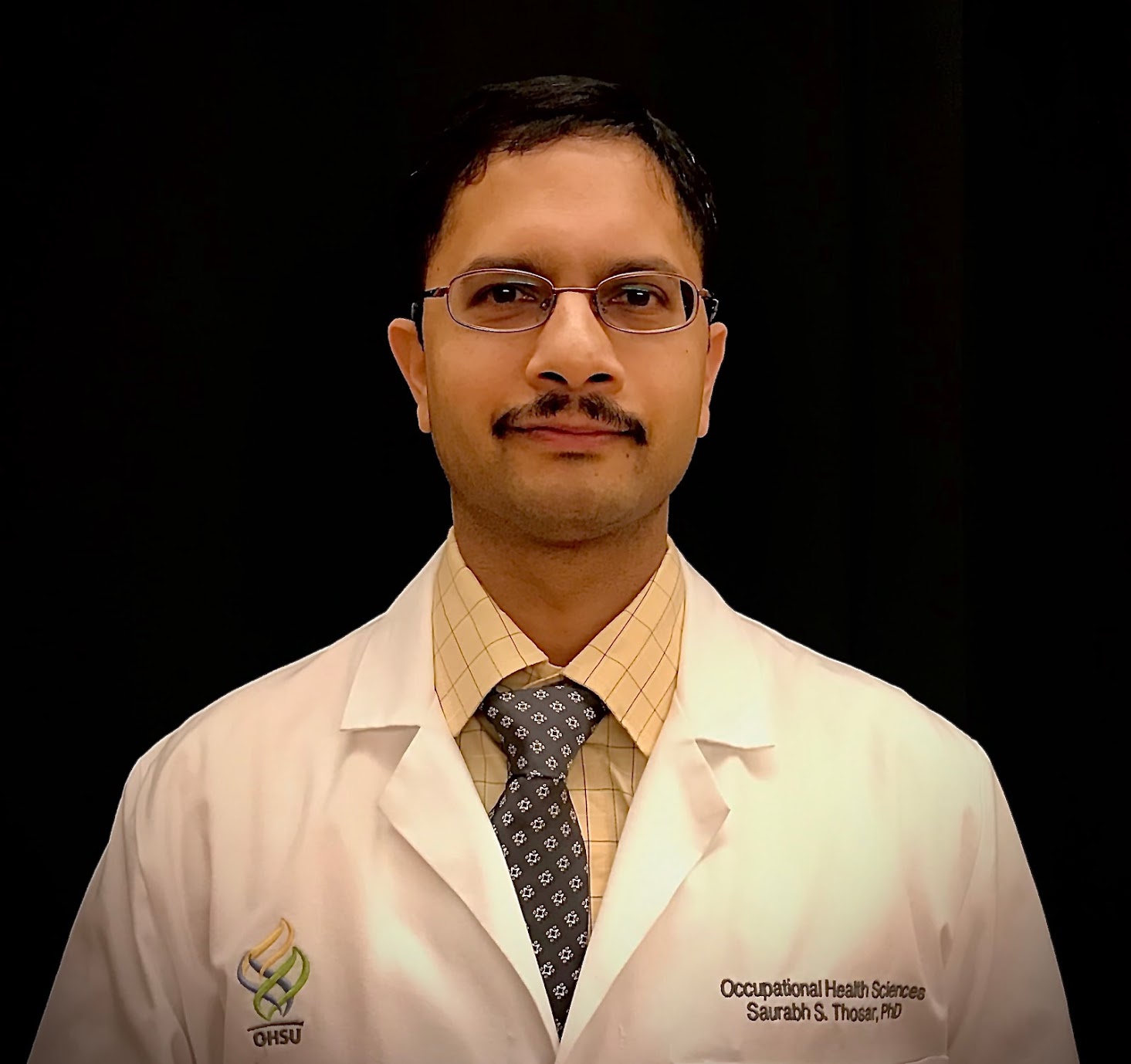
Dr. Saurabh S. Thosar is an Associate Professor at the Oregon Institute of Occupational Health Sciences with secondary appointments in the Schools of Nursing, Medicine, and Public Health at Oregon Health & Science University (OHSU) . His research explores the interplay between sleep , circadian rhythms , and physical inactivity in relation to cardiovascular disease and occupational health . Funded by an NIH R01 grant , his work bridges clinical research, exercise physiology, and public health. Education: B.Sc. in Occupational Therapy (Maharashtra University of Health Science), M.S. in Movement Sciences (University of Illinois at Chicago), Ph.D. in Human Performance (Indiana University Bloomington) Dr. Thosar's research program focuses on circadian physiology , vascular function , and sedentary behavior interventions . His work spans clinical studies on coronary flow reserve , population analyses of workplace health , and mechanistic investigations into sleep-cardiovascular links . Articles in journals like Frontiers in Public Health and Am J Physiol Heart Circ Physiol highlight trends in circadian-modulated cardiovascular biomarkers and sedentary risk mitigation. Scientific Awards: APS Select Award (2019) Sleep Research Society Travel Award (2016) OHSU Research Week First Place (2016) Implementation Science Workshop Travel Award (2015) AASM/NIH Young Investigator Awardee (2015) A culturally aware mentor trained by the OHSU Mentoring Academy , Dr. Thosar investigates chronobiology and occupational health while analyzing ambulatory blood pressure protocols and workplace wellness programs . His lab operates at the intersection of circadian medicine and preventive cardiology .
Alba Rossi-George is a Lecturer in the Department of Social Science at the School of Arts & Sciences, City University of New York (CUNY). Her academic training includes a Ph.D. and M.S. in Biopsychology and Behavioral Neuroscience from Rutgers University, followed by three postdoctoral fellowships in Psychiatry, Environmental and Occupational Health Sciences, and Pharmacology and Toxicology at institutions in New Jersey. Ph.D., Biopsychology and Behavioral Neuroscience, Rutgers University M.S., Biopsychology and Behavioral Neuroscience, Rutgers University Postdoctoral Fellowship, Psychiatry, University of Medicine and Dentistry of NJ Postdoctoral Fellowship, Environmental and Occupational Health Sciences, EOHSI, NJ Postdoctoral Fellowship, Pharmacology and Toxicology, Rutgers School of Pharmacy Her research centers on the neurobehavioral and neuroimmune impacts of environmental toxins such as lead and copper, particularly in animal models. She investigates how exposure to these toxicants influences neurodegenerative processes, stress responses, HPA axis regulation, and nitric oxide signaling in microglial cells. Her work bridges behavioral neuroscience with molecular toxicology, offering insights into the biological mechanisms linking environmental exposures to neurological dysfunction. The recent publications highlight a consistent focus on metal toxicity (especially lead and copper), neuroinflammation, and cellular signaling pathways. A dominant theme is the interaction between environmental stressors and toxicants, with multiple studies examining how prenatal or lifetime exposure to lead, combined with stress, alters neurochemical and behavioral outcomes. Several papers employ BV2 microglial cell models to explore redox and nitrosative signaling disruptions caused by copper. The research trajectory reflects a deep engagement with mechanistic neurotoxicology and the long-term health implications of early-life exposures. No scientific awards were mentioned in the available text. There is no information provided about student advising or research grants. However, her extensive collaborative work, particularly with researchers like DA Cory-Slechta and MB Virgolini, suggests active participation in team-based neuroscience and toxicology research. She teaches courses such as Introduction to Psychology and Health Psychology, contributing to undergraduate education in psychological and behavioral sciences. While no formal lab or research team is named, her publications indicate sustained involvement in a research group focused on environmental neurotoxicology and stress interactions, likely based at or affiliated with Rutgers and CUNY institutions.
Andrea Pfennig is an Adjunct Professor at the Medical Faculty of Technische Universität Dresden, Germany. She leads the Early Detection and Intervention Centre for psychiatric disorders within the Department of Psychiatry and Psychotherapy at Carl Gustav Carus University Hospital. Additionally, she serves as a Senior Physician at the Day Clinic for Young People at the Centre for Mental Health. Her academic career includes roles as Assistant Professor for Psychiatric Epidemiology (2009–2015) and extensive postdoctoral research experience across institutions like Harvard University, Charité-University Medicine Berlin, and the Max-Planck Institute of Psychiatry. Education highlights include an MD from the University of Magdeburg (2000), MSc in Epidemiology from TU Berlin/Bielefeld (2006), and board certification in Psychiatry and Psychotherapy (2008). Research focuses on early detection/intervention in psychiatric disorders , bipolar disorder epidemiology, and developing clinical guidelines. Notable contributions include creating risk assessment tools and evaluating integrated patient-centered care models. Her work has been recognized through awards like the Mitchell Balter Award (2009) and editorial roles at journals like International Journal of Bipolar Disorders . She chairs key organizations such as the Division on Prevention of Mental Disorders at the German Association for Psychiatry. Over 250 peer-reviewed publications (SCOPUS h-index 35) reflect her expertise in mood disorders, risk factors, and therapeutic interventions. Key Contributions: Cognitive-behavioral therapy efficacy in bipolar risk populations, sleep as a bipolar risk factor, lithium treatment cognitive effects Collaborations: Multicenter trials on high-risk psychiatric populations Publications: Focus on bipolar disorder progression, depressive episode conversion, and genetic influences on mental health
C. Neill Epperson, MD, is a Professor and Director of the Yale Program for Women’s Reproductive Behavioral Health (WRBH) at the Yale School of Medicine. He holds a MD from the University of North Carolina (1991) and completed Psychiatry residency and a fellowship at Yale. His research focuses on hormonal impacts on brain function across the female lifespan, including postpartum depression, premenstrual dysphoric disorder (PMDD), and stress-related mental health. He previously served as Chair of Psychiatry at the University of Colorado School of Medicine and led clinical and research programs in women’s behavioral health at the University of Pennsylvania. Dr. Epperson’s work integrates clinical practice, translational research, and public health initiatives, particularly addressing mental health disparities among immigrant populations and advancing technologies for mental health monitoring. His research has been continuously NIH-funded for over two decades, emphasizing sex/gender differences and reproductive health. Leadership roles include directing the Penn Center for Women’s Behavioral Wellness and co-founding the PROMOTES Research initiative. His grants and collaborations span academic-industry partnerships, such as a recent study on smartphone-based mental health monitoring. He advocates for reducing stigma in psychiatric care through neurobiological frameworks.
Gerardo G. Piroli is a Research Assistant Professor in the Department of Pharmacology, Physiology & Neuroscience at the University of South Carolina School of Medicine. His research focuses on protein succination in the context of mitochondrial diseases such as Leigh syndrome, with a particular interest in how metabolic stress impacts cellular function. Ph.D. in Biochemistry and Physiology, University of Buenos Aires School of Pharmacy and Biochemistry Postdoctoral Training, The Rockefeller University and University of Buenos Aires B.Sc. in Biochemist and Pharmacist, University of Buenos Aires School of Pharmacy and Biochemistry Dr. Piroli's research centers on the irreversible post-translational modification of proteins known as succination, which occurs when fumarate reacts with cysteine residues. His work has shown that the voltage-dependent anion channel (VDAC) is a key target of succination in the brain of the Ndufs4 KO mouse model of Leigh syndrome, potentially exacerbating mitochondrial dysfunction. He is currently exploring therapeutic interventions such as antioxidants and alternative electron carriers to reduce succination and improve outcomes in mitochondrial disorders. His recent publications highlight trends in mitochondrial and metabolic stress, protein modifications, neurodegeneration, and endocrine regulation. Research spans from fundamental biochemistry to disease models, including diabetes, cancer, and stress-related neuropsychiatric conditions. Scientific contributions include: Identification of tubulin as a novel succinated protein Linking mitochondrial stress to ER stress in adipocytes Exploring fumarase deficiency in Mycobacterium tuberculosis Investigating insulin resistance in hippocampal function Dr. Piroli is actively involved in teaching medical and graduate students, covering pharmacology, physiology, and biochemical basis of disease. He leads small group discussions and lectures on topics including antimicrobials, metabolic integration, signal transduction, and the HPA axis. While no formal advisees are listed, his lab work under Dr. Norma Frizzell suggests mentorship of junior researchers. He has not received publicly listed awards, but his sustained publication record and interdisciplinary research indicate significant scientific impact. His work is conducted within the Basic Science Building at the University of South Carolina School of Medicine, where he contributes to a collaborative environment focused on understanding the molecular basis of metabolic and neurological diseases.
Dr. Hongxin Dong is a Professor in the Department of Psychiatry and Behavioral Sciences at Northwestern University's Feinberg School of Medicine, with additional appointments in Neurology through the Ken and Ruth Davee Department. His laboratory has maintained a continuous research program since 2000 focusing on genetic and environmental influences on neurodevelopment and aging, particularly their relevance to Alzheimer's disease and related neuropsychiatric disorders. Dr. Dong holds key affiliations with the Mesulam Center for Cognitive Neurology and Alzheimer's Disease, the Center for Autism and Neurodevelopment, the Northwestern University Clinical and Translational Sciences Institute (NUCATS), the Simpson Querrey Institute for Epigenetics, and the Stephen M. Stahl Center for Psychiatric Neuroscience. His research integrates clinical data from human antemortem assessments and postmortem tissues with animal models to discover novel molecular, genetic, and epigenetic mechanisms underlying neuropsychiatric symptoms in Alzheimer's disease. Dr. Dong's research program is currently supported by multiple NIH grants including R01AG062249 (Molecular Mechanisms Underlying Behavioral and Psychological Symptoms in Alzheimer's Disease), R01AG079989 (Epigenetic Regulation in Aging and Alzheimer's Disease), and R01AG078386 (Estrogen signaling linked to stress and Alzheimer's Disease). His work has established important connections between stress, aging, and Alzheimer's disease pathogenesis, with particular focus on sex differences that may explain women's greater vulnerability to Alzheimer's disease. Dr. Dong serves as Associate Editor for both the American Journal of Neurodegenerative Disease (since 2012) and the Journal of Alzheimer's Disease (since 2010), and previously served as Guest Editor for Neurobiology of Stress (2016-2017). He has received recognition including a Travel Award from the RNA Binding Proteins in Neurological Disease Symposia (2011). His laboratory has produced over 85 publications spanning from 1997 to 2025, with recent work focusing on epigenetic mechanisms in Alzheimer's disease, sex differences in stress responses, behavioral and psychological symptoms of dementia, and novel therapeutic approaches targeting molecular pathways involved in neurodegeneration. His research has significant implications for developing new therapeutic strategies to slow disease onset and prevent progression of Alzheimer's disease and related disorders.
Dr. Darragh Devine is a Professor and Director of the Behavioral and Cognitive Neuroscience program at the University of Florida's Department of Psychology & Neuroscience. He specializes in the neurobiology of self-injurious behavior (SIB) and stress-related disorders. His research investigates the dopaminergic and neurochemical mechanisms underlying SIB in neurodevelopmental disorders like autism and Lesch-Nyhan syndrome, using animal models such as the pemoline-induced self-biting rat. He also explores environmental and pharmacological interventions to mitigate these behaviors. Dr. Devine earned his B.Sc. from Concordia University (1982), M.A. from Carleton University (1988), and Ph.D. from Concordia University’s Center for Studies in Behavioral Neurobiology (1993). He completed a postdoctoral fellowship at the University of Michigan (1993–1998) before joining the University of Florida faculty in 1998. His research interests include SIB etiology, stress physiology, and neurodevelopmental disorders. He has trained numerous graduate students and postdocs, emphasizing skills in behavioral neuroscience, neurochemistry, and molecular biology. Notable awards include two College of Liberal Arts and Sciences Teacher of the Year titles (2003, 2012) and the HHMI Distinguished Mentor Award (2012). Current lab members include postdoctoral researchers Dr. Sergei Zolotukhin and Dr. Stacey Reynolds, as well as doctoral candidates like Amber Van Matre and Nathan Weinstock. His work is funded by grants from the National Institute of Child Health and Human Development, NIH, and autism-focused organizations.
Dr. Alex Reichenbach is a Research Fellow in the Department of Physiology at Monash University, specializing in neuroendocrinology and metabolic neuroscience. His work focuses on understanding how neural circuits, particularly AgRP neurons, integrate metabolic and stress signals to regulate energy balance, reward mechanisms, and behavioral responses. He leads multiple research projects funded by the Australian Research Council (ARC), including investigations into hypothalamic circuits linking stress and metabolism. Reichenbach’s research interests span metabolic sensing in AgRP neurons, ghrelin signaling pathways, and the role of neurocircuits in stress adaptation. He has contributed to advancements in neuroimaging tools (e.g., FiPhoPHA) and open-source devices for behavioral studies in rodents (FED3). Collaborations emphasize translational research, bridging basic neuroscience with implications for obesity, Parkinson’s dementia, and metabolic disorders. His publications highlight discoveries in stress-sensitive neurocircuits, metabolic regulation of dopamine signaling, and the interplay between hunger and learning. Current projects (2024–2026) aim to identify hypothalamic circuits that integrate stress and metabolic cues, with potential clinical relevance for stress-related metabolic disorders.