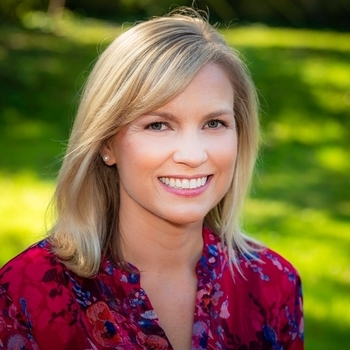
Kelly Arnold is an Associate Professor in the Department of Biomedical Engineering at the University of Michigan. Her research integrates systems engineering principles with immunology to investigate variability in immune responses across infection, vaccination, and injury, with a focus on computational modeling and clinical translation. Research Focus Systems-level immune response modeling Vaccination and antibody functionality Vaginal microbiome-host interactions Chronic lung disease progression Computational serology and proteomics Recent Work Her 2025 studies examine SARS-CoV-2 vaccination responses in cancer patients and computational frameworks for vaginal probiotics. Earlier works (2024-2007) span COPD progression, lupus fibrosis, HIV susceptibility, and tissue engineering for fertility preservation. Methodologies include proteomic profiling, network modeling, and microfluidic systems.
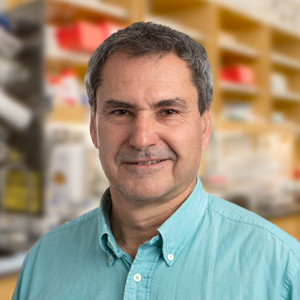
Dr. Richard Y. Zhao is a tenured Professor in the Department of Pathology and Microbiology-Immunology at the University of Maryland School of Medicine. His research combines molecular biology, fission yeast genetics, mammalian biology, and virology to study virus-host interactions, particularly for HIV and Zika virus. He previously held academic positions at Northwestern University and Columbia University and has contributed to over 120 peer-reviewed articles. B.S., China Oceanography University (1981) M.S., Oregon State University (1995) Ph.D., Oregon State University (1991) Postdoctoral Training, Columbia University (1991-1992) Dr. Zhao's research focuses on: Virus-host interactions and pathogenicity High-throughput drug screening for antivirals Role of viral proteins in neuroinflammation and cancer Translational genomics in precision medicine His recent publications highlight SARS-CoV-2 ORF3a, Zika envelope proteins, and HIV protease inhibitors, emphasizing host-pathogen mechanisms across species. He has served on NIH panels and editorial boards for journals like Cell Research and Retrovirology . Scientific awards include: Fellow, American Academy of Microbiology (2019) Bernard L Mirkin Endowed Chair (2001-2004) Honorary Director, Shandong Gallo Institute (2009) Distinguished Service from SCBA (2015) Outstanding Service from CBA-USA (2016) Dr. Zhao also contributes to clinical diagnostics and personalized medicine through molecular testing and pharmacogenetics programs.
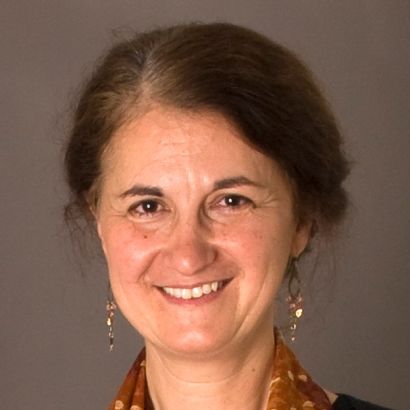
Félix Rey is a leading Research Professor at the Structural Virology Unit within the Virology Department of the Institut Pasteur in Paris, France. He spearheads multidisciplinary studies on viral and cellular membrane fusion mechanisms, with a focus on emerging viruses such as Chikungunya , Dengue , and SARS-CoV-2 . His research explores: Structural biology of virus envelope glycoproteins (e.g., Chikungunya p62-E1, Hepatitis C E2, Foamy virus Env). Molecular interactions in viral entry and neutralization. Cell-cell fusion mechanisms in fertilization and development. Recent publications highlight structural insights into: 2025 : SARS-CoV-2 spike protein conformational dynamics and ACE2 receptor interactions. 2024 : Foamy virus fusion protein evolution, TMPRSS2's role in HKU1 coronavirus entry. 2023 : Yellow fever virus maturation, pan-hantavirus neutralization antibodies. He collaborates with teams across France , Southeast Asia , and West/Central Africa through the Pasteur International Center for Research on Emerging Infectious Diseases . Current advisees include Paul Courrieu and Marius Allombert (Master's students).
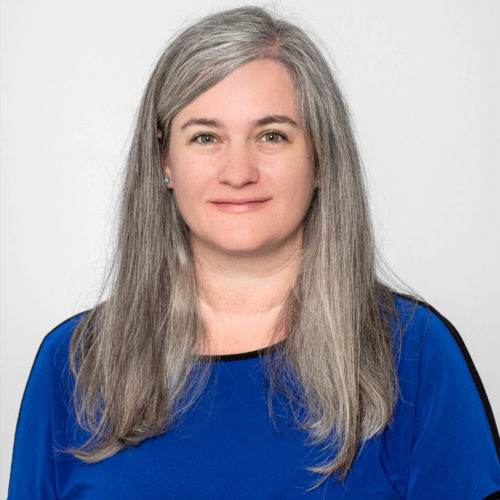
MICHEL SANNER is a Professor of Molecular Biology at the Department of Integrative Structural and Computational Biology at Scripps Research. He holds a PhD in Computer Science from the University of Haute Alsace, France (1992). His research focuses on computational methods for molecular interactions, molecular graphics, and component-based software development. Notable contributions include the AutoDock suite (for molecular docking), PMV (a molecular visualization environment), and Vision (a visual programming tool). His research group develops tools like AutoDock CrankPep for peptide docking and F2Dock for protein-protein interactions. These tools are widely used in drug discovery and structural biology. His work emphasizes software engineering principles to create adaptable computational pipelines for analyzing macromolecular structures and simulating interactions. Publications span topics like peptide-docking methodologies, ligand-binding site prediction, and GPU-accelerated docking algorithms. His articles highlight advancements in computational methods for understanding protein-ligand interactions, with applications in anticoagulant research and HIV/FIV protease inhibition. Collaborations include work with Arthur J. Olson and David S. Goodsell on docking methodologies.
Karen S. Anderson is a Professor of Pharmacology and Molecular Biophysics and Biochemistry at Yale School of Medicine, with a primary appointment in the Department of Pharmacology. She serves as Co-Leader of Developmental Therapeutics at Yale Cancer Center and Co-Director of the Therapeutics/Chemotherapy Program. Dr. Anderson is also an undergraduate research mentor and fellow at Pierson College at Yale, where she advises freshman students. Dr. Anderson's research program focuses on mechanistic enzymology and structure-based drug design to develop novel therapeutics. Her work centers on understanding molecular mechanisms of enzymes that play critical roles in cancer and infectious diseases, including HIV/AIDS. She has made significant contributions to the understanding of HIV reverse transcriptase, anticancer targets like EGFR and HER-2, and enzymes involved in parasitic infections. Her laboratory employs a multidisciplinary approach combining biophysical techniques, structural studies, and computational methods to advance drug discovery. Analysis of her recent publications (2023-2025) reveals a strong research trajectory spanning three main areas: HIV drug resistance and novel inhibitors, cancer therapeutics focusing on resistance mechanisms and targeted therapies, and antiviral/antimicrobial drug development including work on SARS-CoV-2. Her research demonstrates consistent innovation in structure-based drug design approaches across multiple disease areas. Selected Awards and Honors: Enzymes, Coenzymes, & Metabolic Pathways Gordon Research Conference Chair (2001) Yale Cancer Breast Cancer Initiative Research Award (1996) Dean's Young Faculty Award from Yale University (1991) Multiple Monsanto Research Achievement Awards (1985-1989) YWCA Women's Leadership Award (1986-1987) Dr. Anderson has trained over 50 undergraduates, graduate students, M.D./Ph.D. students and postdoctoral fellows who have gone on to successful careers in academia and industry. Her laboratory, the Anderson Lab, focuses on translating mechanistic and structural studies into novel therapeutic approaches for viral infections and cancer. The lab utilizes a range of biophysical techniques to study clinically relevant proteins with the goal of developing more effective therapies for conditions including cancer, infectious diseases, and neurodegenerative disorders.
Fran Aweeka is a Professor and Vice Chair of Research at the Department of Clinical Pharmacy, University of California San Francisco (UCSF) School of Pharmacy . She directs the Drug Research Unit (DRU) and serves as the Pharmacology Core Lead for the UCSF Center for AIDS Research . Her research focuses on pharmacokinetic and pharmacodynamic studies of HIV, malaria, and tuberculosis drugs, particularly in vulnerable populations in Africa and the U.S. She actively contributes to the PharmD degree program as a co-director of the Inquiry component and mentors students in pharmacology and international research. As a clinical pharmacologist with over 25 years of experience, Dr. Aweeka investigates drug interactions in co-infected patients, pharmacokinetics in pregnancy and pediatric populations, and mechanisms of HIV-associated inflammation. Her work includes PI roles on NIH R01 grants and leadership in global health initiatives like seasonal malaria chemoprevention studies in Uganda. The DRU under her direction provides advanced analytical techniques for drug quantification in plasma and target tissues, supporting over 30 NIH studies. Her recent research trends include pharmacokinetic-pharmacodynamic modeling of antimalarial and antiretroviral combinations, microvolume plasma assays , and drug exposure-response relationships in resource-limited settings. Publications from 2021–2025 reflect these areas, with emphasis on pregnancy pharmacokinetics , pediatric dosing , and global health pharmacology . Dr. Aweeka holds a PharmD from UCSF (1985) and a BS in Biological Sciences from USC (1981). She is a licensed pharmacist in California and has completed leadership programs like the Mentor Development Program . Her lab supports collaborative projects across national and international institutions, focusing on drug quantification in plasma, dried blood spots, and target cells.
Dr. Adele McCormick is Reader in Molecular Virology at the University of Westminster's School of Life Sciences, where she leads the Genomics and Infectious Diseases research group. She coordinates the MSc Biomedical Science program and teaches molecular biology and clinical microbiology. Education background: PhD in Sustainable Energy Systems, University of Sheffield MSc in Clinical Pathology, University of Sheffield BSc in Biochemistry and Microbiology, University of Sheffield Her research focuses on viral pathogenesis, antiviral resistance mechanisms in HIV/HCV, and the role of endogenous retroviruses in neurological disorders. She established the university's genomics facility for BSL-2 pathogen sequencing and collaborates internationally on antiviral development projects. Recent publications emphasize molecular diagnostics, SARS-CoV-2 therapeutics, and retroviral involvement in ALS. Her work shows increasing focus on nanoparticulate antivirals and long-read sequencing applications since 2020. Dr. McCormick has secured substantial research funding including an ALS Association grant ($325,000) and directs the Westminster virology research group. She is a Fellow of the Royal Society of Biology and serves on editorial boards for virology journals.
Priti Kumar is an Associate Professor of Infectious Diseases and Microbial Pathogenesis at Yale University School of Medicine , with affiliations in Cancer Immunology, Immunology, and Virology Laboratories. She leads the Yale-UPR Integrated HIV Basic and Clinical Sciences Initiative and directs the Yale Predoctoral Training Program in Virology and BBS Microbiology Track Graduate Admissions. Education: PhD in Immunology (2002) from Indian Institute of Science; Postdoctoral training (2005) at Harvard Medical School. Research Interests: Focus on RNA viruses , gene therapy , and siRNA delivery platforms , particularly for HIV-1, West Nile virus, Japanese encephalitis, dengue, and SARS-CoV-2. Key innovations include transvascular CNS delivery of siRNAs and humanized mouse models for HIV pathogenesis. Recent Work: Her lab explores CRISPR-based HIV cure strategies , picomolar NNRTIs , and metabolic disease interventions using RNA therapeutics. Articles highlight SARS-CoV-2 vaccines, Fc-effector mechanisms, and HIV transmission pathways in macrophages. Collaborations: Key partnerships with Yale labs (Mothes, Saltzman, Anderson) and NIH workshops on humanized mouse models. Her work spans translational medicine , vaccine development , and antiviral pharmacology .
Prof. Dr. Thomas Lengauer is a leading figure in computational biology and applied algorithmics at the Max Planck Institute for Informatics, part of the Max Planck Society in Saarbrücken, Germany. He heads the Department of Computational Biology and Applied Algorithmics, where he drives research at the intersection of computer science, genomics, and medicine. His work integrates algorithm development with biological applications, particularly in viral genomics, epigenetics, and personalized treatment prediction. Research Interests: His research focuses on computational methods for analyzing complex biological data. Key areas include HIV and hepatitis virus evolution, antiretroviral therapy outcome prediction, DNA methylation and epigenomic analysis, machine learning applications in medicine, and the integration of big data in biological research. He has made significant contributions to understanding viral drug resistance and host-pathogen interactions through computational modeling. The recent publications (2019–2025) reflect a strong trend toward integrating temporal genomic data, machine learning, and public health surveillance. His work spans from fundamental algorithm development (e.g., RnBeads, MeDeCom) to applied clinical research (e.g., dolutegravir resistance, SARS-CoV-2 interventions). Key domains include epigenomics , virology , machine learning in healthcare , and biological database systems , increasingly incorporating AI-driven approaches. Scientific Awards: No specific awards are mentioned in the provided text. Advising and Grants: While no formal list of students is provided, Prof. Lengauer leads a large collaborative research group, evidenced by frequent co-authorship with researchers such as Walter, Bock, Müller, Kaiser, and Pirkl. He participates in major consortia (e.g., DEEP Consortium, Respiratory Virus Network), suggesting leadership in funded collaborative projects. His work is likely supported by Max Planck Society core funding and competitive third-party grants, though specific grants are not listed. Labs and Teams: He leads the Computational Biology and Applied Algorithmics group at the Max Planck Institute for Informatics. The team develops computational tools for epigenomic data analysis (e.g., RnBeads, DecompPipeline), viral resistance prediction, and public health modeling. The group collaborates extensively with clinical and biological researchers across Europe, functioning as a hub for interdisciplinary bioinformatics research.
Erol Fikrig is the Waldemar Von Zedtwitz Professor of Medicine (Infectious Diseases) and Professor of Epidemiology (Microbial Diseases) and Microbial Pathogenesis at Yale School of Medicine . He serves as Section Chief of Infectious Diseases and is affiliated with the Yale Institute for Global Health and the Fikrig Lab . Yale Combined Program in the Biological and Biomedical Sciences Yale-UPR Integrated HIV Basic and Clinical Sciences Initiative Education: MD, Cornell University (1985) Residency, Vanderbilt University Hospital (1988) Fellowship, Yale University School of Medicine (1991) Research Interests Dr. Fikrig investigates molecular interactions between pathogens (Borrelia burgdorferi, Flaviviruses, Plasmodium) and their vectors (ticks, mosquitoes), focusing on: Mechanisms of immunity evasion in vector-borne diseases mRNA vaccine development targeting vector salivary proteins Pathogen transmission dynamics at the vector-host interface Immunomodulation by arthropod saliva Tick and mosquito genetic targets for disease prevention Host-pathogen-vector triangular interactions Publication Trends Recent work emphasizes: mRNA vaccines for tick-borne diseases (Lyme, babesiosis) Salivary biomarkers of Plasmodium exposure Tick protein disulfide isomerases in Borrelia colonization AgTRIO and mosGILT proteins in mosquito biology Immune checkpoint targeting by mosquito factors Epidemiological modeling of vector-pathogen systems Scientific Honors National Academy of Medicine (2024) NIH Merit Award Howard Hughes Medical Institute Investigator Pew Scholar in Biomedical Sciences Infectious Disease Society of America Vaccine Development Award Collaborative Networks Key collaborations include: Yale School of Public Health researchers Johns Hopkins Malaria Research Group National Institutes of Health Tick-Borne Disease Working Group European Tick Vaccine Consortium Center for Infection and Immunity Yale-UPR HIV Research Initiative
Dr. Melinda Brindley is an Associate Professor and Graduate Coordinator in the Department of Infectious Diseases at the University of Georgia's College of Veterinary Medicine. Her research focuses on viral entry mechanisms, particularly how enveloped viruses utilize cellular lipids for infection. She holds a PhD in Microbiology from the University of Iowa and completed postdoctoral training at Emory University. Her work spans molecular virology, lipidomics, and environmental impacts on viral transmission. Affiliations: Joint faculty in Population Health and Poultry Diagnostic and Research Center. Education: BS Microbiology, Arizona State University (2002); PhD Microbiology, University of Iowa (2007). Research Interests: Dr. Brindley investigates how viruses hijack cellular lipid pathways for replication and entry, including phosphatidylserine dynamics in viral envelopes. She explores environmental temperature effects on arbovirus transmission and develops tools to study high-containment pathogens. Her lab uses advanced lipidomics and virology techniques to uncover mechanisms behind viral pathogenesis. Key Findings: Recent studies highlight the role of phosphatidylserine in viral entry and the temperature-dependent inhibition of Zika virus replication. Her work bridges basic virology with applied studies on vector-borne diseases. Advising & Grants: Dr. Brindley mentors a dynamic team of graduate and undergraduate students, focusing on training in virology, lipidomics, and infectious disease research. Her lab has received NIH funding to study cellular lipid trafficking in viral infection and environmental drivers of arbovirus transmission. Labs & Collaborations: The Brindley Lab collaborates with departments across the College of Veterinary Medicine and external institutions, including Emory University and the CDC. Projects emphasize interdisciplinary approaches to combat emerging viral threats.
József Tőzsér is a Professor at the Institute of Biochemistry and Molecular Biology within the Medical School of the University of Debrecen. With an extensive publication record spanning from 1986 to 2025, he has established himself as a leading researcher in molecular biology and biochemistry, particularly in virology and protein science. Professor Tőzsér's research primarily focuses on molecular mechanisms of viral infections, protein structure and function, and enzyme kinetics. His work spans several key areas including HIV research, SARS-CoV-2 pathogenesis, proteomics, structural biology, and molecular mechanisms of disease. His laboratory has made significant contributions to understanding viral proteases, host-pathogen interactions, and protein networks in various disease states. Analysis of his recent publications (2023-2025) reveals a strong emphasis on viral research, particularly concerning SARS-CoV-2 and HIV. His work combines structural biology, proteomics, and molecular biology approaches to investigate viral entry mechanisms, protease functions, and host immune responses. The interdisciplinary nature of his research is evident in the diverse range of journals where his work appears, spanning biochemistry, virology, molecular biology, and clinical medicine. With 236 uploaded publications, including 220 in the DEA repository and 86 open access articles, Professor Tőzsér has built a substantial scholarly record. His work appears prominently in high-impact journals with Q1/D1 rankings in Biochemistry, Molecular Biology, Virology, and related fields. He has collaborated with numerous researchers, with notable co-authors including Berta Andras, Adrienne Czutak, Stephen Lion, and Irene T. Weber. Professor Tőzsér's research program demonstrates consistent productivity and relevance to contemporary biomedical challenges, particularly in viral pathogenesis and protein science. His work bridges basic molecular mechanisms with potential clinical applications, as evidenced by studies on antiviral therapies and disease biomarkers.
Dr. Estee Torok serves as an Affiliated Associate Professor in the Department of Medicine at the University of Cambridge and an Honorary Consultant in Infectious Diseases & Microbiology at Cambridge University Hospitals NHS Foundation Trust. She concurrently leads the malaria genomic surveillance portfolio as Senior Program Officer for Malaria/Global Health at the Gates Foundation. With 30 years of clinical research experience, her expertise spans malaria, tuberculosis, HIV, viral hepatitis, antimicrobial resistance, and COVID-19, with specialized focus on microbial genomics and molecular epidemiology. Her research centers on pathogen evolution, genomic surveillance, and infectious disease dynamics, integrating genomic, epidemiological, and clinical data to address antimicrobial resistance mechanisms and viral outbreak responses. Recent work emphasizes malaria molecular surveillance in Africa, SARS-CoV-2 evolution in chronic infections, and bacterial genomics for resistance prediction, with strong emphasis on global health applications and public health intervention strategies. Analysis of her recent publications reveals dominant themes in pathogen genomics, particularly SARS-CoV-2 variant tracking and malaria surveillance. She has pioneered bioinformatics tools like BaGPipe for bacterial GWAS and led large-scale studies on viral transmission dynamics, vaccine responses, and antimicrobial resistance prediction using whole-genome sequencing, directly informing pandemic responses and malaria control programs worldwide. Dr. Torok actively contributes to academic education through postgraduate courses at the University of Cambridge and Wellcome Sanger Institute in clinical medicine, microbiology, and genomics. She maintains strong international collaborations across six continents and is a vocal advocate for diversity, equity, and inclusion in global health research and practice.
Julian Buchrieser is a researcher at the Virus and Immunity Unit of the Institut Pasteur in Paris, France. His work centers on understanding viral entry mechanisms, host-pathogen interactions, and immune evasion, particularly in the context of SARS-CoV-2 and HIV. His research interests include: Virology and viral pathogenesis Structural biology of viral entry proteins Antibody neutralization and immune escape Host protease function in viral activation (e.g., TMPRSS2) Coronavirus and poxvirus biology Analysis of his recent publications reveals a strong focus on the molecular mechanisms of SARS-CoV-2 variants, including Omicron sublineages (XBB, BA.2.86), Delta, and B.1.640.1, with emphasis on viral fusion, antibody evasion, and structural insights into viral proteins. He also contributes to research on HIV restriction and poxvirus antivirals, demonstrating a broad expertise in viral entry and host defense mechanisms. Julian Buchrieser collaborates extensively with leading scientists such as Olivier Schwartz, Hugo Mouquet, and others at the Institut Pasteur. His work is frequently published in high-impact journals including Nature , Cell , and Nature Microbiology . While no formal advising or grant information is available in the provided text, his co-authorship on numerous studies indicates active participation in major research initiatives. He is involved in structural and functional virology projects, often utilizing techniques such as cryo-EM, live-cell imaging, and neutralization assays.
Julien Roche is an Associate Professor in the Roy J. Carver Department of Biochemistry at Iowa State University. His research focuses on protein folding, dynamics, and evolution using high-pressure NMR spectroscopy and biophysical methods. He holds a B.S. and M.S. in Biology and Biophysics from the University of Montpellier, France, followed by a Ph.D. in Structural Biology and a postdoctoral fellowship at NIH/NIDDK under Dr. Ad Bax. Roche's work explores protein free-energy landscapes, intrinsically disordered proteins, amyloid peptides, and viral protein evolution. His lab employs NMR, X-ray crystallography, and molecular dynamics simulations to study proteins involved in neurodegenerative and infectious diseases. Key projects include HIV protease drug resistance mechanisms and the structural basis of transcription factor ATF4 regulation. His lab is funded by NIH NIGMS (R01GM132561) for studying DISC1 in cAMP pathways. Collaborators include Vincenzo Venditti (NMR methods), Baoyu Chen (actin signaling), and Alan DiSpirito (bacterial bioenergetics). The lab houses advanced NMR spectrometers (800/700 MHz), chromatography systems, and high-pressure NMR equipment. Roche's recent work highlights high-pressure NMR for detecting protein conformations, thermodynamic stability of low-complexity domains, and structural elucidation of enzyme I monomers. His findings bridge protein structure, dynamics, and disease mechanisms, advancing therapeutic strategies for neurodegenerative and viral diseases.