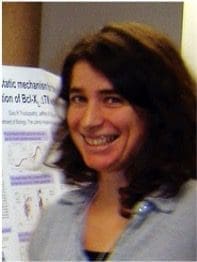
Ana Damjanovic is an Assistant Research Professor in the Thomas C. Jenkins Department of Biophysics at Johns Hopkins University (JHU), affiliated with the Zanvyl Krieger School of Arts & Sciences. Her research focuses on ion channels, protein and membrane electrostatics, and computational biophysics. She holds a Ph.D. in Physics from the University of Illinois at Urbana-Champaign, where she studied quantum physics of photosynthetic light harvesting under Prof. Klaus Schulten. Subsequent postdoctoral research included work on photosynthesis with Prof. Graham Fleming at UC Berkeley, and molecular dynamics studies of protein ionization at JHU. Her current lab investigates ion channel mechanisms, protonation dynamics, and electrostatic effects in biological systems using advanced computational tools. Group members include graduate student Nauman Sultan (co-supervised with NIH's Bernard Brooks) and undergraduates Marianne Ri and Vivek Booshan. Past advisees include Ada Chen (now a NIH postdoc) and Maggie Li. Key research contributions include developing pH replica exchange methods, protein pKa prediction using machine learning, and structural-functional studies of voltage-gated sodium channels. Her work has been published in high-impact journals like Proceedings of the National Academy of Sciences and Biophysical Journal . Lab affiliations include the Computational Biophysics Group at JHU, with access to cutting-edge simulation techniques and experimental validation platforms. Ongoing projects explore ion channel selectivity, membrane protein dynamics, and computational modeling of protonation-dependent phenomena.
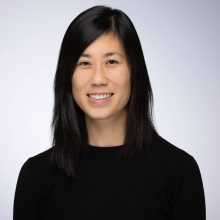
Dr. Limin Jao is an Associate Professor in the Department of Integrated Studies in Education (DISE) at McGill University’s Faculty of Education. Her research focuses on exemplary teaching practices in mathematics and STE(A)M education, emphasizing interdisciplinary approaches, project-based learning, and student engagement. She holds leadership roles including Vice-President of the Canadian Mathematics Education Study Group and Editorial Board member of the Canadian Journal of Science, Mathematics, and Technology Education. Her expertise spans teacher education, pedagogy, and research-practice partnerships. Education: Ph.D., Curriculum Studies and Teacher Development, Ontario Institute for Studies in Education, University of Toronto M.A., Curriculum Studies and Teacher Development, OISE, University of Toronto B.Ed., Secondary Biology and Mathematics Education, Queen's University B.Sc.H., Biology and Mathematics, Queen's University Research Interests: Limin explores how interdisciplinary and inquiry-based methods foster student engagement and teacher development. Her work bridges theory and practice, advocating for inclusive classrooms and educator collaboration. She has pioneered projects linking community artifacts to STEM learning and co-edited volumes on transdisciplinary education and teacher training borders. Publications Trends: Recent work examines gender perspectives in mathematics, pre-service teacher experiences, and professional learning communities in STEM. Her research emphasizes equity, pedagogical innovation, and the intersection of cultural contexts with educational practices. Awards: 2023 Award for Distinguished Teaching, McGill University Faculty of Education Advising & Grants: Limin supervises graduate students in mathematics education and collaborates on research-practice initiatives. She leads the Jao Research Team and contributes to the Chandaria Research Centre’s advisory board at Branksome Hall. Labs/Teams: The Jao Research Team focuses on innovative teaching strategies and STE(A)M education, with projects addressing student agency and interdisciplinary curriculum design.
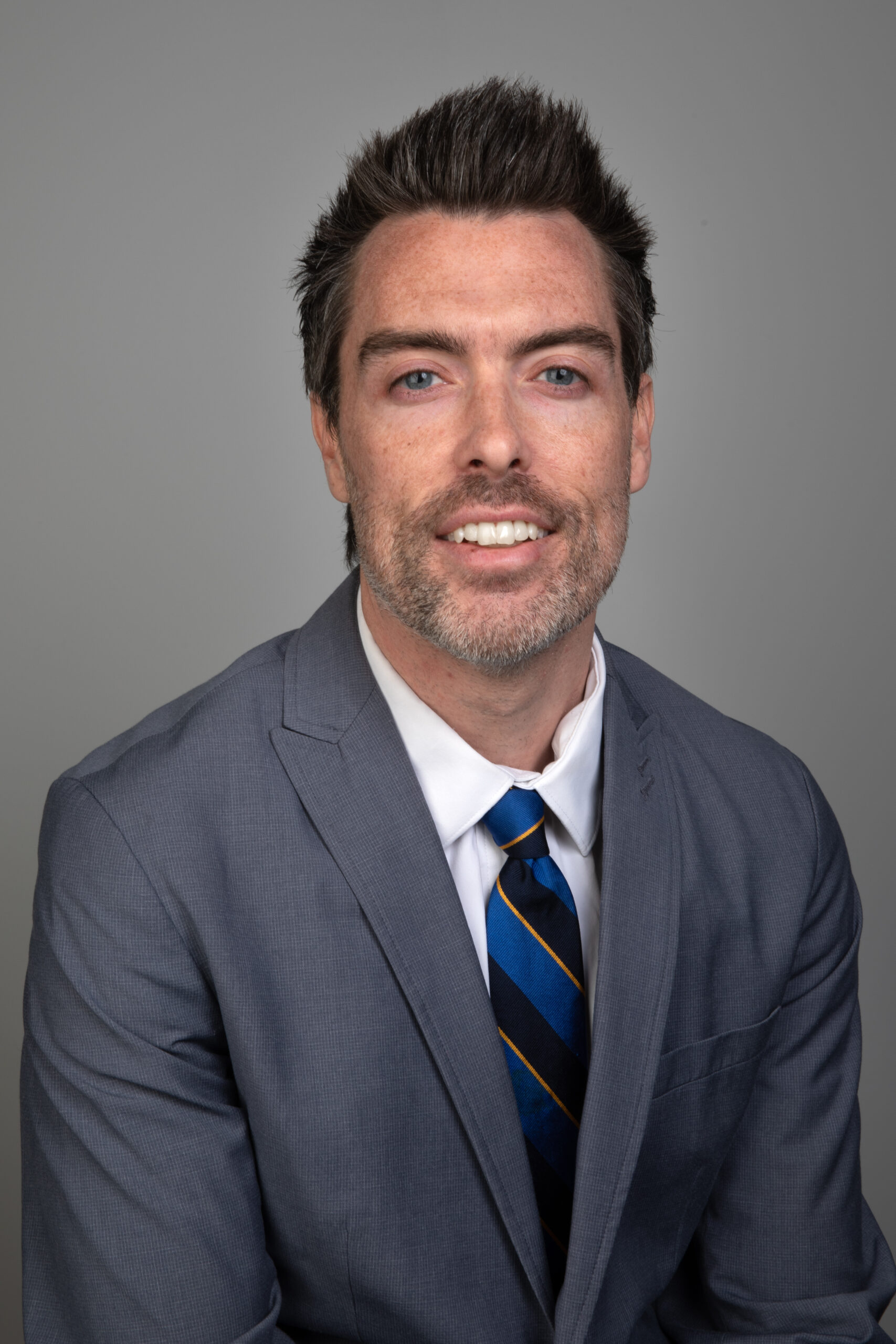
Benjamin Larkin is an Academic Dean of Management and Marketing and Co-Director of the Girard School of Business at Merrimack College. His research bridges technology, media consumption, and sports, analyzing modern consumer behavior in sports fandom and digital engagement. Ph.D. in Management from UMass Amherst M.S. in Sport Management from Southern New Hampshire University B.S. in Business Administration from the University of Maine His work focuses on Consumer Behavior , Sport Marketing , and the Intersection of Sport and Politics , particularly how technology alters traditional sports consumption patterns. Recent studies examine identity conflict in politically engaged fans, dehumanization of athletes, and the psychological impact of fantasy sports. Key trends in his publications include brand attachment , fan loyalty dynamics , collective narcissism , and media-driven consumer behavior in sports contexts. North American Society for Sport Management Research Fellow, 2024 Outstanding Professional Paper Award, Sport Marketing Association, 2018 Ph.D. Program Research Award, Isenberg School of Management, 2017 Larkin advises students in sports marketing and consumer behavior research. His work has been supported by grants from the Sport Marketing Association and Isenberg School of Management.
Michael Zwicky Hauschild is a Professor at the Department of Environmental and Resource Engineering, Technical University of Denmark (DTU). He leads the Quantitative Sustainability Assessment group and directs the DTU Centre for Absolute Sustainability. His roles include membership in prestigious academies (ATV, CIRP) and leadership in international initiatives like SETAC and UNEP/SETAC task forces. He holds a PhD in Environmental Science (1992) and an MSc in Chemical Engineering (1988), both from DTU. Research focuses on life-cycle assessment (LCA), environmental impact assessment, and absolute sustainability. His work addresses sectors like buildings, batteries, and waste management, integrating planetary boundaries and UN SDGs. Recent projects include sustainability assessments of long-lived systems and climate tipping points. Awards include the SETAC Europe Edana Award (2018) and DADES Environmental Prize (2014). He supervises PhD students in areas like biodiversity loss, ICT sustainability, and natural resource use. He contributes to journals like International Journal of Life Cycle Assessment and advises global sustainability policies.
Susan Holmes is Professor at the School of Media, Language and Communication Studies at the University of East Anglia (UEA), where she joined as Reader in Television in 2007 and was appointed to Professor in 2018. She is an active member of several research groups including Media Equality, Film, Television and Media, Gender and Its Intersections Steering Committee, and HealthUEA. Her work spans television studies, celebrity culture, and feminist approaches to eating disorders. Professor Holmes received her academic training at the University of Sussex (BA in English and Media Studies), followed by an MA in Film from the University of Southampton, and completed her PhD on British film and television in the 1950s at the same institution. Prior to joining UEA, she taught Media and Cultural Studies at the Southampton Institute (now Southampton Solent University) and television and film at the University of Kent. Her research focuses on several interconnected areas that challenge traditional disciplinary boundaries. In television studies, she has made significant contributions to understanding British television history, particularly through her books 'British TV and Film in the 1950s' and 'Entertaining TV: the BBC and Popular Programme Culture in the 1950s,' where she challenges canonical ideas about early BBC television. Her work on reality TV examines historical development, generic labeling, and celebrity. Since 2014, she has conducted important empirical research on feminist approaches to eating disorders, analyzing media representations and working directly with people with lived experience. A key focus of this research examines how feminist approaches are neglected in contemporary eating disorder treatment, with implications for both clinical practice and cultural understanding. She co-founded the influential Celebrity Studies journal in 2010 and edited it for the first eight years of its publication. Analysis of Professor Holmes' recent publications reveals a clear trajectory where her expertise in media and television studies converges with her feminist scholarship on eating disorders. Her most recent work (2023-2025) increasingly focuses on cross-cultural applications of feminist approaches to eating disorders (including work in China), the use of innovative methodologies like Photovoice, and examinations of therapeutic alliance in treatment settings. Simultaneously, she continues to analyze contemporary media representations, particularly focusing on motherhood, true crime television, and reality TV through feminist lenses. This dual focus demonstrates how media representations shape cultural understandings of both celebrity and health conditions. Professor Holmes' significant contributions to academia have been recognized with several prestigious awards: Senior Fellowship from Advance HE (2024) UEA engagement award (2017) ALPSP award nomination for Celebrity Studies as best new journal (2011) She currently runs the Feminist Media Studies research cluster at UEA and is actively supervising postgraduate research in areas including popular television, television/film history, British TV history, stardom/celebrity, and feminist approaches to eating disorders. Her current major research project is the 'ALLIANCE study' (2024-2026), funded by the National Institute for Health and Care Research, which aims to develop practice and policy recommendations to support effective therapeutic alliance in inpatient treatment for eating disorders. This builds on her earlier British Academy-funded research on 'Entertaining Television: British TV, the BBC and Popular Programme Culture in the 1950s' (2007-2008). Professor Holmes plays a significant role in the academic community through her editorial work, serving on the boards of journals including Archives of Psychology, Big Data & Society, and Critical Studies in Television, and previously as co-founder and editor of Celebrity Studies. She has also been active in media engagement, contributing expert commentary on topics ranging from Netflix's portrayal of eating disorders to Celebrity Big Brother.
Lisa Westerberg is a Professor of Experimental Immunology at the Department of Microbiology, Tumor and Cell Biology, Karolinska Institutet. Her research focuses on understanding how compromised immune systems lead to immunodeficiency, autoimmunity, and hematological cancers, particularly studying the role of actin regulators in immune cell function. She leads the 'Immunodeficiency Diseases – Lisa Westerberg Group' and collaborates internationally with institutions like Harvard Medical School and the University College London. Education: PhD in Cell and Molecular Biology from Karolinska Institutet (2003), postdoc at Harvard Medical School (2009). Affiliations: Department of Microbiology, Tumor and Cell Biology; WASPSTINGS network (STINT-funded); Swedish Society for Immunology (Treasurer). Research Interests: Immunodeficiency diseases, actin cytoskeleton dynamics in immune cells, cancer immunology, and space immunology. Her lab investigates how genetic mutations in actin regulators affect immune cell communication, migration, and genomic stability. Recent projects include studying immune system adaptation in microgravity and developing therapies targeting actin regulators in cancer. Articles Trends: Recent work highlights immune cell adaptations in space environments, therapeutic modulation of actin pathways, and clonal evolution in lymphomas. Over 15 articles since 2020 explore mechanisms linking immune dysfunction to cancer and immunodeficiency. Awards: Ragnar Söderberg Fellowship, ERC Starting Grant (2019), Wallenberg Academy Fellow. Funding: Swedish Research Council, Knut och Alice Wallenberg Foundation, EU grants. Advising & Grants: Supervised over 40 students (PhD, Master’s, undergrad) since 2010. Active in training programs like the Amgen Scholars initiative. Collaborates with global teams on projects funded by VR, NIH, and international partnerships. Labs/Teams: Leads the core Immunodeficiency Diseases Group and collaborates with the Dosenovic Lab (focusing on B cell vaccine development). The group uses CRISPR, high-resolution microscopy, and single-cell sequencing to study immune mechanisms.
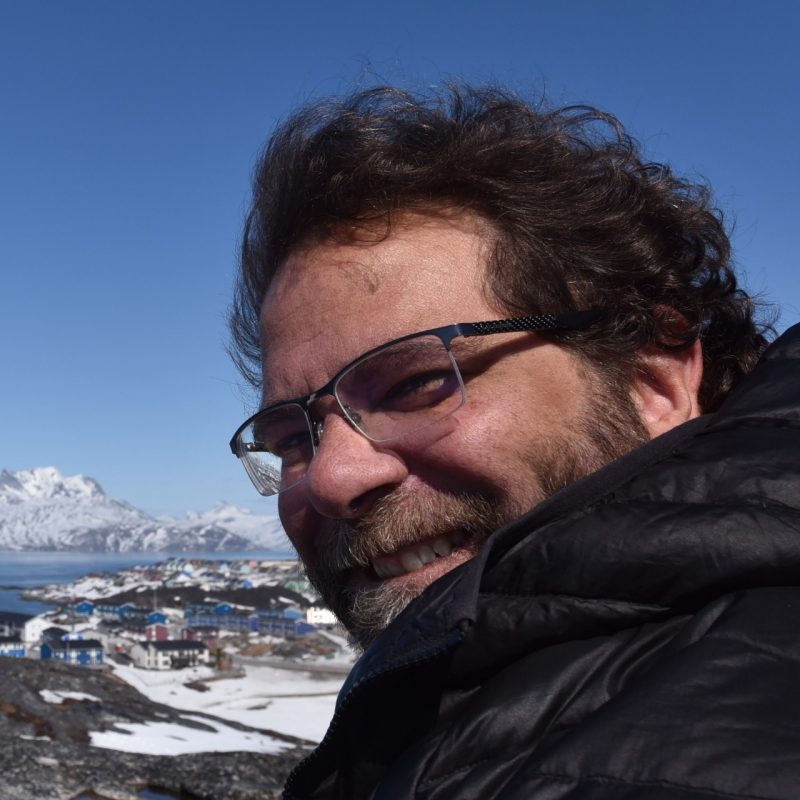
Mike Willis is an Associate Professor of Cryospheric Science, Geodesy & Remote Sensing at the Department of Geosciences, Virginia Tech's College of Science. His research focuses on advancing remote sensing techniques to study Earth's cryosphere, coastal environments, and natural hazards. He leads projects on glacial dynamics, sea level rise impacts, landslide monitoring, and the application of GNSS and InSAR technologies. His work combines field instrumentation (e.g., OrangePi-GNSS systems) with satellite data analysis to address climate and geohazard challenges in polar regions and coastal communities. Education background: Not explicitly stated in provided text. Research interests include cryospheric science, geodetic monitoring, and environmental remote sensing applications. His lab group maintains a dedicated website at https://sites.google.com/view/4datvt/ . Key research themes include: Glacier and ice shelf mass balance Coastal vulnerability to sea level rise Disaster monitoring using GNSS-IR and InSAR High-resolution digital terrain modeling Recent projects highlight work in Greenland (landslide monitoring, sea level measurements), the Pacific Northwest (subduction zone hazards), and the Dominican Republic (coastal inundation modeling). His interdisciplinary approach bridges geophysical observations with computational geospatial analysis.
Dr. José del R. Millán is a Professor and holds the Linda Steen Norris & Lee Norris Endowed Chair in Neuroengineering at The University of Texas at Austin's Chandra Family Department of Electrical and Computer Engineering. He also serves as a Professor in Dell Medical School's Department of Neurology, a courtesy Professor in Biomedical Engineering, and is affiliated with the Mulva Clinic for the Neurosciences, Institute for Neuroscience, Texas Robotics, and the UT CARE Initiative. His work focuses on brain-machine interfaces (BMI), neuroprosthetics, and translating BMI technologies for individuals with motor/cognitive disabilities and able-bodied users. Education: PhD in Computer Science (1992, Technical University of Catalonia). Previous roles include Defitech Foundation Chair in Brain-Machine Interface at EPFL (Switzerland) and visiting scholar positions at Berkeley, Stanford, and the International Computer Science Institute. Research Interests: Neuroengineering, BMI applications in healthcare and assistive robotics, statistical machine learning for neural signals, and neurorehabilitation. Key contributions include EEG-based BMI systems, closed-loop neurostimulation, and wearable neurotechnology. Awards: IEEE Fellow (2017), Norbert Wiener Award (2011), and Fellow of the International Academy of Medical and Biological Engineering (2020). Grants & Labs: Co-director of UT CARE, leader in clinical neuroprosthetics and neurorobotics. Active in developing BMI-driven wheelchairs, VR integration for BCI, and EEG-based speech prosthetics. Research outputs emphasize translational neurotechnology, with projects funded by industry and governmental agencies. Labs/Teams: Clinical Neuroprosthetics & Brain Interaction Lab, Texas Robotics, Wireless Networking and Communications Group (WNCG).
Hima Lakkaraju is an Assistant Professor at Harvard University with dual appointments in the Harvard Business School and the Department of Computer Science. Her research focuses on trustworthy AI, including machine learning interpretability, fairness, privacy, and safety. She holds a PhD from Stanford University and has received accolades such as the Alfred P. Sloan Fellowship and NSF CAREER Award. Her work bridges algorithmic foundations and societal implications of AI, with applications in healthcare, policy, and business. Education: PhD in Computer Science from Stanford University (2013-2017). Academic background includes roles at IBM Research, Microsoft Research, and Adobe. Research Interests: Algorithmic Foundations of AI Interpretability and Explainable AI Fairness and Bias Mitigation Privacy-Preserving ML Generative Models and LLMs Ethical AI Policy and Regulation Key Achievements: Over 100 publications in top venues like NeurIPS and ICML; co-founder of the Trustworthy ML Initiative; featured in MIT Tech Review, Forbes, and Harvard Business Review. Current projects include the AI4LIFE research group and work on regulatory frameworks for AI. Advising and Grants: Supervises over 30 students across PhD, master's, and postdoc levels. Research supported by NSF, Sloan Foundation, Schmidt Sciences, Google, Amazon, and others. Initiatives include the Regulatable ML workshop and NeurIPS ethics co-chair roles. Labs and Collaborations: Leads Harvard's AI4LIFE group and collaborates with industry partners like Fiddler AI. Active in policy discussions on AI regulation and societal impact.
Jan Eeckhout is an ICREA Research Professor at Pompeu Fabra University (UPF) in Barcelona, specializing in macroeconomic theory, labor markets, and urban economics. His work focuses on market power dynamics, wage inequality, and technological impacts on labor and urban systems. He holds a PhD from the London School of Economics (LSE). Eeckhout has received a prestigious ERC Advanced Grant (€2.45M) for research on 'Macro Market Power and Distribution.' He authored the influential book The Profit Paradox (2021), exploring how dominant firms reshape labor markets and economies, translated into multiple languages. His research frequently appears in top journals like the Quarterly Journal of Economics and Review of Economic Studies. Research Interests: Macro-Labor Theory, Labor Markets, Urban Economics, Market Power, and Economic Inequality. Recent work examines technological origins of labor market stagnation, IT-driven urban polarization, and wealth effects on worker productivity. Advising and Grants: Supervises PhD students (e.g., Milena Djourelova, David Puig) and collaborates with institutions globally (CEMFI, EUI, Sciences Po). His team includes co-authors like Jan De Loecker and Philipp Kircher. Active in policy discussions via think tanks and media outlets like VoxEU and the NYT. Labs/Teams: Leads a diverse research group at UPF, with projects on market power, urban economics, and labor dynamics.
Chuck Fang is an Assistant Professor of Finance at Drexel University's LeBow College of Business. He holds a PhD in Finance from UPenn Wharton (2023) and BAs in Economics, Mathematics, and Statistics from UC Berkeley (2015). His research is centered on credit markets, monetary policy, financial innovations, and financial data infrastructure. PhD in Finance, UPenn Wharton, 2023 BAs in Economics, Mathematics, and Statistics, UC Berkeley, 2015 His research interests span credit markets , monetary policy transmission , financial innovations (including DeFi and automated market makers), and financial data linkage (e.g., Bond-Compustat-CRSP and DealScan-Compustat links). His work explores how monetary policy affects bond fund flows, debt structure changes, and sovereign restructuring. He emphasizes data quality and transparency, contributing open-source tools for empirical finance. The most recent articles reveal a strong focus on monetary policy amplification , debt market structure , and data infrastructure for empirical research. Keywords across publications include finance, monetary policy, asset pricing, fintech, and data linkage. Subfields consistently involve bond fund flows, syndicated loans, sovereign debt restructuring, DeFi mechanisms, and financial data validation. His research bridges macroeconomic policy with micro-level financial data, often using large-scale institutional holdings and transaction data. Scientific awards include: WFA Brattle Group PhD Candidate Award for Outstanding Research Chuck Fang has advised no students listed in the materials. He has secured research recognition through conference presentations and working paper awards. His work is supported by access to major financial databases and collaboration with leading scholars such as Kairong Xiao and Greg Nini. He actively disseminates findings through SSRN, Google Scholar, and academic conferences. He leads or contributes to several data infrastructure projects, including the Bond-Compustat-CRSP Link and DealScan-Compustat Link. These tools enhance empirical research in corporate finance and asset pricing by improving issuer identification and data accuracy. He also maintains a personal website and is active on professional platforms like LinkedIn and Twitter, promoting open science and financial research transparency.
Megan L. Matthews is an Assistant Professor in the Department of Chemistry at the University of Pennsylvania, School of Arts & Sciences, where she leads an active research group focused on chemical biology and enzymology. Her lab develops innovative chemical proteomics technologies to uncover novel enzyme cofactors and regulatory post-translational modifications, particularly those involving reactive electrophiles, which cannot be predicted from genomic sequences. B.S. in Chemistry, Miami University (2005) Ph.D. in Chemistry, The Pennsylvania State University (2011) Postdoctoral Fellow, The Scripps Research Institute (2012–2017) Her research centers on the concept of the 'electrophilome'—a largely unexplored half of the reactive proteome. By designing 'reverse-polarity' chemical probes, her group enables the discovery of functionally significant electrophilic modifications in proteins, especially those involved in cancer and Alzheimer’s disease. These discoveries open new avenues for therapeutic intervention through covalent targeting. The recent publications demonstrate a consistent focus on enzyme mechanisms, cofactor discovery, and chemical probe development. Her work spans from fundamental enzymology (e.g., halogenases, ribonucleotide reductases) to applied chemical biology (e.g., hydrazine probes, chemoproteomic profiling). The keywords across her publications highlight emerging themes in metalloenzymes, radical chemistry, and covalent proteome mapping. Her scientific contributions have been recognized through prestigious fellowships, including the Merck Helen Hay Whitney Postdoctoral Fellowship. She has published in top-tier journals such as Nature , Nature Chemical Biology , and Journal of the American Chemical Society . Dr. Matthews advises graduate students and postdoctoral researchers in her lab, fostering a collaborative and inclusive environment. Her lab emphasizes the importance of diverse perspectives in scientific discovery. She has secured research funding to support projects in probe development, target characterization, and disease mechanism studies, particularly in neurodegenerative diseases and cancer. The Matthews Lab is actively engaged in advancing reverse-polarity activity-based protein profiling (RP-ABPP) for in vivo applications and inhibitor screening. The group collaborates with experts in structural biology, spectroscopy, and disease modeling to translate basic discoveries into therapeutic insights.
Bert DE REYCK is the Dean of the Lee Kong Chian School of Business at Singapore Management University (SMU) and holds the rank of Professor of Operations Management. He holds a PhD in Business Economics from the University of Leuven, Belgium, along with an MSc in Business Information Systems and a BSc in Business Engineering from the same institution. His career includes roles as Founding Director and Professor at UCL School of Management (2015–2021), Professor and Head of Department at University College London (2009–2015), and various visiting professorships at institutions like London Business School and the University of Ghent. He has held academic positions since 1998, including Assistant and Associate Professor roles at prestigious institutions such as the London Business School and Rotterdam School of Management. DE REYCK’s research focuses on Operations Management, Business Analytics, and Project Management, with notable contributions to AI applications, transportation systems, and strategic sourcing. His work bridges theoretical rigor and practical impact, addressing challenges in project valuation, contract design, and operations optimization. He has received numerous accolades, including INFORMS’ AAS Best Paper Award (2022), multiple Daniel H. Wagner Prize recognitions, and teaching awards from London Business School and UCL. His research has been supported by grants from organizations like Eurocontrol, NHS, and private sector firms such as Vungle and Noble Group. DE REYCK has led significant industry collaborations, including projects on airport operations optimization, pharmaceutical R&D valuation, and AI-driven advertising strategies. His advisory work spans sectors like aviation, healthcare, and transportation, emphasizing real-world problem-solving through analytics and decision science.
Dr. Hanbo Shim is an Assistant Professor in the Department of Management at The University of Texas at Arlington, College of Business. He holds a PhD in Industrial Relations and Human Resources from Rutgers University and a BA in Mathematics and Economics from the University of Illinois at Urbana-Champaign. His research and teaching focus on Human Resource Management, Organizational Behavior, and HR Analytics. PhD, Industrial Relations and Human Resources, Rutgers University (2022) MS, Industrial Relations and Human Resources, Rutgers University (2019) MA, Human Resource Management, Rutgers University (2016) BA, Mathematics and Economics, University of Illinois (2012) Dr. Shim's research explores the temporal dynamics of employee performance, compensation systems, emotional intelligence, and social networks in organizations. He uses longitudinal analysis, multilevel modeling, meta-analysis, and computer simulation to examine how individual and interpersonal factors influence organizational outcomes. His work bridges HR analytics with behavioral science. His recent publications span topics such as green HRM, pay policy dynamics, emotional intelligence, and HR analytics education. These works reflect a strong interdisciplinary approach integrating psychology, sustainability, data science, and strategic management. His research has been presented at leading conferences including the Academy of Management and European Reward Management Conference. Award highlights include: Ralph Alexander Best Dissertation Award (2024) Innovative Teaching Award, Academy of Management HR Division (2022) Best Student Convention Paper Award (2020) Best Doctoral Conference Paper Award, Samsung Economic Research Institute (2020) Dr. Shim actively advises students through capstone and honors projects and serves on PhD and graduate studies committees. He has collaborated with SL Corporation on HR analytics and developed open-source educational materials. His service includes editorial board membership for Compensation & Benefits Review and ad hoc reviewing for top journals. He is also engaged in professional development workshops and public speaking, including for the Society for Human Resource Management at UTA. His lab and research activities emphasize simulation-based methods and real-world HR analytics applications.
Valerie Viet Triem Tong is a Research Professor at the Paris Institute of Electrical and Electronic Engineering, School of Electrical and Electronic Engineering. She has established herself as a leading researcher in cybersecurity with a particular focus on information flow control systems, Android security, and malware analysis. Her work spans both theoretical foundations and practical security tools development. Her research interests center on Information Flow Control , where she has developed frameworks for monitoring and enforcing security policies at both operating system and application levels. She has made significant contributions to Android Security , creating tools for detecting malicious behavior in mobile applications and addressing privacy concerns in smartphone environments. Her work in Malware Analysis includes developing advanced techniques for tracking and visualizing malware behavior, with emphasis on evasive Windows malware and Android malware in the wild. She also investigates Peer-to-Peer Network Security , focusing on Sybil attack resistance and distributed identity management. Analysis of her publication record reveals a consistent trajectory from foundational work in information flow theory to increasingly applied security research. Her recent work shows a strong emphasis on practical security tools (DaViz, GUI-Mimic, BAGUETTE), security evaluation methodologies (Digital twin, CERBERE), and addressing contemporary challenges in malware analysis (debiasing datasets, handling obfuscated applications). A notable trend is her integration of visualization techniques with security analysis to make complex security data accessible to both experts and machine learning systems. As an advisor, she has mentored numerous researchers who have become first authors on significant publications, including Radoniaina Andriatsimandefitra, Tomás Concepcion Miranda, and Cedric Herzog. Her research has been supported by multiple grants focused on cybersecurity infrastructure, though specific grant details are not provided in the available information. Dr. Tong is actively involved with the CIDre security research group in Rennes, contributing to collaborative projects that bridge theoretical security models with practical implementation challenges. Her work on information flow monitoring has evolved from basic research to applied systems that address real-world security concerns across multiple platforms.