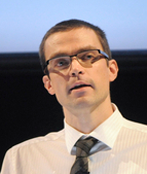
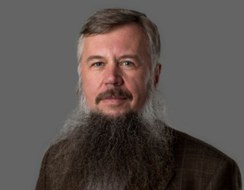
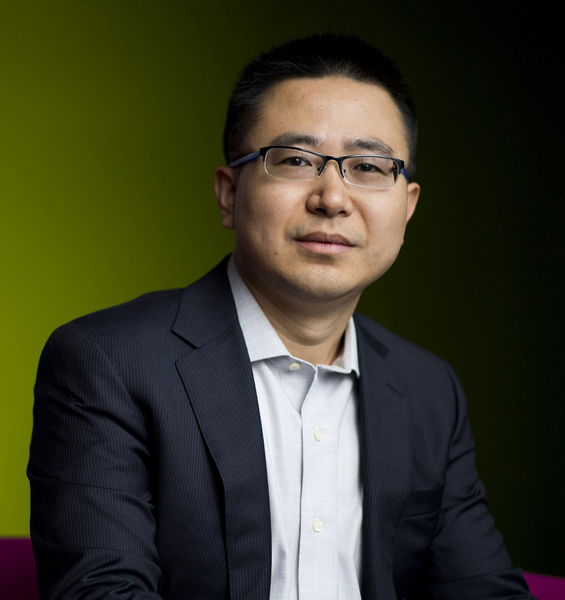
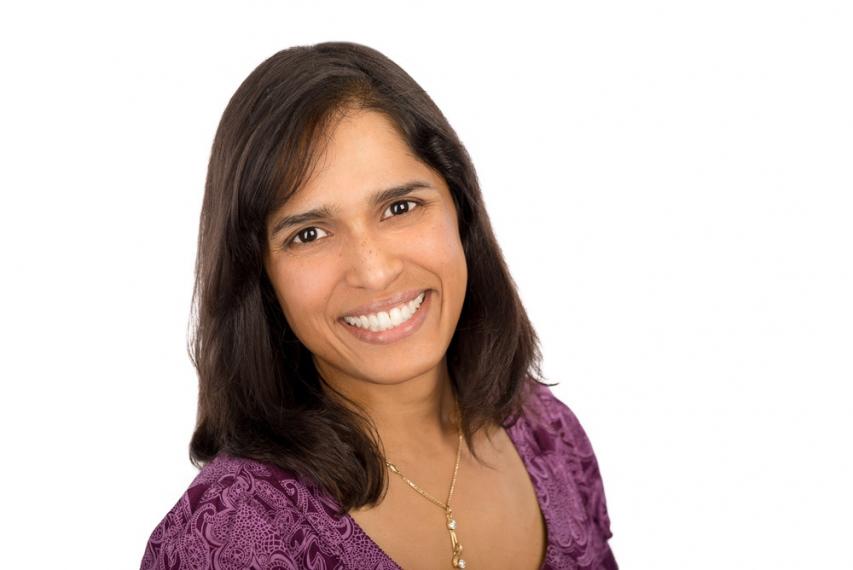
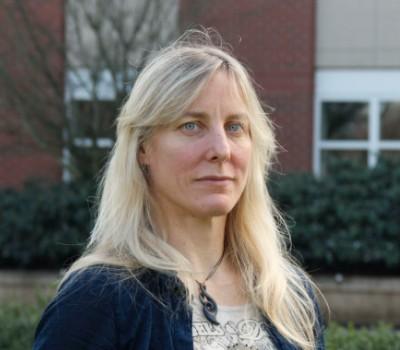
Deliang Fan is an Associate Professor at the School of Electrical, Computer and Energy Engineering, Arizona State University, Tempe, AZ. His research focuses on AI hardware, in-memory computing, and neuromorphic systems. He received his MS and PhD from Purdue University under Prof. Kaushik Roy. Education: PhD, Purdue University (2015) Research Interests: AI Hardware, In-Memory Computing, Adversarial AI, Neuromorphic Computing His work spans cross-layer co-design for AI applications, including deep learning, bioinformatics, and graph processing. He has authored 170+ peer-reviewed papers and developed hardware solutions for spintronic and memristor-based systems. Recent publications emphasize efficient architectures for transformers, federated learning, and robust neural networks. Awards include the NSF Career Award and multiple best paper recognitions. He serves in editorial and organizational roles for leading conferences like DAC, ISQED, and GLSVLSI.
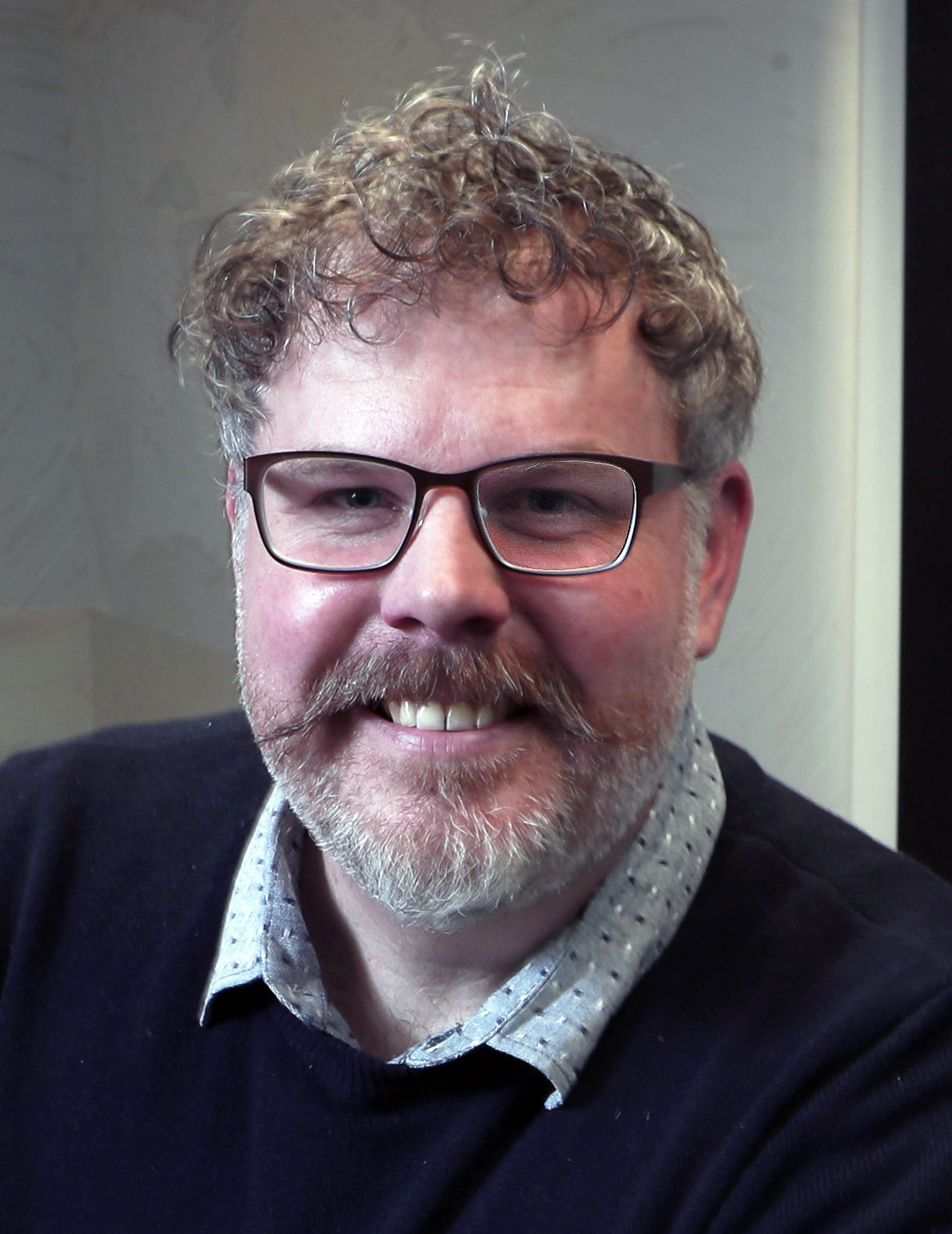
Professor Scott Anthony Sisson is a leading academic at the University of New South Wales (UNSW) , holding the position of Professor of Statistics and Data Science in the School of Mathematics and Statistics . He serves as Director of the UNSW Data Science Hub (uDASH) and Deputy Director of the UNSW AI Institute (UNSW.ai) . Previously, he was Deputy Director of the Australian Centre of Excellence for Mathematical and Statistical Frontiers (ACEMS) and held leadership roles in the Australasian Society of Bayesian Analysis and Statistical Society of Australia . PhD in Statistics (Bristol University, 2002) MSc in Environmental Statistics and Systems (Lancaster University, 1997) BSc in Mathematics and Statistics (Lancaster University, 1996) His research focuses on computational statistics and Bayesian inference , with expertise in machine learning , extreme value theory , and high-dimensional data analysis . He develops simulation-based algorithms for complex statistical problems and applies these to diverse scientific challenges like seagrass decline, urban flood modeling, and drug delivery systems. His recent work spans quantum computing for statistics, graphon modeling, and synthetic likelihood methods. Scientific awards include: 2024 Fellow of the International Society of Bayesian Analysis 2023 Fellow of the Institute of Mathematical Statistics 2017 ARC Future Fellowship 2010 Queen Elizabeth II Research Fellowship 2006 John Yu Fellowship His advising team has mentored students in statistical modeling, Bayesian computation, and applied data science. Grants from the Australian Research Council and industry collaborations support his research in government and scientific applications. He contributes as Associate Editor for Journal of Computational and Graphical Statistics and Statistics and Computing .
Christian Müller is a Researcher at the Agents and Simulated Reality unit of the German Research Center for Artificial Intelligence (DFKI), focusing on robust artificial intelligence applications for cybersecurity and perception systems in autonomous environments. His work bridges collaborative AI models with security-critical domains like vehicular communication (V2X) and 3D object detection. Projects: BERTHA (Behavioral Replication for Autonomous Vehicles), B5GCyberTestV2X (Cybersecurity Testing for V2X), MOMENTUM (Hybrid AI Trustworthiness), BSI_SiKI2 (Symbolic AI Security), KAI (AI Interior Development Tool). His research emphasizes adversarial training, consensus mechanisms, and hybrid AI architectures to enhance system reliability. Recent publications span topics including semi-supervised learning, high-definition voxel grids, and V2X security frameworks.
Jaechun No is a Professor at the Department of Computer Science and Engineering, College of Engineering, Sejong University. With a Ph.D. from Syracuse University (1999), he previously served as a Researcher at Argonne National Laboratory (1999-2001) and Hewlett Packard HPDC Laboratory (2001-2003) before joining Sejong University in 2003. Education: B.S., Ewha Womans University (1985) M.S., Western Illinois University (1993) Ph.D., Syracuse University (1999) His research focuses on Cloud/Edge computing , NVMe SSD technologies , and large-scale distributed/parallel storage systems . Key achievements include optimizing KVM/QEMU and Docker I/O virtualization, developing machine learning-based server failure prediction systems, and advancing NVMe/NAND flash memory I/O caching mechanisms for hybrid file systems. Recent publications highlight his work on virtualized I/O performance control (L-DTC, 2025), GPU Direct I/O classification (e-CLAS, 2024), Kubernetes resource provisioning (2024), and virtual storage resource redistribution (vThrot, 2024). These reflect trends in virtualization optimization, machine learning integration, and distributed resource management. Jaechun No's research has been cited extensively, with 148 Scopus h-index and over 8,000 citations. His collaborations span multiple countries and institutions, focusing on I/O virtualization, storage technologies, and distributed computing environments. Professional Affiliations: Current Professor at Sejong University (2003-present) Researcher at Argonne National Laboratory (1999-2001) Researcher at Hewlett Packard HPDC Laboratory (2001-2003)
Univ.-Prof. Dr. Katja Heim is a prominent academic in the field of English Didactics, currently serving at the Institute of English Philology (WE6) at Freie Universitaet Berlin . With extensive experience in primary and secondary English education, her work focuses on social inclusion , learner autonomy , and hybrid/digital learning environments . She has held various academic positions including Freie Universitaet Berlin since 2024, after roles at Duisburg-Essen and other institutions. PhD in English Didactics Specializes in project-based teacher education Expert in bilingual learning in primary schools Her research emphasizes democratic classroom practices , multimodal texts , and technology integration in language teaching. Notable contributions include coordinated projects on digital media in teacher training and publications on inclusive education strategies. While her recent articles highlight hybrid learning and learner autonomy frameworks, her career spans over two decades of academic development in English education. Key research trends include: Blended learning implementation Bilingual education models Action research methodology
Stefan Hagel is a Research Fellow at the Austrian Academy of Sciences and Privatdozent at the University of Vienna, specializing in ancient Greek and Roman music. His work bridges archaeology, philology, and digital reconstruction to analyze ancient musical instruments, notation systems, and performance practices. His research focuses on: Reconstruction of auloi (double-pipes) and hydraulis (water organs) Computational analysis of instrument acoustics Cross-cultural transmission of musical technologies Ancient harmonic theory and notation decipherment He leads major projects including Ancient Music Beyond Hellenisation (ERC Advanced Grant), Digitising Aspects of Graphical Representation in Ancient Music (FWF), and the European Music Archaeology Project . Hagel has developed specialized software for instrument analysis and serves as editor for the Journal of Music Archaeology . His publications demonstrate consistent focus on technical aspects of ancient music through interdisciplinary methodologies.
Daniel F. Keefe is a Professor in the Department of Computer Science & Engineering at the University of Minnesota, Twin Cities, where he directs the Interactive Visualization Lab (IV/LAB). He is also recognized as a Distinguished University Teaching Professor, reflecting his excellence in both research and education. His work bridges computer science, art, and design, with a focus on ethical and creative approaches to data interaction in extended realities. Education: Ph.D. in Computer Science from Brown University (2007) Bachelor of Science in Computer Engineering summa cum laude from Tufts University (1999) Additional training at the Rhode Island School of Design and School of the Museum of Fine Arts at Tufts University Professor Keefe's research centers on ethical, just, and creative human-data interaction in computer-mediated extended realities (AR/MR/VR). His work addresses high-stakes societal needs including human-in-the-loop data-driven medical decision making, Indigenous cultural revitalization, climate discourse, natural resource management, and computer-mediated creative work. His technological approaches span interactive 3D computer graphics, digital 3D drawing, multimodal sensing, spatial displays, digital fabrication with sustainable materials, and traditional craftsmanship. His research group, the Interactive Visualization Lab, is known for pioneering work at the intersection of art, science, and technology, producing over 80 research papers with numerous best paper awards at top ACM and IEEE venues. Scientific Awards: National Science Foundation CAREER Award (2010) Best Paper Award at IEEE VIS 2024 Best Paper Award at IEEE VIS 2015 Best Paper Honorable Mention at IEEE VIS 2013 ACM I3D 2011 Best Paper (Honorable Mention) IEEE VisWeek 2010 Best Panel Award 3M Nontenured Faculty Award McKnight Land-Grant Professor (2012-2014) Horace T. Morse-University of Minnesota Alumni Association Award for Outstanding Contributions to Undergraduate Education (2019) Bowers Faculty Teaching Award (2021) Professor Keefe has mentored eight Computer Science Ph.D. students and one Cognitive Science Ph.D. student to graduation, with his former students now holding positions as professors at institutions like Gonzaga, Macalester, Carleton, and UMN, as well as roles at companies including Google, 3M, and Abbott. He has also mentored more than 50 undergraduate students and advised over 20 undergraduate and master's theses. His research program is primarily funded by the National Science Foundation, with additional support from the National Institutes of Health, National Academies Keck Futures Initiative, Mayo Clinic, US Department of Agriculture Forest Service, cities of Minneapolis and Saint Paul, and corporate partners in the medical and computer industries. The Interactive Visualization Lab (IV/LAB) serves as the hub for Professor Keefe's transdisciplinary research. The lab is known for its inclusive culture and collaborative approach, working closely with Indigenous scholars and communities, artists, designers, and scientists across disciplines. Recent projects include Sculpting Vis (an NSF-sponsored project on artistic design for scientific visualization), Back to Indigenous Futures, and various initiatives exploring the intersection of data, art, and social justice. The lab has also been involved in creating public art installations like Orbacles in downtown Minneapolis and the Augmented Paafu Mat exhibited at the Queensland Art Gallery. Professor Keefe is deeply committed to diversity, equity, and inclusion, having founded and chaired the CS-IDEA committee and co-designed the department's Broadening Participation in Computing Plan.
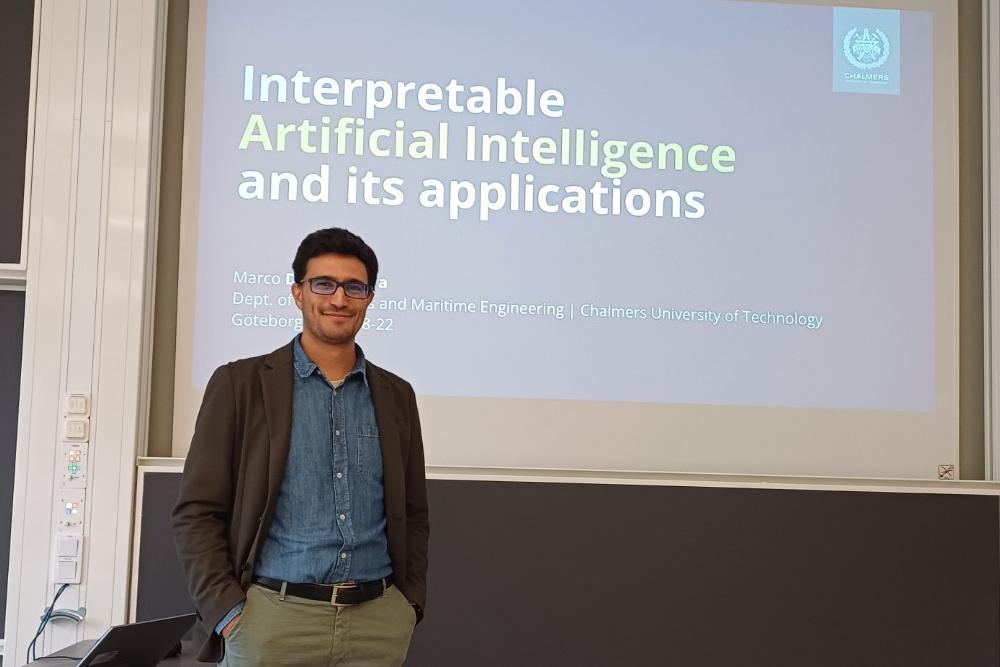
Marco L. Della Vedova is a Senior Lecturer in Applied Artificial Intelligence at Chalmers University of Technology, Sweden. He works in the Vehicle Engineering and Autonomous Systems division within the Department of Mechanics and Maritime Sciences, as part of Prof. Mattias Wahde's research group. Since 2025, he has served as Director of the Data Science and AI master's programme (MPDSC) at Chalmers, where he teaches courses including Introduction to Artificial Intelligence and Digitalization in Sports. Dr. Della Vedova earned his academic foundation at the University of Pavia, Italy, where he completed his BSc (2006), MSc (2009), and PhD (2013) in Computer Engineering. His doctoral research focused on "Real-Time Physical Systems and Electric Load Scheduling" under Prof. Tullio Facchinetti. During his PhD studies, he spent a year at U.C. Berkeley hosted by Prof. Francesco Borrelli at the Model Based Predictive and Distributed Control Lab. His research spans multiple AI domains with a strong emphasis on interpretability. Dr. Della Vedova develops interpretable methods for conversational AI, naturalness evaluation of forests using canopy height models, and geospatial applications. His work bridges theoretical AI with practical societal benefits, particularly in environmental monitoring, transportation systems, and orienteering. He has previously contributed to cloud computing, hate speech detection, and cyber-physical energy systems, demonstrating his interdisciplinary approach to AI research. Dr. Della Vedova's publication record reveals a consistent trajectory of impactful research across multiple domains of artificial intelligence. His recent work shows a strong focus on interpretability in AI systems, with significant contributions to natural language processing, geospatial analysis, and causal inference. The research demonstrates both theoretical depth and practical applications, particularly in environmental monitoring and social media analysis. His methodology often combines traditional machine learning approaches with novel interpretability techniques, creating bridges between complex AI systems and human understanding. Dr. Della Vedova has received several prestigious recognitions for his work: Best PhD thesis award from the Order of the Engineers of Bergamo (2013) Italian champion of Il Cervellone (2012) Top Italian performer in IEEEXtreme 6.0 programming competition (148th overall globally, 2012) Premio Arturo Schena award from Fondazione Credito Valtellinese (2010) With over 50 students supervised through bachelor's and master's theses, Dr. Della Vedova has established himself as a dedicated mentor in the AI community. His current PhD students include Minerva Suvanto working on interpretable NLP and Vivien Lacorre developing AI for railway infrastructure inspection. His supervision spans diverse topics from forest naturalness evaluation to hate speech detection and transportation optimization. Beyond formal supervision, he actively contributes to educational initiatives including serving as Director of Chalmers' Data Science and AI master's program and developing innovative teaching methods that connect theoretical concepts with real-world applications. Dr. Della Vedova is deeply embedded in both academic and professional communities. He leads the Applied Artificial Intelligence research group at Chalmers while maintaining strong connections with European research networks through projects like the ERASMUS+ EUrienteering initiative. His interdisciplinary approach is reflected in collaborations across computer science, environmental science, and social sciences. Notably, he applies his AI expertise to orienteering both as a researcher developing localization methods and as a licensed Event Advisor for the International Orienteering Federation, demonstrating how his professional and personal interests converge in innovative ways.
Simone Paolo Ponzetto is an Assistant Professor (Juniorprofessor) at the University of Mannheim since 2013, affiliated with the Research Group Data and Web Science. His research focuses on Semantic Web technologies, Natural Language Processing (NLP), and knowledge acquisition, particularly leveraging collaboratively built resources like Wikipedia. Prior to Mannheim, he held postdoctoral roles at Sapienza University of Rome and research positions at the University of Heidelberg and Stuttgart. His work includes pioneering projects like BabelNet, a multilingual semantic network. Ponzetto earned his PhD in Computational Linguistics from the University of Stuttgart, with interdisciplinary contributions to coreference resolution, semantic relatedness, and ontology learning. Research Interests: Unsupervised/weakly-supervised knowledge extraction Multilingual ontology learning and semantic networks Lexical semantics (word sense disambiguation, semantic similarity) Discourse semantics (coreference resolution, coherence modeling) Professional Contributions: Guest editor for a Artificial Intelligence Journal special issue on AI and Wikipedia Area chair for EMNLP-CoNLL 2012 and EACL 2014 Program committee member for ACL, AAAI, and other top conferences Lab/Team: Active in the Research Group Data and Web Science at Mannheim, advancing AI and NLP applications in collaborative knowledge systems.
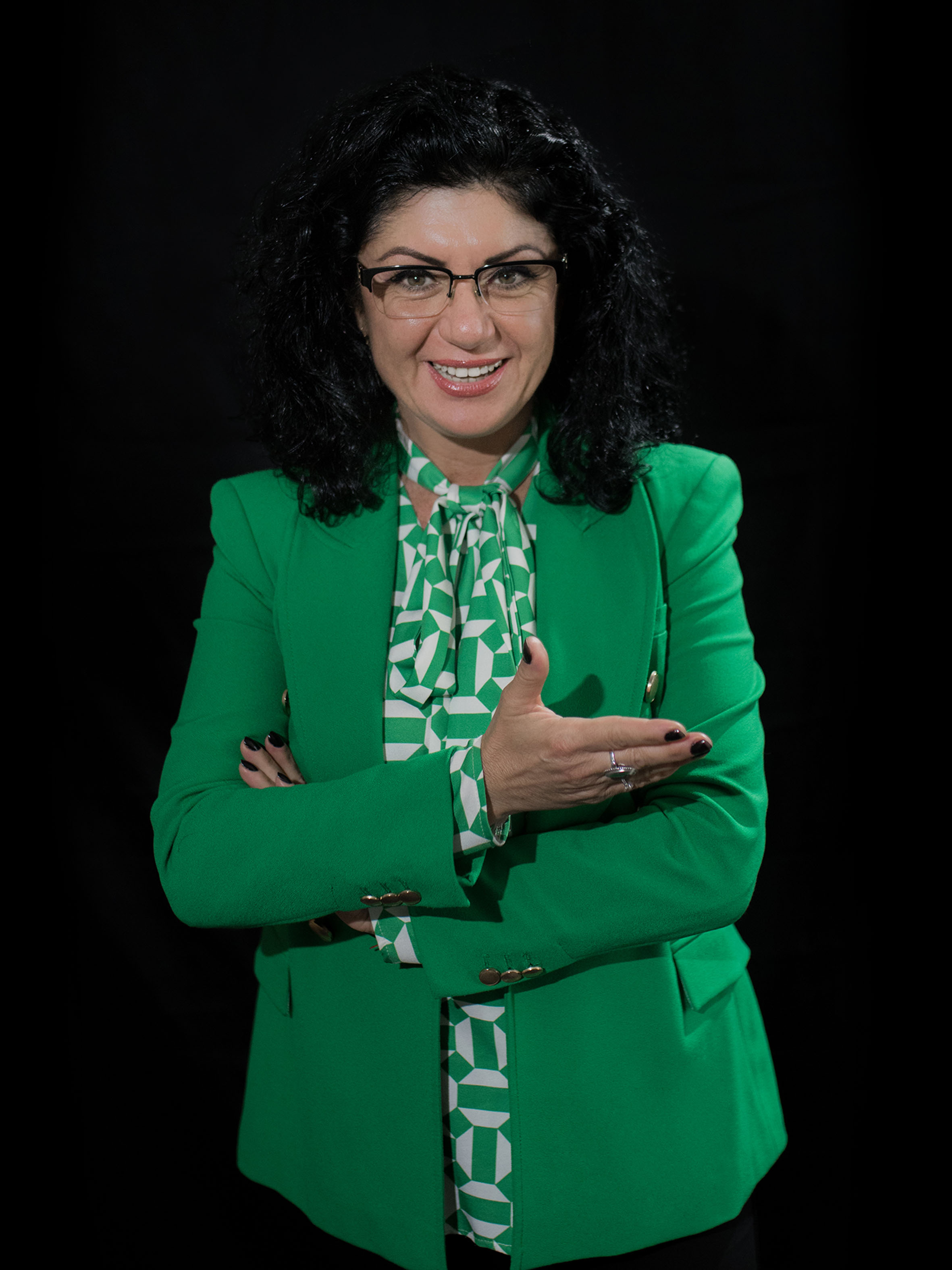
Daniela Margareta Chiorean serves as University Professor in the Graphics Department at the University of Art and Design Cluj-Napoca, where she has held academic positions since 2000 and currently serves as Prorector responsible for quality assurance (2023-2024). She previously served as Dean of the Faculty of Plastic Arts (2012-2015) and Department Director for Graphics (2015-2023). Concurrently, she maintains an active legal practice as an attorney specializing in civil law and intellectual property at the Cluj Bar Association since 2007. Her educational background includes a PhD in Visual Arts (2007) from UAD Cluj-Napoca with thesis 'Man - Media. Traditional and new media in graphics,' a Master's in Civil Law (2005-2007), Law degree (2001-2005), and dual Master's degrees in Visual Arts (2001-2003). She completed specialized training in intellectual property at WIPO (2002) and cultural management/multimedia in Germany (2002-2003). Chiorean's research bridges graphic design, digital media, and intellectual property law, examining how traditional media interacts with contemporary digital environments. Her work explores symbolic dynamics in advertising, the evolution of typography from Gutenberg to virtual publications, and the legal frameworks governing creative works in digital spaces. She investigates how new technologies transform artistic practices while maintaining connections to historical techniques, with particular focus on remix culture and copyright issues in visual communication. Her publication trends reveal consistent exploration of media transitions, with recent work analyzing digital image processing, urban-nature representations in artificial environments, and comparative studies of display versus print media. These publications demonstrate her interdisciplinary approach connecting artistic practice with scholarly inquiry into media evolution. Premiul UAP România pentru grafică - tineret (2002) Premiul Vespasian Lungu pentru grafică (1997) As a researcher, she has led multiple nationally-funded projects including 'Vector – Design and Book Illustration' (2012) through the National Cultural Fund and 'Center for Promoting Entrepreneurship in Sustainable Development' (2010-2013). She coordinates international collaborations through Erasmus+ and Leonardo da Vinci programs, organizing workshops on infographics, bookbinding, and digital media. Her professional activities span academic leadership, legal practice in intellectual property, and active participation in national and international artistic communities as both creator and evaluator. She coordinates specialized workshops in infographics and bookbinding techniques, and participates annually in the Brâncuși International Workshops for sculpture, painting, and graphics. Her collaborative network extends across European institutions through multiple international partnerships, with recent involvement in Korea's 'O întâlnire și o altă călătorie începe' exhibition (2024).
Prof. Gerhard Weber holds the Chair in Human-Computer Interaction at Technische Universität Dresden, Germany. Previously, he served as Chair for Human-Centered Interfaces at Christian-Albrechts-Universität zu Kiel (2000–2007) and Professor for Operating Systems and Graphical User Interfaces at Harz University of Applied Sciences (1996–2000). His research focuses on accessible computing, assistive technologies, haptics, and multimodal interaction. Key projects include development of tactile charts (SVGPlott), robotic guidance systems (HapticRein), and indoor navigation solutions for visually impaired users. Current work explores voice interfaces for social robots, autism-inclusive technologies, and accessibility maturity models for higher education institutions. Over 70 publications span conferences like CHI, IEEE, and ACM, emphasizing practical applications in assistive tech. Education & Professional Journey: 2007–Present: Chair in Human-Computer Interaction, TU Dresden 2000–2007: Chair for Human-Centered Interfaces, Kiel University 1996–2000: Professor of Operating Systems and GUIs, Harz University Research Interests: Prof. Weber's work bridges theory and practice in accessibility, emphasizing tactile interfaces, inclusive design, and assistive robotics. Recent projects include: Mosaik : Enabling blind users to create and share graphics via audio-tactile tools Cloud4All : Personalized web accessibility solutions Range-IT : Real-time object detection for navigation aids Advising & Grants: Managed €3.2M in EU and national grants (2011–2020) Supervised 12+ graduate projects on assistive tech Labs & Teams: Leads TU Dresden's Human-Computer Interaction Lab, collaborating with industry partners like Siemens and rehabilitation centers to deploy assistive systems in real-world settings.
Yun Fu is a Distinguished Professor at Northeastern University, affiliated with the College of Engineering and Khoury College of Computer Science. He holds tenure in Electrical and Computer Engineering (ECE). His roles include Professor, Senior Vice President at Shiseido Americas, founder of Giaran (acquired by Shiseido), and co-founder of TVision Insights. He earned his Ph.D. from the University of Illinois at Urbana-Champaign. His research focuses on artificial intelligence, computer vision, machine learning, and data mining. Key achievements include over 500 publications, 50+ patents, and prestigious awards like IEEE Fellow, OSA Fellow, and AAIA Fellow. He leads the SMILE Lab, exploring AI applications in vision, robotics, and healthcare. Notable entrepreneurship includes AI-driven ventures in cosmetics and media analytics. Research interests emphasize AI-driven solutions for computer vision challenges, including anomaly detection, trajectory prediction, and multimodal learning. His work bridges academia and industry, with impactful contributions to both fields.
Ayesha Ali is a Professor of Statistics and Director of the Master of Data Science program at the University of Guelph. She holds a PhD in Statistics from the University of Washington (2002) and has expertise in statistical methods for complex high-dimensional systems, including ecological networks, causal inference, and bioinformatics. Her research integrates graphical Markov models, machine learning, and statistical computing to address challenges in plant-pollinator networks, livestock genetics, and disease risk modeling. Education: B.Sc. Honours in Statistics and Actuarial Science, University of Western Ontario (1996) M.Sc. in Statistics, University of Toronto (1998) Ph.D. in Statistics, University of Washington (2002) Research Interests: Graphical Markov models and ecological networks Causal inference and longitudinal data analysis Machine learning and high-dimensional predictive modeling Statistical methods for livestock genetics and animal health Computational statistics and bioinformatics Articles Trends: Her recent work spans interdisciplinary applications, including veterinary oncology biomarker discovery, remote sensing for agricultural suitability, and pipeline development for cross-species transcriptomics. She emphasizes graphical structure exploitation in regression and predictive modeling, with contributions to both theoretical and applied statistical methodologies. Awards: Canadian Journal of Statistics Award (2020) for groundbreaking work on doubly sparse regression NSERC Discovery Grant (2018) NSERC Collaborative Research and Development Grant (2015) Advising & Grants: She has supervised numerous graduate and undergraduate students on projects ranging from plant-pollinator network analysis to bioinformatics. Her grants include NSERC-funded research on milk fatty acid genetics and statistical methods for clustered data. Labs/Teams: Involved in the Bioinformatics program at the University of Guelph, contributing to interdisciplinary research collaborations in ecology and animal science.
Cindy Grimm is a Professor and Graduate Program Director in the School of Mechanical, Industrial, and Manufacturing Engineering at Oregon State University (OSU), part of the College of Engineering. She is affiliated with the Robotics group, Human-Centered Computing, and Graphics and Visualization. Her research focuses on robotic grasping and manipulation for agricultural applications, ethics in robotics, and interdisciplinary projects such as 3D modeling, medical imaging segmentation, and bio-inspired sensor design. Education: Ph.D. in Computer Science, Brown University, 1996 M.S. in Computer Science, Brown University, 1992 B.A. in Computer Science and Art, University of California, Berkeley, 1990 Research Interests: Dr. Grimm’s work bridges computer science and robotics, emphasizing practical applications in agriculture and ethics. Key areas include robotic fruit harvesting systems, human-robot interaction, and the development of perception-driven algorithms for complex tasks like tree pruning and object manipulation. Her earlier projects explored surface modeling, bat sonar patterns, and 3D sketching interfaces. Publications: Her recent work addresses challenges in autonomous orchard management, robotic gripper design, and public understanding of service robots. Themes include precision agriculture, grasp planning, and sociotechnical aspects of robotics adoption. Awards: Recipient of the NSF CAREER Award, recognizing her contributions to robotics and interdisciplinary research. Service: Leads the Robotics graduate program at OSU, emphasizing ethical and technical training. Collaborates with the Collaborative Robotics and Intelligent Systems Institute (CoRIS) to advance robotics applications. Labs/Teams: Active in the CoRIS Institute, focusing on collaborative robotics and real-world robotic systems. Her lab develops hardware-software solutions for agricultural robotics and human-centered robotic interfaces.
Sriraam Natarajan is a Professor and Director of the Center for Machine Learning at the Erik Jonsson School of Engineering & Computer Science, University of Texas at Dallas. He previously served as an Associate Professor at Indiana University (on leave since 2017) and Wake Forest School of Medicine. His research focuses on artificial intelligence, machine learning, and their biomedical applications, particularly in relational learning, reinforcement learning, and graphical models. He leads the StaRLing Lab and holds fellowships from hessian.AI and RBCDSAI. Education: PhD in Computer Science from Oregon State University (2007), advised by Prasad Tadepalli. Postdoctoral research at University of Wisconsin-Madison under Jude Shavlik and David Page. Research interests span statistical relational AI, causal inference, and healthcare applications. Notable awards include AAAI Fellow (2025), UTD Outstanding Graduate Teaching Award, and roles as AAAI Program Co-Chair and CODS-COMAD 2024 co-chair. Students supervised include over 20 PhD/MS graduates and current advisees in AI and machine learning. Active in editorial roles for JAIR, Machine Learning Journal, and conference PCs (ICML, AAAI, NIPS).