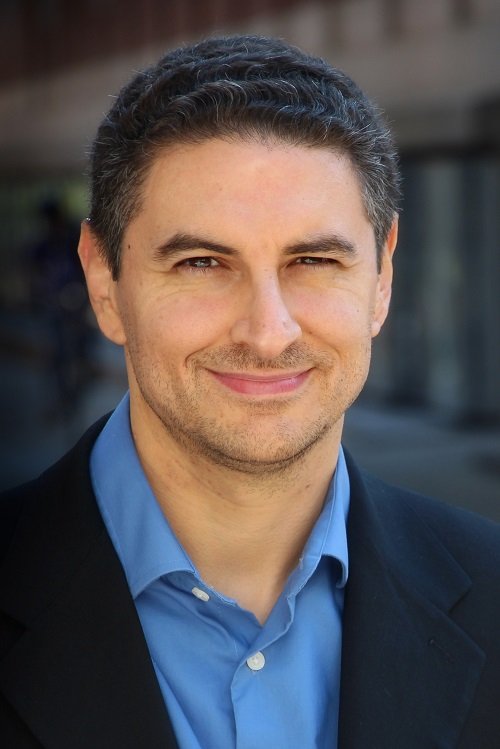
Michael McAlpine is a Professor in the Mechanical Engineering department at the University of Minnesota . He also holds affiliations with the Biomedical Engineering and Electrical and Computer Engineering departments. His research focuses on 3D printing functional materials & devices , Nanoscale inks , Biomedical devices , Bioelectronics , and Flexible Microsystems . Research Interests : 3D Printing, Biomedical Engineering, Nanotechnology, Flexible Electronics, Microfluidics Labs : ME 361/363 Contact : mcalpine@umn.edu , (612) 626-3303, ME 117 Recent Research Trends include 3D Printed Biomedical Devices , Flexible Electronics , and Bioprinting Applications . His work spans from Spinal Organoid Formation to Programmable Drug Release Capsules . Scientific Award : Circulation Research 2020 Best Manuscript Award
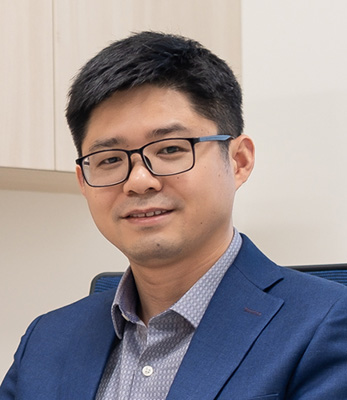
Assoc Prof Ng Teng Yong is an Associate Professor at the School of Mechanical & Aerospace Engineering (NTU), specializing in numerical modeling and simulation. With a background as Research Manager at A*STAR Institute of High Performance Computing, his work spans materials science, nanotechnology, and aerospace engineering. Current focus on graphene-based desalination membranes Expertise in molecular dynamics simulations Investigates nanoscale fluid mechanics and structural dynamics Recent publications highlight advancements in energy-efficient electrodialysis, smart robotics, and nonlinear vibration analysis. His interdisciplinary approach integrates computational methods with experimental validation in additive manufacturing and soft material mechanics.
Jonathan Baugh is a Professor in the Department of Chemistry at the University of Waterloo, serving as Director of the Quantum Information Graduate Program. His research focuses on quantum devices, nanoelectronics, and molecular electronics with affiliations at the Institute for Quantum Computing and Waterloo Institute for Nanotechnology. He leads the Baugh Research Lab, exploring quantum control, semiconductor spin qubits, and superconducting hybrid systems. Research interests include quantum information processing, nanoscale charge transport, and the development of next-generation photonic sources. His work bridges quantum physics and materials science, with recent breakthroughs in dopant-free semiconductors and single-molecule transistors. Publications emphasize scalable quantum architectures, noise mitigation in quantum control, and phase-coherent molecular electronics. Current projects involve cryogenic CMOS device modeling and topological quantum computing in silicon-based systems. No awards are explicitly listed, though his work has been highlighted in invited reviews and special sessions on quantum systems. Advising focuses on graduate students in quantum nanotechnology and condensed matter physics. His lab collaborates on integrated quantum networks and III-V/Si nanowire photodetectors. Labs/Teams: Baugh Research Lab (Quantum Nanoelectronics Group), Institute for Quantum Computing (IQC), Waterloo Institute for Nanotechnology (WIN).
Mehmet Esat Belviranli is an Assistant Professor in the Computer Science Department at the Colorado School of Mines, where he directs the High Performance Systems and Software Lab (HyperSys). His research focuses on increasing resource utilization in heterogeneous architectures through runtime systems, scheduling algorithms, and performance modeling, with publications in top venues including MICRO, PPoPP, and SC. Education: Ph.D. in Computer Science, University of California, Riverside (2016) M.S. in Computer Science, Bilkent University (2009) B.S. in Computer Science, Bilkent University (2006) Belviranli's research spans heterogeneous architectures, runtime systems, performance modeling, parallel programming, autonomous computing, deep learning acceleration, cyber-physical systems, and edge-cloud platforms. His work develops analytical models and programming abstractions to address resource management, scheduling, and security challenges in diversely heterogeneous systems, with applications in edge computing, autonomous systems, and machine learning acceleration. Recent projects emphasize real-world constraints and security implications. His publication trends reveal increasing focus on edge-cloud resource management (e.g., HARNESS), security vulnerabilities in heterogeneous systems (e.g., MC3), and deep learning acceleration under resource constraints. Key themes include memory contention modeling, scheduling for cyber-physical systems, and concurrent DNN execution, reflecting a shift toward practical deployment in security-sensitive edge environments. Scientific Awards: U.S. Air Force Research Lab Summer Faculty Fellowship Award (2022) U.S. Air Force Research Lab Summer Faculty Fellowship Award (2021) Oak Ridge National Laboratory Significant Event Award (2019) Best Paper Finalist, IEEE HPEC 2018 Outstanding Paper Award, DATE 2024 Belviranli mentors Ph.D. students Ismet Dagli (MLCommons Rising Star 2024, CGO'24 SRC finalist) and Justin Davis (DATE'24 Outstanding Paper Award winner). He has secured $2M+ in funding from NSF, DoE, and SRC, including an NSF-SaTC grant on mobile security (2024), a DoE grant on superconductive systems (2023), and an NSF FuSe grant on graphene nanoribbons (2023), often leading multi-institutional teams from Rochester, Virginia, Arizona, and Minnesota. The HyperSys Lab develops ecosystems for high-performance heterogeneous systems, with recent projects including HARNESS for edge-cloud resource management and MC3 for mobile SoC security. The lab has received equipment donations from Google Coral.ai and Xilinx, and collaborates with national labs on security challenges and next-generation semiconductor technologies.
LU Jiong is an Associate Professor at the Department of Chemistry, National University of Singapore (NUS). He holds additional roles as Assistant Head (International Relations and Infrastructure) and Dean's Chair Professor (2023-2026). His research focuses on atomic-scale material design, quantum nanoscience, and sustainable catalytic technologies. He has earned prestigious awards including the Singapore Young Scientist Award (2024) and the Faculty Outstanding Scientist Award (2024). Education: Postdoctoral Fellow at NUS and UC Berkeley (2011-2014), PhD in Chemistry from NUS (2011), B.Sc. in Chemistry from Fudan University (2007). Research Highlights: His group pioneers atomic-scale engineering of quantum materials and catalytic systems, including Janus graphene nanoribbons, topological single-atom catalysts, and superconducting monolayers. Recent work advances next-generation energy storage and sustainable chemical manufacturing. Grants & Funding: Holds a National Research Foundation Investigatorship and leads multiple projects in quantum materials and catalysis. Labs/Teams: Directs the LU Jiong Research Group at NUS, focusing on experimental and theoretical studies of atomic-scale phenomena in 2D materials and nanocatalysts.
Professor Nunzio Motta is a physicist at Queensland University of Technology (QUT), Faculty of Science, School of Chemistry and Physics. He pioneered atomic resolution in Ultra High Vacuum by Scanning Tunneling Microscopy in Italy (1991) and continues to innovate in nanotechnology, focusing on 2D materials, graphene, and quantum dots for electronics, energy storage, and environmental applications. PhD, Scuola Normale Superiore di Pisa (1986) Bachelor of Engineering (Hons I) in Physics, University of Rome La Sapienza (1981) His research spans Surface Science , Materials Science , and Nanotechnology , with key projects on epitaxial graphene growth, hybrid 2D heterostructures, and supercapacitors. Recent work includes designing diamond nanothread bundles and developing gas sensors for smart cities. His 15 most recent publications (2022–2025) focus on energy storage (Li-ion batteries, supercapacitors), 2D heterostructures, and gas sensors, leveraging nanotechnology for environmental and electronics challenges. Order of the Star of Italy (2017) Queensland International Fellowship (2013) He supervises PhD/MSc students in 2D materials for quantum technologies and energy applications, collaborating with institutions like Australian National University and CSIRO. His professional roles include Associate Editor for Beilstein Journal of Nanotechnology and organizing committees for international workshops like NanoS-E3.
Professor Christopher Baddeley is a faculty member in the School of Chemistry at the University of St Andrews, where he leads research in Surface Chemistry and heterogeneous catalysis. His work focuses on understanding surface reaction mechanisms underlying enantioselective catalytic processes and developing novel surface architectures for catalytic applications. His research expertise includes: Surface reaction mechanisms in enantioselective heterogeneous catalysis Construction of porous 2-D surface architectures using intermolecular H-bonding and metal-organic coordination Development of in situ probes for liquid-solid interface studies Corrosion inhibition mechanisms on metal surfaces Characterization of bimetallic surface composition using Medium Energy Ion Scattering Professor Baddeley employs advanced surface characterization techniques including Scanning Tunnelling Microscopy (STM), Reflection Absorption Infrared Spectroscopy (RAIRS), and High Resolution Electron Energy Loss Spectroscopy (HREELS) in ultrahigh vacuum environments. His laboratory also features specialized equipment for studying processes at the liquid-solid interface, bridging the gap between idealized UHV studies and real-world catalytic systems. Analysis of his recent publications reveals strong trends in surface science with particular emphasis on: Molecular adsorption and monolayer formation on metal surfaces N-heterocyclic carbene chemistry for surface modification Corrosion inhibition mechanisms of organic molecules on copper alloys Thermal behavior of bimetallic nanoparticles on oxide supports Surface-confined hydrogenation reactions Professor Baddeley has received significant recognition for his contributions to surface science: CR Burch Prize from the British Vacuum Council (1999) His academic leadership extends to supervising doctoral students and serving as an external examiner for PhD theses at other institutions. Professor Baddeley has secured substantial research funding through multiple EPSRC grants: N-heterocyclic Carbenes on Metal Surfaces project (2019-2022) Investigating corrosion at the interface project (2019) Hydrogen Free Selective Hydrogenation project (2015-2018) MEIS investigations of adsorbate induced segregation (2007-2010) He is actively involved in the EaSTCHEM research school, a joint initiative between the University of Edinburgh and the University of St Andrews that provides a collaborative environment for chemical research and training, with significant contributions to UN Sustainable Development Goals related to clean energy and responsible consumption.
Professor Jana Zaumseil is a distinguished academic at Heidelberg University, holding the position of Professor for Applied Physical Chemistry at the Faculty of Chemistry and Earth Sciences since 2014. She also maintains a co-opted position with the Faculty of Physics and Astronomy since 2016. Currently serving as Executive Director of the Institute for Physical Chemistry and Spokesperson for the DFG Research Training Group GRK 2948, she leads the Zaumseil research group (also known as the Nanomaterials for Optoelectronics group) at Heidelberg University's Institute for Physical Chemistry. Her educational background includes a PhD in Physics from the University of Cambridge (2003-2007) with a Gates Cambridge Trust Scholarship, and a Diplom (equivalent to M.Sc.) in Chemistry from the University of Leipzig (1997-2022). Prior to her position at Heidelberg, she served as Professor for Nanoelectronics at Friedrich-Alexander-Universität Erlangen-Nürnberg (2009-2014), and completed postdoctoral work at Argonne National Laboratory (2007-2009) following an internship at Bell Laboratories (2002-2003). Zaumseil's research program focuses on the optical and electronic properties of carbon-based nanomaterials, particularly single-walled carbon nanotubes (SWCNTs) and organic semiconductors. Her group specializes in processing, functionalization, characterization and application of these unconventional semiconductors for optoelectronic devices and sensors. They investigate charge transport and light-matter interaction using a wide range of experimental techniques including synthesis, optical spectroscopy, atomic force microscopy, device fabrication, and electrical/optical device characterization. Their work bridges fundamental understanding with potential applications in sensing, imaging, circuits, and energy conversion. Analysis of her recent publications reveals a strong trend toward defect engineering in carbon nanotubes, particularly creating and optimizing luminescent sp 3 defects for near-infrared applications. Her research increasingly integrates fundamental studies of charge transport with practical device applications, especially in neuromorphic computing, biosensors, and thermoelectrics. The interdisciplinary nature of her work is evident in the combination of chemistry, physics, and materials science approaches across her publication record. Dan Maydan Prize for Nanoscience and Nanotechnology (2024) Jahrespreis der Universität Heidelberg (2023) ERC Consolidator Grant (2019) ERC Starting Grant (2012) Alfried-Krupp-Award for Young University Professors (2010) Professor Zaumseil has secured substantial research funding including multiple ERC grants and leads several major collaborative projects such as the ERC Advanced Grant SCALE-NT, Collaborative Research Center SFB 1249, Cluster of Excellence 3D Matter Made to Order, and Research Training Group GRK 2948. She has mentored numerous doctoral and master's students, with her group recently receiving recognition including a Student Poster Presentation Award for Niklas Herrmann. As Dean of the Faculty of Chemistry and Earth Science (2019-2021) and current Vice Dean (2021-), she has played significant leadership roles within the university structure. The Zaumseil research group operates within Heidelberg University's Institute for Physical Chemistry, utilizing advanced facilities for nanomaterial synthesis, optical spectroscopy, and device characterization. The group participates in several major collaborative initiatives including the Cluster of Excellence 3D Matter Made to Order and the Collaborative Research Center SFB 1249, reflecting its integration within Heidelberg's broader research ecosystem focused on molecular systems and materials science.
University of California, Los AngelesUnited States
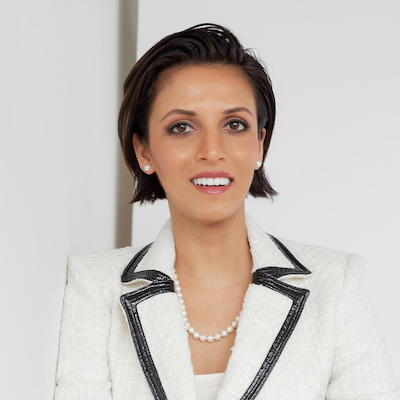
Dr. Prineha Narang is a Professor of Physical Sciences and Electrical and Computer Engineering at the University of California, Los Angeles (UCLA). Previously, she held positions as an Assistant Professor at Harvard University and a Research Scholar at MIT. Her research focuses on quantum materials, quantum information science, and non-equilibrium dynamics, with interdisciplinary contributions to photonics, topological materials, and cavity quantum electrodynamics (QED). She leads the Narang Lab, which develops theoretical and computational methods to design quantum systems and explores applications in quantum networks and energy conversion. Dr. Narang has held leadership roles in major initiatives such as the DOE Quantum Science Center and the NSF Center for Quantum Networks. She is also the founder and CTO of Aliro Quantum, a company advancing quantum networking technologies. Education: M.S. and Ph.D. in Applied Physics from the California Institute of Technology (Caltech). Her work has been recognized with prestigious awards, including the Mildred Dresselhaus Prize, NSF CAREER Award, and being named a Moore Inventor Fellow. She serves on editorial boards for journals like ACS Nano and Applied Physics Letters , and chairs international conferences. Outside academia, she advises organizations like arXiv and actively engages in promoting quantum technologies through industry collaborations. Research Interests: Quantum materials engineering, quantum networks, non-equilibrium phenomena, topological quantum states, and quantum defect physics. Current projects include designing scalable quantum repeaters, developing error-corrected quantum systems, and studying light-matter interactions in novel materials. Her lab’s SpaRTaNS code enables spatially-resolved transport simulations, advancing understanding of electron and phonon dynamics. Awards and Grants: Over 20 major awards, including the Guggenheim Fellowship (2023), ONR Young Investigator Award (2022), and leadership roles in DOE and NSF-funded centers. Her work bridges academia and industry, with partnerships at companies like Applied Materials and Northrop Grumman.
Prof. Dr. Ferdinand Evers is a Chair of Computational Condensed Matter Theory at the Institute of Theoretical Physics , University of Regensburg. His research spans quantum transport , spintronics , molecular electronics , and many-body localization , with a focus on ab initio and DFT-based modeling of nanostructures and low-dimensional systems . Key Research Areas: Quantum transport in molecular junctions Spin-orbit coupling and chiral effects Multifractality at quantum phase transitions Electronic structure of topological materials Ultrafast laser-driven electron dynamics Anderson localization and disorder Recent Article Trends (2021–2024): High-harmonic generation in topological insulators Spin-selective transport in chiral systems Mechanical torque in molecular rotors Self-consistent GW methods for molecular electronics Quantum interference in graphene nanoribbons Teaching: Lecturer for Theoretical Physics I-IV , Advanced Quantum Mechanics , and Scientific Perspectives courses at the University of Regensburg Focus on statistical mechanics , quantum transport , and computational nanoscience
Beate Paulus is a Professor for Theoretical Chemistry at the Freie Universität Berlin , affiliated with the Chemistry and Biochemistry college and the Chemistry department. Her research focuses on advanced quantum chemical methodologies and applications to 2D materials, spintronics, and catalysis. Current affiliation: Freie Universität Berlin Key research areas: Quantum Chemistry, Density Functional Theory, 2D Materials, Spintronics, Electrocatalysis Her work spans computational modeling of electronic structures, magnetic properties, and chemical reactions using Density Functional Theory (DFT) with specialized corrections. She investigates systems like MoS2 , graphene heterostructures , and transition metal complexes , aiming to understand and optimize properties for energy applications, biosensors, and nanoelectronics. Recent publications highlight her contributions to quantum mechanical fluorine tunnelling , spin-selective transport in doped nanoribbons , and surface functionalization strategies for 2D materials. Her group also explores mechanically interlocked molecules and redox-responsive polymers with potential biomedical applications. Beate Paulus leads the Paulus Group , which actively publishes in high-impact journals and collaborates on interdisciplinary projects involving experimental and theoretical approaches.
Xinliang Feng is a W3 Chair Professor at Dresden University of Technology, where he heads the Chair of Molecular Functional Materials. He also holds an Adjunct Chair Professorship at Shanghai Jiao Tong University, China. Previously, he served as a Distinguished Group Leader at the Max Planck Institute for Polymer Research in Mainz, Germany (2012-2014), and as a Group Leader at the same institute (2007-2012). His educational background includes a Bachelor's degree in Analytic Chemistry (2001), a Master's degree in Organic Chemistry (2004), and a PhD from the Max Planck Institute for Polymer Research (2008). Feng's research focuses on the frontier areas of nanomaterials science, particularly on 2D nanomaterials and low-dimensional nanostructures for energy applications. His work spans from fundamental organic synthesis to applied energy technologies. Key research areas include: Bottom-up synthesis of carbon nanostructures and graphene nanoribbons 2D polymers and supramolecular polymers with tailored properties Mesoporous covalent-bonding organic frameworks for energy storage Organic synthetic methodology in aromatic coupling reactions 2D carbon-rich conjugated polymers for electronic and optoelectronic applications His extensive publication record includes over 436 journal papers with significant impact, featuring publications in top-tier journals including Nature (3 papers), Science (1 paper), Nature Materials (2 papers), and numerous papers in Advanced Materials, Angewandte Chemie, and Journal of the American Chemical Society. His work has garnered over 34,797 citations in Web of Science (H-index ≥88) and over 44,959 citations in Google Scholar (H-index ≥101). Feng has received numerous prestigious awards recognizing his contributions to materials science and chemistry: Member of the German National Academy of Sciences (Leopoldina, 2024) Member of the Academia Europaea (2019) Fellow of the European Academy of Sciences (2019) EU-40 Materials Prize (2018) ERC Consolidator Grant Award (2018) Multiple years as a Highly Cited Researcher (2014-2018) ERC Starting Grant Award (2012) IUPAC Prize for Young Chemists (2009) He serves on the international/editorial advisory boards of 12 international journals and has organized or co-organized 30 symposia, workshops, and conferences. As the Head of the ESF Young Research Group "Graphene Center Dresden" and Working Package Leader for the EU GRAPHENE FLAGSHIP project, he plays a significant role in European materials research initiatives.
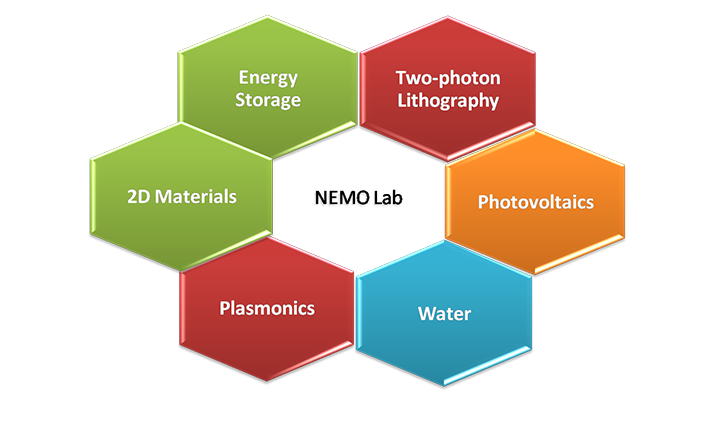
Dr. Sumit Saxena is a Professor in the Department of Metallurgical Engineering and Materials Science (MEMS) at the Indian Institute of Technology Bombay (IIT Bombay), India. He leads the NEMO Laboratory, which focuses on multifaceted research combining experimental and theoretical approaches in materials science and metastructures. His academic affiliations include IIT Bombay, where he has progressed from Assistant Professor (2012) to Associate Professor (2016) and Professor (2021). His research interests span first-principles calculations of electronic structure , graphene and 2D materials , metamaterial design and fabrication , and novel materials for energy storage . These areas are supported by both computational modeling and experimental synthesis. The recent publications reflect a strong trend in 2D materials , particularly graphene and its derivatives, with a focus on electronic and structural properties using density functional theory . Additional themes include carbon-based nanostructures , sol-gel synthesis of functional oxides , and even nuclear mass measurements from earlier work. The research bridges fundamental physics with applications in energy and sustainability. Scientific recognitions include: Fellow of the Institute of Materials, Minerals and Mining (FIMMM), UK Fellow of the National Environmental Science Academy (FNESA), India Fellow of the Royal Society of Chemistry (FRSC), London Member of the Materials Research Society India (MRSI) Dr. Saxena supervises multiple PhD and research scholars, particularly in the NEMO Lab and IITB-Monash Research Academy. His research is supported by projects on 2D material synthesis , metamaterial fabrication , and energy storage materials . He holds patents in areas such as achromatic microlenses and carbon-based desalination membranes . He collaborates with researchers at Harvard, UIUC, and Monash University, and is involved in water technology initiatives through WICTRE at IIT Bombay. He leads the NEMO Laboratory, a multidisciplinary research group working on nano-bio systems, photonics, and environmental applications of nanomaterials. The lab supports graduate students, postdoctoral fellows, and project staff working on topics ranging from optical sensors to water purification.
Dr. Adelina Ilie is a Research Professor in the Department of Physics at the University of Bath, where she leads research in Nanoscience and Nanotechnology through multiple interdisciplinary centers including the Centre for Nanoscience and Nanotechnology, Condensed Matter Physics CDT, Centre for Therapeutic Innovation, Condensed Matter and Quantum Materials group, and NanoBioElectronics research. Her research spans fundamental to applied studies of functional nanomaterials with designed atomic-scale behavior. Specializing in graphene and related 2D materials as well as 2D molecular networks, her group employs advanced scanning probe microscopy techniques under ultra-high vacuum and cryogenic conditions to engineer quantum properties for novel applications in nanoelectronics, spintronics, and biomedical sensing. Her recent publications reveal strong trends in quantum materials engineering, particularly in superlattice structures, hybrid 2D systems, and bio-nano interfaces. The research demonstrates sophisticated manipulation of electronic, optical, and thermal properties at the atomic scale, with increasing focus on biomedical applications in recent years. Dr. Ilie actively supervises doctoral students and has served as external examiner for PhD theses at prestigious institutions including University of Cambridge (2024, 2021), University of Oxford (2018), and University of Southampton (2011). Her research is supported by significant grants from EPSRC, MRC, Sir Halley Stewart Foundation, and University of Bath. Her laboratory maintains state-of-the-art facilities for atomically-resolved scanning probe microscopy (STM and AFM) in ultra-high vacuum and cryogenic environments, complemented by chemical vapor deposition systems for nanomaterial fabrication. She maintains active collaborations across Bath's departments of Pharmacy & Pharmacology, Chemistry, and Biology & Biochemistry, as well as with international research institutes specializing in nanoscience.
Paola Ayala is a Professor at the Faculty of Physics of the University of Vienna, specializing in the Electronic Properties of Materials . Her research focuses on nanomaterials, particularly carbon nanotubes, graphene, and carbyne, exploring their electronic, magnetic, and optical properties. She leads the Doctoral College Advanced Functional Materials (DCAFM) (2020–2025), fostering interdisciplinary training in nanotechnology. Key research areas include nitrogen doping of carbon nanotubes, magnetic coupling in nanoclusters, and sensor applications of nanocomposites. She has pioneered studies on confined carbyne synthesis and the environmental stability of 1D nanocarbons. Ayala’s work bridges theoretical modeling (e.g., DFT simulations) and experimental techniques like Raman spectroscopy and XPS analysis. Her 2017 Matilde Hidalgo Prize recognizes contributions to nanomaterials science. She actively promotes STEM equity, co-authoring reports on women in physics in Austria and Ecuador. Ayala has supervised over 97 publications since 2007, with recent emphasis on functional nanomaterials for energy, sensing, and biomedical applications. Notable projects include developing flexible formaldehyde sensors and investigating magnetic properties of iron nanoclusters. She collaborates globally, presenting at conferences like the 2024 UNIVIE NanoteC Symposium and the 2023 International Nanotechnology Congress.