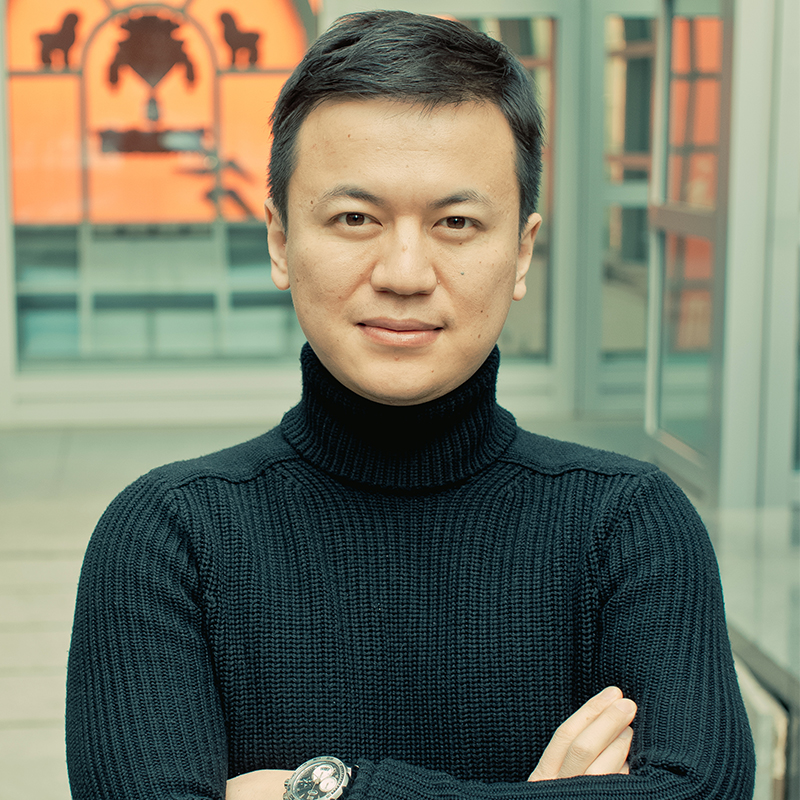
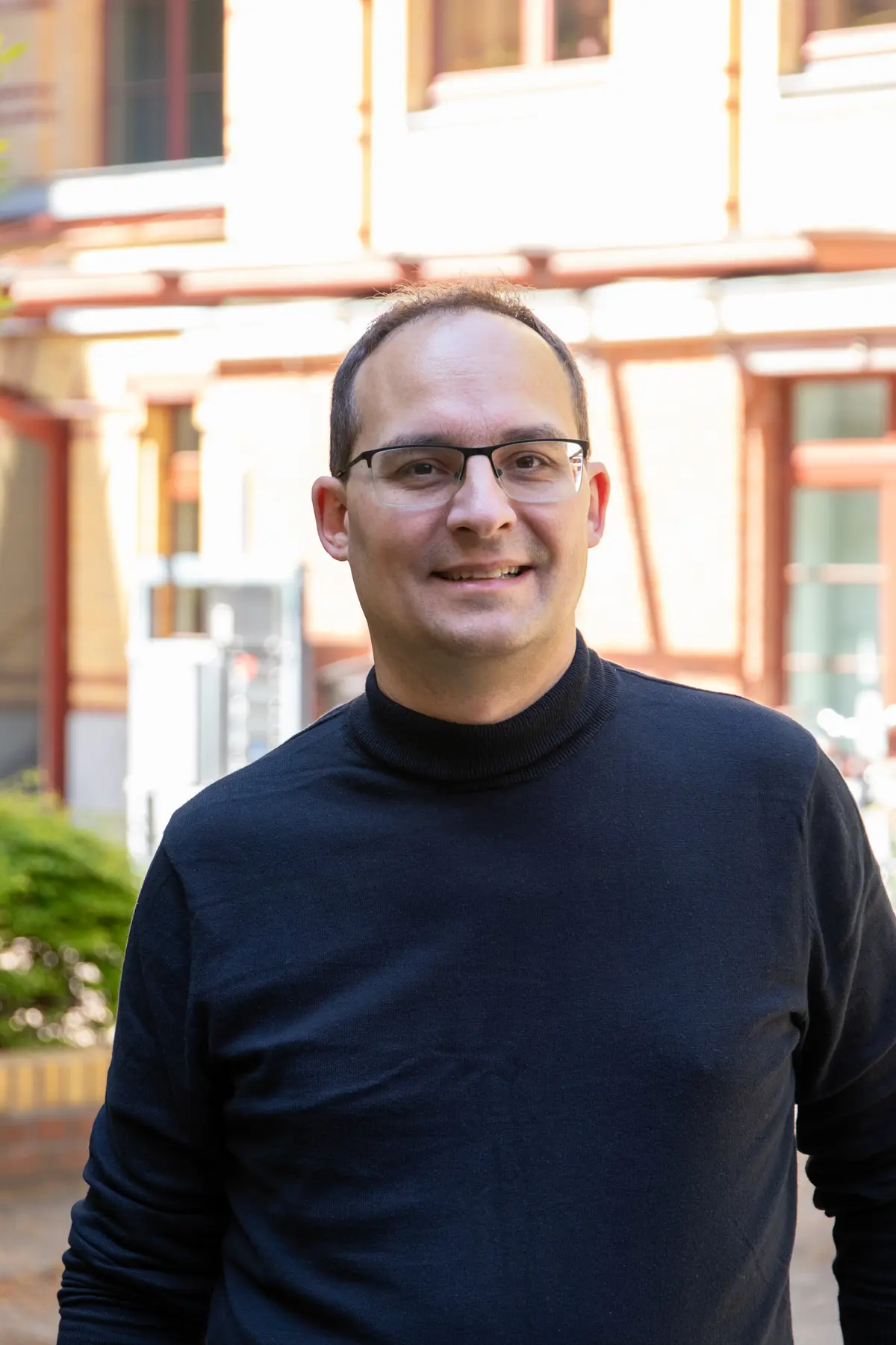
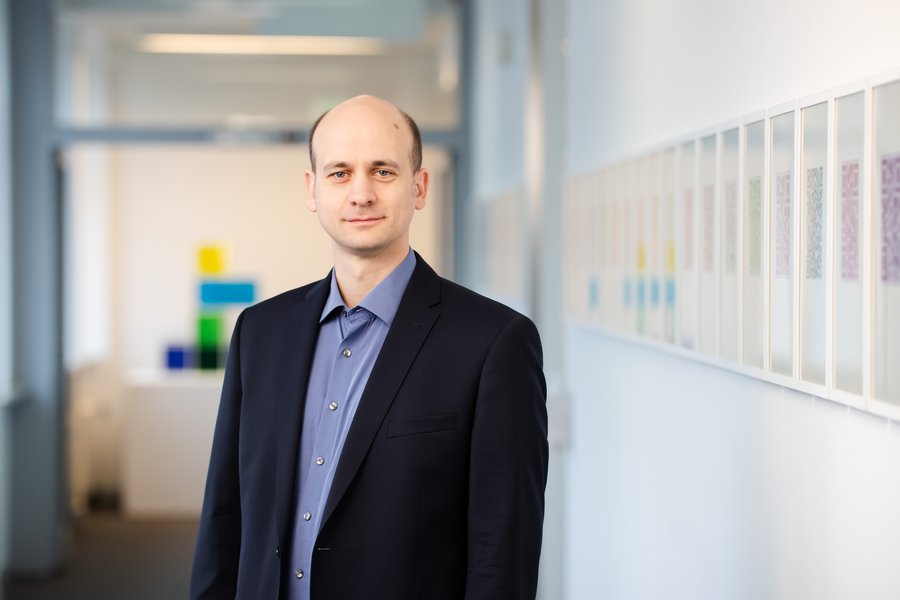
Niki Kilbertus is a Professor in the Department of Informatics at the Technical University of Munich and a group leader at Helmholtz AI (Helmholtz Munich). They are also affiliated with MCML, the Konrad Zuse School relAI, and the Munich Unit of ELLIS. Since 2024, they have been a member of the Junge Akademie and received the Leopoldina Prize for Young Scientists. In 2025, they were awarded an ERC Starting Grant and achieved tenure at TUM. Professor Kilbertus's research focuses on causal machine learning, mechanistic ML, dynamical systems, and AI for science. Their work spans theoretical foundations of causal inference and practical applications across scientific domains. They have made significant contributions to causal effect estimation, causal discovery in stochastic processes, learning differential equations, and fair machine learning. Their research often bridges computer science with physics, biology, and climate science, demonstrating the interdisciplinary nature of their work. Professor Kilbertus has published extensively in top machine learning venues including NeurIPS, ICML, and ICLR, with numerous publications in 2024-2025. Their recent work shows a strong trend toward causal discovery in continuous-time systems, intervention modeling, and physics-informed machine learning applications. Scientific Awards: Leopoldina Prize for Young Scientists (2024) ERC Starting Grant (2025) Professor Kilbertus actively supervises multiple PhD students and collaborates with researchers across institutions including Max Planck Institutes and Helmholtz centers. They serve as an Action Editor for TMLR and regularly review for major ML conferences. The research group is well-funded through the ERC grant and institutional support from TUM and Helmholtz AI, enabling active recruitment of new PhD students and postdocs. Based at Technical University of Munich and Helmholtz AI, Professor Kilbertus's team works at the intersection of theoretical machine learning and scientific applications, with particular strengths in causal reasoning for complex dynamical systems.