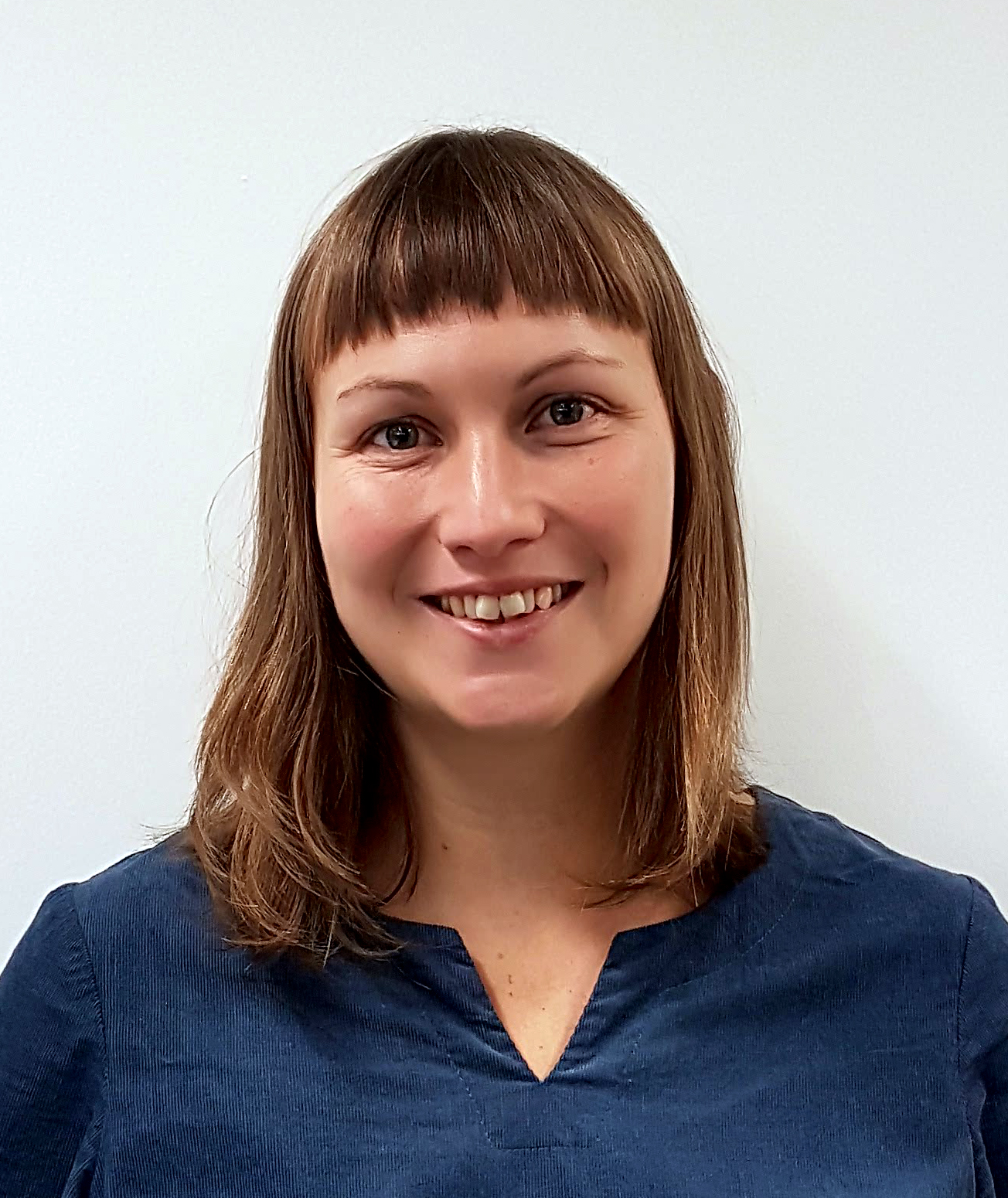
Cornelia Schneider is a Professor and Head of the Institute of Computer Science at the University of Applied Sciences Wiener Neustadt. She leads research in digital health and care technologies, focusing on applications like Augmented Reality, sensor data analysis, and social robotics for vulnerable populations. Her work emphasizes user-centered design and has been supported by projects funded by FFG and the Active Assisted Living Programme. Her research spans telemedicine infrastructure, elderly care robotics, and health monitoring systems. Notable projects include 24/7-Digital (2023-2026), Care about Care (2021-2023), and AgeWell (2019-2022). She has pioneered solutions like CARU cares and DigiCare training programs. Dr. Schneider has been recognized with the AAL Award (2014) and the tecnet | accent Innovation Award (2021). She coordinates interdisciplinary teams and actively participates in conferences like Health Informatics Meets Digital Health. Her lab collaborations include FOTEC and Salzburg Research, where she previously led the e-Health Competence Center until 2019.
Hilda Tellioglu is an Associate Professor and Dean of Academic Affairs for Informatics at TU Wien, leading the Artifact-based Computing and User Research department. She holds a dual role as Head of Research Unit and oversees the Office of the Dean. Her work focuses on Human-Computer Interaction (HCI), Design Thinking, and Digital Transformation, with a strong emphasis on socio-technical systems and participatory design methodologies. Research interests span software engineering, CSCW, ambient assisted living (AAL), and digital co-creation practices in urban planning. She has spearheaded projects like aspern.mobil LAB, EnviSense, and StreetForum, exploring smart mobility, environmental sensing, and citizen participation in urban development. Her work frequently integrates tangible interfaces and model-based design approaches. Key contributions include frameworks for digital transformation evaluation (EEFCET 2020), user-centered design for informal caregivers (TOPIC platform), and crisis management systems using crowdsourcing (RE-ACTA). She has led over 20+ research projects funded by FFG, EU, and national agencies, focusing on mobility innovation, healthcare technology, and sustainable urban systems. Teaching responsibilities include courses on Design Thinking, Digital Transformation, and Research Methods across bachelor's, master's, and PhD programs. She actively promotes interdisciplinary collaboration through initiatives like the Center for Technology & Society (CTS) and Living Lab methodologies.
Christopher Frauenberger is a Professor of Human-Computer Interaction at the IT University of Linz . His research bridges philosophy and design to explore relationships between humans and digital technologies, focusing on Entanglement HCI and PANDORA philosophy circle . He actively engages with neurodiverse groups , particularly autistic children, and examines ethics in design through roles like ACM SIGCHI Ethics Board and Interdisciplinary Transformation University affiliations. Education : PhD in Human-Computer Interaction Research Areas : Participatory Design, Assistive Technologies, Social Play, Ethics in HCI His recent work explores diversity computing and inclusive design spaces , emphasizing relational agency and performative perspectives . Publications address smart technologies for children , critical design methodologies , and value-driven innovation . Supervisions include doctoral work on post-project toolkits and value-driven meeting rooms . He advocates for posthumanist design and critical reflections on technology's societal impact.
Markus Canazei, MMSc PhD , is an Assistant Professor at the Department of Clinical Psychology I, University of Innsbruck , Austria. His office is located at Innrain 52f, 5th floor, and he welcomes consultations by appointment. His research integrates clinical psychology, chronobiology, and applied lighting science to enhance mental health, stress management, and occupational well-being. Education & Training Dipl.-Ing. (Engineering degree, Austria) MMag. (Magister degree, Austria) MMSc (Master of Medical Science) PhD (field implied: psychology / chronobiology) Research Interests Dr. Canazei’s work centers on light-based interventions for mental health, circadian regulation , and digital therapeutics . He investigates how personalized lighting systems, bright-light therapy, and app-based CBT can mitigate stress, burnout, and affective disorders across diverse populations—from university students to geriatric in-patients and professional drivers in extreme environments. A second major strand explores psychodrama psychotherapy , especially in borderline personality disorder, analyzing change processes through hermeneutic single-case designs. Publication Trends Across 40+ peer-reviewed articles (2011-2025), his output reveals a clear trajectory: early laboratory studies on lighting ergonomics evolved into large-scale clinical trials during the COVID-19 pandemic, followed by cutting-edge mobile-health RCTs and psychodrama process research. Thematic clusters include (1) workplace and in-vehicle lighting for alertness and stress reduction, (2) digital CBT and psychoeducation for students, (3) circadian studies in dementia and depression, and (4) qualitative-hermeneutic investigations of psychotherapy mechanisms. Awards & Honors No specific awards or patents are listed in the provided text. Supervision & Funding He currently supervises master’s theses and co-supervises doctoral theses at the University of Innsbruck. Multiple projects are supported by third-party grants, although exact grant titles and funding agencies are not disclosed in the source material. Laboratory & Collaborations Dr. Canazei collaborates with interdisciplinary teams spanning engineering, chronobiology, nursing, and occupational medicine. His laboratory facilities support human-factor lighting simulations, ambulatory actigraphy, and psychotherapeutic process recording.
Janis Lena Meißner is a post-doctoral researcher in the HCI research group at TU Wien, focusing on inclusion in digital transformation processes. She teaches courses including "Computational Aspects of Digital Fabrication" and "Free and Open Technologies," while conducting research that critically examines technology use among non-expert users and marginalized communities. Her educational background includes a doctoral degree in Digital Civics from Open Lab at Newcastle University, an MSc in Media Informatics, and a Bachelor's degree in Media Informatics. Prior to her academic career, she worked in the IT department of an Austrian governmental institution and as a consultant for a software company. Meißner's research centers on productive creative practices of non-expert technology users and their meaning-making processes with digital tools. She has explored sociomaterial practices of "makers-in-the-making," including people with disabilities using 3D printers for empowering hacks, charity workers creating interactive e-textile blankets, and Men Shed organizers combining traditional crafts with digital technologies. Her work challenges the "non-technical" framing of non-expert users and highlights social justice issues in digital transformation. She has particular expertise in participatory and creative research methods, examining how co-design can establish healthy researcher-participant relationships. Her recent publications reveal strong trends in inclusive maker spaces, accessibility for Deaf communities, hidden technological labor in female-dominated professions, and feminist approaches to human-computer interaction. As a co-founding member of fempower.tech, she actively promotes feminist perspectives in HCI. Her work bridges academic research with practical applications in digital inclusion, particularly through projects exploring hidden technological labor of service workers and telemonitoring in healthcare contexts.
Jakob Doppler is a full-time Professor at the St. Pölten University of Applied Sciences , where he leads the Center for Digital Health and Social Innovation and the Department of Media and Digital Technologies . He spearheads master's programs in Citizen-Centered Digital Health and Social Care and Digital Healthcare , integrating technology with social care solutions. His research focuses on context computing , human activity recognition , and music information retrieval , with applications in elderly care, rehabilitation technology, and digital innovation. Projects like Smart Companion , EyeQTrack , and SONIGait demonstrate his work in AI-assisted living, XR training, and wearable sonification devices for Parkinson's patients. Publications span digital health frameworks , gait rehabilitation systems , and user-centered design for aging populations. His work bridges computer science and health sciences , emphasizing interdisciplinary collaboration and real-time feedback mechanisms . He actively contributes to ambient assisted living through multi-device platforms and smart home environments .
Prof. Galit Nimrod is a Full Professor at Ben-Gurion University of the Negev's Department of Communication Studies and a Research Fellow at its Center for Multidisciplinary Research on Aging. She holds a Ph.D. in Communication and Journalism from the Hebrew University of Jerusalem and completed a Fulbright postdoctoral fellowship at the University of Georgia's Gerontology Center. Her research focuses on well-being in later life, examining leisure, media, and technology use among older adults. She employs interdisciplinary methods from sociology, psychology, gerontology, and robotics to bridge theoretical insights with practical applications for improving quality of life. Key achievements include the 2016 Academy of Leisure Sciences Fellowship and the 2008 Max Prohovnik Award. Her work addresses challenges like technophobia, socially assistive robotics adoption, and intergenerational digital divides. She has led studies on robotic systems like 'Gymmy' for aging populations and explored pandemic-era internet use patterns among seniors. Educations: Ph.D., Hebrew University of Jerusalem; Postdoc, University of Georgia Research Labs: Center for Multidisciplinary Research on Aging (Ben-Gurion University) Grants: Multiple unspecified grants supporting technology and aging research
Paul Panek is a Senior Scientist at the Vienna University of Technology (TU Wien), specializing in Human-Computer Interaction (HCI) and assistive technologies. He leads research in Social Robotics, smart home systems, and rehabilitation technology, focusing on Ambient Assisted Living (AAL) solutions for older adults and individuals with disabilities. His work emphasizes user-centered design and ethical considerations in assistive robotics and toilet accessibility systems. He holds a Dipl.-Ing. (Diploma in Engineering) and has been deeply involved in EU-funded projects like iToilet, T4Me2, and APH-Alarm, developing adaptive toilets and assistive tools to enhance independence. His research spans over 15 years, with notable contributions in smart toilet systems, robotic assistance, and ethical frameworks for AAL technologies. Key projects include: Design of self-adapting toilets for semi-public environments (T4Me2 project) Development of cognitive support systems for dementia patients Pioneering work on speech-controlled assistive robots (Hobbit project) His teaching includes courses such as 'Assistive Systems' and 'Accessible Internet,' reflecting his commitment to bridging technology with societal needs. Panek’s research integrates engineering, design, and social sciences to create inclusive technologies that address the challenges of aging populations and disabilities.
Mario Parra Rodriguez is a Professor in the Department of Psychology at the University of Strathclyde, United Kingdom. He is actively engaged in research, supervision, and international academic collaboration, with a focus on cognitive neuroscience and dementia. He is accepting PhD students and has a strong presence in global brain health initiatives. University: University of Strathclyde School: Faculty of Humanities and Social Sciences Department: Department of Psychology Academic Rank: Professor His research centers on Alzheimer's disease, memory assessment, EEG biomarkers, and the application of virtual reality and remote technologies in cognitive evaluation. He investigates the continuum from normal aging to dementia, aiming to develop affordable, scalable, and multimodal neurocognitive tools for early detection. The recent articles reflect a strong trend toward digital and technology-driven approaches in dementia research. Themes include EEG-based biomarkers, virtual reality assessments, remote cognitive testing, and international cohort studies. His work bridges clinical neuropsychology with cutting-edge technology, emphasizing real-world applicability and global health equity. Scientific awards include recognition from the Latin American and Caribbean Consortium on Dementia (LAC-CD), Global Brain Health Institute (GBHI), and multiple honors for innovation in cognitive assessment and neurocognitive biomarkers. These reflect his international impact and leadership in the field. Mario Parra Rodriguez has supervised PhD students and research projects, with 39 funded projects and extensive academic activities including invited talks, conference organization, and editorial roles. His work is supported by international collaborations and grants focused on brain health, aging, and dementia prevention. He is involved in key networks such as the LAC-CD and GBHI, and collaborates with institutions in Colombia, Ireland, and beyond. His lab and team focus on developing and validating novel cognitive paradigms and digital tools for neurodegenerative disease detection and intervention.
Andreas Holzinger is a University Professor for Digital Transformation for Smart Agriculture and Forestry at the Institute of Forest Engineering, Department of Agricultural Sciences, University of Natural Resources and Life Sciences Vienna (BOKU). He pioneered interactive machine learning with human-in-the-loop frameworks to advance trustworthy AI, focusing on explainability, robustness, and ethical alignment with human values. His work bridges artificial intelligence with forestry technology, ensuring safety, privacy, and sustainability. 2022: University Professor at BOKU 2021: IFIP Fellow 2020: ELLIS Member 2019: Visiting Professor at University of Alberta 2019: Academia Europaea Full Member His research interests span Human-Centered AI , Explainable AI , Digital Transformation in Forestry , and Trustworthy AI . He develops frameworks where humans collaborate with AI systems to enhance decision-making in forest operations, focusing on transparency and controllability. His recent publications emphasize Interactive Machine Learning and Explainable AI in forestry contexts, including cable corridor planning, danger zone detection, and sensor-based data interpretation. Articles explore 3D point cloud analysis , human-robot collaboration , and contextual counterfactuals to improve AI systems' reliability. Scientific Awards: Most influential Paper Award (2025) Fellow of IFIP (2021) Member of ELLIS (2020) Full Member, Academia Europaea (2019) He supervises theses on Forestry Technology , Plant Development , and Stress Resilience , mentoring students working on smart sensors, genetic analysis, and AI applications in agricultural systems. His collaborations span institutions in Austria, Canada, Finland, Italy, New Zealand, and the USA.
Univ.-Prof. Dipl.-Ing. Dr. Stefan Oppl, MBA, is the Dean of the Faculty of Education, Arts and Architecture at the University for Continuing Education Krems. His work focuses on educational technologies, digital transformation in higher education, and validation of non-formal/informal learning. He leads major projects like DigiFit4All and CodeAbility Austria, addressing digital competencies and programming education. His research spans adaptive teaching frameworks, pandemic-era educational practices, and hybrid learning for marginalized communities. He has authored/co-authored textbooks on validation mechanisms in academia and publishes in journals like Technology, Knowledge and Learning and Thinking Skills and Creativity. Projects under his leadership explore meta-competences in complex environments and technology-supported learning spaces. Key projects include the Zentrum für Qualitätsentwicklung in der höheren beruflichen Bildung (2024–2028) and TRANSFORM (2020–2024), which investigate digital and social transformation in education. He also coordinates EU-funded initiatives like T.E.S.T. (2022–2024) focusing on STEAM teaching technologies. His work emphasizes bridging theoretical models with practical implementation, particularly through collaborative modeling techniques and stakeholder-centric design. Dr. Oppl’s recent publications analyze pandemic impacts on learning environments, motivational strategies for older adults engaging with technology, and frameworks for inclusive adaptive teaching. He actively contributes to discussions on open educational resources (OER) and micro-credential development in Austria. His interdisciplinary approach integrates insights from cognitive science, organizational change, and policy analysis to drive innovation in educational systems.
Mag. Dr. Sabrina Oppl is a member of the academic staff and Quality Manager at the University for Continuing Education Krems, specializing in Teaching Innovation and Digital Competence Development. Her work focuses on advancing educational technologies, particularly for older adults and non-traditional learners. She has contributed to initiatives like the VANIKOM project, which validates non-formal and informal learning outcomes. Her research emphasizes motivational strategies, such as applying Self-Determination Theory (SDT) to enhance technology adoption among seniors. Dr. Oppl's research spans digital learning environments, pandemic impacts on education, and reform in continuing education. Key areas include the design of cyber-physical systems for learning, privacy concerns in digital spaces, and game-based learning for elderly populations. She has presented at conferences such as the Society for Higher Education Research and contributed to publications on educational reform and technology integration. Her articles highlight trends in gerontechnology, motivational support systems, and the structural challenges in educational design theory. Dr. Oppl's interdisciplinary approach bridges pedagogy, information systems, and gerontology to address lifelong learning challenges. She is affiliated with the university’s Education, Arts, and Architecture faculty and actively contributes to quality assurance and innovation in academic programs.
Anna Winkler serves as a Research Associate at the Institute of Nursing Science and Practice, Paracelsus Medical University (PMU), where she focuses on technology-driven solutions for improving patient safety in nursing care. Her work bridges clinical practice and technological innovation, with particular emphasis on sensor-based monitoring systems and virtual agent applications. Her primary research areas include: Pressure ulcer and fall prevention through sensor technology Implementation of virtual agent-assisted telecare systems User acceptance and experience with healthcare technologies in long-term care settings Integration of health information technology into nursing workflows Dr. Winkler's scholarly output reveals a concentrated effort to systematically review emerging technologies for elderly care. Her scoping reviews consistently address implementation challenges, highlighting the gap between technological capabilities and practical clinical adoption. The research demonstrates growing sophistication in sensor applications, with recent work focusing on multi-modal monitoring systems that combine accelerometer data with environmental sensors to predict and prevent adverse events. As an active contributor to major research initiatives including SensiCare (2023-2026), SCC: SeneCura Campus (2022-2025), and PiloTT-A (2020-2022), Dr. Winkler collaborates with interdisciplinary teams to develop and evaluate healthcare technologies. Her recent presentations at academic venues indicate growing recognition of her work in the field of nursing informatics and gerontechnology.
Stefanie Größbacher is a Junior Researcher at the Institute of Creative Media/Technologies within the University of Applied Sciences St. Pölten, Austria. She is affiliated with the Department of Media and Digital Technologies and actively contributes to the Media Computing Research Group . Her work focuses on innovative applications of digital technologies across diverse fields including healthcare, education, and cybersecurity. Größbacher holds a BSc and Dipl.-Ing. in engineering, and her research spans visual analytics , AI-driven systems , and user-centered design . She leads projects such as the Josef Ressel Center for Knowledge-Assisted Visual Analytics (industrial data analysis) and the FIVE Project (youth social media empowerment). She also collaborates on initiatives like Smart Companion (AI for autonomous living) and IoT4LAC (smart community solutions). Her technical contributions include designing museum apps , developing cybersecurity training games , and creating AI tools for content documentation . She has authored over 20 peer-reviewed publications since 2019, with a focus on usability testing, mixed reality education, and healthcare technology. Key Projects: Josef Ressel Center, FIVE, IoT4LAC, Smart Companion, MIRACLE Research Areas: Visual Analytics, Mixed Reality, Cybersecurity, Healthcare Technology Teaching Roles: Contributes to study programs in Creative Computing, Media Technology, and Digital Healthcare
FH-Prof. Dr. Grischa Schmiedl is a Professor in the Department of Media and Digital Technologies at St. Pölten University of Applied Sciences, Austria. He serves as Deputy Academic Director for the Interactive Technologies (MA) program and teaches in multiple bachelor’s and master’s programs including Digital Media Technologies, Media Technology, and Creative Computing. His research focuses on mobile technologies, education technology, usability testing, and multimedia systems. He leads projects like the Streber app for competency-based learning assessment and the Cally app for health interventions. Schmiedl has published extensively on topics such as mobile web usability, cross-platform visualization, and location-based learning games. His work often bridges academic research with practical applications in education and healthcare sectors. He is actively involved in initiatives like the Forum Media Technology (FMT) conference series, contributing as both organizer and author. His projects emphasize real-world problem-solving, such as the BRELOMATE project addressing social isolation in seniors through multi-screen technology. Schmiedl’s teaching philosophy integrates industry-relevant projects, preparing students for roles in digital media and interactive technologies.