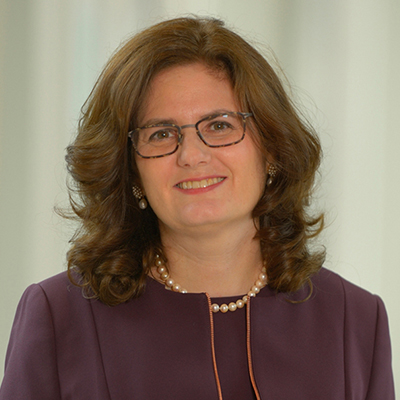
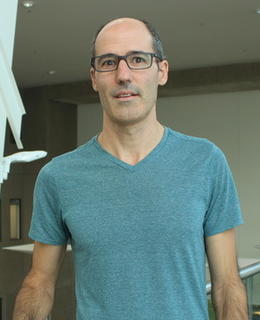
Dr. Katherine James is a researcher at Newcastle University, specializing in bioinformatics, molecular biology, and clinical research. Her work focuses on primary Sjögren's syndrome, RNA splicing mechanisms, and computational analysis of biological networks. Key Collaborations : Works with Professor Anil Wipat (Computational Biology), Dr. Simon Cockell (Gene Expression), and international rheumatology teams. Recent Trends : Publications from 2024-2018 highlight interdisciplinary work on enzyme selection algorithms, helminth genomics, interactome mapping, and disease stratification. Her research bridges computational methods with experimental validation, particularly in understanding disease mechanisms and developing diagnostic approaches.
Kathrein von Kopylow is a research scientist at the University Medical Center Hamburg-Eppendorf (UKE), working within the Faculty of Medicine in the Department of Dermatology and Venereology. With a doctoral degree in natural sciences (Dr. rer. nat.), she functions as a graduated biologist conducting advanced research in reproductive biology and male fertility. Her primary research interests center around reproductive biology with a focus on spermatogenesis , testicular tissue culture , and male infertility . Dr. von Kopylow has developed expertise in in vitro testicular models , germ cell biology , and DNA methylation analysis in spermatogonial stem cells. Her work bridges basic science with clinical applications, particularly in understanding and addressing male fertility issues. She has contributed significantly to the development of microfluidic systems for reproductive research and testicular explant culture techniques , with recent work focusing on pediatric testicular tissue and fertility preservation for cancer patients. Analysis of Dr. von Kopylow's publication record reveals a consistent focus on understanding the biological mechanisms of human spermatogenesis and testicular function. Her research has evolved from basic characterization of spermatogonial stem cells to more complex in vitro culture systems and clinical applications. Recent work shows increasing emphasis on translational research, with studies examining patient samples and potential clinical implications for fertility preservation. Her publications demonstrate expertise in both molecular techniques and tissue culture methodologies across multiple journals including Molecular Human Reproduction, Asian Journal of Andrology, and Basic and Clinical Andrology. Dr. von Kopylow maintains an active research position with collaborations spanning multiple departments at UKE. Her laboratory work involves sophisticated tissue culture techniques, molecular analysis, and histological examination of testicular tissue. She works within research teams focused on reproductive medicine and andrology, contributing to both German-language and international scientific discourse through her publications in high-impact journals.
Chen Chen is a Professor at the Department of Animal Science, College of Agriculture & Natural Resources, Michigan State University. His laboratory focuses on the molecular mechanisms underlying mammalian spermatogenesis and infertility, with a particular emphasis on Tudor domain proteins and the Piwi-piRNA pathway. BS: China Agricultural University MS: Texas A&M University PhD: Washington University School of Medicine Postdoc: University of Toronto Research interests include germ cell biology, RNA regulation, genome stability, and epigenetics. His lab explores how genes and pathways influence germ/stem cell self-renewal, differentiation, and fertility, particularly through the function of Tudor domain proteins in gene silencing and cancer. Selected publications from 2024-2005 highlight his contributions to piRNA biogenesis, transposon silencing, sperm development, and structural biology of protein-RNA interactions. These works span molecular biology, genetics, and epigenetics, with recurring themes in reproductive biology and genome defense. Funding: NIH R01 HD084494 (Tudor domain proteins in germline genome defense), NIH R01 GM132490 (mitochondria-anchored protein complexes in piRNA biogenesis) Chen Chen is affiliated with multiple research programs including the Reproductive & Developmental Sciences Programs (RDSP), Cell and Molecular Biology Program, and Genetics and Genome Sciences Program. His lab is actively recruiting graduate students and postdocs.
Sue Hammoud is an Associate Professor at the University of Michigan Medical School in the Department of Human Genetics and Obstetrics and Gynecology. Her research focuses on reproductive genetics, epigenetics, and gametogenesis, particularly investigating molecular mechanisms in spermatogenesis and oocyte development. Key Research Areas: Epigenetic inheritance, chromatin dynamics in gametes, protamine function in sperm, and single-cell transcriptomics of reproductive tissues. Recent Work: Explores histone retention patterns, centromere symmetry restoration in zygotes, and cryopreservation effects on oocyte transcriptomes. Scientific Recognition: Recipient of the Judges' Choice Award in Therapeutics at the Equalize Startups Pitch Event for her translational research.
Graydon B. Gonsalvez is currently a Professor at the Medical College of Georgia , Augusta University in the Department of Cellular Biology & Anatomy . His research focuses on the molecular mechanisms underlying cell polarity establishment and maintenance, particularly through mRNA localization and endocytic trafficking pathways. BA - Carthage College, Kenosha, WI (1994-1998) PhD - Medical College of Wisconsin, Milwaukee, WI (1998-2004) Postdoctoral Training - Case Western Reserve University (2004-2007) and University of North Carolina, Chapel Hill (2007-2009) Research in the Gonsalvez lab investigates two fundamental processes: mRNA Localization: Using Drosophila melanogaster oocytes to study oskar mRNA transport, demonstrating the critical role of Kinesin-Dynein motor coordination. Endocytic Trafficking: Revealing Dynein's essential function in endocytic maturation, with abnormal vesicle morphology when motor function is compromised. Recent work explores novel BAR domain protein Sh3px1's role in membrane curvature generation and its implications for tissue morphogenesis. The lab employs Drosophila genetics, mammalian cell biology, and biochemical techniques (RT-PCR, Western blot, immunoprecipitation) to investigate these mechanisms. Current funding includes: National Institutes of General Medical Sciences (NIGMS) R01 Grant (2013-2018) Past American Cancer Society Grant Intramural Augusta University Grant Lab members include: Phylicia Allen (Graduate Student) Jessica Pride (Graduate Student) Hannah Neiswender (Research Associate)
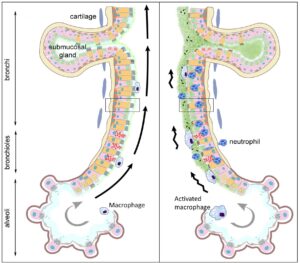
Alessandra Livraghi-Butrico, PhD is an Associate Professor of Medicine at the University of North Carolina at Chapel Hill, with appointments in the Marsico Lung Institute/Cystic Fibrosis Center and the Department of Microbiology and Immunology. She is a faculty member within the Division of Pulmonary Diseases and Critical Care Medicine at the UNC School of Medicine, where she leads a research laboratory focused on airway mucus clearance mechanisms and muco-obstructive lung diseases. Dr. Livraghi-Butrico earned her BS Cum Laude from the University of Milan in 1996 and completed her PhD at the same institution in 2001. She then pursued postdoctoral training at the University of North Carolina at Chapel Hill's Cystic Fibrosis Research and Treatment Center from 2002-2005, followed by continued research as a Research Associate until 2013. She advanced to Research Assistant Professor of Medicine from 2014-2020, and currently holds the position of Research Associate Professor of Medicine since 2021. Her research program focuses on understanding the molecular mechanisms involved in the derangement of mucus clearance and how its impairment impacts other components of the airway mucosal immune system. She has developed expertise in using mouse models to understand the pathogenesis of obstructive lung disease, identify unique therapeutic targets, and test novel approaches for translational research. Her lab employs multiple approaches including genetically engineered mouse models to study specific components of the airway mucus clearance system (mucins secretion and assembly, ion transport, cilia), mouse models of defective airway mucus clearance to study responses to environmental and infectious challenges, and germ-free and specific pathogen-free mice to study the influence of age and host microbiota in airway mucus composition and function. Analysis of her most recent publications reveals a strong emphasis on muco-obstructive lung diseases, particularly cystic fibrosis and related conditions. Her work spans from basic science investigations of mucus biology and airway clearance mechanisms to translational studies testing novel therapeutic approaches. Recent trends show increasing focus on the role of specific proteins in mucus properties, interactions between mucus and immune responses, and development of new treatments for airway obstruction. Her research often involves interdisciplinary collaborations across pulmonary medicine, microbiology, immunology, and pharmacology. Dr. Livraghi-Butrico actively mentors students and researchers in her laboratory, guiding them through experimental design, execution, and interpretation of results related to airway biology and disease mechanisms. Her research is supported by competitive grants including a recently awarded NHLBI R01 grant focused on studying the influence of age and host microbiota in airway mucus composition and function, complemented by efforts to define the pediatric airway epithelial landscape in healthy humans. The Livraghi-Butrico laboratory operates within the Marsico Lung Institute at UNC Chapel Hill, taking advantage of state-of-the-art facilities for animal modeling, airway cell culture, and molecular analysis. Her team collaborates extensively with other researchers at UNC and beyond, contributing to a vibrant research environment focused on understanding and treating respiratory diseases characterized by mucus dysfunction.
Claudia Klein is an Adjunct Associate Professor at the Faculty of Veterinary Medicine, University of Calgary , specializing in Theriogenology and Equine Reproduction . Her research focuses on embryo-maternal communication, transcriptional profiling, and regenerative medicine in equine systems. Education: Dr. med. vet thesis (LMU Munich), DVM (JLU Giessen) Certifications: Diplomate of the American College of Theriogenologists (ACT), Diplomate of the European College of Animal Reproduction (ECAR) Positions: Resident at University of Florida (2007-2010), Assistant Professor at University of Calgary (2012-present) Her work integrates molecular biology and clinical applications, particularly in equine pregnancy dynamics , gene expression analysis , and zoonotic disease detection . Recent publications highlight advancements in droplet digital PCR, endometrial transcriptomics, and metabolic profiling of reproductive tissues. The Klein Lab investigates equine reproduction and maternal-fetal interactions, with expertise in techniques like RNA sequencing and real-time PCR. Current projects include studying fibrinogen's role in cell adhesion and interferon epsilon's regulation in endometrial tissues.
Dr. Tomokazu Kawashima (Tomo Kawashima) is an Associate Professor at the University of Kentucky's Martin-Gatton College of Agriculture, Food and Environment, Department of Plant and Soil Sciences. He earned his Ph.D. in Molecular, Cell, and Developmental Biology from the University of California (2009) and a B.S. from the University of Tsukuba (2002). His research focuses on the molecular and cellular mechanisms governing plant sexual reproduction, seed development, and cytoskeleton dynamics in flowering plants and land plant evolution. He pioneered real-time live-cell imaging methods to study fertilization processes in Arabidopsis thaliana, revealing F-actin's role in sperm nuclear migration and the evolutionary transition from microtubule to F-actin-based systems in land plants. Recent publications highlight his work on dehydrin protein interactions, peri-germ cell membranes, coenocytic endosperm dynamics, and gene silencing in pollen cells. His lab investigates how environmental factors like temperature influence seed growth and yield. Scientific awards include the National Science Foundation award for plant fertilization research and editorial board memberships at The Plant Cell Plant & Cell Physiology PLOS Genetics . He mentors graduate researchers and recruits undergraduate students for projects on plant reproduction.
Claudia Reyes San Martin is a researcher at the University of Groningen's Faculty of Science and Engineering in the Department of Chemical and Pharmaceutical Engineering. Her work focuses on the intersection of quantum physics and biomedical applications, with particular expertise in diamond-based quantum sensing technologies. She is actively involved in cutting-edge research that bridges physics, chemistry, and medical diagnostics, contributing significantly to the UN Sustainable Development Goals through her innovative approaches to health challenges. Dr. Reyes San Martin specializes in quantum sensing applications for free radical detection across various biological systems. Her research spans cancer cell migration, reproductive medicine, immunology, and dermatology, with a consistent focus on developing diamond-based technologies for precise biological measurements. She has pioneered techniques for measuring free radicals in human semen, breast cancer cells, liver tissue, and immune cells, demonstrating how quantum sensing can provide unprecedented insights into cellular processes and disease mechanisms. Her work has particular relevance for understanding oxidative stress in medical contexts and developing new diagnostic approaches. Her publication record shows a strong trajectory of high-impact research, with multiple publications in prestigious journals including Proceedings of the National Academy of Sciences, ACS Sensors, and Nano Today. Her most recent work demonstrates increasing sophistication in applying quantum sensing to complex biological systems, from single-cell analysis to tissue-level investigations. The consistent citation of her work (with several papers accumulating multiple citations within months of publication) indicates growing recognition of her contributions to the field. Dr. Reyes San Martin collaborates extensively with researchers across disciplines, particularly with Prof. Romana Schirhagl's group at the University of Groningen. Her work connects physics, biology, and medicine through innovative applications of quantum technologies. She has established herself as a key contributor to the emerging field of diamond-based biomedical sensing, with research that has potential applications across multiple medical specialties including oncology, reproductive medicine, and immunology.
Anton Wutz is a Full Professor of Genetics at the Institute of Molecular Health Sciences within the Department of Biology at ETH Zurich. His research focuses on epigenetic regulation and cell identity control, particularly examining how the cell nucleus specifies different cell types in the body and how changes in cell identity are regulated during development. His educational background includes: PhD from Technical University of Graz (1997), with research conducted at the Research Institute of Molecular Pathology in Vienna, Austria Postdoctoral work with Rudolf Jaenisch at the Whitehead Institute for Biomedical Research in Cambridge, USA Group leader at the Research Institute of Molecular Pathology (2001-2009) Principal Investigator at the Wellcome Trust Centre for Stem Cell Research, University of Cambridge (2009-2013) Professor Wutz's research primarily investigates epigenetic mechanisms, with a particular focus on X chromosome inactivation and its role in development and disease. His laboratory has made significant contributions to understanding how chromatin architecture and nuclear organization regulate gene expression during cell differentiation. The group has pioneered the use of haploid embryonic stem cells for genetic screening approaches, enabling novel insights into epigenetic regulation. Their work bridges molecular biology, genetics, and developmental biology to uncover fundamental principles of cellular identity specification. Analysis of Professor Wutz's recent publications reveals a strong focus on X chromosome inactivation mechanisms, with particular attention to the Xist RNA and its associated protein complexes. His research spans multiple model systems including mouse embryonic stem cells, organoids, and in vitro gametogenesis models. Key themes include the role of phase separation in chromatin organization, the impact of chromosome dosage on cellular processes, and the connection between epigenetic regulation and disease mechanisms such as autoimmunity. His laboratory continues to develop innovative genetic tools for studying mammalian developmental pathways. Professor Wutz actively contributes to several educational programs at ETH Zurich, teaching courses in epigenetics, computational methods in genome analysis, and fundamental biology. His laboratory serves as a training ground for PhD students and postdoctoral researchers interested in epigenetics and developmental biology. Through collaborations with other research groups at ETH Zurich and internationally, his team maintains a strong research program exploring the fundamental mechanisms of epigenetic regulation. The Wutz laboratory operates within the Institute of Molecular Health Sciences at ETH Zurich, utilizing advanced molecular and cellular techniques to investigate epigenetic mechanisms. The group maintains active collaborations with other research teams both within ETH Zurich and internationally, fostering a dynamic research environment focused on understanding the molecular basis of cell identity regulation.
Sanna Barrand is a Research Fellow at Deakin University's School of Health and Social Development under the Faculty of Health. Her work bridges molecular biology, epigenetics, and clinical sciences to explore the developmental origins of health and disease. Research Focus: Epigenetic mechanisms in stem cells, maternal diet impacts on offspring organ development, and transgenerational inheritance patterns. Key Collaborations: Works with teams studying cardiovascular and renal health programming, including collaborations with researchers like Davis JA, Collas P, and Wood-Bradley RJ. Publications: Recent studies examine in utero dietary effects on kidney and cardiac development, hypothalamic transcriptome changes, and epigenetic regulation in stem cells.
Katherine Nathanson, MD is a Professor of Medicine and Genetics at the University of Pennsylvania's Perelman School of Medicine, serving as Deputy Director of the Abramson Cancer Center. Her research focuses on cancer genetics and genomics, particularly inherited susceptibility and somatic mutations influencing cancer development and therapy response. Multi-ancestry genomic studies for breast cancer risk BRCA-related tumor biology and therapeutic resistance Implementation science for genetic testing integration Recent publications reveal trends in breast cancer genomics , testicular germ cell tumors , and pancreatic cancer susceptibility . Her work bridges clinical genetics with population-scale genomic analysis , emphasizing health disparities.
Christophe Altier is a Professor at the Cumming School of Medicine, University of Calgary, affiliated with the Department of Physiology and Pharmacology. He serves as Chair of the Inflammation Research Network and is a Full Member of the Snyder Institute for Chronic Diseases, as well as an Associate Member of the Hotchkiss Brain Institute and Child Health & Wellness Researcher at Alberta Children's Hospital Research Institute. Education: Ph.D. in Neurobiology (2002), M.Sc. in Neurobiology (1999), M.Sc. in Physiology (1997) from University of Montpellier His research focuses on the neurobiology of chronic pain, particularly the plasticity of nociceptors in diseases like arthritis, IBD, and cancer. Using molecular biology, RNAscope, genetically modified mice, chemogenetics, and behavioral analysis, his lab investigates pain biomarkers, signal transduction pathways, and the microbiota-nociceptor-microglia axis. Recent work explores germ-free/gnotobiotic models to uncover bacterial metabolite contributions to pain sensitivity. Article trends reveal expertise in neuroimmune interactions, microbiome-pain relationships, and ion channel pharmacology, with recent publications examining ALKAL2/ALK signaling, STING-mediated pain resolution, and cannabinoid therapies. Lab members include MSc student Aye Ozmaeian, Postdoctoral Associate Manon Defaye, and Research Associate Amyaouch Bradaia.
Dr. Sumanta Kumar Pal is a Professor in the Department of Medical Oncology & Therapeutics Research at City of Hope Comprehensive Cancer Center. He serves as Co-director of the Kidney Cancer Program and Vice Chair of Academic Affairs. An internationally recognized leader in kidney cancer research, Dr. Pal has published over 550 PubMed-cited articles in prominent journals including The Lancet, Cancer Cell, and Nature Medicine. He maintains one of the largest portfolios of clinical trials for kidney cancer on the West Coast and has developed an integrated program focusing on collaborations with basic science researchers at the Beckman Research Institute and urologists in the Department of Surgery. Dr. Pal entered college at age 13 and began medical school at UCLA at age 17. His educational background includes: M.D. from David Geffen School of Medicine, UCLA (2003) B.Sc. Magna Cum Laude from California State University Los Angeles Early Entrance Program (1998) Fellowship in Hematology/Oncology at City of Hope/Harbor-UCLA Medical Center (2006-2009) Residency in Internal Medicine at UCLA Medical Center (2004-2006) Dr. Pal's research focuses on kidney cancer, particularly rare subtypes like papillary kidney cancer. He has pioneered techniques to modulate the gut microbiome to enhance cancer treatment efficacy. His work spans clinical trials, translational research, and collaborative efforts with basic science researchers. He is well known for his practice-defining work in rare types of kidney cancer and is a pioneer in techniques to modulate the gut microbiome to enhance the impact of cancer treatment. His extensive publication record demonstrates a strong focus on kidney cancer therapeutics, immunotherapy combinations, and microbiome research. Many studies involve international collaborations and focus on translating laboratory findings into clinical applications for patients with advanced urologic malignancies. His work addresses unmet needs in renal cell carcinoma treatment, quality of life assessment, and biomarker development. Dr. Pal has received numerous prestigious awards including: Fellow of the American Society of Clinical Oncology (FASCO, 2021) City of Hope 5 Star Rating Patient Satisfaction Award (2021, 2023-2025) 40 Under 40 in Cancer (2020) Los Angeles Business Journal Top Doctor (2020) City of Hope Clinical Teaching Award (2020) City of Hope Mentor of the Year Award (2018) Dr. Pal leads multiple clinical trials ranging from early phase 1 to late-stage phase 3 studies. He has received research funding from the National Institute of Health, the Comprehensive Cancer Network, and SWOG Cancer Research Network. His mentorship has been recognized with the City of Hope Mentor of the Year Award, reflecting his commitment to training the next generation of oncologists. He sits on the editorial board for CA: A Journal for Clinicians and European Urology, and hosts the City of Hope podcast, 'On the Edge of Breakthrough: Voices of Cancer Research.' Dr. Pal developed an integrated kidney cancer program that emphasizes collaboration between the Department of Surgery, urologists, and basic science researchers at the Beckman Research Institute. His goal is to stimulate collaborative research across multiple departments to discover novel therapeutic approaches for currently incurable diseases. He has active memberships in numerous professional organizations including the American Society of Clinical Oncology, Society of Immunotherapy for Cancer, and Society of Urologic Oncology.
Gino Poulin, PhD is a Lecturer in the Division of Molecular & Cellular Function at the University of Manchester. His research focuses on developmental epigenetics, particularly examining how chromatin organization regulates signaling pathways during development using C. elegans as a model organism. His work has significant implications for understanding fundamental biological processes and potential applications in cancer research. Dr. Poulin's primary research interests center on developmental epigenetics, with specific focus on Ras and Notch signaling pathways and their modulation through chromatin organization. His laboratory has conducted numerous RNAi screens revealing that chromatin structure is crucial for appropriate attenuation of the RAS signaling pathway. Key discoveries include the role of the MLL complex and bromodomain-containing protein BET-1 in preventing RAS pathway hyperactivation during development. His work bridges molecular biology and developmental genetics to understand how epigenetic mechanisms influence cellular decision-making processes related to somatic versus germ cell fate determination. Analysis of Dr. Poulin's publication record shows consistent focus on genetic and epigenetic regulation using C. elegans, with recent work expanding into neuronal transport mechanisms, genetic variation analysis, stress response pathways, and computational approaches to genetic data. His interdisciplinary approach combines molecular genetics, biochemistry, and computational biology to address fundamental questions in developmental signaling. Dr. Poulin has supervised 11 research projects as indicated by the 'Supervised Work (11)' notation. He has participated in significant research projects including 'Gene Expression and Cellular Programming' and served as Co-Investigator on 'A novel ageing-related pathway regulating ROS homeostasis' (2012-2015). His collaborative work spans multiple institutions and disciplines, reflecting the interdisciplinary nature of modern molecular biology research. Dr. Poulin leads the Poulin Lab which utilizes C. elegans to investigate the relationship between chromatin organization and signaling pathway regulation. The lab employs techniques including RNAi screening, genetic perturbation, and molecular analysis to uncover how epigenetic mechanisms influence developmental processes. Their research has particular relevance to understanding cellular immortality mechanisms that have implications for cancer research, and contributes to the United Nations Sustainable Development Goals through the Manchester Institute for Collaborative Research on Ageing.