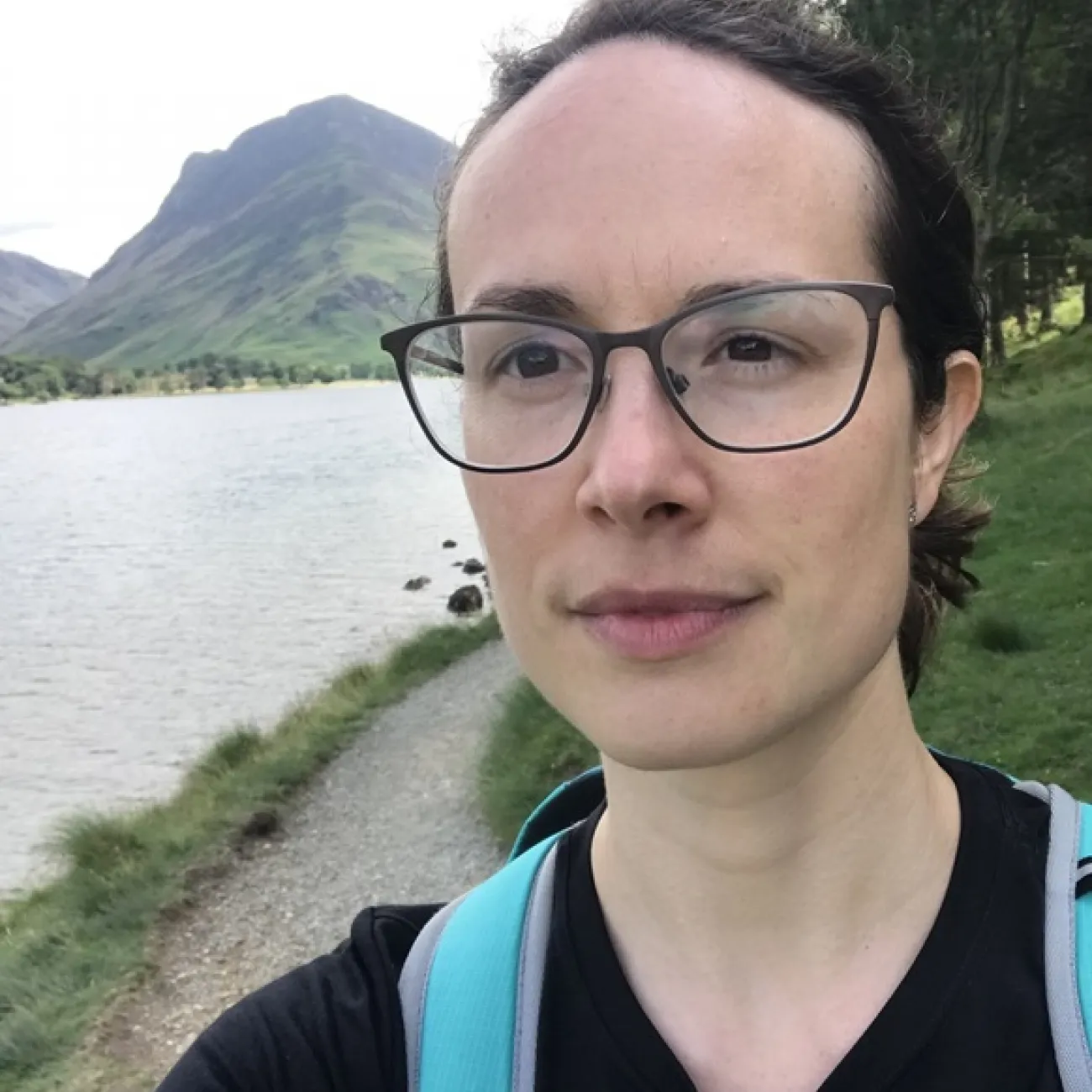
Dr. Samantha Jane Meredith is a Research Fellow in Academic Geriatric Medicine at the University of Southampton’s Faculty of Medicine. She holds a PhD and MSc in Clinical Exercise Sciences from the University of Portsmouth, alongside practical experience as an NHS exercise therapist. Her research focuses on developing physical activity and nutrition interventions to improve health outcomes in aging populations and clinical groups, particularly addressing frailty and sarcopenia. Key areas include volunteer-led exercise programs (e.g., Frail2Fit study), barriers to physical activity in older adults, and emotional dynamics in healthcare settings. Education: PhD in Clinical Exercise Sciences, University of Portsmouth MSc in Clinical Exercise Sciences, University of Portsmouth Research Interests: Physical activity interventions for aging populations Frailty and sarcopenia management Volunteer-led healthcare initiatives Emotional regulation in clinical exercise environments Awards: British Geriatrics Society President’s Abstract Award (2024) Key Projects: Frail2Fit study: Evaluating volunteer-delivered interventions for frailty ImPACt study: Feasibility of virtual group exercise programs Labs/Teams: Member of the Ageing and Dementia NIHR Applied Research Collaboration Wessex and the NIHR Southampton Biomedical Research Centre.
Tyson Garfield, DO is an Assistant Professor of Internal Medicine & Geriatrics at the Texas College of Osteopathic Medicine, part of the University of North Texas Health Science Center. His clinical focus centers on geriatric care for frail elderly patients and medical education across professional training levels. B.S. in Biochemistry from Abilene Christian University Geriatric Fellowship at University of Colorado Doctor of Osteopathic Medicine from University of North Texas Health Science Center Internal Medicine Residency at Wake Forest Baptist Hospital Research interests emphasize translational aging studies, including heat therapy applications for cardiovascular health and biomaterial surface analysis for medical device improvement. Current projects investigate barriers to cancer care for LGBT older adults and home-based heat therapy efficacy. He has contributed to peer-reviewed publications on topics ranging from biofilm resistance mechanisms to thermal intervention effects in skeletal muscle physiology.
Daniel Malone is an Associate Professor and Director of the Hybrid Pathway in the Doctor of Physical Therapy program at the University of Colorado Anschutz Medical Campus. He holds dual appointments in the Beth-El College of Nursing and Health Sciences and the SOM-PM&R Department. His roles include academic leadership, clinical practice, and translational research in acute care and rehabilitation. Dr. Malone earned a PhD in Physiology from Temple University (2008), an MS in Physical Therapy from Temple University (1992), and a BS in Exercise Science from the University of Pittsburgh (1988). He is a certified Cardiovascular and Pulmonary Clinical Specialist (ABPTS) with licensure in Colorado and Pennsylvania. His research focuses on cardiopulmonary rehabilitation, acute care pathways for older adults, and implementation science in long-term care settings. Notable contributions include studies on high-intensity resistance training in skilled nursing facilities and post-ICU functional recovery protocols. Dr. Malone has received awards including the 2010 Merit Award from the APTA Cardiovascular and Pulmonary Section. His work bridges clinical practice and academic research, emphasizing evidence-based care transitions and interdisciplinary collaboration in healthcare systems.
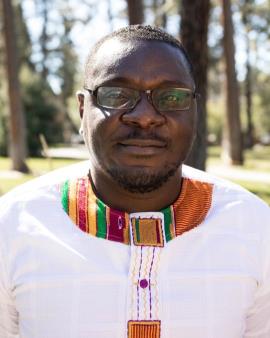
Dr. Ernest Ofori is an Assistant Professor in the Department of Physical Therapy at Whitworth University, joining the faculty in 2021. His research focuses on neurorehabilitation, cardiovascular health, and exercise science, with a particular interest in dance-based interventions for mobility and aging populations. Education: PhD in Rehabilitation Sciences (Physical Therapy), University of Illinois Chicago (2020) MS in Biomedical Engineering, Southern Illinois University Carbondale (2014) BS in Physical Therapy, University of Ghana (2007) A Postdoctoral Fellowship in Cardiovascular Health & Physical Activity at the Medical College of Wisconsin (2020-2021) further enriched his expertise. Research interests emphasize the application of music, singing, and dance-based exergaming to improve cardiovascular health and mobility. His work combines biomechanical analysis with clinical outcomes, leveraging inertial sensors for mobility assessment. Key contributions include studies on stroke rehabilitation and the acute effects of music on cardiovascular biomarkers. Presentations include discussions on dance-based interventions for fall prevention in older adults (Ghana Physiotherapy Association, 2021) and sensor validation for balance kinematics (Physical Health Webinar, 2021). He has also contributed to diversifying academic faculty through participation in the Statewide Conference for Diversifying Faculty in Illinois (2019). Teaching responsibilities span courses in exercise science, global health, and doctoral research methods, reflecting his commitment to both clinical practice and academic rigor.
Matthew Brodie is an Associate Professor at the UNSW Graduate School of Biomedical Engineering . He specializes in developing wearable technologies and smart textiles for neurorehabilitation, particularly addressing gait-related motor impairments in conditions like Parkinson’s disease, multiple sclerosis, and age-related frailty. His work bridges engineering and medicine, with a focus on translating research into clinical solutions through ventures like Walking Tall Health . Education : PhD in Biomedical Engineering, Massey University, New Zealand (2009) Bachelor of Engineering (1st Class Honours), University of Canterbury, New Zealand (1998) Research Interests : His research encompasses wearable sensor systems for gait analysis, fall prevention, telemedicine, and neurorehabilitation. Notable contributions include the Watch Walk wrist-worn device for monitoring gait biomarkers and the use of smart socks for sensory stimulation in Parkinson’s patients. Awards & Recognition : 2008 MacDiarmid New Zealand Young Scientist of the Year (Future Science & Technology) Yamaguichi Medal for Gait and Kinesiology $720,000 grant from the Michael J. Fox Foundation for Parkinson’s research Grants & Collaborations : Active partnerships include Neuroscience Research Australia , The George Institute for Global Health , and industry collaborators. Recent grants exceed $1.6 million for projects like Total Cardiac Care Plus and WalkingTall-PD .
Jana de Boniface is a Research Professor at Karolinska Institutet within the Department of Medical Epidemiology and Biostatistics. She leads a research group focused on optimizing breast cancer surgery through clinical trials and registry studies. Her work aims to de-escalate surgical interventions, minimize adverse effects on quality of life, and maintain oncological safety. Research Focus: Her primary interests include axillary surgery de-escalation (e.g., SENOMAC trial), targeted lymph node techniques (AXSANA study), exercise interventions during neoadjuvant therapy (Neo-ACT trial), and breast reconstruction outcomes. She emphasizes patient-reported outcomes and international collaboration across Europe. Publication Trends: Recent articles (2024–2025) predominantly explore axillary management refinements, breast reconstruction complications, treatment strategies for triple-negative breast cancer in elderly patients, and standardization of outcome reporting in clinical trials. A strong emphasis is placed on surgical de-escalation, precision techniques, and quality-of-life metrics. Collaborations & Leadership: She coordinates multinational studies like SENOMAC and AXSANA, collaborating with epidemiologists, oncologists, and radiologists. Her group investigates radiotherapy impacts, marker localization technologies, and patient experiences post-surgery.
Anthea Innes is a Professor in the Department of Health, Aging & Society within the Faculty of Social Sciences at McMaster University. A dedicated social scientist with 25 years of specialization in dementia research, she focuses on engaging with the lived experiences of those impacted by dementia including diagnosed individuals, family members, and professional care supporters. Her work spans the entire care continuum from pre-diagnosis to end of life. Dr. Innes holds a BA (Hons) in Sociology and Social Policy and an MSc in Applied Social Research from the University of Stirling, and a PhD from the University of Bradford (1998-2000). Her research interests prominently feature rurality, technology applications, and creative approaches to supporting people living with dementia. She has conducted international research across Canada, Malta, England, Northern Ireland, the Republic of Ireland, and her native Scotland. Her scholarly work demonstrates a strong emphasis on community engagement and knowledge translation, with significant impact on policy development including the Northern Ireland Regional Dementia Strategy and the Maltese Dementia Strategy. Dr. Innes actively collaborates with INTERDEM, a European network of psychosocial dementia researchers, and RADAR, a Canadian research team focused on rural dementia care. She has co-authored influential publications including 'Dementia: The Basics' (2020) and 'How to Live Well with Dementia' (2024), demonstrating her commitment to making dementia research accessible to broader audiences. Dr. Innes serves as an active member of government policy groups in the UK and has pioneered community-based knowledge translation through radio broadcasts, online forums, community events, and learning festivals. Her teaching portfolio includes courses such as 'Aging and Wellbeing' and 'Living Well with Dementia: Social and Physical Environments,' reflecting her comprehensive approach to dementia education.
Dr Elizabeth Lynch is a Senior Research Fellow and Matthew Flinders Fellow at Flinders University's College of Nursing and Health Sciences and Caring Futures Institute. Her work focuses on improving stroke rehabilitation through implementation science and co-design methodologies, collaborating with healthcare teams and stroke survivors to develop evidence-based systems. She co-chairs the Australian and New Zealand Living Stroke Guidelines Steering Committee and leads a Medical Research Futures Fund project (2022-25) to create digital tools for stroke self-efficacy. PhD in Health Sciences (University of South Australia, 2016) NHMRC Early Career Research Fellowship (2018-21) Specializes in implementation science, co-design, and health literacy Her research portfolio includes cluster-randomized trials, systematic reviews, and qualitative studies, with a focus on translating clinical guidelines into practice. Recent publications address digital health tools for stroke survivors, lived experience authorship equity, and emergency care avoidance strategies for older adults. Award highlights include the Stroke Society of Australasia's New Investigator Award (2019), HSRAANZ Impact Award (2018), and multiple Stroke Foundation recognitions. She supervises higher degree research students and provides training workshops for national/international clinical teams.
Dr. Alexandra Cremona serves as an Associate Professor at the School of Allied Health, University of Limerick, and is an active Member of the Ageing Research Centre. She maintains an ongoing commitment to academic supervision, currently accepting PhD students for research mentorship. Her research program spans critical intersections of maternal health, geriatric medicine, and clinical nutrition. Key focus areas include gestational diabetes pathophysiology and management strategies, maternal obesity impacts on perinatal outcomes, and late-life cognitive disorders . She employs advanced methodologies including network analysis for depression symptom mapping and systematic reviews for clinical guideline evaluation. Her work in home parenteral nutrition compliance addresses critical gaps in intestinal failure care standards across European healthcare systems. Publication trends from 2018-2025 reveal methodological evolution from cohort studies and systematic reviews toward sophisticated network modeling approaches. This progression demonstrates increasing sophistication in analyzing complex health interactions across lifespan domains - particularly connecting maternal metabolic conditions with geriatric cognitive outcomes. Her research consistently targets clinically actionable insights for diabetes management, nutritional interventions, and aging-related cognitive decline. Through the Ageing Research Centre, Dr. Cremona contributes to interdisciplinary initiatives addressing population aging challenges, with particular emphasis on mental health and metabolic comorbidities in elderly populations.
Cliona O'Riordan is an Associate Professor at the School of Allied Health, University of Limerick. Her work focuses on evidence-based models of care for aging populations and musculoskeletal rehabilitation. She actively contributes to systematic reviews and meta-analyses, often collaborating with multidisciplinary teams. Member of Ageing Research Centre Specializes in frailty interventions and telehealth delivery Research trends: systematic reviews (100%), meta-analysis (100%), model of care (100%), orthopaedic surgery (100%) She leads studies on early supported discharge systems and digital health interventions, with recent publications in Clinical Interventions in Aging and BMC Geriatrics . Her work emphasizes improving quality of life and healthcare efficiency through innovative care models.
Lindsey H Schroeder is an Assistant Professor in the Department of Athletic Training within the School of Health and Applied Human Sciences at the University of North Carolina Wilmington (UNCW). She serves as a key faculty member in the Master of Science in Athletic Training (MSAT) program and demonstrates expertise in athletic training education, research, and clinical practice. Her work spans multiple disciplines including sports medicine, healthcare administration, and leisure studies. Dr. Schroeder's primary research interests focus on athletic training, concussion prevention, and neck strengthening protocols to reduce traumatic brain injury. Her work also explores work-life balance in the profession of athletic training, leadership development, and interprofessional education. Notably, she has developed innovative research at the intersection of craft brewery culture and leisure-time physical activity, examining risk assessment in unconventional settings. Her patented work on isometric neck assessment tools demonstrates her commitment to practical applications of research findings. Analysis of her recent publications reveals a strong trend toward interdisciplinary research that bridges athletic training with broader health and social issues. Her work on neck strengthening protocols represents a significant contribution to concussion prevention research, while her studies on craft brewery culture and physical activity demonstrate innovative approaches to understanding risk perception in leisure contexts. She maintains an active research agenda with consistent publication output across multiple high-impact journals in sports medicine, healthcare education, and leisure studies. Dr. Schroeder actively contributes to professional development through numerous presentations at national conferences including the National Athletic Trainers' Association (NATA), American College of Sports Medicine (ACSM), and various athletic training symposia. Her collaborative research network includes over 35 co-authors across multiple institutions, demonstrating her ability to work across disciplinary boundaries. She has developed and implemented innovative educational approaches including interprofessional simulations for healthcare students and has contributed to curriculum development in athletic training education. Her work on "Green Zone Training" integration into athletic training curricula shows her commitment to preparing students for real-world clinical scenarios.
Marlene Nunes Silva is an Associate Professor and Director of the Master's Program in Exercise and Well-Being at the Faculty of Physical Education and Sport (FEFD) at Lusófona University in Lisbon. She has published over 75 peer-reviewed articles with an Scopus h-index of 23 and more than 4,900 citations, with 40% of her publications in the highest citation percentiles. From 2019 to 2024, she served as Director of the National Program for the Promotion of Physical Activity at the Portuguese Directorate-General for Health, having previously been Deputy Director from 2017 to 2019. Her academic credentials include: Post-doctorate in Exercise and Health PhD in Motricidade Humana (2010) Licenciatura in Clinical Psychology Post-licenciatura specialization in Psychological Assessment of Adults and Elderly Post-licenciatura specialization in Gerontological Counseling Post-licenciatura specialization in Cognitive-Behavioral Intervention for Anxiety and Depression Additional training in Health Education, Motivational Interviewing, and Structural Equation Modeling Dr. Silva's research focuses on public health, particularly on motivational, self-regulatory, and behavioral predictors of physical activity and healthy lifestyles. She has significant expertise in applying Self-Determination Theory to develop and evaluate interventions for diverse populations. Her work bridges the gap between research and practical implementation, particularly in healthcare settings where she has developed tools for physical activity counseling. She has been instrumental in developing national guidelines including the Portuguese 24-Hour Movement Guidelines and has contributed to European initiatives like the EuroFIT program. Her research portfolio demonstrates strong expertise in implementation science, physical literacy assessment, and behavior change interventions across diverse settings including healthcare, community, and sports environments. She has led significant projects evaluating physical activity promotion in primary care, workplace interventions to reduce sedentary behavior, and lifestyle programs delivered through football clubs for men's health. Dr. Silva has received the Young Researcher Award in Sports Sciences and is a certified trainer in Health Behavior Change (CCPFC/RFO-24239/08). She serves on numerous scientific advisory boards including her university's scientific, pedagogical, and university advisory boards, as well as expert panels for the Monitoring Committee for the National Health Plan 2021-2030, the Portuguese 24-Hour Movement Guidelines, and has served as a guest expert for the World Health Organization. She has secured substantial research funding from European programs (HORIZON-MSCA-2022-DN-01, Grant 101120480; Horizon 2020, Grant 101095423; ERASMUS-SPORT-2021-SCP; 101050871) and national sources (PTDC/SAUDES/0166/2021; ILIND, ULHT 2022). Dr. Silva has supervised multiple master's and doctoral theses, three of which received FCT scholarships, and regularly serves as an examiner on doctoral committees. She has developed numerous manuals for adapted physical activity for various populations and has been active in community outreach through national media outlets including bi-annual opinion columns in the SOL newspaper. Dr. Silva is a core member of research teams working on several ongoing projects related to physical activity promotion and has made significant contributions to national and international guidelines in this field. Her work has practical applications in healthcare settings, community programs, and policy development, particularly in translating research evidence into actionable tools for healthcare professionals and the general public.
Roberto Aguado Jiménez is a Professor at the Public University of Navarra, Faculty of Health Sciences, Department of Health Sciences. His academic career spans over two decades with significant contributions to exercise physiology and biomechanics research. He leads the Physical Exercise, Health and Quality of Life (E-FIT) research group and participates in multiple doctoral programs including the Doctoral Program in Health Sciences and the Doctoral Program in Global Health. Dr. Aguado Jiménez's research focuses on biomechanics of running, thermoregulation during exercise, and the physiological effects of compression garments. His work examines sex-based differences in running biomechanics, the reliability of inertial measurement units for gait analysis, and the impact of environmental factors on exercise performance. He has extensively studied how compression garments affect thermoregulatory and cardiovascular responses during exercise in various populations including older adults and recreational runners. His publication record shows a clear trajectory from fundamental exercise physiology studies in the early 2000s toward more specialized biomechanics and technology-focused research in recent years. The most recent publications (2024-2025) demonstrate his leadership in validating measurement technologies for running analysis, with particular attention to sex differences and measurement reliability. His work bridges laboratory research with practical applications in sports performance and health. Dr. Aguado Jiménez has successfully secured multiple competitive research grants including European Commission funding through the DIABFRAIL-LATAM project (2019-2024), a Ministry of Economy and Competitiveness project on functional and cognitive decline prevention (2018-2021), and participation in the RETICEF research network on aging and frailty (2013-2016). He has served as Principal Investigator on several projects and contracts related to physiological evaluation of cyclists and effects of eggshell membrane supplementation. As a dedicated mentor, he has supervised four doctoral theses completed between 2016 and 2024. His students' research topics reflect his expertise areas, including biomechanics of gait running, anti-inflammatory effects of elovanoids, and strategies to reduce exercise-induced hyperthermia. He has also served as a reviewer for journals including PloS One and Challenges in Physical Education, Sport, and Recreation.
Professor Elizabeth (Liz) Williams is a full-time Professor of Human Nutrition and Deputy Director of Education at the School of Medicine and Population Health , University of Sheffield . She is affiliated with the Academic Unit of Primary Medical Care and plays a key leadership role in postgraduate education, particularly within the MSc Human Nutrition and MRes Healthy Musculoskeletal Ageing programs. PhD in Nutrition, University of Sheffield Post-doctoral research at MRC Dunn Nutrition Unit, Cambridge Field experience in The Gambia Lecturer at Newcastle University before returning to Sheffield in 2003 Promoted to Professor in 2025 Her research interests center on the role of diet in preventing chronic diseases and promoting healthy ageing, with specific focus on musculoskeletal health , digestive health , male fertility , and the use of technology (e.g., NANA system) for dietary assessment and behavior change. She co-leads the non-clinical lifestyle intervention workstream at the Healthy Lifespan Institute and is a member of the Institute for Sustainable Food . Her work emphasizes multidisciplinary intervention trials and public health nutrition. The 15 most recent publications (2020–2024) reflect a strong focus on protein intake in older adults , vitamin D and musculoskeletal/IBS outcomes , colorectal cancer prevention (especially via the seAFOod trial), and digital tools for dietary self-management (e.g., DASH apps). Her research integrates epidemiology, clinical trials, biomarker analysis, and behavioral science. Scientific contributions and service: Editorial Board Member, Journal of Human Nutrition and Dietetics Manuscript reviewer for top journals including British Journal of Nutrition , International Journal of Cancer , and Geriatrics External Examiner at Leeds University Association for Nutrition Course Accreditation Assessor Active in organizing Nutrition Society meetings Advising and grants: She supervises multiple PhD and MD students on topics related to vitamin D, protein supplementation, colorectal adenoma, and PEG feeding. While specific grants are not listed, her leadership in major trials (e.g., seAFOod) and sustained publication record indicate consistent funding. She has contributed to large collaborative projects involving multidisciplinary teams and national health programs. Labs and teams: She is closely associated with the development and validation of the Novel Assessment of Nutrition and Ageing (NANA) system—a computer-based dietary and cognitive assessment tool for older adults. She collaborates extensively with researchers in gerontology, gastroenterology, immunology, and digital health, particularly through the Healthy Lifespan Institute and Nutrition Society networks.
Dr. Jane Kent-Braun is a Professor at the University of Massachusetts Amherst within the School of Public Health and Health Sciences . Her research spans muscle physiology , neurology , and aging , with a focus on Skeletal muscle fatigue mechanisms Age-related neuromuscular adaptations Metabolic responses to exercise Pathophysiological changes in multiple sclerosis Her research interests include: Mechanisms of human muscle fatigue Neuromuscular control in aging populations Physiological basis of mobility limitations Muscle energy metabolism in vivo Applications of MRI to muscle function analysis Interactions between physical activity and muscle performance Recent publications reveal trends in muscle physiology (2014), computational modeling (2013), and aging-related adaptations (multiple entries). Key subfields include Skeletal Muscle Fatigue , Neurological Disorders , and Metabolic Pathways . Collaborators include Richard Van Emmerik and Michael Busa , with affiliations across School of Public Health and Health Sciences Biomedical Engineering Clinical Neurophysiology Technical approaches emphasize in vivo muscle analysis using MRI and magnetic resonance spectroscopy , with applications to multiple sclerosis and age-related decline .