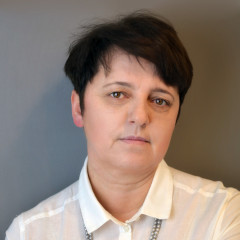
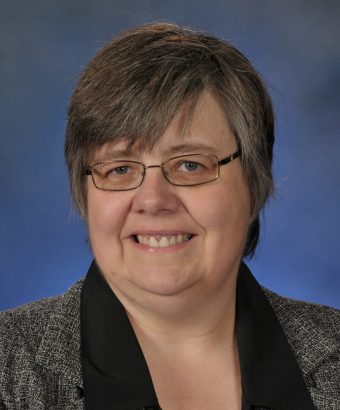
Joanna Stozek is an Assistant Professor at the Department of Rehabilitation in Neurology and Psychiatry, Faculty of Movement Rehabilitation, University of Physical Education in Krakow. She serves as Head of Professional Practice and has been a Member of the Faculty Council since 2020. Her academic responsibilities include coordinating courses in neurorehabilitation and supervising 70 master's and 111 bachelor's theses. Education: PhD in Physical Culture Sciences, University of Physical Education in Krakow Doctoral studies, Academy of Physical Education in Krakow Dance Instructor Qualification, Janina Strzembosz Dance and Art Center Postgraduate Studies in Speech Therapy, Pedagogical University of Krakow Master's in Movement Rehabilitation, University of Physical Education in Krakow Research Focus: Dr. Stozek's work centers on neurorehabilitation innovations, particularly dance and Nordic Walking interventions for Parkinson's and Huntington's diseases. She investigates motor function recovery, balance optimization, and quality-of-life improvements in neurological disorders, with additional studies on physical activity in elderly populations. Publication Trends: Her 15 most recent articles (2017-2021) demonstrate consistent focus on clinical rehabilitation, with emphases on: (1) Nordic Walking efficacy for gait/balance in Parkinson's and elderly cohorts, (2) Dance therapy's neuromotor benefits, (3) Gender-specific rehabilitation strategies, and (4) Preventive exercise for age-related functional decline. Methodologically, she prioritizes randomized trials and longitudinal outcome measurements. Awards: Rector's Award for Academic Excellence (twice) Academic Contributions: She has supervised 181 student theses and serves in key roles: Member of International Parkinson and Movement Disorder Society, Polish Physiotherapy Society, and Polish Rehabilitation Society. Her extensive professional training includes certifications in PNF, Bobath, Maitland, and Dance for Parkinson's methodologies.
Dr. Teresa Gniewek is a Lecturer at the Department of Physical Medicine and Biological Regeneration at the University of Physical Education in Krakow since 2015. She serves as course coordinator for Myofascial Therapy and conducts lectures and exercises in Myofascial therapy and Therapeutic massage. Education: 2008: First degree of specialization in Motor Rehabilitation 1998: Master's degree in Movement Rehabilitation at the Academy of Physical Education in Krakow 1989: Title of Occupational Therapy Technician at the Medical Vocational School 1982-1986: 4th General Secondary School in Tarnów Dr. Gniewek's research focuses on motor rehabilitation, myofascial therapy, and therapeutic approaches for various conditions. Her work particularly examines movement analysis, motor control in different populations, and the application of specialized techniques in physical therapy. She has contributed to understanding the effects of various interventions on musculoskeletal conditions, with particular attention to special populations including elderly women with osteoarthritis and young women's gait patterns. Her recent publications demonstrate a growing interest in online education approaches for healthcare professionals, particularly exploring remote courses for improving competencies in movement analysis and intercultural communication. She has also conducted research on dual-task walking in young women, examining the effects of alcohol on balance and motor control. Her work spans both clinical applications and educational methodologies in the field of physiotherapy, with publications appearing in conference proceedings and journals related to rehabilitation science. Dr. Gniewek is an active member of professional organizations including the Polish Physiotherapy Society and the Polish Rehabilitation Society. She has completed extensive specialized training in various physiotherapy techniques including Kinetic Control, Mulligan Concept, and numerous myofascial therapy approaches, with over 20 specialized courses documented between 2000-2020. Her professional development reflects a commitment to advancing her expertise in specialized therapeutic interventions and movement analysis techniques.
Anne Raben is a Professor at the University of Copenhagen's Department of Nutrition, Exercise and Sports within the Faculty of Science. She currently serves as a Guest Researcher and holds leadership positions including head of the study board for food, nutrition and exercise, and head of a research group of 8-10 scientific employees. Previously, she was head of the Obesity research unit at UCPH, NEXS. Her educational background includes an M.Sc. in Food and Nutrition (Cand. brom.) from the Royal Veterinary & Agricultural University (RVAU) in Copenhagen, followed by a Ph.D. with thesis titled "Appetite and carbohydrate metabolism" from the Research Department of Human Nutrition at RVAU. Raben has over 25 years of research experience focused on the prevention and treatment of obesity and related diseases including type-2 diabetes and cardiovascular conditions. Her primary research interests encompass nutrition science, specifically examining types and amounts of carbohydrate, protein, and fat, as well as drug-induced changes in body weight, appetite regulation, energy expenditure, and metabolic parameters. She also has experience in oncology, obstetrics, and neurology research. Her recent publications (2025) reveal a strong focus on metabolic health, with particular emphasis on sweeteners, energy restriction, and metabolic syndrome. The SWEET project appears as a recurring theme in her current work, examining environmental impacts of sweeteners alongside their health effects. Her research demonstrates integration of nutritional science with environmental sustainability considerations. Nominated for the VIII Edition of the prize "Alimentacion y Salud" of the University of Navarra (2012) "Young Investigators Award" for Clinical Research, European Association for the Study of Obesity (1997) Edith and Valborg Larsen's Foundation award for promising female researcher (1995) Lecture prize from the Danish Endocrinology Society (1993) Lecture and abstract prize from the Danish Association for the study of Obesity (1991) Raben has served as main supervisor for 4 and co-supervisor for 3 Ph.D. students, and has assessed 13 Ph.D. theses internationally. She coordinates significant research funding, most notably as overall project coordinator of the FP7 EU project PREVIEW (2013-2018, 9 million Euro). Her teaching includes responsibility for 2 Ph.D. courses and Master's level nutrition courses at the University of Copenhagen. She leads a research group of 8-10 scientific employees and has extensive experience managing clinical intervention studies in lifestyle and drug development. Her leadership extends to previous roles as head of the Obesity research unit at UCPH and President of the Danish Association for the Study of Obesity (2010-2012).
Oreta Samples, D.H.Sc. is an Associate Professor and Program Coordinator of the Master of Public Health program at Fort Valley State University's College of Agriculture, Family Sciences and Technology. She holds a Doctor of Health Sciences degree from Nova Southeastern University and a Master of Public Health with concentration in Environmental Health from Fort Valley State University. Dr. Samples has extensive educational background including a Bachelor of Science and Associates of Science in Veterinary Technology from Fort Valley State University. Her academic journey includes an Emerging Infectious Diseases Post-Graduate Certificate from the University of St. Joseph and a Certificate as an On-Line Instructor from Saint Francis University. Her research interests focus on veterinary public health, zoonotic diseases, environmental health, epidemiology, and One Health approaches. Dr. Samples has made significant contributions to understanding disease transmission between wildlife and humans, particularly examining zoonotic diseases in white-tailed deer, raccoons, and opossums. She has published extensively on veterinary parasitology, clinical pathology, and public health issues affecting rural and minority communities. Dr. Samples' recent publications demonstrate her expertise across multiple disciplines including veterinary medicine, public health, and environmental science. Her work spans from clinical veterinary topics like foxtail injuries and polypharmacy to broader public health issues such as prostate cancer screening in Black men and obesity among college students. A common thread throughout her research is the intersection of animal health, environmental factors, and human well-being. Georgia Board of Regents Chancellors Individual of the Year BRONZE Award (2016) Bailus Walker, Jr. Diversity and Inclusion Award (2023) from National Environmental Health Association Editorial Board Member for Journal of the Georgia Public Health Association (2023) Academic Chair for Georgia Environmental Health Association (2014-2023) Dr. Samples has successfully mentored numerous students and secured significant grant funding for her research, including multiple Evans-Allen grants totaling over $300,000 and several mini-grants from Morehouse School of Medicine. She serves as a visiting professor at multiple institutions including Capella University, Chamberlain University, and Grand Canyon University, demonstrating her national impact in public health education. Her laboratory work focuses on zoonotic disease transmission, with current projects examining pathogens in white-tailed deer and their potential transmission to hunters and wildlife processors. She collaborates with researchers across multiple institutions and has established herself as a leader in veterinary public health and One Health approaches.
Signe Stelling Risom serves as an Associate Professor in the Department of Clinical Medicine at the University of Copenhagen, Denmark, specializing in Internal Medicine with a clinical focus on Cardiology. Her work is institutionally anchored at Copenhagen University Hospital (Region Hovedstaden), where she conducts research and clinical activities at Blegdamsvej 3 in Copenhagen N. Her email contact signe.stelling.risom@regionh.dk reflects her dual affiliation between the university and regional healthcare system. Dr. Risom's research centers on patient-centered cardiac care with distinctive expertise in atrial fibrillation management and rehabilitation. She investigates critical intersections between clinical cardiology and healthcare delivery through multiple methodological lenses: nationwide register-linked surveys examining defibrillator implantation impacts, Cochrane systematic reviews of exercise-based rehabilitation, and in-depth qualitative studies exploring patient perspectives in cardiac outpatient settings. Her work consistently addresses practical challenges in cardiac care including driving restrictions post-implantation, telemedicine implementation, and innovative interventions like MediYoga for hypertension management in older adults. Analysis of her 2024-2025 publications reveals a cohesive research trajectory focused on improving patient outcomes through evidence-based interventions. Key thematic clusters include psychosocial dimensions of cardiac conditions (particularly atrial fibrillation and infective endocarditis), optimization of telehealth solutions for cardiac care, and development of non-pharmacological approaches to hypertension management. Her methodological diversity—spanning randomized controlled trials, systematic reviews, and qualitative meta-syntheses—demonstrates strong translational research capacity aimed at bridging evidence with clinical practice. Dr. Risom maintains active national and international collaborations, frequently partnering with researchers from Copenhagen University Hospital departments including cardiology, nursing, and clinical physiology. Her publication record in high-impact journals like the European Heart Journal, British Journal of Sports Medicine, and European Journal of Cardiovascular Nursing reflects significant contributions to contemporary cardiac care challenges. Current projects suggest growing emphasis on digital health solutions and patient empowerment strategies within cardiac rehabilitation frameworks.
Eckart Pressel serves as Clinical Associate Professor at the University of Copenhagen's Faculty of Health and Medical Sciences within the Department of Clinical Medicine, specializing in Internal Medicine: Geriatrics. His clinical and research activities are centered at Bispebjerg Hospital (Bispebjerg Bakke 23, 2400 København NV) with additional affiliation at Rigshospitalet (Blegdamsvej 3, 2200 København N). His research focuses on critical geriatric syndromes including sarcopenia, frailty, and medication management in elderly populations. Key investigations examine the interrelationships between muscle wasting disorders, functional decline during acute hospitalization, and pharmacological interventions in aging patients. His work frequently employs cohort studies like the Copenhagen PROTECT Study to assess clinical outcomes in real-world geriatric settings. Recent publications reveal strong thematic consistency across aging physiology research, with particular emphasis on biomarker associations (GDF-15), deprescribing efficacy, orthogeriatric interventions for hip fracture patients, and novel exercise methodologies. The research output demonstrates interdisciplinary collaboration spanning clinical medicine, pharmacology, and rehabilitation science. No scientific awards were documented in the source material Dr. Pressel actively participates in clinical research teams focused on geriatric assessment protocols and medication optimization. His work with the Copenhagen PROTECT Study group involves multidisciplinary collaboration between hospital departments and research units. While specific grant details are not provided, his publication record indicates sustained research activity through institutional and likely national funding mechanisms.
Regina Bendrik is an active researcher at Uppsala University's Department of Public Health and Care Sciences within the Faculty of Medicine, with a concurrent position at the Center for Clinical Research in Gävleborg, Region Gävleborg. Department of Public Health and Care Sciences, Faculty of Medicine, Uppsala University Center for Clinical Research, Gävleborg, Region Gävleborg Her research program focuses on developing and evaluating physical activity interventions for patients with hip and knee osteoarthritis. Dr. Bendrik has pioneered functional testing approaches including the Maximal Step-Up Test and one-leg testing methodologies that provide more precise assessment of functional limitations in osteoarthritis patients compared to traditional two-leg measures. Analysis of her publication trends reveals consistent emphasis on randomized controlled trials, with particular attention to long-term follow-up of physical activity interventions and patient adherence. Her work bridges biomechanics, clinical rehabilitation, and patient-centered outcomes, with multiple publications referenced in clinical guidelines. 2024 publications represent significant advancements in understanding long-term effects of physical activity prescription Research demonstrates that walking is patients' preferred form of physical activity Developed innovative functional tests specific to osteoarthritis assessment
Gabriela Abbud serves as an Associate Teaching Professor in the Department of Physical Therapy, Faculty of Rehabilitation Medicine at the University of Alberta. She has been a full-time teaching staff member in the MScPT program at the Calgary Satellite since 2016 and currently holds the role of Calgary Clinical Education Coordinator, overseeing physiotherapy placements across the province. Her educational qualifications include: Bachelor of Science in Physiotherapy, University of Sao Paulo, Brazil Master of Science in Exercise Science, Concordia University, Canada Canadian Physiotherapy Equivalence (2009) Research interests center on neurological rehabilitation, physical activity and community integration, aging, and clinical education. Her work investigates mobility challenges in neurological populations, the role of physical activity in community reintegration, and innovative approaches to clinical teaching for physiotherapy students. Analysis of her publications reveals a strong emphasis on gait dynamics, attentional demands during locomotion, and rehabilitation strategies for older adults and individuals with ataxia. Key contributions include studies on dual-task walking, the use of animal-assisted gait aids, and the impact of sensory cues on motor performance. In her role as Calgary Clinical Education Coordinator, Abbud manages clinical placements for physiotherapy students across Alberta and contributes significantly to the Internationally Educated Physiotherapist Bridging Program. She teaches courses such as PTHER 565: Aging and Physical Therapy, integrating her research expertise into the curriculum. She actively collaborates with healthcare facilities province-wide to develop clinical training opportunities, fostering strong partnerships between the University of Alberta and the physiotherapy community.
Professor Rod Barrett serves as Deputy Head of School (Research) in the School of Health Sciences and Social Work at Griffith University. With over 140 international refereed journal articles in Musculoskeletal Biomechanics and more than $5 million in competitive research grants, he has established himself as a leading researcher in his field. His work bridges engineering principles with clinical applications to address musculoskeletal disorders. Deputy Head of School (Research), School of Health Sciences and Social Work Member, The Australian Centre for Precision Health and Technology (PRECISE) 2025-present Former Member, Disability & Rehabilitation (2018-2024) Office: G02 1.06, Gold Coast Campus Contact: +61 (0)7 5552 8934, r.barrett@griffith.edu.au Professor Barrett's educational background includes a Bachelor of Education from KCAE (1989), a Master of Science from Wollongong (1992), and a PhD from the University of Queensland. His academic journey reflects a strong foundation in both education and scientific research, enabling his interdisciplinary approach to biomechanics. Bachelor of Education, KCAE (1989) Master of Science, Wollongong (1992) PhD, University of Queensland, Brisbane, Australia Professor Barrett's research primarily focuses on the use of medical imaging and computational methods to prevent and better manage musculoskeletal conditions including tendinopathy and lower limb osteoarthritis. His work spans Achilles tendon mechanics, hip osteoarthritis biomechanics, and the development of advanced biomechanical methods incorporating artificial intelligence. He has pioneered techniques for assessing muscle and tendon function using cutting-edge technologies, with applications in both sports medicine and rehabilitation. His research group has developed innovative approaches to analyzing movement patterns and tissue mechanics that have significant clinical implications for injury prevention and treatment. Analysis of Professor Barrett's 15 most recent publications reveals a strong emphasis on computational biomechanics, with particular focus on lower limb mechanics, surgical outcomes modeling, and AI applications in movement analysis. His work increasingly integrates advanced imaging techniques with machine learning algorithms to develop predictive models of tissue loading and injury risk. The research spans basic science investigations of tissue mechanics to applied clinical studies addressing specific patient populations including athletes and individuals with osteoarthritis. Professor Barrett has received significant recognition in his field, having served as President of the Australian and New Zealand Society of Biomechanics and as an editorial board member for leading journals in biomechanics. His leadership in the field extends beyond his institutional roles to national and international professional organizations. President, Australian and New Zealand Society of Biomechanics Editorial Board Member, Leading Journals in Biomechanics With an impressive record of supervising 20 PhD students to completion and currently overseeing multiple doctoral candidates, Professor Barrett has made substantial contributions to academic training in biomechanics. His $5+ million in competitive research funding includes major grants from NHMRC, ARC, and international collaborators, supporting projects ranging from bionic limb development to digital athlete modeling. Current flagship projects include the Next Generation of Bionic Limbs initiative (NHMRC, $954,255), BioSpine 2.0 (MAC, $3.87 million), and The Digital Athlete collaboration with Stanford University. Professor Barrett leads research within Griffith University's Health Group, particularly through The Australian Centre for Precision Health and Technology (PRECISE). His work involves close collaboration with clinical partners and industry, translating biomechanical research into practical applications for patient care and athletic performance. His research entity operates at the intersection of engineering, medicine, and data science, developing innovative solutions for musculoskeletal health challenges.
Dawn Skelton is Professor of Physiotherapy at Glasgow Caledonian University with over 30 years of experience in exercise physiology and falls prevention research. She has established herself as a leading international expert in translating research into practice for older adults, particularly focusing on strength and balance exercise to prevent falls and fractures. Her research interests span falls prevention, physical activity for older adults, sedentary behavior, geriatrics, and implementation science. Skelton specializes in knowledge translation and stakeholder engagement, working closely with patients, healthcare professionals, policymakers, and commissioners to ensure research findings are effectively implemented in practice settings. She has developed the FaME Implementation Toolkit endorsed by NICE and founded Later Life Training, a nonprofit organization that has trained over 9,000 professionals across the UK, Europe, and Singapore. Analysis of her recent publications reveals a strong focus on evidence-based falls prevention, implementation science, and health promotion for older adults. Her work increasingly examines cost-effectiveness of interventions, real-world implementation challenges, and the impact of external factors like the COVID-19 pandemic on physical activity and falls among older populations. There's a clear translational emphasis across her research portfolio, with publications spanning systematic reviews, randomized controlled trials, implementation studies, and policy guidance. 2017 - British Geriatrics Society Marjory Warren Lifetime Achievement Medal 2016 - Fellow of the Royal College of Physicians of Edinburgh 2016 - Honorary Fellowship of the Chartered Society of Physiotherapy 2015 - Honorary Doctorate (MD h.c.) from the University of Umeä, Sweden Professor Skelton has led or been co-investigator on research grants totaling £15 million. Her leadership extends to major international projects including serving as Scientific Coordinator for ProFaNE (Prevention of Falls Network Europe) and work package lead in ProFouND. She currently chairs the British Geriatric Society Rehabilitation Group and serves on the National Falls Prevention Coordination Group. Her advisory roles include the Scientific Advisory Board for the MRC-ARUK Centre for Musculoskeletal Ageing Research and the Royal Osteoporosis Society Clinical and Scientific Advisory Community. Through her nonprofit Later Life Training organization, she has created a significant training infrastructure that bridges research and practice, with notable impact on professional development in falls prevention and exercise for older adults across multiple countries.
Hanne K. Rasmusen serves as a Clinical Associate Professor within the Department of Clinical Medicine at the University of Copenhagen's Faculty of Health and Medical Sciences. Based at Blegdamsvej 3, 2200 Copenhagen N, Denmark, she maintains active clinical and research affiliations with Region Hovedstaden (Capital Region of Denmark) through her email domain regionh.dk and institutional website ikm.ku.dk. Her research spans Cardiology, Exercise Physiology, and Sports Medicine with specific expertise in cardiac adaptations in athletes, exercise rehabilitation for hypertrophic cardiomyopathy patients, statin effects in geriatric populations, and sex-specific cardiac arrhythmia outcomes. Current investigations focus on longitudinal cardiac remodeling in elite athletes, hemodynamic responses to exercise in obstructive cardiomyopathy, and pharmacological impacts on aging musculature. Her methodology frequently employs echocardiography, randomized clinical trials, and longitudinal observational designs. Analysis of her 26 recent research outputs reveals a dominant trend in sports cardiology and clinical exercise physiology, with 75% of 2024-2025 publications examining athlete cardiac adaptations or exercise interventions in cardiac patients. Collaborative networks extend across Danish institutions including Rigshospitalet and international partners, evidenced by multi-institutional authorship on all recent publications. While grant details remain unspecified in available records, her publication volume and journal impact (including Circulation and BMJ Open Sport) indicate sustained research funding and clinical trial leadership.
Dr. Otar Akanyeti is a Senior Lecturer in the Department of Computer Science at Aberystwyth University. His research integrates engineering, physics, computer science, and biology to advance underwater robotics and health informatics. He holds a BSc in Electronic Engineering, an MSc in Embedded Systems and Robotics, and a PhD in robot learning from the University of Essex. He co-founded the Aberystwyth Stroke Research Group and leads projects on AI-driven healthcare interventions. His research focuses on two primary strands: 1) Bio-inspired Robotics , developing sensors and control systems for underwater autonomy using biological principles; and 2) Health Informatics , employing wearable technology and AI to improve stroke rehabilitation and chronic disease management. Current investigations include hydrodynamic imaging, collective intelligence for data mining, and predictive tools for neurorecovery. Akanyeti's recent publications emphasize interdisciplinary approaches, with articles spanning gait analysis using smartphone sensors, clinical outcome prediction in stroke, and biomimetic robotics. His work consistently bridges biomechanics, machine learning, and clinical applications. He leads multiple funded projects including 'Miscanthus AI' (plant phenotyping for Net Zero), 'Intelligent Exercise Practitioner for Stroke Survivors', and 'iNavigate' (brain-inspired navigation technologies). His lab utilizes advanced equipment like instrumented treadmills and eye-tracking systems.
Luc J. C. van Loon is a Professorial Fellow at the Faculty of Health Sciences, affiliated with the Centre for Exercise and Nutrition. His research focuses on the interplay between nutrition, exercise, and metabolic health, with a particular emphasis on muscle protein synthesis, dietary interventions, and their clinical applications. He has contributed extensively to understanding how exercise and nutrition modulate muscle mass, metabolic function, and recovery in healthy individuals and clinical populations such as cancer patients, older adults, and renal disease patients. His work spans topics including the effects of intermittent fasting, plant-based diets, time-restricted eating, and protein supplementation on muscle health. He has also explored the role of dietary nitrate and exercise in improving metabolic efficiency and reducing disease-related muscle wasting. Collaboration with multidisciplinary teams underscores his translational research approach, addressing both basic scientific questions and clinical applications. Key areas of research include: Muscle protein synthesis and its regulation by nutrition/exercise, Interventions to combat muscle loss in aging and disease, Dietary strategies for metabolic health and glycemic control, Exercise adaptations in skeletal muscle physiology. His articles consistently highlight the importance of protein timing, quality, and co-ingestion with other nutrients to optimize muscle health. The trends in his work emphasize translational research, aiming to bridge basic science with practical clinical and public health recommendations.
Fiona Iredale is a Lecturer in Exercise and Sports Science at Edith Cowan University's School of Medical and Health Sciences. She holds a Master of Science in Sports Science (England), a Postgraduate Diploma in Sports Medicine (New Zealand, 2004), and a Sport in the Community qualification with Commendation (Scotland, 1993). Her research focuses on combat sports performance, talent identification, and aging-related physical activity. Key projects include combat fitness assessment (AIS-funded), exercise programs for aged care, and physiological studies on mixed martial arts athletes. She has supervised PhD and Master's research on topics like dehydration effects in MMA and judo athlete behavior during weight cutting. Research Interests: Boxing biomechanics, athlete fatigue analysis, soccer tactical development, and geriatric exercise physiology. Recent Work: 2022 studies on punch mechanics and 2020 aged care exercise interventions. Her articles span combat sports performance analysis, youth athlete development, and sports coaching psychology. Projects have received funding from the Australian Institute of Sport and ECU's Industry Collaboration Scheme. Labs/Teams: Active in ECU’s Exercise and Sports Science research group, contributing to interdisciplinary collaborations in musculoskeletal rehabilitation and sports medicine.
Dr. Elena George is a Senior Lecturer at Deakin University's School of Exercise and Nutrition Sciences and a Senior Research Fellow at the Institute for Physical Activity and Nutrition (IPAN). An Advanced Accredited Practicing Dietitian ranked in the top 0.6% of global researchers, she specializes in nutritional interventions for metabolic diseases. Her research focuses on dietary patterns (particularly Mediterranean diets), clinical trials, and lifestyle management strategies for conditions including fatty liver disease, diabetes, and cardiovascular disease. Dr. George holds a PhD from La Trobe University, Master of Dietetics from Deakin University, and Graduate Certificate in Higher Education Learning & Teaching. She is fluent in Greek and leads research translating evidence into practical healthcare protocols accessible through non-specialist providers. Her research program examines: Dietary pattern adaptations for multicultural cohorts Digital health interventions for chronic disease management Nutritional strategies for metabolic liver diseases Implementation science in allied health Recent publications demonstrate strong focus on telehealth interventions, Mediterranean diet efficacy, and metabolic outcomes in aging populations. Awards include: Cuthbertson Medal (Nutrition Society UK, 2024) ESPEN Early Career Faculty Fellow (2022) Dietitians Australia Young Achiever Award (2021) Currently supervising 8 doctoral candidates including projects on: Digital health interventions for musculoskeletal health Diet quality in metabolic liver disease Nutritional strategies for older adults Secured research grants from The Peanut Institute and International Nut Council exploring nut-based interventions. As IPAN member, collaborates on multidisciplinary teams developing scalable lifestyle interventions. Advocates for workforce innovation enabling non-specialists to deliver evidence-based nutrition care.