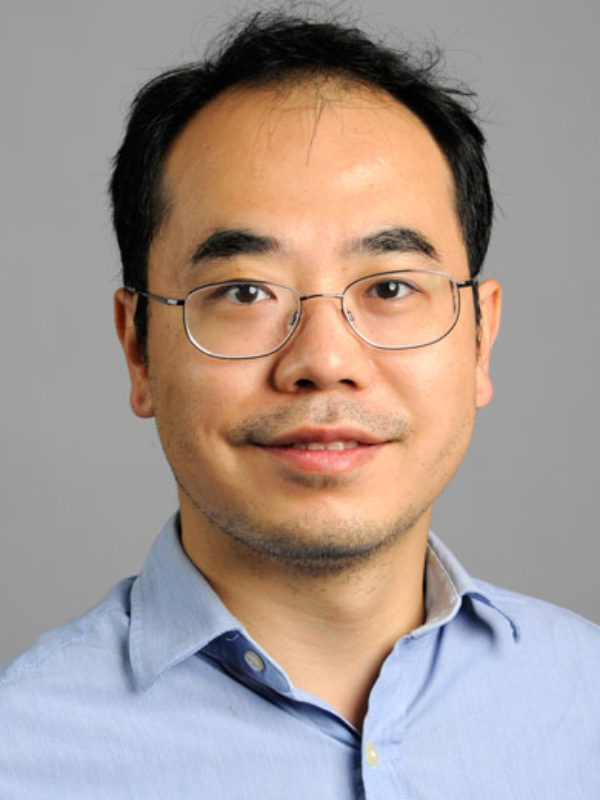
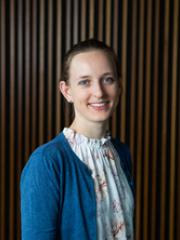
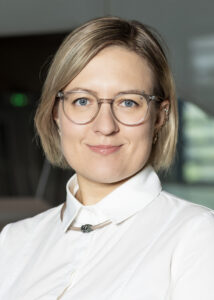
Ryan Qi Wang is an Assistant Professor of Civil and Environmental Engineering at Northeastern University, jointly appointed with the College of Social Sciences and Humanities. He serves as Associate Research Director for Social Media at the Boston Area Research Initiative (BARI), investigating urban mobility patterns, disaster resilience, and geosocial networks. His research combines urban informatics with complex systems analysis to understand human movement during crises, urban inequalities, and sustainable city development. Recent publications examine mobility responses to environmental hazards, algorithmic biases in mobility models, and data-driven approaches to urban sustainability.
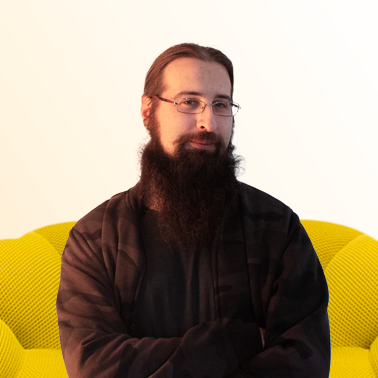
Lorne Teitelbaum is an Adjunct Associate Professor at Georgetown University's Center for Security Studies (CSS) within the School of Foreign Service. He holds a PhD in Public Policy Analysis from Pardee RAND Graduate School, alongside degrees from Columbia University (Political Science) and Harvard University (Public Policy). His career spans over 33 years in intelligence, including roles at the CIA, National Intelligence University, and US Naval Academy. He specializes in intelligence leadership, ethics, and national security policy, with a focus on how information technology shapes policy-making processes. His research includes a seminal 2005 RAND-published study on the impact of the information revolution on intelligence utilization. Teitelbaum served as a Senior Speechwriter for the Director of National Intelligence and led analytic studies for the National Reconnaissance Office and National Geospatial-Intelligence Agency. His expertise bridges academic scholarship and operational intelligence, emphasizing ethical frameworks in national security decision-making. Though no specific awards are listed, his extensive classified project work and academic appointments reflect his high standing in the field. His current teaching focuses on Intelligence Community leadership and ethics.
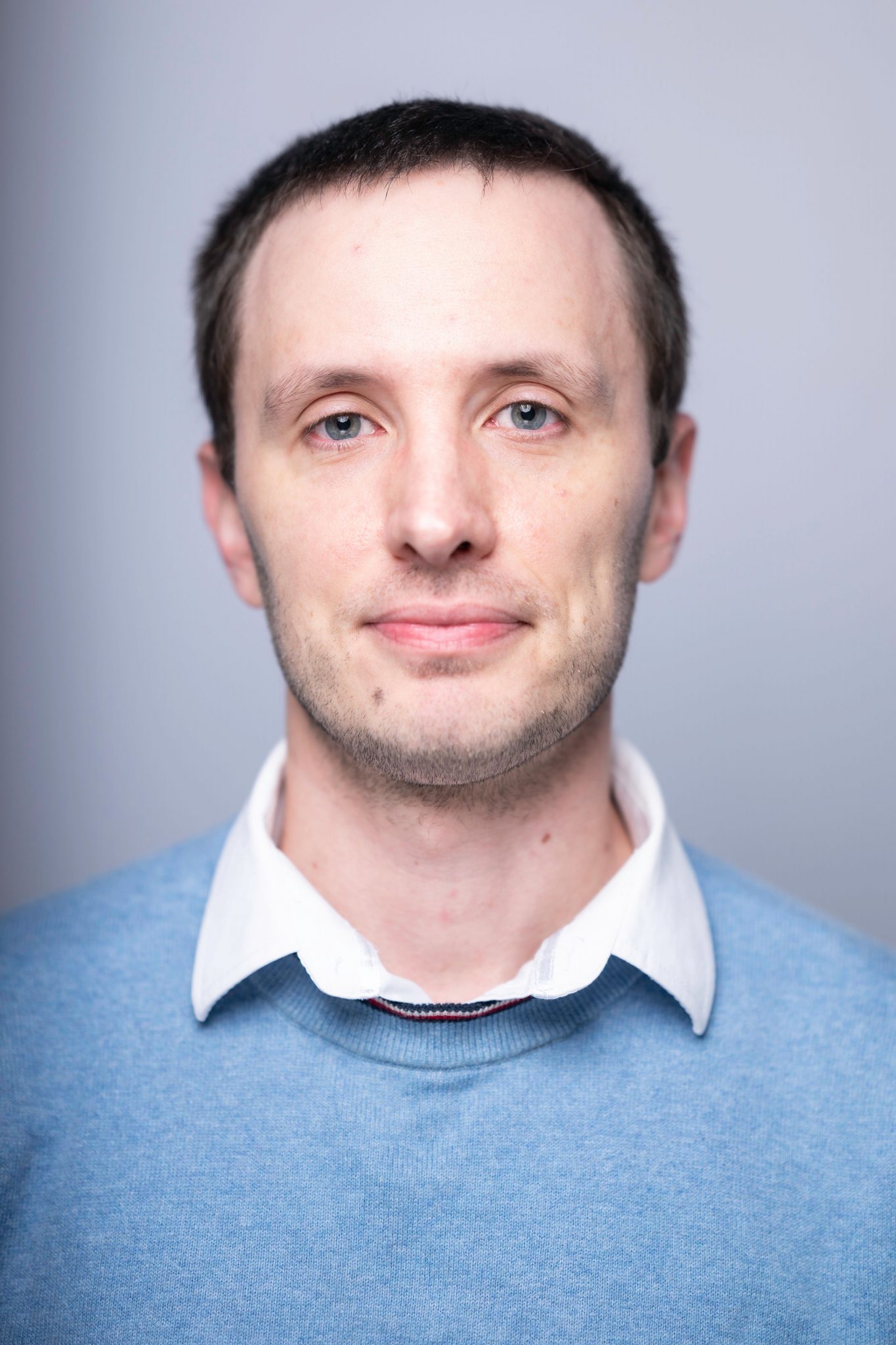
Iacopo Colonnelli is an Assistant Professor (RTDA) at the University of Turin's Computer Science Department and a member of the Alpha Research Group (Parallel Computing) and CINI HPC Key Technologies and Tools lab. He has established himself as a leading researcher in scientific workflow systems, bridging cloud computing and high-performance computing environments. His research focuses on workflow modeling and management in heterogeneous distributed architectures, with significant contributions through open-source tools including StreamFlow (a container-native workflow management system), Jupyter Workflow, and CAPIO (middleware for I/O streaming). These tools enable hybrid workflows execution on cloud-HPC infrastructures and have gained recognition through multiple European projects and initiatives. Colonnelli's publication record shows consistent output in top venues related to parallel and distributed computing, with recent work focusing on federated learning, confidential computing, and workflow standardization. His most recent publications (2024-2026) demonstrate strong engagement with cutting-edge challenges in cross-facility federated learning, workflow representation languages, and performance evaluation of confidential computing for bioinformatics applications. Scientific Awards: ITADATA 2023 Best PhD Thesis Award for 'Workflow models for heterogeneous distributed systems' StreamFlow selected as one of the three exploitable results of the EUPEX European project (2023) StreamFlow selected as an exploring technology by the EC Innovation Radar initiative (2023) 'Distributed Workflows With Jupyter' selected as Fall 2022 Editor's Choice by Future Generation Computer Systems journal HPC-Europa3 grant recipient for Barcelona Supercomputing Center visit (2019) HiPEAC grant recipient for ACACES 2019 Summer School (2019) As an active contributor to research infrastructure, Colonnelli serves as a member of the CWL Technical Team and founder of the CWL4HPC Working Group. He has organized multiple international conferences including PDP 2025 as program chair and CWLCon 2024. His service extends to numerous program committees for major HPC conferences and journals, demonstrating his standing in the international research community. Colonnelli leads significant contributions to multiple European research projects including Space Center of Excellence, European Pilot, EUPEX, TEXTAROSSA, ACROSS, DeepHealth, and HPC4AI, focusing on advancing HPC and AI technologies for scientific applications.
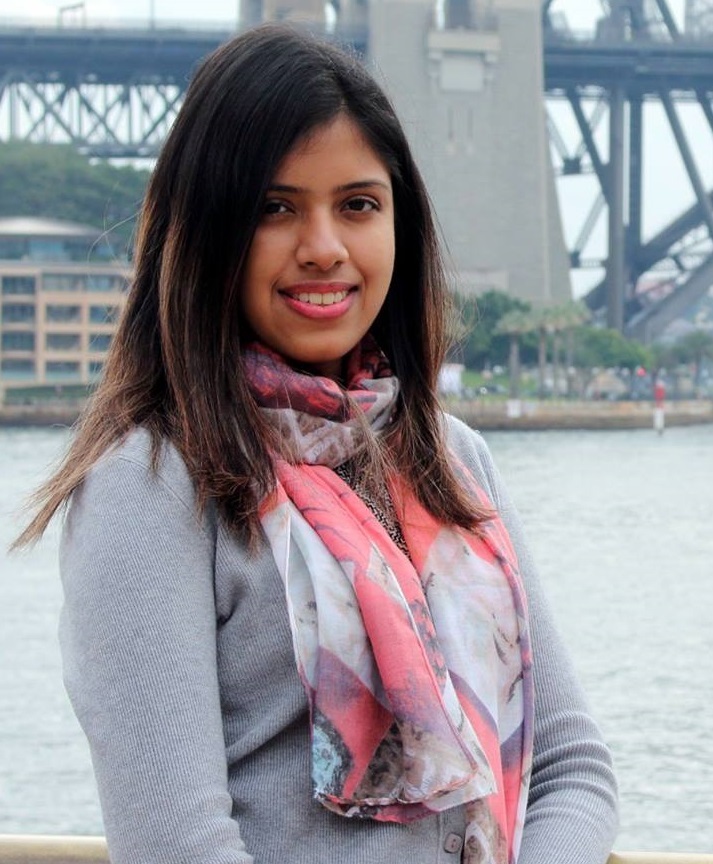
Varuni Jayasooriya is an Assistant Professor at the School of Environment and Sustainability (SENS), University of Saskatchewan. Her research focuses on Geospatial Artificial Intelligence (GeoAI), urban sustainability, and the interplay between urban design and microclimates. She holds a PhD in Environmental Engineering from Victoria University, Australia, and a BSc in Earth Resources Engineering from the University of Moratuwa, Sri Lanka. Research Interests Dr. Jayasooriya explores innovative solutions for green and smart cities through data-driven approaches. Her work addresses urban heat islands, microclimate dynamics, and the role of green infrastructure (e.g., trees, green roofs) in enhancing thermal comfort. Recent studies include tropical urban canyon thermal environments and pavement material impacts on urban climates. Publications Her recent works (2021–2024) span urban climate modeling, green infrastructure efficacy, and smart city technologies. Key themes include GeoAI applications, sustainable rooftop technologies, and tropical urban bioclimatic adaptations. Professional Activities No specific grants or awards listed. She is affiliated with SENS and contributes to interdisciplinary urban sustainability research.
Carlos Cardonha is an Assistant Professor in the Department of Operations and Information Management at the University of Connecticut School of Business since 2019. He holds a Ph.D. in Mathematics from Technische Universität Berlin (2011) and degrees in Computer Science from the University of São Paulo (B.Sc. 2004, M.Sc. 2006). Previously, he worked as a Research Staff Member at IBM Research – Brazil (2012–2019). His research focuses on discrete optimization, approximation algorithms, and applications of machine learning and mathematical programming to operations research problems. He teaches courses such as OPIM 5641 (Business Decision Modeling) and OPIM 3511 (Business Data Analytics II), supported by DataCamp. Education: Ph.D. in Mathematics, Technische Universität Berlin, Germany (2011) M.Sc. in Computer Science, University of São Paulo, Brazil (2006) Bachelor in Computer Science, University of São Paulo, Brazil (2004) Research Interests: His work spans analytics, optimization, and theoretical computer science, with a focus on mixed-integer linear programming, combinatorial optimization, and algorithm design. He applies these techniques to real-world problems in scheduling, resource allocation, and machine learning model optimization. Grants & Advising: No specific grants or advisees are listed in the provided materials. Labs/Teams: Not explicitly mentioned in the text.
Kyungmi Joanne Lee is a Senior Lecturer at James Cook University (JCU), Australia, specializing in Computer Science and Artificial Intelligence. She holds a PhD in Computer Science from Griffith University (2007) and previously served as a Lecturer at Charles Sturt University (2007–2008). Her research focuses on machine learning, algorithm optimization, neural networks, data mining, and applied AI. Key projects include developing real-world scheduling systems for mining operations, ultrasonic signal classification, and spatio-temporal trajectory analysis. Teaching responsibilities include modules like Database Modelling, where she coordinates and lectures. She currently supervises 5 PhD students, with 3 nearing completion. Her work spans diverse applications, such as emergency management through geospatial data analysis and curriculum development via text mining. With 58 publications across journals and conferences, her contributions highlight interdisciplinary approaches to data-driven solutions.
Dr. Joseph McMahon serves as a Postdoctoral Research Fellow at the School of the Environment within the Faculty of Science at The University of Queensland. His research is primarily focused on environmental water management, sediment processes, and ecosystem services within Australian river systems, with particular emphasis on the Great Barrier Reef catchments. His work bridges academic research and practical environmental policy applications. Dr. McMahon completed his Doctor of Philosophy in Geomorphology and Regolith and Landscape Evolution at Griffith University. His educational background provides the foundation for his current research in river systems, sediment transport, and landscape evolution processes. Dr. McMahon's research interests center on water quality management, sediment dynamics in river systems, and ecosystem service valuation. His work investigates how vegetation, sediment connectivity, and ecosystem restoration affect riverbank erosion and water quality, particularly in subtropical Australian environments. He applies advanced techniques including deep learning models for environmental monitoring and has made significant contributions to understanding water quality offsetting schemes. His research has practical implications for managing the Great Barrier Reef catchments and developing sustainable water policies. Analysis of his recent publications shows a strong focus on water quality offsetting mechanisms, particularly in the context of the Great Barrier Reef catchments. His research integrates geomorphological principles with environmental policy development, using both field studies and computational modeling approaches. A notable trend is his increasing focus on predictive modeling for future environmental scenarios, as evidenced by his 2025 review of water quality offsetting policies and his 2023 work estimating demand for water quality offsets by 2050. Dr. McMahon is available for supervision of research students, indicating his active role in academic mentoring. While specific grant information isn't detailed in the provided materials, his extensive publication record across multiple high-impact journals suggests successful research funding. His collaborative approach is evident through numerous co-authorships across different institutions. Though specific laboratory or research team affiliations aren't explicitly stated in the provided text, Dr. McMahon's work appears to be connected to broader research initiatives at The University of Queensland's School of the Environment focused on catchment management and Great Barrier Reef protection. His research contributes significantly to the university's environmental science capabilities, particularly in the areas of water quality management and sediment processes.
Dr Alina Bialkowski is a Senior Lecturer at the School of Electrical Engineering and Computer Science , part of the Faculty of Engineering, Architecture and Information Technology at The University of Queensland. Her research focuses on interpretable machine learning and computer vision to enhance AI transparency and solve real-world challenges. Prior to joining UQ in late 2017, she held postdoctoral positions at University College London (2015–2017), where she studied human perception in driving, and Disney Research Pittsburgh (2014), analyzing team sports using spatiotemporal data. Dr Bialkowski earned her PhD and Bachelor of Engineering (Electrical Engineering) from Queensland University of Technology, Australia. Her doctoral research centered on group behavior analysis from visual and spatiotemporal data, with applications in sports analytics and intelligent surveillance systems. Her research interests span medical imaging (especially electromagnetic imaging of strokes), human attention modeling in driving, intelligent transport systems , surveillance systems , and sports analytics . She emphasizes explainable AI to bridge the gap between technical systems and human understanding, employing methods like feature visualization and attribution. Her work also explores sensors for non-invasive imaging and machine learning frameworks to ensure ethical AI. Dr Bialkowski has received significant recognition, including the Best Paper Prize at the 2017 IEEE Winter Conference on Applications of Computer Vision (WACV) . Her research has led to 6 international patents with collaborators such as Disney Research, Toyota Motor Europe, and The University of Queensland, focusing on electromagnetic imaging and AI-driven solutions. She actively contributes to interdisciplinary projects like The Lanyard Project (traffic sensor fusion) and co-authored a SmartSat CRC-funded research report on machine learning for satellites. Dr Bialkowski is available for supervision and advocates for AI systems that integrate human-centric principles into their design and evaluation.
Dr. Olga Boichak is a Senior Lecturer in Digital Cultures and Director of the Computational Social Science Lab at the University of Sydney's Faculty of Arts and Social Sciences. She holds a PhD from Syracuse University (USA) and an MPA. Her research focuses on the role of digital technologies in shaping public perception and outcomes of wars, particularly in Ukraine and other post-colonial contexts. Boichak is an Australian Research Council DECRA Fellow exploring colonial topographies of digital sovereignty and leads projects on geopolitical digital media dynamics. Education: PhD in Interdisciplinary Social Science, Syracuse University MPA, Syracuse University Research Interests: Mediatized warfare and participatory war dynamics Information warfare and digital sovereignty Online activism and diasporic humanitarianism Algorithmic agency and meme culture Cybersecurity and geopolitical tech landscapes Awards & Grants: 2024 Max Crawford Medal (Australia's top humanities honor) ARC DECRA Fellowship ($380k) for digital sovereignty research SOAR Prize for interdisciplinary info warfare research Her work bridges humanities and tech through projects like the Computational Social Science Lab, and she advises Australian government agencies on digital security risks. Boichak is also Director of the Ukrainian Studies Foundation in Australia and faces Kremlin sanctions for her advocacy. Labs & Teams: Leads the Computational Social Science Lab and collaborates with institutions like King's College London and the University of Glasgow.
Dr Jun Zhang is a Lecturer in Information Systems at the School of Information, Journalism and Communication, University of Sheffield. He holds an MSc and PhD from the University of Sheffield. Prior to academia, he worked in China's mapping industry on Smart City projects. His research focuses on socio-technical dynamics of IS innovations, digital rights, and urban governance. He currently serves as Exams Officer for BSc Data Science and Deputy Programme Coordinator for MSc Information Systems. Education: MSc (Sheffield), PhD (Sheffield) Research interests include critical analysis of smart city technologies, power dynamics in urban governance, digital inequality, and robotic urbanism. He contributes to the Information Systems Research Group and Urban Automation & Robotics initiatives. Recent work explores citizen participation in AI-driven urban systems and robotic urbanism's societal impacts. Selected publications span smart city entrepreneurship, cooperative value ecosystems, and critical analyses of authoritarian smart governance. He actively participates in interdisciplinary research collaborations and policy dialogues around digital urban innovation.
Eunhwa Yang is an Associate Professor and Curriculum Committee Chair at the School of Building Construction, Georgia Institute of Technology. She holds a Ph.D. in Human Behavior and Design from Cornell University and an MS in Building Construction from Georgia Tech. Her research focuses on the interplay between built environments and human outcomes, employing Bronfenbrenner’s ecological systems theory to study workplaces, campuses, and homes. Key areas include sustainable building practices, facility management optimization, and aging-in-place strategies for individuals with mild cognitive impairment. As an advocate for innovative teaching methods, Dr. Yang has developed facility management courses using active learning and service learning approaches. She has led workshops on pedagogical strategies at GT’s Center for Teaching and Learning and Cornell’s Center for Teaching Excellence. Professional affiliations include the International Facility Management Association (IFMA) and CoreNet Global, where she has received young researcher awards and fellowships. Her recent work emphasizes data-driven solutions for energy performance contracting, hybrid workspaces, and inclusive housing designs. The Workplace Ecology Lab under her direction explores environmental factors influencing sleep health, workplace safety, and aging-in-place technologies. Over 15 years of grant-funded research has produced impactful studies on green leasing, building lifecycle analysis, and multi-stakeholder decision-making in urban transformation projects. Awards: IFMA Fellowships, IAPS Workshop Grant Grants: CoreNet Global Academic Challenges, IAPS sponsored projects Labs: Workplace Ecology Lab at Georgia Tech School of Building Construction Dr. Yang’s advisory work supports facility managers, corporate real estate directors, and designers in optimizing space utilization through evidence-based strategies. Her research bridges environmental science, architectural design, and human behavior studies to create healthier, more equitable built environments.
Professor Wei Xiang holds the Cisco Chair of AI and IoT at La Trobe University, leading the Cisco-La Trobe Centre for AI and IoT and the Australian Centre for AI in Medical Innovation. He previously established Australia's first IoT Engineering degree program at James Cook University, earning recognition in the Pearcy Foundation's Hall of Fame. His expertise spans AI, IoT, wireless communications, and medical AI innovation. As an IEEE Associate Editor for multiple journals, he has published over 450 peer-reviewed papers and books. Key roles include: Director & Chief Scientist: Australian Centre for AI in Medical Innovation Founding Director: Cisco-La Trobe AIoT Centre Adjunct Professor: James Cook University Vice Chair: IEEE Northern Australia Section (2016-2020) Research focuses on AI-driven IoT systems, smart agriculture, and medical applications. Awards include La Trobe Research Excellence Award (2021), Pearcey Entrepreneurship Award (2017), and multiple fellowships. Current grants involve AIoT in smart farming, medical innovation, and satellite IoT. He supervises research students in AIoT and advises on collaborative projects. His labs pioneer technologies like radar-based health monitoring and UAV-enabled environmental sensing. Recent publications highlight advancements in wireless communication systems, deep learning models for remote sensing, and hybrid networks.
Bram Droppers is a Researcher and ICT developer at the Department of Physical Geography, Utrecht University. His work focuses on modeling hydrological systems to address water scarcity, climate adaptation, and sustainable agriculture. He holds a PhD in Earth and Environmental Sciences from Wageningen University (2022), with prior degrees from the same institution (BSc 2014, MSc 2017). His research emphasizes large-scale hydrological models like PCR-GLOBWB and VIC, integrating them with agricultural models and applying deep learning techniques to improve accuracy and computational efficiency. His expertise spans Human Impact on Global Water Systems, Integrated Water Management, and Climate Modeling. Key themes include the interplay between socio-economic factors, climate change, and water resources. He has developed frameworks to assess water constraints on crop production and pioneered high-resolution global hydrological modeling approaches. Recent work explores deep-learning surrogates for process-based models to enhance scalability. Publications highlight analyses of water scarcity hotspots in Pakistan, California, and global basins, alongside model improvements for irrigation management and lake system dynamics. His research supports Sustainable Development Goals, particularly in balancing agricultural productivity with ecosystem protection. Current projects aim to refine global hydrological models for hyper-resolution applications and multi-model ensemble approaches. Bram’s career includes roles as ICT Manager and developer, ensuring technical infrastructure supports his research. He has secured grants through Wageningen’s WIMEK institute and collaborates internationally on initiatives like the ISIMIP Lake Sector. His work bridges computational innovation with environmental sustainability, addressing critical water challenges at planetary scales.
Simon Scheider is an Associate Professor of GIS in the Department of Human Geography and Spatial Planning at Utrecht University, Netherlands. His research focuses on conceptual modeling of geographic data, semantic web technologies, and geospatial analysis. He holds a Ph.D. in Geoinformatics from the University of Münster (2012) and has held postdoctoral roles at UC Santa Barbara, ETH Zurich, and other institutions before joining Utrecht in 2016. He received tenure in 2018 and became Associate Professor in 2024. Key achievements include an ERC Starting Grant (2018) for geographic question-answering research and an ERC Consolidator Grant (2024) for automatic geoQA systems. He leads the NWO-funded Exposome-NL project (since 2020), simulating urban policy impacts on citizen health. Scheider co-organized AGILE 2023 and COSIT 2024, and serves on editorial boards for journals like Applied Ontology and ISPRS International Journal of Geo-Information. Research interests span spatial semantics, geocomputation, and human-centered AI. Recent work addresses validity in spatio-temporal models, extensive/intensive quantities in geographic data, and integrating LLMs with GIS. His teaching includes Advanced GIS, Spatial Data Analysis (ADS), and National GI Minor courses.