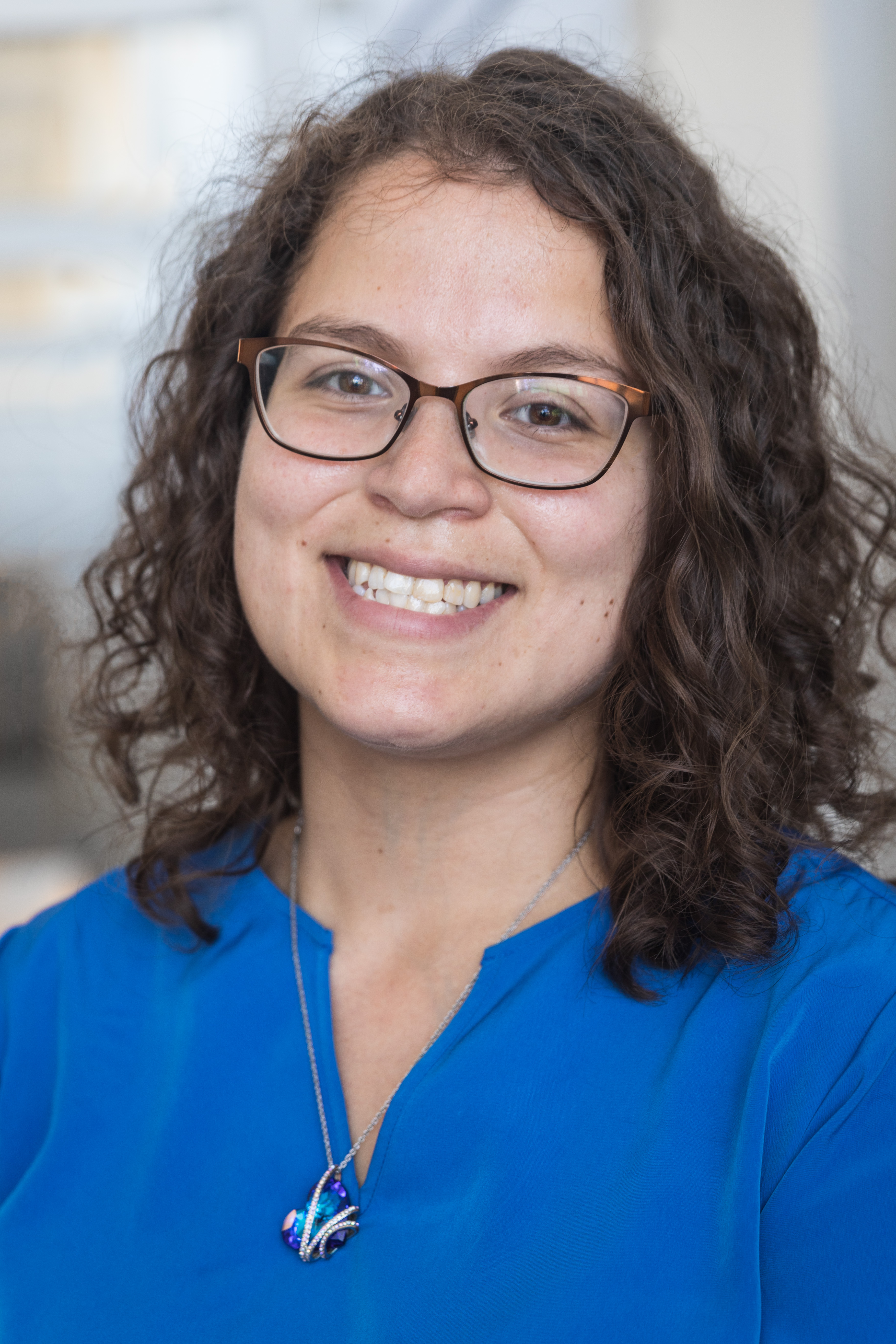
Camila Alvarez is an Assistant Professor of Sociology at the University of California, San Diego. Her research focuses on environmental sociology, environmental justice, and critical quantitative methodology, particularly examining how social inequalities are reinforced through environmental problems. She employs statistical methods combined with theoretical frameworks from political economy and the sociology of race and ethnicity. Her notable work includes analyzing military contributions to environmental disparities, structural racism's impact on air toxics exposure, and intersectional approaches to climate action. In 2022, she received the Career Enhancement Fellowship from the Mellon Foundation. Key research themes include militarized riskscapes, fenceline community dynamics, and the environmental consequences of urbanization. Her publications appear in journals like Social Problems , Social Science & Medicine , and Environmental Justice . Alvarez’s scholarship bridges quantitative rigor with critical social theory, addressing gaps in environmental justice research and advocating for policy interventions that center marginalized communities.
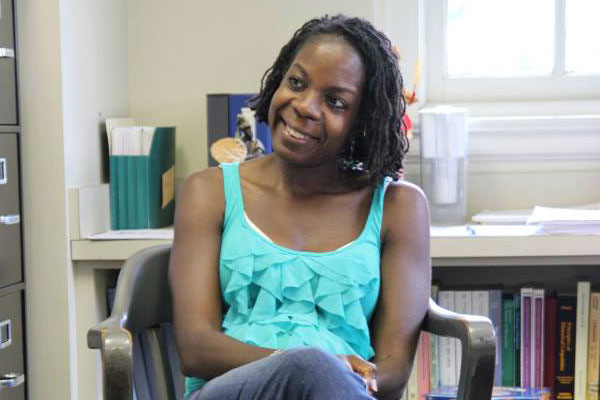
Dr. Edda L. Fields-Black is Professor in the Department of History and Director of the Dietrich College Humanities Center at Carnegie Mellon University. She has been a faculty member since 2001 and serves as Faculty Advisor for Carnegie Mellon's African and African American Studies Minor. Her work bridges academic research with public engagement, bringing untold stories of enslaved Africans and their descendants to broader audiences through innovative interdisciplinary collaborations. Dr. Fields-Black earned her Ph.D. from the University of Pennsylvania in 2001. Her academic journey has focused on connecting historical research with contemporary social issues, particularly through the lens of African diasporic experiences and the legacy of slavery in the United States. Dr. Fields-Black specializes in the trans-national history of West African rice farmers, peasant farmers in pre-colonial Upper Guinea Coast, and enslaved laborers on rice plantations in the antebellum South Carolina and Georgia Lowcountry. Her research employs interdisciplinary methods to recover the voices of historical actors who left few written records. She examines how enslaved Africans' technological expertise in rice cultivation shaped both the economies of the American South and cultural practices that persist in the Gullah Geechee communities. Her work challenges conventional narratives about pre-colonial Africa and the African Diaspora, revealing dynamic, diverse societies with specialized agricultural knowledge. Dr. Fields-Black's recent publications demonstrate a consistent focus on uncovering previously marginalized perspectives in American history, particularly regarding slavery and the Civil War era. Her work increasingly integrates environmental history with social history, examining how enslaved people interacted with and transformed coastal landscapes. The 2024 publication 'COMBEE: Harriet Tubman, the Combahee River Raid, and Black Freedom during the Civil War' represents the culmination of this trajectory, using Civil War pension files to reconstruct the experiences of freedom-seekers in their own words. Dr. Fields-Black has received numerous prestigious awards for her scholarship, including: 2025 Pulitzer Prize in History 2025 Gilder Lehrman Lincoln Prize 2025 Tom Watson Brown Book Award 2024 George C. Rogers Jr. Award 2024 Marsha M. Greenlee History Award Honorable Mention - 2025 James A. Rawley Prize Finalist - 2025 Mark Lynton History Prize Finalist - 2025 ASALH Book Prize Dr. Fields-Black has secured significant research funding from major foundations including Ford, Mellon, Woodrow Wilson, and Annenberg Foundations, as well as the Smithsonian Museum and Fulbright-Hays. She currently leads an interdisciplinary team of scientists studying 'Queen Rice': How Enslaved Labor Transformed Wetland Landscapes and America,' examining the 300-year impact of enslaved labor on coastal wetlands. Her work extends beyond traditional academic boundaries through collaborations with artists, filmmakers, and museum curators to bring historical narratives to wider audiences. Dr. Fields-Black leads the 'Requiem for Rice' project, an innovative collaboration with composer John Wineglass and filmmaker Julie Dash that transforms historical research into a symphonic work memorializing enslaved Africans on rice plantations. She also serves as principal investigator for a team of scientists studying the environmental impact of enslaved labor on coastal wetlands, integrating archaeology, conservation, digital humanities, and ecological studies. Her work with museums includes advising for the Smithsonian National Museum of African American History and Culture, the Senator John Heinz History Center, and the International African American Museum.
Patrick Noack is a Professor at HSWT, leading the Competence Centre for Digital Agribusiness (KoDA) and serving as Programme Director for Agricultural Engineering and Green Digital Engineering. His research focuses on IoT applications in agriculture, precision farming, and sensor systems. He has pioneered projects like DenimeF (foreign body detection in forage harvesters) and AutoDGB (automated field trial analysis). Key areas include GPS-guided machinery, soil sensors, and UAV-based monitoring. He chairs digitalization committees and collaborates with organizations like ASABE and VDI Round Table GIS. His work emphasizes interdisciplinary education, integrating horticulture and bioinformatics through agile methods. Research interests span environmental technology, geospatial data analysis, and sustainable resource management. Recent publications address spectral imaging for crop yield prediction and non-lethal insect monitoring systems. He advises students like Jan Oehlschläger and leads grants totaling millions in precision agriculture innovation.
Prof. Dr. Andrea Teti is the Head of the Department of Gerontology - Aging and Health at the University of Vechta. He leads the Institute for Gerontology (IfG) and focuses on medical, health, and nursing care for older adults. His research emphasizes age-related diseases, prevention strategies, care needs, and housing conditions in old age. Teti earned a PhD in Medical Sociology from Charité-Universitätsmedizin Berlin (2016), followed by roles as a Post-Doc at the Robert Koch Institute and a Junior Professor in Gerontology (2017-2020). He holds a Master’s in Public Health (2014) and a Diploma in Sociology from TU Dresden and Università degli Studi di Trento (2009-2016). Research areas include diabetes prevention (ActiVAtE_Prevention project), residential mobility as a health strategy, and caregiver support. His work integrates epidemiological methods and interdisciplinary approaches. Awards include a poster prize at the 11th Vienna Geriatrics Congress (2010). Teti supervises numerous bachelor’s and master’s theses and teaches courses like Biological Aspects of Aging and Geriatric Psychiatry . He collaborates on national projects, including IMOA (health monitoring for older adults) and diabetes surveillance initiatives. Key Projects: ActiVAtE_Prevention, IMOA, National Diabetes Surveillance System Teaching: Focus on biological aging, geriatric care, and quantitative research methods Grants: Drittmittelprojekte funding for diabetes and aging research His lab, the Institute for Gerontology, explores aging-related health challenges and policy implications, emphasizing interdisciplinarity and community engagement.
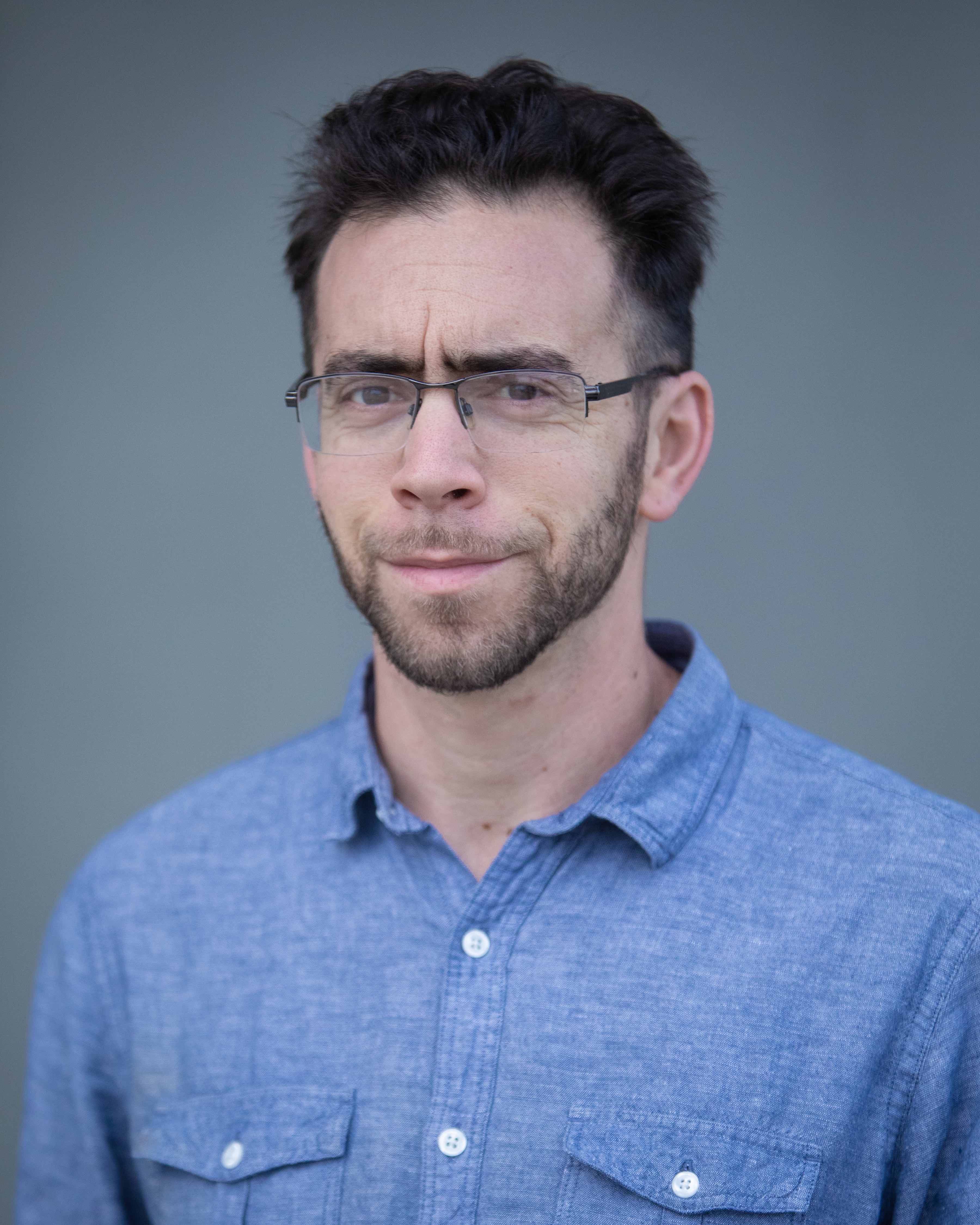
Tony Marks-Block is an Assistant Professor in the Department of Anthropology, Geography & Environmental Studies at California State University, East Bay. His research focuses on ecological anthropology at the intersection of anthropogenic fire, Indigenous sovereignty, and political ecology in California. He collaborates with Karuk and Yurok peoples to study cultural burning practices, supported by NSF and Stanford University grants. Dr. Marks-Block teaches courses on pyrogeography and community-engaged methods on unceded Chochenyo Ohlone lands. His work emphasizes anti-colonial frameworks and Indigenous land stewardship. Education: Advanced training in ecology and anthropology at Stanford and Cornell Universities. Previously developed STEM education programs at UC Berkeley’s Lawrence Hall of Science. Research highlights include studies on fire suppression impacts, Indigenous fire sovereignty, and participatory environmental justice. Publications span cultural burning revitalization, fire governance, and environmental policy. His scholarship critiques settler colonial fire management while advocating for Indigenous self-determination. No specific grants or awards listed, but extensive fieldwork and community partnerships underpin his work. Labs/Teams: Engaged with Karuk Tribe’s Department of Natural Resources and Western Klamath Restoration Partnership. Focus areas include decolonizing fire management and restoring Indigenous ecological practices.
Prof. Felix Bießmann holds a professorship in Computer Science and Media at Berlin University of Applied Sciences' Department VI. His research focuses on machine learning applications in diverse fields including healthcare, urban planning, environmental science, and robotics through his Cognitive Algorithms Lab. He teaches courses such as Machine Learning, Deep Learning, and Data Science Workflows, alongside roles at TU Berlin and Korea University. Education: PhD (Dr. rer. nat.) in Natural Sciences Research interests span machine learning theory and practical implementations across domains like computer vision, generative AI, and sensor data analysis. His work addresses challenges in automated systems, healthcare monitoring, and sustainable technologies. Recent student theses explore topics like license plate recognition, adaptive game soundtracks, and bird song detection using TinyML. Collaborations include projects with the Charité Berlin and Robert-Koch Institute. Lab: Cognitive Algorithms Lab (developing machine learning methods/applications) Contact: felix.biessmann@bht-berlin.de | Office D138, Berlin University of Applied Sciences.
Mary C. Meyer is a Professor in the Department of Statistics at Colorado State University. Her research focuses on nonparametric function and density estimation, particularly under shape restrictions, with applications across ecological modeling, survey methodology, and statistical computing. Education: Ph.D. in Statistics from the University of Michigan (1996) Research Interests: Nonparametric function and density estimation Shape-restricted inference Constrained regression models Bayesian nonparametric methods Penalized isotonic regression Statistical software development Recent Publications show a focus on constrained regression splines, domain mean estimation, and applications in forest dynamics and survey methodology. She has developed several R packages including cgam and tools for cone projections. Grants: Funded by NSF grant DMS-0905656 for research on constrained optimization algorithms. Email Contacts: meyer@stat.colostate.edu and mmeyer@stat.uga.edu
Moya Kneafsey is a Professor and Research Centre Director at Coventry University’s Centre for Agroecology, Water and Resilience. Her research focuses on sustainable food systems, alternative food networks, and cultural tourism. She leads the ‘Community Self-Organization for Resilience’ theme, emphasizing socially just and environmentally sound practices. Her work is funded by UK and EU bodies, including the Economic and Social Research Council and the European Commission. Key projects include FOOdIVERSE (2021–2024) and evaluations of community food hubs and urban gardening initiatives. Research interests span participatory methods, short food chains, and rural development. She explores how cultural resources are commodified for tourism and how food systems can reconnect producers and consumers. Over 60 publications and 6 major projects highlight her contributions to food justice, agroecology, and sustainability. Her vision emphasizes collaborative, accessible research to foster resilient livelihoods without ecological harm. The Centre’s interdisciplinary work bridges academia and communities, addressing global challenges like food security and climate change.
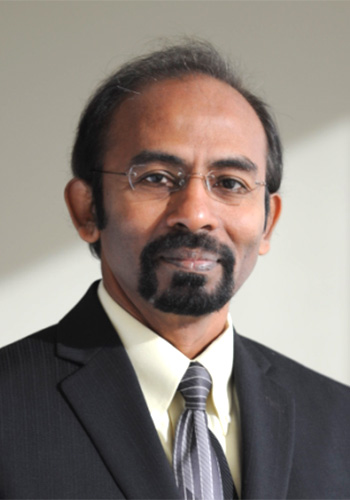
Dr. Robello Samuel is an Adjunct Professor in the Department of Petroleum Engineering at the University of Houston's Cullen College of Engineering, concurrently holding this position for over 12 years while serving as a Technology Fellow at Halliburton. With 43 years of multi-disciplinary experience in oil/gas drilling operations, he specializes in drilling engineering innovations and well design. Education: Ph.D. in Petroleum Engineering, University of Tulsa M.S. in Petroleum Engineering, University of Tulsa M.S. in Mechanical Engineering, College of Engineering Guindy (Madras) B.S. in Mechanical Engineering, University of Madurai Research Focus: Dr. Samuel's work spans drilling optimization, wellbore mechanics, torque-drag modeling, vibration analysis, geothermal well design, and AI applications in drilling engineering. His research integrates field experience with computational methods to solve complex drilling challenges. Publications: His extensive publication record (150+ papers/books) focuses on drilling mechanics, well design innovations, and predictive modeling. Recent works emphasize machine learning applications, real-time drilling optimization, and sustainable energy solutions like geothermal well engineering. Awards & Honors: SPE International Drilling Engineering Award SPE Distinguished Lecturer (2014) SPE Honorary Member Award AIME Honorary Member Award Gulf Coast SPE Drilling Engineering Award (2013) SPE Distinguished Member Professional Leadership: Serves on editorial boards for SPE Research Partnership to Secure Energy for America (RPSEA), Ocean Energy Safety Institute, and SPE Research & Development Advisory Board. Regularly delivers keynote addresses at major energy conferences worldwide.
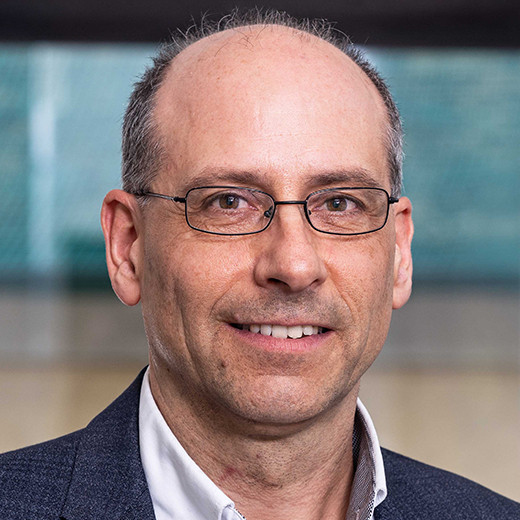
Matthias Fuchs is a tenured full professor at the Faculty of Economics and Management, Free University of Bozen-Bolzano. His research focuses on sustainable tourism, big data analytics, circular economy frameworks, and strategic management in tourism destinations. He teaches courses such as M-1 Strategic Management and is actively involved in curriculum development for e-tourism and business intelligence. His work integrates quantitative methods like clustering algorithms (e.g., k-Means, DBSCAN) with qualitative analyses to address tourism challenges. Key research areas include real-time tourism monitoring via Google Maps data, socio-economic impact assessments of tourism, and post-Cartesian ontologies challenging conventional economic paradigms. He explores creativity's role in fostering innovative regions through network science and Buddhist philosophy-influenced frameworks. Publications span topics from cultural tourism sustainability in Sweden to the application of convolutional neural networks for Instagram analysis. Despite no explicit awards listed, his contributions to e-tourism curricula and big data methodologies reflect significant scholarly influence. Fuchs advocates for transformative science to align tourism with UN Sustainable Development Goals, emphasizing ethical leadership and justice-oriented socio-economic policies. Teaching responsibilities include guiding students in tourism management, strategic leadership, and destination marketing. His interdisciplinary approach bridges business intelligence, environmental science, and philosophy to address contemporary tourism challenges.
Dr. Ingo Heidbüchel is a researcher in the Department of Hydrogeology at the Helmholtz Centre for Environmental Research - UFZ (Leipzig, Germany). His work focuses on understanding hydrologic processes, catchment hydrology, and transit time distributions. Previously, he held postdoctoral positions at the University of Bayreuth (2021), UFZ (2017–2020), and the GFZ in Potsdam (2013–2016). He earned his PhD from the University of Arizona (2008–2012) and a Diploma (Master equivalent) in Hydrology from Albert-Ludwigs-University Freiburg (2000–2007). Research interests include hydrologic transit times, catchment response dynamics, and hydrochemical interactions. His studies often employ tracer techniques and advanced modeling to explore processes like nitrogen cycling, groundwater-surface water mixing, and environmental change impacts on water systems. Key contributions include developing methods for analyzing transit time distributions in low-order catchments and investigating the effects of topography and seasonality on water chemistry. His work is supported by grants such as the DFG project on transit time dynamics in real-world catchments. Dr. Heidbüchel collaborates widely, contributing to initiatives like CAMELS-DE, a dataset of hydrometeorological time series for German catchments.
Vuk Gajić is an Assistant Professor at the Faculty of Applied Ecology, Singidunum University, where he has held academic roles since 2016. His career progression includes positions as a teaching associate (2016), assistant (2019), and current role (2023). He earned a Ph.D. in Environment and Sustainable Development from Singidunum University (2019–2022), following prior studies in environmental protection and risk management at the same institution. Research interests span environmental science, sustainable development, GIS applications, and radiation technology for waste and food treatment. He has contributed to interdisciplinary studies, including soil contamination analysis in Libya, microbial decontamination via ionizing radiation, and machine learning applications for software defect prediction and agricultural weed detection. His work bridges environmental engineering with technological innovation, emphasizing sustainability and ecological conservation. Publications reflect a focus on environmental monitoring, pollution assessment, and eco-technologies. Key themes include GIS-based environmental databases, forest fire prevention through sensor networks, and agricultural waste reuse. His research often integrates quantitative methods with geospatial tools, addressing both local and global environmental challenges. Teaching responsibilities include courses on geodiversity, sustainable development, and natural hazards. He actively participates in academic conferences, contributing to peer-reviewed journals and presenting at events like Sinteza and SETI. Current projects likely explore emerging technologies in environmental management and sustainable practices.
Romolo Loreto is Associate Professor of Archaeology and Art History of the Ancient Near East at the University of Naples 'L'Orientale' since 2019. He directs multiple international archaeological missions including the Italian Archaeological Mission in Saudi Arabia , Italian Restoration Mission in Saudi Arabia , and University of Naples archaeological projects in Oman . His work spans Neolithic to Early Islamic Arabia with a focus on Dumat al-Jandal, al-Jawf, and coastal Oman. Research Interests: Specializing in Arabian Peninsula archaeology, Loreto investigates settlement dynamics, trade routes, religious architecture, and coastal adaptations. His geoarchaeological work combines satellite imagery with fieldwork to reconstruct paleoenvironments. Key projects include Nabataean studies in Saudi Arabia and Iron Age ichthyophagoi communities in Oman. Scientific Awards: Al-Ansary Prize (2017) - Best non-Saudi archaeologist under 40 in Saudi Arabia SIR 2014 grant (€260,000) - Scientific Independence of Young Researchers Grants & Lectures: Holds multiple annual grants from Italy's Ministry of Foreign Affairs for Arabian Peninsula missions. Delivered over 80 lectures internationally, including at the Biennale Venice (2025) and ICAANE Lyon (2025). Curator of exhibitions like 'Roads of Arabia' (Rome, 2020) and 'The Assyrians at the Shadow of Vesuvius' (Naples, 2019).
Philippe Baecke is a Professor of Business Analytics and Artificial Intelligence at Vlerick Business School, where he also serves as Programme Director for the Master in Business Analytics & AI and two executive programmes. He holds adjunct roles as Lecturer at Trinity Business School, Ireland, and Professor at the University of Namur. He earned his Doctorate in Applied Economics from Ghent University, complemented by an Advanced Master and Master in Applied Economics, both from Ghent University. His research focuses on leveraging big data analytics across marketing, operations, and finance, with specialties in digital marketing, customer relationship management, and network analysis. Notable areas include ad targeting, spatial modeling, and the application of AI in call center optimization and emotion recognition. He advises companies like KBC, ING, and Telenet on data strategy, blending strategic and operational insights. His recent work explores digital transformation trends, cost-effective AI adoption for SMEs, and the integration of human judgment in forecasting systems. He has published extensively in peer-reviewed journals, addressing topics like telecom data monetization, churn detection, and consumer privacy in addressable TV advertising. Baecke’s expertise also extends to vehicle telematics in insurance risk selection and spatial econometrics in customer acquisition modeling. He has collaborated on projects involving Bluetooth tracking in retail environments and the analysis of urbanization effects on customer behavior.
Garett Sansom, DrPH, is an Assistant Professor in the Department of Environmental and Occupational Health at Texas A&M University’s School of Public Health. He specializes in environmental health policy, disaster resilience planning, and community health assessment. His work focuses on addressing environmental justice issues in urban communities, particularly in Houston, Texas, through participatory research methods and interdisciplinary collaboration. Education: DrPH in Epidemiology and Environmental Health (Texas A&M University), MPH in Epidemiology (Texas A&M School of Public Health), BA in Philosophy (St. Edwards University). Additional training includes Harvard University’s Continuing Education in Health Careers. Research emphasizes the intersection of environmental exposures and health outcomes, including studies on heavy metal contamination, flood resilience, and the impacts of industrial pollutants. He develops innovative tools like MyEcoReporter, an AI-facilitated pollution reporting system, and advocates for policy solutions such as multi-hazard property buyouts to mitigate risks in vulnerable communities. Publications highlight themes of environmental justice, disaster preparedness, and sustainable urban planning. Recent work includes evaluating arsenic exposure risks, spatial analysis of cancer clusters, and bioremediation strategies using model organisms. His research consistently integrates community engagement to ensure equitable health interventions. Teaching interests include environmental health policy, sustainable development frameworks, and field research methodologies. He emphasizes participatory approaches to build community capacity in hazard resilience and environmental health advocacy.