- Ancient History
- Art History
- Urartian Kingdom
- +۵ مورد دیگر
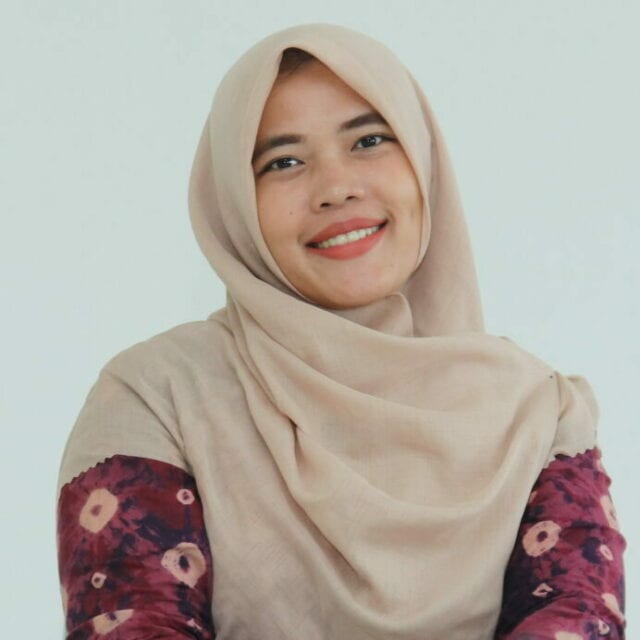
Duygu DURMUŞ serves as a full-time Lecturer in the Handicrafts Department at Kazım Karabekir Technical Sciences Vocational School , Kafkas University since 2021. Her academic foundation includes a Master's Degree in History from Kafkas University (2019) focusing on Urartian burial traditions, and a BA in Archaeology and Art History from Pamukkale University (2013). Education Background: MA, History, Kafkas University, Faculty of Arts and Sciences (2016-2019) BA, Archaeology and Art History, Pamukkale University, Faculty of Humanities and Social Sciences (2009-2013) Research Expertise: Dr. DURMUŞ specializes in Ancient History and Art History with concentrated research on the Urartian Kingdom, Bronze/Iron Age archaeology, and cultural heritage of the Aras Basin. Her methodological approach blends traditional field surveys with digital reconstruction techniques, particularly examining settlement patterns, burial mounds (kurgans), rock carvings, and ancient water systems. Recent work demonstrates increasing interdisciplinary integration of historical analysis, 3D modeling, and cultural studies. Publication Trends: Her 13 publications (2022-2025) reveal a consistent focus on Eastern Anatolian archaeology, with growing emphasis on Minuahinili culture, Urartian religious practices, and cultural route mapping. The works show methodological evolution from site-specific analyses toward regional synthesis and digital documentation, particularly evident in 2024-2025 outputs. Research Projects: As active researcher in four projects: Investigation of Defense Systems in Turkish-Russian Conflicts (2025-2027) Ancient Water Systems in the Middle Aras Basin (2025-2026) Urartian Surface Surveys in Ağrı-Iğdır (2019-2022) Her fieldwork directly informs publications on settlement models and kurgan traditions. Teaching & Professional Engagement: Instructs Atatürk's Principles across multiple faculties while presenting research at national conferences including the Aras Culture and Art Symposium (2022) and Çatalhöyük Scientific Congress (2025). Her scholarly impact is reflected in 18 citations and an h-index of 3.