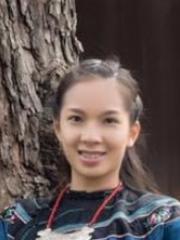
Nimalika Fernando is a Lecturer at Curtin University's School of Elec Eng, Comp and Math Sci. Her PhD research developed indoor route modeling and optimization systems for vision-impaired individuals. Her research focuses on assistive technologies, geospatial digital twins, and accessibility solutions using ontological modeling approaches. She coordinates Software Engineering programs and teaches database systems and software engineering fundamentals. Australian Government RTP Scholarship FOSS4G Asia Award for Open Source GIS Contribution Fernando collaborates with communities to implement technology solutions for accessibility challenges.
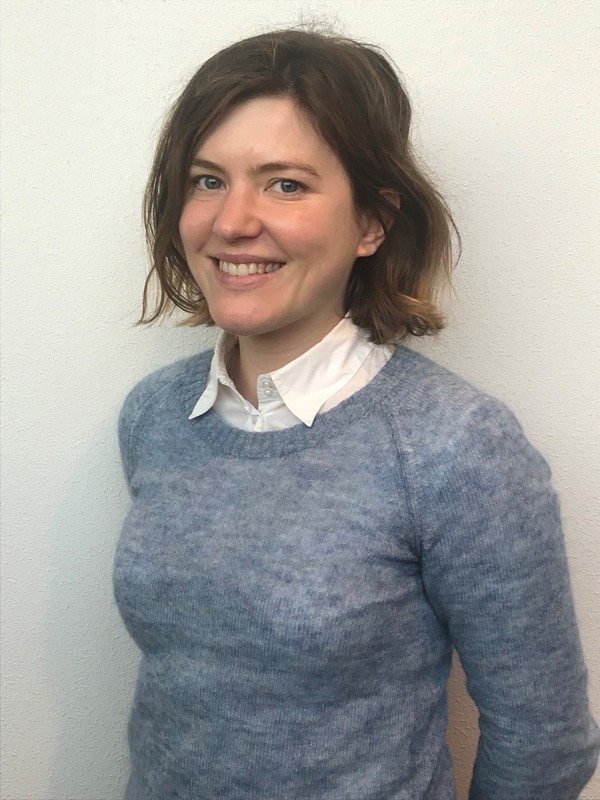
Wartini Ng is a Research Fellow at the School of Life and Environmental Sciences, University of Sydney. Her expertise lies in soil sensing, data analytics, and machine learning applications in environmental science. She holds a BS (cum laude) in Environmental Engineering from the University of California, Riverside, and a PhD in Soil Science from the University of Sydney. Her doctoral research focused on integrating novel data analytics and proximal sensing to analyze soil conditions, particularly using machine learning techniques like deep learning to enhance soil property predictions. Her research interests include soil security, spectral transfer functions for global soil property prediction, and the development of frameworks for soil policy and carbon sequestration. She is a member of the Sydney Institute of Agriculture and contributes to interdisciplinary projects such as spatial evaluation of soil carbon storage potential across Australia and optimizing fertiliser recommendations using mid-infrared spectroscopy. Ng has secured grants including the 2024 'An integrated schema for soil carbon stock estimation and crediting' funded by the National Soil Carbon Innovation Challenge. Her work emphasizes bridging technological advancements (e.g., spectroscopy) with environmental policy to address soil degradation and resource management challenges. She collaborates extensively with international teams, leveraging global datasets to improve soil assessment methodologies. Her lab and fieldwork focus on innovative solutions for soil monitoring, including the redesign of the Tea Bag Index methodology for citizen science in Australia and developing numerical soil classification systems. These efforts aim to democratize soil science while advancing sustainable land management practices.
Aamir Cheema is an Associate Professor and Director of Education at the Department of Software Systems & Cybersecurity at Monash University. He co-directs the Urban Computing Lab and has held significant roles such as proceedings chair for ICDE 2019 and DASFAA 2015. His research focuses on data management, cloud/edge computing, and sustainable urban systems, with projects addressing electric vehicle integration, spatiotemporal data analytics for road safety, and smart building technologies. Education: PhD in Computer Science & Engineering (UNSW, 2011), Master of Engineering (UNSW, 2007), Bachelor of Science in Electrical Engineering (University of Engineering and Technology Lahore, 2005). Research interests include urban computing applications for sustainable transportation, smart buildings, and digital twins. Notable projects involve using big spatiotemporal data to reduce emissions, bidirectional EV charging systems, and indoor data management for emergency evacuations. Recipient of major awards including the ARC Future Fellowship (2018) and Victorian Young Tall Poppy Science Award (2019). Active in academic service roles such as Associate Editor of IEEE TKDE and conference organization (ADC 2015-2016 co-chair). Current projects include Electric vehicles for residential energy optimization (2025-2027) GenAI-driven ICT education reform (2025) Blockchain for peer-to-peer energy trading (2024-2025) Spatiotemporal data-driven road safety improvements (2023-2026)
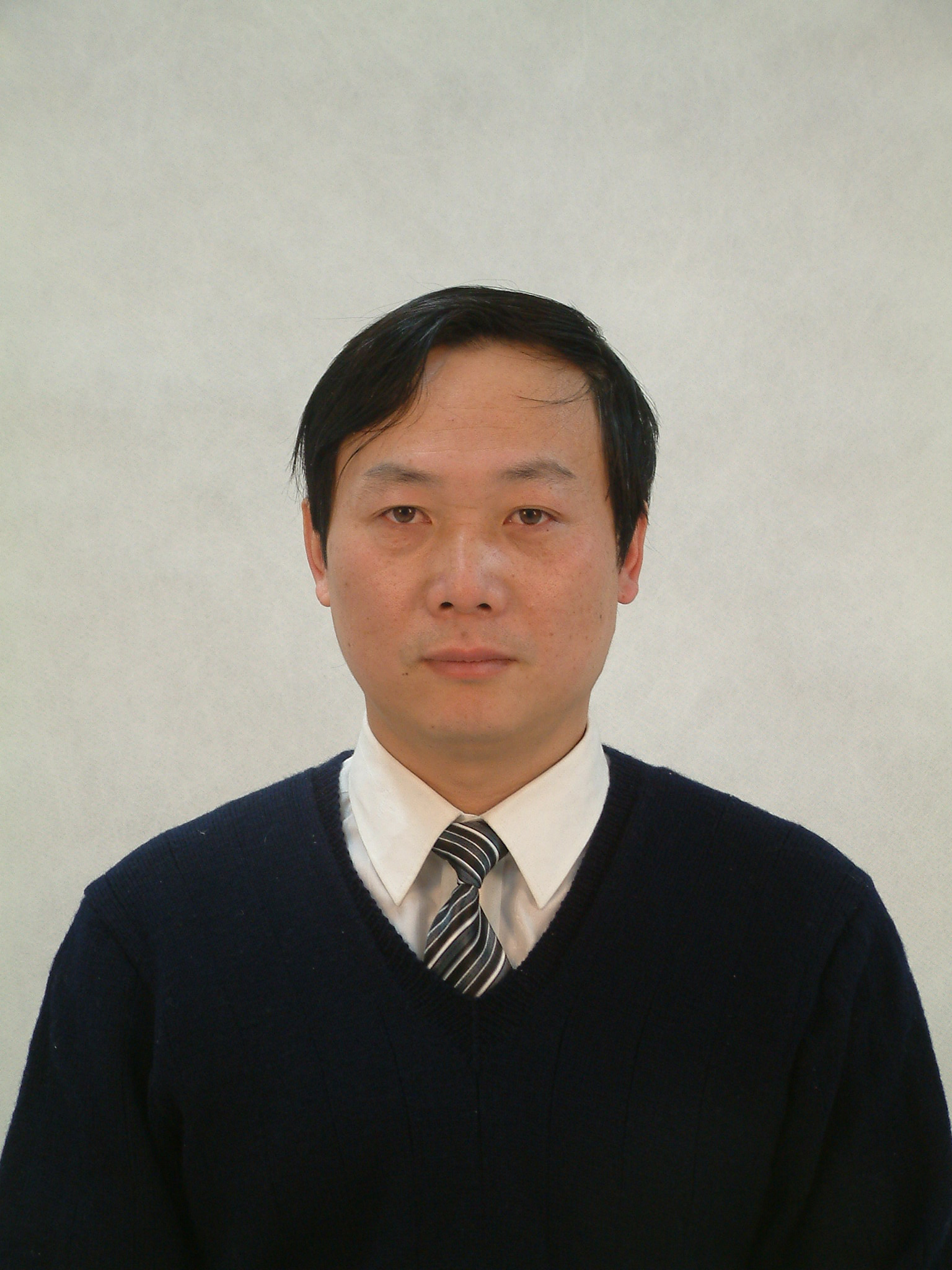
Assoc Prof John Wang is an Associate Professor at the School of Information and Communication Technology , Griffith University. His work spans Data Management and Analysis (graph, text, spatial-temporal data), Machine Learning , Knowledge Representation , and Algorithm Design . He has published extensively in top venues like ACM Transactions on Database Systems , IEEE Transactions on Knowledge and Data Engineering , and conferences including SIGMOD , VLDB , and ICDE . Appointments : Member of the Institute for Integrated and Intelligent Systems (2003–2024). Education : PhD in Computer Science (Griffith University, 2003). His research has led to real-world implementations in Graph Data Processing , including techniques for shortest distance queries and temporal reachability. He actively contributes to program committees of conferences like VLDB and ICDE , and his funded projects include "Developing Soil Knowledge..." (ACIAR, 2024–2029) and "Harnessing Social Media..." (QLD Inspector-General, 2020). Recent publications focus on Graph Indexing , Causality Detection , and Spatial-temporal Querying . Examples include optimizing road network queries (2023), 2-hop labeling for shortest paths (2021), and geospatial skyline algorithms (2020). Co-authored works appear in venues such as IEEE Transactions on Knowledge and Data Engineering and Neurocomputing . Consultancy : Delivered commercial research on pandemic-related data analytics (2020). Supervision : Mentored 15+ PhD/Master’s students, including projects on deep learning, data leakage prevention, and XML querying. Teaching : Directed programs like Graduate Certificate in Information Technology and Diploma of Information Technology .
Dr. Dan He is a Postdoctoral Research Fellow at the School of Civil Engineering within the Faculty of Engineering, Architecture and Information Technology at The University of Queensland (UQ) . Holding a PhD in Data Science (2020) from UQ and prior degrees from Peking University and University of Science and Technology Beijing, her research focuses on Spatial-temporal Data Management , Data Mining , and Intelligent Transportation Systems . PhD: Data Science, University of Queensland (2016–2020) MSc: Computer Science, Peking University (2012–2015) BSc: Information Security, University of Science and Technology Beijing (2008–2012) Her work develops High-Performance Query Processing frameworks for spatial-temporal databases, with applications in Traffic Prediction and Incident Detection . Articles span 2015–2025, emphasizing Graph Neural Networks , Reinforcement Learning , and kNN Query Optimization in traffic networks. Scientific contributions include: CORE ACSW Student Travel Award Best Student Paper Honorable Mention (2020) Best Presentation in DKE Workshop (2018) Research High Degree Scholarship (2016–2019) As co-supervisor for PhD candidates Zichun Zhu and Thanh Vo Tran , she integrates Spatial-Temporal Analytics with Continual Learning in transport systems. Lab collaborations with Dr. Boyu Ruan and Prof. Jiwon Kim advance real-time traffic monitoring solutions.
Dr. Marcus Michelangeli is a Lecturer in the School of Environment and Science at Griffith University (since August 2024), affiliated with the Australian Rivers Institute. He holds a PhD from Monash University (2017). His research focuses on wildlife adaptation to environmental change, particularly synthetic and psychoactive chemical pollution, behavioral ecotoxicology, and the role of behavioral individuality in ecological systems. He employs cutting-edge methods like animal tracking and AI-driven analysis to explore these themes. Research Themes: Behavioral Ecotoxicology: Investigates chemical contaminants' impacts on wildlife behavior and population/community dynamics. Behavioral Individuality: Studies mechanisms driving animal personalities, particularly under human-induced stressors like pollution and urbanization. Evidence Synthesis: Uses metascience to integrate ecological and ecotoxicological data for policy-relevant insights. He actively seeks Honours and PhD students for collaborative projects, emphasizing innovative tools and ethical practices. His supervision style includes weekly meetings, open communication, and support for professional development. He prioritizes inclusive, respectful research environments and transparent data management. Key Affiliations: Australian Rivers Institute (2024–present) Marie Skłodowska-Curie Fellow at the Swedish University of Agricultural Sciences (2023–2024) Postdoctoral Researcher at UC Davis (2018–2020) Laboratory and Group Focus: Builds a supportive research group emphasizing independence, grant applications, and interdisciplinary collaboration. Current work addresses pharmaceutical pollution’s impacts on migratory fish and community resilience.
Xinyu Li is a Research Fellow at the Department of Human Centred Computing, Monash University. Their work focuses on multimodal learning analytics, AI in education, and collaborative learning dynamics, contributing to UN Sustainable Development Goals through educational technology advancements. Key research areas include generative AI's impact on learning processes, self-regulated learning strategies, and spatial data analysis for educational systems. Over 27 peer-reviewed publications since 2021 demonstrate expertise in learning analytics, educational psychology, and computer science intersections. Recent studies examine metacognitive effects of AI tools, comparative analysis between ChatGPT and human experts in learning support, and temporal dynamics of collaborative learning through sensor data. Work also extends to spatial computing with road network query optimization and ethical challenges of large language models in education. Collaborations span global institutions, reflecting interdisciplinary reach in education technology. Publications have been widely disseminated via news outlets, social platforms, and academic networks, achieving significant readership on Mendeley. Research bridges technical innovations (e.g., FLoRA Engine, VizChat systems) with educational outcomes, emphasizing practical deployments and real-world impact through field trials and randomized controlled trials.
Dr Fanny Franchini is a Senior Research Fellow and Senior Data Scientist at the Cancer Health Services Research Unit, Melbourne School of Population and Global Health, University of Melbourne. She holds a PhD in Clinical Medicine from the University of Oxford, specializing in tumour micro-environment and immune regulatory networks in colorectal cancer. Her work bridges clinical medicine and data science to improve cancer care equity, precision medicine development, and policy-informing research. She utilizes clinical registries and population-based datasets to enhance treatment outcomes and reduce disease burden. Her research focuses on immune-related adverse events from immunotherapy, cost-effectiveness of genomic medicine, and deintensification strategies in oncology. She has pioneered the PRIMCAT models for predicting population health economic impacts of cancer treatments and led projects like AUSTRALI-AVE evaluating real-world treatment patterns. Fanny actively engages in public outreach to promote cancer awareness and teaches R/data science methods to foster research collaboration. Her work emphasizes actionable insights for healthcare policies, including analyses of travel distance impacts on palliative radiotherapy access and socioeconomic factors influencing Medicare costs. She collaborates with patient groups to advance consumer-led research and advocates for interdisciplinary approaches in healthcare delivery.
Dr. Shuronjit Kumar Sarker is a Postdoctoral Research Assistant in the School of Engineering at RMIT University, Australia. His research focuses on sustainable recovery of critical minerals, hydrometallurgical processes, and environmental engineering solutions. Key projects include neodymium recovery from permanent magnets, biological flue-gas desulfurization, and valorization of mine tailings. His work spans interdisciplinary areas such as rare earth element extraction, nano/microplastic removal from wastewater, and geospatial analysis of tailing storage facilities. He has contributed to over 10 peer-reviewed articles, emphasizing sustainable resource recovery and environmental technologies. Supervision projects include hydrometallurgical routes for rare earth recovery and eco-friendly flue-gas treatment. His research addresses global challenges in resource efficiency and environmental protection through innovative metallurgical and chemical engineering approaches.
Matt Duckham is a Professor in Geospatial Sciences and Director of the Information in Society Enabling Impact Platform at RMIT University. He has held previous academic roles at the University of Melbourne as an Australian Research Council Future Fellow and at the University of Maine's National Center for Geographic Information and Analysis. His work bridges theoretical and applied GIScience, with a focus on AI integration and spatial knowledge infrastructure. Academic Leadership: Director, Information in Society EIP (2021–present); Acting Dean, STEMM Diversity and Inclusion (2020–2021) Research Themes: Geospatial AI, Qualitative Spatial Reasoning, Decentralized Geosensor Networks, Spatial Data Trusts Recent Publications demonstrate his commitment to advancing spatial computing through machine learning integration and explainable AI frameworks. His teaching resources include open-access textbook materials and practical exercises spanning relational spatial databases and data visualization. Professional Contributions include co-founding the Journal of Spatial Information Science and developing open educational resources under a Creative Commons Attribution license. His work addresses critical issues in data ethics , urban resilience , and emergency response systems .
Dr Jane Brennan is an Adjunct Fellow at the School of Civil and Environmental Engineering , University of Technology Sydney (UTS). She holds a PhD in Computer Science and Engineering (Artificial Intelligence/Information Systems) from the University of New South Wales (2009) and has over two decades of experience in Environmental Information Systems and Geographic Information Systems (GIS) . Her academic journey began with a Bachelor’s degree in Computer Science (with a sub-major in Business Administration) from the University of Technology Chemnitz-Zwickau (1995), including a year at the University of Kent and research at the University of Hamburg. She worked at CCH Australia Ltd (1995–1997) before joining UNSW (1997–2003) and UTS (2004–present). Research Interests : Focus on spatial analysis of natural/human phenomena like water runoff and land use , with applications to soil erosion hazards , climate change adaptation , and man-land relationships via information systems. Teaching : Taught Information Systems at UTS (e.g., GIS, Environmental Engineering) and Computer Science at UNSW (Programming, AI). The 15 most recent publications span soil erosion mapping , climate change impacts on agriculture , and GIS for sustainable land management , with notable work on spatiotemporal analysis and geo-informatics frameworks . Grants : Includes funding for visualizing environmental data (2018), sustainable construction materials (2013–2014), and climate adaptation strategies (2011–2012). She currently does not supervise new students.
Professor Jiankun Hu is an IEEE Fellow and full professor of Cyber Security at the School of Engineering and Information Technology, University of New South Wales at the Australian Defence Force Academy (UNSW@ADFA), Australia. His primary research focuses on computer networking and security, particularly biometric security and cybersecurity applications. Professor Hu earned his Bachelor's degree in industrial automation in 1983 from Hunan University, China, followed by a PhD in engineering in 1993 from Harbin Institute of Technology, China. He completed a Master's degree in computer science and software engineering from Monash University, Australia in 2000. His postdoctoral work includes research at Harbin Shipbuilding College (1995), Ruhr University in Germany as an Alexander von Humboldt Foundation fellow (1995-1997), and Delft University of Technology in the Netherlands (1997). His research spans multiple domains including cybersecurity, biometrics, image processing, and artificial intelligence. Key areas include intrusion detection systems, applied cryptography, network security, biometrics security, image and video processing, and machine learning applications. He has made significant contributions to fingerprint recognition systems, privacy-preserving biometric authentication, and cybersecurity for smart grids. Professor Hu's recent publications demonstrate a strong focus on privacy-preserving technologies for biometric systems, blockchain security, smart grid protection, and advanced machine learning applications for cybersecurity. His work bridges theoretical advances with practical implementations in real-world systems, particularly in securing critical infrastructure and developing robust biometric authentication methods. He has received significant recognition including IEEE Fellow status and has been awarded ten Australian Research Council Grants. He has served in editorial roles for prestigious journals including IEEE TIFS (as Senior Area Editor), Journal of Security and Communication Networks, KSII TIIS, IET CPS, and IEEE OJCS. Professor Hu has held leadership positions in major conferences, serving as Security Symposium Co-Chair for IEEE GLOBECOM '08 and IEEE ICC '09, and Program Co-Chair of the 2008 International Symposium on Computer Science and its Applications. He maintains an active research program with numerous publications across top-tier venues.
Dr. Changbeom Shim is a Research Fellow at Curtin University, affiliated with the School of Electrical Engineering, Computing and Mathematical Sciences under the Faculty of Science and Engineering. His role involves advancing research in multi-object tracking, signal processing, and data analysis. He holds an email address at Curtin University and maintains an active Google Scholar profile and personal website. Shim's research focuses on developing advanced algorithms for multi-object tracking using labeled random finite sets (LRFS), with applications in computer vision, bioinformatics, and geospatial systems. Key areas include trajectory estimation, sensor fusion, and scalable computational methods. His work bridges theoretical frameworks with practical tools like CellTrackVis for biological data visualization and SkyFlow for time-series analysis. His publications from 2017 to 2025 reflect a progression from foundational spatial queries in social networks to cutting-edge multi-sensor object tracking and autonomous systems. The 2024 paper on LRFS overviews highlights his leadership in this field. His research emphasizes efficiency, scalability, and cross-disciplinary applications, with contributions to both algorithmic theory and user-facing tools. Shim collaborates across disciplines, addressing challenges in sensor networks, autonomous robotics, and biological cell tracking. His work often integrates statistical methods with computational techniques, yielding innovations in filtering, visualization, and data exploration. Current trends in his publications emphasize multi-scan/multi-sensor systems and real-world applications like geotechnical property estimation and audio-visual source separation.
Dr. Jasmine Jaffres is an Adjunct Professor at James Cook University and a full-time Principal Environmental Data Analyst at C&R Consulting in Townsville. She specializes in hydroclimatology , with a focus on extreme weather events (tropical cyclones, floods, bushfires) and catchment-scale environmental processes . Collaborations with CSIRO , Bureau of Meteorology , and universities like University of Tasmania Expertise in big data management , MATLAB programming , non-parametric statistics , and geospatial visualization (QGIS, ArcGIS) Co-supervised PhD research at Central Queensland University and informally mentored candidates at James Cook University Her recent publications address hazard quantification , climate data infrastructure , and environmental disease associations , reflecting a multidisciplinary approach to natural hazard mitigation and climate resilience .
Nicky Wright is a Research Fellow in the School of Geosciences at the University of Sydney and a member of the EarthByte Group. She holds an ARC Early Career Industry Fellowship and was a 2023–2024 Superstar of STEM. Her research focuses on marine geoscience, palaeoclimate, and paleogeography reconstruction, with expertise in plate tectonics and ocean basin evolution. Wright completed her PhD at the University of Sydney (2018) and was a postdoctoral fellow at the Australian National University (2018–2021). Education: PhD in Geosciences, University of Sydney, 2018 Postdoctoral Research, Australian National University, 2018–2021 (ARC Centre of Excellence for Climate Extremes) Research Interests: Nicky’s work integrates computational geoscience with field data to address questions about Earth’s tectonic history and climate dynamics. Key areas include reconstructing ancient topography, analyzing subduction zone processes, and modeling ocean basin evolution. Her projects often involve open-source tools like pyGPlates and GPlately for spatio-temporal data analysis. Publications: Her recent work includes studies on Australian drought variability, kimberlite eruption mechanisms, and the application of computational tools for plate tectonic reconstructions. These contributions highlight her interdisciplinary approach to geoscience challenges. Awards & Grants: ARC Early Career Industry Fellowship (2024): 'Hunting high and low: mapping ancient topography to find copper' Superstar of STEM (2023–2024) Advising & Collaboration: Wright leads projects such as the STELLAR initiative with BHP, focusing on resource exploration through spatio-temporal data analysis. She collaborates widely within EarthByte and international groups, contributing to global paleogeographic datasets and climate modeling efforts. Labs/Teams: EarthByte Group (University of Sydney), part of the Net Zero Institute. Active member of the GPlates community and contributor to open-source geoscience software.