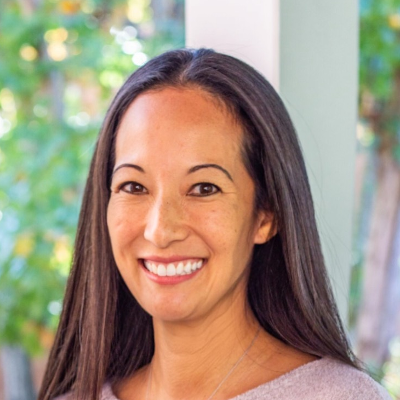
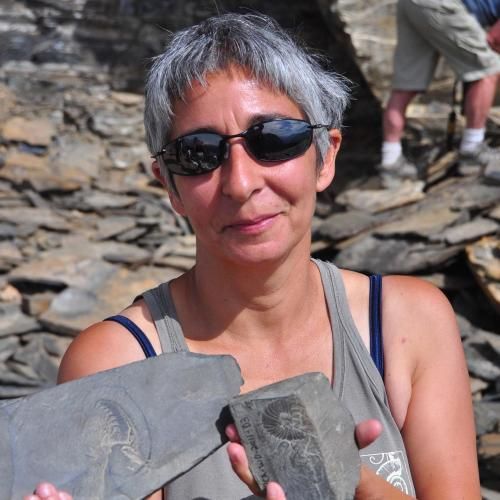
Ava Fujimoto-Strait is an Instructor and Lab Coordinator in the Department of Environmental and Geosciences at Sam Houston State University (SHSU), part of the College of Science & Engineering Technology. She holds a B.S. in Geography from the University of Maryland, Baltimore County and an M.A. in Geography (Biogeography emphasis) from the University of Georgia. Her research focuses on biogeography, climatology, and human-environment interactions, with special interests in forest-soil dynamics and island ecosystems. She teaches courses including Weather & Climate, Environmental Geography, and a Hawaii Field Course. Dr. Fujimoto-Strait has over 20 years of teaching experience across multiple institutions, including online courses for Lone Star College and Louisiana Delta Community College. She emphasizes experiential learning and enjoys large lecture courses, particularly Weather & Climate. Beyond academia, she is an avid runner and recently began rock climbing. No specific scientific awards or grants are mentioned in the profile. Her professional activities include field course coordination and geographic education outreach.
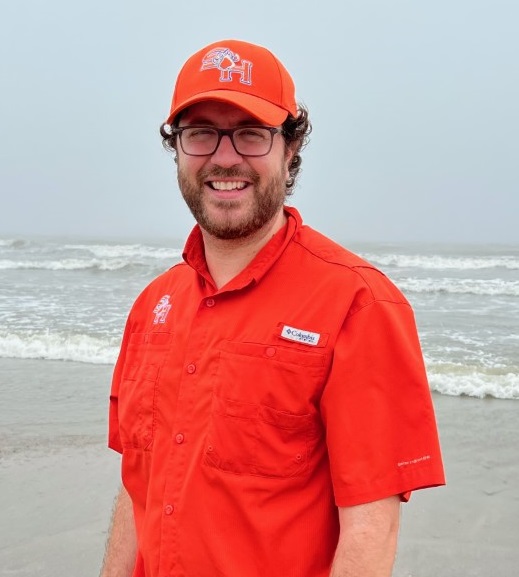
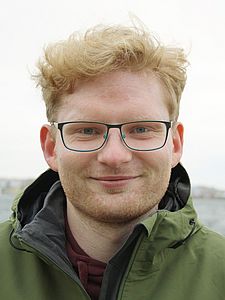
Ross Guida is an Associate Professor and Environmental Science Lead Advisor in the Department of Environmental and Geosciences at Sam Houston State University (SHSU). His work focuses on flood modeling, sustainable floodplain management, climate impacts on biogeography, fluvial processes, and geoscience education. He actively collaborates with high school and community college educators to strengthen STEM pathways and geoscience recruitment. Guida's research integrates physical geography, GIS, and environmental modeling to address climate change, river dynamics, and flood resilience. Notable projects include floodplain reconnection studies in Texas rivers, climate modeling for Mojave Desert ecosystems, and analysis of human impacts on Mississippi River hydrology. He teaches courses in physical geography, sustainability, hydrology, and geomorphology. He leads efforts to enhance geoscience education through teacher professional development programs and summer initiatives targeting underrepresented students. Current projects include hydrologic modeling in the San Jacinto River Basin and research at SHSU's Pineywoods Environmental Research Lab. His work emphasizes bridging academic research with practical applications for community resilience. Guida holds degrees from the University of Wisconsin-Madison and the University of Nevada, Las Vegas, with graduate work at the University of Illinois. He has advised numerous high school and undergraduate research projects and is committed to expanding geoscience education access in southeast Texas.
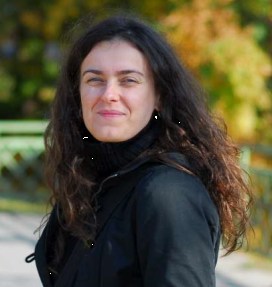
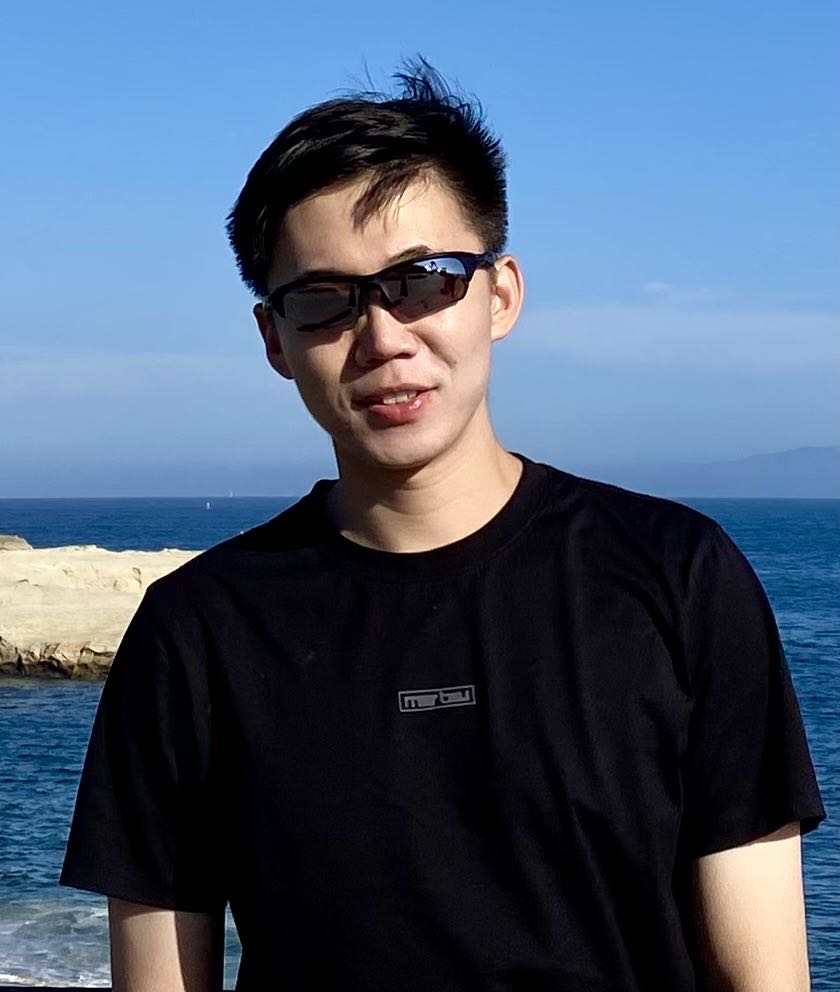
Charlotte Findlay is an Assistant Professor at Heriot-Watt University, affiliated with the School of Energy, Geoscience, Infrastructure and Society and the Institute for Life and Earth Sciences. Her research focuses on marine ecology and conservation, particularly the impacts of human-made underwater noise on marine mammals such as seals and porpoises. Her work lies at the intersection of marine ecology, underwater acoustics, and marine management, aiming to develop practical, evidence-based solutions for conservation. Key research themes include anthropogenic noise pollution , vessel traffic impacts , acoustic deterrent devices in aquaculture , and marine spatial planning . She employs advanced methods in spatial data analysis, programming, and passive acoustic monitoring. The recent publications (2023–2024) reveal a strong trend toward policy-relevant science, with studies published in Science Advances and Biological Conservation directly informing noise mitigation strategies, shipping regulations, and marine conservation planning. Her research has significant implications for sustainable development, especially SDG 14 (Life Below Water). Marie Skłodowska-Curie Actions Seal of Excellence (2022) RAIN Fellowship (2023) The Deans’ List of Academic Excellence (2016) The Graham Kerr Memorial Prize (2015) Dr. Findlay actively collaborates with international institutions such as Aarhus University and Danish Centre for Environment and Energy, and her work is supported by competitive fellowships and research grants. She contributes to commissioned reports for environmental agencies, bridging science and policy. She is involved in large-scale research networks and has a growing impact in marine conservation science. She is a key contributor to projects involving underwater soundscape modeling, vessel noise reduction, and marine mammal behavior studies. Her affiliations with research consortia and environmental protection agencies highlight her role in shaping marine noise policy and conservation strategy.
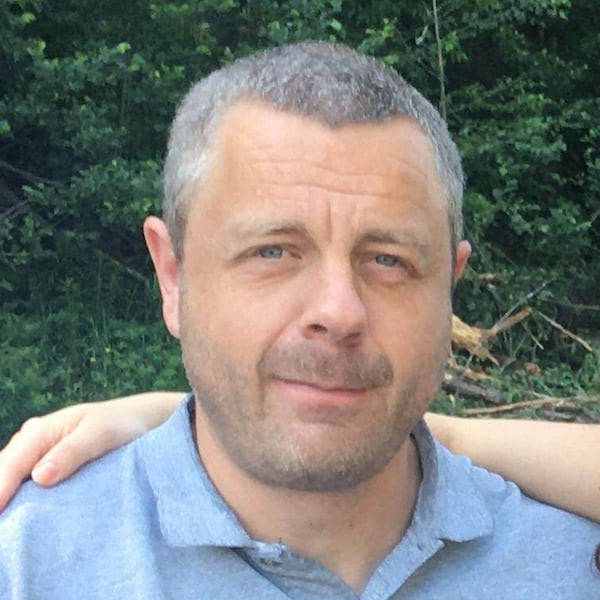
Benjamin E. Barrowes is an Adjunct Associate Professor of Engineering at Dartmouth College and a Research Physicist at the U.S. Army ERDC Cold Regions Research and Engineering Laboratory (CRREL). He holds a PhD in Electrical Engineering from MIT (2004), preceded by BS and MS degrees from Brigham Young University (1999). His research focuses on electromagnetic wave theory and modeling, with applications in subsurface detection (UXO/IEDs), fusion energy, and interdisciplinary studies linking technology to political science. Key areas include electromagnetic induction methods, fast solver algorithms for 3D simulations, and neuronal modeling techniques. Barrowes has authored/co-authored over 150 publications, including foundational work on spheroidal wave functions, sparse matrix methods, and dense medium scattering. His recent work explores secure digital information systems ('Information Banks') and landmine detection technologies. Awards: NSF Graduate Fellowship, Director's Postdoc (Los Alamos), Army Corps of Engineers Innovator of the Year Patents: 'High Frequency Electromagnetic Induction' (20170097439) His interdisciplinary approach bridges engineering, physics, and policy, with practical applications in defense, energy, and global security.
Dr Ivana Ivanova is a Senior Lecturer in Spatial Sciences and FrontierSI Research Fellow at Curtin University's School of Earth and Planetary Sciences (EPS), part of the Faculty of Science and Engineering. She also serves in the Office of the Provost and conducts research in Spatial Data Quality, Metadata Provenance, and Spatial Information Infrastructures. Her work spans standardization bodies like ISO/TC211, OGC, and Standards Australia, where she co-chairs key working groups on Data Quality and Geospatial Standards. Education includes engineering and doctoral degrees from the Slovak University of Technology (Bratislava), with academic roles spanning Slovakia, the Netherlands, Brazil, and Australia. Her research emphasizes FAIR data principles, geospatial interoperability, and environmental monitoring applications. Recent work includes enhancing satellite-derived land surface temperature analysis and global data quality guidelines. Key contributions include co-convening ISO 19157 standards on geographic information quality and leadership in international geospatial communities (OGC, RDA, ESIP). She actively contributes to Open Geospatial initiatives and capacity-building for SDG indicator analysis.
Dr. Paul Johnston is an Adjunct Research Fellow at Curtin University's School of Earth and Planetary Sciences, within the Faculty of Science and Engineering. His research focuses on geophysics, glaciology, and environmental science, with expertise in postglacial rebound modeling, sea-level changes, and geodetic techniques. He has conducted extensive studies on the impacts of glacial loads on Earth's crust and mantle dynamics, contributing to understanding historical ice volumes and tectonic responses. Dr. Johnston's work integrates advanced computational methods with geospatial data analysis, particularly using InSAR technology for deformation monitoring. His research also spans wildfire modeling, veterinary epidemiology, and paleoenvironmental reconstruction, reflecting interdisciplinary collaborations in Earth and planetary sciences. He has authored over 30 peer-reviewed publications since 1990, addressing topics ranging from climate-driven land movements to glacial chronology. His articles consistently explore interactions between Earth systems, such as the effects of deglaciation on seismic activity or the application of multiscale modeling for ecological disturbances. While no specific awards or grants are listed in the provided text, his contributions to geophysical and climatic research have been widely cited in fields like Quaternary science and geodynamics.
Andrea Aquino is a postdoctoral researcher and academic in the Department of Geosciences at the University of Tübingen, Germany, affiliated with the Faculty of Science and the Terrestrial Sedimentology Workgroup. She holds a dual expertise in geology and forest science, bridging sedimentology, mineralogy, and ecological systems. Her academic work spans teaching, research, and cultural heritage conservation, with a growing focus on the interplay between geology and vegetation. University: University of Tübingen School: Faculty of Science Department: Department of Geosciences Research Group: Terrestrial Sedimentology Email: andrea.aquino@uni-tuebingen.de Dr. Aquino earned her PhD in geology focusing on stone decay in historical buildings, and later completed a Master's in Forest Science from the University of Padova with top honors (110/110). Her educational path reflects a deep commitment to interdisciplinary science, combining earth sciences with ecological and conservation applications. PhD in Geology – Focus: decay of natural and artificial stones in cultural heritage Master of Science in Forest Science – University of Padova (110/110) Background in mineralogy, petrology, and sedimentology Her research interests are highly interdisciplinary, centered on Vegetation Geology —a novel framework she is developing that places geology at the core of ecological interpretation. She investigates how geological substrates influence forest vegetation, soil moisture, and ecosystem resilience. She also continues active research in sedimentology, focusing on loess, soil micromorphology, and the mineralogical analysis of building stones. Her methodological toolkit includes XRD, XRF, SEM, micromorphology, and remote sensing (e.g., satellite-derived vegetation and water indices). The 15 most recent publications reflect a strong trend in cultural heritage conservation , ore and building stone mineralogy , and sedimentary processes . A significant portion of her work applies analytical techniques to historical materials, assessing durability, decay mechanisms, and conservation strategies. There is also a clear thread in interdisciplinary methodologies , including 3D modelling, image analysis, and mobile applications for on-site heritage assessment. While her earlier work focused on geochemical and petrographic analysis, her recent trajectory shows an expansion into ecological integration and digital tools. Andrea Aquino has not received any publicly listed scientific awards in the provided text. She is actively involved in academic mentoring and teaching, though no formal students are listed. She teaches courses in sedimentology, stratigraphy, rock identification, and the geology of building stones, and leads field excursions to Mainz and the Black Forest. She is also engaged in research grants and collaborative projects related to cultural heritage and environmental geology, though specific grant names are not mentioned. Her work often involves multi-institutional collaborations, particularly with Italian research groups. She is a key member of the Terrestrial Sedimentology Workgroup at the University of Tübingen’s Geo- and Environmental Research Centre (GUZ). This team focuses on sediment dynamics, loess studies, and applied geology. Her lab work integrates mineralogical and geochemical analyses with conservation science, and she collaborates on digital heritage projects involving 3D modelling and image analysis. Her evolving research integrates field teams for vegetation-geology studies and remote sensing applications in forest ecosystems.
University of Natural Resources and Life Sciences ViennaAustria
Dr. Alexander Pressl is a researcher at the Institute of Sanitary Engineering and Water Pollution Control , part of the University of Natural Resources and Life Sciences, Vienna (BOKU) . His work focuses on water quality monitoring , constructed wetlands for wastewater treatment , and climate change adaptation in hydrological systems . He has developed autonomous monitoring technologies and contributed to uncertainty assessment frameworks for environmental modeling. Research Themes Climate change impacts on river catchments Nitrogen removal in engineered wetlands Real-time pollution load quantification Cost-effective sanitation system planning Key Collaborations Worked with EGU (European Geosciences Union) and CCCA (Climate Change Centre Austria) Collaborated on international projects in India, Spain, and China Technological Contributions Developed GUESS sensitivity analysis framework Evaluated distributed temperature sensing for leakage detection Optimized two-stage vertical flow wetland designs
María de la Esperanza Fernández Martínez serves as Associate Professor in the Department of Geography and Geology at the University of León's Faculty of Philosophy and Letters. Her research integrates Palaeontology, Geoheritage Management, and Geological Education with focus on Quaternary megafauna, fossil taphonomy, and geotourism development in northern Spain. As leader of the Q-GEO research group (Environmental Geology, Quaternary and Geodiversity), she directs field studies across Leon province and the Picos de Europa National Park. Her educational foundation includes a 1993 PhD from the University of Oviedo, where she investigated Devonian tabulate and chaetetid corals in the Cantabrian Mountains under Dr. Francisco Soto Fernández. This early work established her expertise in fossil identification and paleoenvironmental reconstruction, later expanding into Holocene extinction dynamics and geoconservation strategies. Fernández Martínez's research demonstrates three convergent trajectories: (1) Quantitative analysis of body-size decline in Cantabrian megafauna (Brown Bear, Chamois, Wild Horse) across the Holocene; (2) Taphonomic resolution of pseudofossils (e.g., 'trompe l'oeil' structures in Silurian quartzites); and (3) Applied geotourism frameworks for heritage management. Her publications reveal increasing interdisciplinary integration since 2020, connecting paleontological data with climate science, conservation policy, and public engagement. Her 15 most recent publications indicate strong emphasis on practical conservation tools, including geosite vulnerability assessments (Luna Valley, Picos de Europa), educational methodologies (Biometac outdoor biology projects), and medical applications of geological techniques (teleconsultation diagnostics). The anomaly of the 2024 medical article suggests emerging cross-disciplinary collaborations beyond earth sciences. No scientific awards were documented in available sources She actively supervises academic theses and develops educational initiatives like 'Fósiles Urbanos de León' (ongoing since 2011) and service-learning projects in rural communities. While specific grant details weren't provided, her leadership in the Q-GEO group indicates sustained research funding for geoheritage projects. Her work bridges academic research with public outreach through geological guides for Biosphere Reserves and field-based community engagement. Fernández Martínez maintains close collaboration with the Q-GEO research team at the University of León, focusing on environmental geology applications in the Cantabrian Mountains. Current projects include Holocene megafauna database development, Silurian pseudofossil verification protocols, and geotourism infrastructure planning for protected areas in northwest Spain.
Nils Hoffmann is a researcher at Bielefeld University's Faculty of Technology, affiliated with the Institute of Bio- and Geosciences (IBG-5) Computational Metagenomics group and the Institute for Bioinformatics Infrastructure (BIBI). His work bridges computational biology and infrastructure development in metagenomics research. Research Interests: Computational Metagenomics Bioinformatics Infrastructure Systems Biology Computational Life Sciences Data Science for Biological Systems Contact: Email: n.hoffmann@fz-juelich.de Phone: +49 521 106-86780 Office: UHG M3-125
Malte Juerchott is a researcher at GEOMAR - Helmholtz Centre for Ocean Research Kiel , affiliated with the Department of Marine Biogeochemistry since 2024. His work focuses on carbon dioxide removal (CDR) strategies, particularly artificial upwelling and its impact on ocean carbon cycles. He is involved in the CDRmare: Test ArtUp project, aiming to assess marine climate intervention techniques using Earth system models. Education: B.Sc. in Geosciences (2014–2018, Christian-Albrechts-Universität zu Kiel) M.Sc. in Geosciences (2018–2021, CAU Kiel) Doctorate (2021–2024, CAU Kiel / GEOMAR) Research Interests revolve around marine biogeochemical processes, climate change mitigation via ocean-based geoengineering, and modeling the long-term effects of artificial upwelling. His work bridges computational simulations with real-world feasibility for carbon sequestration in Germany's marine environment. Publications highlight his expertise in assessing CDR technologies like Stommel-Pipe systems and combined iron fertilization methods. Key trends include quantifying CO2 uptake efficiency, evaluating environmental trade-offs, and refining marine geoengineering narratives through interdisciplinary models. Labs & Teams: Collaborates with the Biogeochemical Modeling group and contributes to the CDRmare consortium, focusing on scalable marine carbon removal solutions.
Christian Deusner is a Scientist in the Research Division of Marine Biogeochemistry at GEOMAR Helmholtz Center for Ocean Research Kiel, affiliated with the Research Unit Marine Geosystems. He has been active in this role since 2009, following postdoctoral work at the Max Planck Institute for Marine Microbiology and a PhD at the UFZ Centre for Environmental Research. PhD, Environmental Microbiology, UFZ Centre for Environmental Research Leipzig-Halle (1999–2003) Postdoc, Biogeochemistry and Microbiology, Max Planck Institute for Marine Microbiology (2004–2010) Scientist, Marine Biogeochemistry, GEOMAR (2009–present) His research centers on the experimental and numerical simulation of biogeochemical and geomechanical processes in marine sediments, especially under high-pressure conditions. Key interests include gas hydrate systems, thermo-hydro-chemo-mechanical (THCM) couplings, microbial metabolism under anoxia, and diagenetic processes. His work integrates laboratory experiments with field data and modeling to understand sediment behavior relevant to energy resources and carbon storage. His recent publications (2019–2025) reflect a strong focus on gas hydrate dynamics, particularly CH4-CO2 exchange for methane recovery and CO2 sequestration, mechanical properties of hydrate-bearing sediments, and monitoring techniques for carbon storage sites. The studies employ experimental setups, numerical modeling, and field data from regions like the Black Sea and Baltic Sea, demonstrating interdisciplinary approaches across geochemistry, geomechanics, and environmental engineering. Christian Deusner has contributed to numerous scientific projects and collaborative initiatives, including SUGAR and STEMM-CCS, and has presented at major international conferences. He co-holds a patent on deep-sea sediment stabilization and has developed advanced high-pressure experimental systems for hydrate research. He has supervised or collaborated on multiple research efforts, particularly through joint publications and project reports, though no formal advisees are listed. His work has significant implications for offshore carbon storage, methane hydrate exploitation, and understanding marine biogeochemical cycles.
Dr. Luis A. Parra Avila serves as Senior Research Officer (Industry Support Microscopist/Analyst) at the Centre for Microscopy, Characterisation & Analysis (CMCA) at The University of Western Australia, a position he assumed in 2022. His role focuses on providing microscopy and analytical expertise to industry clients and researchers in geosciences, managing industry-linked projects, and developing national microscopy networks. His academic journey includes a PhD in Geology from UWA (2016), where his research examined the crustal tectonic history of the West African Craton across Burkina Faso, Ghana, and neighboring countries. Prior to this, he earned an MSc from Southern Illinois University-Carbondale (2010) studying Mississippi Valley-type deposits in Missouri, and a BSc from the University of Central Missouri (2007). Dr. Parra Avila's research centers on tectonic evolution , crustal dynamics , and mineral deposit formation , with specialized expertise in zircon geochronology and geochemical fingerprinting. His work integrates field studies with advanced analytical techniques to unravel crustal histories from the Paleoproterozoic to Mesozoic eras, particularly in cratonic regions and accretionary orogens. Current projects investigate Northern Thailand's geologic history and industry-focused microscopy applications. His recent publications (2020-2023) reveal strong thematic continuity in porphyry copper systems, cratonic evolution, and geochronological reference materials, spanning West Africa, Southeast Asia, and Australia. These studies consistently apply high-precision dating techniques to address mineral exploration challenges and fundamental crustal evolution questions. He received the David Groves Prize for Postgraduate Research in Geoscience in 2014. Dr. Parra Avila actively manages industry collaborations through eight research projects, including current initiatives with BHP Billiton (geochronological constraints in Kalgoorlie), IGO Limited (sulfur isotope characterization), and the Department of Industry, Science and Resources (aquatic technologies). His CMCA role specifically targets developing microscopy-related projects for geoscience industry applications. As a core member of UWA's Centre for Microscopy, Characterisation & Analysis, he contributes to one of Australia's premier microscopy facilities under the Microscopy Australia national network, specializing in industry-facing analytical support and training.
Chuanming Liu is a Distinguished Postdoctoral Fellow at the Jackson School of Geosciences and a postdoctoral researcher at the University of Texas Institute for Geophysics (UTIG). He specializes in seismic imaging and inversion techniques to study Earth's subsurface dynamics, particularly focusing on seismic anisotropy and its connections to tectonic processes. His work integrates global seismic datasets and novel imaging tools to construct 3D models of regions like Alaska, the Aleutian subduction zone, and the Juan de Fuca-Gorda plates, revealing insights into tectonic mechanisms. Education: Ph.D., Geophysics, University of Colorado Boulder M.S., Geophysics, University of Science and Technology of China B.S., Geophysics, China University of Geosciences Research interests include seismic anisotropy, subduction zone dynamics, crustal deformation, and Antarctica geophysics. His studies emphasize advanced seismic techniques like ambient noise interferometry and surface wave analysis. Current projects explore anisotropy-geodynamic linkages across diverse settings such as strike-slip systems and ice flow regions. Publications reflect a focus on regional tectonics and seismic structure characterization, with notable contributions to Alaska-Aleutian and Cascadia subduction systems. His work bridges observational seismology with geodynamic modeling to understand lithospheric processes. Liu collaborates actively with UTIG facilities and contributes to collaborative projects in tectonic imaging. His research is supported by UT Austin infrastructure and partnerships with institutions like the Bureau of Economic Geology and Earth and Planetary Sciences Department.