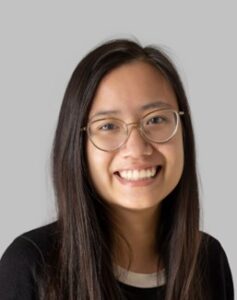
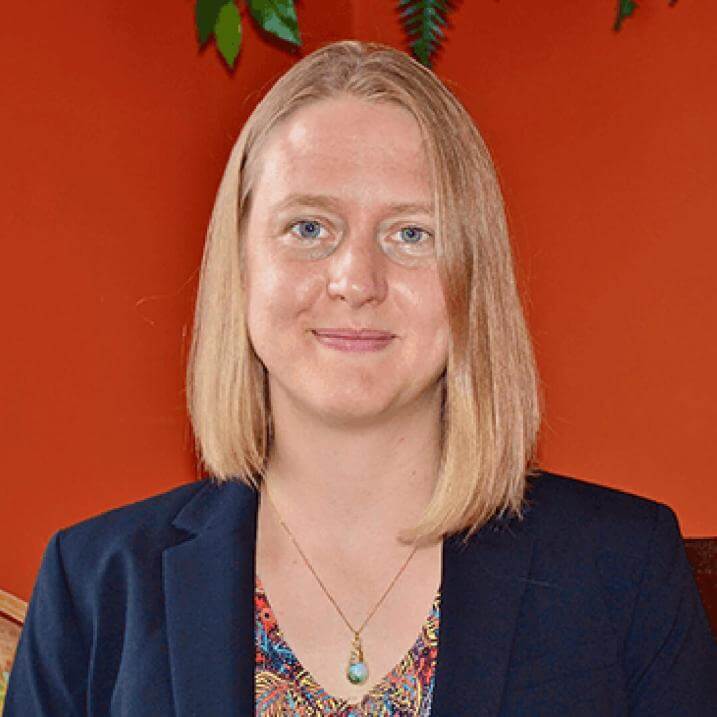
Dr. Olle Järv is an Academy Research Fellow at the University of Helsinki's Department of Geosciences and Geography. As Docent in Human Geography and holder of a joint PhD from University of Tartu and Ghent University, his research focuses on leveraging big data sources like mobile phone records and social media for analyzing human mobility patterns across European cross-border regions. Key research areas: Spatial segregation, urban diversity, transnationalism, and pandemic-induced mobility changes Current projects: BORDERSPACE (2020-2025) – Mapping transnational spaces through mobility data MOBI-TWIN (2023-2026) – Regional mobility patterns in twin transitions WinWin4WorkLife (2024-2027) – Sustainable cross-border remote work His methodological innovations include developing tools for analyzing social media data and mobile phone records to study urban dynamics. Recent recognitions include the 2024 Research Council of Finland Award and 2021 Best Paper Award from Journal of Location Based Services.
Annie S. Adamian serves as an Associate Professor in the School of Education at California State University, Chico since 2016, with her office located in THMA 437. Her contact details include phone (530-898-4154) and email (aadamian@csuchico.edu). Her academic credentials feature: Ed.D. in International & Multicultural Education (Human Rights Education emphasis), University of San Francisco, 2016 M.A. in Curriculum & Instruction, California State University, Chico, 2010 Single Subject Teaching Credential, California State University, Chico, 2001 B.S. in Geosciences (Science Education concentration), California State University, Chico, 2000 A.A. & A.S. in General Education, Pasadena City College, 1997 Dr. Adamian's research interrogates race evasiveness through the lens of educational equity, examining how teacher/student agency and healing-centered practices can transform relationships and outcomes for oppressed communities. Her work integrates critical race theory with human rights frameworks to challenge systemic inequities across educational settings. Recent publications (2021-2024) reveal consistent focus on dismantling racial hierarchies in diverse contexts—from science classrooms to cafeteria dynamics—with recurring themes of community building, whiteness deconstruction, and participatory action research methodologies. Her scholarship bridges theoretical rigor with practical classroom applications for racial justice.
Tiancheng Zhao is a principal researcher at the Binjiang Institute of Zhejiang University and founder of the Om Artificial Intelligence Laboratory (Om AI Lab), dedicated to frontier open multimodal AGI research for building next-generation agents that transform work and life through advanced human-machine interaction. His academic credentials include: Ph.D. in Computer Science from Carnegie Mellon University (2016-2019) under Prof. Maxine Eskenazi, Prof. Louis-Philippe Morency, Prof. William W. Cohen, and Dr. Dilek Hakkani-Tur, with pioneering dissertation “Learning to Converse With Latent Actions” in end-to-end generative conversational models M.S. in Computer Science from Carnegie Mellon University (2014-2016) B.S. in Electrical Engineering from UCLA (2010-2014) with Summa Cum Laude, focusing on speech signal processing under Prof. Abeer Alwan Dr. Zhao’s research centers on multimodal foundation models and agents, tackling three core challenges: Multimodal Models for cross-modal representation learning in high-dimensional data, Learning to Learn for effective skill acquisition from diverse signals (supervised labels, rewards, meta-learning), and AI Agents for open-world understanding and complex decision-making. His work bridges computer vision, natural language processing, and real-world applications including healthcare analytics and remote sensing. Analysis of his 50+ publications reveals accelerating innovation in multimodal large language models (2024-2025), with emphasis on stable vision-language architectures (VLM-R1), agent orchestration frameworks, and domain-specific applications in geospatial analysis and healthcare. Key trends include solving long-tail distribution challenges in satellite imagery, developing human-like zooming capabilities for multimodal LLMs, and creating unified benchmarks for autonomous GUI testing. His scientific recognition includes: National Breakthrough Technology Award by Ministry of Science and Technology (2021) Microsoft Research Best & Brightest PhD (2018) BEST PAPER AWARD at SIGDIAL 2018 Best Paper Nomination at SIGDIAL 2016 Top 1 Outstanding Bachelor of Science Award at UCLA (2014) As Om AI Lab founder, Dr. Zhao leads research teams developing computational building blocks for human-AI collaboration. While specific student mentorship details aren’t public, his extensive publication record with junior co-authors indicates active research supervision. Current projects focus on practical system implementations for real-world multimodal agent deployment across diverse domains.
Nicole M. Gasparini is an Associate Professor in Tulane University's Department of Earth and Environmental Sciences, School of Science & Engineering. She holds a Ph.D. from MIT (2003) and researches fluvial/tectonic geomorphology, landscape evolution modeling, and climate-erosion interactions using tools like Landlab. Her work investigates sediment transport, river network evolution, and human impacts on landscapes. Research integrates field data with numerical models to quantify erosion processes across diverse environments. Publications demonstrate expertise in geomorphic model development, particularly through contributions to the Landlab toolkit. Recent articles focus on climatic controls on erosion, fault geomorphology, and uncertainty quantification in earth-surface models. Awards: Marguerite T. Williams Award for contributions to geosciences and advocacy against harassment in STEM Leads collaborative projects on landscape response to climate change and mentors students/postdocs in geomorphology and computational modeling.
Peter Wilf is a Professor in the Department of Geosciences at Pennsylvania State University's College of Earth & Mineral Sciences. His research focuses on fossil plants as indicators of past climates, biodiversity, and environmental disturbances from the latest Cretaceous through middle Eocene (~67-45 million years ago). Wilf leads significant research projects including the Origins of Southeast Asian Rainforests from Paleobotany and Machine Learning and the Patagonia Paleofloras Project. His research interests span paleobotany, paleoclimatology, plant-insect interactions, and biogeography, with emphasis on how deep-time data illuminate modern ecosystems and their responses to anthropogenic change. Wilf's work primarily focuses on the latest Cretaceous through middle Eocene, examining global disturbances including warming and cooling events, the end-Cretaceous mass extinction, and recovery periods. His research has significant implications for understanding climate change, biodiversity conservation, and ecosystem dynamics. Wilf's extensive publication record demonstrates consistent high-impact research across paleobotany, with recent work focusing on Southeast Asian rainforests, Patagonian paleofloras, and the connections between Gondwanan landmasses. His research integrates fieldwork in Patagonia and Southeast Asia with advanced analytical techniques, including machine learning applications for fossil leaf identification. Fellow, American Association for the Advancement of Science (AAAS) 2022 Wilson Award for Excellence in Research, Penn State College of Earth & Mineral Sciences 2022 Fellow, Paleontological Society 2017 Fellow, Geological Society of America 2016 Paul F. Robertson Research Breakthrough of the Year Award, Penn State College of Earth & Mineral Sciences 2016 George W. Atherton Award for Excellence in Teaching, Pennsylvania State University 2013 Wilf maintains an active research program with numerous NSF-funded projects and international collaborations. He leads a productive lab group conducting extensive fieldwork in Patagonia, Argentina, and Southeast Asia. His research has transformed understanding of Southern Hemisphere floras, the role of Patagonia in plant evolution, and connections between ancient and modern ecosystems across continents. Wilf's laboratory serves as a hub for paleobotanical research, bringing together students, postdocs, and international collaborators to study fossil plant collections from around the world. The lab integrates traditional paleobotanical methods with cutting-edge technologies including machine learning for fossil identification and advanced imaging techniques for detailed morphological analysis.
Diana Allen is a Professor in the Department of Earth Sciences at Simon Fraser University, where she leads the Groundwater Resources Research Group (GRRG). Her research focuses on hydrogeology with particular emphasis on groundwater resource evaluation and hydrogeological modeling, with current research on climate change impacts on groundwater systems, groundwater resources in mountainous and coastal regions, and low temperature geothermal systems. Education: B.Sc. Honours, Carleton University, 1986 M.Sc., Carleton University, 1988 Ph.D., Carleton University, 1996 Dr. Allen's research spans several key areas of hydrogeology and water resources. Her work on climate change impacts examines how extreme climate events affect groundwater systems, particularly in mountainous regions. She has developed methodologies for reconstructing historical groundwater levels using tree ring widths to understand long-term drought patterns. Her research on coastal aquifers assesses vulnerability to salinization, while her work in Northeast British Columbia evaluates water security risks associated with shale gas development. She also investigates aquifer-stream connectivity and the impacts of pumping on streamflow. Dr. Allen's publication record shows a strong focus on applied hydrogeology with significant contributions to understanding groundwater responses to climate extremes, drought assessment methodologies, and coastal aquifer vulnerability. Her research combines field studies with numerical modeling across diverse environments from mountainous regions to coastal deltas. Dr. Allen has successfully secured funding from major agencies including NSERC, the Canadian Mountain Network, the Pacific Institute for Climate Solutions, and various BC government ministries. Her research has practical applications for water resource management under climate change. As a dedicated educator and mentor, Dr. Allen supervises numerous graduate students working on cutting-edge hydrogeological research projects across British Columbia and beyond. Her students pursue careers in hydrogeology and environmental geoscience, applying GIS methods and computational hydrogeology to analyze field data.
Dr. Yan Feng is an Assistant Professor at Delft University of Technology's Department of Transport and Planning and Director of the Mobility in eXtended Reality (XR) Lab. Her research focuses on using XR technologies (Virtual, Augmented, and Mixed Reality) to study human mobility behavior in urban environments, including walking, cycling, automated vehicles, and public transportation. She leads interdisciplinary research at the intersection of transportation engineering, design, architecture, and human-computer interaction, aiming to advance human-centered and inclusive mobility systems. Her research interests include mobility behavior analysis, XR-based methodologies for studying wayfinding, evacuation scenarios, human-vehicle interaction, safety training, and accessibility. Key contributions involve developing XR tools for urban mobility research and addressing diversity and inclusion in transportation systems. Recent work emphasizes validating VR simulations against real-world environments and analyzing pedestrian behavior in high-risk scenarios. Articles highlight methodologies for crowd management strategies, pedestrian choice modeling, and evacuation dynamics. No scientific awards are explicitly mentioned in the provided texts. Dr. Feng’s activities include organizing conferences (e.g., XRIA 2024), delivering keynote talks on automated driving and cycling simulator studies, and serving on editorial boards like the Delft Young Academy. The Mobility in eXtended Reality Lab is central to her work, fostering collaborations across disciplines to innovate mobility solutions.
Natalia Rybczynski is an Adjunct Research Professor in the Department of Biology at Carleton University, affiliated with the Faculty of Science. Her primary research focuses on Paleobiology and Paleoenvironments of the Cenozoic High Arctic and functional morphology of vertebrate feeding and locomotion systems. She holds offices at the Canadian Museum of Nature in Gatineau and coordinates interdisciplinary projects on Arctic paleoenvironments, pinniped evolution, and vertebrate herbivore feeding mechanisms. Education: B.Sc. in Biology, Carleton University M.Sc. in Zoology, University of Toronto Ph.D. in Evolutionary Anthropology, Duke University Research Interests: Reconstructing Arctic paleoenvironments during the Neogene Evolutionary transitions in marine mammals (e.g., pinnipeds) Feeding kinematics in herbivorous vertebrates like hadrosaurs Integration of field-based paleontology with biomechanical and anatomical analyses Her publications span paleoclimatology, fossil analysis, and evolutionary studies, emphasizing Arctic ecosystems and vertebrate adaptations. Collaborative work includes geoscientists to reconstruct ancient Arctic climates and anatomists to model feeding systems in extinct species. Active in field expeditions and lab-based experimental studies. Labs/Teams: Collaborates with Canadian Museum of Nature researchers and international teams in Arctic paleontology projects. Engages in interdisciplinary initiatives like the PoLAR-FIT project studying Pliocene Arctic ecosystems.
Dr. Alain Bonneville is a Lab Fellow and Geophysicist at Pacific Northwest National Laboratory (PNNL) and holds a Courtesy Professor appointment at Oregon State University's College of Earth, Ocean, and Atmospheric Sciences. With extensive experience in geological storage of CO2, geothermal energy, and geophysical monitoring techniques, Dr. Bonneville leads diverse research projects that bridge fundamental science and practical applications for energy and environmental challenges. Dr. Bonneville's educational background includes: PhD in Geophysics from the University of Montpellier, France MS in Petroleum Geophysics from IFP-School, Paris, France BS in Geology from the University of Lyon, France Dr. Bonneville's research spans several critical areas in Earth sciences and energy systems. His work on geothermal energy focuses on super-hot enhanced geothermal systems (EGS), site characterization, monitoring, and stimulation fluids. In geological CO2 storage, he investigates project management, site characterization, numerical modeling, and monitoring methods using potential fields and remote sensing. His expertise in geophysical methods includes heat flow measurements, gravity surveys, muon tomography development for borehole deployment, and remote sensing applications. Additional research areas encompass marine heat flow instrumentation development, thermal monitoring of active volcanoes, and intraplate volcanism studies in the Indian and Pacific Oceans. Dr. Bonneville has received significant recognition for his contributions to science, including: Membership in the Washington State Academy of Sciences Lab Fellow position at Pacific Northwest National Laboratory Executive Committee membership on the U.S. National Risk Assessment Partnership Scientific Committee membership at IFP-Energies Nouvelles, France He also holds two U.S. patents related to electrophilic acid gas-reactive fluids for enhanced fracturing and recovery of energy producing materials. Throughout his career, Dr. Bonneville has led significant research initiatives, including the PNNL Carbon Sequestration Initiative (2009-2013) and the European Marie Curie Research Training Network on Greenhouse Gas Removal (GRASP), which involved 14 academic and industrial institutions across 7 countries and supported 35 PhD students and post-docs. His work on the FutureGen 2.0 project demonstrates his leadership in large-scale carbon storage site characterization and monitoring program design. Dr. Bonneville maintains active collaborations with research teams at PNNL's Environmental Molecular Sciences Laboratory and works closely with Oregon State University's geoscience researchers. His laboratory work focuses on developing novel instrumentation for geophysical monitoring, particularly in the areas of muon tomography for subsurface characterization and thermal monitoring systems for geothermal and carbon storage applications.
Professor Kurt Iveson is a Professor of Urban Geography in the School of Geosciences at the University of Sydney. He is affiliated with the Sydney Environment Institute and Sydney Southeast Asia Centre. His research focuses on urban equity, public space governance, and the democratization of urban processes. Notable projects include studies on multicultural urban planning, pandemic-era mutual aid networks, and climate adaptation strategies. He has authored influential books such as Publics and the City (2007) and Everyday Equalities (2019). Iveson’s work often bridges theory and practice, addressing issues like affordable housing activism, graffiti policies, and the spatial implications of digital media. His recent research emphasizes community-led disaster resilience, people power strategies, and the geopolitics of urban infrastructure. Grants include studies on informal accommodation in Sydney and international comparisons of urban alliances. Media engagements include ABC discussions on outdoor advertising, vertical transport, and post-pandemic urban recovery. His work advocates for inclusive urban policies that balance equity, sustainability, and civic participation.
Caryn J. Block is a Professor of Psychology and Education at Teachers College, Columbia University. Her affiliations include the Organization & Leadership and Social-Organizational Psychology programs. She holds a Ph.D. in Industrial/Organizational Psychology from New York University (NYU), an M.A. in Psychology from NYU, and a B.S. in Psychology from the University of Illinois at Urbana-Champaign. Her research focuses on the long-term effects of stereotype threat in workplaces, the influence of race and gender stereotypes on leadership perceptions, microaggressions, and strategies for creating inclusive climates. Notably, her work explores how systemic stereotypes affect marginalized groups in STEM fields and the psychological dynamics of workplace diversity challenges. Block’s publications span topics including racial dynamics in employment, gender disparities in academic evaluations, and the psychological impact of microaggressions. Her collaborative research with colleagues examines organizational citizenship behavior, diversity trainer effectiveness, and leadership stereotype assessment. Despite no explicitly listed awards, her contributions to organizational psychology and diversity studies are widely recognized through her extensive publication record. Her advising and grant activities are not detailed here, though her research collaborations suggest active engagement in academic networks and institutional change initiatives. Block is affiliated with the Teachers College community and contributes to its mission of advancing education and psychological research in diverse organizational contexts.
Meagan Wengrove is an Associate Professor in the Department of Civil and Construction Engineering at Oregon State University’s College of Engineering. She leads the Coastal Boundary Dynamics Research Group, focusing on coastal engineering with nature, boundary layer physics, and innovative ocean sensing technologies. Her work integrates field experiments, laboratory studies, and numerical modeling to address pressing coastal challenges related to climate change, sea level rise, and storm resilience. Her research interests include coastal dune morphodynamics, sediment transport in vegetated environments, ice-ocean boundary layer interactions, and the application of distributed fiber optic sensing (DAS) for real-time ocean monitoring. She investigates how natural systems such as coastal dunes, dynamic revetments, and submerged aquatic vegetation can be leveraged for sustainable coastal protection. Dr. Wengrove’s recent publications highlight interdisciplinary work on glacier melt physics and coastal dune behavior. Her research shows that pressurized air bubbles in glacier ice significantly enhance melting rates, with major implications for climate models. Another key finding reveals that newly planted vegetation can accelerate dune erosion during extreme storms, challenging conventional wisdom in coastal management. She mentors a diverse team of graduate and undergraduate researchers, including PhD students Nadia Cohen and Kaelan Weiss, and has advised former PhD student Liz Holzenthal. Her research is funded by the National Science Foundation, Keck Foundation, National Geographic Society, Office of Naval Research, U.S. Army Corps of Engineers, and Oregon Sea Grant. Dr. Wengrove teaches courses in coastal dynamics, coastal engineering with nature, programming and sensors, and fluid mechanics. She is actively involved in outreach and science communication, with features in Nature Geoscience , AGU EOS , National Geographic , and Oregon Public Broadcasting.
Hyuck Jin Park is a Full Professor in the Department of Energy Resources and Geosystems Engineering at Sejong University, South Korea, where he has been teaching and conducting research since 2003. With a Ph.D. in Engineering Geology from Purdue University, his expertise spans geotechnical engineering, landslide analysis, and geospatial technologies. Professor Park has built a distinguished career in landslide hazard assessment, combining traditional geotechnical approaches with modern machine learning techniques to improve prediction accuracy and risk management. His educational background includes: B.S. in Geology from Yonsei University (1990) M.S. in Geophysics from Yonsei University (1993) Ph.D. in Engineering Geology from Purdue University (2011) Professor Park's research focuses on the spatial and temporal probability of landslide occurrence, utilizing fuzzy logic, probabilistic analysis, GIS, Monte Carlo simulation, and machine learning for landslide hazard assessment. His work integrates physically based models with statistical approaches to better understand landslide mechanisms and improve prediction capabilities. He has made significant contributions to the development of methodologies that account for geological uncertainties in hazard assessment, with applications ranging from rock slope stability to rainfall-induced shallow landslides. His recent publications demonstrate a clear trend toward integrating explainable artificial intelligence with traditional geotechnical approaches for natural hazard assessment. Professor Park's work increasingly focuses on making machine learning models transparent and interpretable while maintaining high predictive accuracy. The research spans multiple hazard types including landslides, earthquakes, and floods, with a growing emphasis on climate change impacts and data-scarce environments. With an h-index of 28 and over 3,421 citations, Professor Park has established himself as a leading researcher in his field. His work has been published in high-impact journals including Engineering Geology, Landslides, and Catena, reflecting the significance and quality of his contributions to geotechnical engineering and natural hazard assessment. Professor Park has mentored numerous researchers through collaborative projects and has secured funding for his innovative work in landslide prediction and hazard assessment. His research has involved significant international collaboration, particularly with researchers from Malaysia, Australia, and Yemen, addressing landslide and flood risks in diverse geographical contexts. He leads research activities within the Department of Geoinformation Engineering at Sejong University and has contributed to the development of specialized tools like DEWS (Distance, Elevation, Watershed, and Slope unit) for landslide early warning systems.
Athena Nghiem is an Assistant Professor at the University of Wisconsin-Madison, starting Fall 2024, specializing in biogeochemistry and hydrology. She currently holds an ETH Postdoctoral Fellowship at ETH Zürich, focusing on redox processes in groundwater systems. Education: PhD in Earth and Environmental Sciences from Columbia University, BA in Geophysics and Statistics from UC Berkeley Research interests: Environmental variability in hydrology, redox processes, groundwater contamination, data science in environmental research, and reactive transport modeling Her research combines traditional laboratory/field methods with data science to study trace element cycling, particularly arsenic release in aquifers. Recent work includes quantifying sulfate reduction's role in arsenic contamination and evaluating mitigation strategies. Notable awards: ETH Postdoctoral Fellowship (2022-2024), NSF Graduate Research Fellowship (2018-2021), and multiple academic honors during her UC Berkeley BA studies. Current advisees at UW-Madison: Juyong Bak, Savannah Finley, Logan Goulette. She actively encourages applications from diverse backgrounds for future lab positions.
Ingrid L. Nelson is an Associate Professor at the University of Vermont in the Department of Geography and Geosciences . She specializes in feminist political ecology , digital geographies , and critical development studies , focusing on how digital technologies mediate environmental expertise and sustainability projects. Current research group: Feminist Digital Natures Past projects: Campus Green and Gold (Vermont campus sustainability, 2014-2020) Key fieldwork: Miombo woodlands (Mozambique) Her teaching explores environmental justice , gender-space relations , and critical digital analysis through courses like Gender, Space and Environment and Natures, Places and the Politics of Truth . She emphasizes collaborative learning, autoethnography, and digital methods. Research interests include more-than-human politics , embodied environmental subjectivity , and critical decolonial theory applied across diverse sites: Vietnamese hostess bars, Newfoundland science labs, and Vermont campuses.