Max Planck Institute for Intelligent SystemsGermany
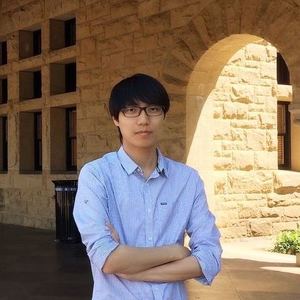
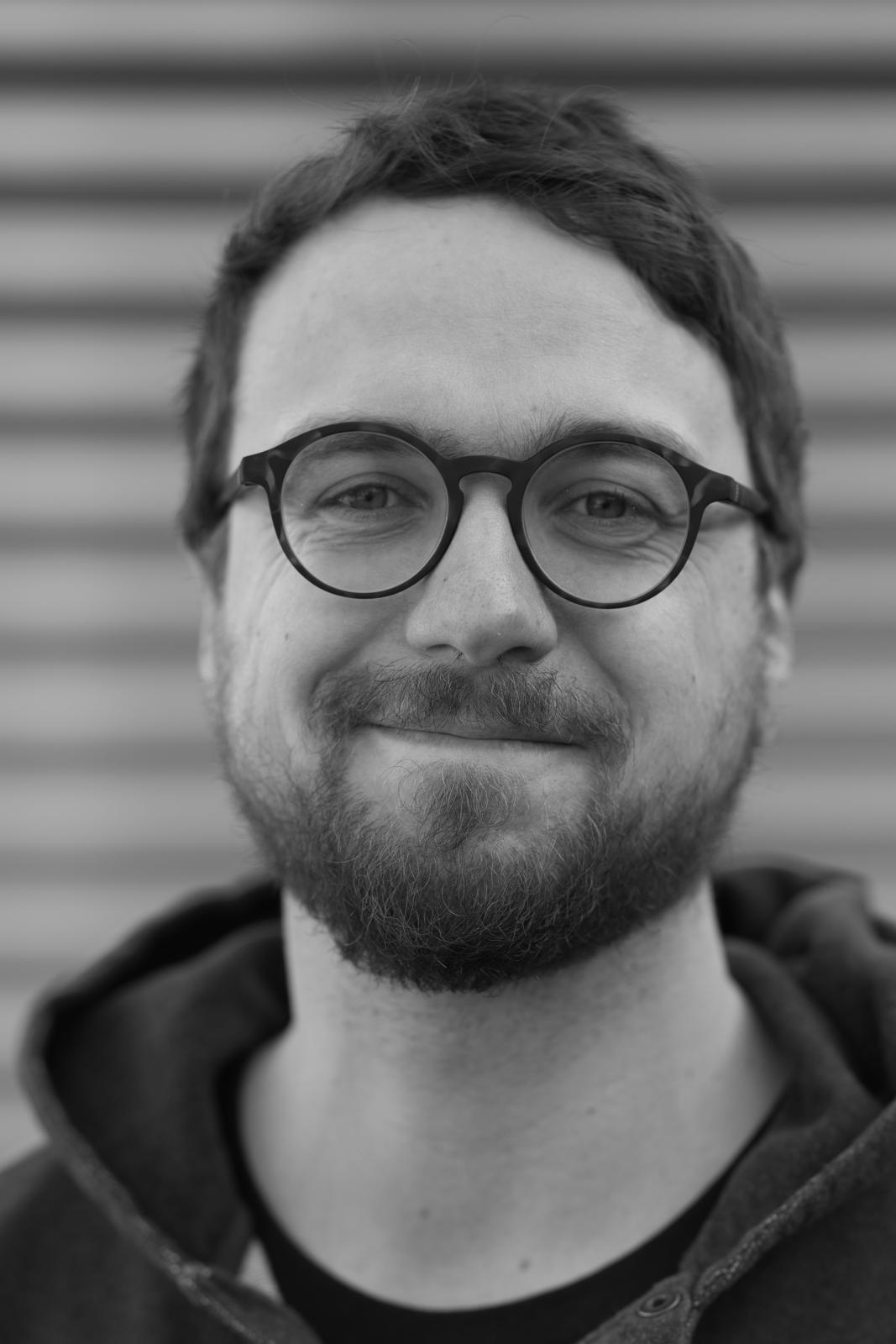
Weiyang Liu is a machine learning researcher and incoming Assistant Professor in the Department of Computer Science and Engineering at The Chinese University of Hong Kong (CUHK), where he will lead the Scalable Principles for Learning and Reasoning Lab (SphereLab). He has previously held postdoctoral and research roles at the Max Planck Institute for Intelligent Systems, Georgia Tech, Google Brain, Nvidia Research, and MERL. His research focuses on principled modeling of inductive bias in learning algorithms, emphasizing geometric invariance, symmetry, and formal reasoning in large language models. His work spans generative modeling (diffusion models, 3D mesh synthesis), foundation models (parameter-efficient training), and symbolic/mathematical reasoning evaluation. Publications include top-tier conferences like NeurIPS, ICML, CVPR, and ICLR, with Spotlight/Notable Top-25% designations. He mentors PhD students including Zeju Qiu, Longhui Yu, and Zhouliang Yu, with alumni transitioning to institutions like Technical University of Munich, University of Tübingen, and Caltech. His lab emphasizes curiosity-driven research , theoretical rigor, and open collaboration.
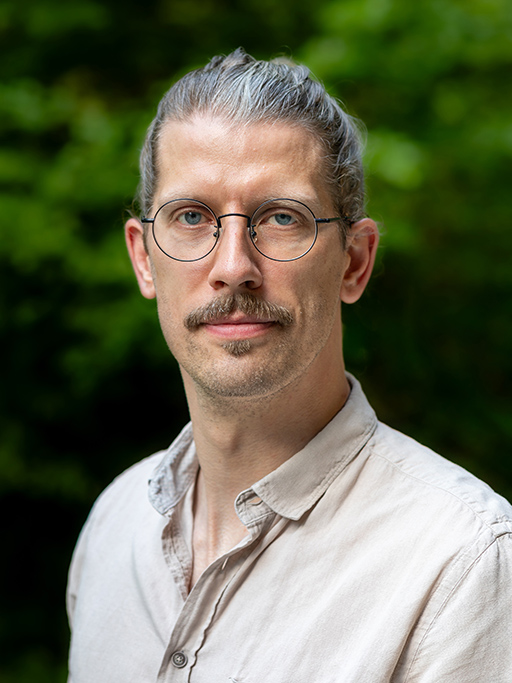
Shahzad Ahmad is a Researcher at the Institute of Networks and Security within Johannes Kepler University Linz (JKU), actively affiliated with the LIT Secure and Correct Systems Lab. His work bridges theoretical cryptography and practical security implementations with geometric data applications. Master of Science (MSc) degree holder His research concentrates on cryptographic security mechanisms, including control flow integrity verification and deniable encryption systems, while also advancing geometric algorithms for point cloud manipulation. This dual focus demonstrates significant interdisciplinary contributions to both computer security and spatial data processing domains. Publication analysis reveals consistent innovation in cryptographic protocol design, particularly in malware-resistant instruction chaining and plausibly deniable storage systems. His geometric research shows methodological evolution from Euclidean foundations toward customized metric spaces for complex point cloud relationships. No scientific awards were documented in the source materials. Available records indicate no formal student advising responsibilities or grant funding disclosures. As a core contributor to JKU's LIT Secure and Correct Systems Lab, Ahmad participates in developing formally verified security architectures and cryptographic implementations resistant to side-channel attacks.
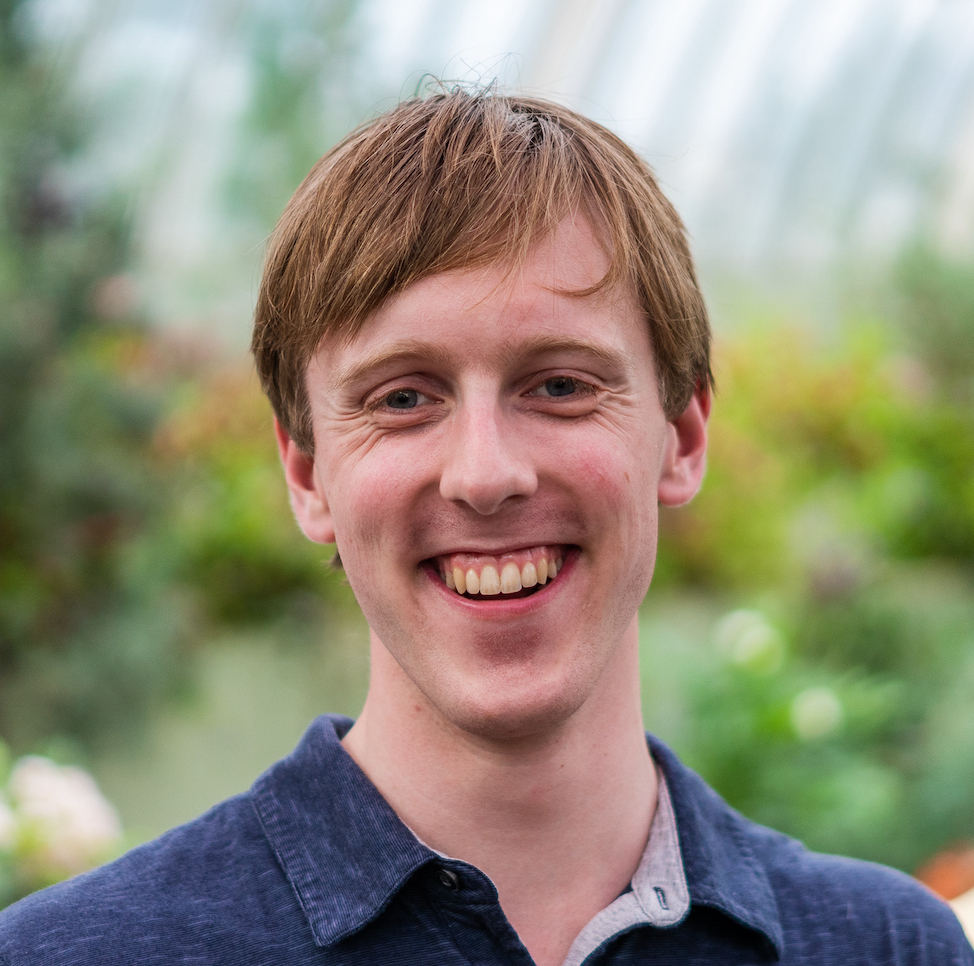
Thomas Leimkuehler is a Senior Researcher at the Max Planck Institute for Informatics in Saarbrücken, Germany, holding dual appointments in the Department of Computer Graphics and the Department of Visual Computing and Artificial Intelligence. His work bridges computer graphics and machine learning, focusing on neural rendering techniques for image synthesis and manipulation within the Saarland Informatics Campus ecosystem. Education: PhD in Computer Science, Saarland University (2019) Leimkuehler's research centers on neural signal representations and generative models for visual computing. He develops data-driven approaches to physically-based rendering, inverse rendering, and high dynamic range imaging, emphasizing efficient parallel algorithms. His work frequently integrates deep learning with traditional graphics pipelines to solve longstanding challenges in image synthesis and 3D scene representation, with applications spanning cinematic effects, automotive visualization, and computational photography. Analysis of his publication record reveals dominant trends in neural radiance fields (particularly Gaussian splatting), diffusion-based HDR generation, and multi-scale image synthesis. His research consistently addresses the tension between physical accuracy and neural efficiency, with recent work focusing on uncertainty modeling in radiance fields and real-time cinematic effects. Award highlights: Best Paper Award at SIGGRAPH 2023 for pioneering 3D Gaussian Splatting Eurographics PhD Award and Otto Hahn Medal (2019) Multiple student paper awards at EGSR, Graphics Interface, and ACM SAP Leimkuehler actively mentors through his Image Synthesis and Machine Learning research group, serving as primary advisor for PhD candidates and postdocs. He holds editorial positions at IEEE TVCG and Computer Graphics Forum while reviewing for major conferences including SIGGRAPH, CVPR, and ECCV. His group maintains strong collaborations with Snap, Princeton University, and the Visual Geometry Group at Oxford. Based at the Saarland Informatics Campus, his research group operates within the Max Planck Institute for Informatics' Department 4 and Department 6 frameworks, leveraging infrastructure from the Saarbrücken Research Center for Visual Computing and the European Laboratory for Learning and Intelligent Systems.
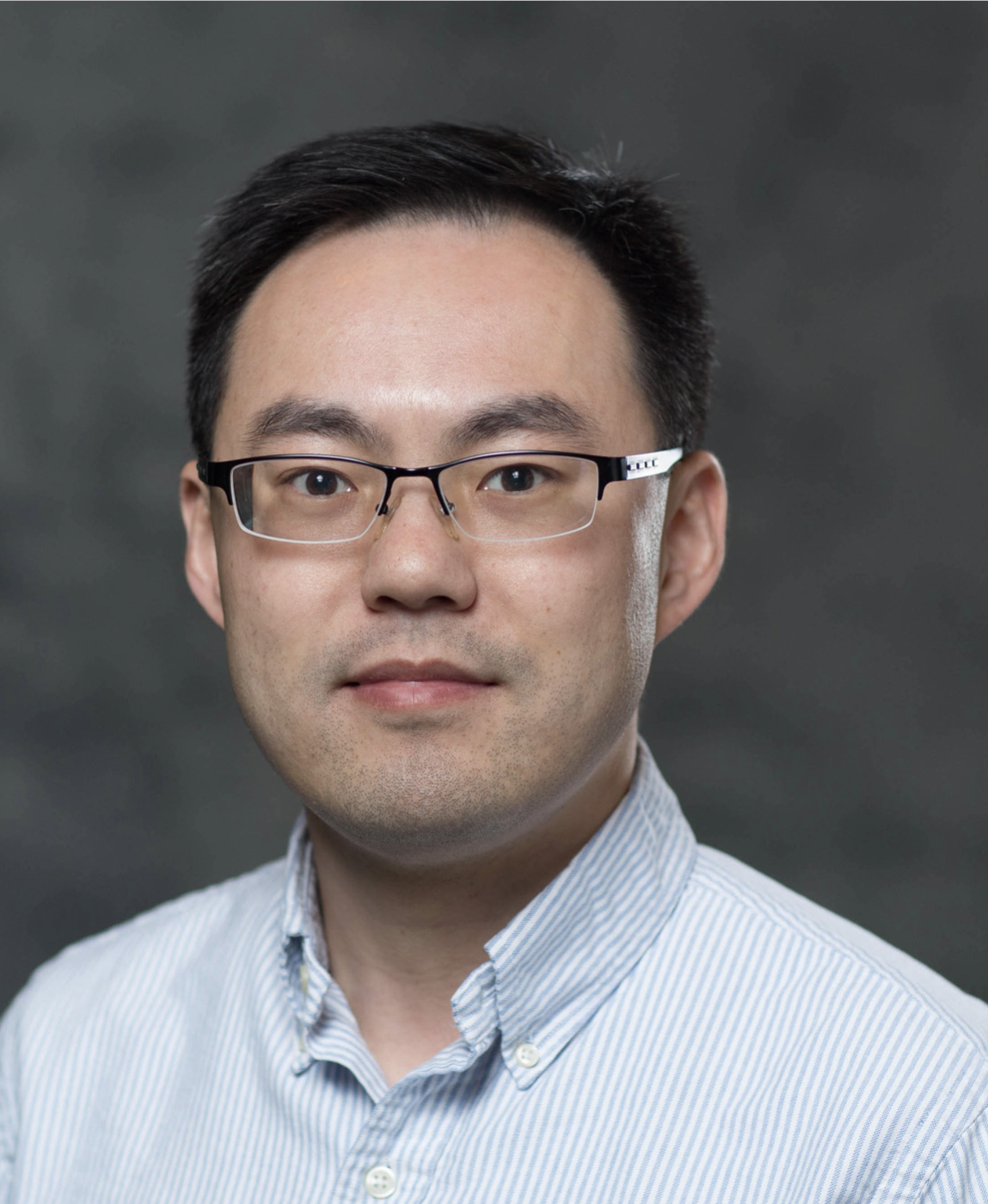
James Tompkin is an Associate Professor in the Department of Computer Science at Brown University, specializing in visual computing. His research focuses on computer graphics, computer vision, and human-computer interaction, with an emphasis on techniques for image/video creation, editing, analysis, and interaction. His lab develops methods for scene reconstruction (especially from multi-camera systems), dynamic scene modeling, and applications in 2D, multi-view, and VR/AR displays. Research interests include neural radiance fields (NeRFs), Gaussian splatting, time-of-flight sensing, and generative adversarial networks (GANs). He has collaborated extensively with industry partners (Adobe, Amazon, Meta) and received funding from NSF, DARPA, NASA, and UK/EPSRC. His work is disseminated via top-tier venues like CVPR, SIGGRAPH, and ECCV. Teaching includes visual computing topics, and his lab maintains active projects on GitHub and project webpages. Office hours are held weekly, with scheduling via Google Calendar integration.
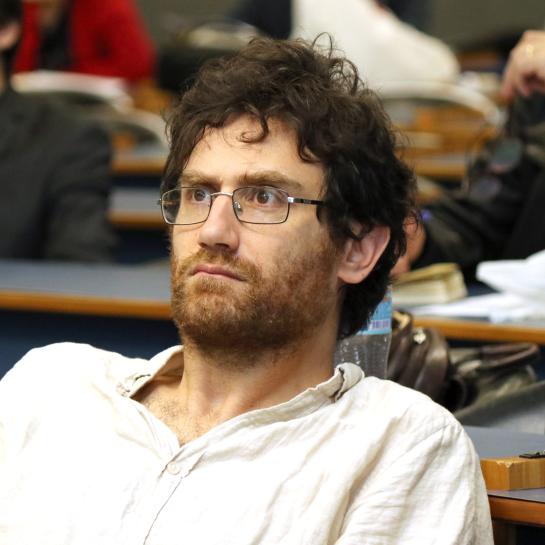
Federico Holik serves as a Research Fellow at Argentina's National Scientific and Technical Research Council (CONICET) with primary affiliation to Vrije Universiteit Brussel (VUB) in Belgium. His institutional presence is anchored through VUB's CRIS profile and publications portal, reflecting active engagement in quantum research despite the absence of specified departmental or school affiliations within the university structure. His research program critically examines the logical, algebraic, and geometrical frameworks underpinning quantum mechanics, with concentrated efforts in quantum information theory and foundational probability interpretations. Key investigations include quantum resource management for NISQ-era devices, ontological indistinguishability of quantum entities, and the development of quantum mereology to address part-whole relationships in quantum systems. His interdisciplinary reach extends to quantum-inspired AI through quasi-set theory and epidemiological applications via information quantifiers in pandemic data analysis. Analysis of his 2023-2025 publications reveals two dominant trajectories: (1) practical quantum computing challenges centered on resource optimization, error mitigation, and software engineering frameworks for noisy hardware, and (2) deep foundational inquiries into quantum ontology, probability structures, and mereological paradoxes. This dual focus bridges theoretical rigor with emerging quantum technologies while maintaining strong connections to philosophical questions about quantum identity and agency.
Torben Peters is a Lecturer in the Department of Civil, Environmental and Geomatic Engineering at ETH Zürich. His research focuses on 3D computer vision, deep learning, and generative models applied to geospatial analysis and photogrammetry. Research Focus: Peters develops computational tools for processing LiDAR point clouds, aerial imagery, and satellite data. His work enables automated environmental monitoring (e.g., forest inventories and avalanche mapping) and urban modeling through advanced segmentation and 3D reconstruction techniques. Generative models like TetraDiffusion expand capabilities in geometric deep learning. Publication Trends: Recent articles emphasize scalable geospatial AI, including war damage assessment in Ukraine, global biomass datasets, and self-supervised shape completion. Methodological innovations center on reducing annotation dependencies and improving geometric accuracy. Teaching: Leads courses on image-based mapping and geodetic data processing at ETH Zürich.
Cayden Codel is a Researcher at Carnegie Mellon University's Computer Science Department , focusing on programming languages and formal verification. His work bridges theoretical logic with practical applications in automated reasoning and constraint solving. Research Interests: Programming Languages, Formal Verification, Satisfiability (SAT) Solvers, Satisfiability Modulo Theories (SMT), Automated Theorem Proving, Machine Learning Institution: Carnegie Mellon University (CMU) His publications emphasize formal verification for logical systems, SMT/SAT solvers , and reinforcement learning applications. Articles from 2024-2019 reveal a trajectory from foundational logic to real-world dataset design (e.g., Minecraft-based AI research). Thesis Advisors: Marijn Heule, Jeremy Avigad Contact: ccodel@andrew.cmu.edu
Dr. JASON HANNA is an Assistant Professor in the Department of Biological Sciences at Purdue University, affiliated with the College of Science. His research focuses on cancer cell and molecular biology, particularly studying microRNAs in angiosarcoma development and metastasis. He leads the Hanna Lab, which investigates vascular sarcomas such as angiosarcoma and epithelioid hemangioendothelioma (EHE), aiming to uncover genetic drivers, tumor suppressors like DICER1, and develop precision therapies for these aggressive cancers. Education includes a Ph.D. from Yale University and postdoctoral research at St. Jude Children's Research Hospital. His work integrates genetic models, in vivo studies, and cell-line investigations to address tumor initiation, progression, and therapeutic design. Research interests span molecular mechanisms of sarcomagenesis, microRNA-mediated regulation, and translational approaches to combat rare vascular cancers. His lab’s goals include identifying metastasis mediators and advancing targeted treatments for these poorly understood malignancies. Publications span digital imaging forensics (e.g., JPEG compression detection, printer source identification) and biomedical engineering (e.g., force myography for locomotion analysis), reflecting interdisciplinary collaboration. Awards and grants are not explicitly listed, but his work demonstrates sustained innovation in both biological and computational domains.
Rongjie Lai is a Professor of Mathematics at Purdue University's Department of Mathematics, part of the College of Science. His research focuses on computational mathematics, machine learning, and applied geometry, with contributions to manifold learning, operator learning, and partial differential equations. He holds a position in the Department of Mathematics and is affiliated with the College of Science's broader computational and mathematical initiatives. His research interests include developing mathematical frameworks for geometric and topological data analysis, optimization algorithms for high-dimensional data, and applications in scientific computing. Notable work involves advancing neural network architectures for complex systems and developing efficient methods for solving PDEs on manifolds. Recent publications emphasize interdisciplinary applications, such as mean-field games, adversarial training in neural networks, and bio-inspired computing. His work bridges theoretical foundations and practical applications, impacting fields like computational biology and materials science. Despite his extensive output, no specific awards or grants are explicitly listed in the provided text.
Christopher K. May is an Assistant Teaching Professor in the Department of Computer Science at Purdue University, joining in Fall 2024. He holds a B.S., M.S., and Ph.D. in Computer Science from Purdue University, all completed between 2013 and 2024. His research focuses on computer vision, generative adversarial networks (GANs), and 3D rendering techniques, particularly in omnidirectional image synthesis and satellite imagery analysis. His educational background includes a decade of study at Purdue University, culminating in his doctorate in 2024. His work spans applications such as video frame interpolation, facade synthesis from satellite data, and interactive 3D rendering optimization. His research often intersects machine learning and computer graphics, addressing challenges in synthetic image generation and geospatial data processing. Dr. May's publications reflect a strong emphasis on generative models, with recent work exploring explicit camera control in omnidirectional synthesis (EpipolarGAN, 2024) and cube-based GAN architectures (CubeGAN, 2023). Earlier contributions include video folding techniques for framerate enhancement (2021) and satellite-based 3D building regularization (2020). No scientific awards or grants are explicitly listed in the provided information. His current position emphasizes teaching responsibilities alongside research.
Alexandra Golby, MD is a Professor of Neurosurgery and Radiology at Harvard Medical School, and Haley Distinguished Chair in the Neurosciences at Brigham and Women's Hospital. She directs the Golby Lab, a surgical brain mapping laboratory focused on advanced imaging technologies for neurosurgical applications. Her clinical expertise centers on brain tumor and epilepsy surgery, with a focus on lesions near critical brain structures. Dr. Golby holds multiple leadership roles including Director of Image-guided Neurosurgery and Co-Director of AMIGO at Brigham and Women's Hospital. Her research integrates disciplines such as computer science, applied mathematics, and biomedical engineering to improve surgical planning and intraoperative decision-making. Notable innovations include technologies for real-time tumor resection monitoring and low-cost neuronavigation systems (e.g., NousNav) for low-resource settings. Dr. Golby completed her BA at Yale University and MD at Stanford University School of Medicine, followed by neurosurgery residency at Brigham and Women's Hospital. Dr. Golby's translational work emphasizes global health equity, including Fulbright-supported initiatives to develop locally adapted medical technologies in Rwanda and Morocco. Her research spans image-guided neurosurgery, brain-computer interface applications, and neuro-oncology advancements.
Michael Bronstein is the DeepMind Professor of Artificial Intelligence at the University of Oxford and Founding Scientific Director at the Aithyra Institute. He holds affiliations with Imperial College London (previous) and institutions like Stanford, MIT, and Harvard. His research focuses on geometric deep learning, graph neural networks, protein design, and non-human species communication. Bronstein received his PhD from the Technion in 2007 and has been awarded multiple fellowships and grants, including ERC, Google, and Amazon awards. Education: PhD in Computer Science, Technion, 2007 Research Interests: His work spans geometric deep learning, graph neural networks, 3D shape analysis, and applications in protein design. Notable projects include protein interaction design using surface fingerprints and advancing graph neural network architectures. He also explores AI in non-human communication, combining machine learning with biological systems. Publications: Recent work emphasizes knowledge graph foundation models, graph homomorphism analysis, and generative models for discrete data. His research bridges theoretical foundations (e.g., graph expressivity) with practical applications in biomedicine and AI. Awards: EPSRC Turing AI Fellowship Royal Society Wolfson Research Merit Award Academia Europaea Membership IEEE/IAPR/ELLIS Fellowships Advising & Grants: Supervises students in AI and graph learning. Active in securing ERC, Google, and industry grants. His entrepreneurial ventures include founding companies like Fabula AI (acquired by Twitter). Labs/Teams: Leads Graph Learning Research at DeepMind and collaborates with interdisciplinary teams in AI, biology, and quantum systems.
Dr. Zhongyan Zhang serves as an Associate Research Fellow at the School of Computing and Information Technology within the Faculty of Engineering and Information Sciences at the University of Wollongong, Australia, a position held since 2022. His academic foundation includes: PhD from University of Wollongong Master's degree from Beihang University, Beijing Bachelor's degree from Beihang University, Beijing Specializing in Computer Vision and Machine Learning , Dr. Zhang pioneers annotation-free methodologies for instance image retrieval. His research eliminates dependency on manual labels by exploiting dataset-internal supervisory signals, with innovations in unsupervised object discovery and spatial-context-aware feature representation that significantly enhance retrieval accuracy and user experience through region-based matching. Publication analysis (2015-2023) reveals an evolutionary trajectory from cascade classifiers for pedestrian detection to self-boosting unsupervised frameworks. His recent work demonstrates consistent focus on efficient, dataset-driven solutions that improve retrieval performance while maintaining algorithmic simplicity and low memory costs. No scientific awards are documented in source materials. The provided information contains no details regarding student advising, research grants, or laboratory affiliations.
Massachusetts Institute of TechnologyUnited States
Jesse Thaler is a Professor in the MIT Physics Department and the Center for Theoretical Physics. He joined MIT in 2010 after a Miller Institute fellowship at UC Berkeley (2006-2009). His research focuses on collider phenomenology, quantum computing applications in particle physics, and machine learning methods for high-energy data analysis. He holds a Ph.D. from Harvard University (2006) and a Sc.B. from Brown University (2002). Key honors include the DOE Early Career Award (2011), Presidential Early Career Award (2012), Sloan Fellowship (2013), and MIT's Edgerton Award (2016). His work bridges theoretical physics with cutting-edge computational techniques, emphasizing jet substructure analysis, energy correlator studies, and symmetry discovery via AI. Thaler leads the MIT Center for Theoretical Physics' efforts in collider physics and co-founded the Institute for Artificial Intelligence and Fundamental Interactions (IAIFI). His research group collaborates on LHC Olympics challenges and explores quantum algorithms for jet clustering. Recent work includes developing Lorentz-equivariant neural networks and anomaly detection frameworks for CMS open data.
Massachusetts Institute of TechnologyUnited States
Sanjay Sarma is the Fred Fort Flowers (1941) and Daniel Fort Flowers (1941) Professor of Mechanical Engineering at MIT, currently on leave. He previously served as President, CEO and Dean of the Asia School of Business and as VP for Open Learning at MIT. Sarma co-founded the Auto-ID Center at MIT and developed key technologies behind the EPC suite of RFID standards used worldwide. He was also founder and CTO of OATSystems, acquired by Checkpoint Systems in 2008. Bachelor's Degree, Indian Institute of Technology (1989) Master of Engineering, Carnegie Mellon University (1992) Ph.D., University of California at Berkeley (1995) Professor Sarma's research spans multiple interdisciplinary fields with a focus on RFID, sensors, and Internet of Things technologies. His work in automotive and autonomous systems explores innovative applications of sensing technology. In augmented reality and brain-computer interfaces, he investigates novel human-machine interaction paradigms. His research in digital learning examines how technology can transform educational experiences at scale, with particular interest in university design and operations. Analysis of Professor Sarma's recent publications reveals a strong focus on integrating physical and digital systems. His work demonstrates increasing convergence between RFID technology, energy harvesting, and machine learning applications. Key themes include self-powered sensor networks, augmented reality interfaces for IoT devices, and security frameworks for connected systems. The research shows progression from foundational RFID work toward more complex integrated systems that combine sensing, computation, and communication. Scientific Awards NSF Career Initiation Grant (1997) Cecil and Ida Green Career Development Chair (1999) Den Hartog Teaching Excellence Award (2001) Joseph H. Keenan Award for Innovation in Undergraduate Education (2002) MacVicar Fellowship (2008) Industry Recognition Information Week's Innovators and Influencers (2003) Business Week's e.biz 25 Innovators (2003) New England Business and Technology Award (2005) MIT Global Indus Award (2005) Fast Company Magazine's "Fast 50" (2005) Boston Magazine's 40 under 40 (2006) RFID Journal Special Achievement Award (2010) Professor Sarma has advised numerous doctoral and master's students, though specific names are not listed in the available information. His grant portfolio includes significant funding from the National Science Foundation and industry partnerships. He serves on the boards of GS1US and Hochschild Mining, and advises several startup companies including Top Flight Technologies. His research has been supported by both government agencies and industry collaborators interested in RFID, IoT, and digital learning applications. Sarma leads research in the Auto-ID Labs, which he co-founded, focusing on RFID and sensor technologies. He has also been involved with the Office of Digital Learning at MIT and edX. His work extends to developing world applications through projects focused on low-cost sensing solutions. The research environment he has cultivated brings together electrical engineers, computer scientists, and mechanical engineers to tackle interdisciplinary challenges in sensing and connectivity.