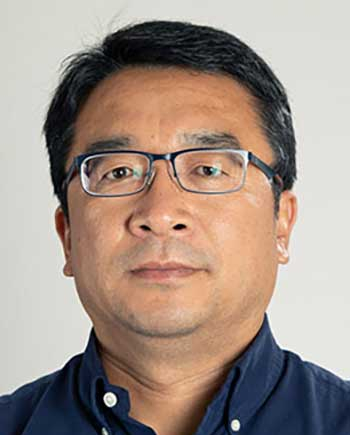
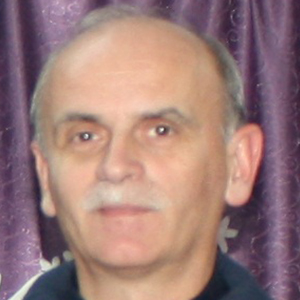
Dr. Alexander Neidhardt is a research scientist and software engineer at the Geodetic Observatory Wettzell, part of the Forschungseinrichtung Satellitengeodäsie (FESG) at the Technical University of Munich (TUM). He leads the group for microwave techniques (VLBI – GNSS – DORIS) and serves as the network manager for TUM networks at the observatory. He is also a member of the ESA GENESIS Science Exploitation Team and the IVS Network Coordinator. His work is central to the development and automation of control systems for geodetic instruments, particularly within the VGOS framework. Neidhardt's research focuses on applied computer science for space geodesy, especially the development of remotely controllable and autonomous systems for geodetic observatories. He has pioneered advancements in the automation of VLBI and SLR systems, contributing significantly to projects like e-RemoteCtrl and the integration of seamless auxiliary data. His expertise bridges software engineering and high-precision geodetic measurement technologies. His recent publications reflect a strong trend in the automation, monitoring, and technical enhancement of geodetic infrastructure, particularly radio telescopes. Topics include system monitoring for seamless auxiliary data, automation of SLR systems, and the technical status of the TWIN radio telescopes. His work is instrumental in advancing next-generation VLBI networks (VGOS) and improving the accuracy and reliability of geodetic observations. Dr. Neidhardt is actively involved in international collaborations, including IVS, ESA, and DFG projects. He has contributed to major scientific efforts such as the PRIDE technique for Mars Express, tracking of lunar and planetary spacecraft, and the development of Ka-band VLBI networks. He also participates in educational initiatives, delivering lectures for the ESPACE and Transportation Systems master’s programs. He has held various leadership and coordination roles, including chair of the IVS Task Force on Seamless Auxiliary Data Archives, safety representative at Wettzell, and technical expert for safety equipment. His career has been marked by continuous innovation in the software and operational frameworks that support modern geodetic observatories.