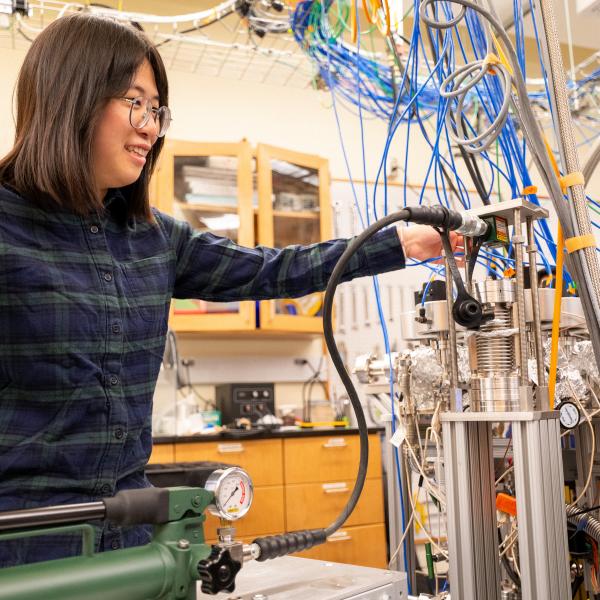
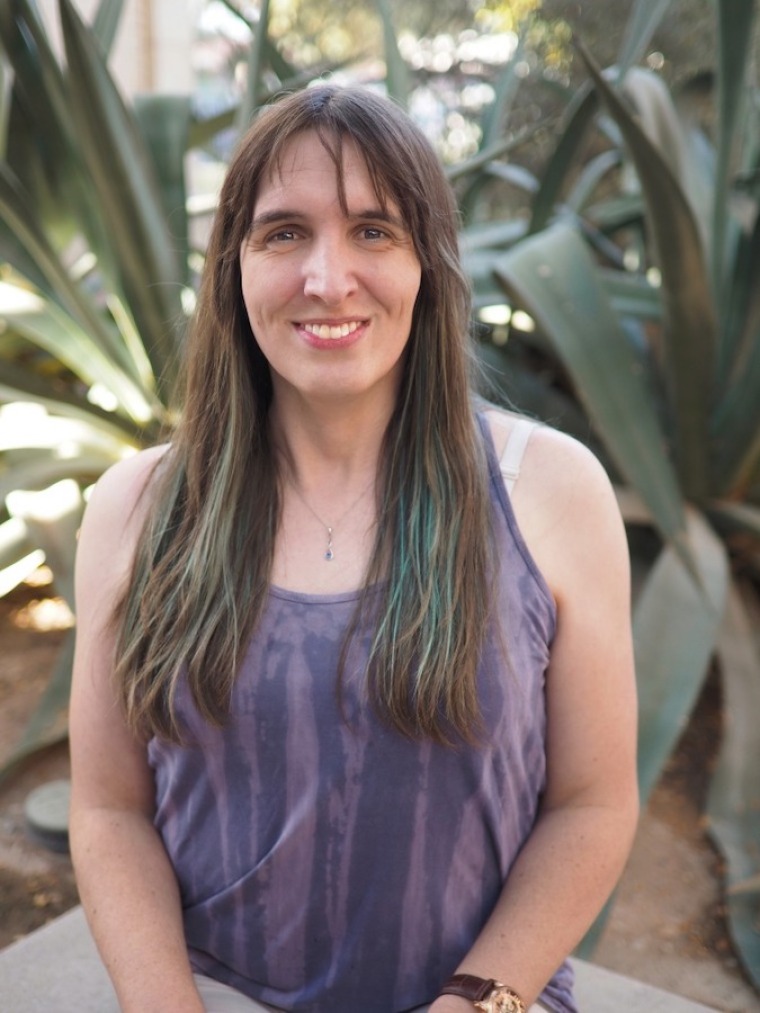
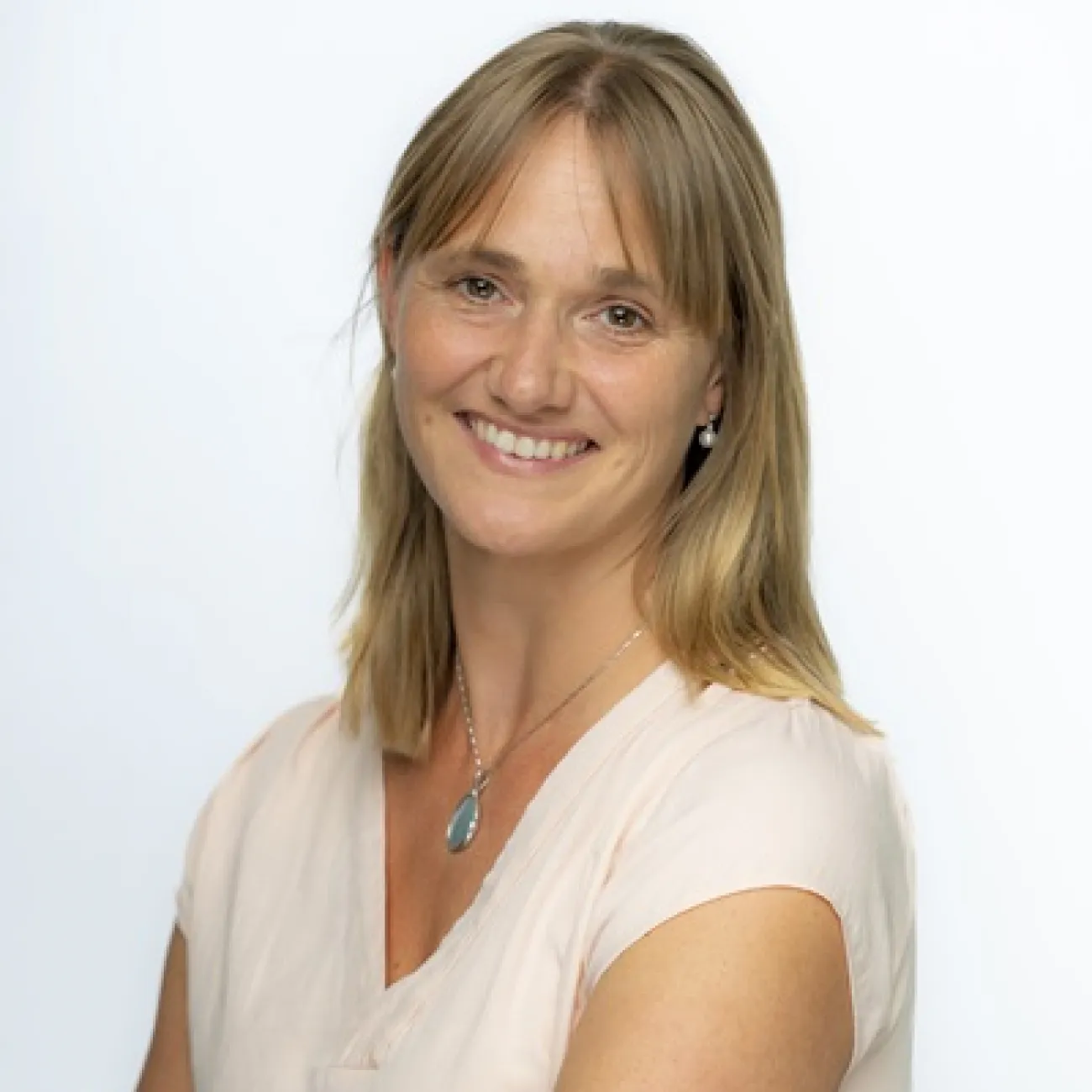
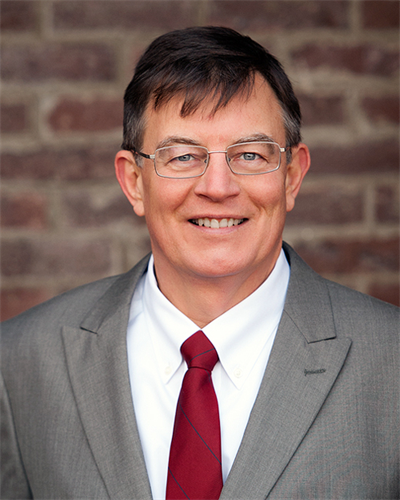
Rita Parai is an Associate Professor in the Department of Earth, Environmental, and Planetary Sciences at Washington University in St. Louis, associated with the McDonnell Center for the Space Sciences. She holds a PhD from Harvard University and joined Washington University in 2016. Her research focuses on high-precision noble gas isotopic analyses to investigate planetary formation, mantle dynamics, and volatile cycling. Key areas include subduction zone processes, mantle heterogeneity, and lunar formation history. Her work addresses questions such as the timing of the Moon-forming impact, volatile recycling through subduction zones, and the origin of mantle heterogeneities. She leads projects analyzing noble gas signatures in mantle-derived rocks, including anorthosites and basalts, to trace Earth's geochemical evolution. Parai collaborates on missions like VATMOS-SR (Venus Atmospheric Sample Return) and ANGSA (Apollo Next Generation Sample Analysis), emphasizing sample return and analytical innovation. Education: PhD, Harvard University Labs: High-precision noble gas laboratory at Washington University Grants: NSF CAREER award (2022) for studying noble gases in the Azores Archipelago Parai’s research bridges geochemistry and planetary science, with implications for understanding Earth’s volatile budget, mantle convection, and the interplay between surface and deep-Earth processes.
Dr. Courtney J. Sprain is an Assistant Professor in Geosciences at the University of Florida. She holds a Ph.D. in Earth and Planetary Science from UC Berkeley (2017). Her research operates at the geophysics-geochemistry interface, investigating Earth's dramatic historical events using paleomagnetism, numerical geodynamo simulations, and 40Ar/39Ar geochronology. Her work focuses on long/short-term geomagnetic field trends and their implications for Earth's deep interior evolution, along with developing geochronologic constraints for mass extinction events. Research interests include: 40Ar/39Ar geochronology Paleomagnetism Causes/consequences of mass extinctions Long-term magnetic field variations Deep Earth processes Recent publications (2023-2025) examine large igneous province emissions, paleointensity estimation methods, and Cretaceous-Paleogene boundary events, showing consistent focus on geochemical proxies of deep Earth processes.
Sergio Sanudo-Wilhelmy is a Professor in the Departments of Biological Sciences and Earth Sciences at the University of Southern California. His research focuses on interdisciplinary geochemical and biological processes in aquatic environments. Key affiliations include laboratory work at AHF 206 with contact details provided. Expertise spans Climate Science, Geobiology, and Geochemistry Investigates trace metal cycling, organic matter dynamics, and microbial interactions in marine systems Specializes in vitamin availability in oceans and isotopic tracing of anthropogenic impacts Current research explores phytoplankton-metal interactions, groundwater-seepage effects on coastal zones, and colloid-mediated biogeochemical processes. No recent publications are listed here, though his work contributes to understanding global biogeochemical cycles.
Saeed Ghanbari serves as a Research Fellow at Heriot-Watt University's School of Energy, Geoscience, Infrastructure and Society, affiliated with the Institute for GeoEnergy Engineering in Edinburgh, United Kingdom. His work focuses on advanced subsurface energy storage systems within geological formations. His research expertise spans Carbon Capture and Storage (CCS), Underground Hydrogen Storage, and Reservoir Engineering, with specialized investigations into CO2 plume migration dynamics, legacy well integrity assessment, and numerical simulation of geochemical/microbial processes in storage reservoirs. Recent work emphasizes risk-based modeling frameworks for CO2 storage applications and the development of novel simulation techniques for hydrogen storage systems. Analysis of his 2024-2025 publications reveals a strong trend toward computational modeling of subsurface flow phenomena, particularly examining how geological heterogeneities and background flow conditions impact long-term storage security. His work consistently addresses critical challenges in geological storage safety and efficiency, contributing directly to clean energy transition technologies. No scientific awards were documented in the provided source material. No information regarding student supervision or research grant funding was available in the scraped content.
Dr. Ying Cui is Associate Professor in Earth and Environmental Studies at Montclair State University's College of Science and Mathematics. She holds a Ph.D. in Geosciences and Biogeochemistry from Penn State University and researches mass extinction events and extreme climate changes using geochemical proxies and Earth system models. Her work analyzes carbon cycle perturbations during hyperthermal events like the end-Permian extinction and Paleocene-Eocene Thermal Maximum, employing stable isotopes (C, O, N), paleo-CO2 reconstructions, and geochemical box modeling. Current NSF-funded projects examine carbon sequestration rates after massive volcanic CO2 pulses and causal links between Permian volcanism, dust, and carbon burial. Award recognition includes two NSF grants, Best Mentor awards (2021-2022), and multiple travel/research fellowships. Recent publications focus on volcanic emission patterns, ocean acidification proxies, and climate sensitivity constraints from deep-time analogs. Research integrates field studies (Tarim Basin, South China) with numerical modeling to quantify carbon emission rates and ecosystem responses. NSF Collaborative Research: Quantifying carbon emission rates from Siberian Traps volcanism (2020-2023) NSF Collaborative Research: Probing causal links among volcanism, dust, and carbon burial (2021-2024) NSF Grant: High-resolution stratigraphy of PETM in Eastern Tethys (2020-2022)
Dr. Jeffrey Oalmann is a Researcher in the CODES Analytical Laboratory at the University of Tasmania's School of Natural Sciences, where he currently serves as Manager. He holds a PhD in Geology from the University of Kansas, an MS in Geosciences from Texas Tech University, and a BS in Geology from Kansas State University. His research focuses on geochronology, geochemistry, and petrology, particularly in volcanic systems and metamorphic processes. Dr. Oalmann has published extensively on topics including caldera dynamics, magmatic processes, and crustal evolution. His work integrates advanced analytical techniques like LA-ICPMS to study geological materials. He currently supervises doctoral research on volcano rock properties and has collaborated widely in东南亚 and the Pacific region. Key research themes include volcanic eruption mechanisms, crustal-scale magmatism, and high-pressure metamorphic systems.
Nicholas H.S. Oliver is a Professor in the Department of Earth and Environmental Sciences within James Cook University's College of Science and Engineering, specializing in economic geology and mineral deposit research. His work spans global locations including Australia, Brazil, Chile, Russia, and West Africa with particular focus on hydrothermal systems and ore formation processes. Oliver's research interests center on iron oxide copper-gold (IOCG) deposits , rare earth element mineralization , and structural controls on hydrothermal ore systems . His work integrates field studies with advanced geochemical and microanalytical techniques to understand fluid-rock interactions, metal transport mechanisms, and deposit-scale structural evolution. Notable contributions include establishing genetic models for intrusion-related gold systems and characterizing unconformity-related REE deposits in northern Australia. Analysis of his recent publications reveals an increasing focus on multi-scale integration - connecting microscale fluid inclusion data to deposit-scale structural frameworks and regional tectonic settings. His work demonstrates particular expertise in applying structural geology to mineral exploration targeting, with significant contributions to understanding fluid pathways in metamorphosed terrains and the role of brecciation in ore formation. Oliver has collaborated extensively with industry partners and government geological surveys, contributing to major reference works including the Society of Economic Geologists' Geology of the World's Major Gold Deposits and Applied Structural Geology of Ore-forming Hydrothermal Systems . His research group has produced influential studies on the Cloncurry District IOCG systems and the Tanami Region REE deposits.
Professor Jasmin Godbold is a faculty member at the University of Southampton, affiliated with the Department of Ocean and Earth Science. She leads research on seafloor biodiversity, ecosystem functioning, and the impacts of human activities and climate change on marine environments. Her work integrates laboratory experiments, field observations, and advanced imaging technologies to study benthic invertebrates and their ecological roles. Current research projects include BEcoWIND (assessing offshore wind impacts) and C-floor (carbon cycling in shelf seas). She supervises PhD students in marine science disciplines and collaborates with international teams on projects funded by NERC and DEFRA. Her external role as a consultant focuses on seagrass health and water quality. Key research areas include trait expression in marine species, functional biodiversity responses to environmental stressors, and policy-relevant studies for marine conservation. Over 15 recent publications address topics like benthic nutrient fluxes, climate impacts on polar ecosystems, and coral geochemistry. Professor Godbold accepts PhD applicants and maintains active collaborations through institutes like the Southampton Marine and Maritime Institute and the Sustainability and Resilience Institute (SRI).
Professor Susan Ringrose is affiliated with the School of Social & Environmental Sustainability, focusing on geomorphological processes in arid and tectonically active regions. Her research investigates landscape evolution, sedimentary formations, and environmental dynamics across diverse geographical settings, including Botswana, Namibia, and Scotland. Key research themes include playa landform diversity, silcrete formation mechanisms, rift zone geomorphology, and hyper-arid floodplain systems. Her work combines field observations with geochemical analysis to elucidate long-term environmental changes and lithological interactions. Publications (2018–2024) emphasize interdisciplinary approaches to understanding arid zone geomorphology, with contributions to the Scottish Geographical Journal , South African Journal of Geology , and Transactions of the Royal Society of South Africa . She has co-authored a book chapter on Botswana's Okavango Rift Zone landscapes. No scientific awards, grants, or advising activities are explicitly documented in the provided text. Her research remains centered on advancing knowledge of Earth surface processes in extreme environments.
John Germaine is a Research Professor in the Department of Civil and Environmental Engineering at Tufts School of Engineering. He specializes in experimental methods for geotechnical analysis, focusing on the mechanical and physical properties of geo-materials. His work spans geomechanics, sediment behavior, and material science, with a recent emphasis on mudrock compression, gas hydrate reservoirs, and fracture mechanics. Education : Sc.D., Massachusetts Institute of Technology (1982) S.M., Massachusetts Institute of Technology (1980) B.S., Worcester Polytechnic Institute (1976) Research Interests : Germaine’s research characterizes the complex interactions of geo-materials under stress, using state-of-the-art techniques. Key areas include: Small-strain nonlinearity in clays Creep and geopressure development Hydraulic fracturing and fracture mechanics Mudrock and sediment properties Awards : Woodland G. Shockley Memorial Award (2008) Effective Teaching Award (2013) First Charles C. Ladd Memorial Lecturer (2015) Grants & Labs : He leads the UT Geofluids Research Consortia, investigating mudrock properties and offshore reservoir mechanics. Recent grants include studies on Gulf of Mexico sediment behavior and fracture processes. Teaching : Teaches courses such as Introductory Geotechnical Engineering and Soil Properties Measurement at Tufts.
Ed Garrett is an Assistant Professor (Lecturer) in Physical Geography within the Department of Environment and Geography at the University of York. He joined the department in 2019 after holding research and teaching positions at the Geological Survey of Belgium and Durham University, where he also completed his PhD. Garrett leads the Creating a Climate Resilient World research group and currently serves as Principal Investigator for two active research projects: Partnership on sea-level change along Brazilian shores (SLABS) funded by NERC (2023-2025) and Connecting Blue Carbon Research (2023). Garrett's research program focuses on the globally significant and often interlinked hazards of subduction zone earthquakes, tsunamis, and sea-level rise. He utilizes sedimentary and geomorphic records to reconstruct the timing, rates, and magnitudes of these processes over annual to multi-millennial timescales. His methodological approach draws on diverse techniques including field-based surveying, sedimentology, microfossil analysis, geochronology and geophysical modeling. A significant new strand of his research examines carbon storage in intertidal environments, particularly saltmarsh blue carbon ecosystems and their relationship with sea-level rise. Analysis of Garrett's recent publication record (2021-2025) reveals three major research trajectories: (1) paleoseismic and paleotsunami studies focusing on megathrust earthquakes in Chile, New Zealand, and Japan; (2) relative sea-level reconstruction using microfossil and geochemical proxies across multiple global regions including the UK, Ireland, Australia, and the USA; and (3) blue carbon research examining organic carbon accumulation in saltmarshes and the implications for climate change mitigation. His work demonstrates strong international collaboration, with field sites spanning six continents and partnerships with researchers from over 20 countries. Garrett has secured significant research funding through the Natural Environment Research Council (NERC), including as Principal Investigator for the Partnership on sea-level change along Brazilian shores project (2023-2025) and the Connecting Blue Carbon Research project (2023). His research group includes multiple postdoctoral researchers and has produced over 40 peer-reviewed publications, two book chapters, and one edited book since 2013. Garrett leads the Creating a Climate Resilient World research group at York, which focuses on understanding past environmental changes to inform future climate resilience strategies. The group maintains active field programs in Chile, New Zealand, the UK, and Brazil, with particular expertise in coastal sedimentology, microfossil analysis, and blue carbon assessment. The group collaborates extensively with international partners including the Geological Survey of Belgium, Durham University, and research institutions in Chile, Japan, and Australia.
Paula Antoshechkin is a Senior Research Scientist at the California Institute of Technology, specializing in igneous petrology and geochemistry. Her work focuses on thermodynamic modeling of magmatic processes, particularly through the development and maintenance of the alphaMELTS software suite, which provides advanced computational tools for simulating mantle melting and magma chamber dynamics. Her research integrates phase equilibrium modeling with geodynamic frameworks to study mantle melting, subduction zone processes, and the evolution of volcanic systems. She contributes to the MAGMA website and serves as an administrator for the MELTS Facebook page, maintaining key community resources for computational geoscience. B.A., University of Cambridge, 1996 Ph.D., University of Cambridge, 2001 Research Assistant, University of Cambridge, 2001–2002 Postdoctoral Scholar, Caltech, 2003–2006 Research Scientist, Caltech, ongoing Recent publications emphasize thermodynamic modeling of complex oxide systems (2013), subduction zone melt dynamics (2009), and computational tools for phase equilibrium analysis (2005). The work demonstrates a consistent focus on quantitative integration of geophysical and geochemical processes.
Theo Tacail is a Research Fellow in the Department of Geochemistry at the California Institute of Technology (Caltech). His current position involves postdoctoral research within geochemical studies. Contact information includes a direct phone line at 626-395-3752, and his office is located in North Mudd (Seeley W. Mudd Lab), Room 23 (Mail Code 100-23). His research interests focus on Geochemistry , with potential specialization in isotopic analysis and planetary processes. Further details about his educational background, grants, or lab affiliations are not explicitly stated in the provided text.
Dr. Inoka Widanagamage is an Instructional Associate Professor in Geology and Geological Engineering at the University of Mississippi. She holds a PhD from Kent State University and a BS from the University of Peradeniya, Sri Lanka. Her research investigates trace metal geochemistry, isotope fractionation, and biogeochemical cycling in modern and ancient environments. Current projects include abiotic barite precipitation controls, White Sands Monument biosignatures, and metamorphic history of Sri Lankan geological boundaries. Her publications focus on stable isotope fractionation mechanisms in barite systems, with applications in environmental reconstruction and mineral formation processes.