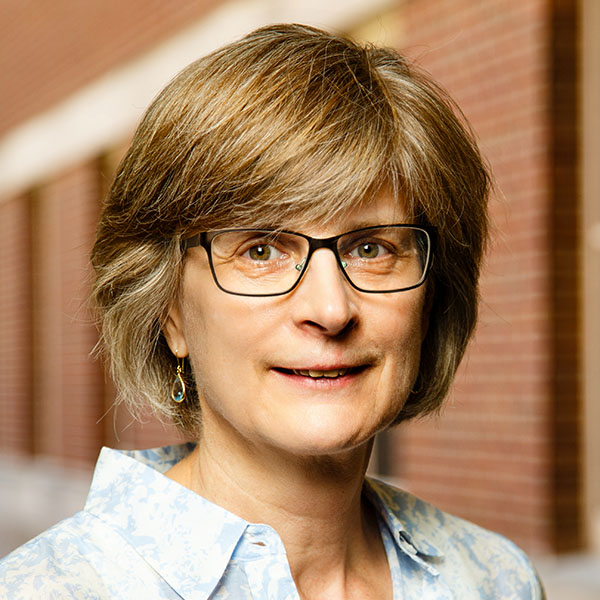
Dr. Lisa K. Nolan is the Georgia Athletic Association Distinguished Professor and Dean of the University of Georgia’s College of Veterinary Medicine. She previously held leadership roles at Iowa State University and North Dakota State University, including Dean, Associate Dean, and Department Chair. Her expertise lies in bacterial pathogenesis affecting animal and human health, with a focus on Escherichia coli strains causing avian colibacillosis and human urinary/urinary tract infections. Education: BS from Valdosta State College; DVM, MS, and PhD from the University of Georgia. Research Interests: Bacterial zoonotic diseases, antimicrobial resistance, and E. coli virulence mechanisms. She has pioneered studies on avian pathogenic E. coli (APEC) and their overlap with human pathogens, particularly neonatal meningitis strains. Key Awards: AAAS and American Academy of Microbiology Fellowships, Honorary Diplomate of the American Veterinary Epidemiology Society, and Distinguished Educator Award from Blue Key National Honor Society. Her work bridges veterinary and human medicine, emphasizing One Health approaches to combat antimicrobial resistance and foodborne pathogens.
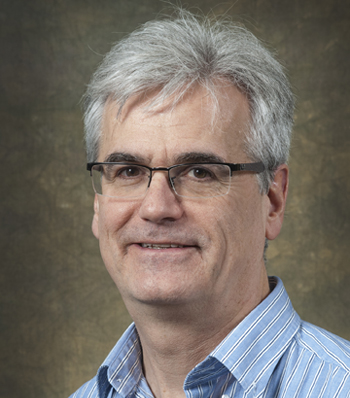
Dr. Francisco Perez-Reche is a Reader in the School of Natural and Computing Sciences at the University of Aberdeen, where he has been a faculty member since 2012. He is actively involved in research, teaching, and supervising PhD students. His work bridges applied mathematics, data science, and public health, with a focus on modeling infectious diseases and food safety risks. His research interests include: Mathematical and computational modeling of infectious disease transmission Machine learning for source attribution in epidemiology Quantitative risk assessment using Monte Carlo simulations Network-based immunization strategies (e.g., explosive immunisation) Dose-response modeling for pathogens like E. coli O157 and Campylobacter His recent publications reveal a strong focus on public health challenges, including the role of untested individuals in COVID-19 spread, post-COVID health outcomes like diabetes and mental illness, and the origins of zoonotic pathogens. He applies interdisciplinary methods combining statistics, machine learning, and mathematical physics to real-world health problems. Dr. Perez-Reche has contributed to high-impact studies involving large datasets and collaborations with public health agencies across Europe. His work has been covered by major media outlets including The Times, BBC, and international science news platforms. He teaches courses in mathematical methods, machine learning, and physics, and serves as Director of Undergraduate Pathways in Physics at Aberdeen. He is a member of the Aberdeen Group for the Mathematics of Infectious Diseases (AGMID) and the Centre for Bacteria in Health and Disease (CBHD).
Michael Bradshaw is an Assistant Professor of Emerging Plant Pathogens in the Department of Plant Pathology at North Carolina State University, College of Agriculture and Life Sciences. He is also the Director of the Larry F. Grand Mycological Herbarium, where he leads research in fungal systematics, evolution, and plant-pathogen interactions. Assistant Professor, Department of Plant Pathology, NC State University Director, Larry F. Grand Mycological Herbarium Research Focus: Fungal Biodiversity, Powdery Mildews, Herbarium Genomics Dr. Bradshaw's research centers on the taxonomy, phylogenetics, and ecology of fungi, particularly obligate plant pathogens like powdery mildews (Erysiphaceae). He leverages historical herbarium specimens to study the evolution and spread of plant pathogens, using advanced genomic and bioinformatic tools to analyze degraded DNA. His lab also explores culturing fungi from understudied biomes, including marine environments, and investigates biological control methods for agricultural weeds using fungal pathogens. His recent publications reveal a strong trend in fungal systematics and genomics, with a focus on describing new species, analyzing host-pathogen coevolution, and reconstructing the historical spread of pathogens using herbarium specimens. His work bridges classical mycology with modern molecular techniques, contributing significantly to understanding fungal biodiversity and disease dynamics. Dr. Bradshaw has secured research funding, including an NSF grant, and leads a dynamic lab with postdoctoral scholars, technicians, and undergraduate researchers. He mentors students and collaborates widely in the field of plant pathology. Director, Larry F. Grand Mycological Herbarium Principal Investigator, Bradshaw Lab Lab includes postdocs, technicians, and undergraduate researchers
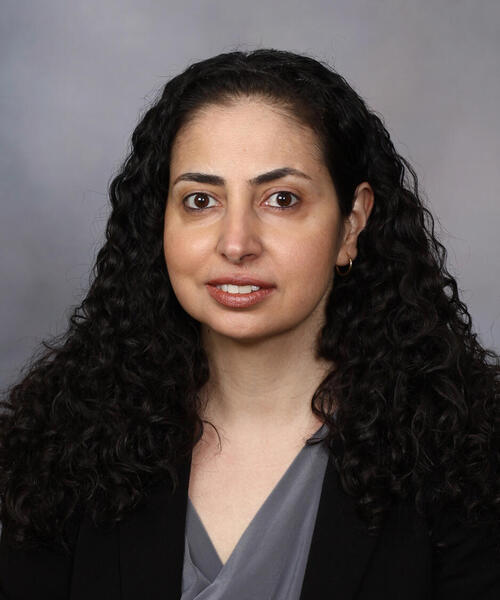
Hind J. Fadel, M.D., Ph.D., is an Assistant Professor of Medicine at Mayo Clinic in Rochester, Minnesota, with a primary appointment as Consultant in the Division of Infectious Diseases, Department of Internal Medicine, and a joint appointment in the Department of Molecular Medicine. Her work bridges clinical practice and translational research in virology and gene therapy. Education: Ph.D. in Virology and Gene Therapy, Mayo Graduate School, Mayo Clinic College of Medicine Residency in Infectious Disease, Mayo School of Graduate Medical Education, Mayo Clinic College of Medicine Residency in Internal Medicine, Mayo School of Graduate Medical Education, Mayo Clinic College of Medicine M.D., Saint Joseph University, Faculty of Medicine Dr. Fadel’s research focuses on the molecular biology of viral replication, particularly HIV, and the development of genome engineering tools such as CRISPR-Cas and TALENs to create HIV-resistant immune cells and advance cure strategies. Her lab also investigates host-pathogen interactions in emerging viruses like Ebola, influenza, and chikungunya. She employs humanized mouse models and advanced molecular techniques to study viral integration and host factors such as LEDGF/p75. Her work has significant implications for regenerative medicine and cell-mediated immunotherapeutics. The most recent publications reflect a strong trajectory in HIV molecular virology, antiviral mechanisms, and host-pathogen dynamics, with extensions into public health research during the COVID-19 pandemic and co-infection outcomes. Her studies often involve multi-center collaborations and utilize structural, biochemical, and clinical data. Scientific Awards: Young Investigator Award, 21st Conference on Retroviruses and Opportunistic Infections (2014) Young Investigator Award, 19th Conference on Retroviruses and Opportunistic Infections (2012) Division of Infectious Diseases Research Fellows' Award, Mayo Clinic (2011) Award-winning poster, North Central Chapter of IDSA (2010) Dr. Fadel is actively involved in mentoring residents, graduate students, and fellows, and contributes to education in infectious diseases. She is a member of the Infectious Diseases Society of America, Minnesota Medical Association, and the Institutional Biosafety Committee at Mayo Clinic. Her clinical expertise includes ICU infections, care of immunocompromised patients, and outpatient management of HIV/AIDS. Her research is conducted within the interdisciplinary environment of Mayo Clinic, utilizing core facilities in molecular medicine and infectious disease research. She collaborates across departments and institutions, contributing to both basic science and clinical trials infrastructure.
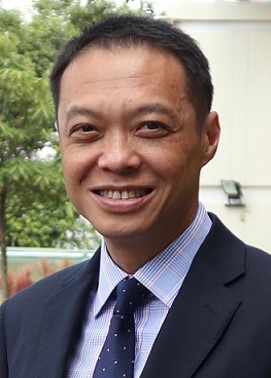
Ooi Eng Eong is a Professor at Duke-NUS Medical School, where he serves as Deputy Director of the Programme in Emerging Infectious Diseases. He also holds a joint appointment at the Saw Swee Hock School of Public Health, National University of Singapore. His research focuses on dengue virology, flavivirus pathogenesis, and vaccine development. Ooi is actively involved in experimental medicine studies and clinical trials to elucidate immune correlates of protection against flaviviruses. BM, BS (University of Nottingham) PhD (National University of Singapore) FRCPath (UK) His work spans host-pathogen interactions, molecular epidemiology, and cellular immunology. Recent research examines T cell responses in pandemic vaccine development, dengue subgenomic RNA mechanisms, and metabolic perturbations in flavivirus infections. He has published extensively on dengue epidemiology, vaccine safety, and RNA virus dynamics. Scientific awards include the NMRC Clinician Scientist Award (Senior Investigator) in 2010, 2014, and 2019. He leads the Viral Research and Experimental Medicine Centre at SingHealth Duke-NUS and serves as Director of the Global Dengue and Aedes-transmitted Diseases Consortium. Ooi is also an Editor for the Journal of General Virology.
Wesley Tansey serves as Assistant Professor in the Computational Oncology group within the Department of Epidemiology and Biostatistics at Memorial Sloan Kettering Cancer Center (MSKCC). His research bridges statistical machine learning with cancer biology, focusing on developing novel computational frameworks for oncology applications. Dr. Tansey's research program centers on Bayesian statistical methods for biological data analysis, with particular emphasis on spatial transcriptomics (evidenced by his BayesTME framework), drug response modeling , and multi-omics integration . His lab develops scalable algorithms for high-dimensional biological data, including UnitedMet for metabolite imputation and MultiTME for spatial profiling analysis. Current projects address combinatorial drug screening optimization, tumor microenvironment characterization, and predictive oncology platforms for rare cancers. His recent publications (2023-2025) demonstrate strong focus areas: Bayesian active learning for drug screening (6+ publications) Spatial biology methods (BayesTME, MultiTME) Metabolomics-transcriptomics integration (UnitedMet) Causal inference in biological systems Scientific recognition includes serving as Area Chair for AISTATS 2022 and frequent invited talks at major conferences including SIAM's Mathematics of Data Science meeting. Dr. Tansey actively mentors lab members including Sophie Jaro (Spotlight presenter at ICML Workshop), Haoran Zhang (contributed talk presenter), Christopher Tosh (Associate Research Scientist), and Jeff Quinn (Bioinformatics Software Engineer). His lab receives research funding supporting development of computational oncology platforms with clinical translation potential. The VIVO Lab maintains active GitHub repositories for core methodologies including BayesTME, reflecting strong software engineering practices in computational biology.
Dr. Mark Robinson is a Reader (equivalent to Associate Professor) at Queen's University Belfast's School of Biological Sciences and the Institute for Global Food Security. He holds a BSc (Hons) in Zoology and PhD in Molecular Parasitology from Queen's University, followed by postdoctoral research on shellfish toxins and nematode proteomics. Awarded prestigious fellowships including the BBSRC Wain International Fellowship and UTS Chancellor's Postdoctoral Fellowship, he joined Queen's as faculty in 2012. Research Focus: Specializes in host-parasite interactions using proteomics and molecular biology tools. Core interests include: Secreted pathogen molecules at host-pathogen interface Helminth extracellular vesicles Biochemistry of parasite proteases Immunomodulatory peptides in trematodes Molecular mechanisms of Fasciola and Calicophoron infections Awards & Honors: Fellow of Royal Society of Biology (2023) Fellow of Higher Education Academy (2013) BBSRC Wain International Fellowship (2007) Trailblazer Research Commercialisation Award (2010) QUB PGR supervisory excellence nomination (2017) Academic Service: Leads PhD projects on helminth infections, serves as journal editor (Pathogens, Tropical Medicine), and conducts extensive peer review (26+ activities). External examiner for University of Edinburgh and organizer for international parasitology conferences.
Sander Koenraadt is a Personal Professor at Wageningen University & Research's Laboratory of Entomology, specializing in vector-borne diseases and mosquito ecology. His work spans entomology, virology, and epidemiology with global collaborations. Inaugural lecture: 'Blood, sweat and fears' (2025) Key research areas: Arbovirus transmission, mosquito vector competence, entomopathogenic fungi applications Research Trends Recent articles show focus on: Vector ecology in urban/rural environments Disease transmission modeling Climate change impacts on vector adaptation Coinfection dynamics in arboviruses Vector-host interactions at cellular level Scientific Collaborations Active in 12 international networks with expertise in: Culex pipiens Anopheles mosquitoes Usutu Virus West Nile Virus Supervised Projects Mosquito Ecology and Surveillance Genetic Dynamics of Disease Vectors Wild Carnivore Disease Ecology Citizen Science Vector Control Microclimate Change and Vector Adaptation
Lisa Peterson is a Professor in the Division of Environmental Health Sciences at the University of Minnesota School of Public Health , and Program Co-Leader for Carcinogenesis and Chemoprevention at the Masonic Cancer Center. With a PhD in Pharmaceutical Chemistry (University of California, 1985) and BS in Chemistry (Macalester College, 1981), her research focuses on molecular mechanisms of tobacco-induced cancer and environmental carcinogen metabolism . PhD: Pharmaceutical Chemistry, University of California (1985) BS: Chemistry, Macalester College (1981) Peterson investigates how tobacco-specific nitrosamines like NNK cause DNA damage through reactive metabolite formation and DNA repair inhibition . Her work connects furan exposure from food and smoke to liver tumor mechanisms , while team studies demonstrate furan metabolites in human urine among tobacco and e-cigarette users. Current projects explore PFAS bioaccumulation and its health impacts. Recent publications emphasize tobacco carcinogen mutational signatures in cancer genomes and cross-generational exposure analysis through metabolomics. Key collaborations include the Masonic Cancer Center and Human Health Exposure Analysis Resource (HHEAR) . Scientific recognition includes: Delta Omega Honorary Society in Public Health induction American Chemical Society Fellowship (2013) Macalester College Alumni Service Award (2016) Faculty Achievement Award in Environmental Health (2005) Her research program combines organic and analytical chemistry with translational toxicology , maintaining active collaborations in epidemiology and environmental policy . Future work will determine furan's role in tobacco-related harm using advanced mass spectrometry techniques.
Simona Polo is an Associate Professor at the Department of Oncology and Hemato-Oncology, University of Milan, and Director of the Molecular Machines in Signaling Pathways research program at IFOM since 2005. Her work focuses on deciphering ubiquitin's role in cellular communication systems, particularly in cancer and neurodegenerative disease contexts. University of Milan (Biology, 1991) San Raffaele Hospital (Molecular Virology, 1996-1999) European Institute of Oncology (Endocytosis research, 1999-2005) IFOM (Signaling pathways, 2005-present) Her research revealed ubiquitin as a multifaceted signaling device governing processes like EGFR internalization, lysosomal damage response, and neuronal integrity in ALS. She has trained over 20 researchers, including Elena Maspero and Carlos Alberto Niño Suarez. Key awards include EMBO Young Investigator (2009), EMBO Membership (2016), and Milan's Ambrogino d'Oro (2018). Scientific Trends : Polo's publications show sustained focus on ubiquitin's role in endocytosis, cancer signaling, and neurodegenerative disorders. Her structural biology work (X-ray crystallography) and proteomic analyses of ubiquitin networks underpin therapeutic target identification in EGFR-dependent tumors. Honors : EMBO Young Investigator Award (2009) EMBO Membership (2016) Ambrogino d'Oro Civic Medal (2018) Research Impact : Her lab has produced 40+ papers in top journals like Nature and Cell. The team's discovery of ubiquitin's role in lysophagy and identification of novel ubiquitin-binding domains (e.g., CoCUN) have advanced understanding of protein homeostasis in health and disease.
Paul F. Morris is a Professor in the Department of Biological Sciences at Bowling Green State University's College of Arts and Sciences. He holds a Ph.D. from Queen's University, Canada, and leads the Morris Lab, which focuses on oomycete genomics and polyamine metabolism in plants. His current research targets biocontrol solutions for Pythium pathogens threatening hydroponic agriculture, supported by an NSF Phase STTR award. Dr. Morris maintains active collaborations with plant pathology researchers in China and participates in the Oomycete Molecular Genetics Network. His research interests center on: Mechanisms of polyamine transport and biosynthesis in plant stress responses Genomic strategies of plant pathogens like Phytophthora capsici Development of bacterial biocontrol agents against oomycete pathogens Spatial organization of metabolic pathways in plants Analysis of his recent publications shows a strong focus on plant-pathogen interactions, enzymatic mechanisms in oomycetes, and polyamine metabolism. His work frequently employs molecular genetics, structural biology, and biochemical approaches to address fundamental questions in plant stress responses and pathogen virulence. Dr. Morris actively mentors graduate students, with advisees including Sheaza Ahmed (Ph.D.), Menaka Ariyaratne (Shanklin Award winner), and Nilanjana Chakrabarti. He secured significant funding through an NSF STTR grant for developing sustainable agricultural solutions. His outreach includes directing Kids' Tech University, a science education program for children aged 9-12 that has operated for seven years at BGSU.
Darko Vončina is a Professor at the University of Zagreb Faculty of Agriculture, Department of Plant Pathology, where he leads the Division for Phytomedicine. His work focuses on plant virology with specialization in grapevine viral diseases, vector transmission mechanisms, and epidemiological forecasting. He maintains active collaborations with international institutions including University of California Davis and Berkeley. His educational background includes a PhD (2011) and MSc (2005), both from the University of Zagreb Faculty of Agriculture. His doctoral research investigated virus detection in Dalmatian grapevine cultivars using serological, molecular, and biological methods. Vončina's research centers on plant virus ecology in Croatian viticulture systems. His work employs next-generation sequencing for virus detection and characterization, with particular emphasis on vector-pathogen interactions involving mealybugs and scale insects. Current projects examine viral diversity in autochthonous grapevines and develop sanitation protocols for traditional cultivars. His laboratory applies molecular diagnostics to support clonal selection programs for Croatian native varieties like Plavac Mali and Pošip. His publication trends reveal consistent focus on grapevine virus epidemiology (65% of recent work), vector transmission dynamics (20%), and virus eradication techniques (15%). Key subfields include vitivirus characterization, badnavirus diversity, and mealybug vector competence. Recent work increasingly incorporates genomic approaches for virus detection and host-pathogen interaction studies. Vončina serves as coordinator for multiple Croatian Science Foundation projects including 'Application of metabolomics, high-throughput phenotyping and molecular markers in early selection for disease resistance' (2023-2027) and 'Viruses of grapevine: searching for missing puzzle pieces' (2023-2027). He previously managed EU-funded projects on biodiversity conservation and sustainable pest management. As Division Head for Phytomedicine, he oversees research on plant pathogen diagnostics and develops integrated management strategies for viral diseases in Croatian agriculture. His team collaborates with the Croatian Plant Protection Society and international networks like the International Council for the Study of Virus and Virus-like Diseases of the Grapevine.
Russell Finley is a Professor at Wayne State University, with joint appointments in the Departments of Molecular Medicine and Genetics and Biochemistry, Microbiology, and Immunology. He serves as Division Director for Education and Graduate Officer in CMMG and is a member of the Karmanos Cancer Institute. His research focuses on regulatory networks controlling cell proliferation, using high-throughput technologies like yeast two-hybrid systems and RNAi screens. PhD in Molecular Biology from SUNY Upstate Medical University (1990) Postdoctoral training at Harvard Medical School and Massachusetts General Hospital (1990-1995) Research keywords include protein interaction networks, Drosophila development, cancer biology, and systems biology. His 2024-2010 publications highlight work on cell cycle regulators, pathogen interactions, and bioinformatics methodologies. He teaches advanced courses in cancer biology, molecular genetics, and systems biology.
Dr. Alexander Khoruts is a Professor in the Department of Medicine at the University of Minnesota , where he serves as Section Lead for Luminal GI MEC and Director of the UMN Microbiota Therapeutics Program . His academic roles focus on advancing microbiota-based therapies for gastrointestinal and systemic diseases. Primary Affiliation: Division of Gastroenterology, Hepatology and Nutrition Leadership: UMN Microbiota Therapeutics Program Dr. Khoruts’ research spans fecal microbiota transplantation (FMT) , microbial dysbiosis , and gut-liver axis interactions. His work examines how microbiome alterations impact conditions like inflammatory bowel disease (IBD) , hepatic encephalopathy , and post-transplant complications . Key themes include microbial engraftment dynamics, antibiotic resistance gene transfer, and metabolomic profiling. Recent publications highlight FMT applications in ulcerative colitis , cirrhosis , and autism , with technical innovations in metagenomic source tracking and microbial formulation development . He actively investigates microbiome contributions to acute myeloid leukemia and pulmonary arterial hypertension outcomes.
Dr. Cameron Buckley serves as an Honorary Post-doctoral Researcher at the UQ Centre for Clinical Research, University of Queensland. His work centers on infectious disease diagnostics and antimicrobial resistance surveillance, with particular expertise in Neisseria gonorrhoeae genomics and SARS-CoV-2 diagnostic development. His position operates within the university's clinical research infrastructure while maintaining collaborative ties with public health laboratories across Australia. Buckley's research program integrates molecular microbiology, genomic epidemiology, and diagnostic innovation to address critical challenges in antimicrobial resistance. He specializes in developing real-time PCR assays for resistance marker detection and applying whole-genome sequencing to track pathogen evolution. His work on Neisseria gonorrhoeae has documented resistance spread across Australian populations, while his SARS-CoV-2 research has optimized viral inactivation protocols for diagnostic workflows. These contributions bridge laboratory science with practical public health applications in infectious disease control. Analysis of Buckley's publication record reveals a dominant focus on the genomic epidemiology of antimicrobial-resistant gonococci, with recurring themes of resistance mechanism characterization and molecular surveillance methodology development. His work spans bacterial pathogens including Chlamydia trachomatis and Pseudomonas aeruginosa , demonstrating methodological consistency in applying genomic tools to diverse infectious disease challenges. The trajectory shows increasing emphasis on diagnostic assay development alongside epidemiological investigations, reflecting an integrated approach to combating antimicrobial resistance.