Massimo Delledonne is a Full Professor in the Department of Biotechnology at the University of Verona. His research focuses on clinical genomics, functional genomics, structural genomics, and metagenomics. He teaches modules such as Genetics and Human Genomics across undergraduate and graduate programs, including Molecular and Medical Biotechnology and Medical Bioinformatics. Affiliations: Department of Biotechnology, University of Verona Committees: Faculty Board of PhD in Biotechnology, Biotechnology Teaching Committee Spin-offs: EDIVITE s.r.l., Microbion S.r.l., Enerzyme s.r.l. (among others) His research interests include genome assembly, single nucleotide variant analysis, and applications of next-generation sequencing technologies. Projects span plant and human genomics, with a focus on crop improvement, disease diagnostics, and microbial interactions. Recent work includes studies on lupin diversity, common bean evolution, and grapevine genetics. Key projects include IBEARAD (Bioinformatics for Agricultural Resilience) and SYMPHONY (Phaseolus vulgaris genome analysis). He leads interdisciplinary efforts in genomic medicine, plant genomics, and environmental genomics.
Jordi Roca Aleu is a Professor in the Department of Animal Medicine and Surgery at the University of Murcia's Faculty of Veterinary Medicine. With a career spanning over three decades, he has pioneered research in reproductive biotechnology for goats and pigs, focusing on seminal plasma biomarkers and extracellular vesicles for fertility assessment and preservation techniques. Doctorate from University of Murcia (1989) European College of Animal Reproduction Diplomate (2000) European College of Porcine Health Management Diplomate (2010) His work has established pigs as biomedical models for human fertility research, particularly through studies on seminal plasma molecular cargoes and sexed sperm applications . Recent investigations focus on extracellular vesicle phenotyping and oxidative stress impacts on sperm viability. Research outputs include: 301 JCR-indexed publications 2 patents licensed to Minitüb and STgenetics 25 competitive grants (14 as PI) 63 industry transfer agreements Scientific contributions have been recognized through: University of Murcia Special Doctorate Prize (1992) International collaborations in 93 co-authored JCR articles 16 invited presentations at scientific meetings
Ayush Kumar, PhD, FRSB is a Professor in the Department of Medical Microbiology and Infectious Diseases at the University of Manitoba and serves as the Equity, Diversity, and Inclusion Lead for the Faculty of Science. He holds a primary appointment as Associate Dean, Strategic Initiatives in the Faculty of Science. His research focuses on antibiotic resistance mechanisms in bacteria like Acinetobacter baumannii and Pseudomonas aeruginosa , environmental antibiotic resistance, and microbiological water quality in First Nations communities. Education: PhD in Microbiology, University of Manitoba (2004) MSc in Microbiology, Dr. R.M.L. Awadh University, India (1999) BSc in Microbiology and Biochemistry, Dr. R.M.L. Awadh University, India (1997) Research Interests: Mechanisms of multidrug resistance and virulence in Acinetobacter baumannii Environmental and clinical prevalence of antibiotic resistance Molecular pathways of RND efflux pumps in Pseudomonas aeruginosa Microbiological quality of drinking water in Manitoba First Nations Awards: 2024 – Elected Fellow of the Royal Society of Biology 2022 & 2019 – Professor of the Year (3000-level courses), Science Students’ Association 2017 – Mid-Career Researcher Award, Faculty of Science Outstanding Teacher Award, University of Manitoba Nominated for the Dr. and Mrs. Ralph Campbell Outreach Award Labs and Teams: Head of the Kumar Lab, focusing on antibiotic resistance research with collaborations in environmental microbiology and clinical diagnostics.
Prof. Federico Martinón-Torres is a Professor of Pediatrics at the University of Santiago de Compostela, where he also holds the Royal Academy of Medicine of Galicia chair. He leads the Pediatrics Service at Hospital Clínico Universitario de Santiago and directs the Clinical, Infectious, and Translational Pediatrics unit. His career includes over 400 scientific articles, 26M€ in competitive grants, and global recognition in vaccine research. Key roles include WHO Technical Advisory Committee member for Europe and director of Spain’s sole WHO Collaborating Center on Vaccine Safety. He has supervised 16 doctoral theses and pioneered the GENVIP research group, ranked among the world’s top vaccine research teams. Education: PhD from USC in 2005 (thesis on Heliox and bronchiolitis), with all academic awards including Royal National Academy of Medicine honors. Teaching: 90+ master’s theses supervised, emphasizing translational pediatrics and vaccinology. Research focuses on pediatric infections, vaccines, and genomic diagnostics. Notable projects include RSV vaccine development, meningococcal epidemiology, and transcriptomic signatures for infectious disease diagnosis. His work impacts global health policy, including Gavi strategies and pandemic preparedness. Awards: Over 20 national prizes, including Spain’s Best Pediatrician (2023/2024), Reputational Leadership (2024), and Stanford’s Top 2% Global Scientist (2023). Research output includes 400+ peer-reviewed articles, 700+ publications, and an H-index of 59. Leadership: Founded Spain’s RECLIP pediatric clinical trials network and co-led European projects like 4CMenB vaccine development. His lab integrates genomic, transcriptomic, and clinical data to address pediatric health challenges, including antimicrobial resistance and vaccine equity. Labs/Teams: Santiago Institute of Health Research (IDIS), GENVIP Group (www.genvip.eu), WHO Collaborating Center for Vaccine Safety (since 2018).
Nathan K. LeBrasseur, Ph.D., M.S. , is a Professor in the Department of Physical Medicine and Rehabilitation and the Department of Physiology at Mayo Clinic in Rochester, Minnesota. He holds key leadership roles including Director of the Robert and Arlene Kogod Center on Aging, Co-Director of the Mayo Clinic Paul F. Glenn Center for Biology of Aging Research, and Scientific Director of the Office of Translation to Practice. His work is central to advancing the science of aging and its clinical translation. Research Interests: Nathan K. LeBrasseur's research is dedicated to understanding the biological mechanisms of aging, with a focus on cellular senescence , skeletal muscle aging , and the development of biomarkers of biological age . His lab investigates how senescent cells contribute to physical decline, metabolic dysfunction, and frailty. A major focus is on how lifestyle factors, particularly exercise, can modulate the accumulation and clearance of senescent cells to promote resilience in older adults. Research Trends: His recent publications (2023–2025) demonstrate a strong trend towards translational and clinical research. The work spans from fundamental discoveries in cell biology (e.g., mtDNA release in senescence) to the characterization of human biomarkers for use in clinical trials. There is a clear emphasis on developing and validating tools to measure biological aging and on understanding the systemic impact of senescent cells on organs like muscle, bone, heart, and brain. His research increasingly leverages large cohort studies and aims to identify individuals who would benefit most from anti-aging interventions. Scientific Awards: Noaber Foundation Professor of Aging Research, Mayo Clinic (2024) Vincent Cristofalo Rising Star Award in Aging Research, American Federation for Aging Research (2019) Advising and Grants: Dr. LeBrasseur is a Principal Investigator (PI) on multiple major research grants, primarily from the National Institute on Aging (NIA). His funded projects include 'The Impact of Biological Mechanisms of Aging on Response Variability to Resistance Training in Older Adults (BRIO)' and the 'Biological Analysis Core.' He also serves as PI for the Vincent Cristofalo Rising Star Award and is a Co-PI on the Midwest Murine-Tissue Mapping Center. This extensive grant portfolio reflects his leadership in large-scale, collaborative aging research. Labs and Teams: Dr. LeBrasseur leads a research laboratory focused on the biology of aging at Mayo Clinic. His work is deeply integrated with major institutional centers, including the Robert and Arlene Kogod Center on Aging and the Mayo Clinic Paul F. Glenn Center. He is part of a large, collaborative network of scientists investigating cellular senescence, senolytics, and aging mechanisms, often co-authoring with leading figures in the geroscience field.
Martin S Maron is an Associate Professor of Medicine at UMass Chan Medical School, specializing in hypertrophic cardiomyopathy research and clinical care. He is affiliated with Lahey Hospital and Medical Center in Burlington, MA, where he conducts research and provides patient care focused on cardiovascular diseases, particularly hypertrophic cardiomyopathy. Education: BA in Natural Science from Johns Hopkins University MS in Public Health from Tulane University School of Public Health and Tropical Medicine MD from Tulane University School of Medicine Dr. Maron's research primarily focuses on hypertrophic cardiomyopathy, with particular expertise in obstructive forms of the disease, cardiac imaging techniques, and novel pharmacotherapies including aficamten and mavacamten. His work spans clinical trials, epidemiological studies, genetic investigations, and the development of diagnostic and therapeutic approaches for hypertrophic cardiomyopathy. He has made significant contributions to understanding risk stratification, sudden cardiac death prevention, and the long-term management of patients with this condition. Analysis of Dr. Maron's recent publications reveals a strong emphasis on clinical trials evaluating new pharmacological treatments for hypertrophic cardiomyopathy, particularly aficamten. His research spans multiple dimensions including drug efficacy and safety, comparative studies between different treatment approaches, and investigations into the molecular and genetic underpinnings of the disease. There is also significant focus on epidemiological trends, international guideline comparisons, and the application of advanced imaging techniques for diagnosis and risk assessment. Dr. Maron has been actively involved in numerous multicenter clinical trials and collaborative research initiatives focused on hypertrophic cardiomyopathy. His work has contributed significantly to the evolving understanding and management of this complex cardiovascular condition, with implications for improved patient outcomes and quality of life.
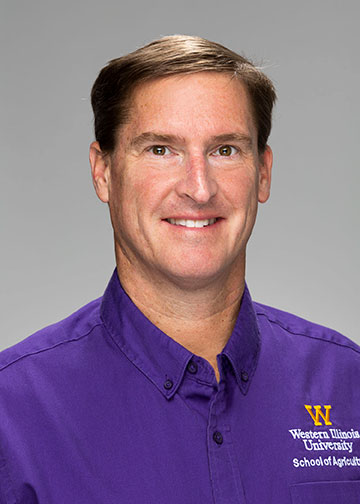
Win Phippen is a tenured full Professor of Plant Breeding and Genetics in the School of Agriculture at Western Illinois University, where he teaches courses in applied genetics, crop ecology, agricultural leadership, and plant breeding. His research focuses on agronomic and breeding improvement of new and alternative crops, with particular emphasis on pennycress domestication for commercial production. His educational background includes a Master of Science degree in plant breeding from Cornell University and a Doctor of Philosophy in the NewCrops breeding program from Purdue University. These qualifications underpin his expertise in crop domestication and genetic improvement. Dr. Phippen's research centers on developing pennycress (Thlaspi arvense L.) as a viable oilseed cash cover crop through germplasm collection, field evaluation, and controlled crosses. His work addresses critical challenges in cover crop adoption, including seed persistence, stress tolerance, and integration into corn-soybean rotations. He investigates how pennycress impacts soil health, carbon sequestration, and subsequent cash crop yields while developing domestication traits through conventional and genomic approaches. His extensive publication record reveals a dominant research trajectory focused on pennycress domestication, with significant contributions to understanding its agronomic performance, stress responses, and integration into sustainable farming systems. Recent work increasingly incorporates molecular techniques like CRISPR genome editing to accelerate domestication while examining ecological interactions and economic viability. As Project Director for major initiatives including the $10 million USDA-NIFA Coordinated Agriculture Project (IPREFER) and the DOE-IPReP grant, Dr. Phippen secures substantial funding to advance integrated pennycress research. These projects support field trials, genomic studies, and extension activities aimed at enabling farm and energy resilience through alternative crop systems. He directs the Alternative Crops Research Program and the Pennycress Resource Network at Western Illinois University, coordinating multi-institutional collaborations that include the IPReP Summer Internship program. These initiatives connect researchers, farmers, and industry partners to accelerate the commercialization of pennycress and other alternative crops for biofuels and sustainable agriculture applications.
Carmen R. Isasi, Ph.D., M.D. is a distinguished researcher and faculty member in the Department of Epidemiology & Population Health at Albert Einstein College of Medicine. With over 300 publications and an h-index of 48, she has established herself as a leading expert in Hispanic/Latino health research. Her work primarily focuses on the Hispanic Community Health Study/Study of Latinos (HCHS/SOL), one of the largest and most comprehensive studies of Hispanic health in the United States. Dr. Isasi's research interests span multiple critical areas of population health, with particular emphasis on diabetes epidemiology , cardiometabolic health , and social determinants of health in Hispanic communities. Her work integrates epigenetics , environmental exposures , and health disparities research to understand the complex factors influencing health outcomes in Latino populations. She has made significant contributions to understanding how adverse childhood experiences , social stressors , and cultural factors impact long-term health trajectories. Her recent publication trends reveal a sophisticated interdisciplinary approach, combining epigenetic analyses , neuroimaging , metabolic profiling , and community-based participatory research methods. The SOL (Study of Latinos) initiative serves as the backbone for much of her work, providing rich longitudinal data on over 16,000 Hispanic adults across four major U.S. communities. Her research portfolio demonstrates consistent growth, with 37 publications in 2024 and 25 already in 2025, reflecting her ongoing productivity and scientific impact. Dr. Isasi currently leads multiple NIH-funded research projects: Metabolic, behavioral and social determinants of youth-onset T2D (NIDDK, 2023-2029) as Principal Investigator Social Stress, Epigenetics and Cardiometabolic Health Among Youth (NIMHD, 2021-2026) as Co-Principal Investigator Nasal epithelial epigenomics and transcriptomics and asthma in Hispanic adults (NHLBI, 2021-2026) as Co-Principal Investigator Purposeful Outreach for Diversity and Inclusion of Underrepresented in Medicine (PODIUM) (NHLBI, 2024-2026) as Co-Principal Investigator These projects collectively represent millions of dollars in research funding and demonstrate her leadership in addressing critical health disparities affecting Hispanic communities through innovative methodological approaches. Her work bridges clinical medicine, population science, and molecular epidemiology to develop a comprehensive understanding of health determinants in underserved populations.
Masatoshi Suzuki is a Professor in the Biomedical Engineering department at the University of Wisconsin-Madison, with an additional affiliation in the School of Veterinary Medicine. His research focuses on applying stem cell technology to model and treat neuromuscular and musculoskeletal disorders , particularly amyotrophic lateral sclerosis (ALS) , through growth factor delivery and advanced imaging techniques. PhD (1999, The University of Tokyo, Japan) DVM (1995, The Ministry of Agriculture and Fishery, Japan) BS (1995, The University of Tokyo, Japan in Veterinary Medicine) Suzuki's work spans basic and translational studies using human neural progenitor cells, mesenchymal stem cells, and pluripotent stem cells. His lab has pioneered strategies for stem cell-based ALS therapy , including growth factor delivery systems and in vitro neuromuscular junction models . He also develops non-invasive imaging approaches to monitor stem cell dynamics in the central nervous system. Research trends in his publications reveal a focus on stem cell technology for neuromuscular diseases, ALS pathology , muscle progenitor isolation , and imaging methodologies . His lab has contributed to understanding sex-specific differences in ALS progression and macrophage-mediated inflammation in disease models. The Suzuki Lab team includes lab manager Samantha Robertson (PhD Genetics), undergraduate assistants Elizabeth Altman (Genetics and Genomics) and Adam Eckardt (Biochemistry), and research assistant Clarisse Rebancos (DVM Candidate). The lab collaborates with funding partners such as the University of Wisconsin-Madison and the School of Veterinary Medicine.
Professor Jane Lucas (MD, PhD, FRCPCH, FERS) is a leading academic at the University of Southampton, specializing in Paediatric Respiratory Medicine within the Department of Paediatrics and Child Health - Clinical and Experimental Sciences. Her research focuses on primary ciliary dyskinesia (PCD), genetic diagnosis of rare respiratory diseases, and lung function analysis. Current research includes LifeArc National Translational Centre for Rare Respiratory Diseases and RNA-seq diagnostic pipelines for PCD Key external roles: Chair of COST Action (2015-2019), European Respiratory Society member (2015-2020), and consultant for PCD Advisory Boards Recent publications (2024-2025) demonstrate interdisciplinary work spanning respiratory medicine, genetics, and bioinformatics, with major projects analyzing PCD genotype-phenotype correlations, novel sequencing approaches, and cross-sectional studies of respiratory pathogens. Her team collaborates with institutions across Europe and the UK. PhD students supervised: Lydia May Newman, Lee Baker, William Tsang, and Jonathan Wen Yi Ong Current grants from Medical Research Council , Aair Charity , Wessex Medical Research , and European Commission
Professor Alfredo Castello is a Professor in Systems Virology at the MRC-University of Glasgow Centre for Virus Research within the Institute of Infection, Immunity and Inflammation at the University of Glasgow's College of Medical, Veterinary and Life Sciences. With an active research program and numerous recent publications, he leads the Castello Lab which focuses on understanding RNA-binding proteins in virus infection. Castello's research interests center around the critical role of cellular RNA-binding proteins (RBPs) in viral infections. His work reveals how viruses exploit host RBPs for replication while cells utilize RBPs as part of their antiviral defense. His lab employs innovative approaches to discover cellular proteins that interact with viral RNA during infection, combining cell and molecular biology, RNA biology, virology, and 'omic' technologies to understand host-virus interactions at a systems level. Analysis of Castello's recent publications shows a strong focus on RNA-protein interactions in viral infections across multiple viral systems including alphaviruses, HIV-1, SARS-CoV-2, and other RNA viruses. His work spans from fundamental RNA biology to translational applications, with particular emphasis on identifying host factors that could serve as targets for broad-spectrum antivirals. ERC consolidator Grant: Towards the discovery of cellular RNA-binding proteins with master regulatory roles in virus infection (2021-2026) MRC Career Development Award: Proteome-Wide Identification of RNA-Binding Proteins Playing Critical Roles in Virus Infection (2021-2022) Marie Curie postdoctoral fellowship: Structural basis of TRIM25 and RIPLET mediated antiviral response (2023) Castello actively supervises multiple PhD students and postdoctoral researchers in the Castello Lab, including Rozeena Arif, Namah Raut, Innes Jarmson, and others. His research group receives substantial funding through multiple grants including RBP-ReguNet (2023-2027) and Understanding the Roles of Cellular RNA-Binding Proteins in HIV-1 Infection (2023). The lab maintains active collaborations both within the University of Glasgow and with external institutions worldwide. The Castello Lab operates as a multidisciplinary research unit combining expertise in molecular virology, cellular biology, RNA biology, and computational approaches. The group has developed innovative methods for identifying RNA-binding proteins in cells, representing significant breakthroughs in understanding protein-RNA interactions during viral infection.
Dr. Ahmet Coskun is an Assistant Professor of Biomedical Engineering at Georgia Institute of Technology and Emory University, where he holds the Bernie-Marcus Early-Career Professorship. He directs the Single Cell Biotechnology and Spatial Omics Laboratory, an interdisciplinary program focused on multiparameter imaging of single cells within their spatial context. His work bridges the fields of bioengineering, computational biology, and systems biology to address fundamental challenges in cancers, immunology, and pediatric diseases. Dr. Coskun received his PhD from the University of California, Los Angeles (UCLA) working with Aydogan Ozcan. He completed postdoctoral training at the California Institute of Technology with Long Cai and served as an Instructor at Stanford University with Garry Nolan. His educational background has provided him with a strong foundation in both engineering principles and biological systems. Dr. Coskun's research lies at the nexus of multiplex bioimaging, microfluidic biodynamics, and big data biocomputation. His laboratory pursues three main research thrusts: spatial genomics (using seqFISH and correlation FISH methods), spatial proteomics (using CODEX technology combined with super-resolution imaging), and spatial metabolomics (using computational and isotope barcoding approaches with MIBI). His team develops machine learning algorithms to analyze the resulting high-dimensional imaging datasets, creating image-based 'omic technologies to reveal the spatial nature of biological systems. Their work has significant implications for understanding therapeutic response variability and cellular organization in health and disease. NSF CAREER Award 2024 NIH R35 MIRA Award 2023 BMES-CMBE Rising Star Award 2023 American Lung Association Innovation Award 2022 Student Recognition of Excellence in Teaching: Class of 1934 CIOS Award NIH K25 Award Burroughs Wellcome Fund CASI Award Dr. Coskun leads an interdisciplinary research team comprising PhD students from Bioengineering, Electrical and Computer Engineering, Mechanical Engineering, and Biomedical Engineering programs. His lab has been supported by numerous federal and private grants, including funding from multiple NIH institutes (NIA, NIAID, NCI, NIDCR, OD, and ORIP), Wellcome LEAP, Burroughs Wellcome Fund, NSF CMaT, American Cancer Society IRG, Multi-cellular engineered living systems (M-CELS), and Regenerative Medicine Center. In addition to his research, Dr. Coskun leads outreach programs through BioCrowd Studio, which engages K12 and undergraduate students through interactive virtual media and distributed biokits. The Single Cell Biotechnology and Spatial Omics Laboratory is strategically positioned at the forefront of spatial biology research. The lab benefits from advanced technologies including super-resolution microscopy, imaging mass spectrometry, combinatorial molecular barcoding, and machine learning to enhance the information capacity of cellular data. The team's innovative approaches to spatial multi-omics profiling have positioned them as leaders in understanding cellular heterogeneity and organization within tissues.
Anna Ehinger is a researcher in Pathology at Lund University , affiliated with the Lund University Cancer Centre (LUCC) . Her work focuses on clinical cytology , breast pathology , and biomarker validation , contributing to the UN Sustainable Development Goal of Cancer and Oncology . Department : Pathology, Lund University Collaborations : International multicenter projects, Sweden Cancerome Analysis Network—Breast (SCAN-B) Her research emphasizes reproducibility in immunohistochemistry , RNA sequencing for biomarker prediction, and biological marker stability in breast cancer tissue. She has contributed to clinical guidelines through the Nationellt Kvalitetsregister för Bröstcancer (NKBC) and participated in studies on immune cell distribution in HER2+ tumors. Key publications include work on Ki67 scoring protocols , RNA-based classifiers for biomarkers, and FFPE tissue antigenicity . Her research outputs (81) and collaborations span disciplines such as genomics , immunology , and clinical diagnostics .
Caleb Webber is a Researcher at the Department of Physiology, Anatomy and Genetics, University of Oxford. He is actively engaged in collaborative research through the Genetics of Cognitive Dysfunction (Gencodys) Consortium and the IMI StemBANCC consortium, where he leads the Data Interpretation package. Education: PhD in 2003 from the European Bioinformatics Institute and the Department of Genetics, Cambridge University His research focuses on understanding the genetic basis of diseases, particularly the role of copy number variations (CNVs) in neurodevelopmental and neurodegenerative disorders such as autism and Parkinson's disease. Using computational biology and genomics approaches, he investigates gene clustering, functional interactions, and therapeutic targets related to these conditions. The recent publications highlight his work in genetics, neuroscience, and computational biology, with a focus on CNVs in autism, iPSC-derived neuronal models for Parkinson's disease, and the application of omics studies to understand disease mechanisms. He is affiliated with the Oxford Parkinson's Disease Centre and contributes to large-scale international research initiatives.
Ramesh Chandra, PhD, is an Assistant Professor in the Department of Neurobiology at the University of Maryland, Baltimore , and serves as Director of the UMB Virus Vector Core (VVC) . His research focuses on molecular and behavioral mechanisms in addiction and depression, particularly through neuronal subtypes in the nucleus accumbens. Education: B.S. in Biology (1999), M.S. in Zoology (2001), PhD in Zoology (2010) from Indian institutions Research spans addiction, depression, optogenetics, striatum biology, and epigenetic regulation , with a strong emphasis on mitochondrial dynamics in neuronal subtypes. His work includes cell-specific transcriptomics, gene therapy vector optimization, and pharmacological interventions in rodent models. Scientific awards include the NARSAD Young Investigator Award and prior research fellowships from the Council of Scientific and Industrial Research, India. He has contributed to mitochondrial gene regulation , neuronal subtype plasticity , and gene therapy core leadership at UMB.