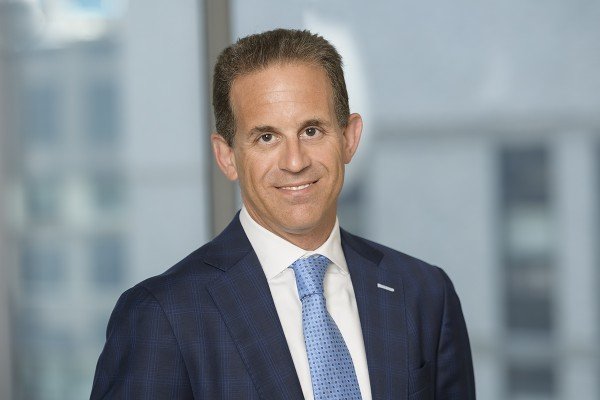
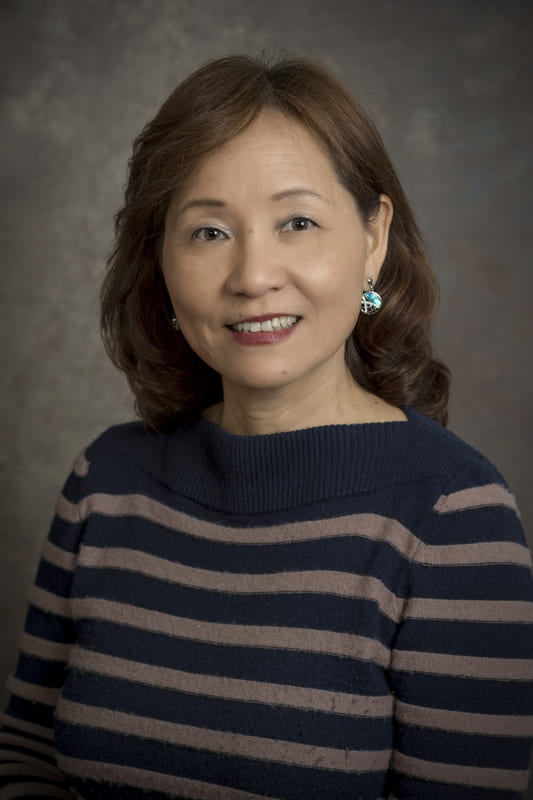
Martin T. Wells is the Charles A. Alexander Professor of Statistical Sciences at Cornell University, with joint appointments in the Department of Statistical Science, Department of Biological Statistics and Computational Biology, Department of Social Statistics, and as Professor of Clinical Epidemiology and Health Services Research at Weill Medical School. He serves as Editor-in-Chief of the ASA-SIAM Book Series and Co-Editor of the Journal of Empirical Legal Studies. Cornell University, Ithaca, NY Weill Cornell Medical College Research Interests span applied and theoretical statistics, Bayesian methods, biostatistics, clinical epidemiology, and computational biology. His work bridges disciplines like finance, legal studies, and health services research. Article Trends highlight advancements in Bayesian modeling, quantum cognition machine learning, tensor analysis, and misclassification correction, with applications in genomics, finance, and public health. Fellow of the American Statistical Association Fellow of the Royal Statistical Society Contributions include developing statistical software (e.g., rTensor), methodological innovations in clinical trials, and empirical legal studies on civil rights and the death penalty.
Rotem Karni, PhD, is an Associate Professor of Genetics at the Perelman School of Medicine, University of Pennsylvania, Philadelphia. He leads a research lab focused on understanding how alternative RNA splicing contributes to cancer and genetic diseases, with a strong emphasis on translating these findings into RNA-based therapies. Karni's lab develops decoy oligonucleotides, small molecules, and splice-switching technologies to modulate splicing factors and enhance immunotherapy. Education BSc in Biological Chemistry from The Hebrew University of Jerusalem (1997) PhD in Biological Chemistry from The Hebrew University of Jerusalem, Israel (2002) Postdoctoral Fellowship at Cold Spring Harbor Laboratory, NY (2002-2007) Karni's research explores the deregulation of alternative splicing in oncogenesis, particularly how splicing factors like RBFOX2 and S6K1 influence metastasis, DNA repair, and immune checkpoint modulation. His team investigates m6A RNA modifications for stabilizing mutant genes, with applications in Duchenne Muscular Dystrophy and pancreatic cancer. The lab's work is commercialized through biotech companies: SKIP Therapeutics, Andlit Therapeutics, and RNAble. Selected Research Trends RNA mis-splicing and neoantigen generation (2025) Splicing factor inhibition for tumor suppression (2023) Metastatic splicing signatures in pancreatic cancer (2023) Immune checkpoint splicing in cancer immunotherapy (2021) m6A modulation for mRNA stabilization (2023) Advising & Collaborations Karni has mentored numerous PhD and postdoctoral researchers, many of whom now hold leadership roles in academia, biotech, and medical institutions globally. His lab collaborates extensively on projects involving RNA innovation, including partnerships with the Institute for RNA Innovation. Contact Department of Genetics & Institute for RNA Innovation, One uCity Square, Room 4018, Philadelphia, PA 19104 Phone: 215-898-5072 Email: Rotem.Karni@Upenn.edu
Professor David Grainger is a faculty member at the University of Birmingham's School of Biosciences, specializing in Molecular Microbiology. He leads the Grainger Lab, focusing on bacterial chromosome biology, pathogenicity, and antibiotic resistance. His research integrates high-throughput techniques and single-molecule analysis to study gene regulation and bacterial pathogenesis. Education: PhD (2004), PGCE (2000), BSc (1999) in Biochemistry from the University of Birmingham. Affiliations: Part of the Institute of Microbiology and Infection (IMI), collaborating with experts in genomics, proteomics, and structural biology. Research Interests: Deciphering chromosome biology of pathogenic bacteria, including transcriptional regulation, toxin production control, and antibiotic resistance pathways. Utilizes cutting-edge methods like Hi-C for 3D chromatin analysis and single-molecule microscopy. Recent Articles: Focused on transposon capture mechanisms, bacterial promoter diversity, and quorum sensing signaling. Highlights include studies on Salmonella regulons and Vibrio cholerae biofilm suppression. Awards: Wellcome Trust Career Development Fellowship (2008), Runner-up in 'Science Snaps' competition for scientific communication. Grants: Career Development Fellowship-funded establishment of his research group at the University of Warwick (2008). Labs/Teams: Grainger Lab at the University of Birmingham, part of the IMI network. Engages in public science outreach via Twitter and lab website.
Rhenish Friedrich Wilhelm University of BonnGermany
Prof. Waldemar Kolanus leads the Molecular Immunology and Cell Biology department at the University of Bonn's Life & Medical Sciences Institute (LIMES) . His research bridges immunoregulation , stem cell dynamics , and metabolic stress responses in immune cells. Unit 2 member at LIMES Principal investigator in SFB 704 and ImmunoSensation Cluster Leads a multidisciplinary lab with postdocs, PhD students, and technical staff His work focuses on intracellular signaling pathways connecting immune activation to tissue homeostasis, particularly through: Cytohesin proteins in integrin-mediated adhesion and migration TRIM71 in stem cell regulation and congenital hydrocephalus High-salt environments affecting macrophage function Publication trends show expertise in immune cell migration , genetic models , and chemical inhibition , with frequent use of mice and zebrafish for in vivo studies. Key articles explore: TRIM71's dual role in auditory development and germ cell maintenance Cytohesin family's Golgi regulation and insulin signaling Ruxolitinib's off-target migration inhibition of dendritic cells Contact details: Address: LIMES Institute, Carl-Troll-Straße 31, Bonn Email: kolanus.sekretariat@uni-bonn.de Phone: +49 228 73-62788
Memorial Sloan Kettering Cancer CenterUnited States
Ross L. Levine, MD, is a distinguished Professor and Physician-Scientist at Memorial Sloan Kettering Cancer Center (MSKCC), holding the Edward P. Evans Endowed Chair for Myelodysplastic Syndromes (MDS). As Senior Vice President of Memorial Hospital’s Translational Research division, he leads groundbreaking work in hematologic malignancies, particularly leukemia and myeloproliferative neoplasms (MPNs). His research integrates clinical care with genomic and molecular studies to develop targeted therapies. Levine received his MD from Johns Hopkins University School of Medicine, followed by residency in Internal Medicine at Massachusetts General Hospital and fellowship in Hematology/Oncology at Dana-Farber Cancer Institute. Education: MD, Johns Hopkins University School of Medicine Residencies: Internal Medicine, Massachusetts General Hospital Fellowships: Hematology/Medical Oncology, Dana-Farber Cancer Institute Levine’s research focuses on the genetic and epigenetic drivers of myeloid cancers, including JAK-STAT pathway mutations in MPNs and AML. His team explores therapeutic strategies targeting CXCL8/CXCR2 signaling and clonal hematopoiesis. Key contributions include identifying JAK2 mutations in MPNs and advancing single-cell mutation analysis for clonal evolution studies. His clinical expertise includes treating patients with acute myeloid leukemia (AML), polycythemia vera, and myelofibrosis, performing bone marrow biopsies, and leading clinical trials for targeted therapies. Levine has pioneered translational research programs linking lab discoveries to patient care, emphasizing precision medicine. Awards & Honors: Pershing Square Sohn Prize (2014), Howard Hughes Medical Institute Early Career Award (2007), and multiple Leukemia & Lymphoma Society accolades. He holds leadership roles in professional societies, including co-chairing the American Society of Hematology’s 2016 Scientific Program. Levine’s lab, part of the Human Oncology & Pathogenesis Program (HOPP), collaborates with institutions globally. His work has been published in high-impact journals like Cancer Cell , Nature , and Blood , advancing understanding of cancer genetics and therapeutic innovation.
Konstantinos Anastassiadis is a Professor at the Center for Molecular and Cellular Bioengineering (CMCB) of Dresden University of Technology , leading the Stem Cell Engineering group at the Biotechnology Center (BIOTEC) . His research focuses on unraveling molecular pathways regulating stem cell self-renewal and lineage commitment, with a strong emphasis on genetic engineering tool development and epigenetic mechanisms during cellular reprogramming. The lab utilizes mouse and human embryonic stem cells, neural stem cells, mesenchymal stromal cells, and induced pluripotent stem cells (iPSCs) in their investigations. Core Research Areas: Molecular regulation of stem cell fate Epigenetic mechanisms (e.g., UTX/UTY histone demethylases) Genetic engineering tool development (Flp, Dre, Vika recombinases, CRISPR protocols) Conditional immortalization systems for rare cell expansion Publications highlight his contributions to understanding: Role of histone methyltransferases (MLL1, MLL2, Setd1b) in hematopoiesis and cancer Epigenetic regulation during mouse development and spermatogenesis Genetic tools for protein tagging, transposon-mediated BAC transgenesis Interactions between stem cells and niche microenvironments Transcriptional and mechanical markers during reprogramming Collaborations span immunology , developmental biology , and bioinformatics . The lab actively participates in teaching activities at CMCB and maintains a focus on translational applications of stem cell research.
Michael Lampson is Professor of Biology at the University of Pennsylvania's School of Arts and Sciences, with secondary appointments in the Department of Cell and Developmental Biology. He serves as faculty in the Cell and Molecular Biology (CAMB) and Biochemistry and Molecular Biophysics (BMB) Graduate Groups, and is affiliated with the American Society for Cell Biology (ASCB). Ph.D., Cornell University, Weill Medical College, 2002 AB, Harvard College, 1994 Dr. Lampson's research program focuses on fundamental mechanisms of chromosome biology, with particular emphasis on cell division, centromere inheritance, and meiotic drive. His lab investigates how selfish genetic elements can violate Mendel's First Law through meiotic drive, the stability of centromere chromatin through the germline, and the role of repetitive satellite DNA in chromosome segregation. Using innovative approaches including mouse model systems, optogenetic tools, and biochemical techniques, his work bridges cell biology, genetics, and evolutionary biology to address questions with implications for reproductive biology, cancer, and genetic inheritance. Analysis of Dr. Lampson's recent publications reveals a strong focus on the intersection of centromere biology, meiotic drive, and chromosome segregation mechanisms. His work increasingly incorporates computational approaches alongside experimental systems to study evolutionary aspects of centromere function. The research demonstrates consistent innovation in methodology, particularly in developing optogenetic tools for precise manipulation of cellular processes. Key themes include the role of satellite DNA variation, mechanisms of non-Mendelian inheritance, and the stability of chromatin structures through cell division and development. Searle Scholar Award American Association for the Advancement of Science (AAAS) fellow Dr. Lampson's research is supported by multiple NIH grants including from NIGMS, NHGRI, NICHD, and NCI, as well as University of Pennsylvania funding sources including the University Research Foundation, Abramson Cancer Center, and several specialized research centers. He collaborates extensively with researchers across disciplines, including Ben Black (Biochemistry), Dennis Discher (Chemical Engineering), Dave Chenoweth (Chemistry), and Roger Greenberg (Cancer Biology), reflecting the interdisciplinary nature of his work. His lab has trained numerous graduate students and postdocs who have gone on to successful careers in academia and industry. The Lampson Lab maintains state-of-the-art facilities for cell biological, genetic, and biochemical research, with specialized equipment for live-cell imaging, optogenetic manipulation, and mouse genetics. The lab fosters a collaborative environment that bridges molecular, cellular, and evolutionary perspectives on chromosome biology.
Mayo Clinic College of Medicine and ScienceUnited States
Dr. John A. Copland III is a Professor of Cancer Biology and Biochemistry & Molecular Biology at Mayo Clinic in Jacksonville, Florida. He leads the Cancer Biology and Translational Research Laboratory, focusing on molecular mechanisms of carcinogenesis, tumor progression, and development of targeted cancer therapies. Education: PhD in Physiology & Endocrinology (Medical College of Georgia), MS in Endocrinology (Medical College of Georgia), BS in Chemistry (Columbus College), with postdoctoral training at University of Texas Medical Branch. Research interests center on: Identifying tumor suppressor genes (e.g., RhoB, TBR3, GATA3) and oncogenes (e.g., FOXO3a, SCD1, NPTX2). Developing patient-derived xenografts and live cell models for personalized medicine. Designing SCD1 inhibitors via in silico modeling for clinical trials. Recent publications highlight his work on SCD1 inhibition in leukemia and thyroid cancer ImmunoPET imaging of thyroid tumors CRISPR-identified drug synergies in cholangiocarcinoma Patient-specific combination therapies using xenograft models
Vilhelm Bohr is an Affiliate Professor at the Department of Cellular and Molecular Medicine , University of Copenhagen, affiliated with the Molecular Aging Program and Center for Healthy Aging . His research explores the interplay between DNA maintenance , mitochondrial biology , and aging , particularly in age-associated neurodegeneration and Alzheimer’s disease. Research Interests include: Molecular mechanisms linking NAD + metabolism to mitochondrial dysfunction and neurodegeneration Role of tau pathology in DNA damage and mitochondrial stress Impact of Aprataxin (APTX) and RECQL4 helicase defects on mitochondrial DNA integrity Pharmacological strategies to improve mitochondrial health via autophagy modulation Publications (2025-2024) span topics like NAD + biosynthesis, Werner/Rothmund-Thomson syndromes, tau nuclear functions, and mitochondrial turnover, with high citations and media attention. Collaborations extend to clinical tumor samples and CRISPR-based disease models.
Ruth Etzioni is an Affiliate Professor in the Biostatistics Program and Public Health Sciences Division at the Fred Hutchinson Cancer Center. She leads the Etzioni Lab, focusing on cancer screening, early detection, and overdiagnosis analysis. Her work integrates statistical modeling, epidemiology, and clinical research to address critical questions in prostate and breast cancer control. Dr. Etzioni holds the Rosalie & Harold Rea Brown Endowed Chair and has received a $7.4M NIH Outstanding Investigator Award. Education: PhD in Statistics (Carnegie Mellon University, 1990), MS in Statistics (Carnegie Mellon, 1987), BS in Mathematics (University of Cape Town, South Africa). Research interests emphasize biomarkers, clinical trials, and epidemiological methods. She leads the Biostatistics Core for the Pacific Northwest Prostate Cancer SPORE and participates in the Cancer Intervention and Surveillance Modeling Network (CISNET). Her lab develops models to evaluate screening policies, quantify overdiagnosis, and inform healthcare disparities reduction strategies. Key achievements include groundbreaking work on prostate cancer screening's harm-benefit tradeoffs and contributions to multi-cancer early detection (MCED) frameworks. Recent studies address racial disparities in prostate cancer outcomes, metastasis trends, and the clinical utility of novel diagnostics like PSMA PET imaging. Awards include the Brown Endowed Chair (2020), NCI OIA Award (2023), and recognition for advancing cancer data science. Her lab collaborates with institutions globally and mentors students in biostatistics and translational data science.
Celeste Sagui is a Professor in the Department of Physics at North Carolina State University (NC State), affiliated with the College of Sciences. She holds additional roles as a faculty affiliate in Genomics Sciences at NC State and is a member of the Center for High Performance Simulation. Her research focuses on computational biophysics, biomolecular simulations, and free energy methods applied to nucleic acid structures, protein dynamics, and nanotechnology systems. She has contributed to the AMBER simulation package development, co-authoring versions from 10 to 14. Education: Doctorate in Physics, University of Toronto (1995) Licentiate degree, National University of San Luis, Argentina Research Interests: Sagui’s work explores DNA/RNA structure and phase transitions, electrostatic interactions, and methodologies for large-scale molecular simulations. Recent studies include nucleic acid hairpin instabilities linked to neurodegenerative diseases, polyglutamine aggregation mechanisms, and novel DNA motifs like the eGZ structure in Z-DNA. She employs quantum chemistry, density functional theory, and phase-field models to investigate systems ranging from biomolecules to nanomaterials. Publications: Her recent work emphasizes nucleic acid dynamics, free energy landscapes, and computational methods for studying diseases such as Friedreich’s ataxia and polyglutamine disorders. Key contributions include advancements in laser-driven simulations and infrared spectroscopy analysis of protein structures. Labs/Teams: Active in the Center for High Performance Simulation, focusing on high-throughput computational modeling and collaborative software development for biomolecular research.
Jens S. Andersen is a Professor in the Department of Biochemistry and Molecular Biology at the University of Southern Denmark, where he leads research in Biomedical Mass Spectrometry and Systems Biology. His work is centered on the development and application of quantitative mass spectrometry and microscopy-based proteomics to study human cell biology, particularly the structure and function of organelles such as centrosomes, cilia, autophagosomes, and mitochondria. His research focuses on determining the protein composition and dynamic properties of cellular organelles, the roles of specific protein groups, and their contributions to biological processes and diseases. He investigates cell signaling mediated by post-translational modifications, especially within the DNA damage response, autophagy, and immune systems. His lab, the Jens S. Andersen Lab, is part of the Research Section of Biomedical Mass Spectrometry. The analysis of his recent publications reveals a strong interdisciplinary trend combining proteomics, structural biology, and cell signaling. His work spans cilia biology, RNA metabolism, DNA repair, and cancer mechanisms, with frequent use of advanced techniques like mass spectrometry, CRISPR, and live-cell imaging. The integration of systems biology approaches is evident across his research outputs. Professor, Department of Biochemistry and Molecular Biology, University of Southern Denmark Head of Research, Biomedical Mass Spectrometry and Systems Biology Principal Investigator, Jens S. Andersen Lab ORCID: 0000-0002-6091-140X While no specific scientific awards are mentioned in the provided texts, his extensive publication record in high-impact journals such as Science , Nature Communications , Molecular Cell , and EMBO Journal reflects significant scholarly contributions. He has supervised research projects and collaborated widely across Europe, though specific names of students are not listed. His research is supported by multiple ongoing projects, reflecting sustained funding and academic leadership. The Jens S. Andersen Lab operates at the intersection of proteomics and cell biology, contributing to fundamental understanding of organelle dynamics and disease mechanisms. The lab's work is highly collaborative, involving partnerships with groups in structural biology, RNA research, and cancer biology.
Todd A. Alonzo is a Professor of Research in the Department of Preventive Medicine at the University of Southern California . As Group Statistician for the Children's Oncology Group , he focuses on statistical methods for biomarker analysis, medical diagnostic testing, and clinical trial design in pediatric acute myeloid leukemia (AML). Education: B.S. in Statistics, California State Polytechnic University (1994) MS and PhD in Biostatistics, University of Washington (1997, 2000) Research Interests include: Development of statistical frameworks for diagnostic accuracy Genomic and proteomic profiling in AML Pharmacogenomic score systems for chemotherapy response Non-inferiority trial design in low-event-rate settings Health disparities in pediatric oncology Scientific Awards : Fellow, American Statistical Association (2018) Outstanding Teacher Award, International Society for Magnetic Resonance in Medicine (2017) NIH Predoctoral Cardiovascular Biostatistics Training Grant (1995) ENAR Biometrics Society Distinguished Student Paper Award (1999) WNAR Biometrics Society Best Student Oral Presentation (1999) Leadership & Service includes editorial board memberships (Biometrics, Pediatric Blood & Cancer, Biometrical Journal), reviewer for 30+ scientific journals, and roles on multiple Data Safety and Monitoring Boards. He served as President of the International Biometric Society Western Northern America Region (WNAR) in 2009.
Cathy Wu is a distinguished academic holding the Unidel Edward G. Jefferson Chair in Engineering and Computer Science at the University of Delaware. She serves as Director of the Center for Bioinformatics & Computational Biology (CBCB), Data Science Institute (DSI), and Protein Information Resource (PIR). Her roles include professorships in the Departments of Computer & Information Sciences and Biological Sciences. Education: BS in Plant Pathology (National Taiwan University, 1978), MS and PhD in Plant Pathology (Purdue University, 1982–1984), and a second MS in Computer Science (University of Texas at Tyler, 1989). She completed postdoctoral training in Molecular Biology at Michigan State University (1985–1986). Research interests focus on computational biology, bioinformatics, and data science with emphasis on protein informatics, biological text mining, ontology development, gene-disease-drug networks, and machine learning applications. She leads initiatives in integrating FAIR principles into biological databases like UniProt and InterPro. Her work bridges computational methods with biomedical challenges, including cancer genomics, epigenetic regulation, and proteomic analyses. She has spearheaded educational programs such as the Online Graduate Certificates in Applied Bioinformatics and Biomedical Informatics and Data Science. Her contributions include over 290 peer-reviewed publications (48,000+ citations, h-index 71) and authored/co-authored four books on bioinformatics. She directs multidisciplinary research teams and collaborates internationally on projects like the HALO study on ovarian cancer genetics. Awards and recognition are implied through her leadership roles and academic appointments, though specific prizes are not listed here. Her grants and funding support large-scale initiatives in bioinformatics infrastructure and translational research.
Ben Cosgrove is an Associate Professor in the Meinig School of Biomedical Engineering at Cornell University, serving as Director of Graduate Studies. His research focuses on systems bioengineering approaches to understand muscle stem cell dysfunction in aging and disease. He leads the Cosgrove Lab, a multidisciplinary group integrating biomedical engineering, stem cell biology, and systems biology to study microenvironmental signaling in muscle regeneration. His work includes developing biomimetic microenvironments for stem cell manufacturing and improving regenerative medicine therapies. Dr. Cosgrove holds a B.Eng. from the University of Minnesota (2003) and a Ph.D. in Bioengineering from MIT (2009). Postdoctoral training at Stanford University (with Dr. Helen Blau) followed. His research is supported by NIH grants (including R01, R21), the Glenn Medical Research Foundation, and others. He has been recognized with awards such as the BMES Graduate Research Award (2008), Rising Star Award (2015), and Swanson Teaching Excellence Award (2019). Research interests span bioengineering, biomechanics, computational science, and systems biology. His lab's innovations include spatial transcriptomic mapping and high-yield stem cell expansion platforms. Current projects aim to decode stem cell-niche interactions to treat muscle degeneration and aging. Grants: NIH K99/R00, R01, R21; Glenn Medical Research Foundation Labs/Teams: Cosgrove Lab (Cornell University) Future Work: Expanding applications of spatial transcriptomics and engineering regenerative therapies for muscle diseases