Max Planck Institute for Terrestrial MicrobiologyGermany
Professor Lennart Randau is a leading researcher in the field of Genetics at Philipps University of Marburg, affiliated with the Faculty of Biology. His work is conducted in conjunction with the Max Planck Institute for Terrestrial Microbiology in Marburg, Germany, where he investigates molecular mechanisms underlying CRISPR-Cas systems and related biotechnological applications. Research focus on CRISPR-Cas evolution and inhibition mechanisms Investigates structural and functional diversity of prokaryotic defense systems Active in developing genome engineering tools from microbial systems His recent publications highlight CRISPR-Cas transitions from natural immunity to synthetic biology applications, with particular emphasis on anti-CRISPR proteins and transposon-associated gene integration mechanisms. Professor Randau's laboratory employs interdisciplinary approaches combining molecular biology, biochemistry, structural biology, and genomics to unravel the complexities of microbial genetic defense systems and their potential applications in biotechnology.
Theresa L. Werner, M.D. is a Professor in the Division of Oncology, Department of Medicine at the University of Utah School of Medicine, an Investigator at the Huntsman Cancer Institute, and Deputy Director of the Huntsman Cancer Institute. She also serves as Interim Division Chief of Oncology and holds an Adjunct Professor position in Obstetrics & Gynecology. Dr. Werner specializes in adult medical oncology with a focus on gynecologic malignancies. Her educational background includes: Bachelor's degree from Indiana University in Bloomington, Indiana Medical degree from Indiana University School of Medicine, Indianapolis, Indiana Residency in Internal Medicine and Chief Medical Residency at University of Utah School of Medicine Fellowship in Hematology and Medical Oncology at University of Utah and Huntsman Cancer Institute Dr. Werner's primary research interests focus on gynecologic malignancies, particularly ovarian, uterine, cervical, and vaginal cancers. She is heavily involved in clinical and translational research, with a strong emphasis on experimental therapeutics and phase one clinical trials. Her work often centers on developing new treatment approaches for gynecologic cancers, including targeted therapies and combination treatments. She has served as principal investigator for numerous clinical trials in gynecologic cancers and has contributed significantly to national treatment guidelines through her work with the NCCN Ovarian Cancer Panel. Dr. Werner's recent publications demonstrate a strong focus on gynecologic oncology, particularly ovarian cancer research. Her work spans from basic science investigations of cancer biology to clinical trials of novel therapeutics. A significant portion of her research examines targeted therapies, including PARP inhibitors, angiogenesis inhibitors, and receptor tyrosine kinase inhibitors. She also contributes to national treatment guidelines through her work with the NCCN, and has published on topics including homologous recombination deficiency testing, molecular subtyping of endometrial cancer, and the impact of the COVID-19 pandemic on cancer clinical trials. Dr. Werner has received several notable scientific awards throughout her career: Awards for excellence in teaching and clinical care of patients during her residency at University of Utah 2016 recipient of the NCI Cancer Clinical Investigator Team Leadership Award Dr. Werner has served in significant leadership roles including Deputy Director of Huntsman Cancer Institute and Interim Division Chief of Oncology. She was Medical Director of the Clinical Trials Office at HCI until 2022 and has served as principal investigator for numerous clinical trials in gynecologic cancers. Her grant funding likely supports her extensive clinical trial work and research in gynecologic malignancies. She serves on the National Cancer Institute's Gynecologic Cancer Steering Committee and the National Cancer Comprehensive Network (NCCN) Panel for Ovarian Cancer, which defines national standards for the oncologic care of ovarian cancer, as well as NCCN Patient Guidelines and NCCN Chemotherapy Templates groups. Dr. Werner is a member of the Experimental Therapeutics Program at Huntsman Cancer Institute and has been actively involved in the phase one clinical trial program. She has served as Chair of the Association of American Cancer Institutes (AACI) Clinical Research Innovation (CRI) Steering Committee and is a member of several professional societies including the American Society of Clinical Oncology and NRG Oncology including the Gynecology Oncology Group.
Gerald H. Thomsen is a Professor in the Department of Biochemistry and Cell Biology at Stony Brook University, where his research focuses on molecular mechanisms of embryonic development using Xenopus frogs and Nematostella vectensis sea anemones. His laboratory investigates growth factor signaling pathways, ubiquitin-mediated protein degradation, and transcriptional regulation during early development. His primary research areas include TGFß superfamily signaling (specifically Vg1/nodal/activin and BMP pathways), ubiquitin ligase function in cell differentiation, and evolutionary developmental biology through comparative studies of vertebrates and cnidarians. Current projects examine Smad-interacting factors, Smurf ubiquitin ligases, and the molecular basis of regeneration in sea anemones, with implications for understanding human developmental disorders and birth defects. Dr. Thomsen's publications reveal consistent focus on developmental signaling mechanisms across diverse model organisms, with recent work emphasizing CRISPR/Cas9 applications in Xenopus and evolutionary conservation of developmental pathways. His laboratory maintains active collaborations with researchers at the University of Florida and University of Hawaii, particularly on Nematostella vectensis functional genomics and regeneration studies, as evidenced by co-authored publications on cnidarian developmental mechanisms.
Joshua Warren is a Professor in the Department of Biostatistics at the Yale School of Public Health. He holds appointments in Climate Change and Health, Public Health Modeling, the Yale Superfund Research Center, and the Yale-BI Biomedical Data Science Fellowship. His academic journey includes a PhD in Statistics from North Carolina State University (2011), an MS from the same institution (2009), and a postdoctoral fellowship at UNC Chapel Hill (2014) before joining Yale. Warren's research focuses on developing hierarchical Bayesian methods for spatial and spatiotemporal data, assessing environmental exposures' impact on human health, and characterizing infectious disease spread. His work frequently involves introducing spatial and spatiotemporal models in Bayesian settings to study associations between environmental exposures like air pollution and health outcomes including preterm birth, low birth weight, and congenital anomalies. He also applies these methods in collaborative settings including epidemiology, geography, nutrition, and glaucoma research. His 15 most recent publications demonstrate extensive work at the intersection of environmental health, spatial statistics, and public health. The research spans air pollution health effects, tuberculosis transmission modeling, heat wave impacts on birth outcomes, and statistical methodology development. His work shows particular strength in applying Bayesian approaches to complex spatial and temporal data in public health contexts. Coauthor, Kenneth Rothman Epidemiology Prize Paper (2018) First Author, Best Paper in Biometrics (2012) Warren serves as Associate Editor for Statistics in Biosciences (2015-present) and previously for the Journal of the American Statistical Association (2018-2020). He has reviewed for the Health Effects Institute (2019), Swiss National Science Foundation (2017), and NIH study sections (2016). His collaborative network includes researchers like Nicole Deziel, Daniel Weinberger, Ted Cohen, and Xiaomei Ma. His laboratory focuses on statistical methods development with applications to public health problems, particularly those involving spatial and temporal data structures. Warren's work bridges theoretical statistics with practical public health applications, making significant contributions to how we understand environmental health risks and infectious disease dynamics.
Peter Clote is a Professor of Biology at Boston College, with research focusing on computational biology , bioinformatics , synthetic biology , and RNA molecular design . His work integrates RNA thermodynamics , folding kinetics , and machine learning to develop algorithms for RNA structure prediction and functional design. He holds a Sc.B. from MIT , a Ph.D. from Duke University , and a Doctorat d'Etat from University of Paris VII . Research Interests : Computational biology, synthetic biology, RNA folding algorithms, structural motifs, molecular evolution, and proteomics. Awards : Guggenheim Fellow in Applied Math (2013-2014). Collaborations : Extensive partnerships with institutions including MIT, University of Paris-Sud, CSIC Madrid, and European Bioinformatics Institute. Publication Trends : His work emphasizes RNA structural networks , kinetic modeling , thermodynamic algorithms , and synthetic RNA design , contributing to understanding RNA's role in gene regulation and synthetic biology applications.
Anna Taylor, PhD, is an Associate Professor in the Department of Pharmacology within the Faculty of Medicine & Dentistry at the University of Alberta. She holds the Canada Research Chair in Pain and Addiction and the Alberta Cancer Foundation Chair in Palliative Care, and is a member of both the Neuroscience and Mental Health Institute and the Cancer Research Institute of Northern Alberta. Dr. Taylor completed her doctoral training at the McGill Pain Center followed by postdoctoral research at UCLA's Hatos Center for Opioid Pharmacology. Her educational background established a foundation in pain mechanisms and opioid pharmacology that directly informs her current research program. Her research critically examines how chronic pain alters affective and cognitive brain regions, with particular focus on interactions between pain pathways, opioid systems, and emotional processing. Key areas include neuroinflammation in pain chronification, gut microbiome-pain interactions, sex differences in pain and addiction, and the development of non-addictive analgesics targeting alternative opioid pathways. Her work consistently employs sophisticated rodent models to dissect neural circuitry underlying pain and reward. Analysis of her recent publications reveals an accelerating focus on neuroimmune mechanisms and sex-specific pain processing, with growing emphasis on the gut-brain axis. A defining trend is her investigation of non-canonical opioid agonists as safer alternatives to traditional opioids - research that directly addresses the dual crises of chronic pain management and the opioid epidemic through mechanistic innovation. Dr. Taylor's significant contributions to pain and addiction research have been recognized through prestigious appointments: Canada Research Chair in Pain and Addiction Alberta Cancer Foundation Chair in Palliative Care She actively mentors graduate students and postdoctoral fellows while securing competitive research funding from national agencies. Her collaborative approach spans neuroscience, immunology, and clinical pain medicine, with particular emphasis on translating basic findings into improved therapeutic strategies for pain and addiction disorders. The Taylor Lab operates as a multidisciplinary hub within the Medical Sciences Building, integrating molecular, behavioral, and neuroanatomical approaches to study pain's emotional dimensions. Current team projects investigate central amygdala neuroinflammation in pain hypersensitivity, microbiome-mediated modulation of opioid responses, and sex chromosome effects on pain processing - all aimed at developing targeted interventions for chronic pain conditions.
Satoshi Tsuneda is a Professor at Waseda University’s School of Advanced Science and Engineering, attached to the Department of Life and Medical Sciences and jointly stationed at the Center for Advanced Biomedical Sciences (TWIns). Since earning his Ph.D. in Engineering from the University of Tokyo (1994) he has built a highly cited research program (> 15 800 citations, h-index 70) spanning environmental biotechnology and medical microbiology. Education: Doctor of Engineering, The University of Tokyo, 1994 Master of Engineering, The University of Tokyo, 1991 Bachelor of Engineering, The University of Tokyo, 1989 Research Interests: Tsuneda’s group integrates molecular microbiology with engineering to address global health and environmental challenges. They elucidate nitrification and anammox processes, design phage-based antimicrobials, decode bacterial persistence mechanisms, and develop microfluidic cultivation platforms. Their work links fundamental insights in bacteriophage biology, toxin-antitoxin systems, and nitrifying bacteria to practical applications in wastewater treatment, aquaculture, and alternative antimicrobials. Publication Trends: Recent articles (2022-2025) reveal two dominant directions: (i) phage engineering and phage cocktail design to combat multidrug-resistant E. coli and other pathogens, and (ii) ecophysiology of nitrifying bacteria (Nitrosomonas, Nitrotoga, anammox) aimed at optimizing nitrogen removal in engineered and natural systems. Additional themes include bacterial persistence, RNA toxin specificity, and micro-droplet technologies for high-throughput microbe isolation. Scientific Awards: Ministry of the Environment Director-General's Award for Environmental Regeneration and Resource Recycling (2022) Japan Society on Water Environment Distinguished Service Award (2022) Society for Biotechnology, Japan, Paper Award (2018) Nagase Science and Technology Foundation Research Promotion Award (2017) Multiple best-paper awards from JSWE, SCEJ, and SBTJ (2001-2014) Advising & Grants: Tsuneda currently advises a large cohort of graduate researchers; names of individual students are not listed in the supplied text. His laboratory has been continuously funded for interdisciplinary projects coupling microbiology with environmental engineering, although explicit grant numbers or titles are not provided. Laboratory & Teams: The Tsuneda Laboratory (est. 1996) operates within Waseda University and the TWIns joint research center, maintaining collaborations with Tokyo Women’s Medical University, Juntendo University, and AIST. The team specializes in molecular microbial ecology, phage isolation/engineering, and advanced bioreactor technologies.
Gerald G. Sander is a Professor of Constitutional, Administrative, and European Law at the University of Public Administration and Finance Ludwigsburg since 2012. He has an extensive academic background, including a Doctorate in Law from the University of Tübingen and a Magister rerum publicarum from the University of Speyer. His career spans roles as a lawyer, researcher, and academic leader, with editorial board memberships in journals like Pravni Vjesnik and Internal Security . Education: Dr. iur., University of Tübingen (2000) Magister rerum publicarum, University of Speyer (1996) Magister Artium in Political Science, University of Tübingen (1994) Sander’s research interests focus on European Union Law, Constitutional Law, Public Health Law, and International Trade Law. His work addresses the intersection of EU regulations with national policies, particularly in areas like pharmaceutical trade, food safety, language rights, and environmental governance. He has contributed extensively to debates on climate agreements, security law, and the legal implications of EU expansion. His publications include analyses of the Codex Alimentarius Commission’s role in international food standards, the legality of EU stabilization mechanisms, and interdisciplinary studies on security law. Recent articles examine genetic testing rights, transnational labor relations, and judicial interactions between EU and national courts. His scholarly output often integrates legal, economic, and public health perspectives. Academic leadership roles include serving as Dean of Postgraduate Programs (MPM/MEPA) and Director of the Institute for Applied Research (2013–2019). He has also held editorial positions and collaborated internationally with institutions in the Czech Republic, Croatia, and Poland.
Anna Green is an Assistant Professor at the Manning College of Information & Computer Sciences (CICS) at the University of Massachusetts Amherst. She directs the Sequence Analysis and Genomics (SAGE) lab, which focuses on developing computational methods to understand genetic variation, with special emphasis on antibiotic-resistant bacteria. Her research integrates machine learning with genomic analysis to predict antibiotic resistance and understand its genetic basis. Education: Postdoctoral Fellow in Biomedical Informatics (2023) - Harvard Medical School PhD in Systems Biology (2019) - Harvard University BS in Molecular and Cell Biology (2013) - University of Connecticut Her research program at SAGE Lab focuses on: Applying machine learning to genomic sequences to predict antibiotic resistance Developing interpretable models of resistance mechanisms in bacteria Studying evolutionary patterns in Mycobacterium tuberculosis populations Discovering protein interactions through computational analysis of genomic sequences Building frameworks for coevolutionary sequence analysis Her recent publications demonstrate a consistent focus on antimicrobial resistance mechanisms in tuberculosis using cutting-edge computational approaches. Research spans machine learning applications, genomic dependency analysis, transcriptomic responses, and protein interaction mapping, consistently addressing public health challenges posed by evolving bacterial resistance. Dr. Green teaches several courses including: Introduction to Computational Biology and Bioinformatics (INFO 390C) Computational Biology and Bioinformatics (CS 690U) Machine learning on biological sequence data (CS 692X) She directs the SAGE Lab at UMass Amherst, where her team develops computational methods to combat antibiotic resistance through genomic analysis and predictive modeling.
National and Kapodistrian University of AthensGreece
Professor Saman Amarasinghe is a faculty member in the Department of Electrical Engineering and Computer Science at the Massachusetts Institute of Technology (MIT), where he leads the Commit compiler research group at MIT's Computer Science and Artificial Intelligence Laboratory (CSAIL). His research focuses on programming languages and compilers that maximize application performance on modern computing platforms, with a particular emphasis on high-performance domain-specific languages. Professor Amarasinghe received his bachelor's degree in electrical engineering and computer science from Cornell University in 1988, followed by master's and PhD degrees in electrical engineering from Stanford University in 1990 and 1997, respectively. He joined the MIT faculty as an assistant professor in 1997 and has since become a world leader in his field. Professor Amarasinghe's research interests span programming languages, compiler design, and high-performance computing, with a particular focus on domain-specific languages. His group has developed numerous influential languages and compilers including Halide, TACO, Simit, StreamIt, StreamJIT, PetaBricks, MILK, Cimple, and GraphIt, which deliver unprecedented performance for application domains such as image processing, stream computations, and graph analytics. He has also pioneered the application of machine learning for compiler optimizations, from Meta optimization in 2003 to the OpenTuner autotuner framework. Professor Amarasinghe's publication history reveals a consistent research trajectory toward creating specialized language and compiler solutions that address performance challenges in specific domains while hiding complexity from application developers. His recent work focuses heavily on sparse computing, tensor algebra, graph processing, and the integration of machine learning techniques into compiler technology, demonstrating his ability to identify and address emerging computational challenges. ACM Fellow (2019) As an educator, Professor Amarasinghe has developed the popular Performance Engineering of Software Systems (6.172) class with Professor Charles Leiserson and created innovative project-based courses including the Open Source Software Project Lab, the Open Source Entrepreneurship Lab, and the Bring Your Own Software Project Lab. He also serves as the faculty director of MIT Global Startup Labs, which has helped create more than 20 startups across 17 countries. His research has translated into practical applications through startups like Determina, Inc. (acquired by VMware), demonstrating the real-world impact of his academic work. Professor Amarasinghe co-led the Raw architecture project with Professor Anant Agarwal, which did pioneering work on scalable multicores. His entrepreneurial activities include founding Determina, Inc. based on computer security research from his MIT lab and co-founding Lanka Internet Services, Ltd., the first Internet Service Provider in Sri Lanka, showcasing his ability to bridge academic research with commercial applications.
Dan Cox serves as Dean of Natural Sciences in The College of Liberal Arts and Sciences and Professor in the School of Life Sciences at Arizona State University. He holds a B.S. in Biology from Wake Forest University and a Ph.D. in Cell Biology from Duke University, where he was an NIH pre-doctoral fellow. His postdoctoral training included a Jane Coffin Childs Fellowship and HHMI Research Associate position at UCSF. His educational trajectory includes: B.S. magna cum laude with honors in Biology, Wake Forest University (1992) Ph.D. in Cell Biology, Duke University Medical Center (1999) Postdoctoral training: Jane Coffin Childs Fellow & HHMI Research Associate, UCSF (2000-2004) Cox leads an internationally recognized neuroscience research program focused on neuronal diversity, circuit construction, and neural mechanisms of behavior—particularly pain perception and sensory neuropathies. His expertise spans neurobiology, cell biology, genetics, and computational modeling, with emphasis on multimodal sensory processing and brain plasticity. His lab has maintained continuous NIH funding for 20 years. His recent publications reveal dual research thrusts: fluid dynamics studies on drag reduction in pipe flows (examining vortex dynamics, Reynolds number effects, and wall oscillation techniques) and genetic engineering work including CRISPR-Cas9 delivery systems for immune system gene screening. This combination reflects interdisciplinary collaboration across engineering and biological domains. Key recognitions include: NIH pre-doctoral fellowship Jane Coffin Childs Fellowship for Medical Research HHMI Research Associate appointment Cox demonstrates exceptional commitment to mentoring across career stages and advancing student success through innovative pedagogies. His leadership extends to directing research centers, imaging facilities, and graduate programs—including roles as Director of the Center for Neuromics and Neuroscience Institute at Georgia State University. His NIH-funded research supports extensive interdisciplinary collaboration and training initiatives. Throughout his career, Cox has cultivated collaborative research environments through leadership in core facilities and interdisciplinary clusters, notably directing the 2CI Neurogenomics Fellowship and Brains & Behavior initiatives. His current deanship emphasizes cross-college research integration within ASU's liberal arts framework.
Andrew J. Broadbent is an Assistant Professor in the Department of Animal and Avian Sciences at the University of Maryland, College Park, within the College of Agriculture & Natural Resources. His research focuses on the molecular virology of avian viruses, including avian influenza virus (AIV), infectious bursal disease virus (IBDV), and avian reovirus (ARV), with an emphasis on vaccine development, pathogenesis, and zoonotic disease prevention. Education and Experience 2002-2005: MA in Pathology, University of Cambridge 1999-2002: MA in Pathology, University of Cambridge 2006-2010: PhD in Microbiology & Immunology, Imperial College London 2010-2014: Postdoctoral Visiting Fellow, NIH 2014-2019: Research Fellow, The Pirbright Institute 2019-2021: Group Leader, The Pirbright Institute 2020-2021: Teaching Fellow, University of Surrey 2021-Present: Assistant Professor, University of Maryland Research Focus Broadbent's work centers on understanding how avian RNA viruses replicate and cause disease, particularly their interactions with host immune systems. His lab investigates immunosuppression mechanisms, viral evolution, and vaccine efficacy using in vitro and in vivo models like chicken bursal cells and molecular imaging techniques. Article Trends His publications emphasize segmented RNA viruses (IBDV, influenza), viral replication structures (virus factories), immune evasion strategies, and cross-species transmission dynamics. Recent studies explore antigenic drift modeling and zoonotic potential of avian pathogens. Scientific Contributions MPower Partnership Seed Grant ($300,765) for zoonotic virus prevention Involved in six UMD Grand Challenge Grants Elected ASV Veterinary Virology Councilor Students and Lab Current lab members include PhD students Andrew Brodrick and Jyothsna Girish, postdoc Dr. Sofia Egana-Labrin, and technician Alex Broadwway. The lab utilizes primary tissue culture, molecular biology, and bio-imaging to study avian viral diseases.
Dario C. Altieri, M.D. serves as President and Chief Executive Officer of The Wistar Institute, Director of the Ellen and Ronald Caplan Cancer Center (an NCI-designated facility), and Robert and Penny Fox Distinguished Professor leading the Genome Regulation and Cell Signaling Program. His leadership spans both administrative responsibilities and active cancer research. Born in Milan, Italy, Altieri was educated at the University of Milan School of Medicine, completed training in internal medicine, and holds a postgraduate degree in clinical and experimental hematology. His academic career includes positions at Scripps Clinic and Research Foundation (1987), Yale University School of Medicine (becoming professor with tenure in 1999), and founding chair of the Department of Cancer Biology at the University of Massachusetts Medical School (2002). He joined The Wistar Institute in 2010 as Cancer Center Director and Chief Scientific Officer, becoming President and CEO in 2015. Altieri's research focuses on cellular adaptation mechanisms or 'plasticity' exploited by cancer for disease progression. His laboratory investigates mitochondrial functions in cancer, including bioenergetics, reactive oxidative species buffering, inter-organelle communication with the endoplasmic reticulum, and retrograde gene expression. His work demonstrates that mitochondrial reprogramming is a universal cancer trait imparting unique plasticity to tumor responses across all disease stages. The lab has pioneered mitochondria-targeted cancer therapeutics, developing compounds like Gamitrinib that entered clinical trials (NCT04827810). Analysis of Altieri's recent publications (2020-2024) reveals a strategic evolution from foundational work on mitochondrial dynamics in tumor cell motility toward understanding Parkin protein's role in tumor immunity and metastasis suppression. His research spans molecular mechanisms to therapeutic applications, increasingly incorporating tumor microenvironment and immune system interactions, with direct translational impact. Altieri's laboratory team includes Research Assistant Professors Jagadish Ghosh, Ph.D. and Michela Perego, Ph.D., and Postdoctoral Fellow Minjeong Yeon, Ph.D. His research has received significant NIH funding including R35 CA220446 and R01 CA286080 grants. The laboratory employs multidisciplinary approaches spanning biochemical, cellular, and molecular techniques, xenograft and genetic animal models, and analysis of clinically-annotated patient samples. The Altieri Laboratory operates within The Wistar Institute's NCI-designated cancer center. His team discovered and characterized the survivin gene (with over 10,500 PubMed citations), establishing it as a fundamental cancer gene and therapeutic target. Recent work on Parkin's dual role in suppressing tumor traits while activating innate immunity opens new avenues for cancer immunotherapy development.
Lisa D'Ambrosio serves as an Assistant Professor in the Department of Biochemistry, Microbiology, and Immunology at the University of Ottawa, actively contributing to the HHMI Science Education Alliance-Phage Hunters Advancing Genomics and Evolutionary Science (SEA-PHAGES) program. This national initiative integrates undergraduate education with authentic research in bacteriophage discovery and genomic analysis. Her research spans phage genomics, bacterial genetics, and microbial evolution, with strong connections to immunology and bioinformatics through the SEA-PHAGES framework. The program immerses students in end-to-end scientific processes from phage isolation to genomic annotation, advancing viral evolutionary studies while building critical research skills. Dr. D'Ambrosio participates in the SEA-PHAGES collaborative network funded by the Howard Hughes Medical Institute, contributing to educational resources like the Phage Discovery Guide and Phage Genomics Guide. She engages in program development through workshops and symposia including the annual Phage Genomics Workshop and SEA Symposium. Mentoring is central to her role, guiding students through phage characterization projects within the SEA framework. Her work supports a large-scale community science effort with institutional partners across North America, utilizing platforms like PhagesDB for data sharing and collaboration.
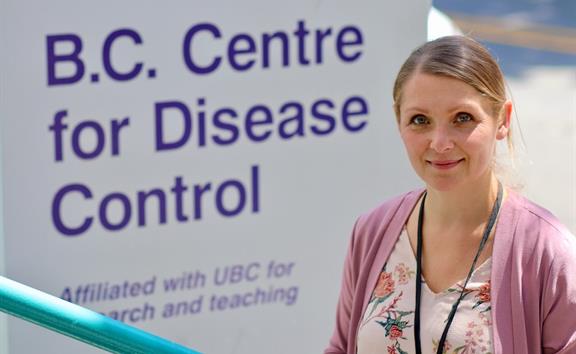
Dr. Agatha Jassem is a Clinical Associate Professor in the Department of Pathology & Laboratory Medicine at the University of British Columbia and serves as the co-program head of the Virology Lab at the British Columbia Centre for Disease Control (BCCDC) Public Health Laboratory. She holds leadership roles as President of both the Canadian Association for Clinical Microbiology and Infectious Diseases and the British Columbia Association of Clinical Scientists. Her educational background includes a BSc (Hons) in Biology from York University (2006), a PhD from UBC's Department of Pathology & Laboratory Medicine (2012), and an accredited Clinical Microbiology Fellowship at the National Institutes of Health Clinical Center (2014). She is certified in clinical microbiology by both the American Board of Medical Microbiology and the Canadian College of Microbiologists (2016). Dr. Jassem's research focuses on developing and implementing molecular and serological diagnostic tests for respiratory pathogens and sexually transmitted and blood-borne infections. She oversees provincial diagnostic and surveillance services for these pathogens and serves as the BC Lab Lead for the Canadian Sentinel Practitioner Surveillance Network, which monitors SARS-CoV-2 and influenza vaccine effectiveness. Her work includes characterizing immune responses post-infection and vaccination, validating novel multiplex serology methods, and studying viral genomics to understand SARS-CoV-2 evolution under vaccine pressure. Her recent publications demonstrate expertise across multiple areas of virology, including SARS-CoV-2 antigenic relationships, respiratory syncytial virus immunity, avian influenza surveillance, and innovative diagnostic approaches like phage immunoprecipitation sequencing. Her work often addresses public health challenges, particularly in serving hard-to-reach populations through initiatives like dried blood spot sampling for HCV and HIV diagnosis. Dr. Jassem has received recognition through her board certifications and leadership positions in professional organizations. Her scientific contributions span both fundamental virology research and practical public health applications, with a particular focus on emerging infectious disease threats and diagnostic innovation. She is actively involved in teaching and science communication, participating in numerous outreach initiatives. Her work bridges clinical microbiology, public health laboratory services, and academic research, making significant contributions to Canada's response to infectious disease threats.