Christopher J. Lengner is the Harriet Ellison Woodward Professor and Chair of the Department of Biomedical Sciences at the University of Pennsylvania School of Veterinary Medicine. He is a member of the Institute for Regenerative Medicine, NIH P30 Center for Molecular Studies in Digestive and Liver Diseases, and Abramson Cancer Center, with roles in training and research leadership. Education : PhD in Cell and Molecular Biology from the University of Massachusetts Medical School (2004). His research focuses on molecular mechanisms governing stem cell potency and their dysregulation in diseases like cancer and regenerative failure. Using genetic, genomic, and single-cell approaches in murine and human systems, his lab has uncovered novel pathways in intestinal stem cell hierarchy, cancer ontogeny, and therapeutic targeting. Recent publications highlight work in colorectal cancer metastasis (PI3K/AKT, NOTUM inhibition), intestinal regeneration (mTORC1, FLASH radiotherapy), and tumor microenvironment dynamics. Collaborations span human induced pluripotent cells and patient samples. Scientific Awards : Ruth L. Kirschstein Postdoctoral Fellowship He mentors graduate students (Ryan Cedeno, Maryam Yousefi) and leads the Center for Animal Transgenesis. His lab’s integrative studies bridge basic science to translational applications in oncology and regenerative medicine.
Jingwei Cheng is an Assistant Professor in the Department of Molecular, Cellular, and Biomedical Sciences at the University of New Hampshire's College of Life Sciences and Agriculture. His research focuses on understanding the molecular mechanisms of DNA tumor viruses, particularly polyomaviruses, and their roles in cancer development. Specifically, his work investigates how Merkel cell polyomavirus (MCV) contributes to Merkel cell carcinoma (MCC) through interactions with tumor suppressors like p53 and RB, and the epigenetic regulation of transcriptional complexes. Cheng completed his B.S. in Biotechnology at Peking University and earned his Ph.D. in Biochemistry from the University of Illinois at Urbana-Champaign. His lab explores viral oncogenesis, MYC-driven cancers, and the interplay between transcriptional activation (via the SLaP complex) and repression (via PRC1.6) in neuroendocrine tumors. He also studies RNA methylation and splicing regulation in cancer cells with MYC overexpression. Cheng's research has identified druggable targets such as PRMT5 and the Tip60-p400 complex, aiming to develop therapies targeting MYC-driven cancers. His work bridges virology and cancer biology, with implications for neuroendocrine tumors like MCC and small cell lung cancer. He teaches courses on virology and cancer biochemistry and mentors students in molecular oncology research. His recent publications focus on viral mechanisms of immune evasion, molecular markers in MCC subtypes, and the therapeutic potential of targeting viral and epigenetic pathways. Cheng collaborates on genome-scale CRISPR screens and omics technologies to uncover cancer dependencies.
Professor Jim Haseloff is a faculty member at the University of Cambridge, serving as Head of the Synthetic Biology for Engineering Plant Growth Group within the Department of Plant Sciences, School of Biological Sciences. His research focuses on applying engineering principles to construct new genetic systems in plants, with particular emphasis on using Marchantia polymorpha as a model system for understanding and engineering plant growth and development. Professor Haseloff's research interests span synthetic biology, genetic circuit design, plant transformation technologies, and the development of low-cost tools for biological research. His laboratory develops novel DNA tools and imaging techniques for visualizing, manipulating, and modeling genetic interactions and morphogenesis in plants. His work bridges the gap between fundamental plant biology and applied engineering approaches to reprogram plant development and physiology. The lab has established Marchantia polymorpha as a simplified model system with a streamlined genome, haploid genetics, and an open form of development ideal for quantitative analysis. Analysis of Professor Haseloff's recent publications reveals a strong focus on advancing the Marchantia model system for synthetic biology applications. His work spans genetic tool development, chloroplast engineering, plant sensing technologies, and fundamental developmental processes. Notably, his research increasingly integrates low-cost sensing technologies with traditional plant biology, reflecting his commitment to making synthetic biology more accessible worldwide. Professor Haseloff is actively involved in several major initiatives including OpenPlant (promoting open technologies for plant synthetic biology), Biomaker (funding construction of low-cost devices for biology), and the Engineering Biology IRC. He has taught undergraduate courses on Plant and Microbial Sciences (NST PMS 1B), Plant Development (NST CDB 1B), and Synthetic Biology (NST PS 2), with extensive teaching materials publicly available online. His laboratory has pioneered techniques for cell-free expression systems that are 200-400 times cheaper than commercial versions, low-cost microreactors using 3D-printed components, and innovative in vivo plant sensing devices. The group has developed extensive resources for the plant synthetic biology community, including standardized DNA parts, microscopy techniques, and educational materials for no-code programming in biology.
Fabio Zanini is an Associate Professor at the University of New South Wales (UNSW) , leading a research group focused on computational biology , single-cell approaches , and transcriptomic analysis across diseases like severe dengue , neonatal lung disease , cancer , and marine biology . He previously conducted postdoctoral research at Stanford University (2016-2019) and earned a PhD in Bioinformatics from the Max Planck Institute for Developmental Biology and the University of Tuebingen (2015). Current Affiliation: Group leader, UNSW Previous Training: Postdoc (Stanford), PhD (Max Planck/University of Tuebingen) His research spans single-cell RNA sequencing , computational virology , developmental cell biology , and bioinformatics tool development , with recent work on: Severe dengue progression (viral-host interactions, immune signatures) Lung development (endothelial cell diversity, hyperoxia-induced injury) Cancer genomics (mutant HSC clones, AZA therapy response) Marine biology (plankton transcriptomics, evolutionary analysis) Bioinformatics (HTSeq 2.0, northstar algorithm) Recent scientific awards include grants from the Chan Zuckerberg Initiative ($270,000), NIH R01 (multiple), ARC Discovery Grant , and NHMRC Ideas Grant . Notable contributions include: Northstar - Cell classification algorithm SpectralSeq - Hyperspectral-transcriptomic integration Tabula Muris - Mouse aging atlas He has supervised research into hematopoietic stem cell regulation , lung vascular development , and autophagy in viral infections , with collaborations across Stanford , University of Sydney , and Harvard .
Professor Patrick Harter is a faculty member at the Institute of Neuropathology, Ludwig Maximilian University of Munich (LMU), where he leads research in neuro-oncology and molecular diagnostics of CNS tumors. His work focuses on glioblastoma, meningioma, and brain metastasis, with emphasis on epigenetic mechanisms like DNA methylation and metabolic adaptations in the tumor microenvironment. Research interests span: Molecular classification of brain tumors using DNA methylation profiling Therapeutic targeting of BRAF/MEK and PI3K/Akt/mTOR pathways Role of hypoxia and metabolic plasticity in treatment resistance Liquid biopsy development for non-invasive tumor monitoring His recent publications demonstrate a strong trend toward integrating epigenetic, metabolic, and immunotherapeutic approaches. Articles frequently explore: Novel biomarkers for tumor grading and prognosis Mechanisms of therapy resistance in gliomas Impact of tumor microenvironment on metastasis
Professor Udo Oppermann serves as Professor of Molecular Biology and Director of Laboratory Sciences at the Institute of Musculoskeletal Sciences, Botnar Research Centre, University of Oxford. He is also Deputy Director of the Oxford Centre of Translational Myeloma Research and a fellow at St Catherine's College. His educational background includes a Diploma in Human Biology (1990) and PhD in Pharmacology and Toxicology (1994), both earned with distinctions from Philipps University Marburg. Prior academic appointments include Associate Professor at Karolinska Institutet (until 2004) and sabbatical work at Yale University. Research focuses on epigenetic mechanisms in disease through drug and target discovery using systems biology and single-cell approaches . Key disease targets include metabolic disorders, inflammatory conditions, and malignant diseases—particularly multiple myeloma and secondary bone cancers. His group pioneers chemical biology applications in primary tumor microenvironments. Current funding sources include Cancer Research UK, Innovate UK, EPSRC, Royal Society-Newton Fund, Bristol Myers Squibb, Bayer Healthcare, GlaxoSmithKline, Blood Cancer UK, and Leducq Foundation. Notable research trends show increasing emphasis on epigenetic regulation in immune cells (2020-2024), single-cell technologies for myeloma (2022-2024), and translational applications of chromatin modifiers (2016-2019). Recent work integrates metabolomics with epigenetic mechanisms in gynecological and hematological disorders. He supervises doctoral research including Singh K.'s 2024 thesis on sonodynamic therapy mechanisms. Leadership roles encompass directing Oxford's Molecular Laboratory Sciences division and co-leading translational myeloma research initiatives.
Nadya Dimitrova is an Assistant Professor in the Department of Molecular, Cellular, and Developmental Biology at Yale University, affiliated with the Yale School of Medicine. She holds secondary appointments in Genetics and is a member of multiple interdisciplinary centers, including the Center for RNA Science and Medicine. Her research focuses on long non-coding RNAs (lncRNAs) and their roles in cancer biology, particularly in tumor suppression and oncogenesis. Dimitrova earned her Sc.B. in Biochemistry from Brown University (2002), a Ph.D. from The Rockefeller University (2009), and completed postdoctoral training at MIT's Koch Institute. Notable awards include the HHMI Predoctoral Fellowship, Damon Runyon Postdoctoral Fellowship, and the 2023 Yale Cancer Center Class of '61 Award. Her lab explores lncRNA mechanisms using genomic and genetic tools, aiming to uncover their roles in cancer pathways. Recent work highlights lncRNAs' roles in metastasis, cardiac hypertrophy, and p53 signaling. Collaborations with researchers like Antariksh Tyagi and Clara Liao drive translational insights into RNA-based therapies. Education: Sc.B., Brown University (2002); Ph.D., The Rockefeller University (2009). Research interests include lncRNA regulation, cancer transcriptomics, and RNA-driven disease mechanisms. Her lab integrates systems biology approaches to dissect lncRNA functions in health and disease.
Andrea H. Brand serves as the Frederick L. Ehrman Professor of Cell Biology and Professor of Neuroscience at NYU Grossman School of Medicine, New York University, where she chairs the Department of Cell Biology. Her dual appointments reflect an interdisciplinary research program spanning molecular mechanisms of stem cell regulation and neural development. Dr. Brand earned her PhD from the University of Cambridge followed by prestigious postdoctoral fellowships: a Leukemia Society Special Fellowship at Harvard Medical School and a Helen Hay Whitney Fellowship at Harvard University. These foundational experiences established her expertise in genetic model systems. Her research integrates stem cell biology and neuroscience through innovative work with Drosophila and mouse models. Key investigations focus on chromatin dynamics in stem cell quiescence, Notch/insulin signaling pathways, neural progenitor reprogramming, and blood-brain barrier formation. Current projects explore obesity-related gene function and CHD8 genomic targets relevant to neurodevelopmental disorders, emphasizing translational potential for regenerative medicine. Recent publications (2020-2022) reveal consistent themes in stem cell niche organization and disease mechanisms, with notable contributions to understanding tumorigenesis through neural progenitor studies and metabolic influences on barrier development. Her work demonstrates strong interdisciplinary convergence between developmental genetics and systems neuroscience. No scientific awards were documented in the provided profile information. While the profile indicates Professor Brand's leadership as Department Chair, specific details regarding student mentorship, grant funding, or laboratory structure were not included in the available text. Her position suggests active supervision of research teams and potential involvement in major collaborative initiatives.
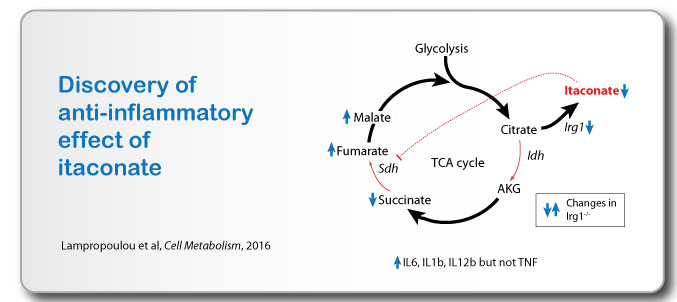
Maxim Artyomov is an Alumni Endowed Professor and Professor of Pathology and Immunology at Washington University School of Medicine , with affiliations to the Institute of Clinical and Translational Sciences (ICTS), Bursky Center for Human Immunology & Immunotherapy Programs (CHiiPs), and Siteman Cancer Center. His research spans Systems Immunology , Immunometabolism , and Cancer Immunology , focusing on integrating epigenetic, transcriptional, and metabolic regulation in immune cells. 2018 promoted to Associate Professor with Tenure 2017 awarded LEAP Inventor Challenge 2018 Unanue Prize for Innovative Research in Immunology Key research contributions include: Discovery of itaconate's anti-inflammatory role (2016) Metabolic reprogramming in macrophage polarization (2015) TREM2's function in microglial metabolic fitness (2017) Development of CORESH gene signature search engine (2025) His high-throughput omics pipelines enable cross-disciplinary analysis of immune responses in tuberculosis, Alzheimer's, and cancer. Notable collaborations include work with Schreiber's lab on immune checkpoint therapy (2018) and ITMO University on systems biology workshops (2017-2018). Awards and grants include the Unanue Prize (2018), LEAP Inventor Challenge (2017), and R01 grant from NIAID (2017). He mentors PhD/MSTP students and co-organizes international systems biology workshops.
Zhandong Liu is an Associate Professor at Baylor College of Medicine with joint appointments in the Department of Pediatrics and Department of Neurology . He serves as Chief of Computational Sciences at Texas Children's Hospital and co-directs the Quantitative & Computational Biosciences Graduate Program at Baylor. Education: B.S. in Computer Science, Nankai University (2001) M.S. in Computer Science, Wayne State University (2003) Ph.D. in Genomics and Computational Biology, University of Pennsylvania (2010) Dr. Liu's research integrates genomics , machine learning , and bioinformatics to advance understanding of neurological diseases. His work focuses on: Multi-omics data integration for disease mechanism discovery Development of cloud-based CRISPR analysis tools like CRISPRcloud Augmented reality platforms for biomedical data visualization Identification of disease genes through computational models Alternative splicing analysis in cancer and neurodegeneration Single-cell and spatial transcriptomics algorithms His recent publications emphasize Alzheimer's disease , MECP2 syndromes , and computational therapy prediction across multiple domains. Scientific awards include the 2018 Outstanding Service Award from the International Association for Intelligent Biology and Medicine. He has secured major grants from NIH, CPRIT, and NSF for projects including: NSF grant #199977 (2018-2020): Augmented reality therapy platforms CPRIT grant #RP170387 (2016-2019): Network-guided cancer analysis NIH #1R01AG057339 (2017-2022): Alzheimer's disease networks As head of the Liu Lab , he leads teams developing tools like: MARRVEL : Human-model organism gene variant integration CRISPRcloud : Secure CRISPR screen analysis platform CrypSplice : Cryptic splicing detection algorithm
Andrew Godwin is a Professor at the University of Kansas Medical Center , where he serves as the Chancellor’s Distinguished Chair in Biomedical Sciences and Director of Molecular Oncology in the Department of Pathology and Laboratory Medicine. He is also the Deputy Director of the NCI-designated University of Kansas Cancer Center and the Founding Director of the Kansas Institute for Precision Medicine and Biospecimen Shared Resource . Dr. Godwin is a leader in translational research and precision medicine , with a focus on molecular oncology , biomarker discovery , and genomic diagnostics . His work bridges basic and clinical science to improve cancer patient care, particularly in ovarian cancer , Ewing sarcoma , and breast cancer . He has contributed over 230 ovarian cancer-related publications and pioneered studies linking the PI3K/AKT pathway to cancer treatment targets. His research program encompasses liquid biopsies using extracellular vesicles , molecular therapeutics , companion diagnostics , and clinical trial validation . He leads the Biomarker Discovery Laboratory and has secured over $250M in extramural funding , including a $11.4M NIH grant for precision medicine initiatives. His team has developed CELLSEARCH® , the first FDA-cleared test for circulating tumor cells. Notable awards include the Dolph C. Simons, Sr. Higuchi Award (2020), Outstanding Mentorship in Pathology Award (2024), and multiple mentoring accolades from KU. He has mentored over 150 trainees across career stages and leads a multidisciplinary lab with expertise in genomics , proteomics , and bioengineering . Academic Roles: Chancellor’s Distinguished Chair in Biomedical Sciences Director, Molecular Oncology, Pathology and Laboratory Medicine Deputy Director, KU Cancer Center Founding Director, Kansas Institute for Precision Medicine Adjunct Professor, Bioengineering Program, University of Kansas Scientific Awards: KUMC Achievement Award for mentoring postdocs (2014) Chancellor’s Club Award for Research (2018) Dolph C. Simons, Sr. Higuchi Award (2020) KU Excellence in Mentoring Award (2021) Outstanding Mentorship in Pathology (2024) Key Research Themes: Extracellular vesicles as liquid biopsy tools Molecular mechanisms of sarcoma and breast cancer Genomic diagnostics and precision oncology Clinical trial biomarker validation Biospecimen repository leadership
Dr. Lin Su is a Lecturer in Engineering Biology at Queen Mary University of London, leading the Biohybrids group. His research focuses on biohybrid systems in synthetic biology, particularly electron transfer mechanisms between microorganisms and materials, with applications in bioelectrical systems and artificial photosynthesis. Dr. Su holds a PhD in Biomedical Engineering from Southeast University (2021), with postdoctoral research at the University of Cambridge (2021–present). His work includes collaborations with Lawrence Berkeley National Lab and Rice University (2016–2021). He is a Leverhulme Early Career Fellow (2022–2025) and an Isaac Newton Trust Grant recipient. He also serves as a Fellow at Lucy Cavendish College, Cambridge. Research interests span synthetic biology, microbial-material interfaces, and energy-related bioengineering. His lab develops novel platforms integrating living and non-living components for sustainable technologies. Awards: Leverhulme Early Career Fellowship Isaac Newton Trust Grant Fellow of Lucy Cavendish College Grants: Collaborative funding via Leverhulme Trust and Isaac Newton Trust. Labs/Teams: Director of the Biohybrids Group (https://biohybrids.group/), focusing on interdisciplinary engineering-biology research.
Dimitrios (Dimitris) Anastasiou is a Senior Group Leader at The Francis Crick Institute in London, UK, specializing in cancer metabolism research. Previously, he served as a Group Leader at the Medical Research Council National Institute for Medical Research (NIMR) starting in 2012 before transitioning to the Crick Institute in 2015. His research career includes postdoctoral work and an Instructor position at Beth Israel Deaconess Medical Center and the Department of Systems Biology, Harvard Medical School under Lewis Cantley, where he focused on metabolic reprogramming in cancer. University College London, UK - BSc Molecular Biology (2001) University of Basel, Basel, Switzerland - PhD in Biochemistry (2006) Anastasiou's research centers on understanding how cancer cells generate energy and utilize nutrients differently from normal cells. His laboratory conducts detailed analyses of metabolic pathways in cancer, investigating how tumor cells rewire their metabolism to support rapid growth and evade the body's defenses. His work spans biochemistry, proteomics, computational systems biology, human physiology, and tumor biology, with particular emphasis on identifying metabolic vulnerabilities that could be targeted for cancer therapy. His innovative approaches include developing chemical 'sensors' to monitor metabolic changes in cancer cells over time as tumors develop. Analysis of his recent publications reveals a consistent focus on metabolic regulation in cancer, particularly regarding glycolysis, hypoxia response, amino acid metabolism, and nucleotide biosynthesis. His work frequently examines enzyme regulation (particularly PKM2), metabolic adaptation to environmental stressors, and the intersection between metabolism and signaling pathways. A notable trend is his exploration of how metabolic enzymes function beyond their traditional roles, influencing cellular signaling and gene expression in cancer contexts. Anastasiou has made significant contributions to understanding metabolic reprogramming in cancer, particularly regarding pyruvate kinase M2 regulation, hypoxia responses, and nutrient utilization in tumor microenvironments. His work bridges basic biochemical mechanisms with potential therapeutic applications, focusing on identifying metabolic vulnerabilities in cancer cells that could be exploited for treatment. As a Senior Group Leader at the Crick Institute, Anastasiou leads a research group investigating how metabolism contributes to disease, particularly cancer. His laboratory utilizes a range of techniques including metabolomics, bioinformatics, structural biology, and high-throughput screening to study metabolic pathways. The group's work aims to identify fundamental differences between metabolic pathways in tumors and healthy tissue to discover new therapeutic targets against cancer.
Vivian Li is a Senior Group Leader and Assistant Research Director at The Francis Crick Institute in London, UK, leading a research group focused on intestinal stem cell biology and colorectal cancer mechanisms. Dr. Li earned her PhD from the University of Hong Kong's Department of Pathology in 2008, researching molecular mechanisms of human colonic development and tumorigenesis, for which she received the Gold Medal Prize. She then completed postdoctoral training with Hans Clevers at the Hubrecht Institute in the Netherlands, funded by the Croucher Foundation Fellowship, focusing on Wnt pathway proteomics and intestinal stem cell genes using transgenic mouse models. Her research program investigates how stem cells maintain healthy gut tissue and what goes wrong during cancer development, with particular emphasis on Wnt signaling pathways. Dr. Li's laboratory utilizes advanced organoid technology ('mini-guts') to study stem cell behavior in three-dimensional cultures, gene editing techniques, and state-of-the-art imaging approaches. Her work spans developmental biology, stem cell research, and cancer biology with significant translational implications. Analysis of her recent publications (2022-2025) reveals a strong focus on cancer stemness mechanisms, intestinal regeneration pathways, Wnt signaling components, and innovative organoid modeling approaches for colorectal cancer. Her research consistently bridges basic science with potential clinical applications in gastrointestinal medicine. Gold Medal Prize for PhD thesis Croucher Foundation Fellowship Dr. Li established her independent laboratory at the MRC National Institute for Medical Research in February 2013 and transitioned to the Francis Crick Institute in 2015. Her research aims to develop tumor-specific therapies for bowel cancer and grow replacement human gut tissue for transplantation or drug testing platforms. She leads a multidisciplinary team utilizing cutting-edge techniques including reverse mouse genetics, ex vivo organoid cultures, and advanced genomic and proteomic analyses to investigate stem cell regulation in health and disease. Her laboratory at the Crick Institute operates within the Biological Research Facility and collaborates extensively with other research groups both within the institute and internationally, contributing significantly to understanding intestinal stem cell niche dynamics and cancer development mechanisms.
Sachi Horibata is an Assistant Professor in the Department of Pharmacology & Toxicology at Michigan State University (MSU), affiliated with the College of Human Medicine. She is also associated with the Precision Health Program and the Neuroscience Program. Her research focuses on cancer biology, drug discovery, and computational genomics, with a particular emphasis on understanding mechanisms of drug resistance in cancers like acute myeloid leukemia (AML) and breast cancer. Dr. Horibata’s work integrates proteomics, transcriptomics, and cellular models to uncover therapeutic targets and biomarkers. She holds a PhD in Biological and Biomedical Sciences from Cornell University (2010–2016). Her research interests include genomic analysis of cancer heterogeneity, enzyme-driven cancer progression (e.g., PAD enzymes), and immune evasion mechanisms in tumors. Her recent studies highlight the role of protein citrullination in cancer cell migration and endocrine resistance. Dr. Horibata’s publications span topics in oncology, immunology, and molecular biology, with a focus on translational research. She teaches PHM 802: Cellular, Molecular and Integrated Systems Pharmacology. Her lab is located in the Interdisciplinary Science and Technology Building at MSU.