Andrew McArthur is a Professor in the Department of Biochemistry & Biomedical Sciences at McMaster University, where he leads the McArthur Laboratory. His research focuses on bioinformatics , genomics , and computational biology with a specialization in genomic surveillance of antimicrobial resistance (AMR) . He spearheads the Comprehensive Antibiotic Resistance Database (CARD) and collaborates with the Canadian Anti-Infective Innovation Network (CAIN) , GenEpio Consortium , and IRIDA Platform for pathogen genomics. Education : PhD in Biochemistry (University of Victoria, 1996), Postdoctoral work at Marine Biological Laboratory (1998-1999) and National Museum of Natural History (1996-1998) His research spans antimicrobial resistance surveillance , machine learning applications , viral genomics (including SARS-CoV-2), and pathogen evolution . He has developed tools like CARD and IRIDA to standardize AMR data and enable rapid infectious disease analysis. Recent work includes machine learning models for predicting AMR, cloud-based pathogen detection , and resistome profiling in clinical and environmental contexts. He has mentored graduate students including Jalees Nasir (HSGSA Impact Award 2025), Dirk Hackenberger , Autumn Arnold , and Emily Bordeleau , as well as postdoctoral fellows like Sheridan Baker . His teaching includes courses in practical bioinformatics and biomedical consulting at McMaster University.
Dr. Susan Gurney is a Lecturer in the School of Biology at the University of St Andrews. Her work focuses on bacteriophage genomics, science education reform, and undergraduate research experiences. She collaborates internationally on projects like the SEA-PHAGES program, contributing to genomic diversity studies of bacteriophages infecting Microbacterium spp. and developing inclusive education models such as the iREC framework. Her research emphasizes classroom assessment methodologies for course-based research experiences and crowd-sourced biocuration initiatives like the CACAO project. She actively participates in educational outreach and contributes to the UN Sustainable Development Goals related to quality education and innovation. Research interests include microbiology, STEM pedagogy, and interdisciplinary collaboration in genomics. Her work has led to over 15 peer-reviewed publications and datasets deposited in NCBI GenBank. Professional activities include organizing undergraduate career events and contributing to global education initiatives.
Prof. Dr. Jörg Stülke is a full Professor of Microbiology and Head of the Department of General Microbiology at the Institute of Microbiology and Genetics, University of Göttingen. He has held this position since 2003 and leads an active research group focused on bacterial metabolism and gene regulation. His research spans two major model systems: the pathogenic bacterium Mycoplasma pneumoniae and the well-studied Bacillus subtilis . His group employs systems-level approaches including transcriptomics, metabolomics, and bioinformatics to understand metabolic regulation and gene expression. Key interests include protein phosphorylation, RNA-mediated regulation, mRNA processing, and the role of second messengers such as cyclic di-AMP in bacterial physiology and pathogenicity. The recent publications reveal a strong trend in molecular microbiology, functional genomics, and systems biology. His work often integrates experimental and computational methods, particularly evident in the development and maintenance of the SubtiWiki database for B. subtilis . The research bridges fundamental mechanisms of life with applications in understanding bacterial virulence and cellular homeostasis. He is affiliated with several graduate programs under the Göttingen Graduate Center for Neurosciences, Biophysics, and Molecular Biosciences (GGNB), including: Molecular Biology (IMPRS) Biomolecules: Structure - Function - Dynamics (GZMB) Molecular Biology of Cells (GZMB) Microbiology and Biochemistry Genome Science (IMPRS) While no individual students are listed, he clearly supervises doctoral candidates through these programs. His group has secured significant research output, including publications in Science , Nucleic Acids Research , and PLOS Pathogens , indicating successful grant funding and collaborative research. The lab maintains a dedicated website at http://genmibio.uni-goettingen.de/ , which serves as a hub for research activities and resources like SubtiWiki.
Maryellen L. Giger, Ph.D. is the A.N. Pritzker Distinguished Service Professor of Radiology, Committee on Medical Physics, and the College at the University of Chicago. She serves as Vice-Chair of Radiology (Basic Science Research) and was the immediate past Director of the CAMPEP-accredited Graduate Programs in Medical Physics/Chair of the Committee on Medical Physics. Her career spans over 30 years of pioneering research in computer-aided diagnosis, machine learning, and deep learning applications in medical imaging. Dr. Giger's research focuses on computational image-based analyses for cancer risk assessment, diagnosis, prognosis, and response to therapy, particularly in breast cancer, lung cancer, prostate cancer, lupus, bone diseases, and more recently, COVID-19. Her work has evolved from developing computer-aided diagnosis systems to utilizing 'virtual biopsies' in imaging genomics association studies for discovery. She has made significant contributions to quantitative imaging, radiomics, and AI applications in medical imaging, with emphasis on translating research into clinical practice. Her publication record shows a clear trajectory from foundational work in computer vision for medical imaging to cutting-edge AI and deep learning applications. The recent publications demonstrate her leadership in large-scale collaborative efforts like the Medical Imaging and Data Resource Center (MIDRC), focus on health equity through AI analysis, and expansion into diverse applications including gynecological imaging, lung cancer screening, and trauma assessment. Her work consistently bridges technical innovation with clinical relevance. Dr. Giger has received numerous prestigious honors including membership in the National Academy of Engineering, the William D. Coolidge Gold Medal (the highest award from AAPM), and being named one of the 50 most impactful medical physicists in the last 50 years. She is a Fellow of multiple professional societies including AAPM, AIMBE, SPIE, SBMR, and IEEE. Her 2019 TIME magazine recognition for QuantX, the first FDA-cleared machine-learning-driven system for cancer diagnosis, highlights her translational impact. As an educator and mentor, Dr. Giger has guided over 100 graduate students, residents, and medical students throughout her career. She has secured substantial research funding including NIH R01 grants and serves as contact PI for the NIH NIBIB-funded & ARPA-H-funded Medical Imaging and Data Resource Center (MIDRC). Her leadership extends to former presidencies of the American Association of Physicists in Medicine and SPIE, and she was the inaugural Editor-in-Chief of the SPIE Journal of Medical Imaging. Dr. Giger co-founded Quantitative Insights, Inc. through the University of Chicago's New Venture Challenge, which developed QuantX - the first FDA-cleared AI system for cancer diagnosis. She leads the Medical Imaging and Data Resource Center (MIDRC), a critical resource for AI development in medical imaging that received the 2023 DataWorks Prize. Her research laboratory bridges engineering, physics, and clinical medicine to develop and validate quantitative imaging biomarkers and AI tools for precision medicine.
Morteza Haghir Chehreghani is a Professor of Artificial Intelligence and Machine Learning at the Data Science and AI Division of Chalmers University of Technology , Sweden. He leads the Machine Learning and Decision Making Lab and is affiliated with WASP , CHAIR , and ELLIS . Education : PhD in Computer Science (2014) from ETH Zurich under Prof. Dr. Joachim M. Buhmann Prior Roles : Staff Research Scientist at Naver Labs Europe (2014-2018) Research spans Interactive Machine Learning , Sequential Decision Making , Federated Learning , Efficient Deep Learning , and Graph-Based Learning . Key application areas include Transport , Autonomous Systems , Energy , Drug Discovery , and Computational Biology . Selected Publications (2020-2025) demonstrate expertise in Reinforcement Learning for drug design, Minimax Distance Measures for clustering, and Graph Neural Networks for trajectory analysis. Current work focuses on Combinatorial Bandits and Human-in-the-loop AI . Teaching includes graduate courses like Advanced Topics in Machine Learning (DAT441/DIT41), Algorithms for Machine Learning (TDA233/DIT382), and PhD-level Advanced Reinforcement Learning . He has also taught Statistical Methods for Data Science and Theoretical Foundations of ML . Patents include systems for Autonomous Vehicle Motion Control , K-NN Search via Minimax Distances , and Trip Prediction Algorithms . Collaborative projects involve Nature Communications (2022) and multiple ICML / CVPR publications.
Damiano Piovesan is Associate Professor in Bioinformatics (SSD BIO/10) at the Department of Biomedical Sciences , University of Padua , Italy. Since March 2022 he has held this rank, having previously served as Assistant Professor (2022) and PostDoc researcher (2019) in the same department. Education 2013 – PhD in Biotechnology, Pharmacology and Toxicology, University of Bologna 2009 – MSc in Bioinformatics, University of Bologna 2007 – BSc in Biotechnology, University of Bologna Research Focus Piovesan’s research integrates machine-learning approaches with structural bioinformatics to advance understanding of intrinsically disordered proteins (IDPs) and protein function prediction . He develops widely used resources such as MobiDB for disorder annotation, DisProt for functional curation of disordered regions, and RING for residue interaction networks. Additional interests include tandem repeat proteins , cancer-related IDP targets , and community benchmarking initiatives (CAFA, CAID, CAGI). Publication Trends His 2024–2025 output is dominated by updates to flagship databases ( InterPro , DisProt , MobiDB ), next-generation disorder predictors leveraging deep learning ( PredIDR , MobiDB-lite 4.0 ), and large-scale genomics challenges ( CAGI6 ). Across the decade, recurring themes include methodological advances in disorder prediction, creation of interoperable bioinformatics platforms, and rigorous benchmarking to ensure community-wide reliability. Scientific Awards No specific awards are listed in the provided materials. Advising & Grants No individual students or grant details are explicitly supplied; however, his leadership in multi-institutional consortia (e.g., InterPro, DisProt, CAFA) implies substantial supervisory and funding coordination roles. Labs & Teams Piovesan is affiliated with the BioComputingUP Lab ( https://biocomputingup.it/ ) at the University of Padua, a hub for computational biology and bioinformatics tool development.
Prof. Dr. J. Ellers is a Full Professor at the Faculty of Science, Vrije Universiteit Amsterdam , and a member of the Amsterdam Institute for Life and Environment . His research focuses on understanding how an individual’s phenotype is shaped by interactions between genes, genome, and environment , employing molecular, physiological, and experimental tools within an evolutionary framework. Ellers contributes to the Netherlands Society of Evolutionary Biology (NLSEB) as a co-founder and serves as Vice-Chair of the Dutch Biology Council , advocating for biology research and education in the Netherlands. Research Interests: Ellers explores the intersection of evolutionary biology, ecology, and environmental science , with key themes in phenotypic plasticity, urbanization effects on species, trait-based ecology, and adaptive signaling . His work spans soil fauna dynamics, invasive species impacts, and metabolic adaptations , emphasizing interdisciplinary approaches to link mechanisms with ecological and evolutionary outcomes. Recent Publications highlight trends in urban ecology, climate change impacts, and trait evolution . Notable studies examine how noise and light pollution alter animal communication , high-sugar diets affect microbiomes , and robot morphologies reflect biological systems . His research also addresses data interoperability through initiatives like ShareTrait and global soil arthropod assessments . Scientific Contributions: Ellers advocates for open-access publishing and interdisciplinary climate change experiments. His leadership in the Dutch Biology Council and co-founding of NLSEB reflect sustained commitment to scientific policy and community engagement. Supervised 23 PhD theses and teaching courses like Ecosystem Services and Scientific Advocacy underscore his mentorship and educational impact.
Kushal Dey, PhD, is an Assistant Professor in the Computational and Systems Biology Program at Memorial Sloan Kettering Cancer Center (MSKCC). His research develops machine learning models that integrate genetic, genomic, and epigenomic data (e.g., RNA-seq, ChIP-seq, Perturb-seq, spatial transcriptomics) to decode the causal functional architecture of heritable complex diseases, including immune-related disorders like Alzheimer’s and inflammatory bowel disease, as well as heritable cancers such as breast and prostate cancer.
Dr. Ben Temperton is an Associate Professor of Microbiology at the University of Exeter, where he leads the Temperton Lab within the School of Biosciences. His research focuses on understanding host-virus interactions in both environmental and clinical settings, with particular emphasis on bacteriophages and their applications in addressing antimicrobial resistance. During the COVID-19 pandemic, he led the SouthWest hub of the UK's genomic surveillance network (COG-UK), coordinating efforts that shaped government policy through real-time data. Dr. Temperton has an unconventional academic path, having first worked as a software engineer for several years before retraining as a microbiologist. His educational background includes: PhD in Microbiology from Queen's University Belfast (2009-2011) MSc in Information Technology (Software Engineering) from University of Nottingham (1998-1999) BSc in Chemistry from University of Birmingham (1995-1998) His research interests span multiple disciplines, focusing primarily on interactions between bacteriophages and their hosts. He has developed novel methods for long-read sequencing of viromes from marine and soil microbial communities, identifying previously unknown viral species. His work also includes high-throughput isolation of ecologically and clinically important viruses. A significant portion of his recent research involves the Citizen Phage Library, which he established as a national capability for providing characterized phages for compassionate use in treating drug-resistant bacterial infections. He leads a consortium developing the first multi-site AGILE clinical trial of phage therapy for chronic obstructive pulmonary diseases in the UK. Dr. Temperton's publication record shows a strong focus on viral ecology, host-virus interactions, and applications of phage therapy. His recent work demonstrates increasing emphasis on translating basic research into clinical applications, particularly for antimicrobial resistance. He has also made significant contributions to genomic surveillance methods, especially during the COVID-19 pandemic. As a mentor, Dr. Temperton leads a diverse research group with multiple PhD students, postdoctoral researchers, and MbyRes students working on various aspects of viral ecology and phage therapy. His lab operates under a "Pirate Code" that emphasizes inclusivity, responsibility, professionalism, meticulousness, positivity, supportiveness, honesty, digital resilience, and inspiration. He collaborates with four industrial partners to help bring phage therapeutics to market and works closely with clinicians at the Royal Devon and Exeter Hospital. Dr. Temperton's lab is part of several Exeter research networks including Exeter Marine, Health Technologies @Exeter, and Microbes and Society @Exeter, reflecting the interdisciplinary nature of his work that bridges environmental microbiology, clinical applications, and technological innovation.
Matthew Ronshaugen is a Senior Lecturer in the Division of Developmental Biology & Medicine (L5) at the Faculty of Life Sciences, University of Manchester. He has held academic positions since 2007 as a Manchester Fellow, followed by Lecturer (2012-2017), and Senior Lecturer since 2017. 1991-1995: Bachelor of Arts in Philosophy and Linguistics, University of Nevada, Las Vegas 1995-1997: Master of Science in Systematics, University of Nevada, Las Vegas 1997-2002: Doctor of Philosophy in Cell and Molecular Biology, University of California, San Diego 2003-2007: Ruth L. Kirschstein NIH Postdoctoral Fellow at University of California, Berkeley His research focuses on non-coding RNAs (ncRNAs), particularly their roles in gene expression and developmental differentiation. His lab investigates how ncRNA evolution contributes to metazoan body plan diversification, centering on the Hox complex—a conserved genomic region rich in ncRNAs. He uses tiling microarrays and fluorescent in situ hybridization to analyze ncRNA dynamics in Drosophila, Tribolium, and Parhyale. Recent publications highlight his work on miRNA functions in embryonic development, aging-related changes in myeloid cells, and comparative transcriptomics across arthropods. His team employs genetics tools to dissect ncRNA roles in transcriptional regulation, epigenetic control, and silencing mechanisms. Scientific Awards: Ruth L. Kirschstein NIH Postdoctoral Fellow Manchester Fellow He supervises research on developmental transcriptomes and contributes to datasets on piRNA expression and Hox complex analysis. Collaborations span immunology, genomics, and evolutionary development, with outputs cited in fields like RNA interference, transgenics, and wound healing.
Guillaume Bourque is a Professor in the Department of Human Genetics at McGill University's Faculty of Medicine. He serves as an Investigator at the Victor Phillip Dahdaleh Institute of Genomic Medicine and as the Scientific Director of the Canadian Centre for Computational Genomics (C3G). His laboratory is based at 740 Dr Penfield Ave, Room 6103, Montréal, Québec, Canada, H3A 1A4, where he leads research in computational genomics and bioinformatics. Professor Bourque's research focuses on understanding mammalian genomes using comparative genomic and epigenomic analyses. His lab investigates the evolution of regulatory sequences , the role of transposable elements in gene regulation , and the impact of genome rearrangements in evolution and cancer . His team develops computational methods and resources for the functional annotation of genomes with special emphasis on sequencing-based assays including ChIP-seq, RNA-Seq, exome- and whole-genome sequencing, and single-cell analysis. The lab's work involves examining billions of DNA base pairs to interpret how variation impacts basic biology and disease. Recent publications (2024-2025) demonstrate Bourque's leadership in pangenome graph construction , transposable element analysis , epigenomic profiling , and cancer genomics . His work spans multiple disciplines from basic genome evolution to clinical applications in cancer and infectious disease. Notable projects include the development of tools like DeepPolisher for genome assembly polishing and contributions to understanding the genomic basis of long COVID. Bourque's laboratory is actively recruiting postdocs and graduate students with backgrounds in programming or statistics. The lab emphasizes quantitative approaches to biology, requiring applicants to have experience in quantitative biology as a plus. His collaborative work extends across multiple institutions and international consortia, reflecting the interdisciplinary nature of modern genomic research.
Pankaj Jaiswal is a Professor in the Department of Botany and Plant Pathology at Oregon State University. He leads the Jaiswal Lab, which focuses on plant genomics, bioinformatics, and systems biology. His research integrates computational and experimental approaches to study flowering time, seed development, and plant responses to abiotic stresses. Dr. Jaiswal is affiliated with the Center for Quantitative Life Sciences and collaborates with projects like the Gramene Database and Plant Ontology. Education: Ph.D. (1998), M.Sc. (1992), B.Sc. (1990) from Lucknow University, India. Professional awards include the Emerging Scholar Faculty Award (2013) and recognition from the Rice Genetics Cooperative (2009). Research interests span comparative plant genomics, functional genomics, bioinformatics tools, and database development. His lab has contributed to projects such as the Gramene Database, Plant Reactome, and Planteome, supporting interdisciplinary training in plant biology and computational methods. Key achievements include the chia genome assembly, space biology studies on plant transcriptomes, and collaborations on pathway databases for rice, maize, and other species. His work emphasizes leveraging genomic resources to address agricultural challenges like crop improvement and climate adaptation.
Ole Andreas Andreassen is a Professor of Psychiatry and Director of the Centre for Precision Psychiatry at the University of Oslo. He holds a joint appointment as an Attending Psychiatrist (20%) at Oslo University Hospital. His academic career includes leadership roles such as Director of the Centre of Excellence NORMENT (2013–2023) and the KG Jebsen Centre for Psychosis Research (2012–2018). He completed his MD (1993) and PhD (1996) at the University of Bergen, followed by postdoctoral training at Harvard Medical School and Massachusetts General Hospital. Education: MD (1993, University of Bergen), PhD (1996, University of Bergen) Postdoc: Harvard Medical School (1998–2000) Specialist in Psychiatry: Oslo University Hospital (2006) His research focuses on mental and neuropsychiatric disorders, emphasizing genetics, brain imaging, and precision medicine. Key areas include the interplay of genetic and environmental factors in schizophrenia, bipolar disorder, and Alzheimer’s disease. He has pioneered studies on predictive tools and clinical interventions, with a strong emphasis on genomic and neuroimaging biomarkers. His publications span over 10 years, addressing topics like cortical abnormalities in bipolar disorder, genetic overlap between psychiatric conditions, and cannabis use impacts. These works highlight interdisciplinary approaches, blending genetics, neuroimaging, and clinical data. Awards: Brain Council Award (2024), Fridtjof Nansen Award (2023), University of Oslo Research Prize (2020) Leadership: Co-Director of the KG Jebsen Centre for Neurodevelopmental Disorders, ENIGMA Bipolar Working Group Chair, and member of the Psychiatric Genomics Consortium. Andreassen has supervised 42 PhD students and co-supervised numerous postdoctoral researchers. His grants and collaborations span EU-funded initiatives (e.g., CoMorMent, RealMent) and global networks like the Precision Psychiatry consortium. Labs and teams include the Centre for Precision Psychiatry and the Scandinavian Collaboration for Psychiatric Etiology (SCOPE), focusing on translational research and multimodal data integration.
Xianyang Zhang is a Professor in the Department of Statistics at Texas A&M University, affiliated with the College of Arts & Sciences. He holds a Ph.D. from the University of Illinois at Urbana-Champaign (2013) and a B.S. from the University of Science & Technology of China (2008). His research focuses on high-dimensional statistics, functional data analysis, kernel methods, and genomics, supported by grants from NIH, NSF, and Texas A&M. Education: Ph.D., Statistics, University of Illinois at Urbana-Champaign, 2013 B.S., Statistics, University of Science & Technology of China, 2008 Research Interests: Xianyang Zhang develops statistical theories and methodologies for complex data structures, including high-dimensional inference, kernel-based testing, change-point detection, and microbiome analysis. His work bridges computational and theoretical statistics, addressing challenges in genomics, omics-wide studies, and spatial statistics. Key Contributions: Developed KDist , a package for kernel and distance-based statistical inference Authored fastcpd for efficient change-point detection Advanced covariate-adaptive FDR control methods for omics studies Contributed to microbiome analysis tools like MicrobiomeStat and LinDA Advising & Grants: Advises multiple Ph.D. students in statistics and interdisciplinary projects Recipient of NIH and NSF grants for high-dimensional statistical research Collaborates with institutions like Mayo Clinic and Chinese University of Hong Kong Labs/Teams: Leads research groups focused on statistical methodology development, software implementation, and applications in computational biology and genomics.
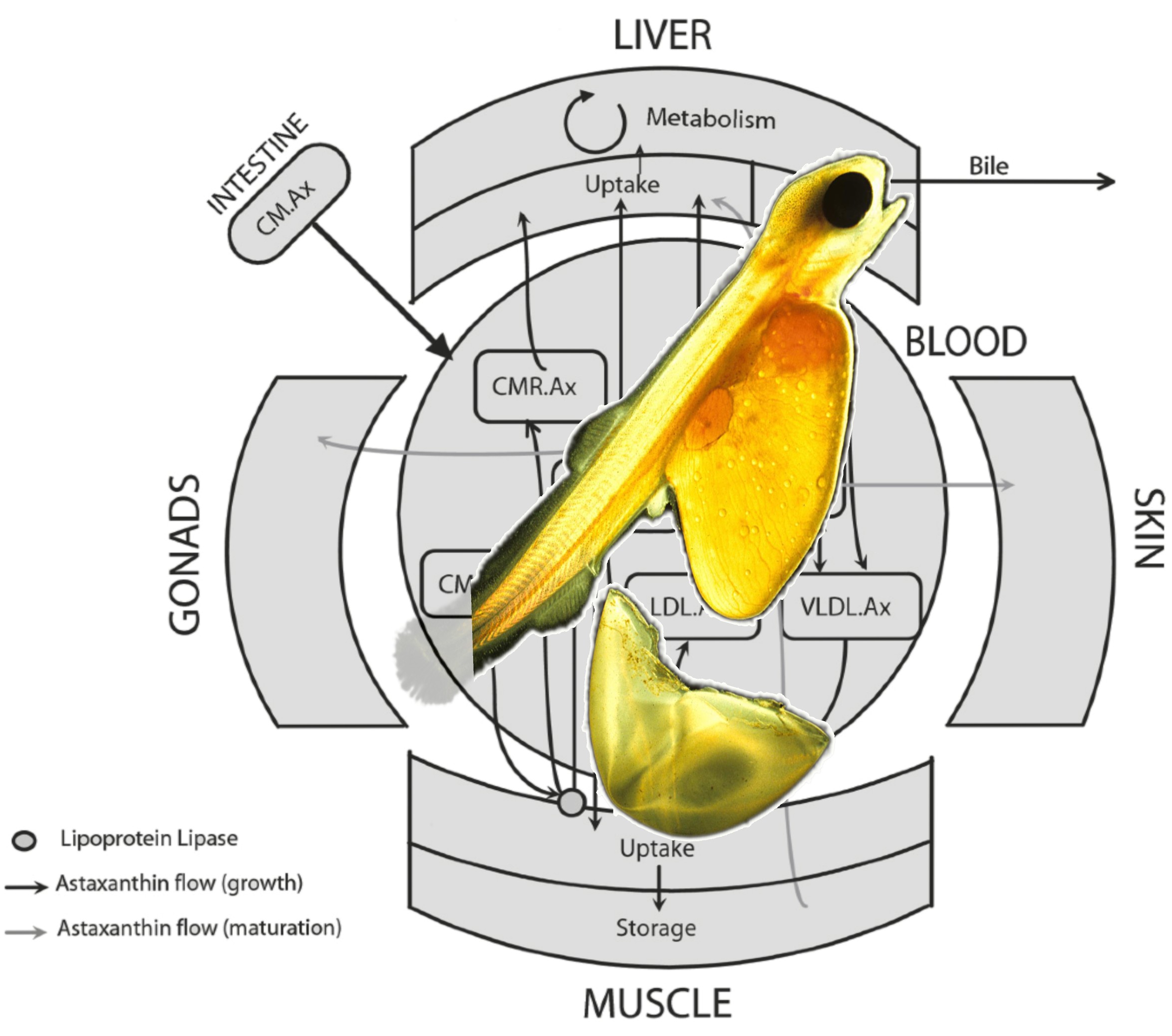
Jon Olav Vik is a Professor at the Norwegian University of Life Sciences (NMBU), affiliated with the Department of Mathematical Sciences and Technology within the Faculty of Science and Technology. He leads the DigiSal project—"Towards the Digital Salmon: From a reactive to a pre-emptive research strategy in aquaculture"—funded under the Research Council of Norway’s Digital Life initiative. He is also a lead modeller in the GenoSysFat project, which aims to enhance omega-3 content in farmed salmon through integrated genomics and systems biology approaches. His research spans systems biology , computational physiology , genotype-phenotype modeling , and ecological dynamics . He works at the intersection of biology, mathematics, and computer programming, developing models to understand how genetics, nutrition, and environment interact in fish and ecological systems. His pedagogical focus includes biostatistics and programming in R, and he teaches courses such as STIN100, STIN300, and STAT100. The 15 most recent publications reflect a consistent focus on systems-level understanding in biology, particularly in salmon aquaculture, metabolic regulation, and genotype-phenotype relationships. These works appear in high-impact journals like Nature , Science , PLOS Computational Biology , and Journal of The Royal Society Interface , demonstrating interdisciplinary reach across computational biology, genomics, ecology, and biostatistics. Key themes include metabolic modeling, microbiome stability, lipidome remodeling, and sensitivity analysis in dynamic models. Jon Olav Vik has contributed to major collaborative efforts including the Infrastructure for Systems Biology Europe (ISBE) , where he helped develop frameworks for "modelling as a service." He has also authored book chapters and technical deliverables on systems biology and modeling practices. He actively supervises students and invites master’s thesis candidates with interests in quantitative biology. While no specific awards are listed, his leadership in national and international research projects underscores his scientific impact. His work supports both fundamental science and sustainable aquaculture innovation.