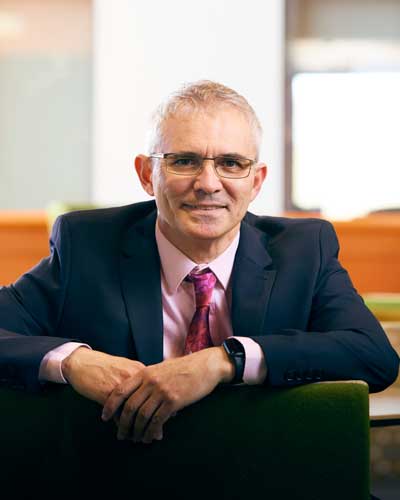
Vladimir Ljubicic is an Associate Professor at McMaster University in the Department of Kinesiology , holding the Canada Research Chair (Tier 2) in Neuromuscular Plasticity in Health and Disease . His research focuses on molecular mechanisms of neuromuscular plasticity, particularly identifying therapeutic targets for neuromuscular disorders. Academic background includes a Ph.D. and M.Sc. from York University and postdoctoral training at the University of Ottawa (2009-2014) . He teaches graduate and undergraduate courses in Kinesiology , including Integrative Cell and Molecular Exercise Physiology and Neuromuscular Plasticity in Health and Disease . His research integrates cellular and whole-animal models to study phenotype-modifying proteins like AMPK and CARM1 in neuromuscular junction biology , mitochondrial function , and exercise-induced adaptations . Recent work highlights CARM1 in autophagy regulation and AMPK as mitochondrial medicine for neuromuscular disorders. Scientific awards include the CSEP Young Investigator Award (2022) and CIHR research funding (2021) . His lab, the Integrative Neuromuscular Biology Laboratory , emphasizes equity, diversity, and inclusion in research and mentorship.
Friedrich Rainer von Coelln serves as Assistant Professor in the Department of Neurology at the University of Maryland School of Medicine, specializing in Parkinson's disease and complex movement disorders including atypical parkinsonism (PSP, MSA, CBS/CBD), dystonia, tremor, and gait disorders. His clinical practice integrates advanced diagnostic approaches for both primary Parkinsonian syndromes and 'PD-look-alikes,' with particular expertise in quantitative motor assessment. Education: Medical School: Ruprecht-Karls University, Heidelberg, Germany Internship: Harbor Hospital, Baltimore, Maryland Neurology Residency: University Hospital Tübingen, Germany & University of Maryland Medical System Fellowship: Johns Hopkins University, Department of Neurology (Movement Disorders) Certifications: American Board of Psychiatry and Neurology; Board-certified Neurologist, Germany Dr. von Coelln's research program centers on genotype-phenotype correlations in Parkinson's disease, pioneering the implementation of wearable biosensors for objective gait and balance analysis. His 'next-generation phenotyping' approach bridges clinical neurology with digital biomarker development, focusing on how genetic variability influences motor symptom expression. This work has evolved from foundational molecular studies on parkin pathways to current sensor-based clinical validation, reflecting a career-long commitment to translating basic mechanisms into improved patient assessment tools. His publication history reveals consistent focus on Parkinson's disease mechanisms and clinical phenotyping, with recent work emphasizing wearable sensor validation and genetic heterogeneity analysis. The trajectory shows progression from animal model studies (1995-2007) to contemporary clinical sensor applications (2015-2016), maintaining core interest in neurodegenerative mechanisms while adopting innovative measurement technologies. Scientific Awards: 2-year career development grant by American Academy of Neurology & American Brain Foundation (2014) Pilot grant from University of Maryland Claude D. Pepper Older Americans Independence Center (UM-OAIC) Dr. von Coelln has secured competitive grant funding supporting his dual focus on genetic correlations and sensor-based phenotyping in Parkinson's disease. His collaborative research network includes prominent neurodegeneration researchers from Johns Hopkins and German institutions, reflecting transatlantic scientific engagement. While student mentorship details aren't specified in source materials, his faculty role involves training neurology residents and fellows in movement disorders management. Current work centers on validating portable biosensors for clinical use while exploring genetic modifiers of motor symptoms, positioning his lab at the intersection of digital health and neurogenetics. Based at the University of Maryland's Paca/Pratt clinical facility, he maintains an active translational research program alongside clinical practice, with recent efforts focused on implementing 'deep phenotyping' approaches for precision neurology in movement disorders.
Nadia Rosenthal serves as Scientific Director of The Jackson Laboratory in Bar Harbor, Maine, and holds a Professorial Chair in Cardiovascular Sciences at Imperial College London. Her career includes directing a biomedical research laboratory at Harvard Medical School, heading the European Molecular Biology Laboratory (EMBL) campus in Rome, founding EMBL Australia as Chief Scientist, and establishing the Australian Regenerative Medicine Institute in Melbourne as its founding director. She earned her PhD from Harvard Medical School, forming the foundation of her research trajectory in molecular biology and regenerative medicine. Her academic journey spans multiple international institutions with leadership roles in major research organizations. Professor Rosenthal's research centers on regenerative medicine mechanisms, specifically investigating how growth factors, stromal cells, and immune system interactions resolve tissue damage. Her team pioneered methods to modify immune cell infiltration profiles to control tissue repair processes and leveraged mouse genetic diversity to uncover novel pathways in cardiovascular disease response variability. Since 2019, they have developed precision mouse models for SARS-CoV-2 research, demonstrating cross-disciplinary applications of mouse genetics in infectious disease modeling. Her scientific recognition includes: EMBO Fellowship Fellowship in the UK Academy of Medical Sciences Fellowship in the Australian Academy of Health and Medical Sciences She leads a research team at The Jackson Laboratory focused on translating fundamental discoveries in tissue regeneration into clinical applications, with particular emphasis on cardiovascular pathologies and immune modulation strategies. Her work bridges basic science and translational medicine through innovative genetic approaches.
Yizhou Hu is a Principal Researcher at the Department of Laboratory Medicine, Karolinska Institutet, Sweden, and holds a concurrent position as University Researcher at the Faculty of Medicine, University of Helsinki & Wihuri Institute, Finland. With extensive expertise in single-cell analysis and computational biology, Hu leads cutting-edge research at the intersection of cancer biology, neuroscience, and dermatology. Dr. Hu's educational background includes a Ph.D. in Pathology (Oncology and Molecular Cell Biology) from the University of Helsinki (2017) and an M.Sc. in Genetics from the same institution (2011). Additional training includes postdoctoral research at Karolinska Institutet's Division of Molecular Neurobiology (2017-2022) supported by an SSMF fellowship. Research interests center on two major themes: Developmental Plasticity in Nervous System Cancers focusing on glioblastoma and neuroblastoma mechanisms, and Immune Priming of Non-Immune Cells in Psoriatic Skin . Hu employs advanced methodologies including single-cell MultiOmics, spatial transcriptomics, deep-learning analytics (scCAMEL), human organoids, and genetically modified animal models to investigate cellular heterogeneity and disease mechanisms. The publication record demonstrates consistent high-impact contributions across cancer biology, neuroscience, and dermatology. Recent work (2023-2025) shows increasing integration of machine learning with multi-omics approaches, particularly in neuroblastoma developmental plasticity, pain pathway characterization, and psoriasis inflammation mechanisms. The research spans basic science to translational applications with strong emphasis on cellular heterogeneity. Scientific recognition includes: SSMF fellowship (2020-2022) Dr. Hu has developed innovative computational tools including the scCAMEL suite (scCAMEL-SWAPLINE, scCAMEL-VICUNA, scCAMEL-EVO) for single-cell analysis, with publicly available datasets and visualization platforms for psoriasis research. Current work focuses on identifying cellular and molecular mechanisms driving high-risk neuroblastoma and glioblastoma, with emphasis on developmental trajectories that could inform targeted therapeutic approaches. The research program maintains strong collaborative networks across Karolinska Institutet, University of Helsinki, and international institutions, with particular emphasis on neural crest-derived cancer lineages and skin immunology mechanisms.
Elizabeth M McNally is the Director of the Center for Genetic Medicine and the Elizabeth J. Ward Professor of Genetic Medicine at the Feinberg School of Medicine, Northwestern University . She serves as a Professor in the Departments of Medicine (Cardiology) and Biochemistry and Molecular Genetics. Education: MD and PhD from Albert Einstein College of Medicine (1990) Residency in Internal Medicine at Brigham & Women's Hospital Fellowships in Cardiovascular Medicine and Genetics Research Interests: McNally investigates the genetic mechanisms underlying inherited cardiovascular and neuromuscular disorders , including heart failure, cardiomyopathy, muscular dystrophy, and arrhythmias. Her work focuses on gene editing, membrane repair, and disease modeling using induced pluripotent stem cells and computational genomics. Publications & Research Trends: Her recent studies explore gene-gene interactions, inflammation in muscle diseases, and therapeutic strategies such as antisense exon skipping, LTBP4 modulation, and polygenic risk score implementation. These span genetic medicine, cardiovascular biology, and translational therapeutics . Scientific Awards: Walder Award (2023) National Academy of Medicine member (2021) American Academy of Arts and Sciences (2021) American Heart Association Medal of Honor (2020) Doris Duke Distinguished Clinical Scientist Award (2007) Leadership & Service: She serves as Editor-in-Chief of the Journal of Clinical Investigation , President of the Association of American Physicians, and on scientific advisory boards for Muscular Dystrophy Association and Tenaya Therapeutics. Her team advances genomic therapies for muscle and heart disorders.
Dr. Ammar Shaker Hasan is a distinguished Research Fellow specializing in Biomedicine, Lab Animal Science, and in vivo studies involving Genetically Modified Mice (GMM). His expertise extends to GMM breeding strategies and translational research methodologies. University of Tsukuba, Japan (Ph.D. in Biomedicine, 2021) King Faisal University, Saudi Arabia (BSc in Veterinary Medicine, 2007) His research focuses on advancing genetically modified mouse models for biomedical applications, with notable participation in international workshops and peer-review activities. 2023: Completed International Clinical Genomic Medicine Course at Harvard Medical School Professional Recognition: Best Scientific Presentation & Poster Award (Tsukuba Scientific Global Week, 2019) Professional Memberships: Expert Reviewer, International Journal of Biomedical and Clinical Analysis (IJBCA, 2022) Member, Japanese Association for Laboratory Animal Science (JALAS, 2020) Organizer, International PhD Students Research Workshop (Japan, 2020)
Hibiki Kawamata is an Assistant Professor of Research at the Brain and Mind Research Institute within Weill Cornell Medical College , where they have contributed to neuroscience research since 2015. Ph.D. from Weill Cornell Graduate School of Medical Sciences (2008) B.A. from Smith College (1999) Dr. Kawamata's research focuses on mitochondrial dysfunction , protein misfolding , and their roles in neurodegenerative diseases such as ALS and Parkinson's. Their work explores oxidative stress , calcium homeostasis , and metabolic pathways in disease progression. Key publication trends include studies on mitochondrial dynamics , neurodegenerative biomarkers , and genetic modifiers in ALS models. Recent work (2025) examines CHCHD10/CHCHD2 amyloid structures, while earlier studies (2020-2011) investigate metabolic profiling , ER-mitochondria interactions , and proteinopathy mechanisms . Dr. Kawamata's grants include NINDS funding for CHCHD10/ALS research (2024-2029) and support from the Muscular Dystrophy Association (2022-2025). They have published extensively on mitochondrial biology in neurodegeneration, with >150 citations for their 2018 work on ALS-FTLD protein interactions .
Mingrui Zhao is an Associate Professor of Research in Neuroscience at the Brain and Mind Research Institute , Weill Cornell Medical College , with a focus on neurovascular coupling, epilepsy, and neurodegenerative diseases. Their work integrates advanced imaging techniques and genetic models to study seizure mechanisms and tau pathology. Education : M.S. from Beijing University of Chinese Medicine (1996), Ph.D. from Chinese Academy of Medical Sciences (1999), B.M. from Hebei Medical University (1993) Research Interests include neurovascular coupling dynamics during seizures, optogenetic tools for epilepsy network analysis, and molecular pathways in tauopathy. Their studies use animal models and human iPSC-based systems to uncover therapeutic targets. Recent Articles highlight work on APOE3 mutations in tau resilience, laser-based seizure control, and neurovascular uncoupling mechanisms. Publications span journals like Immunity , Cell , and Nature Neuroscience . Primary Email : miz2003@med.cornell.edu
Prof. Dr. med. Ruxandra Bachmann-Gagescu is an Associate Professor in Developmental Genetics at the University of Zurich , leading a research group within the Department of Molecular Life Sciences and the URPP Adaptive Neural Circuits (AdaBD) . Her work bridges human genetics , zebrafish models , and iPSC-based cellular systems to unravel the molecular basis of monogenic developmental diseases affecting the brain, kidney, and retina . Current focus: Ciliopathies (e.g., Joubert Syndrome) and their multisystem manifestations Clinical practice: Genetic diagnosis/counseling for inherited retinal/renal diseases Research Highlights: Her group investigates primary cilia —cellular antennae regulating signaling and homeostasis—through: Zebrafish mutants modeling CNS and retinal defects iPSC-derived 2D/3D models to study neuronal/kidney pathomechanisms Proteomic approaches to define cell-type-specific ciliary composition The lab contributes to large-scale initiatives like the European PREDICT Consortium (genetic modifiers in ciliopathies) and PRAECLARE (variant interpretation assays). Scientific Awards: SNSF Ambizione Fellowship (2012): Established her research niche in ciliopathies SNSF Professorship Grant (2017): Enabled independent lab leadership Advising & Collaborations: Mentors PhD and Master’s students in cilia biology and translational genetics. Collaborates with international experts in retinal disease (Sophie Saunier, Paris), kidney disorders (Carsten Wagner, Zurich), and bioinformatics (Pedro Beltrao, ETH Zurich). Labs & Teams: Based at the University of Zurich Irchel Campus (Y13-K-48/Y13-K-03), her team includes postdocs (Markus Masek), PhD students (Ellen Aarts, Arianna Cuoco), and lab manager Claudia Hofmann . Projects span zebrafish genetics , human iPSC differentiation , and clinical-genetic correlations .
Prof. Olivier Devuyst is a Full Professor and Head of the 'Mechanisms of inherited kidney disorders' research group at the Department of Physiology, University of Zurich. He co-leads the University Research Priority Program (URPP) ITINERARE (2021-2032), a translational initiative targeting rare diseases affecting 500,000 people in Switzerland. His work integrates molecular genetics, patient studies, and animal models to investigate renal fluid/electrolyte homeostasis and its clinical implications for hypertension, kidney stones, and dialysis. His primary research interests focus on epithelial transport mechanisms in kidney tubules, with emphasis on water/ion channels, lysosomal storage disorders, and genetic mutations underlying tubulopathies and polycystic kidney disease. Key projects include: TRPV4 mechanosensing in proteinuria, uromodulin's role in hypertension and urinary tract infection resistance, and AQP1 regulation in peritoneal dialysis. His group pioneers translational approaches linking rare disease insights to common conditions like progressive renal failure. Recent publications (2019-2023) reveal strong trends in lysosomal-autophagy pathways and genetic modifiers of renal function , with high-impact studies in Nature Communications, NEJM, and Science Signaling demonstrating how rare disease mechanisms inform treatments for dialysis patients and genetic hypertension. His scientific awards include: 2019 Award for Outstanding Basic Science Contributions to Nephrology (ERA-EDTA) 2019 Dr. D.G. Oreopoulos Memorial Award (Canadian Society of Nephrology) Devuyst actively advises PhD students through UZH's Life Science Graduate School and secures major grants via: EU consortia : TrainCKDis, EUNEFRON, EURenOmics, TranCYST Swiss networks : NCCR Kidney.CH, ERA-EDTA Working Group on Inherited Kidney Disorders The MIKADO lab maintains extensive biobanks including 500+ kidney biopsies and 800+ peritoneal dialysis DNA samples, utilizing transgenic mouse models, segment-specific cell cultures, and high-throughput genomic platforms to dissect tubular transport defects and develop targeted therapies.
John Denu is a Professor at the University of Wisconsin–Madison leading the Denu Laboratory, which is part of the Microbiome, Epigenetics, and Multi-omics hubs at the Wisconsin Institute for Discovery. His research program investigates the molecular connections between metabolism and epigenetic pathways in human health and age-associated diseases. The lab employs biochemical, genetic, and multi-omics approaches to study chromatin dynamics, utilizing mammalian tissue culture systems and mouse models. Denu's research interests center on understanding how metabolic pathways influence epigenetic regulation. His work focuses on three primary areas: the molecular links between metabolism and epigenetic pathways; the biochemical principles governing epigenetic information written onto histones; and the role of sirtuins in reversible protein acetylation. His lab explores how chromatin remodeling enzymes rely on metabolite-derived co-enzymes, suggesting coordination between nuclear events and metabolic networks. He investigates the hypothesis that chromatin modifying complexes have evolved to sense metabolite levels and respond accordingly. Analysis of his recent publications reveals a strong focus on metabolism-epigenome interactions, with particular emphasis on sirtuins, histone modifications, and the role of specific metabolites like citrate and short-chain fatty acids in regulating chromatin function. His work spans from fundamental biochemical mechanisms to disease-relevant models, particularly in neurodegeneration and aging. Denu mentors several graduate students including Jessica Han (who recently defended her PhD on diet, gut microbiome, and metabolism converging to remodel epigenetics) and Kellen Biesbrock (who joined in 2025). His lab actively collaborates with researchers across campus, including with Prof. Federico E. Rey in the Department of Bacteriology. The Denu Laboratory employs an interdisciplinary approach spanning basic biochemistry to big data, using methods ranging from in vitro enzyme assays to high-throughput mass spectrometry. The lab is actively involved in many collaborations both on and off campus, reflecting the integrative nature of metabolism-epigenome research.
Sten Stemme is a Tutor at the Department of Oncology-Pathology, Karolinska Institutet (2024–2026). His research spans cancer biology, immunology, and cardiovascular diseases. Education: Docent (1995) Sten Stemme's research focuses on cancer and oncology , particularly tumor pathology (uterine sarcomas, endometrial stromal tumors, colorectal polyps) and immune interactions in atherosclerosis. His work explores cytokine signaling, scavenger receptors (e.g., CXCL16/SR-PSOX), and T-cell responses to oxidized lipids. His publications (1995–2015) include studies on atherosclerosis (T-cell infiltration, scavenger receptors, interferon-γ effects), cancer prognosis (mitotic index, hormone receptors), and diagnostic methodologies (RT-PCR, flow cytometry).
Dr Francisco Rivero Crespo is Reader in Molecular Cell Biology at Hull York Medical School , University of Hull. He serves as Postgraduate Training Scheme Lead and is a Fellow of the Higher Education Academy (FHEA), contributing extensively to MB BS Medicine, MSc Pharmacology and Drug Development, and Department of Biomedical Sciences teaching programmes. Education MD, University of Valladolid (1989) PhD, Institute of Biochemistry, CSIC-Universidad Complutense, Madrid (1994) Postdoctoral fellowships: Max-Planck Institute for Biochemistry, Martinsried (1994-1997) and University of Cologne (1997-1998) Research Interests Dr Rivero’s laboratory investigates the cytoskeleton , focusing on actin dynamics and signalling pathways regulating cytoskeletal remodelling in blood platelets. His work explores how platelet activation—mediated by intricate signalling cascades—drives morphological changes required for adhesion, spreading, and aggregation at sites of vascular injury. A translational dimension of his research aims to improve diagnostics and therapeutics for thrombotic disorders underlying cardiovascular conditions such as heart attack and stroke. Publications Overview Across more than 50 peer-reviewed papers, Dr Rivero has advanced understanding of platelet physiology , actin-binding proteins , and signalling scaffolds . Recent outputs highlight roles for coronins, RhoBTB3, plastin-1 and cyclase dynamics in platelet and sensory cell biology, bridging in vitro biochemical assays to in vivo mouse models. Scientific Awards & Recognition Fellow of the Higher Education Academy (FHEA) Editorial board member: Scientific Reports , Cells , and BMC Molecular and Cell Biology Supervision & Funding Dr Rivero presently supervises Paulo Saldanha (PhD) and has mentored David Riley, Anisha Chacko, Jawad S. Khalil, Pooja Joshi and Julia Lutz to PhD completion. He welcomes new postgraduate researchers interested in cytoskeletal biology, platelet signalling, and translational cardiovascular research. Laboratory & Collaborations The lab is embedded within the Hull York Medical School research environment, fostering collaborations with clinicians and basic scientists across the UK and Europe. Facilities include advanced live-cell imaging, flow-based adhesion assays, and genetically modified mouse colonies, enabling multifaceted investigation of cytoskeletal dynamics in health and disease.
Daylon J James, PhD is an Associate Professor at Weill Cornell Medical College, holding concurrent appointments since 2022 in Obstetrics and Gynecology , Genetic Medicine , and Reproductive Medicine . His laboratory integrates stem-cell biology, vascular engineering, and reproductive endocrinology to address fundamental questions in ovarian biology and fertility preservation. Education Ph.D., The Rockefeller University (2006) B.S., Duke University (1999) Research Focus Dr James’s research centers on three interlocking themes: (1) deriving and manipulating human pluripotent stem cells to create vascular networks and specialized endothelial subtypes, (2) deciphering the molecular cues that govern ovarian follicle development, aging, and depletion, and (3) translating these insights into strategies that protect or restore ovarian reserve in patients facing gonadotoxic therapies. His work exploits biomaterial platforms, xenograft models, and single-cell ‘omics’ to bridge bench discoveries with clinical fertility preservation. Publication Trends Across more than 50 peer-reviewed papers since 2005, two dominant arcs emerge: early foundational studies on endothelial differentiation and vascular niche engineering, followed by a translational pivot toward ovarian biology, AMH-based therapeutics, and chemotherapy-induced ovarian damage. Recent high-impact contributions (2022-2025) emphasize AMH modulation, IGF-1 signaling, and lipid-mediated regulation of genomic stability in both ESCs and human ovarian tissue. Funding & Grants NICHD R01 “Anti-Mullerian hormone for preserving ovarian function …” (Principal Investigator, 2023-2028) NICHD Co-Investigator Award (2021-2024) Laboratory & Affiliations Dr James directs active research programs within the Ansary Stem Cell Institute and the Institute for Reproductive Medicine at Weill Cornell. His group maintains collaborative pipelines with clinical IVF units, enabling rapid translation of engineered endothelial co-transplantation strategies and modified-RNA therapeutics into first-in-human ovarian tissue graft trials.
Zhaolan Zhou is a Professor of Genetics at the University of Pennsylvania School of Medicine and a Core Member of the Epigenetics Institute. His research focuses on understanding the epigenetic mechanisms underlying brain development and neurological disorders. Education: B.S. in Bioengineering from Nankai University (1991) M.S. in Genetics from Chinese Academy of Sciences (1994) Ph.D. in Molecular and Cellular Biology from Harvard University (2001) He completed postgraduate training as a Helen Hay Whitney Postdoctoral Fellow at Harvard Medical School and Children's Hospital Boston (2003-2008) and as an S.O. Mast Fellow at the Marine Biological Laboratory in Woods Hole (2002). Research Interests: Dr. Zhou's laboratory investigates the epigenetic control of genome function in brain development and disease, with particular focus on neurogenetics and neuroepigenetics. His team explores how DNA methylation, histone modification, and genomic editing mechanisms contribute to neurodevelopmental and neuropsychiatric disorders including Rett syndrome, CDKL5 deficiency disorder, autism spectrum disorder, and major depressive disorder. The lab employs cutting-edge genomic technologies, cellular and physiological assays, and genetically modified mouse and human induced pluripotent stem cell models to uncover pathophysiological mechanisms and develop therapeutic interventions. Three major research themes guide the Zhou laboratory: (1) Understanding the molecular basis of stress vulnerability and its relationship to major depressive disorder; (2) Gaining pathogenic insights into X-linked disorders like Rett syndrome and CDKL5 deficiency disorder by overcoming challenges posed by X chromosome inactivation; and (3) Investigating how epigenetic regulation controls synaptic gene expression in the brain, particularly how DNA methylation interacts with histone modifications in the context of autism spectrum disorders. Research Trends: Dr. Zhou's recent publications demonstrate a consistent focus on epigenetic mechanisms in neurodevelopmental disorders, particularly X-linked conditions. His work increasingly integrates advanced genomic technologies with sophisticated animal models to dissect disease mechanisms at cellular and circuit levels. There's a clear progression toward developing therapeutic strategies, with several recent papers exploring the reversibility of symptoms in disorder models. His research bridges basic molecular mechanisms with translational applications, as evidenced by studies identifying potential biomarkers and treatment-responsive endpoints for conditions like Rett syndrome. Scientific Contributions: Development of innovative models to overcome X-linked cellular mosaicism in studying disorders like Rett syndrome Pioneering work on the role of epigenetic regulation in stress vulnerability and depression Advancing understanding of how DNA methylation and histone modifications collaboratively regulate synaptic gene expression Developing CRISPR-based epigenomic editing approaches for locus-specific manipulation Training and Mentorship: Dr. Zhou has mentored numerous graduate students, postdoctoral fellows, and research specialists who have gone on to successful careers in academia, industry, and medicine. His lab currently includes postdoctoral fellows, PhD students from multiple graduate groups, research specialists, and undergraduate researchers. His former trainees have secured positions at prestigious institutions including Yale University, Stanford University, and the Children's Hospital of Philadelphia, with several receiving competitive fellowships and awards during their training. Research Environment: The Zhou laboratory is situated within the Department of Genetics at the University of Pennsylvania School of Medicine, with strong connections to the Epigenetics Institute and multiple graduate groups. The lab employs a multidisciplinary approach, combining "omics" technologies, epigenetic remodeling using adapted CRISPR systems, mouse phenotyping, confocal microscopy, electrophysiology, and biochemical characterization to address complex questions in neuroepigenetics.