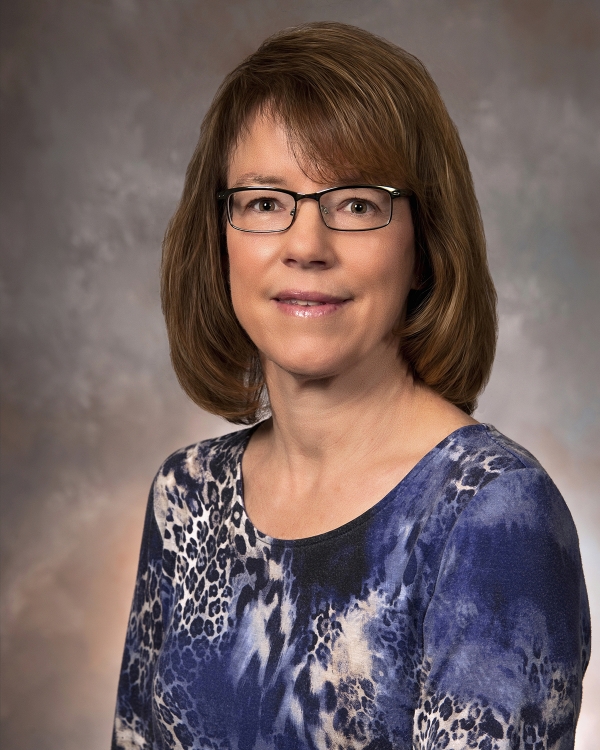
Dr. Angela R. Melton-Celsa is a faculty member at the Uniformed Services University of the Health Sciences (USUHS) in Bethesda, MD, affiliated with the School of Medicine and Department of Microbiology and Immunology. Her research focuses on bacterial toxins, biofilm biology, and their roles in disease pathogenesis. Education: BS in Biology from Loyola Marymount University, Ph.D. in Microbiology from Virginia Commonwealth University Research interests include the study of Shiga toxins (Stx), their implications in diagnostics and therapeutics, biofilm mechanisms, and virulence factors in bacterial, viral, and parasitic diseases. Her publications highlight toxin classification, host-pathogen interactions, and preclinical development of anti-Stx antibodies. A review of her 10 most recent articles (2014-2016) reveals expertise in Shiga toxin subtypes (Stx1a, Stx2a, Stx2d) Escherichia coli pathogenicity Toxin pharmacokinetics Antibody-based protection strategies Foodborne disease models Plasmid-virulence associations Her work has direct applications in infectious disease prevention and therapeutic antibody development.
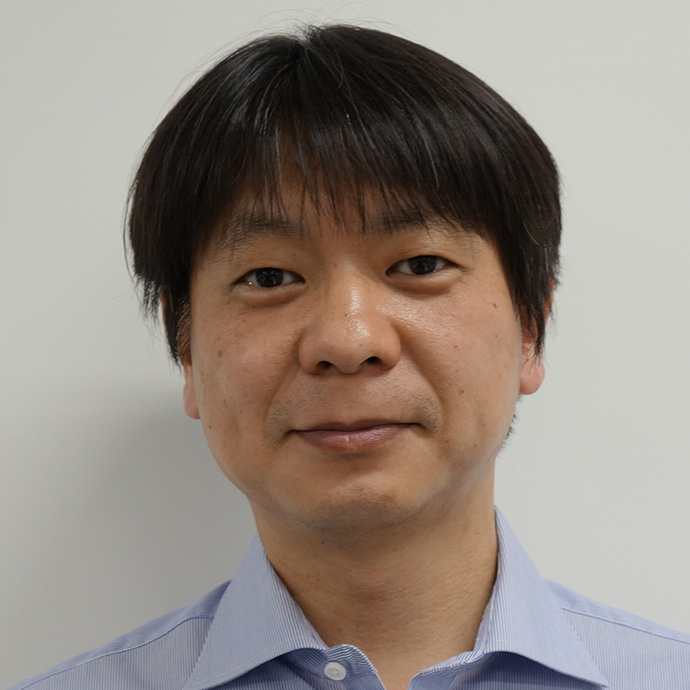
Hideki Ukai, Ph.D., is a Project Associate Professor at The University of Tokyo and Core Manager of the ES-Mouse/Virus Core facility. His research focuses on developing next-generation mammalian genetic technologies for organism-level systems biology, enabling high-throughput analysis of human gene networks and cellular circuits through genetically humanized mice. Previously, he held positions at RIKEN QBiC (Senior Researcher), RIKEN CDB (Researcher), and National Institute of Radiological Sciences (Postdoctoral Researcher). His work spans systems biology of circadian clocks, reverse genetics, and innovative mouse model production without traditional crossing. Key contributions include single-generation knock-in mouse protocols, temperature-insensitive circadian phosphorylation mechanisms, and CRISPR-based knockout-rescue strategies. Recent studies explore sleep-wake cycle regulation via kinase-phosphatase competition and anesthesia's molecular effects on circadian systems. Scientific awards and honors are not explicitly mentioned in the provided materials. His publication trends emphasize circadian clock dynamics, genetic engineering innovations, sleep regulation biochemistry, and humanized mouse models for systems-level biological analysis.
Maria Christophorou is a Tenure Track Group Leader at the Cambridge Stem Cell Institute and the Epigenetics Department at the Babraham Institute, University of Cambridge. She leads the Christophorou Group which focuses on understanding how developmental cues and cellular stresses are translated into epigenetic changes through the biochemical regulation of epigenetic factors, with particular emphasis on PADI enzymes and protein citrullination. Her research integrates biochemistry, cell and molecular biology, genomic and epigenetic approaches, and mouse model systems to investigate the mechanisms that modulate epigenetic regulators in health and disease. Dr. Christophorou's research expertise centers on protein citrullination, a post-translational modification that converts arginine residues to citrulline. Her work explores how peptidylarginine deiminases (PADI enzymes) regulate chromatin structure, pluripotency, and cellular responses to stress. She has made significant contributions to understanding the role of PADI4 in stem cell biology, the evolutionary origins of citrullination, and the implications of dysregulated citrullination in autoimmunity, neurodegeneration, and cancer. Her interdisciplinary approach bridges molecular mechanisms with physiological outcomes, revealing how epigenetic regulation shapes cellular identity and function during development and disease. Her recent publications demonstrate a strong focus on developing tools to study PADI enzymes, creating comprehensive maps of citrullination sites across the proteome, and investigating the evolutionary history of citrullination. The research shows progression from fundamental mechanistic studies toward translational applications, particularly in understanding how citrullination contributes to autoimmune diseases like rheumatoid arthritis and potential therapeutic targeting of PADI enzymes. Sir Henry Dale Fellow (Wellcome Trust and Royal Society) Wellcome-Beit Prize recipient EMBO Long-Term Postdoctoral Fellowship HFSP Long-Term Postdoctoral Fellowship Chancellor's Fellowship at University of Edinburgh Dr. Christophorou actively mentors PhD students, postdoctoral researchers, and visiting scientists in her laboratory. Her group has secured significant funding including the Sir Henry Dale Fellowship from the Wellcome Trust and Royal Society, supporting research into the biochemical regulation of epigenetic factors. She has successfully guided multiple students through PhD completion, with alumni now in positions at research institutions including the MRC Human Genetics Unit, Oxford University, and industry roles. The Christophorou Group operates within the Epigenetics Programme at the Babraham Institute and maintains strong connections with the Cambridge Stem Cell Institute. The laboratory employs a multidisciplinary team of researchers with expertise spanning biochemistry, proteomics, cell biology, and computational analysis to investigate the complex roles of protein citrullination in cellular physiology and disease mechanisms.
Naïma Moustaïd-Moussa is the Inaugural Executive Director of the Institute for One Health Innovation at Texas Tech University (TTU), where she also holds the Paul W. Horn Distinguished Professorship in the Department of Nutritional Sciences. She is a Professor at TTU Health Sciences Center's Department of Cell Biology & Biochemistry and founded TTU's Obesity Research Institute in 2019. A native of Morocco, she earned her Ph.D. from the University of Paris and conducted postdoctoral work at Harvard School of Public Health. Education: B.S. in Cell Biology & Physiology, University of Paris Sud-Orsay M.S. & Ph.D. in Endocrinology (Cell, Molecular, Metabolic Aspects), Sorbonne University Postdoctoral Fellowship in Molecular Nutrition, Harvard School of Public Health Her research focuses on nutrigenomics, obesity-related inflammation , and nutrient-gene interactions in metabolic diseases. She investigates how bioactive compounds (e.g., fish oil, curcumin, sorghum) reduce white fat inflammation, activate brown fat, and mitigate neuroinflammation. Her work bridges molecular biology, nutrition, and chronic disease prevention, with over 190 peer-reviewed publications funded by NIH, USDA, AHA, ADA , and industry partners. Recent trends in her publications highlight anti-inflammatory dietary compounds , thermogenic adipose tissue, microbiome interactions, and neuro-metabolic effects of obesity. She holds prestigious fellowships from the American Heart Association, The Obesity Society , and National Academy of Inventors . Her lab ( Nutrigenomics, Inflammation & Obesity Research ) collaborates across disciplines, including biomedical engineering, plant sciences, and medicine.
Steen Henning Hansen, M.D., Ph.D. is an Associate Professor of Pediatrics at Harvard Medical School, based at Boston Children's Hospital. His research focuses on the molecular mechanisms of cancer development, particularly in epithelial cells, with emphasis on GTPase signaling, cell adhesion, and tumor suppression pathways. Dr. Hansen directs an active research laboratory investigating oncogenic signaling and has secured continuous NIH funding for over two decades. Principal Investigator on 5 NIH grants from 2003-2025 Published 49 peer-reviewed articles with over 2,000 citations Specializes in Rho GTPase signaling in cancer biology Dr. Hansen's research primarily investigates GTPase-activating proteins and their role in epithelial cell biology and cancer development. His work has established critical connections between Rho GTPase signaling, cell adhesion through cadherins, and tumor suppression mechanisms. The laboratory employs advanced techniques including CRISPR/Cas9 genome editing, single-cell analysis, and sophisticated mouse models to study cancer pathogenesis, with particular focus on fibrolamellar hepatocellular carcinoma and epithelial oncogenesis. Recent work has expanded into immunological aspects of cancer, particularly how tumor cells interact with the immune system. Analysis of Dr. Hansen's 15 most recent publications reveals a consistent focus on cell signaling pathways in cancer, with increasing emphasis on the Hippo pathway, immune interactions, and precision oncology approaches. His work demonstrates an evolution from fundamental cell biology mechanisms toward translational applications, with several publications directly addressing potential therapeutic targets in cancer. Notably, his research bridges basic molecular mechanisms with clinical applications, particularly in liver cancer and epithelial malignancies. Dr. Hansen has received substantial research funding throughout his career, with continuous NIH support since 2003. His current portfolio includes an R03 grant investigating innate immune signaling in fibrolamellar carcinoma (2023-2025) and previously led multiple R01 and R21 grants focused on RhoGAP signaling in epithelial oncogenesis. His laboratory has trained numerous postdoctoral fellows and graduate students who have gone on to successful careers in academia and industry. The Hansen laboratory operates within the Harvard Medical School and Boston Children's Hospital research ecosystem, collaborating extensively with experts in immunology, gastroenterology, and cancer biology. The lab maintains strong connections with the Blavatnik Institute and utilizes core facilities for advanced microscopy, genomics, and animal modeling. Current research directions include developing novel models of fibrolamellar carcinoma, investigating mitochondrial metabolism in cancer, and exploring the interface between cell adhesion signaling and immune recognition in tumors.
Dr. Ali Shokoohmand is a Postdoctoral Research Fellow at the School of Chemical Engineering within the Faculty of Engineering, Architecture and Information Technology at the University of Queensland . His research focuses on biomaterials , cancer microenvironment modeling , and 3D tissue engineering platforms . Research Interests: Developing biosensitive hydrogels for drug delivery (2024) Engineering bone metastasis models to study prostate cancer progression (2016-2021) Designing 3D tumor microenvironments for ovarian cancer and melanoma studies (2017-2019) Investigating extracellular matrix (ECM) interactions in cancer cell signaling (2016, 2018) Scientific Contributions: Published 18 journal articles and 5 conference papers on biomaterials and cancer research Innovated humanized bone models for metastasis studies (2018, 2020) Developed glycosaminoglycan additives to enhance stem cell therapies (2024) Supervision Roles: Associate advisor for PhD projects on viscoelastic hydrogels , multi-phasic disc replacements , and sulfated alginate particles
Professor Martin Biel serves as Chair of Pharmacology at Ludwig-Maximilians-University Munich's Faculty of Chemistry and Pharmacy, Department of Pharmacy, and Center for Drug Research. His laboratory focuses on ion channel physiology in CNS and cardiovascular systems. Research centers on cyclic-nucleotide modulated channels (CNG/HCN) and endolysosomal ion channels using genetic mouse models , AAV-mediated gene therapy , electrophysiology , imaging , and telemetric monitoring of in vivo function. Key interests include retinal disorders, neuronal circuit dysfunction, and cardiovascular innervation pathologies. Recent publication analysis reveals strong emphasis on Viral entry mechanisms (Ebola) Retinal gene therapy approaches Cardiac electrophysiology Metabolic liver disease models with consistent application of molecular pharmacology and genetic engineering techniques. Current advisees include Manuela Brümmer, with notable graduate Lisa Riedmayr. Laboratory methods encompass OCT/ERG retinal analysis, telemetric EEG/ECG, and organoid systems. Contact: mbiel@cup.uni-muenchen.de | Lab Website
Valentina Greco is a Professor at Yale University, with appointments in the Departments of Genetics, Cell Biology, and Dermatology. She is a member of the Yale Stem Cell Center and Yale Cancer Center, and her research focuses on tissue regeneration, stem cell dynamics, and oncogenic mutations using the skin as a model system. Her lab develops novel in vivo imaging techniques to study how stem cells maintain tissue homeostasis amidst cellular turnover, injury, and mutations. Education: BS in Molecular Biology (University of Palermo, 1996), PhD in Cell & Molecular Biology (Heidelberg University, 2003), Post-doctoral Associate (Rockefeller University, 2009) Dr. Greco’s research explores the interplay between stem cell niches, tissue repair, and cancer initiation. Her work has uncovered mechanisms like positional fate determination in hair follicles, phagocytic clearance of stem cells, and metabolic adaptations to oncogenic mutations. Recent studies highlight her innovative use of live mouse imaging and machine learning to decode complex cellular behaviors. Her publications reveal trends in stem cell niche regulation , ERK signaling in oncogenesis , calcium dynamics during repair , and interdisciplinary science-art frameworks . She integrates molecular biology, computational modeling, and physiological imaging to address questions across developmental biology, cancer, and regenerative medicine. Scientific Awards: 2025 American Academy of Arts & Sciences 2021 ISSCR Momentum Award 2019 NIH Director’s Pioneer Award 2018 Carolyn Slayman Endowed Professorship 2022 FASEB Mid-Career Investigator 2021 Connecticut Academy of Science and Engineering (CASE) Member Dr. Greco prioritizes mentoring and inclusivity, fostering a collaborative lab environment that emphasizes trainee development and accessibility in science. She is also a dedicated public servant, serving as Vice President of the ISSCR, and her work has been recognized for its impact on understanding tissue homeostasis and tumor suppression mechanisms.
Jeanine A. Ursitti, PhD, serves as Assistant Professor in the Department of Orthopaedics at the University of Maryland School of Medicine, where her research bridges fundamental cytoskeletal biology with clinical implications for muscular and cardiovascular pathologies. Her work focuses on spectrin-based membrane skeleton organization across diverse cell types including erythrocytes, skeletal myofibers, and cardiomyocytes. Her academic foundation includes: B.S. in Biology from Loyola University Maryland Ph.D. in Membrane Physiology from the University of Maryland Baltimore Postdoctoral Fellowship at The Wistar Institute, Philadelphia, PA Dr. Ursitti's research program centers on the structural and functional roles of spectrin isoforms, with particular emphasis on alternative splicing variants in cardiac and skeletal muscle. Her investigations span from basic erythrocyte membrane architecture to disease mechanisms in muscular dystrophy, cardiomyopathy, and aging-related tissue degeneration. Key contributions include characterizing spectrin's role in costamere formation, connexin 43 localization in cardiomyocytes, and keratin-spectrin interactions in striated muscle. Analysis of her 30-year publication record reveals an evolving trajectory from foundational erythrocyte cytoskeleton studies (1989-1996) toward increasingly clinically relevant cardiac and muscular research (2001-2013). Her recent work demonstrates how αII-spectrin complexes regulate cardiac conduction and protect against dilated cardiomyopathy, highlighting translational potential. The consistent thread throughout her career is the investigation of spectrin's role as a mechanical scaffold and signaling platform across diverse physiological systems. Dr. Ursitti maintains active collaboration with the University of Maryland's muscle biology research group, particularly with Dr. Richard J. Bloch's laboratory, as evidenced by her extensive co-authorship record. While specific grant details aren't provided, her sustained publication output suggests consistent research funding supporting her investigations into cytoskeletal pathologies. Her laboratory likely employs advanced techniques including immunocytochemistry, protein biochemistry, and transgenic mouse models to explore spectrin-related disease mechanisms.
Tova Fuller, MD, PhD is an Assistant Professor in the Department of Psychiatry at the University of California, San Francisco (UCSF), affiliated with the UCSF Weill Institute for Neurosciences and the School of Medicine. She serves as a transplant psychiatrist working with liver, lung, heart, and kidney recipients as well as living liver and kidney donors, and provides psychiatric consultation in the Cardiac Rehabilitation and Wellness Program. Education: BS in Cybernetics, University of California, Los Angeles MS in Biomedical Engineering, University of California, Los Angeles PhD in Human Genetics, University of California, Los Angeles MD in Medicine, University of California, Los Angeles Internal Medicine Residency, Columbia University, New York City Psychiatry Residency, University of Washington, Seattle Dr. Fuller's research spans the intersection of psychiatry, genetics, and bioinformatics, with particular focus on gene co-expression network analysis and its applications to psychiatric disorders. Her work explores how genetic factors contribute to mental health conditions, with emphasis on schizophrenia and other psychiatric disorders. She has pioneered approaches to using peripheral blood as a surrogate for brain tissue in genetic studies, enabling less invasive research methods. Her research also extends into disaster medicine and conflict epidemiology, as evidenced by her work analyzing civilian casualties in the Iraq War. Dr. Fuller's publication record demonstrates a consistent trajectory of innovative work in systems genetics and psychiatric neuroscience. Her most influential contributions center around weighted gene co-expression network analysis (WGCNA), a methodology she has helped advance and apply to various neurological and psychiatric conditions. Her research bridges computational biology with clinical psychiatry, creating translational pathways from genetic discovery to clinical application, particularly in the context of organ transplantation where mental health considerations are critical. Scientific Awards and Honors: Department of Cybernetics, UCLA Highest Departmental Honors (2002) University of California, Los Angeles Biomedical Engineering Fellowship (2003) National Institutes of Health Genomic Analysis Training Grant (2007-2008) Nobel Peace Laureates Summit Delegate (2009) University of California, Los Angeles Marilyn Bersch MSTP Fellowship (2010) Physicians for Social Responsibility Lown-Alexander-Sidel Award for Medical Advocacy (2011) University of Washington Outstanding Teaching Scholar (2018) University of California, San Francisco Excellence in Clinical Teaching Award (2000) Dr. Fuller maintains an active research program focused on the genetic underpinnings of psychiatric disorders, with particular emphasis on how these relate to patients undergoing organ transplantation. Her work has received significant attention, with multiple publications accumulating hundreds of citations. She contributes to both clinical care and research mentorship within the UCSF Department of Psychiatry, integrating her dual expertise in medicine and genetics to advance understanding of mental health conditions.
Gerardo R. Vasta, PhD is a Professor in the Department of Microbiology and Immunology at the University of Maryland School of Medicine and the Institute of Marine and Environmental Technology. With a distinguished academic career spanning over four decades, Dr. Vasta has established himself as a leading research scientist in glycosciences, particularly in the field of protein-carbohydrate interactions in innate immunity, development, and cancer. Dr. Vasta's research program has been continuously supported by major funding agencies including the National Science Foundation, National Institutes of Health, and National Oceanic and Atmospheric Administration. His work has revealed key insights into the structural and functional relationships of carbohydrate binding proteins across diverse model systems including zebrafish, C. elegans, eastern oyster, and mice. Early in his career, he focused on C-type lectins in innate immune recognition in non-mammalian models, which later evolved into extensive studies on galectins in development, immune regulation, and pathogen recognition. His laboratory has made significant contributions to understanding galectin roles in skeletal muscle development, eye lens development, retinal regeneration, prostate cancer diagnostics, and host-pathogen interactions. Notably, his research demonstrated that galectins can recognize pathogenic viruses such as influenza A and facilitate viral infection while promoting subsequent pneumococcal pneumonia. His work spans fundamental structural and biophysical aspects of protein-carbohydrate interactions to translational applications including the development of natural and synthetic inhibitors for lectin binding. Dr. Vasta's scientific contributions are reflected in numerous high-impact publications, including a seminal 2009 review in Nature Reviews Microbiology titled 'Roles of galectins in infection.' His research shows a consistent evolution from basic characterization of lectins in invertebrate systems to sophisticated molecular understanding of galectin functions across species, with implications for human health and disease. J. William Fulbright Scholar International Award (2007) National Award 'Raíces' from Argentina's Department of Science, Technology, and Innovation (2016) Faculty Award from University of Maryland Biotechnology Institute (2006) Board of Scientific Counselors Review at National Institute of Dental and Craniofacial Research (2011) Editorial Board Member for Glycobiology, Journal of Marine Biology, and Invertebrate Immunity Throughout his career, Dr. Vasta has been deeply committed to education and training, mentoring numerous PhD and MSc students while regularly hosting high school and undergraduate summer interns in his laboratory. His research has involved extensive collaborations across disciplines, demonstrating his ability to bridge fundamental glycobiology with practical applications in immunology, infectious disease, and cancer research.
Dr. Liani Gasparini Devito is a Senior Lecturer in Biosciences at the School of Human Sciences, London Metropolitan University. She combines expertise in veterinary medicine, molecular and cell biology, and stem cell research to advance human in vitro models, iPSC reprogramming, gene editing, and differentiation. With over 13 years of experience in the UK, she has generated more than 40 human pluripotent stem cell lines and authored 28 peer-reviewed publications. Doctor of Veterinary Medicine (DVM), UNESP, Brazil MSc in Animal Reproduction, UNESP, Brazil MSc in Biomedical and Molecular Science Research, King’s College London PhD in Gene, Cell, and Tissue Therapy, King’s College London Liani’s research spans stem cell biology, focusing on disease modeling, gene editing, and developmental processes. She has contributed to understanding mitochondrial metabolism in embryos, epigenetic changes in iPSCs, and genetic disorders like autism and Parkinson’s. Her work emphasizes scientific rigor, mentorship, and inclusive education. Her publications highlight trends in stem cell research, including iPSC applications for cancer, neurodegenerative diseases, and skin disorders. She has also explored developmental biology, metabolic responses in stem cells, and comparative studies of MSCs. Herschel Programme for Women in Technical Leadership Liani is certified in clinical research, Good Manufacturing Practice (GMP), and health and safety management. She mentors students and advocates for inclusive pedagogy, while participating in networks like CorEuStem to promote stem cell research collaboration.
Arnaud Van Wettere is a Professor at Utah State University's Utah Veterinary Diagnostic Laboratory with a distinguished career in veterinary pathology. His academic journey includes a DVM from the University of Liege (1999), MS in Veterinary Surgery from the University of Minnesota (2003), and PhD in Comparative Biomedical Sciences from North Carolina State University (2012), where he completed his dissertation on liver fibrosis in Japanese Medaka. He achieved Diplomate status with the American College of Veterinary Pathology in 2008. Dr. Van Wettere's research spans multiple critical areas in veterinary medicine including cystic fibrosis modeling using sheep, viral pathogenesis (particularly SARS-CoV-2 transmission between species), wildlife disease surveillance, and hepatology. His work with CFTR-knockout sheep models has produced significant insights into cystic fibrosis pathophysiology and potential therapeutic approaches. Recent publications demonstrate his leadership in investigating zoonotic disease transmission, particularly the SARS-CoV-2 delta variant in African lions at Utah's Hogle Zoo. His scholarly output shows a clear trajectory toward increasingly sophisticated animal models for human diseases, with recent work focusing on interferon receptor knockout sheep and transgenic models for viral research. The publications reveal strong interdisciplinary collaboration, particularly with researchers working on cystic fibrosis therapeutics and viral pathogenesis. Notable Awards: Mid-Career Award (Education) from the American College of Veterinary Pathologists (2022) Three-time Excellence in Teaching award recipient at the Logan campus (2017, 2019, 2020) Dr. Monica Menard Award for Excellence in Veterinary Pathobiological Research (2012) Multiple Young Investigator Awards from professional societies (2011) Dr. Van Wettere has mentored graduate students including Cecilia Degiovanni (2024) and teaches Systemic Pathology (VM 7546) regularly since 2013. His extension work as a Diagnostic Pathologist at the Utah Veterinary Diagnostic Laboratory since 2013 demonstrates his commitment to practical veterinary medicine and disease surveillance in the region.
Brett Hurst is a Research Associate Professor in the Department of Animal, Dairy, & Vet Sciences at Utah State University (USU), where he has been a core member of the Institute for Antiviral Research since 2006. His work focuses on developing and evaluating antiviral therapies against emerging viral threats using cell culture and animal models, with particular emphasis on translational applications for human and veterinary medicine. His educational foundation includes: PhD in Animal Health & Disease (Virology) from Utah State University (2018) MS in Bioveterinary Science (Virology) from Utah State University (2012) BS in Microbiology (Chemistry) from Weber State University (2006) Dr. Hurst's research program centers on antiviral therapy development for high-impact viral pathogens. His laboratory specializes in establishing in vitro and in vivo models to evaluate therapeutics against influenza viruses, picornaviruses (including Enterovirus D68 and A71), and coronaviruses. This work bridges fundamental virology with preclinical drug testing, directly supporting pandemic preparedness efforts through the Institute for Antiviral Research's mission to combat emerging infectious diseases. Analysis of his 2021-2024 publications reveals a dominant focus on coronavirus therapeutics (particularly SARS-CoV-2 protease inhibitors and animal models) and enterovirus countermeasures , with significant contributions to vaccine adjuvant technology and broad-spectrum antivirals. His collaborative approach spans immunology, pharmacology, and veterinary medicine, consistently targeting translational outcomes for clinical application. His scientific contributions have been recognized with: 1st Place Ph.D. Oral Presentation (2018) at the Animal, Dairy, and Veterinary Science Student Research Symposium Poster Award (2018) from the International Society for Antiviral Research Dr. Hurst actively mentors graduate students in virology and biotechnology, having guided five students to completion in USU's Animal, Dairy & Vet Sciences program. His teaching portfolio includes advanced courses in Veterinary Virology, Science Communication, and Ethical Issues in Genetic Engineering, reflecting his commitment to training the next generation of scientists in both technical and ethical dimensions of biomedical research. As a key researcher at USU's Institute for Antiviral Research, he operates within a multidisciplinary team equipped with advanced biosafety facilities for studying high-consequence pathogens. This environment enables his critical work on emerging viral threats through integrated approaches spanning target identification, compound screening, and preclinical validation of novel therapeutics.
Eduard Post is a Researcher and Practical Course Teacher at the Faculty of Science and Engineering, University of Groningen. His work focuses on liver fibrosis, hepatic stellate cells, and sustained release drug formulations. Key Research Areas: Liver Fibrosis, Hepatic Stellate Cells, PDGF Receptor Targeting, Macrophage Polarization, Drug Delivery Systems, Molecular Pathology His recent publications highlight the role of hepatic stellate cells in fibrogenesis, sustained release strategies for antifibrotic therapies, and macrophage dynamics in inflammatory diseases. Collaborations span institutions studying liver and kidney fibrosis, immune responses, and protein-based pharmaceuticals. Dr. Post’s work contributes to UN Sustainable Development Goal 3 (Good Health and Well-being) through advancing treatments for chronic diseases like fibrosis.