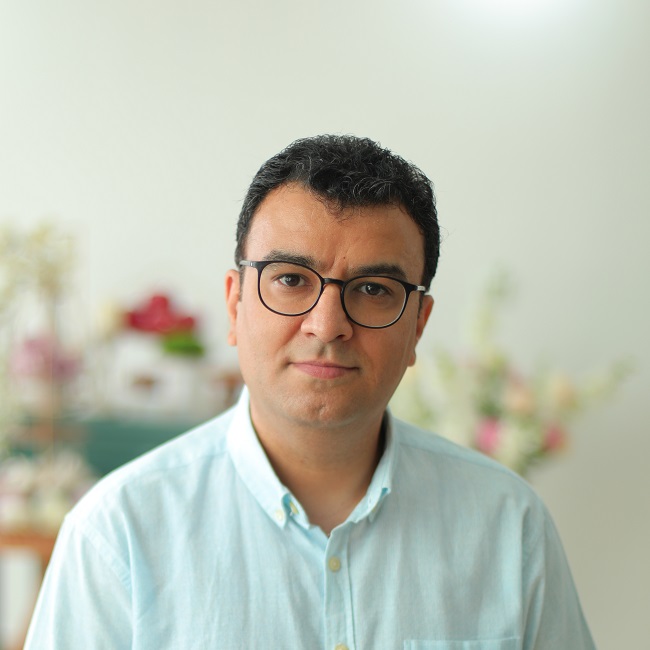
Dr. Mostapha Kalami Heris is a Lecturer in the Department of Engineering and Mathematics at Sheffield Hallam University, within the College of Business, Technology and Engineering. With over 20 years of experience in AI, Machine Learning, and related fields, he focuses on developing impactful solutions for real-world problems through collaborative research with industry and academia. Research Interests His primary research areas include Artificial Intelligence , Machine Learning , Evolutionary Computation , Multi-objective Optimization , Control Systems , and Intelligent Systems . He explores applications such as water demand forecasting, climate-economy modeling, and optimization algorithms for logistics and environmental systems. His work often integrates computational tools like MATLAB and Python to develop innovative solutions. In his publications, Dr. Heris emphasizes the development and application of optimization techniques, including metaheuristics like Genetic Algorithms, Particle Swarm Optimization, and Artificial Bee Colony. Recent works focus on deep learning models for water resource management and multi-objective control strategies for climate and economic systems. No scientific awards are listed in the provided information. His advising and grant activities are not detailed here. He does not specify any affiliated laboratories or research teams.
Michael G. Kay is an Associate Professor in the Edward P. Fitts Department of Industrial and Systems Engineering at North Carolina State University's College of Engineering. Since joining in 1992, he has served as Director of the Integrated Manufacturing Systems Engineering graduate program and as Co-Director of the Operations Research Program. His educational background includes a Ph.D. in Industrial Engineering from NC State University (1992), an MS in Industrial Engineering from the University of Florida (1984), and a BA in Economics from the University of Florida (1981). Kay's research focuses on logistics engineering, particularly the design of public logistics networks using driverless delivery vehicles. His work explores innovative solutions for freight transportation, warehousing, and production system design, with applications ranging from military logistics to sustainable supply chains. Key research areas include metaheuristic optimization, material handling systems, and multimodal transportation networks. Analysis of Kay's recent publications reveals a strong interdisciplinary focus spanning operations research, logistics engineering, and supply chain innovation. His work increasingly incorporates emerging technologies like blockchain and additive manufacturing to solve complex industrial problems. Research trends demonstrate consistent application of stochastic optimization methods to real-world challenges in transportation, manufacturing, and military logistics. Throughout his career, Kay has developed significant software tools including: Logjam (Julia package for logistics engineering) Matlog (Logistics Engineering Matlab Toolbox) Lgpy (Logistics Engineering Python Package) GAOT (Genetic Algorithm Optimization Toolbox)
Max Hinne is an assistant professor at the Department of Artificial Intelligence, Radboud University, Nijmegen, The Netherlands, where he leads the Uncertainty in Complex Systems research group. His work bridges artificial intelligence, neuroscience, and statistics through advanced Bayesian methodologies. Dr. Hinne's research focuses on Bayesian modeling of brain networks using neuroimaging data. His primary interests include: Bayesian nonparametric models, particularly Gaussian processes Structural and functional brain connectivity analysis Predictive modeling of neural systems Causal inference frameworks Uncertainty quantification in complex systems Development of computational tools for neuroscience His approach emphasizes how probabilistic methods can address uncertainty in complex biological systems while providing interpretable models of brain function. Analysis of Dr. Hinne's publication trajectory reveals a consistent focus on Bayesian methods applied to increasingly diverse domains. Starting with foundational work in brain connectomics, his research has expanded to include applications in developmental psychology, medical genetics, and educational technology. His most recent work demonstrates sophisticated integration of nonparametric Bayesian methods with domain-specific challenges, particularly in handling uncertainty in complex, high-dimensional data across multiple scientific fields. Dr. Hinne actively mentors students and invites master's thesis projects focused on Bayesian nonparametric methods for neuroimaging data. He has developed several software tools including the Bayesian Connectomics Toolbox (BaCon), latent space modeling code, and GP CaKe for causal inference. His research group maintains strong connections with the Donders Institute for Brain, Cognition and Behaviour, facilitating interdisciplinary collaborations between statisticians, neuroscientists, and domain experts.
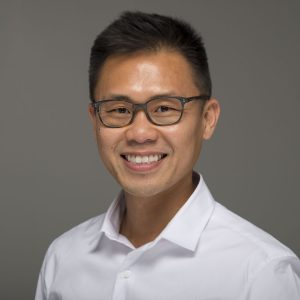
Dr. Ek Han Tan is an Associate Professor at the University of Maine's School of Biology and Ecology. His research program examines genome instability and change in plants, with particular focus on genome elimination phenomena during sexual reproduction. This work has significant applications in accelerating plant breeding techniques for improved yield and disease resistance in crops like potato. Research interests include: Plant genetics and genomics Genome elimination mechanisms Chromothripsis in whole organisms Haploid induction techniques Potato breeding optimization Dr. Tan's publications demonstrate a consistent focus on chromosomal dynamics, with recent work exploring genome elimination-induced chromothripsis, centromere histone mutations, and the development of haploid genetic toolboxes. His research bridges fundamental plant genetics and practical agricultural applications.
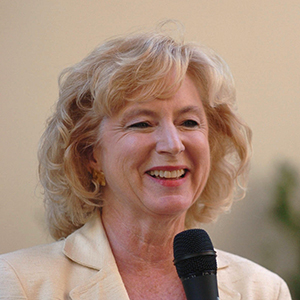
Claire Murphy is a Professor of Psychology at San Diego State University (SDSU), affiliated with the College of Sciences and Department of Psychology. Her research focuses on the relationship between brain function and behavior, particularly in neurodegenerative disorders like Alzheimer’s disease. She investigates olfactory dysfunction as a predictive biomarker and explores how metabolic syndrome, genetic factors (e.g., ApoE ε4 allele), and sensory impairments influence cognitive decline. Murphy has authored over 50 peer-reviewed articles and serves as a principal investigator on multiple NIH-funded grants. Education: Details not explicitly provided in text. Grants: Includes NIH awards totaling $4.5M+ for studies on health disparities in Alzheimer’s, olfactory/visual dysfunction as biomarkers, and sensory nutrition. Her research interests integrate neuroimaging (fMRI, MRI), psychophysics, and clinical neuroscience to understand how sensory systems reflect early Alzheimer’s pathology. Key areas include odor identification networks, metabolic risk factors, and the role of gender in neurodegeneration. Murphy has presented at conferences like the Alzheimer’s Association International Conference and the Society for Neuroscience. She advises numerous graduate students on thesis projects, including studies on ApoE ε4’s impact on memory, locus coeruleus integrity, and BMI-Alzheimer’s links. Her work emphasizes patient-centered approaches and interdisciplinary collaboration to advance early detection of neurodegenerative diseases. Labs/Teams: Leads the SDSU Aging Research (ADAR) Program and collaborates with national networks like the NIH Toolbox for Assessment.
Tom Beneke is an independent Junior Research Group Leader at the Chair of Cell and Developmental Biology within the Biocenter at the University of Würzburg. His research focuses on Leishmania parasites, studying their pathogenic mechanisms and host interactions using advanced CRISPR-based genomic tools. He holds an EMBO Postdoctoral Fellowship and a Marie Curie Skłodowska Fellowship, and has secured funding from DFG and DRUID. Beneke's lab investigates how Leishmania species manipulate macrophage migration to control disease dissemination, employing high-throughput CRISPR screens and novel genetic methods like LeishBASEedit. Key research areas include drug resistance, tissue tropism, and functional genomics in parasitic protozoans. Education: PhD from University of Oxford (2015–2019), PostDoc at Sir William Dunn School of Pathology (2019–2020). Industry experience at OXGENE (2020–2022) included CRISPR screening for target discovery. Current lab members include PhD students, postdocs, and master's students working on CRISPR technologies and Leishmania pathogenesis. Scientific awards include EMBO Postdoctoral Fellowship (2021), Marie Curie Fellowship (2022), and grants from DFG (2023–present) and DRUID (2023–present). Over 20 peer-reviewed publications span CRISPR methodologies, Leishmania genetics, and parasite motility. The lab collaborates globally on projects like developing reference strains for gene editing and dissecting host-parasite interactions. Advising and grants: Supervises 5+ graduate students and manages funding from multiple agencies. Current projects include CRISPR base-editing screens and functional dissection of species-specific mechanisms in Leishmania. The lab also maintains a dynamic team of technicians and alumni contributors.
Dr. Nonoy Bandillo is an Assistant Professor in the Department of Crop and Soil Sciences at North Carolina State University (NC State), leading the Bandillo Lab . His primary focus is on small grains breeding and genetics, with a mission to develop climate-resilient cultivars optimized for North Carolina's agricultural environments. He holds a BSc (magna cum laude) in Agronomy from the University of the Philippines-Los Baños (2008), a PhD in Plant Breeding & Genetics from the University of Nebraska-Lincoln (2016), and a postdoctoral fellowship in Quantitative Genetics at Cornell University (2018). His research integrates cutting-edge methodologies such as genomic selection, high-throughput phenotyping, and machine learning to accelerate genetic innovation. Key interests include improving crop traits like yield, nutrition, and resistance to environmental stresses. He teaches CS 745: Quantitative Genetics in Plant Breeding and serves as an Associate Editor for The Plant Genome (2023–present). Dr. Bandillo's lab emphasizes collaboration, with projects focusing on sensor technology for crop monitoring (e.g., LiDAR, multispectral imaging) and genetic dissection of traits such as protein content and disease resistance. Recent work includes developing strategies to enhance genetic gain in wheat and improving salt tolerance in peas. Lab activities also include advancing genomic prediction models for multi-trait improvement and leveraging big data for climate-resilient cultivar development. The lab collaborates broadly, aiming to bridge applied breeding with fundamental genetic research.
Tomas Strucko is a researcher in the Department of Biotechnology and Biomedicine at the Technical University of Denmark (DTU), specializing in synthetic biology and metabolic engineering with a focus on yeast species including Saccharomyces cerevisiae and Komagataella phaffii . He develops advanced genetic tools for efficient strain engineering, particularly CRISPR-Cas systems. Academic employee at DTU Member of Synthetic Biology section Research Interests: Design and optimization of microbial cell factories Development of CRISPR-based genome editing platforms Metabolic pathway engineering for chemical production High-throughput strain construction techniques Comparative yeast genetics Laboratory evolution for metabolic adaptation Notable Contributions: Co-developed CRI-SPA (CRISPR-based strain production automation), created oligonucleotide-mediated editing systems for Komagataella phaffii, and pioneered gene amplification techniques through DNA repair mechanisms. His work has been cited 15 times across 5 publications in 2023-2024. Students: Supervised PhD candidate Porcayo Loza in yeast-based algal biomass conversion projects. Project Affiliations: Engineered yeast strains for bulk chemicals from algal biomass (2015-2022) Designer yeast library for metabolic engineering (2014-2016) Vanillin production cell factory development (2010-2014)
Marta Streminska is a Researcher at Wageningen University & Research within the Businessunit Glastuinbouw (Greenhouse Horticulture Unit). Her work focuses on rootzone dynamics, biostimulants, and biological control in horticultural systems. She collaborates extensively with institutions like Wageningen Plant Research and contributes to projects targeting sustainable disease management in soilless and conventional cultivation systems.
Sepideh Sadaghiani is an Associate Professor at the University of Illinois Urbana-Champaign, holding roles in Psychology, Bioengineering, Neuroscience Program, and the Center for Latin American and Caribbean Studies. She is affiliated with the Beckman Institute for Advanced Science and Technology and the Carl R. Woese Institute for Genomic Biology. Her research focuses on large-scale neurocognitive networks, cognitive control, and intrinsic functional connectivity. She earned her Ph.D. from the International Max Planck Research School in Germany/France and completed postdoctoral training at Stanford University and UC Berkeley. Education: Ph.D. in Neural and Behavioral Sciences, International Max Planck Research School (2007–2010) Postdoctoral Fellow, Stanford University (2015) Postdoctoral Fellow, UC Berkeley (2010–2014) Research Interests: Her lab investigates how large-scale brain networks mediate cognitive functions like alertness and attention. Key areas include modulatory roles of cognitive control networks, functional roles of intrinsic neural activity, and integration of techniques like fMRI, EEG, and genetic analyses. Recent work explores how neurotransmitter genotypes and connectome dynamics influence cognition and behavior. Scientific Contributions: Her 37+ publications span neuroimaging methodologies, connectome dynamics, and neurogenetics. Notable work includes developing a network correspondence toolbox for neuroimaging and studying Zika virus impacts on brain structure. Awards: NSF CAREER Award (2023) Labs and Collaborations: She leads interdisciplinary research teams at the Beckman Institute and collaborates globally on neuroimaging and network analysis. Her lab emphasizes translational studies in healthy and neurological populations.
Prof. Almut Heinken is a Professor at the University of Lorraine, affiliated with Campus Brabois Santé (Bât. C 2ème étage). Her research focuses on systems biology approaches to understand host-microbiome interactions, metabolic modeling, and their implications in human diseases. She leads efforts in developing computational tools like Microbiome Modeling Toolbox 2.0 and APOLLO to analyze microbiome metabolism across diverse populations and disease contexts. Her work integrates genomic, metabolomic, and clinical data to study metabolic pathways in conditions such as Alzheimer’s disease, colorectal cancer, and inflammatory bowel disease. Key contributions include identifying formate’s role in disease progression and developing personalized models for inborn errors of metabolism. She collaborates extensively on microbiome-driven drug-metabolism studies and systems pharmacology. Her lab utilizes advanced platforms like functional genomics, bioinformatics, and analytical chemistry to dissect microbial community dynamics. Recent studies highlight microbiome contributions to xenobiotic metabolism, depression biomarkers, and preterm birth prediction. Ongoing projects aim to bridge computational models with clinical applications for precision medicine. Prof. Heinken’s work is supported by interdisciplinary teams and state-of-the-art facilities, including molecular biology and bioinformatics resources at Campus Brabois Santé. Her research underscores the microbiome’s central role in health and disease, with translational potential for diagnostics and therapeutic strategies.
Nicolaas Ervik Groeneboom is a researcher affiliated with the University of Oslo's Department of Astrophysics within the Faculty of Mathematics and Natural Sciences. He holds a Ph.D. in astrophysics (2010) and has conducted post-doctoral research across multiple institutions. His work bridges computational astrophysics with neuroimaging tools, particularly through the Nutil software for rodent brain data analysis and the TRSE open-source project. Education: Ph.D. in Astrophysics, University of Oslo (2010) M.Sc. in Theoretical Astrophysics, University of Oslo (2007) B.Sc. in Mathematics, University of Oslo (2006) Research focuses on: Cosmological simulations (N-body, galaxy formation) CMB anisotropies and gravitational lensing Software development for scientific visualization (OpenGL, Unity) Compiler optimizations and HPC techniques Recent work extends into neuroimaging analysis tools for Alzheimer's research. His publications span leading journals like Astrophysical Journal and Communications Biology . Grants: Recipient of a 3-year Research Council of Norway grant for his doctoral research. Active contributor to Euclid project (cosmology). Projects: Creator of open-source TRSE compiler (1000+ users) and Nutil toolbox for histological image processing.
Stephane Dissel is an Assistant Professor and Principal Investigator in the School of Biological Sciences at the University of Missouri-Kansas City (UMKC), where he leads the Dissel Lab focused on the neurogenetic mechanisms of sleep, memory, and decision-making in Drosophila melanogaster . He established his lab at UMKC in January 2018 after completing a six-year postdoctoral fellowship at Washington University in St. Louis. Education: PhD in Genetics, University of Leicester, UK Undergraduate studies, University Louis Pasteur, Strasbourg, France Dr. Dissel's research lies at the intersection of neurobiology and behavior. His lab investigates fundamental questions such as What is sleep? , Why do we sleep? , and How do sleep, memory, and decision-making interact? Using the fruit fly as a model organism, his team employs advanced genetic techniques like the Split-GAL4 system to assign behavioral roles to specific neurons, including the discovery of VNC-SP neurons that strongly promote sleep. The lab also focuses on generating highly specific genetic tools to eliminate off-target expression, enhancing the precision of behavioral neuroscience research. The recent publications from his lab reflect a strong trend in dissecting neural circuits underlying sleep and behavior, with a focus on methodological innovation and neuroanatomical precision. His work has been published in high-impact journals such as PLOS Biology and eLife . Scientific Contributions and Recognition: Development of a dFB-specific GAL4 line for precise behavioral studies Discovery of VNC-SP neurons as strong promoters of sleep Investigation of the dorsal fan-shaped body as a heterogeneous sleep-regulating center Dr. Dissel actively mentors students at multiple levels, including undergraduate researchers and postdoctoral fellows. His former PhD student Joseph David Jones successfully defended in 2022, and postdoctoral researcher Andrew Montgomery was part of the lab until 2024. He has secured research funding that supports his lab's work, enabling the training of students and the pursuit of innovative neuroscience questions. The Dissel Lab fosters a collaborative and family-like environment, engaging in public outreach by hosting local high school students. Lab and Research Team: The Dissel Lab at UMKC includes a postdoctoral research fellow (Dr. Brandon Holder), a lab technician (Dr. Jen McEllin), and a dynamic group of undergraduate researchers. The team works on developing behavioral assays, maintaining fly stocks, and conducting experiments on sleep, memory, and decision-making. The lab is equipped with tools for genetic manipulation, behavioral testing (including Y-Maze and T-Maze paradigms), and neuroanatomical analysis.
Raffaello Potestio is an Associate Professor in the Department of Physics at the University of Trento and serves as Coordinator of the Doctoral Course in Physics. His research focuses on molecular dynamics, soft matter physics, and computational modeling of biological systems. He teaches courses such as Physics 2 (electromagnetism fundamentals), Multi-scale Methods in Soft Matter Physics, and Statistical Mechanics, emphasizing theoretical and computational approaches. His work integrates advanced simulation techniques, including adaptive resolution methods, to study complex systems like proteins, DNA, and viral capsids. He has contributed to tools like EXCOGITO for coarse-grained modeling and explored topics ranging from knot interactions in polymers to chromatin mechanics in diseases. His research bridges theoretical physics with applications in biophysics, materials science, and epidemiology. Education details are not explicitly provided in the text. His teaching activities span undergraduate and graduate levels, with a focus on equipping students with analytical and computational skills for modern physics challenges. His publications highlight contributions to multiscale modeling frameworks, protein dynamics, and data-driven analysis of mobility patterns during the pandemic. Collaborations involve interdisciplinary teams addressing both fundamental and applied questions in physics and biology. Labs and teams associated with his work include computational physics groups at the University of Trento, though specific lab names are not mentioned. His research emphasizes the development of novel algorithms and their application to diverse systems, reflecting a commitment to advancing both methodological and applied aspects of theoretical and computational physics.
Professor Ratko Djukanovic is a leading academic in respiratory medicine at the University of Southampton , where he serves as Professor of Medicine and Head of the Respiratory and Critical Care Theme at the NIHR Biomedical Research Centre . His research focuses on asthma pathobiology, severe viral lung infections, and biomarker discovery using omics technologies . He pioneered bronchial biopsy standardization and developed ex vivo tissue culture models for studying respiratory diseases. Research Networks: Founder of U-BIOPRED (€27M EU-funded program), SHARP Collaboration (29 countries, 340 clinics), and ICAN (International Collaborative Asthma Network) Key Research Areas: Asthma endotyping, interferon-β therapy for viral infections, psychoneuroimmunology in asthma, and corticosteroid resistance mechanisms Industry Partnerships: Co-founder of Synairgen (respiratory therapeutics spin-out), with active collaborations with Novartis, AstraZeneca, and 3-V Biosciences Teaching: Leads the Symposium on Lung Infections and participates in the Academy of Medical Sciences Mentorship Programme