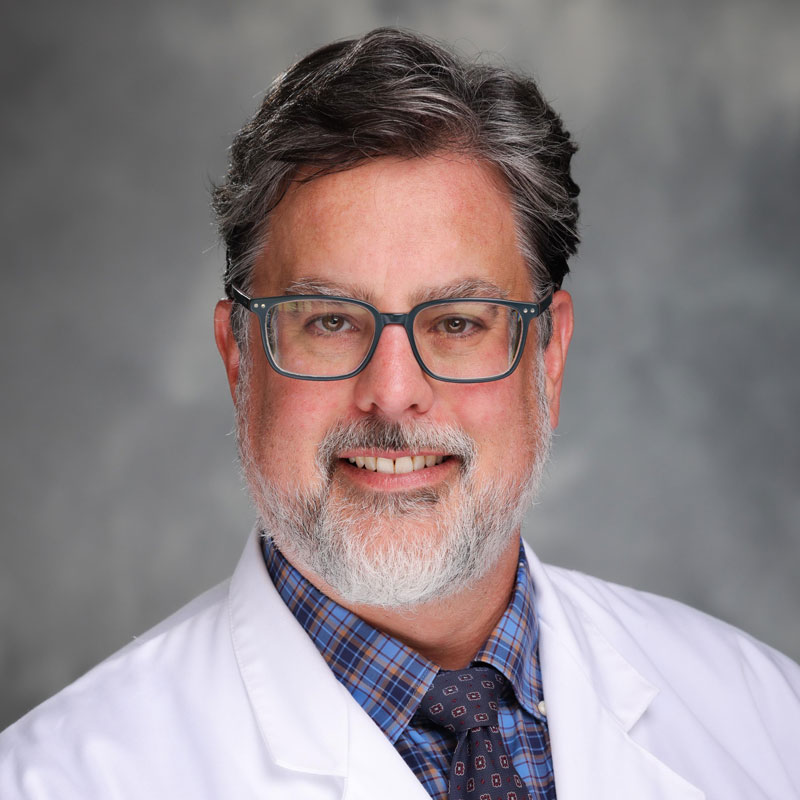
Andres Salumets is a Professor of Reproductive Medicine at the Department of Clinical Science, Intervention and Technology, Karolinska Institutet. His research focuses on molecular mechanisms underlying reproductive health, including endometrial biology, assisted reproduction technologies, and environmental influences on fertility. He leads studies on uterine fluid extracellular vesicles, genomic analysis of reproductive disorders, and the impact of endocrine disruptors on reproductive tissues. Salumets collaborates with multidisciplinary teams to translate findings into clinical applications, such as improving non-invasive prenatal testing (NIPT) and developing probiotics for male reproductive health. His work integrates cutting-edge technologies like AI-driven histology analysis, single-cell RNA sequencing, and genome-wide association studies (GWAS). Key research areas include polycystic ovary syndrome (PCOS), endometriosis, and recurrent implantation failure (RIF). Recent studies explore phthalate effects on endometrial cells and novel therapies for breast cancer using natural extracts. Salumets' research bridges basic science with clinical practice, aiming to enhance assisted reproduction outcomes and address global infertility challenges.
Prof Alison Rodger is a Professor in the Research School of Chemistry at The Australian National University, where she leads research in biophysical spectroscopy. Formerly at Macquarie University (2017–2024) and the University of Warwick (1990s–2017), she specializes in developing advanced spectroscopic techniques for biomacromolecule analysis. Her work integrates circular dichroism, linear dichroism, and Raman methods to study nucleic acids, proteins, and membrane systems. She co-directs the ARC-funded Industrial Transformation Training Centre in Facilitated Advancement of Australia’s Bioactives (FAAB) and runs an open-access biophysical spectroscopy lab. Key awards include Fellowships from the Australian Academy of Science (2021) and Royal Society of Chemistry (2000), and recognition in the Analytical Science Power List (2015). Education: BSc, PhD, DSc (Sydney University) MA (Oxford) DSc (Warwick) BA (Chester) Research Interests: Development of polarized-light spectroscopies for biomacromolecule analysis, including electronic/circular dichroism, Raman spectroscopy, and hybrid techniques. Applications span protein-DNA interactions, membrane biophysics, and biopharmaceutical characterization. She invented five spectroscopic techniques, including micro-volume Couette flow linear dichroism and fluorescence-detected linear dichroism. Awards & Roles: Fellow of the Australian Academy of Science Fellow of the Royal Society of Chemistry Emeritus Professor (University of Warwick) Recipient of Science Teachers of NSW Dedicated Service Award Consultant to European Science Foundation CASPER project Advising & Grants: Supervises PhD students in interdisciplinary biophysical chemistry. Led the EPSRC-funded Molecular Organisation and Assembly in Cells DTC at Warwick. Currently co-directs the ARC FAAB Centre, focusing on bioactive product characterization. Labs & Collaborations: Operates an open-access biophysical spectroscopy lab supporting academic and commercial users. Collaborations span mathematics, medicine, and engineering, with projects on DNA knotting, antimicrobial peptides, and nanomaterials for biosensing.
Scott Richard Floyd is the Gary Hock and Lyn Proctor Associate Professor of Radiation Oncology at Duke University School of Medicine, with secondary appointments as Associate Professor of Radiation Oncology and Assistant Research Professor in Pharmacology and Cancer Biology. He is also a Member of the Duke Cancer Institute and serves as Associate Radiation Director of the Duke Center for Brain and Spine Metastasis and Associate Program Director of the Duke Radiation Oncology Residency Program. Dr. Floyd received his M.D. and Ph.D. from Yale University in 2002. His professional training includes: Internship in Internal Medicine at Hospital of Saint Raphael (2002-2003) Residency in Radiation Oncology at Harvard Medical School, Harvard Radiation Oncology Program (2003-2007) Clinical Investigator position at MIT Koch Institute for Integrative Cancer Research (2012-) Dr. Floyd's research focuses on DNA damage signaling and repair in brain tumor cells, particularly investigating how chromatin changes mediated by epigenetic modifiers affect the DNA damage response (DDR). His lab develops small animal irradiation techniques and mouse models of glioblastoma to test the effects of epigenetic writers and readers on DDR in clinically relevant model systems. He aims to identify strategies to enhance tumor cell killing while protecting normal brain tissues from radiation damage. His work on brain slice models provides a platform for studying stroke, Alzheimer's disease, Huntington's disease, and brain tumors while reducing animal use. Analysis of Dr. Floyd's recent publications reveals a strong focus on brain metastases, radiation necrosis, and the application of artificial intelligence in radiation oncology. His work increasingly integrates radiogenomics, machine learning, and novel radiation techniques to improve outcomes for patients with brain tumors. There's a clear trend toward interdisciplinary collaboration, particularly in combining radiation therapy with immunotherapy and targeted agents, as evidenced by his leadership in the Consortium for Intracranial Metastasis Academic Research (CIMARa). Dr. Floyd has secured significant research funding, including: NEUROD1 function in SCLC fate and plasticity (NIH, 2024-2029) Synthetic lethality with BET bromodomain inhibition (American Cancer Society, 2025-2026) ASPET SURF Institutional Award (2018-2028) Multiple NIH R01 grants supporting his research on DNA damage response and brain tumor biology Dr. Floyd leads the Floyd Lab, which focuses on studying mechanisms of DNA damage signaling and repair in brain tumor and other mammalian cells. His lab utilizes advanced techniques including small animal irradiation, mouse models of glioblastoma, and organotypic brain slice culture platforms. He is also involved in Project Brainslice, which develops experimental model systems using brain slices to research new treatments for brain diseases. His clinical expertise centers on the treatment of benign, primary, and metastatic tumors of the brain and spine, making him a key figure in Duke's brain and spine metastasis program.
Moo Chung is a Professor of Biostatistics and Medical Informatics at the University of Wisconsin-Madison, affiliated with the School of Medicine and Public Health. He holds additional appointments in the Department of Statistics and the College of Letters and Science. Chung earned his Ph.D. in Mathematics and Statistics from McGill University under Professors Keith J. Worsley and James O. Ramsay. His research focuses on computational neuroimaging, leveraging MRI, fMRI, and DTI to study brain dynamics through topological and geometric methods. Key areas include persistent homology, brain network analysis, and statistical modeling of high-dimensional imaging data. He has pioneered methods like hyper-network construction and exact topological inference for paired brain networks, addressing computational challenges in analyzing large-scale neuroimaging datasets. Chung’s work integrates advanced mathematical techniques such as Hodge Laplacian, spectral graph theory, and Wasserstein distances to analyze brain connectivity. He has secured NIH funding for projects like the Brain Initiative (2017-2020) and current grant MH133614 (2023), focusing on geometric data analysis and topological dynamics. His contributions include three books on brain imaging and network analysis, with ongoing research on topological data analysis applications. Awards: Vilas Associate Award (2013-2014), NIH Brain Initiative Award, Editor's Award (2011) Labs/Teams: Leads brain imaging workshops globally, including Seoul National University (2024) and POSTECH (2024), and organizes conferences like ISBI and MICCAI special sessions. Grants: NIH EB022856 (Brain Initiative), MH133614 (2023), and collaborations with institutions like Vanderbilt University and University of Chicago. Chung actively mentors students and postdocs in biomedical data science, offering fellowships through the CIBM program. His group maintains a Google mailing list for brain image analysis discussions and hosts regular seminars on methodological advancements.
Dr. Reem A. Tarazi is an Associate Professor in the Department of Psychiatry at Drexel University College of Medicine and an adjunct professor in the Department of Psychology at Drexel University. She holds a PhD in Clinical Psychology from Drexel University and dual BAs in Psychology and Genetics, Cell and Developmental Biology from Dartmouth College. Board certified in clinical neuropsychology, her clinical practice focuses on pediatric neuropsychological evaluations and spans roles at St. Christopher's Hospital for Children and the Kennedy Krieger Institute. Her research emphasizes neuropsychological aspects of sickle cell disease, spina bifida, and executive function in pediatric populations, with a focus on psychosocial and neurocognitive interventions. Education: PhD in Clinical Psychology, Drexel University BA in Psychology, Dartmouth College BA in Genetics, Cell and Developmental Biology, Dartmouth College Dr. Tarazi’s research interests bridge clinical neuropsychology and pediatric health, particularly addressing how chronic illnesses like sickle cell disease and spina bifida impact cognitive and executive functions. Her work explores interventions to improve self-management, academic functioning, and psychosocial outcomes in affected children. She has contributed to the development of clinical tools such as the Kennedy Krieger Independence Scales for sickle cell disease and spina bifida populations. Her publication trends reflect a focus on neuropsychological assessment, disease-specific cognitive challenges, and family-based interventions. Key themes include pain management in pediatric sickle cell disease, executive function deficits linked to childhood maltreatment, and age-related cognitive changes in spina bifida. Dr. Tarazi’s clinical affiliations include St. Christopher's Hospital for Children and Kennedy Krieger Institute fellowships. She maintains an independent clinical practice focused on hematology-related neurological evaluations.
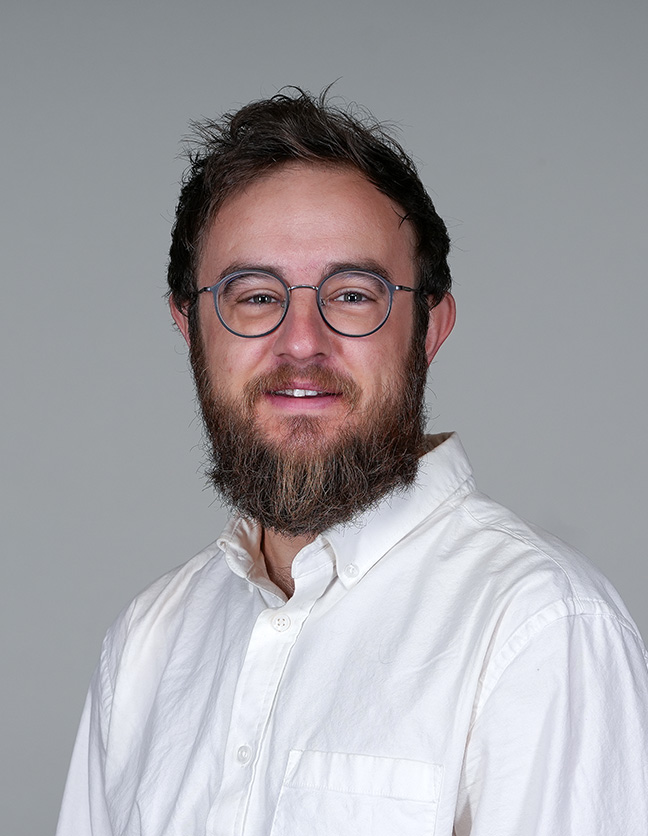
Dr. Cody Porter is an Assistant Professor of Biology at Hope College, department of Biology, specializing in evolutionary ecology with a focus on birds, particularly crossbills. He joined Hope in 2024 after postdoctoral work at Iowa State University and teaching at Lees-McRae College (2020-2022). His research emphasizes speciation, adaptation, behavioral ecology, and thermoregulatory physiology in avian species. He teaches General Biology and Vertebrate Zoology at Hope. Education: PhD in Ecology (University of Wyoming, 2020); B.S. in Zoology (Michigan State University, 2013). Awards include the Distinguished Faculty Mentor Award from Lees-McRae College. Research focuses on three core areas: evolutionary ecology of crossbills, thermoregulation in songbirds, and integrating foraging theory with comparative approaches to understand ecological patterns. His work bridges empirical field studies with biophysical modeling, emphasizing realism in ecological contexts. Students gain skills in bioacoustics, statistical analysis, and meta-analytic methods through his projects. Publications span topics like avian speciation mechanisms, thermal physiology, and habitat choice dynamics. His lab collaborates broadly, addressing interdisciplinary questions in ecology and evolution. Outside academia, he enjoys birding, cooking, and espresso craftsmanship with his family.
Juanma Fernandez Costa is a Researcher at the Institute for Bioengineering of Catalonia (IBEC), leading the Biosensors for Bioengineering research group. His work focuses on advancing bioengineering solutions for muscular dystrophies through innovative 3D in vitro models and tissue engineering platforms. Key contributions include developing xeno-free skeletal muscle tissues, functional Duchenne muscular dystrophy models, and organ-on-a-chip systems to study disease mechanisms and therapeutic interventions. Research interests span biosensor integration in tissue models, regenerative medicine applications, and translational research bridging bench and clinical settings. Notable projects include muscle-atrophy studies linked to non-alcoholic fatty liver disease, drug testing platforms for steroid myopathy, and miRNA-based therapies for myotonic dystrophy type 1. Collaborations involve multi-organ systems to explore metabolic interactions, such as muscle-exercise effects on insulin secretion. His lab pioneered plasmonic biosensors for real-time fibrosis monitoring and functional skeletal muscle models enabling preclinical drug evaluation. Current efforts emphasize scalable bioengineered tissues and systems integration for complex disease modeling.
Professor Wendy Erber is a Professor of Pathology and Laboratory Medicine at the University of Western Australia (UWA), holding appointments in the School of Biomedical Sciences. She is a diagnostic haematologist with expertise in haematological malignancies and translational research. Her roles include former Executive Dean of the Faculty of Health and Medical Sciences (2015-2019) and Chair of the School of Pathology and Laboratory Medicine. She has held positions at the University of Cambridge (Head of Department and Lecturer, 2004-2011) and as Clinical Director of PathCentre (1997-2004). Education: MBBS (Hons 1), University of Sydney (1981) MD, University of Sydney (2000) DPhil (Oxford), PhD (Cambridge) Research Interests: Focuses on fibrosis in myeloproliferative neoplasms, imaging flow cytometry for chromosomal abnormalities, and translating discoveries into clinical practice. Her patented Immuno-flowFISH technique earned a 2018 Eureka Award. She also advocates patient blood management and global health equity through initiatives like the Indian Ocean Rim Laboratory Haematology Congress. Awards: Eureka Award (2018) WA Premier Science Award finalist (2019-2023) Fellow of the Australian Academy of Health and Medical Sciences (2015) Grants/Activities: Leads projects on leukaemia prevention, myelofibrosis monitoring, and blood test innovations. Chairs the International Council for Standardization in Haematology and contributed to WHO Patient Blood Management guidelines. Active in teaching, mentoring, and public engagement via TEDx and academic conferences.
Rachel Ankeny is a Professor & Chair of Philosophy at Wageningen University & Research (WUR) and holds honorary/affiliate roles at the University of Exeter and University of Adelaide. Her interdisciplinary work spans history/philosophy of life sciences, agricultural studies, bioethics, and science policy. She leads the Philosophy Group at WUR and oversees research at the ARC Training Centre for Future Crops Development. Ankeny holds advanced degrees from the University of Pittsburgh (BA, MA, PhD) and University of Adelaide (MGAstronomy, online education certificate). Research Interests: Epistemic issues in agricultural and medical science Regulatory frameworks for biotechnology Animal welfare and consumer ethics Indigenous knowledge integration Professional Activities: Board member, Ann Johnson Institute (USA) Advisory roles on Australian Commonwealth committees (FSANZ, OGTR) Editor-in-Chief, Studies in HPS Current Projects: Focus on genomic ethics, livestock welfare, and transdisciplinary science policy. Active in public engagement via initiatives like the EchidnaCSI conservation project.
Dr. Devindri Perera is a Senior Lecturer at Curtin University's School of Electrical Engineering, Computing and Mathematical Sciences (EECMS) within the Faculty of Science and Engineering. He is also affiliated with the Office of the Provost, demonstrating administrative and academic leadership roles. His research focuses on interdisciplinary areas including biosecurity systems, veterinary epidemiology, statistical modeling, and genomics. Dr. Perera's work spans environmental science (biosecurity border management), veterinary medicine (equine health and endocrinology), and computational methods (data clustering, statistical algorithms). His biosecurity research emphasizes risk assessment and spatial-temporal analysis of non-indigenous species, while his veterinary studies investigate equine physiology and disease mechanisms. In genomics, he contributes to identifying genetic markers for neurological disorders like multiple sclerosis. His publications from 2006–2023 reflect a strong focus on statistical methodologies in interdisciplinary contexts, including genome-wide association studies, algorithm validation for genotyping, and applied econometric models. This demonstrates a blend of theoretical rigor and practical problem-solving across diverse domains. Though no specific awards or grants are listed in this profile, his prolific publication record and cross-disciplinary approach highlight sustained academic engagement. His research collaborations span institutions globally, addressing both environmental and biomedical challenges.
Dragi Kimovski is a Habilitated Assistant Professor in Distributed Systems at Klagenfurt University, Austria, focusing on Edge Computing and AI. He previously held roles at the University of Innsbruck and the University of Information Science and Technology in Macedonia. His research spans Edge/Fog/Cloud computing, multi-objective optimization, and high-performance computing. He has coordinated major projects like 6GContinuum and KärtnerFog, and led initiatives such as DataCloud and ASPIDE. His teaching includes courses on Distributed Computing, Cloud Computing, and IoT. He is the co-creator of the Carinthian Computing Continuum and maintains a blog on Edge AI World. His work emphasizes sustainable and efficient computing solutions for emerging technologies. Education: Not explicitly listed in the provided text. Research Interests: Edge Computing, Fog Computing, Cloud Computing, Multi-objective Optimization, High-Performance Computing, AI in Distributed Systems. His work addresses challenges in resource management, latency reduction, and scalability across heterogeneous environments, with applications in healthcare, IoT, and 6G networks. Projects: 6GContinuum (Coordinator): Focuses on AI services over 6G networks. KärtnerFog (Scientific Coordinator): Develops adaptive Fog infrastructures over 5G. DataCloud (WP5 Leader): Manages Big Data pipelines on the Computing Continuum. ASPIDE (Scientific Coordinator): Advances exascale programming models for data processing. Teaching: Klagenfurt University: Courses include Distributed Computing, IoT, Cloud Computing, and Advanced Programming. University of Innsbruck: Taught Advanced Parallel and Distributed Systems. University of Information Science and Technology: Courses in High-Performance Computing and Network Architectures. Labs/Teams: Co-created the Carinthian Computing Continuum, an automated SDN testbed for Edge computing research. Active in interdisciplinary teams addressing extreme data processing and sustainable computing.
Vassilis P. Plagianakos is an Associate Professor at the Department of Computer Science and Biomedical Informatics, University of Thessaly, Greece. He has held visiting academic roles at the University of the Aegean, University of Patras, and University of Central Greece. He currently serves as the Department Head and Director of the postgraduate program Informatics and Computational Biomedicine in the School of Sciences. His research focuses on machine learning, neural networks, bioinformatics, and parallel computing with applications in healthcare and education. Education : Bachelor’s in Mathematics (1996), University of Patras Ph.D. in Mathematics (2003), University of Patras Research Interests : Plagianakos explores neural networks, evolutionary algorithms, and machine learning applications in bioinformatics, medical diagnosis, and educational technology. His work bridges computational methods with real-world challenges in healthcare (e.g., precision medicine) and STEM education (e.g., flipped classrooms, AI integration). Recent Trends in Publications : Recent work emphasizes predictive precision medicine using big data, blockchain scalability solutions, and AI ethics in automated content detection. He has pioneered methods like the HCER hierarchical clustering-ensemble regressor and developed tools for analyzing single-cell RNA sequencing data. Professional Activities : Member of IEEE Neural Networks Society, IEEE BBTC, and former Board Member of the Hellenic AI Society. Active in collaborative projects like CrowdHEALTH for policy-driven health data analytics.
André Bueno Gama is Assistant Professor in the Department of Plant Pathology and Crop Physiology at Louisiana State University's College of Agriculture. He specializes in applied and fundamental research on sugarcane diseases affecting Louisiana's agricultural industry. Education: PhD in Plant Pathology, University of Florida (2021) MSc in Plant Pathology, University of São Paulo (2017) BS in Agronomy, University of São Paulo (2015) Dr. Gama's research focuses on the etiology, epidemiology, and management of economically significant sugarcane diseases including red rot, smut, Sugarcane Yellow Leaf Virus, mosaic virus, and ratoon stunt disease. His program employs interdisciplinary approaches with breeders and entomologists to develop integrated disease management strategies. His recent publications (2008-2023) demonstrate expertise in disease management systems, fungicide efficacy, molecular diagnostics, and decision-support tools for crop protection. Research emphasizes practical applications for sugarcane, citrus, strawberry, and turfgrass production systems. Dr. Gama teaches PLHL 7083 (Epidemiology and Crop Loss Assessment), training graduate students in disease dynamics, prediction models, and management strategies. His extension program monitors disease outbreaks and delivers timely solutions to Louisiana growers.
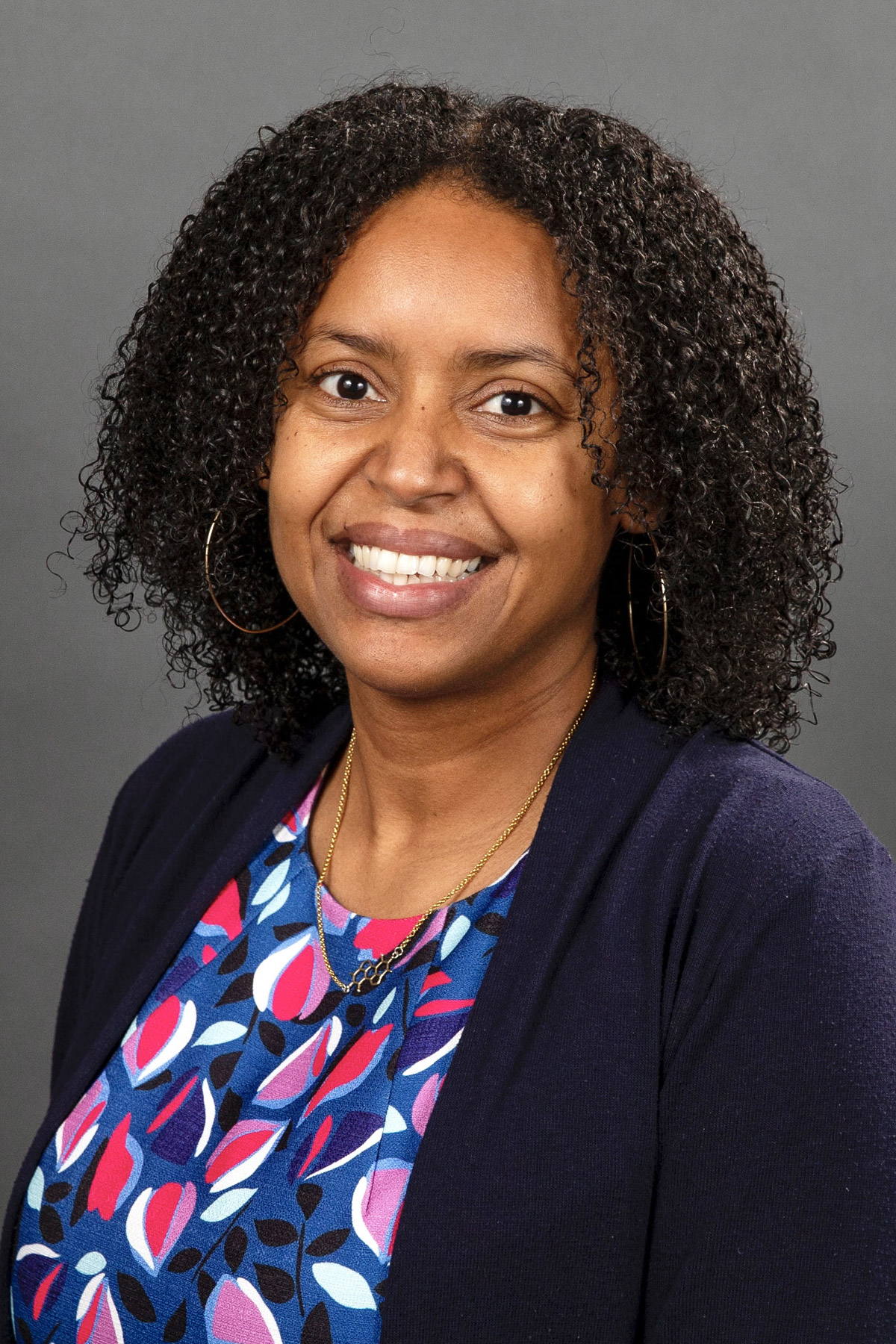
Krystle J. McLaughlin is an Associate Professor of Chemistry at Vassar College, where she has been since 2017. She earned a B.A. in Physics from Colgate University (2006) and a PhD in Biophysics from the University of Rochester (2011), followed by a postdoctoral fellowship in pedagogical training and research at the University of North Carolina at Chapel Hill’s SPIRE program. Her research focuses on biochemical and biophysical studies of microbial proteins, particularly antibiotic resistance mechanisms in pathogens like Staphylococcus and Salmonella , using protein x-ray crystallography and cryo-electron microscopy. She is an elected member of the US National Committee for Crystallography. Teaching responsibilities include Biochemistry (Chem 272), Biophysical Chemistry (Chem 326), and Protein Crystallography (Chem 295). McLaughlin’s lab emphasizes undergraduate research, with recent grants including a 2022 Cottrell Scholar Award ($100,000) supporting research and teaching development. She has balanced her career with motherhood, leveraging tenure-clock extensions and childcare arrangements during the pandemic. Her pandemic-era innovations include recorded lectures and iPad-based teaching tools to enhance accessibility. Her research articles span structural biology of bacterial enzymes, conjugative proteins, and gut microbiome enzymes. McLaughlin collaborates on initiatives to improve STEM education equity, including developing course-based research experiences (CUREs) and placement tests for incoming chemistry students.
Bishwo Mainali is a Senior Research Fellow in Applied BioSciences at Macquarie University (2019–present). Previously held roles including Senior Research Officer at Macquarie University (2015–2019), Research Fellow at the National Institute of Crop Science in South Korea (2012–2015), and Research Assistant at Andong National University (2009–2012). Technical Officer at Nepal Agricultural Research Council (1998–2009). Education: PhD in Applied Entomology, Andong National University (2012) MS in Agricultural Biology, Andong National University (2008) BSc in Agriculture, Mahatma Phule Agricultural University (1998) Research Interests: Focus on biological control, applied insect chemical ecology, and sustainable pest management. Specializes in fruit flies (e.g., Queensland fruit fly), stink bugs, and development of benign pest control methods like traps and Sterile Insect Technique (SIT). Recent work includes optimizing larval diets, pheromone studies, and fungal biocontrol agents. Key Projects: Raising Qfly Sterile Insect Technique to World Standard (2015–ongoing) Enhancing fruit fly SIT via improved gel diets (2021–2026) Automated monitoring systems for crop pests (2024–2029) Media Contributions: Highlighted in press for pilot SIT programs reducing fruit fly populations in Australia (e.g., Cobram and Hillston initiatives). Labs/Teams: Collaborates on multidisciplinary teams addressing pest management challenges, including AI-driven monitoring and biological control strategies.